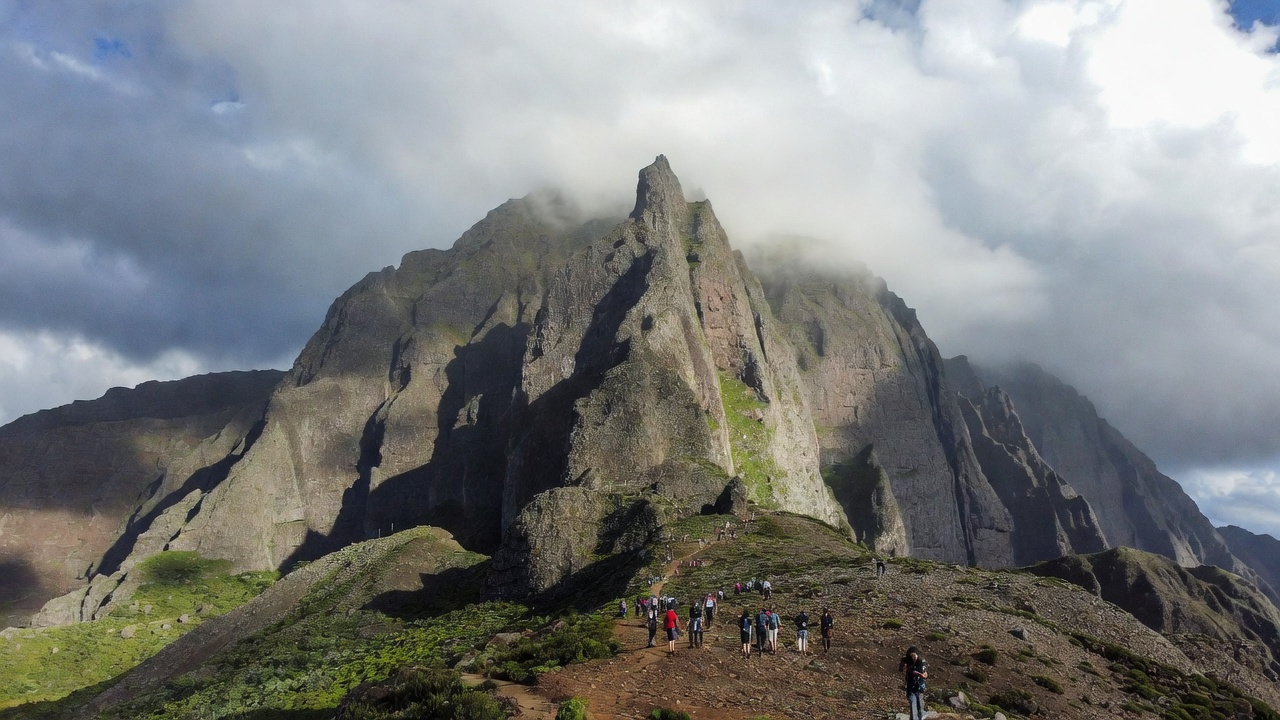
Le Morne Brabant is not just another hiking destination. Rising 556 meters above the turquoise Indian Ocean on the southwestern tip of Mauritius, this basaltic monolith carries the weight of centuries of history, tragedy, and ultimately, hope. If you’re planning to hike Le Morne Brabant on February 1st, you’re choosing a date that resonates deeply with Mauritians and visitors who understand the mountain’s significance as a UNESCO World Heritage Site and symbol of freedom.
This comprehensive guide will walk you through everything you need to know about conquering this remarkable trail during Abolition of Slavery Day celebrations in Mauritius. From practical hiking tips to understanding the profound cultural significance of your journey, consider this your complete resource for an unforgettable experience.
Why Hiking Le Morne Brabant on February 1st is a Life-Changing Experience
February 1st marks the commemoration of the Abolition of Slavery in Mauritius, a national public holiday that transforms Le Morne from a hiking destination into a pilgrimage site. On this day in 1835, slavery was officially abolished in Mauritius, making it the last British colony to end this dark chapter of human history.
The mountain’s significance runs far deeper than its geological beauty. During the 18th and 19th centuries, Le Morne served as a refuge for runaway slaves known as “maroons” who escaped the brutal conditions of the sugar plantations. Protected by the mountain’s almost inaccessible cliffs, wooded slopes, and hidden caves, these freedom seekers formed small settlements and lived in defiance of their oppressors.
According to oral traditions preserved by the Le Morne Heritage Trust Fund, Mauritius became known as the “Maroon Republic” due to the significant number of escaped slaves who found sanctuary on this mountain. The caves, ledges, and complex topography offered what the maroons needed most: protection and the chance to live free.
The tragic legend that haunts Le Morne tells of the day abolition was announced. When police officers climbed the mountain to inform the maroons of their newfound freedom, the escaped slaves misunderstood their approach. Believing they were about to be recaptured, many chose to leap from the cliffs rather than return to bondage. The area below became known as the “Valley of Bones.”
When you hike Le Morne Brabant on February 1st, you’re walking the same paths that once meant the difference between captivity and freedom. You’re paying tribute to those who risked everything for liberty.
Understanding Le Morne Cultural Landscape UNESCO World Heritage Status
In July 2008, UNESCO inscribed Le Morne Cultural Landscape on the World Heritage List, recognizing its outstanding universal value as a symbol of resistance to slavery. This designation wasn’t merely about natural beauty—it was about acknowledging the mountain’s role in human history.
Why UNESCO Recognized Le Morne Brabant
The UNESCO inscription highlights several criteria that make Le Morne exceptional:
| Criterion | Description |
|---|---|
| Criterion (iii) | Exceptional testimony to maroonage and resistance to slavery, with physical and oral evidence supporting its use as a fortress for escaped slaves |
| Criterion (vi) | The dramatic mountain form, heroic resistance it sheltered, and oral traditions have made it a symbol of slaves’ fight for freedom with relevance beyond Mauritius |
The property encompasses not just the mountain itself but extends to the surrounding peninsula, lagoons, and reefs. The Core Zone includes the entire mountain and most of its foothills, while the Buffer Zone extends to the peninsula and surrounding marine areas.
Archaeological Evidence of Maroon Settlements
Recent excavations in cave shelters on the mountain have revealed compelling evidence of maroon habitation. According to Google Arts & Culture, researchers discovered:
- Ashy deposits confirming the use of fire
- 300-year-old bones of a young sheep
- Evidence of sustained settlement on the plateau
These findings confirm what oral traditions have preserved: that maroons not only sought temporary refuge on Le Morne but established functioning communities where they could survive and maintain hope for freedom.
Complete Guide to Hiking Le Morne Brabant Trail Difficulty and Route
Before tackling this iconic trail, understanding what lies ahead is essential for a safe and enjoyable experience. The Le Morne Brabant hike is often described as a “tale of two halves”—and for good reason.
Trail Overview and Statistics
| Trail Information | Details |
|---|---|
| Total Distance | 7-9.5 km (round trip) |
| Elevation | 556 meters (1,824 ft) |
| Duration | 3-5 hours (round trip) |
| Difficulty | Moderate to Challenging |
| Trail Type | Out and back |
| Starting Point | Le Morne Brabant trailhead (south side) |
The First Section: Deceptively Easy Start
The first half of the Le Morne hike gives little indication of what’s to come. According to experienced hikers on AllTrails, this section features:
- Wide, well-maintained paths through dry forest
- Gentle inclines accessible to most fitness levels
- Signage and rest spots at regular intervals
- Shaded sections offering relief from the tropical sun
- Duration: Approximately 40-45 minutes
This section winds through vegetation where you might spot endemic birds like the Paille en Queue (White-tailed Tropicbird) and encounter indigenous plant species that make this mountain ecologically unique.
The Warning Sign: Where Things Get Serious
After reaching a clearing with panoramic views of both coastlines and Black River Gorges National Park, hikers encounter a checkpoint and warning sign. This is not a sign to take lightly.
The sign indicates that dangerous climbing lies ahead and that only experienced climbers should continue. From this point, the character of the trail transforms completely.
The Second Section: Technical Rock Scrambling
The second half of the Le Morne Brabant trail is what separates this hike from typical mountain walks. According to experienced hiker accounts from Around The World With Me, this section requires:
- Constant use of hands for climbing
- Confidence on steep, exposed terrain
- Basic climbing experience (no ropes or technical gear needed)
- Good upper body strength
- Head for heights
The route becomes near-vertical at times. Bolts have been fixed to the rock in the steepest sections—originally installed for guides to secure less experienced clients—but experienced hikers can navigate without additional gear.
One particularly famous feature is the “V-Gap”, a gorge that served as the key access point to the plateau for the maroons. Crossing this gap requires careful footing and confidence.
Best Time to Hike Le Morne Brabant in February: Weather Conditions
February falls within Mauritius’s wet season, which presents both challenges and considerations for hikers. Understanding the weather patterns will help you prepare appropriately.
February Weather Overview for Mauritius
| Weather Factor | February Conditions |
|---|---|
| Average High Temperature | 29-30°C (84-86°F) |
| Average Low Temperature | 22-24°C (72-75°F) |
| Humidity | 65-87% |
| Rainfall | Approximately 228mm across 10 days |
| Sunshine Hours | Average 7-8 hours per day |
| Sea Temperature | 28°C (82°F) |
Implications for Hiking
According to climate data, February 2nd tends to be one of the warmest days of the month, with average highs reaching 29°C. This has significant implications for your hike:
Heat Considerations:
- The second half of the trail is completely exposed to the sun
- Temperatures can feel much hotter on bare rock
- Dehydration risk is significant
- Morning starts are essential
Rain Considerations:
- Showers can be brief but heavy
- Basalt rock becomes extremely slippery when wet
- The trail can become muddy, especially the dirt road to the trailhead
- Storms typically build in the afternoon
Best Strategy for February 1st: Start your hike as early as possible—ideally at dawn (around 5:30-6:00 AM). This allows you to:
- Avoid the scorching midday heat
- Complete the technical sections before any afternoon storms
- Witness the sunrise over the Indian Ocean from the trail
- Return before the commemorative ceremonies begin at the monument
Essential Gear and Packing List for Le Morne Brabant Hike
Proper preparation can mean the difference between an incredible experience and a dangerous situation. Here’s your comprehensive packing list for hiking Le Morne Brabant:
Footwear and Clothing
| Item | Recommendation |
|---|---|
| Hiking Shoes | Sturdy shoes with excellent grip—essential for rock scrambling; trail runners may suffice for experienced hikers |
| Moisture-Wicking Clothing | Light, breathable fabrics; avoid cotton |
| Long Pants or Shorts | Personal preference; pants offer protection from scrapes |
| Sun Hat or Cap | Crucial for the exposed second section |
| Sunglasses | Quality UV protection |
| Light Rain Jacket | Compact and waterproof for unexpected showers |
Hydration and Nutrition
Water is critical. Bring at least 2-3 liters per person. There are no water sources on the mountain, and the February heat will accelerate dehydration.
| Item | Notes |
|---|---|
| Water | Minimum 2 liters; 3+ recommended |
| Electrolyte Tablets | Replace salts lost through sweating |
| High-Energy Snacks | Nuts, energy bars, dried fruit |
| Light Breakfast | Eat before starting |
Sun Protection
The tropical sun in Mauritius is intense, particularly in February. Bring:
- High SPF Sunscreen (50+ recommended)
- Lip Balm with SPF
- Apply before starting and bring extra for reapplication
Safety and Navigation
| Item | Purpose |
|---|---|
| Mobile Phone | Fully charged; emergency calls and photos |
| Power Bank | Backup charging |
| Basic First Aid Kit | Bandages, antiseptic, blister treatment |
| Headlamp or Flashlight | If starting before dawn |
| Cash | For parking, possible guide fees |
What NOT to Bring
- Flip-flops or sandals (accidents waiting to happen)
- Heavy camera equipment (unless you’re an experienced climber)
- Large backpacks (keep it light and close to body)
- Anything you can’t afford to lose (the descent is tricky)
Step-by-Step Hiking Le Morne Brabant Trailhead to Summit Guide
Let’s break down the complete journey from arrival to summit and back.
Getting to Le Morne Brabant Trailhead
By Car (Recommended): The trailhead is located on the southern side of Le Morne mountain. From the main road, look for a sign indicating the trail entrance is 1.5 km away. Turn onto the narrow unpaved road and follow it to the parking area.
| From | Approximate Drive Time |
|---|---|
| Port Louis | 1 hour |
| Grand Baie | 1.5 hours |
| Belle Mare | 1 hour 45 minutes |
| Flic-en-Flac | 30-40 minutes |
| Mahebourg | 1 hour |
Important: The dirt road can be muddy and filled with puddles after rain (common in February). A standard rental car can usually manage, but drive carefully.
By Public Bus: While possible, this isn’t recommended for an early start. Buses run infrequently, and there’s a 1.5 km walk from the main road bus stop to the trailhead. If taking public transport, bus tickets cost between Rs 17-47 (less than $1 USD).
Parking: The trailhead has a dirt parking area at the beach. It’s free but can fill up, especially on February 1st due to commemorative events.
Phase 1: Trailhead to First Viewpoint (45 minutes)
Starting Point Coordinates: Search for “Le Morne Brabant trail entrance” on Google Maps.
The trail begins at the parking area where you’ll find information boards about the hike and the mountain’s history. Take a moment to read these—they set the context for your journey.
Trail Markers: The path is well-marked with occasional signs. The route is wide enough that getting lost is unlikely during this section.
What You’ll See:
- Dense coastal vegetation
- Glimpses of the lagoon through trees
- Endemic bird species (listen for the distinctive calls)
- First views of the mountain’s imposing face
Pace Yourself: This section might feel easy, but conserve energy. The real challenge lies ahead.
Phase 2: First Viewpoint to Warning Sign (20 minutes)
After the initial forest section, you’ll reach a clearing with stunning views. On clear days, you can see:
- Both coastlines of Mauritius
- Black River Gorges National Park
- Ile aux Benitiers in the lagoon below
- The full profile of Le Morne Brabant ahead
Here you’ll find a checkpoint hut and benches—a good place for a brief rest and hydration.
The Warning Sign: Beyond this point, you’ll encounter the sign cautioning about dangerous climbing ahead. Take it seriously. If you have any doubts about your fitness or climbing ability, this is an honorable turnaround point. The views from here are already spectacular.
Phase 3: Warning Sign to Summit (1-1.5 hours)
This is where the adventure truly begins.
Initial Scramble: Shortly after the warning sign, the path narrows and you’ll face your first rocky scramble. The vegetation gives way to exposed basalt rock.
Key Features:
| Section | Description |
|---|---|
| Initial Rock Face | First taste of hand-over-hand climbing |
| The V-Gap | Historic passage used by maroons; requires confident footing |
| Steep Ascent | Near-vertical sections with fixed bolts |
| Ridge Walk | Narrow section with exposure on both sides |
| Final Push | Last scramble to the Morne Cross |
Technique Tips:
- Three points of contact at all times (two hands and one foot, or two feet and one hand)
- Look up to plan your route before each section
- Test handholds before committing weight
- Face the rock on the descent—don’t try to walk down facing outward
- Take your time—this isn’t a race
Junction Point: Near the ridge, at coordinates -20.4520, 57.3289 (approximately), you’ll reach a junction with shaded benches. Trails lead to different viewpoints. Take the path heading toward the summit.
Phase 4: The Summit and Morne Cross
After the final scramble, you’ll emerge onto the summit plateau marked by a large metal cross—the Morne Cross. You’ve made it.
Summit Experience: The views from the top are, quite simply, breathtaking. Below you:
- Perpendicular cliffs dropping dramatically
- Turquoise lagoon dotted with kitesurfers
- The underwater waterfall (visible as color gradients in the ocean)
- Ile aux Benitiers appearing small from this height
- The deep blue Indian Ocean beyond the reef line
- Breaking waves creating a white line where lagoon meets ocean
Take time to absorb this view. Consider the maroons who once stood in this same spot, scanning the horizon for ships that might take them home to Africa, Madagascar, or India. Consider what freedom meant to them.
Duration at Summit: Allow 20-30 minutes minimum to rest, hydrate, take photos, and appreciate the significance of where you stand.
Phase 5: The Descent (1.5-2 hours)
The descent is often more challenging than the ascent. Gravity works against you on steep terrain, and tired legs make mistakes.
Descent Strategy:
- Face the rock on steep sections
- Lower yourself on your backside where necessary—there’s no shame in it
- Go slowly—a twisted ankle here would be serious
- Use fixed bolts if available for stability
- Rest frequently—descending uses different muscles
Common Descent Mistakes:
- Trying to go too fast
- Facing outward on steep sections
- Leaning too far forward
- Not resting enough
By the time you return to the trailhead, you’ll have completed one of the most rewarding hikes in Mauritius.
Do You Need a Guide to Hike Le Morne Brabant? Explained
This is one of the most frequently asked questions about the Le Morne hike. The answer has evolved over time.
Historical Context
Prior to July 2016, the Le Morne summit was inaccessible to the public since UNESCO inscription. Access was restricted to preserve the site. When the trails reopened, guided tours were initially emphasized.
According to UNESCO news, the reopening came after recommendations from a Joint Reactive Monitoring Mission, which noted that full access was needed for more effective conservation and management.
Current Regulations
Today, you can legally hike Le Morne Brabant without a guide. There is no entry fee for the trail, and many experienced hikers complete the route independently.
However, there are strong arguments for both options:
Advantages of Hiring a Guide
| Benefit | Details |
|---|---|
| Safety | Guides know the safest routes and can assist in technical sections |
| History & Context | Learn about maroon history, endemic species, and local significance |
| Route Finding | Some sections can be confusing; guides ensure you don’t miss the best path |
| Photography | Guides can take photos of you at key moments |
| Support | Help if you struggle with the scrambling sections |
| Local Economy | Supporting Mauritian guides benefits the community |
Typical Guide Cost: Approximately Rs 1,500-2,000 MUR ($35-50 USD) per person, often including hotel pickup and water.
When You Can Hike Without a Guide
You should only consider hiking independently if you:
- Have prior hiking experience on technical trails
- Are comfortable with rock scrambling
- Have good fitness levels
- Are confident in navigation
- Have appropriate gear
- Are not afraid of heights
My Recommendation for February 1st
For hiking on February 1st specifically, I lean toward recommending a guide, especially for first-time visitors. Here’s why:
- February weather can be unpredictable—a guide knows when to push forward and when to turn back
- The historical significance of the date deserves proper interpretation
- The trail may be busier with commemoration visitors; a guide helps manage expectations
- Supporting local guides is particularly meaningful on this symbolic day
Endemic Plants and Wildlife You’ll See Hiking Le Morne Mountain
Le Morne Brabant is home to an extraordinary concentration of endemic species—organisms found nowhere else on Earth. The mountain’s isolation and varied microclimates have created a unique ecosystem.
The National Flower: Trochetia Boutoniana
Perhaps the most significant plant on Le Morne is the Trochetia boutoniana, known locally as “Boucle d’Oreille” (Earring) due to its bell-shaped flowers.
According to Wikipedia, this remarkable shrub:
- Was designated Mauritius’s national flower in 1992
- Exists only on the slopes of Le Morne Brabant
- Features dark red to orange flowers with distinctive asymmetrical petals
- Blooms from June to October (unfortunately not February)
- Is critically endangered due to invasive species and introduced monkeys
- Was named after French botanist Louis Bouton
Even if you’re hiking in February outside the blooming season, recognizing the Trochetia shrubs along the trail connects you to one of Mauritius’s most treasured botanical symbols.
Helichrysum Mauritianum: L’Immortelle Du Morne
Another species found exclusively on Le Morne is the Helichrysum mauritianum. According to the Le Morne Heritage Trust Fund, this plant has evolved in the mountain’s unique conditions over millions of years.
73 Endemic Flowering Plant Species
The flora of Le Morne is particularly diverse. According to Google Arts & Culture documentation, the mountain hosts 73 of Mauritius’s 311 endemic flowering plant species—a remarkable concentration considering the relatively small area.
Wildlife Encounters
| Species | Notes |
|---|---|
| Paille en Queue (White-tailed Tropicbird) | Elegant seabird often seen soaring on updrafts near the cliffs |
| Mauritius Kestrel | Once the world’s rarest bird; conservation success story |
| Blue-tailed Day Gecko (Phelsuma cepediana) | Important pollinator of native plants |
| Various Skinks | Sunbathing lizards common on rocky sections |
| Endemic Butterflies | Colorful species in vegetated areas |
Conservation Message
The endemic species of Le Morne face serious threats from invasive plants and introduced animals (particularly monkeys and rats). By staying on designated trails and respecting the environment, hikers play a role in protecting this irreplaceable ecosystem.
International Slave Route Monument at Le Morne: What to See Before Your Hike
Before or after your hike, a visit to the International Slave Route Monument is essential. Located at the foot of Le Morne mountain, opposite the public beach, this powerful memorial provides context for your journey.
History of the Monument
According to Atlas Obscura, the International Slave Route Monument was:
- Inaugurated on February 1, 2009 (the 174th anniversary of abolition)
- Part of UNESCO’s “Slave Route” project launched in Benin in 1994
- Established by the Le Morne Heritage Trust Fund, created in May 2004
What You’ll See
The monument consists of 10 sculptures in a garden setting:
| Sculpture | Artist Origin |
|---|---|
| Central Sculpture | Mauritian artist |
| Prayer to Break the Chains | Haitian sculptor Fritz Laratte |
| Reunion Island Contribution | Reunion Island artist |
| Madagascar Tribute | Madagascar artist |
| Mozambique Representation | Mozambique artist |
| Chinese Heritage | Chinese artist |
| Indian Legacy | Indian artist |
| Malaysian Connection | Malaysian artist |
| Additional Works | France and Senegal (some still to be added) |
The central bronze sculpture depicts figures of enslaved men and women, their expressive silhouettes evoking both suffering and dignity. The arrangement faces Le Morne mountain, symbolizing the path to freedom.
Visiting Information
| Detail | Information |
|---|---|
| Location | Foot of Le Morne mountain, opposite public beach |
| Cost | Free |
| Hours | Open daylight hours |
| Facilities | Interpretation center nearby |
| Best Time to Visit | Early morning or late afternoon for photography |
February 1st Ceremonies
On Abolition of Slavery Day, the International Slave Route Monument becomes the focal point of official commemoration ceremonies. Events typically include:
- Wreath-laying ceremonies by government officials
- Speeches honoring the ancestors who fought for freedom
- Cultural performances including traditional Sega music
- Gatherings by Rastafarian and Creole community groups
If hiking on February 1st, plan to attend at least part of these ceremonies. Witnessing Mauritians honoring their ancestors adds profound meaning to your experience on the mountain.
The Underwater Waterfall Illusion: What You Can See from Le Morne Summit
One of the most extraordinary sights visible from Le Morne’s summit is the famous underwater waterfall—one of the world’s most photogenic optical illusions.
Understanding the Phenomenon
According to helicopter tour operators, the underwater waterfall is:
- Not a real waterfall but a stunning optical illusion
- Created by sand and silt flowing over underwater canyons
- The result of Mauritius’s position on a submarine plateau no deeper than 150 meters
- Best viewed from above but visible from Le Morne summit
The illusion occurs where the shallow lagoon abruptly meets the deeper ocean. Ocean currents push fine sediment over the underwater shelf, creating the appearance of water cascading into an abyss.
Viewing from the Summit
From Le Morne’s summit, you can observe the color gradients that create this illusion:
- Turquoise shallow water of the lagoon
- Darker blue tones where the ocean floor drops
- The gradient between creating the “waterfall” effect
While the view from a helicopter or seaplane is more dramatic, seeing this phenomenon from the summit—the same vantage point the maroons once had—carries special significance.
Helicopter Tours for the Best View
If you want the full experience of the underwater waterfall:
| Tour Duration | Approximate Cost |
|---|---|
| 15 minutes | MUR 8,000-12,000 ($180-270 USD) |
| 25 minutes | MUR 15,000-18,000 ($340-400 USD) |
| 45 minutes | MUR 25,000+ ($560+ USD) |
Popular operators include Corail Helicopters, Air Mauritius, and various companies bookable through Mauritius Attractions.
February 1st Abolition Day Celebrations: What to Expect at Le Morne
Hiking on February 1st means experiencing Le Morne during its most significant annual commemoration. Understanding the day’s events will help you plan effectively.
Official Ceremonies
According to National Today, while events are held throughout Mauritius, many specifically gather at Le Morne for festivities.
Typical Schedule:
| Time | Activity |
|---|---|
| Morning | Official government ceremonies at monument |
| Midday | Speeches and wreath-laying |
| Afternoon | Cultural performances, Sega music |
| Throughout the Day | Picnicking on Le Morne public beach |
Cultural Significance
The February 1st ceremonies go beyond remembering slavery—they celebrate the construction of Creole identity in Mauritius. According to UNESCO documentation, commemorative speeches reflect:
- Reconstruction of Creole identity
- Connection to African heritage
- Recognition of slave contributions to Mauritian society
- Ongoing fight against discrimination
The Famous “Le Morne Sega” Song
In 2001, the band Cassiya released “Le Morne Sega,” which was voted song of the year on Mauritian radio. According to the United Nations in Mauritius, the song:
“poignantly reminds us of the power of history, of resistance and pride in self-identity.”
You may hear this song during February 1st celebrations. Its lyrics, written by Sedley Richard Assonne, emerged during public debates about Le Morne’s history.
Planning Your Hike Around Ceremonies
Recommendations:
- Start your hike at dawn (5:30-6:00 AM) to summit and return before main ceremonies
- Attend afternoon ceremonies after your hike while resting
- Be respectful of the solemn nature of commemorations
- Engage with locals—many are happy to share stories and perspectives
- Stay for the beach picnic—it’s a wonderful cultural experience
Safety Tips for Hiking Le Morne Brabant Mountain Trail
Safety on Le Morne requires respect for both the mountain’s challenges and the tropical environment.
Physical Requirements
According to experienced hikers on TripAdvisor, you should reconsider the summit attempt if you:
- Have limited upper body strength
- Are significantly overweight
- Have physical disabilities affecting arms or legs
- Are over 70 (unless exceptionally fit)
- Are pregnant
- Have serious heart or respiratory conditions
- Are afraid of heights to a limiting degree
This isn’t gatekeeping—it’s genuine safety advice. The technical sections require pulling yourself up using handholds, and a fall could be serious.
Children and the Hike
The hike to the first viewpoint is suitable for older children with reasonable fitness. However, the summit section is NOT recommended for children under 12-14, and even teenagers should be assessed individually.
Heat and Sun Safety
| Risk | Prevention |
|---|---|
| Heat Exhaustion | Start early, rest in shade, hydrate constantly |
| Sunburn | High SPF sunscreen, hat, cover exposed skin |
| Dehydration | 2-3 liters water minimum, electrolytes |
| Heatstroke | Know the signs (confusion, rapid pulse, hot skin); descend immediately if suspected |
Weather Emergencies
In case of sudden storms:
- Do not continue on exposed rock sections
- Seek shelter in vegetated areas if possible
- Wait for the storm to pass—tropical storms are often brief
- Wet basalt is extremely slippery—take extra care on descent
Emergency Contacts
| Service | Number |
|---|---|
| Police | 999 |
| Ambulance | 114 |
| Tourism Police | 213 1740 |
Mobile Signal: Generally available on most of the trail, though can be patchy in some areas.
Where to Stay Near Le Morne Brabant for Early Morning Hikes
An early start is essential for hiking Le Morne, especially in February. Staying nearby means less driving and more sleep.
Accommodation Options Near Le Morne
| Category | Options | Distance to Trailhead |
|---|---|---|
| Luxury Resorts | Heritage Le Telfair, Dinarobin Hotel Golf & Spa, Paradis Beachcomber | 2-5 km |
| Mid-Range Hotels | RIU Hotels Le Morne, Indian Resort | 3-6 km |
| Budget Options | Guesthouses in Le Morne village | 1-3 km |
| Alternative Areas | Flic-en-Flac, Tamarin (30-40 min drive) | 15-25 km |
Benefits of Staying in Le Morne
- 5-10 minute drive to trailhead
- Can check weather conditions before committing
- Return to accommodation quickly after hike
- Attend February 1st ceremonies without rushing
- Enjoy Le Morne beach for afternoon relaxation
Alternative Activities at Le Morne Peninsula Beyond Hiking
Le Morne offers much more than the hiking trail. If you have extra time, or if the weather doesn’t cooperate for hiking, consider these activities:
Water Sports at Le Morne
The Le Morne lagoon is world-famous for kitesurfing and windsurfing. Consistent trade winds and flat water inside the reef create perfect conditions.
| Activity | Level | Notes |
|---|---|---|
| Kitesurfing | Beginner to Advanced | Multiple schools available |
| Windsurfing | Beginner to Advanced | Famous One Eye wave spot nearby |
| Stand-Up Paddleboarding | All Levels | Calm lagoon waters |
| Swimming | All Levels | Public beach is beautiful |
Le Morne Public Beach
One of Mauritius’s finest public beaches sits at the foot of the mountain. After your hike, cooling off here is traditional. The beach features:
- Soft white sand
- Calm, shallow water
- Stunning views of the mountain
- Facilities (parking, occasional vendors)
- February 1st picnic atmosphere
Exploring the Surrounding Area
Within easy reach of Le Morne:
| Attraction | Distance | Description |
|---|---|---|
| Chamarel Seven Colored Earth | 20 min | Unique geological formation |
| Chamarel Waterfall | 20 min | 100-meter cascade |
| Black River Gorges National Park | 30 min | Endemic forests, viewpoints |
| Tamarin Bay | 25 min | Dolphin watching, surfing |
| Casela Nature Park | 35 min | Wildlife encounters, adventure activities |
How to Reach Le Morne Brabant: Transportation Options in Mauritius
Getting to Le Morne requires some planning, especially for an early start.
Renting a Car in Mauritius
Recommended Option: Car rental gives you flexibility for early starts and exploring the area.
| Detail | Information |
|---|---|
| Average Daily Cost | Rs 1,000-2,000 MUR ($22-45 USD) |
| Driving Side | Left (British system) |
| License Required | International Driving Permit recommended |
| Road Conditions | Generally good; dirt road to trailhead can be muddy |
Private Taxi or Transfer
Many hotels can arrange private transfers to Le Morne. This is useful if you don’t want to drive.
| Route | Approximate Cost |
|---|---|
| From North (Grand Baie) | Rs 2,500-3,500 MUR |
| From Port Louis | Rs 1,500-2,500 MUR |
| From Airport | Rs 2,000-3,000 MUR |
Guided Tour with Transport
Many guided hiking tours include hotel pickup and drop-off, simplifying logistics entirely.
Public Transportation
While possible, public buses to Le Morne are infrequent and don’t run early enough for dawn starts. Not recommended for serious hikers.
Respecting Le Morne Cultural Landscape: Responsible Tourism Guidelines
Le Morne is not just a hiking destination—it’s a sacred site of remembrance. Responsible behavior honors the memory of those who suffered here.
Trail Etiquette
| Do | Don’t |
|---|---|
| Stay on marked trails | Create new paths or shortcuts |
| Take all rubbish with you | Leave any litter behind |
| Respect other hikers | Play loud music |
| Allow faster hikers to pass | Block narrow sections |
| Follow guide instructions | Ignore safety warnings |
Cultural Sensitivity
On February 1st especially:
- Dress modestly when attending ceremonies
- Ask permission before photographing people
- Observe silently during formal commemorations
- Engage respectfully if invited to join
- Learn about the history before visiting
Environmental Protection
The endemic species of Le Morne are irreplaceable:
- Never pick flowers or plants
- Don’t feed wildlife
- Stay on rock rather than stepping on vegetation
- Report any damage to the Heritage Trust Fund
Photography Guidelines
While photography is welcomed:
- No drone flying without specific permits
- Respect privacy at the monument
- Don’t climb on monuments for photos
- Share responsibly on social media—acknowledge the site’s significance
Frequently Asked Questions About Hiking Le Morne Brabant
How difficult is the Le Morne Brabant hike?
The hike is rated moderate to challenging. The first half is easy walking, but the second half requires rock scrambling, hand-over-hand climbing, and comfort with heights. Basic fitness and climbing experience are recommended.
Is Le Morne Brabant hike dangerous?
Like any mountain hike, there are inherent risks. The main dangers are falls on steep terrain, heat-related illness, and slippery conditions after rain. With proper preparation and caution, thousands complete the hike safely each year.
How long does it take to hike Le Morne Brabant?
Most hikers complete the round trip in 3-5 hours, depending on fitness level and how long they spend at viewpoints and the summit.
Can I hike Le Morne Brabant without a guide?
Yes, the hike is legally accessible without a guide. However, guides offer safety assistance, historical context, and route-finding help that enhance the experience.
Is there an entrance fee for Le Morne Brabant?
No, there is no entrance fee to hike Le Morne Brabant.
What is the best time of day to hike Le Morne?
Early morning (dawn start) is best to avoid heat, finish before potential afternoon storms, and enjoy the clearest views.
Is Le Morne Brabant suitable for children?
The first section to the viewpoint is suitable for older children. The summit section is not recommended for children due to the technical climbing required.
What should I wear for the Le Morne hike?
Sturdy hiking shoes with good grip are essential. Wear lightweight, moisture-wicking clothing, a hat, and bring a light rain jacket.
Can I see the underwater waterfall from Le Morne summit?
Yes, though the color gradients creating the illusion are more visible from helicopter or seaplane. The summit view still showcases this phenomenon.
Why is February 1st significant for Le Morne?
February 1st is Abolition of Slavery Day in Mauritius, marking the end of slavery in 1835. Le Morne, as a symbol of slave resistance, hosts major commemorative events.
Final Thoughts: Why Hiking Le Morne Brabant on February 1st is Unforgettable
There are hiking trails with better-marked routes. There are mountains with higher summits. There are easier scrambles and more challenging climbs.
But there is only one Le Morne Brabant.
When you stand at that summit, gazing across the same turquoise waters that once represented impossible dreams of freedom to the maroons below, you’re not just completing a hike. You’re participating in a story of human resilience that spans centuries and continents.
On February 1st, that story comes alive. The ceremonies at the monument, the songs echoing across the lagoon, the families gathering on the beach—all of it speaks to the power of memory and the importance of honoring those who came before.
The trail is challenging. The weather in February is hot. The scrambling sections will test you.
But when you reach that summit cross, when you look down at the underwater waterfall and across to the distant reef line, when you think about the maroons who once risked everything for the view you’re privileged to enjoy freely—every difficult step will have been worth it.
Plan carefully. Prepare thoroughly. Start early. Show respect.
And then let Le Morne tell you its story.
Have you hiked Le Morne Brabant? Share your experience in the comments below. For more guides to meaningful travel experiences around the world, subscribe to our newsletter and follow our journey on social media.
Quick Reference: Le Morne Brabant Hiking Checklist
Before You Go
- [ ] Check weather forecast
- [ ] Book accommodation near Le Morne
- [ ] Arrange transportation
- [ ] Consider hiring a guide
- [ ] Research the history
Packing Essentials
- [ ] Sturdy hiking shoes
- [ ] 2-3 liters water
- [ ] High SPF sunscreen
- [ ] Hat and sunglasses
- [ ] Light rain jacket
- [ ] Energy snacks
- [ ] Fully charged phone
- [ ] Basic first aid kit
On the Day
- [ ] Start at dawn (5:30-6:00 AM)
- [ ] Visit the monument
- [ ] Take breaks as needed
- [ ] Stay hydrated
- [ ] Respect the environment
- [ ] Attend February 1st ceremonies
After Your Hike
- [ ] Cool off at Le Morne beach
- [ ] Share your experience responsibly
- [ ] Reflect on the significance of your journey
This guide was researched and written to provide accurate, helpful information for visitors to Le Morne Brabant. While every effort has been made to ensure accuracy, trail conditions and regulations can change. Always check current conditions before hiking and prioritize safety.