Chinese New Year’s Eve, known as Chúxī (除夕) in Mandarin, is the single most important night on the Chinese calendar. Every year, over 1.4 billion people across mainland China, Taiwan, Hong Kong, Macau, and Chinese communities worldwide gather for this one evening. It is a night of homecoming, feasting, remembrance, and renewal. In 2026, Chinese New Year’s Eve falls on February 16, ushering in the Year of the Horse on the lunar calendar.
But Chúxī is far more than a dinner party. It carries over three thousand years of ritual, meaning, and cultural memory. To understand this night is to understand the heart of Chinese civilization itself.
What Is Chinese New Year’s Eve and Why Is It Called Chúxī?
The Chinese name 除夕 (Chúxī) holds a key to the holiday’s original purpose. The character 除 (chú) means “to remove” or “to get rid of.” The character 夕 (xī) means “evening” or “night.” Together, Chúxī means something like “the evening of removal” — the night when the old year is driven away to make room for the new.
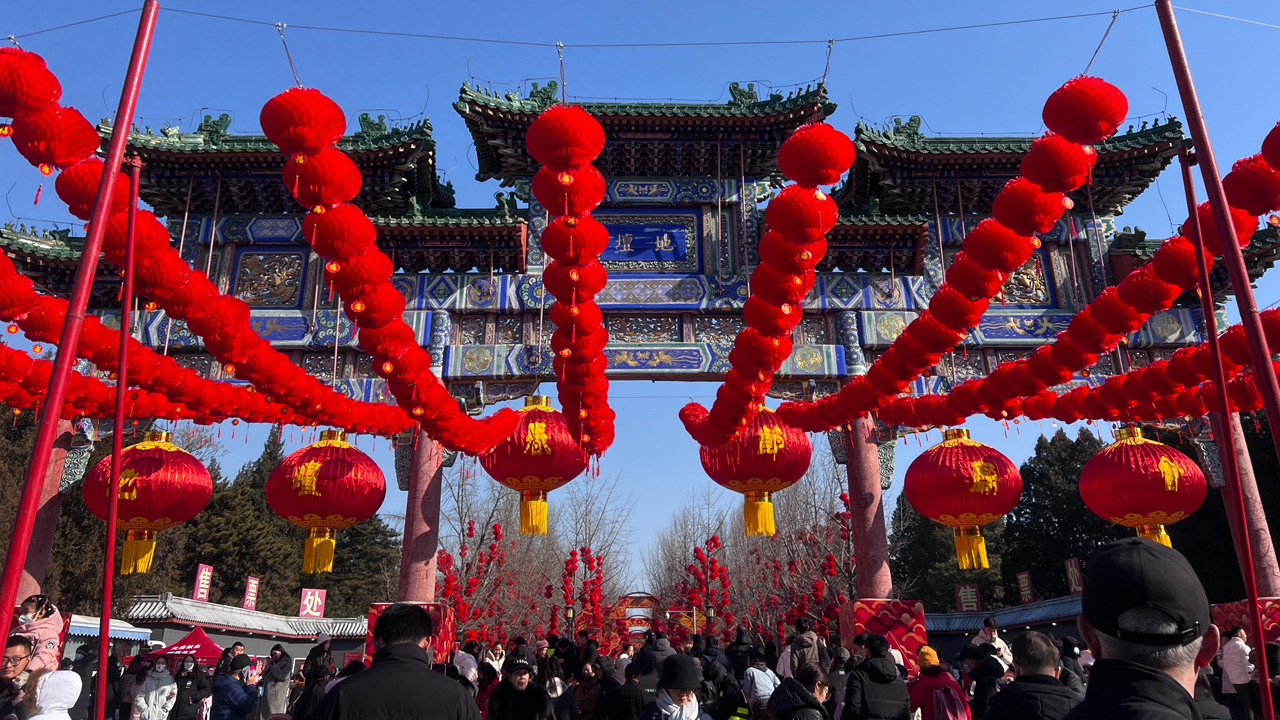
This name connects directly to an ancient folk legend. According to Chinese mythology, a fearsome beast called Nián (年) would emerge from the sea or mountains on the last night of the year to terrorize villages. The creature feared three things: the color red, loud noises, and bright fire. Villagers learned to hang red banners, light firecrackers, and keep their homes brightly lit through the night to drive Nián away. The phrase 过年 (guònián), which today simply means “to celebrate the New Year,” literally translates to “surviving the Nián.”
Whether the legend came first or the rituals did, the customs that grew from this story — red decorations, fireworks, staying awake all night — remain the backbone of Chúxī celebrations to this day.
The Ancient Origins of Chinese New Year’s Eve Celebration
The roots of Chúxī stretch back to the Shang Dynasty (1600–1046 BCE), when year-end rituals of sacrifice and thanksgiving to gods and ancestors were already well established. Oracle bone inscriptions from this period record ceremonies held at the turn of the year.
By the Zhou Dynasty (1046–256 BCE), a formal custom called “Là Jì” (腊祭) had developed. This was a grand year-end sacrifice to heaven, earth, and ancestral spirits. People offered grain, meat, and wine to give thanks for the harvest and to pray for fortune in the coming year. This ritual is considered one of the earliest ancestors of the modern Chúxī dinner.
During the Han Dynasty (206 BCE–220 CE), the celebration took on many of the features we recognize today. The historian Cui Shi (崔寔) wrote in his work Sìmín Yuèlìng (四民月令) about families preparing special foods, cleaning their homes, and gathering together on the last night of the year. The Han Dynasty also saw the rise of shǒu suì (守岁) — the custom of staying awake through the entire night on New Year’s Eve.
The Tang Dynasty (618–907 CE) elevated Chúxī into a grand cultural event. The poet Bái Jūyì (白居易) wrote about the bittersweet feeling of watching the old year pass away. The Tang court held lavish New Year’s Eve banquets, and the practice of writing and hanging spring couplets (春联, chūnlián) on doorways became widespread.
By the Song Dynasty (960–1279 CE), firecrackers made from gunpowder replaced the ancient practice of burning bamboo stalks (which popped loudly in the fire). The Song period also solidified the tradition of the family reunion dinner as the emotional center of the holiday.
| Dynasty | Period | Key Chúxī Developments |
|---|---|---|
| Shang | 1600–1046 BCE | Year-end sacrificial rituals to gods and ancestors |
| Zhou | 1046–256 BCE | Formalized “Là Jì” sacrifice; prayers for the harvest |
| Han | 206 BCE–220 CE | Family gatherings, home cleaning, shǒu suì (staying up all night) |
| Tang | 618–907 CE | Spring couplets, court banquets, literary celebrations |
| Song | 960–1279 CE | Gunpowder firecrackers, formal reunion dinner tradition |
| Ming & Qing | 1368–1912 CE | Red envelopes (hóngbāo), elaborate door gods, peak of folk customs |
How Chinese Families Celebrate New Year’s Eve Reunion Dinner
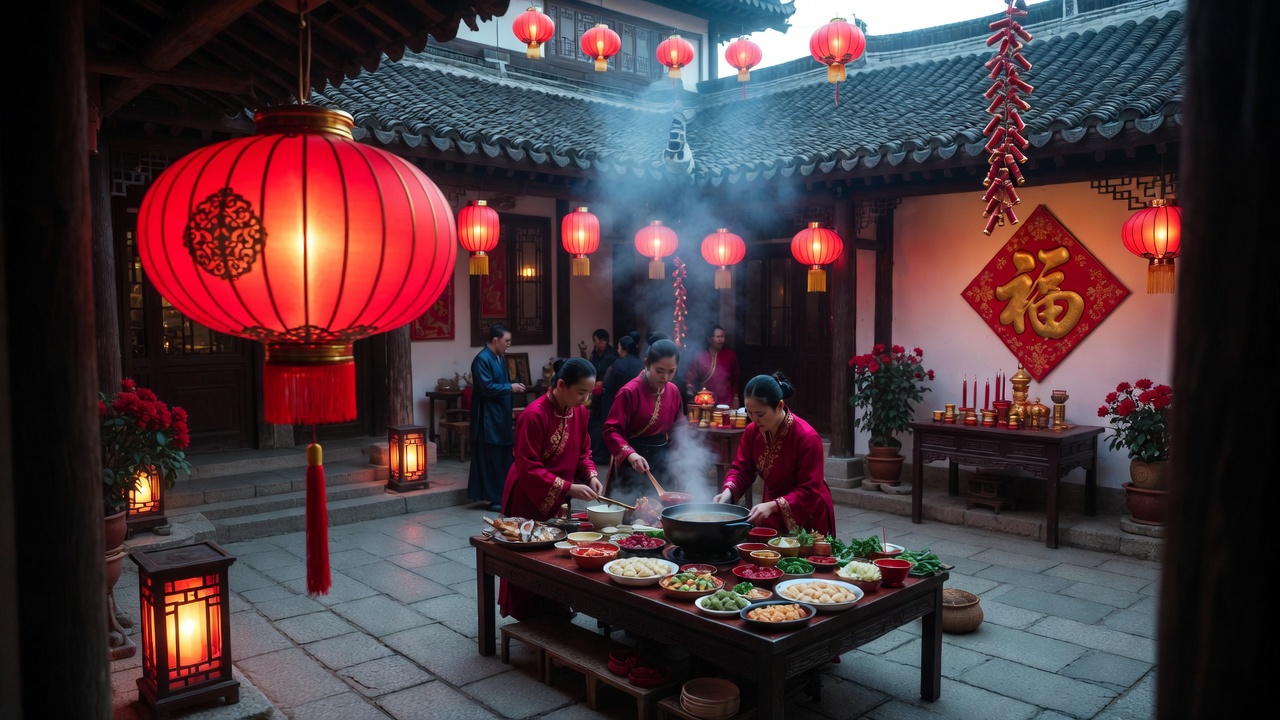
The reunion dinner (年夜饭, niányèfàn) is the emotional and culinary heart of Chúxī. It is, without exaggeration, the most important meal of the year for Chinese families. The dinner brings together parents, grandparents, children, and extended relatives around one table. For many migrant workers in China’s cities, this is the only time they return to their hometowns each year.
This annual homecoming drives Chūnyùn (春运), the Spring Festival travel rush — the largest annual human migration on the planet. According to China’s Ministry of Transport, the 2025 Chūnyùn period saw roughly 9 billion passenger trips over forty days, including travel by rail, road, air, and water. The 2026 season is expected to match or exceed those numbers.
What Foods Are Served at the Chinese New Year’s Eve Dinner
Every dish on the Chúxī table carries symbolic meaning. Nothing is accidental. The meal is an edible prayer for prosperity, longevity, happiness, and togetherness.
| Dish | Chinese Name | Symbolic Meaning |
|---|---|---|
| Whole fish | 鱼 (yú) | Surplus and abundance (sounds like 余, “extra”) |
| Dumplings | 饺子 (jiǎozi) | Wealth (shaped like ancient gold ingots) |
| Spring rolls | 春卷 (chūnjuǎn) | Wealth (resemble gold bars) |
| Rice cake | 年糕 (niángāo) | Rising higher each year (sounds like 年高) |
| Longevity noodles | 长寿面 (chángshòu miàn) | Long life (never cut the noodles!) |
| Tangyuan (sweet rice balls) | 汤圆 (tāngyuán) | Family reunion and togetherness (sounds like 团圆) |
| Whole chicken | 鸡 (jī) | Prosperity and completeness (sounds like 吉, “luck”) |
Regional differences make the reunion dinner deeply local. In northern China, families wrap and boil jiǎozi (dumplings) together — often hiding a coin or peanut inside one dumpling for luck. In southern China, especially Guangdong and Fujian provinces, hot pot, steamed seafood, and niángāo take center stage. Sichuan families add bold, spicy flavors. Shanghainese tables might feature “eight treasure” sticky rice (八宝饭, bābǎofàn).
The act of cooking together matters as much as the food itself. Grandmothers teach grandchildren how to fold dumplings. Fathers fry the fish. The kitchen fills with steam and conversation. In this way, recipes and family bonds are passed down through generations.
Traditional Chinese New Year’s Eve Customs and Rituals You Should Know
Beyond the dinner table, Chúxī is rich with rituals that have been practiced for centuries. Each one serves a purpose — to cleanse, protect, honor, or bless.
Pasting Spring Couplets and Red Decorations on Doors
In the days leading up to Chúxī, families paste spring couplets (春联, chūnlián) on either side of their front doors. These are vertical strips of red paper inscribed with poetic phrases in black or gold calligraphy. A matching horizontal scroll goes above the door. The couplets express wishes for wealth, health, harmony, and good fortune.
The character 福 (fú), meaning “fortune” or “blessing,” is often pasted on doors and walls — and deliberately hung upside down. This is a beloved pun: the word for “upside down” (倒, dào) sounds like the word for “to arrive” (到, dào). So an upside-down 福 means “fortune has arrived.”
Shǒu Suì: The Custom of Staying Up All Night on New Year’s Eve
Shǒu suì (守岁) — literally “guarding the year” — is one of the oldest Chúxī traditions. The entire family stays awake together through the night, talking, playing games, watching television, and waiting for midnight.
For older family members, staying up is a way of cherishing every moment of the passing year. For younger ones, folk belief holds that staying awake brings longevity to their parents. Historically, every light in the house was kept burning until dawn to ward off evil spirits and the Nián beast.
In modern China, shǒu suì has merged with watching the CCTV Spring Festival Gala (春节联欢晚会, Chūnjié Liánhuān Wǎnhuì), a massive televised variety show that has aired every year since 1983. It regularly draws over 700 million viewers, making it one of the most-watched annual broadcasts on Earth.
Giving Red Envelopes (Hóngbāo) on Chinese New Year’s Eve
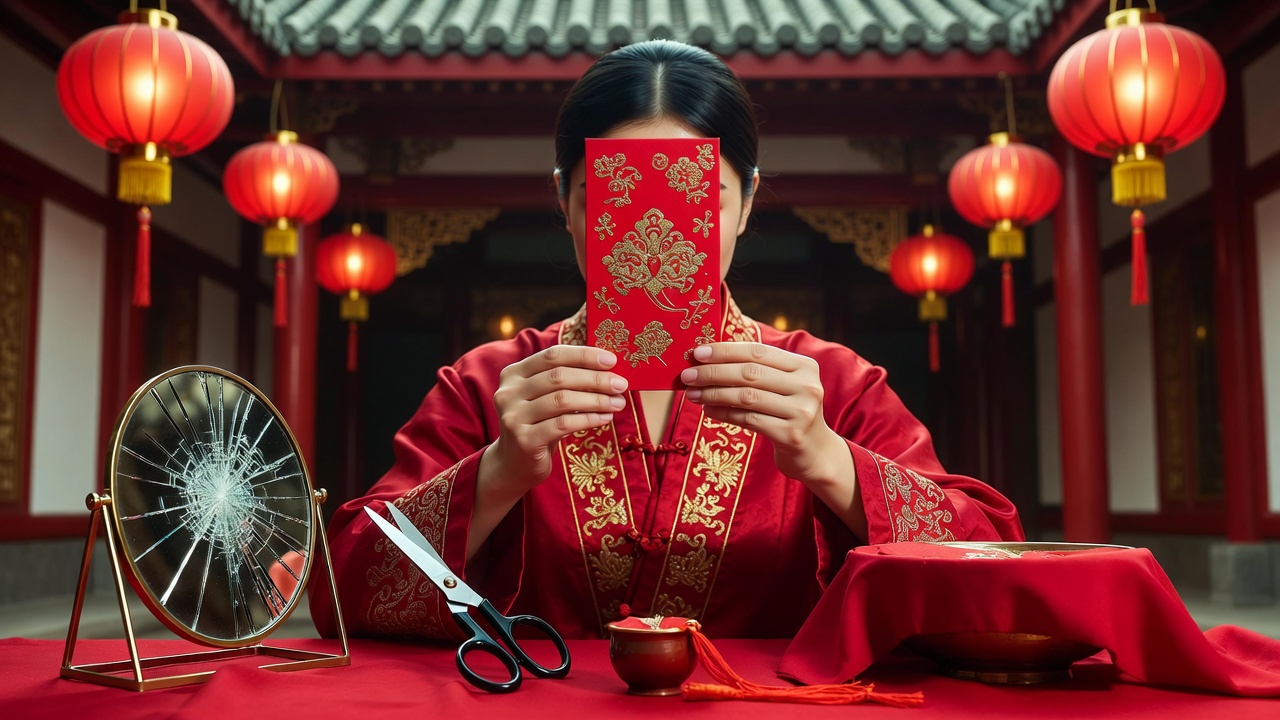
Red envelopes (红包, hóngbāo) filled with money are given from elders to children and from married adults to unmarried younger relatives. The red color symbolizes good luck and is believed to ward off evil spirits. The money inside is called 压岁钱 (yāsuìqián) — literally “money to suppress age” or “money to keep the Nián beast at bay.”
Traditionally, the amount should be an even number (odd numbers are associated with funerals), and the number 8 is especially favored because it sounds like 发 (fā), meaning “to prosper.” The number 4 is avoided because it sounds like 死 (sǐ), meaning “death.”
In recent years, digital red envelopes sent through apps like WeChat Pay and Alipay have become enormously popular, especially among younger generations. During the 2025 Spring Festival, billions of digital hóngbāo were exchanged across China.
Firecrackers and Fireworks at Midnight to Welcome the New Year
As the clock strikes midnight, the sky across China erupts with firecrackers (鞭炮, biānpào) and fireworks (烟花, yānhua). This remains the most visceral link to the ancient legend of Nián — the noise and fire are meant to scare away evil and bad luck.
However, many major Chinese cities, including Beijing, Shanghai, and Guangzhou, have enacted strict bans or limits on firecrackers in urban areas due to air pollution and safety concerns. Some cities have relaxed these restrictions in recent years in response to public demand, while others maintain them. The debate between tradition and environmental responsibility continues each year.
The Cultural Significance of Chinese New Year’s Eve in Modern Society
Chúxī is more than a collection of rituals. It is the emotional anchor of Chinese family life. In a rapidly modernizing society where urbanization has scattered families across vast distances, this one night represents the promise that everyone comes home.
Family Reunion and Filial Piety at the Heart of Chúxī
The concept of filial piety (孝, xiào) — deep respect and care for one’s parents and elders — is a foundational value in Chinese culture, rooted in Confucian philosophy. Chúxī is the purest expression of this value. Returning home for the reunion dinner is not optional in most families. It is a moral duty and a source of deep emotional satisfaction.
The dinner table itself reflects the family hierarchy. Elders sit in the seats of honor. The best dishes are offered to grandparents first. Toasts and well-wishes move from youngest to oldest. In these small gestures, centuries of cultural values are quietly renewed.
Ancestor Worship and Remembrance on New Year’s Eve
Before the reunion dinner begins, many families perform ancestor worship (祭祖, jìzǔ). This may involve placing food offerings, lighting incense, and burning paper money or joss paper at the family altar or at ancestral graves. The ritual invites departed loved ones to share in the celebration and reaffirms the bond between the living and the dead.
This practice varies by region. In southern Fujian, elaborate multi-course offerings are prepared. In northern provinces, the ritual may be simpler — a few dishes and a moment of silence before the meal begins.
How Chinese New Year’s Eve Is Celebrated Around the World
Chúxī is not confined to China. It is celebrated wherever Chinese communities have put down roots — from Singapore and Malaysia to San Francisco and Sydney, from London’s Soho to Bangkok’s Yaowarat (Chinatown).
In Singapore and Malaysia, where ethnic Chinese make up a significant portion of the population, Chinese New Year is a public holiday. Reunion dinners are often built around yúshēng (鱼生), a colorful raw fish salad unique to Southeast Asia. Diners toss the ingredients high into the air with chopsticks while shouting auspicious phrases — a joyful, messy, communal ritual called lō hei (捞起).
In the United States, cities like San Francisco, New York, and Los Angeles host parades, cultural performances, and fireworks for Chinese New Year. San Francisco’s Chinese New Year Parade, dating back to the 1860s, is the oldest and largest of its kind outside Asia.
In Australia, Sydney’s Lunar New Year Festival lights up the harbor with dragon boat races, lantern displays, and market stalls in Chinatown.
Each diaspora community adapts the celebration to its local context while keeping the core values — family, food, renewal — intact.
Chinese New Year’s Eve 2026: Year of the Horse Celebrations and Date
In 2026, Chinese New Year’s Eve falls on Monday, February 16. The New Year itself begins on Tuesday, February 17, 2026, marking the start of the Year of the Horse (马年, Mǎ Nián) under the Chinese zodiac.
The Horse is the seventh animal in the twelve-year zodiac cycle. People born in the Year of the Horse are traditionally associated with traits like energy, independence, warmth, and a love of freedom. Previous Horse years include 2014, 2002, 1990, 1978, and 1966.
The 2026 Horse year is specifically a Bǐng Wǔ (丙午) year in the traditional Heavenly Stems and Earthly Branches (天干地支, Tiāngān Dìzhī) system, corresponding to the element of Fire. A Fire Horse year is considered especially dynamic and passionate in Chinese astrology.
Key Dates for Chinese New Year 2026
| Event | Date |
|---|---|
| Little New Year (小年, Xiǎo Nián) | February 10 or 11, 2026 (varies by region) |
| Chinese New Year’s Eve (除夕, Chúxī) | February 16, 2026 |
| Chinese New Year’s Day (春节, Chūnjié) | February 17, 2026 |
| Lantern Festival (元宵节, Yuánxiāo Jié) | March 3, 2026 |
Common Taboos and Superstitions on Chinese New Year’s Eve
Chúxī comes with a long list of things you should not do, rooted in centuries of folk belief. While not everyone follows these strictly, they remain widely known and respected.
Do not sweep or clean on New Year’s Day. All house cleaning must be finished before Chúxī. Sweeping on New Year’s Day is believed to sweep away good fortune. Trash is not taken out, and floors are not mopped.
Do not break dishes or glasses. If something breaks accidentally, the family should quickly say “岁岁平安 (suìsuì píng’ān)” — a phrase that means “peace and safety year after year.” The word for “broken” (碎, suì) sounds like the word for “year” (岁, suì), so the phrase turns a bad omen into a blessing.
Do not say unlucky words. Words related to death, sickness, poverty, or loss are strictly avoided on Chúxī and throughout the New Year period. Even the number four is sidestepped.
Do not wear black or white clothing. These colors are associated with mourning in Chinese culture. Red, gold, and bright colors are preferred.
Do not leave rice bowls empty. A full bowl symbolizes abundance. An empty one suggests scarcity in the year ahead.
Why Chinese New Year’s Eve Matters: The Living Pulse of a Civilization
In 2016, China’s State Council officially designated the Spring Festival period, including Chúxī, as part of the country’s national public holidays — typically a seven-day break. UNESCO included the Spring Festival on its Representative List of the Intangible Cultural Heritage of Humanity in December 2024, recognizing its extraordinary cultural importance.
But no official designation can fully capture what Chúxī means to the people who observe it. It is the night when a migrant worker who left her village for a factory job a thousand miles away sits at her mother’s table again. It is the night when a grandfather tells old stories to grandchildren whose world is utterly different from the one he grew up in. It is the night when the whole country, for a few hours, breathes together.
Traditions evolve. Digital red envelopes replace paper ones. Video calls connect families who cannot travel. Younger generations create their own ways of marking the night. But the essence of Chúxī — gratitude for the past, hope for the future, and love for the people around the table — remains unchanged.
That is the real significance of Chinese New Year’s Eve. It is not a relic. It is alive.
Have you celebrated Chúxī before, or are you planning to experience it for the first time? Share your stories and questions in the comments below.