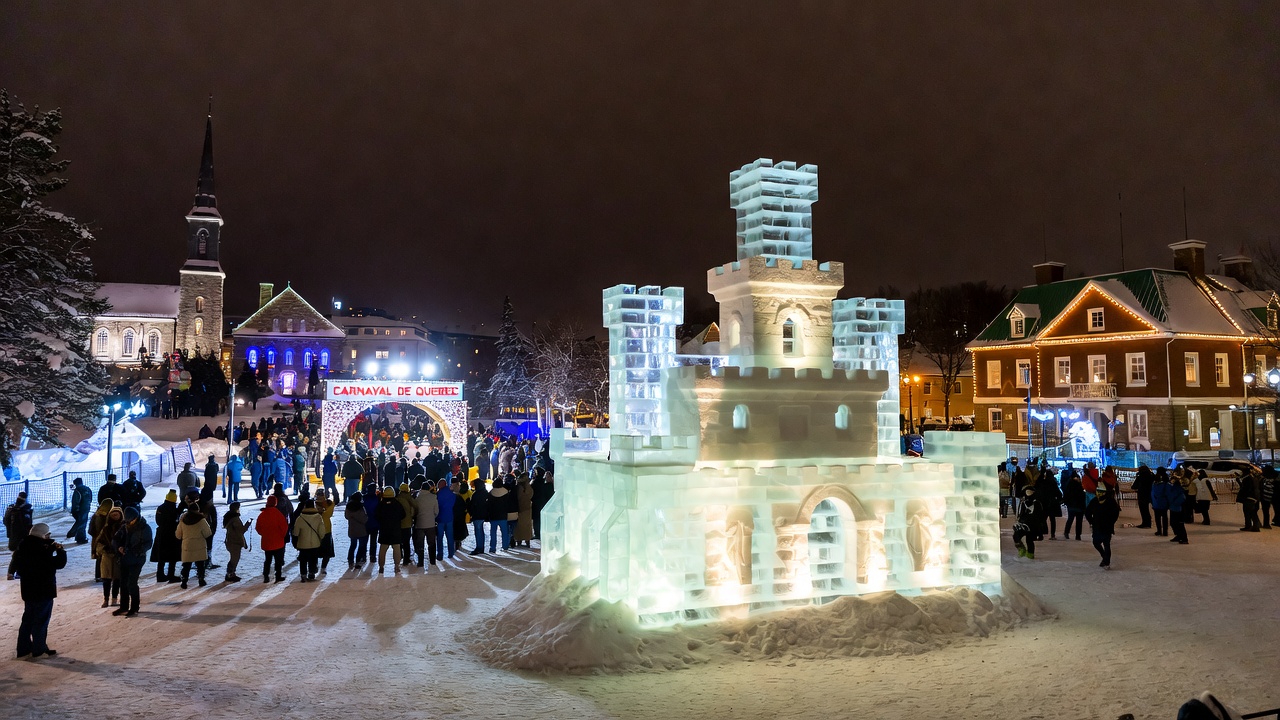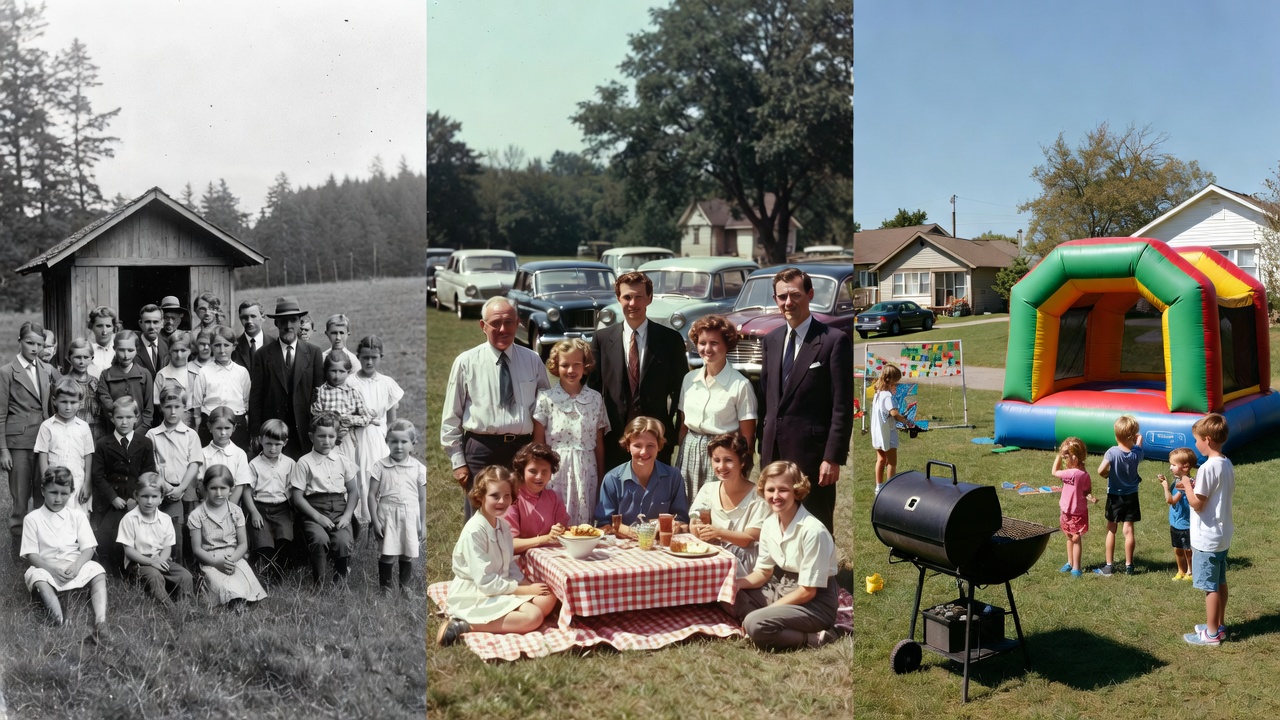
When the bitter cold of February grips Canada and the holiday season feels like a distant memory, millions of Canadians look forward to a welcome respite: Family Day. This cherished statutory holiday provides a much-needed break in the long stretch between New Year’s Day and Easter. But how did this beloved mid-winter tradition come to be? The story of Family Day in Canada is one of political maneuvering, provincial pride, and a genuine desire to prioritize what matters most—time with loved ones.
In this comprehensive guide, we explore the complete history of Family Day in Canada, from its origins in Alberta in 1990 to its evolution across eight provinces under various names. Whether you are a newcomer to Canada curious about local customs, a history enthusiast, or simply planning your Family Day 2026 celebrations, this article covers everything you need to know.
What Is Family Day and Why Do Canadians Celebrate It?
Family Day is a provincial statutory holiday observed on the third Monday of February in most Canadian provinces. The holiday was created to give Canadians an opportunity to spend quality time with family during the coldest month of the year. It also fills a notable gap in the Canadian holiday calendar—before Family Day, workers faced nearly three months without a statutory break between New Year’s Day and Good Friday.
The concept is simple yet powerful: a dedicated day to strengthen family bonds, enjoy winter activities, and recharge before spring arrives. Today, approximately two-thirds of all Canadians live in a province that observes a statutory holiday on the third Monday of February, though not all provinces call it Family Day.
| Province | Holiday Name | Year Established |
|---|---|---|
| Alberta | Family Day | 1990 |
| Saskatchewan | Family Day | 2007 |
| Ontario | Family Day | 2008 |
| Manitoba | Louis Riel Day | 2008 |
| Prince Edward Island | Islander Day | 2009 |
| British Columbia | Family Day | 2013 |
| Nova Scotia | Heritage Day | 2015 |
| New Brunswick | Family Day | 2018 |
Quebec, Newfoundland and Labrador, and the three territories (Yukon, Northwest Territories, and Nunavut) do not observe a statutory holiday on this date.
When Did Family Day Start in Canada? The Alberta Origins
Don Getty and the Birth of Alberta Family Day in 1990
The story of Family Day begins in Alberta in 1990, making it Canada’s first provincial February statutory holiday. The holiday was the brainchild of Premier Don Getty, who led the Progressive Conservative government during one of the province’s most challenging economic periods.
Getty announced the creation of Family Day in the 1989 Throne Speech, and Albertans celebrated their first Family Day on February 19, 1990. The holiday was officially proclaimed by Lieutenant Governor Helen Hunley on the advice of Premier Getty.
According to The Globe and Mail, Getty “often implored Albertans to take the time to reflect on family” when promoting the new holiday. The premier stated that it was important for Albertans to spend time with their families and that the holiday would “emphasize the importance of family values.”
The Controversial Context Behind Family Day’s Creation
The creation of Family Day was not without controversy. The timing raised eyebrows, as the announcement came just months after Getty’s eldest son, Dale, was arrested for cocaine possession and trafficking in August 1988. While Getty never publicly linked Family Day to his family’s personal struggles, many observers drew connections.
As CBC News reported, Getty faced some internal resistance to the holiday idea. In a 2012 interview, Getty recalled: “It took a while, because there were some of my own cabinet who said, ‘Oh, come on, Family Day?’ And I said, ‘Look, you son of a bitch, we are having a Family Day.'”
Business Opposition and the Heritage Day Trade-Off
The Alberta Chamber of Commerce and many employers opposed the new holiday, arguing it would create unnecessary expenses. CBC Archives documented that the Chamber “fired off a letter telling the premier the holiday was going to be an unnecessary expense.”
In response to business concerns, Getty made a compromise: Heritage Day, which had been a statutory holiday on the first Monday of August since 1974, was downgraded to a civic holiday. This meant employers would not be required to observe it, effectively trading one holiday for another.
Despite the initial criticism, Family Day quickly became beloved by Albertans. The province’s government had even created a list of suggested activities, including tracing family trees—though CBC Archives noted that Albertans interviewed at the time found that particular suggestion “boring.”
How Did Family Day Spread to Other Canadian Provinces?
Alberta stood alone as the only province with a February statutory holiday for 17 years. Then, beginning in 2007, other provinces began recognizing the value of a mid-winter break and started adopting their own versions of the holiday.
Saskatchewan Adopts Family Day in 2007
Saskatchewan became the second province to establish Family Day when Premier Lorne Calvert proposed the holiday in October 2005. The Labour Standards Amendment Act passed in November 2006 and received Royal Assent on December 6, 2006.
Saskatchewan celebrated its first Family Day on February 19, 2007. The province chose to observe the holiday on the same day as Alberta—the third Monday of February—creating a regional alignment that would become important for cross-border families and businesses.
Ontario Creates Family Day in 2008
During the 2007 Ontario provincial election, Liberal Premier Dalton McGuinty promised to establish a February holiday if re-elected. True to his word, on October 12, 2007, the provincial government established Family Day on the third Monday of February.
Ontario’s first Family Day was celebrated on February 18, 2008. The creation of the holiday raised Ontario’s number of statutory holidays to nine per year. However, there was a catch: many employers substituted the Civic Holiday in August for Family Day, meaning some workers had to choose between the two.
Ontario’s adoption of Family Day was particularly significant because the province is home to Canada’s largest population and the Toronto Stock Exchange. When Ontario shuts down for Family Day, much of Canada’s financial sector follows suit.
Manitoba Chooses Louis Riel Day in 2008
Manitoba took a different approach. Rather than calling their February holiday “Family Day,” the province chose to honor the Métis leader Louis Riel.
In February 2007, the Manitoba government announced it was considering a February holiday. Schoolchildren across the province were invited to suggest names, with 114 responses reflecting Manitoba’s citizenship, history, culture, arts, sports, and significant historical individuals. Suggestions included “Bison Break,” “Spirited Energy Day,” and even “Winnipeg Jets Day.”
The winning entry was “Louis Riel Day,” submitted by 11 schools who each received $1,000 grants to purchase library materials. CBC News reported that Labour Minister Nancy Allen acknowledged the challenge of pleasing everyone but expressed confidence that Manitobans would be happy with the choice.
Louis Riel Day was first celebrated on February 18, 2008. The holiday coincides with the annual Festival du Voyageur in Winnipeg, creating a natural celebration of Métis culture and heritage.
Who Is Louis Riel and Why Does Manitoba Honor Him?
Louis Riel (1844-1885) was a Métis leader and political figure who remains one of the most significant and controversial figures in Canadian history. He led two resistance movements against the Canadian government to protect Métis rights and culture.
Louis Riel’s Historical Significance
Riel founded the Métis National Committee and led the Red River Resistance of 1869-70, which resulted in the creation of Manitoba as Canada’s fifth province in 1870. He is widely recognized as the “Father of Manitoba”—a designation officially confirmed by Parliament in a resolution passed on March 10, 1992.
He was elected to the House of Commons three times but was never able to take his seat due to threats against his life. After living in exile in the United States, he returned to Canada in 1884 to lead the North-West Rebellion of 1885. Following his defeat at the Battle of Batoche, Riel was tried for high treason, convicted, and executed in Regina on November 16, 1885.
Modern Recognition of Louis Riel
Riel’s execution was controversial and had lasting implications for French-English relations in Canada. Over time, his reputation has been rehabilitated. In 2024, Manitoba officially recognized Riel as the province’s first honorary premier.
The official Louis Riel Day website describes the holiday as celebrating “Louis Riel’s dream of a civilized world that embraces all cultures.” The Métis community pays particular tribute to their hero on this occasion.
Prince Edward Island Creates Islander Day in 2009
Prince Edward Island introduced Islander Day in 2009 following an election promise by Premier Robert Ghiz. The holiday was approved by the provincial legislature on November 28, 2008.
Unlike other provinces that focused on family or heritage, PEI chose a name that emphasized provincial pride and community. The holiday gives islanders an opportunity to relax and spend time with loved ones during the winter months.
The Date Controversy
Initially, Islander Day was observed on the second Monday of February (first held on February 9, 2009). This created problems for businesses that were out of sync with partners in other provinces and the United States, which celebrates Presidents Day on the third Monday of February.
According to official records, Community and Cultural Affairs Minister Carolyn Bertram raised concerns about federal government employees having to choose between the February holiday and a federal holiday in August. Federal Minister of Labour Rona Ambrose agreed to consider the issue.
In April 2009, Provincial Attorney General Gerard Greenan moved the holiday to the third Monday in February, effective from 2010 onwards. This aligned PEI with other provinces and the United States.
British Columbia’s Family Day Journey: 2013 to Present
British Columbia was relatively late to adopt Family Day, announcing the holiday on May 28, 2012, with the first celebration on February 11, 2013.
Initial Choice of the Second Monday
Unlike other provinces, BC initially chose to observe Family Day on the second Monday of February rather than the third. The government at the time selected this date even though a consultation process had recommended either the second or third Monday.
This decision meant BC families celebrating with relatives in Alberta, Saskatchewan, or Ontario could not share the same long weekend. It also created challenges for businesses operating across provincial borders.
The 2019 Realignment
On February 9, 2018, Premier John Horgan’s government announced that Family Day would move to the third Monday in February starting in 2019.
The official announcement from the BC government explained: “Moving Family Day is the right thing to do for businesses small and large, and is better for families who may be spread out across the country. This gives families an opportunity to schedule and spend more time with loved ones from other provinces.”
The change was welcomed by businesses and families alike. The Union of BC Municipalities had formally requested the alignment, noting that “aligning the BC Family Day holiday with other provinces would allow families to more conveniently share the holiday with family from other provinces.”
Nova Scotia Heritage Day: A Unique Approach Since 2015
Nova Scotia took perhaps the most distinctive approach to the February holiday. Rather than focusing on family time, the province created Nova Scotia Heritage Day to celebrate the people, places, and events that have shaped the province’s history.
Legislative History
After the provincial Liberal Party was elected in 2013, Premier Stephen McNeil announced plans to create a February statutory holiday. In December 2013, the government introduced a bill to create the holiday, and the permanent name “Nova Scotia Heritage Day” was announced on June 26, 2014.
The first Heritage Day was celebrated on February 16, 2015.
The Unique Honouree System
What makes Nova Scotia Heritage Day truly special is its rotating honouree system. Each year, the holiday honors a different Nova Scotian or significant event in the province’s history.
The first 12 honourees (covering 2015-2026) were selected by a three-member government-appointed panel from suggestions submitted by Nova Scotian schoolchildren. This participatory approach gave young people a voice in shaping the holiday’s meaning.
| Year | Honouree |
|---|---|
| 2015 | Viola Desmond |
| 2016 | Joseph Howe |
| 2017 | Mi’kmaq Heritage |
| 2018 | Mona Louise Parsons |
| 2019 | Maud Lewis |
| 2020 | Africville |
| 2021 | Edward Francis Arab |
| 2022 | Grand-Pré World Heritage Site |
| 2023 | Rita Joe |
| 2024 | William Hall |
| 2025 | Nora Bernard |
| 2026 | Joseph William Comeau |
Viola Desmond: The First Honouree
The inaugural Heritage Day honoured Viola Desmond (1914-1965), an African Nova Scotian businesswoman and civil rights activist. On November 8, 1946, Desmond refused to leave a whites-only section of a movie theatre in New Glasgow—nearly a decade before Rosa Parks’ famous act of civil disobedience.
Desmond was dragged from her seat, jailed overnight, and fined under a segregation-based tax violation. Her case became a watershed moment for civil rights in Canada.
In 2010, Nova Scotia granted an official apology and posthumous pardon to Desmond. She was honoured with a Canada Post stamp in 2012 and became the first Canadian woman featured on a regularly circulating banknote when her image appeared on the $10 bill in 2018.
2026 Honouree: Joseph William Comeau
For Heritage Day 2026, Nova Scotia honors Joseph William Comeau (1876-1966), an Acadian educator, entrepreneur, and politician from Digby County. Comeau served nine terms as a Member of the Legislative Assembly before being appointed to the Senate of Canada in 1948.
According to the official Heritage Day website, Comeau is “recognized for his long-standing advocacy for Acadian language, culture and education in Nova Scotia.” Celebrations in 2026 include events at Université Sainte-Anne featuring presentations by his family and the premiere of a documentary about his life.
New Brunswick Becomes the Latest Province to Adopt Family Day
New Brunswick became the most recent province to officially adopt Family Day when Premier Brian Gallant made the announcement on April 26, 2017. The first Family Day in New Brunswick was celebrated on February 19, 2018.
The Road to Family Day in New Brunswick
The idea of a February holiday in New Brunswick was not new. Former Premier Shawn Graham had promised a holiday during his 2010 election campaign, though he lost the election. When the Liberals returned to government in 2014, they continued studying the implementation.
CBC News reported that Gallant framed the holiday as both family-friendly and economically beneficial: “We are focused on growing the economy and providing good quality of life for New Brunswickers. This holiday will help families and communities come together and strike a good work-life balance during our often too long winter season.”
Business Concerns
As with earlier provinces, business groups expressed concern about the added costs. The Canadian Federation of Independent Business noted that 63% of its New Brunswick members had voted against a new statutory holiday in 2014. Director of Provincial Affairs Louis-Philippe Gauthier warned that the holiday would add to mounting costs businesses were already facing.
Despite these concerns, the holiday was implemented, bringing New Brunswick up to the national average of eight paid public holidays per year.
Why Doesn’t Quebec Celebrate Family Day?
One notable absence from the Family Day map is Quebec. While the rest of English Canada largely embraced the February holiday, Quebec chose not to participate.
Quebec’s Different Holiday Approach
Quebec does not observe Family Day as a statutory holiday for several reasons. The province has its own unique holiday calendar that reflects its distinct cultural and historical identity:
- Journée nationale des Patriotes (National Patriots’ Day): Quebec observes this holiday on the Monday before May 25, coinciding with Victoria Day elsewhere in Canada. It commemorates the Patriotes who fought against British colonial rule in 1837-1838.
- Fête nationale du Québec (Quebec’s National Holiday): Celebrated on June 24, also known as Saint-Jean-Baptiste Day, this is one of Quebec’s most important holidays.
As Daily Hive explained, “Quebec doesn’t observe Family Day as a stat holiday because it celebrates Journée nationale des Patriotes the Monday before May 23 (the only province in Canada to do so), as well as its Fête nationale du Québec every June 24.”
Fewer Statutory Holidays Overall
Quebec and Manitoba have the fewest statutory holidays in Canada, with only eight each. In contrast, Yukon has 12, and British Columbia has 11. Quebec essentially trades a mid-winter break for spring and summer holidays that reflect its cultural heritage.
Family Day 2026: When Is It and How Is It Celebrated?
Family Day 2026 Date
Family Day 2026 falls on Monday, February 16, 2026. This date applies to all provinces observing the holiday, including those calling it by different names (Louis Riel Day, Islander Day, Heritage Day).
Looking ahead:
- Family Day 2027: February 15
- Family Day 2028: February 21
- Family Day 2029: February 19
Popular Family Day Activities and Traditions
There are no “traditional” Family Day celebrations per se, as the holiday is relatively young. However, Canadians have developed their own customs:
Winter Sports and Outdoor Activities:
- Ice skating on outdoor rinks
- Skiing and snowboarding at local hills
- Tobogganing and sledding
- Snowshoeing on winter trails
- Cross-country skiing
Cultural Experiences:
- Visiting museums (many offer free or reduced admission)
- Attending winter festivals like Winterlude in Ottawa
- Exploring art galleries with special family programming
Family Time at Home:
- Board game marathons
- Movie nights
- Cooking and baking together
- Hot chocolate and comfort food
Special Events Across Canada
Many cities organize special Family Day programming:
Ontario:
- The Royal Ontario Museum in Toronto offers family-oriented exhibits and activities
- Nathan Phillips Square hosts skating and entertainment
- Elliott Tree Farm offers maple syrup experiences starting Family Day weekend
Alberta:
- Silver Skate Festival in Edmonton combines sport with Dutch artistic traditions
- Sport Calgary hosts public skating events at the Olympic Oval
British Columbia:
- Cypress Mountain offers family-focused activities including tubing from $16 per person
- Vancouver Maritime Museum provides free admission on Family Day
Manitoba:
- Festival du Voyageur celebrations coincide with Louis Riel Day
- Métis cultural events including traditional drumming, dancing, and bannock making
Nova Scotia:
- Free admission at the Maritime Museum of the Atlantic and Museum of Natural History
- Heritage Day celebrations featuring the annual honouree
Family Day and Canadian Employment Law: Know Your Rights
Who Gets Family Day Off?
Family Day is a provincial statutory holiday, not a federal one. This creates an important distinction in employment rights:
Provincial employees (those working for businesses regulated by provincial law) are generally entitled to Family Day off with pay in provinces that observe it.
Federal employees (postal workers, airline workers, bank employees, telecommunications workers) do not automatically receive Family Day off, as it is not a federal holiday. Their entitlements depend on their employment contracts.
Provincial Variations
Each province has its own rules regarding statutory holiday pay. For example:
- In Ontario, the Employment Standards Act entitles qualifying employees to public holiday pay
- In Alberta, the holiday applies province-wide under the Employment Standards Code
- Some employers may substitute other days (like the August Civic Holiday) for Family Day
The Economic Impact of Family Day in Canada
Benefits to Families and Workers
The primary purpose of Family Day is to provide work-life balance during the long winter months. The holiday offers:
- A break from routine during the coldest part of winter
- Time for families to reconnect, especially those with children in school
- Mental health benefits during a period often associated with seasonal affective disorder
Impact on Businesses
The business community has had mixed reactions to Family Day:
Challenges:
- Additional payroll costs for statutory holiday pay
- Lost productivity for some industries
- Operational challenges for businesses serving other provinces or countries
Benefits:
- Tourism boost during the long weekend
- Increased spending at ski resorts, restaurants, and entertainment venues
- Employee satisfaction and retention
Tourism and the February Economy
Family Day has become an important weekend for winter tourism. Ski resorts, hotels, and entertainment venues often run special promotions. The alignment of Family Day with the U.S. Presidents Day holiday (also on the third Monday of February) was intentional—it prevents trade disruption and creates opportunities for cross-border tourism.
The Future of Family Day: Will It Become a National Holiday?
Calls for Federal Recognition
Since Family Day’s spread across multiple provinces, there have been calls to make it a federal statutory holiday. In 2008, federal NDP leader Jack Layton proposed that Family Day become a national holiday.
Currently, the federal government does not recognize Family Day. This means:
- Federal offices remain open
- Canada Post operates normally
- Banks may be closed (as provincial businesses) but federal credit unions may be open
- VIA Rail and airlines operate regular schedules
Remaining Holdouts
Four jurisdictions still do not observe a February statutory holiday:
- Quebec
- Newfoundland and Labrador (except Corner Brook, which has an unnamed civic holiday)
- Yukon (observes Heritage Day on a Friday, but it is not statutory)
- Northwest Territories
- Nunavut
There has been pressure on these jurisdictions to harmonize with the rest of Canada, especially given the impact on financial markets and cross-provincial business operations.
Comparing Family Day to Similar Holidays Around the World
Family Day in Other Countries
Canada is not alone in celebrating Family Day. Similar holidays exist around the world:
| Country/Region | Holiday Name | Date |
|---|---|---|
| South Africa | Family Day | Day after Easter Sunday |
| Vanuatu | Family Day | December 26 |
| Vietnam | Vietnamese Family Day | June 28 |
| Arizona, USA | American Family Day | First Sunday in August |
| Nevada, USA | Family Day | Day after Thanksgiving |
| Israel | Family Day | Last day of Shevat |
The Global Movement for Work-Life Balance
Family Day reflects a broader global trend toward recognizing the importance of work-life balance. As societies become increasingly busy and connected, dedicated time for family becomes more valuable.
The COVID-19 pandemic (2020-2023) reinforced the importance of family connections, making holidays like Family Day even more meaningful for many Canadians.
Celebrating Family Day as a Newcomer to Canada
For immigrants and newcomers to Canada, Family Day offers an excellent opportunity to experience Canadian culture and connect with the community.
Understanding the Holiday
As Windmill Microlending explains, “With over 20% of Canadians identifying as immigrants, according to Statistics Canada, Family Day is a reminder of the importance of building strong family bonds, even in a new country.”
Tips for Newcomers
- Check your province’s rules: Not all provinces observe the holiday, and rules vary by workplace
- Embrace winter activities: Family Day is a great time to try Canadian winter sports
- Connect with community events: Many cities host multicultural celebrations
- Share your own traditions: Family Day is about togetherness—share your cultural celebrations with Canadian friends
Conclusion: The Lasting Legacy of Family Day in Canada
From its controversial origins in Alberta in 1990 to its current observance by nearly two-thirds of Canadians, Family Day has become a cherished part of the Canadian calendar. The holiday reflects Canadian values: the importance of family, the need for work-life balance, and the desire to find joy even during the coldest months of the year.
Each province has put its own stamp on the February holiday. Whether you are celebrating Family Day in Ontario, honoring Louis Riel in Manitoba, celebrating Islander Day on Prince Edward Island, or learning about Joseph William Comeau during Nova Scotia’s Heritage Day 2026, the underlying message remains the same: take time to appreciate what matters most.
As Premier Don Getty said when he created Canada’s first Family Day: families who spend time together “will find that they’re the winners.”
Plan Your Family Day 2026:
- Date: Monday, February 16, 2026
- Check local events: Museums, ski resorts, and community centres often offer special programming
- Bundle up: February in Canada is cold—dress warmly for outdoor activities
- Make memories: Whether skating, cooking, or simply relaxing together, the best Family Day celebration is one spent with the people you love
A Deeper Look at Provincial Family Day Celebrations and Traditions
Alberta: Where It All Began
Alberta’s Family Day celebrations have evolved significantly since 1990. The province that pioneered the holiday continues to embrace it enthusiastically each year.
Edmonton Celebrations: The Silver Skate Festival has become one of Alberta’s most beloved Family Day traditions. This unique event combines Dutch artistic traditions with Canadian winter sports, reflecting Edmonton’s Dutch heritage. Families gather on the frozen grounds to enjoy ice sculptures, skating performances, and traditional foods like bannock prepared by Indigenous community members.
The festival typically attracts tens of thousands of visitors over Family Day weekend. Outdoor activities include speed skating demonstrations, snow sculpture competitions, and traditional games that harken back to Alberta’s pioneer days.
Calgary Activities: In Calgary, the Olympic Oval at the University of Calgary hosts special Family Day programming. Families can skate on the same ice where Olympic athletes trained, try beginner curling lessons, and participate in winter sports clinics. The state-of-the-art facility offers a unique glimpse into Canada’s winter sports heritage.
The Calgary Zoo also offers discounted admission on Family Day, allowing families to see animals adapted to cold climates in their natural element. The zoo’s penguin exhibit is particularly popular during the February holiday.
Rural Alberta: Outside the major cities, rural Alberta communities organize their own celebrations. Small-town hockey rinks host family skates, community halls serve pancake breakfasts, and local museums offer heritage programming. The town of Stettler—where Premier Don Getty ran in a by-election after losing his Edmonton seat—holds a special place in Family Day history as the site of the first official celebrations.
Saskatchewan: Prairie Family Day Traditions
Saskatchewan adopted Family Day in 2007, and the province has developed its own distinct celebration style that reflects its agricultural heritage and community spirit.
Regina Events: FROST Regina has become the city’s signature winter celebration, conveniently overlapping with Family Day. The festival spans multiple weekends and includes events at Mosaic Stadium with inflatable bounce courses, downtown ice skating with free skate rentals, and live musical performances.
Saskatoon Activities: Saskatoon’s Wintershines Festival brings light and color to the darkest month of the year. The festival features illuminated ice sculptures, outdoor concerts, and family-friendly activities along the South Saskatchewan River. The Meewasin Valley Trail system offers groomed cross-country ski paths perfect for family outings.
Community Focus: Saskatchewan’s Family Day celebrations often emphasize community connections. Potluck dinners at community centers, volunteer-run skating parties, and church basement social events reflect the province’s tight-knit rural communities. The Ukrainian Cultural Heritage Village near Edmonton also sees increased visitation as families explore the province’s diverse immigrant heritage.
Ontario: Family Day in Canada’s Most Populous Province
As home to nearly 40% of Canada’s population, Ontario’s Family Day celebrations are diverse and wide-ranging.
Toronto and the Greater Toronto Area: The Royal Ontario Museum has become a Family Day destination, offering special programming including hands-on science activities, cultural performances, and reduced admission rates. The museum’s dinosaur exhibits and world cultures galleries provide educational entertainment for families with children of all ages.
Nathan Phillips Square in downtown Toronto transforms into a winter playground with free skating, hot chocolate vendors, and live entertainment. The iconic Toronto sign provides a backdrop for countless family photos.
Niagara Falls: Niagara Falls capitalizes on its status as a year-round tourist destination by offering special Family Day programming. Indoor water parks like Great Wolf Lodge and Fallsview Indoor Waterpark provide warm escapes from the winter weather. The falls themselves are spectacular in February, often partially frozen with ice formations creating otherworldly landscapes.
Ottawa and the National Capital Region: Winterlude, Canada’s largest winter celebration, typically runs through Family Day weekend. The festival transforms the Rideau Canal into the world’s largest naturally frozen skating rink, stretching 7.8 kilometers through the heart of the city. Families enjoy skating, beaver tails (a Canadian pastry treat), and elaborate ice and snow sculptures.
Though Ottawa is located in Ontario, the festival spills into Gatineau, Quebec, where workers do not receive the day off. This creates an interesting dynamic where Ontario families celebrate while their Quebec neighbors work.
Cottage Country: Ontario’s Muskoka region, Georgian Bay area, and other cottage destinations see increased Family Day tourism. Ice fishing derbies, snowmobile excursions, and cozy cabin retreats offer alternatives to urban celebrations. Ski resorts like Blue Mountain and Mount St. Louis Moonstone offer Family Day specials and extended hours.
British Columbia: West Coast Family Day Celebrations
British Columbia’s Family Day celebrations reflect the province’s diverse geography and multicultural population.
Vancouver: The Vancouver Maritime Museum offers free admission on Family Day, allowing families to explore the province’s seafaring heritage. The museum’s centerpiece, the RCMP vessel St. Roch (the first ship to navigate the Northwest Passage in both directions), fascinates children and adults alike.
The Dome at HR MacMillan Space Centre offers immersive 360-degree experiences perfect for curious young minds. The planetarium’s Family Day programming typically includes special shows about the night sky and space exploration.
Whistler and Ski Resorts: Whistler-Blackcomb, North America’s largest ski resort, sees peak visitation during Family Day weekend. The resort offers family skiing packages, children’s ski camps, and non-skiing activities like tubing and snowshoeing. The village itself becomes a winter wonderland with fire pits, live entertainment, and family-friendly dining options.
Cypress Mountain, located just 40 minutes from downtown Vancouver, offers more affordable family options. Tubing and sledding packages start at just $16 per person, making winter sports accessible to families on a budget.
Victoria: Even Victoria, known for its mild climate, participates in Family Day celebrations. The Royal BC Museum offers family programming, and the Inner Harbour provides scenic walks. The city’s famous Butchart Gardens may still have winter interest, and many families use the long weekend for Vancouver Island road trips.
Okanagan Region: The Okanagan wine country offers a unique Family Day experience. While wine tasting is primarily an adult activity, many wineries welcome families and offer non-alcoholic options for children. The region’s lakes may be frozen, providing skating opportunities, and Big White and Silver Star ski resorts offer family packages.
The Cultural Significance of Family Day Across Different Communities
Indigenous Perspectives on Family Day
Family Day holds particular significance for Indigenous communities across Canada, though many also observe their own traditional celebrations.
Métis Celebrations: In Manitoba, Louis Riel Day provides an opportunity to celebrate Métis culture and heritage. The Festival du Voyageur in Winnipeg is the largest winter festival in Western Canada, featuring traditional Métis jigging, Red River cart races, and authentic cuisine like tourtière (meat pie) and boulettes (meatballs).
Many Métis communities across the Prairies hold their own Family Day celebrations featuring fiddle music, square dancing, and community feasts. These events help preserve and transmit cultural traditions to younger generations.
First Nations Communities: First Nations communities often incorporate traditional teachings about family into their February celebrations. The concept of the extended family, which includes aunts, uncles, grandparents, and clan members, aligns well with Family Day’s emphasis on togetherness.
Some communities hold winter cultural camps during Family Day weekend, teaching children traditional skills like snowshoeing, tracking, and winter survival. These programs help maintain connections to the land during a season when outdoor activities might otherwise be limited.
Inuit Perspectives: In Canada’s northern territories, where Family Day is not observed as a statutory holiday, Inuit communities maintain their own traditions of family gatherings. The concept of extended family (ilagiit) is central to Inuit culture, making every day a form of “family day.” Community feasts, throat singing performances, and traditional games provide opportunities for intergenerational bonding.
Immigrant Communities and Family Day
With over 20% of Canadians born outside the country, Family Day has become an opportunity for multicultural celebration.
South Asian Communities: South Asian families often use Family Day for extended family gatherings that may include dozens of relatives. Multi-generational households are common, and the holiday provides an opportunity for three or four generations to spend uninterrupted time together. Traditional foods, Bollywood movie marathons, and indoor games help beat the winter weather.
Chinese Canadian Communities: Family Day sometimes falls near or during Lunar New Year celebrations, creating a natural confluence of family-focused holidays. Chinese Canadian families may combine traditions, enjoying dim sum brunches, lion dance performances, and red envelope exchanges during the long weekend.
Filipino Canadian Communities: The Filipino Canadian community, one of Canada’s largest immigrant groups, embraces Family Day enthusiastically. Large family gatherings featuring traditional foods like adobo, lumpia, and lechon are common. Karaoke, which is central to Filipino culture, provides entertainment during indoor celebrations.
Middle Eastern and African Communities: Families from Middle Eastern and African backgrounds often use Family Day for extended family visits that may not be possible during busy work weeks. The emphasis on hospitality and multi-generational gatherings aligns well with cultural values. Arabic coffee, Ethiopian injera, and other traditional foods bring cultural heritage into Canadian celebrations.
Family Day and Mental Health: The Importance of Winter Breaks
Seasonal Affective Disorder and the February Blues
Family Day serves an important mental health function by providing a break during the most challenging time of year for many Canadians.
Understanding Seasonal Affective Disorder: Seasonal Affective Disorder (SAD) affects approximately 15% of Canadians to some degree, with symptoms typically peaking in January and February. The disorder is caused by reduced sunlight exposure, which affects serotonin production and circadian rhythms.
A mid-winter break provides:
- An opportunity to rest and recharge
- Time for social connection, which combats isolation
- A psychological milestone to look forward to
- Potential for outdoor activity and sunlight exposure
The Long Gap Problem: Before Family Day, Canadians faced a 13-week stretch between New Year’s Day and Good Friday without a statutory holiday. This was the longest holiday-free period in the Canadian calendar. Family Day cuts this period roughly in half, providing a psychological boost when it’s needed most.
Research on Winter Breaks: Studies have shown that having something to look forward to—whether a vacation, holiday, or special event—can improve mood and reduce stress. Family Day serves this function for millions of Canadians, providing a bright spot in the calendar during the darkest months.
Work-Life Balance in Modern Canada
Family Day reflects changing attitudes toward work-life balance in Canada.
Historical Context: When Don Getty proposed Family Day in 1989, Canada was emerging from a recession, and discussions about work-life balance were less common. The holiday was somewhat ahead of its time in recognizing that workers need more than just weekends to maintain healthy family relationships.
Modern Relevance: In the 2020s, work-life balance has become a major concern for Canadian workers. The COVID-19 pandemic highlighted the importance of family time, and many workers now prioritize flexibility and time off when evaluating job opportunities. Family Day aligns with these values.
Impact on Employers: Forward-thinking employers now recognize that statutory holidays like Family Day contribute to employee wellbeing and retention. Some companies go beyond the minimum requirements, offering additional paid time off during the February long weekend or sponsoring family-friendly events.
Planning Your Perfect Family Day: A Comprehensive Guide
Indoor Activities for Cold Weather
When temperatures drop below freezing, indoor activities provide comfortable alternatives:
Museums and Cultural Institutions: Many museums offer free or reduced admission on Family Day:
- Royal Ontario Museum (Toronto)
- Maritime Museum of the Atlantic (Halifax)
- Museum of Natural History (Halifax)
- Royal BC Museum (Victoria)
- Alberta Aviation Museum (Edmonton)
- Western Development Museum (Saskatchewan)
Indoor Recreation:
- Indoor water parks (Great Wolf Lodge, Adventure Bay)
- Trampoline parks
- Rock climbing gyms with family programming
- Bowling alleys
- Indoor playgrounds and family entertainment centers
At-Home Activities:
- Board game tournaments
- Baking and cooking together
- Movie marathons
- Craft projects
- Building blanket forts
- Video game family tournaments
Outdoor Winter Activities
For families willing to embrace the cold, outdoor activities create lasting memories:
Skating:
- Public outdoor rinks (free at many city parks)
- Rideau Canal Skateway (Ottawa)
- Lake skating in communities with maintained surfaces
- Indoor arenas offering family skate times
Snow Sports:
- Downhill skiing and snowboarding
- Cross-country skiing
- Snowshoeing
- Tobogganing and sledding
- Snow tubing
Winter Exploration:
- Nature walks on groomed trails
- Bird watching (winter birds like chickadees, cardinals, and blue jays)
- Snowman building competitions
- Snow fort construction
- Photography walks capturing winter beauty
Budget-Friendly Family Day Ideas
Celebrating Family Day doesn’t require spending a lot of money:
Free Activities:
- Public library visits (though check holiday hours)
- Free museum admission days
- Outdoor skating at public rinks
- Sledding at local hills (bring your own toboggan)
- Nature walks in provincial or municipal parks
- Building snowmen and snow forts
- Star gazing (February nights are dark and clear)
Low-Cost Options:
- Tubing hills ($15-25 per person)
- Matinee movies
- Discount days at attractions
- Potluck dinners with extended family
- Board game cafés
Free Community Events: Many municipalities organize free Family Day events including:
- Pancake breakfasts
- Free skating with skate rentals
- Live entertainment
- Craft activities for children
- Hot chocolate and snacks
The Evolution of Family Day: From Controversy to Beloved Tradition
Early Criticism and Resistance
When Family Day was first proposed in Alberta, it faced significant opposition:
Business Concerns:
- Additional payroll costs for statutory holiday pay
- Lost productivity
- Competitive disadvantage compared to provinces without the holiday
- Challenges for businesses serving other jurisdictions
Political Skepticism: Opposition parties initially criticized Family Day as political maneuvering. Alberta NDP MLA Ray Martin had proposed a February holiday earlier, and when the Progressive Conservatives adopted a similar idea, accusations of political opportunism followed.
Media Criticism: Some media commentators dismissed Family Day as unnecessary. Calgary Herald columnist Don Braid famously attributed the idea to “couch potatoes in the Legislature who want another holiday.”
Growing Acceptance
Over time, Family Day won over its critics:
Worker Support: Once workers experienced the benefits of a mid-winter break, support became overwhelming. Polls consistently show high approval ratings for Family Day in provinces that observe it.
Family Benefits: Parents appreciated having time with children during the school year. The alignment with school breaks (many districts schedule Professional Development days around Family Day) created true family time.
Economic Adaptation: Businesses adapted to the new reality. Tourism, hospitality, and entertainment industries benefited from increased Family Day spending. Ski resorts, hotels, and restaurants came to rely on the February long weekend as a significant revenue period.
The Holiday’s Lasting Impact
Family Day has fundamentally changed February for millions of Canadians:
Cultural Shift: The holiday has normalized the idea that workers deserve regular breaks throughout the year. It set a precedent that other provinces eventually followed.
Political Legacy: Don Getty, who faced criticism during his tenure as premier, is now largely remembered positively for creating Family Day. His son Darin has said that Getty was “always proud that his idea for a long weekend in February called Family Day has now been adopted by a number of provinces across the country.”
National Standardization: The gradual alignment of Family Day dates across provinces (with BC moving to the third Monday in 2019) suggests a trend toward national harmonization, even if full federal recognition remains elusive.
Looking Ahead: Family Day in the Coming Years
Family Day Dates Through 2030
| Year | Date |
|---|---|
| 2026 | February 16 |
| 2027 | February 15 |
| 2028 | February 21 |
| 2029 | February 19 |
| 2030 | February 18 |
Potential Future Developments
Federal Recognition: Advocates continue to push for Family Day to become a federal statutory holiday. This would ensure that all Canadian workers, regardless of their employer’s federal or provincial jurisdiction, receive the day off.
Quebec Adoption: While unlikely given Quebec’s distinct holiday culture, some have suggested that Quebec could adopt a February break while maintaining its unique identity, perhaps honoring Quebec families or heritage figures.
Enhanced Celebrations: As the holiday matures, celebrations may become more elaborate. Some communities have begun developing their own Family Day traditions that rival those of longer-established holidays.
Conclusion: The Lasting Legacy of Family Day in Canada
From its controversial origins in Alberta in 1990 to its current observance by nearly two-thirds of Canadians, Family Day has become a cherished part of the Canadian calendar. The holiday reflects Canadian values: the importance of family, the need for work-life balance, and the desire to find joy even during the coldest months of the year.
Each province has put its own stamp on the February holiday. Whether you are celebrating Family Day in Ontario, honoring Louis Riel in Manitoba, celebrating Islander Day on Prince Edward Island, or learning about Joseph William Comeau during Nova Scotia’s Heritage Day 2026, the underlying message remains the same: take time to appreciate what matters most.
The story of Family Day is also a story of Canadian federalism at work. Each province made its own choice about whether and how to observe the holiday, resulting in a patchwork of celebrations that reflects Canada’s regional diversity while maintaining a common theme of family and community.
As Premier Don Getty said when he created Canada’s first Family Day: families who spend time together “will find that they’re the winners.”
Plan Your Family Day 2026:
- Date: Monday, February 16, 2026
- Check local events: Museums, ski resorts, and community centres often offer special programming
- Bundle up: February in Canada is cold—dress warmly for outdoor activities
- Make memories: Whether skating, cooking, or simply relaxing together, the best Family Day celebration is one spent with the people you love