A complete guide to celebrating India’s most vibrant spring festival, from exact dates and sacred rituals to the best destinations and travel tips
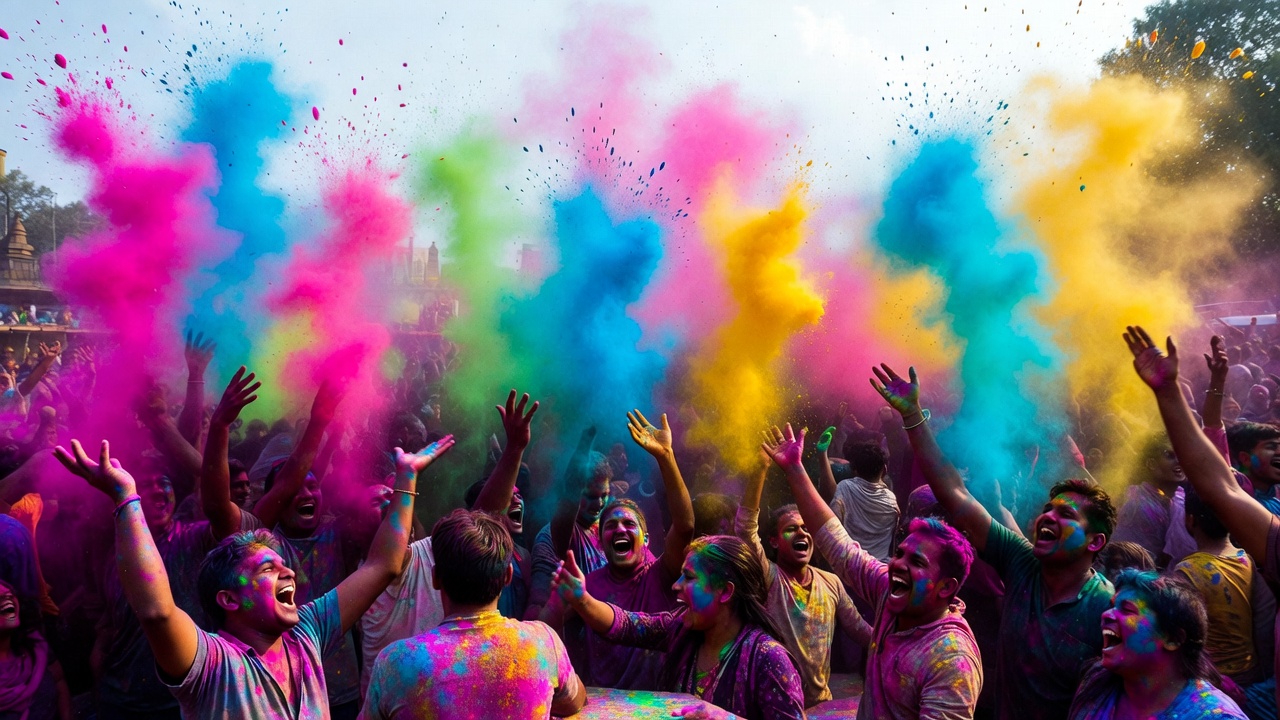
The air carries a hint of change. Winter loosens its grip. Flowers begin to bloom across the subcontinent. Holi 2026 is approaching—that magnificent explosion of color, laughter, and togetherness that transforms India into a living canvas every spring.
Whether you are a seasoned Holi enthusiast or a curious traveler hoping to experience this ancient celebration for the first time, this guide provides everything you need to know. From the exact Holi 2026 date to the mythological origins, from the best places to celebrate to practical safety tips, we cover it all.
When is Holi 2026? Exact Dates for the Festival of Colors
Holi 2026 will be celebrated on Wednesday, March 4, 2026. The festivities begin the previous evening with Holika Dahan (also called Chhoti Holi) on Tuesday, March 3, 2026.
The festival follows the Hindu lunar calendar. It always falls on the full moon day (Purnima) in the month of Phalguna. This typically places Holi in late February or early March on the Gregorian calendar.
Here is a quick reference table for Holi 2026 dates and timings:
| Event | Date | Timing (India Standard Time) |
|---|---|---|
| Holika Dahan (Bonfire Night) | Tuesday, March 3, 2026 | Muhurat: 6:22 PM – 8:50 PM |
| Rangwali Holi (Festival of Colors) | Wednesday, March 4, 2026 | Morning onwards |
| Purnima Tithi Begins | March 3, 2026 | After sunrise |
| Purnima Tithi Ends | March 4, 2026 | After sunrise |
Important note for international travelers: Holi dates follow the Hindu lunar calendar based on Indian local time (New Delhi). Even if the full moon appears on a different date in your time zone, the festival observance remains tied to Indian timings.
What is Holi and Why Do People Celebrate the Festival of Colors?
Holi stands as one of the most significant festivals in Hindu tradition. It ranks second only to Diwali in cultural importance. The festival celebrates several interconnected themes: the triumph of good over evil, the arrival of spring, the blossoming of love, and the renewal of human connections.
The Ancient Origins of Holi Festival
The roots of Holi stretch back over two thousand years. Ancient texts including the Narada Purana, Bhavishya Purana, and Jaimini’s Purva Mimamsa Sutras contain references to this spring celebration. The seventh-century Sanskrit drama Ratnavali by King Harsha describes Holi festivities in vivid detail.
Archaeological evidence suggests that Holi-like celebrations existed in the Indian subcontinent before the Common Era. The festival appears in stone inscriptions and temple sculptures dating to the fourth century CE.
The Sacred Significance of Holi in Hindu Mythology
Two primary legends explain the deeper meaning of Holi celebrations.
The Legend of Prahlada and Holika
The most well-known story centers on a young devotee named Prahlada. His father, the demon king Hiranyakashipu, had received a boon from Brahma that made him nearly immortal. Corrupted by this power, the king demanded that all his subjects worship him as a god.
His own son Prahlada refused. The boy remained devoted to Lord Vishnu despite his father’s threats and punishments. Hiranyakashipu tried countless times to kill his son. Every attempt failed.
Finally, the demon king turned to his sister Holika for help. Holika possessed a magical cloak that protected her from fire. She agreed to carry Prahlada into a blazing pyre, confident that her cloak would save her while the boy perished.
The plan backfired spectacularly. Divine intervention transferred Holika’s protection to Prahlada. The demoness burned to ashes. The devoted boy emerged unharmed.
The Holika Dahan bonfire commemorates this victory of devotion and righteousness over tyranny and evil. Communities light massive pyres on the eve of Holi to symbolically burn away negativity and welcome fresh beginnings.
The Divine Love of Radha and Krishna
The second legend explains why colors became central to the celebration. According to popular tradition, young Krishna grew self-conscious about his dark blue skin. He wondered whether Radha—the fair-skinned cowherd girl he loved—would ever accept him.
His mother Yashoda playfully suggested that he apply color to Radha’s face. Krishna followed her advice. This mischievous act of affection became the foundation for the colorful traditions of Holi.
The regions of Mathura and Vrindavan—where Krishna spent his childhood—celebrate Holi with particular intensity. The festival there honors the eternal love between Radha and Krishna through week-long celebrations filled with music, dance, and color.
How is Holi Celebrated? Traditional Rituals and Customs
The celebration unfolds over two days. Each day carries distinct traditions and significance.
Holika Dahan: The Sacred Bonfire Night Before Holi
The festivities begin on the evening before Holi with Holika Dahan. This ritual involves lighting a ceremonial bonfire that symbolizes the destruction of evil.
Preparation for the Bonfire
Communities begin gathering materials days in advance. Wood, dried leaves, twigs, and other combustible materials form the base of the pyre. In some regions, an effigy of Holika is placed atop the structure.
The Lighting Ceremony
The bonfire is lit during an auspicious time window called the muhurat. For Holika Dahan 2026, the recommended muhurat falls between 6:22 PM and 8:50 PM on March 3.
Before lighting the flames, participants perform prayers and rituals. They offer items like coconut, dried fruits, grains, and sweets to the fire. These offerings represent letting go of the old and welcoming the new.
Parikrama (Circumambulation)
Devotees walk around the bonfire multiple times while chanting prayers. This ritual represents purification. Many believe that the sacred fire cleanses the body, mind, and spirit of negativity.
Traditional Offerings
Common items thrown into the Holika Dahan bonfire include:
- Raw coconut
- New harvest grains (particularly barley and wheat)
- Dried cow dung cakes
- Roasted chickpeas
- Popcorn kernels
Some communities make predictions about the upcoming harvest based on the direction of the flames or the condition of roasted seeds.
Rangwali Holi: The Main Festival of Colors Celebration
The next morning brings the famous color play that has made Holi globally renowned.
The Color Throwing Tradition
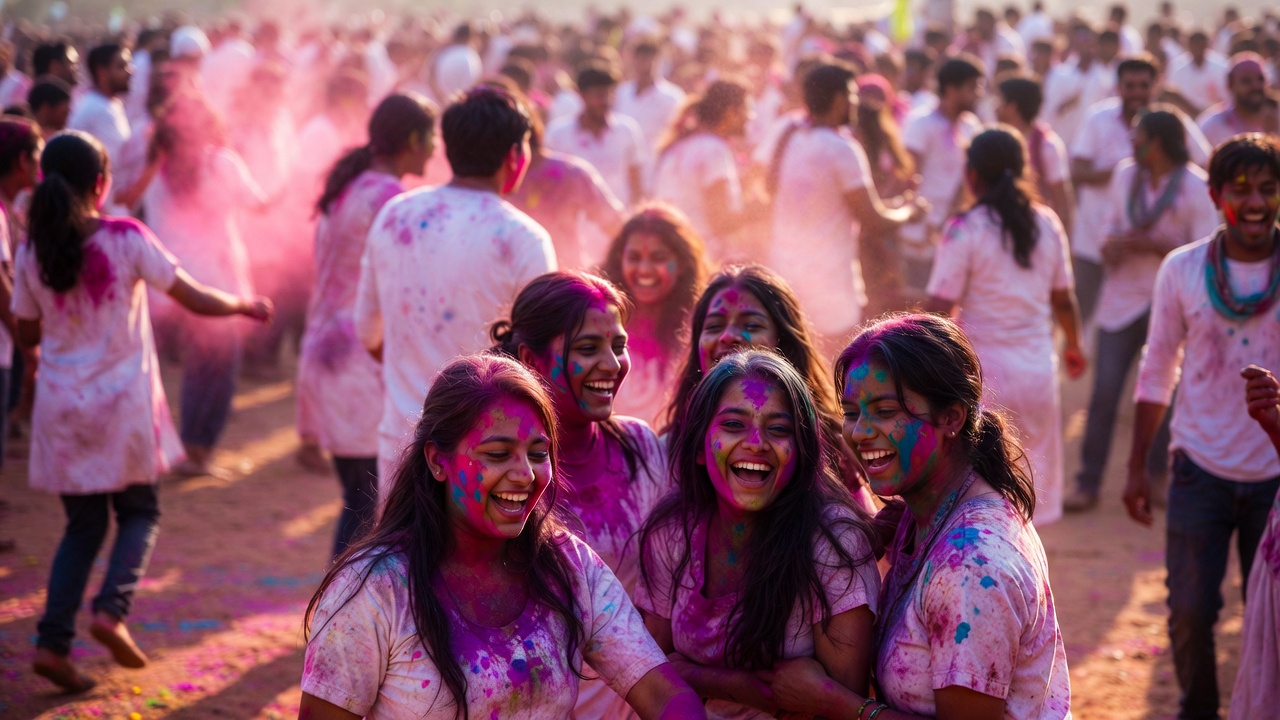
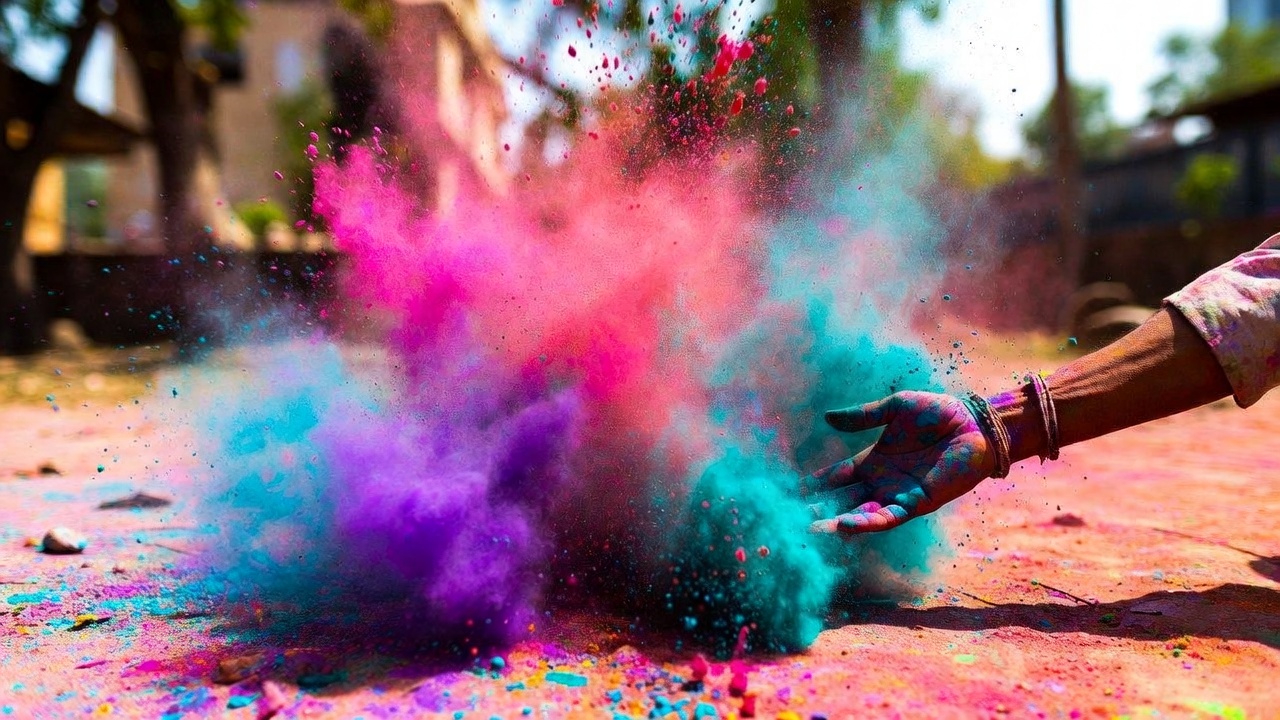
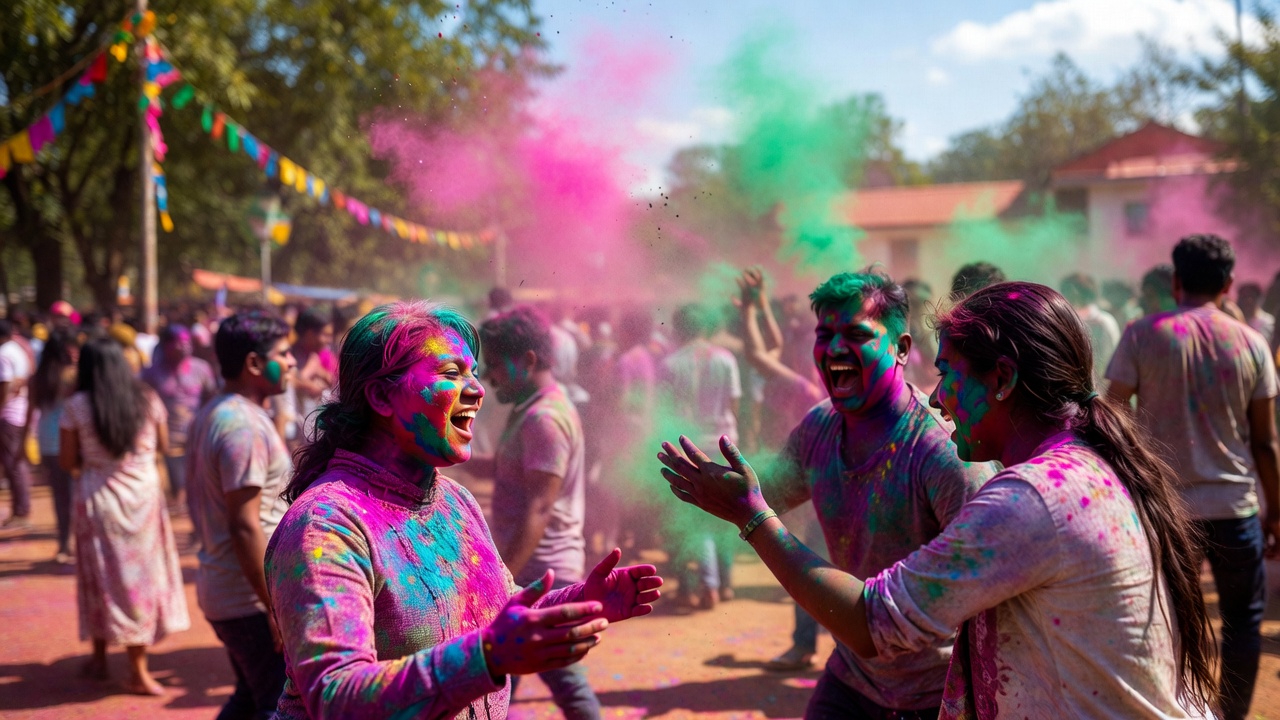
People of all ages take to the streets armed with colored powders (gulal) and colored water. They smear colors on friends, family members, and even strangers. No one is exempt from the colorful assault—this egalitarian spirit is central to the festival’s meaning.
Traditional greetings include phrases like “Bura na mano, Holi hai!” (Don’t mind, it’s Holi!). This playful warning acknowledges that normal social boundaries dissolve during the celebration.
Music and Dance
Groups roam from neighborhood to neighborhood carrying drums (dholak), singing traditional Holi songs, and dancing. The atmosphere becomes electric with energy. Bollywood music blends with folk songs. Everyone becomes part of the celebration.
Feasting and Forgiveness
Holi emphasizes reconciliation. The festival provides an opportunity to repair broken relationships. Former enemies exchange colors and sweets. Past grievances are forgotten. This spirit of forgiveness and renewal distinguishes Holi from mere celebration.
By afternoon, the color play winds down. People bathe, change into fresh clothes, and visit friends and family. They exchange greetings, share sweets, and enjoy festive foods together.
What is the Meaning of Different Holi Colors?
The vibrant powders used during Holi carry symbolic significance. Each color represents different aspects of life and spirituality.
| Color | Meaning and Significance |
|---|---|
| Red | Love, fertility, passion, and auspiciousness |
| Blue | Divine energy, devotion (associated with Krishna’s blue skin) |
| Yellow | Knowledge, wisdom, turmeric’s healing properties |
| Green | Spring renewal, new beginnings, nature’s awakening |
| Pink | Playfulness, joy, affection |
| Orange | Sacrifice, spirituality, saffron’s sacred associations |
| Purple | Spiritual awareness, inner peace, nobility |
Traditional Sources of Natural Holi Colors
Historically, Holi colors came from plants and flowers. These natural sources provided vibrant hues without harming skin or the environment:
- Red: Dried hibiscus flowers, beetroot, pomegranate peels, red sandalwood
- Yellow: Turmeric (haldi), marigold flowers, bael fruit
- Orange: Palash flowers (flame of the forest, also called tesu)
- Green: Dried neem leaves, spinach, henna
- Blue: Indigo plant, hibiscus varieties
- Purple: Grape skin, berries
The palash flower (Butea monosperma) deserves special mention. Its bright orange-red blossoms provide the traditional color for Holi and give the month its alternate name—Phalgun comes from phalguna, meaning “born from phalguni” (another name for the palash tree).
Best Places to Celebrate Holi in India: Top Destinations for 2026
While Holi transforms all of India into a colorful celebration, certain locations offer particularly memorable experiences.
Mathura and Vrindavan: Birthplace of Krishna’s Holi Traditions
The twin towns of Mathura and Vrindavan in Uttar Pradesh host India’s most authentic and elaborate Holi celebrations. These sacred sites—associated with Krishna’s childhood—stretch the festival across nearly two weeks of distinct events.
Mathura Holi 2026 Calendar:
| Date | Event | Location |
|---|---|---|
| February 25, 2026 | Barsana Lathmar Holi | Shri Ladliji Temple, Barsana |
| February 26, 2026 | Nandgaon Lathmar Holi | Nand Bhawan, Nandgaon |
| February 27, 2026 | Phoolwalon Ki Holi (Flower Holi) | Banke Bihari Temple, Vrindavan |
| February 27, 2026 | Rangbhari Ekadashi | Vrindavan temples |
| March 1, 2026 | Gokul Holi | Gokul village |
| March 3, 2026 | Holika Dahan | Dwarkadhish Temple, Mathura |
| March 4, 2026 | Dhulandi (Main Holi) | Throughout Braj region |
Unique Mathura-Vrindavan Holi Traditions:
Lathmar Holi (Barsana and Nandgaon): This famous tradition features women playfully beating men with long wooden sticks (lathis). The ritual reenacts Krishna’s mischievous visits to Radha’s village. Women defend their territory while men protect themselves with shields. The atmosphere combines devotion with joyful chaos.
Phoolwalon Ki Holi (Flower Holi): At Vrindavan’s Banke Bihari Temple, priests shower devotees with fresh flower petals instead of colored powder. This delicate, fragrant celebration typically lasts about thirty minutes. Arrive early to secure a good viewing position.
Widows’ Holi: For centuries, Indian widows were forbidden from participating in festivals. In recent years, the widows of Vrindavan have reclaimed their right to celebrate. At Gopinath Temple, women dressed in colorful clothes play with colors, dance, and sing Krishna bhajans. This emotionally powerful celebration represents social reform and empowerment.
Barsana: Home of the Famous Lathmar Holi Festival
The small town of Barsana—Radha’s legendary hometown—hosts one of Holi’s most photographed events. Lathmar Holi in Barsana 2026 falls on February 25.
The celebration centers on Shri Radha Rani Temple (also called Ladliji Temple). Men from nearby Nandgaon arrive with colors. Women of Barsana respond by chasing and playfully hitting them with sticks. The men carry shields but must avoid retaliating. Music, dance, and vibrant colors fill the air.
Tips for Attending Lathmar Holi:
- Arrive early (by 10 AM) to secure a good viewing spot
- Wear old clothes you do not mind getting stained
- Stay hydrated and carry water
- Respect the religious significance of the event
- Be prepared for large crowds and intense energy
Jaipur: Royal Holi Celebrations in the Pink City
Rajasthan’s capital offers a distinctive Holi experience that blends folk traditions with regal elegance.
The city hosts various events including:
- Cultural performances at City Palace
- Folk music and dance in public squares
- Color throwing in historic courtyards
- Street processions with elephants and camels
Hotels and heritage properties often organize private Holi parties with traditional Rajasthani food, music, and safe organic colors.
Pushkar: Backpacker-Friendly Holi Party Atmosphere
The holy town of Pushkar attracts international travelers seeking a more accessible Holi experience. The celebrations here combine traditional elements with a festival atmosphere.
The main events take place around Pushkar Lake and in the town’s narrow streets. Street food, live music, and color play continue throughout the day. The atmosphere remains welcoming to foreign visitors.
Varanasi: Spiritual Holi Along the Sacred Ganges
Celebrating Holi in Varanasi adds profound spiritual depth to the experience. The ancient city’s ghats (riverside steps) provide a spectacular backdrop for the festivities.
Color play along the Ganges carries special significance. Ancient temples host rituals and prayers. The combination of spirituality and celebration creates unique memories.
Shantiniketan: Artistic Holi in West Bengal
The university town founded by Nobel laureate Rabindranath Tagore celebrates Holi as Basanta Utsav (Spring Festival). Students dress in saffron and white clothes. They perform traditional songs and dances before the color play begins.
This celebration emphasizes cultural and artistic expression. The atmosphere remains gentler and more refined than the boisterous celebrations of North India.
Traditional Holi Food and Drinks: What to Eat During the Festival
Holi celebrations feature distinctive foods that energize participants and enhance the festive atmosphere.
Gujiya: The Quintessential Holi Sweet
No Holi celebration is complete without gujiya. These crescent-shaped fried dumplings contain a sweet filling of khoya (dried milk solids), nuts, and dried fruits. The outer shell is made from refined flour, fried until golden and crispy.
Variations include:
- Traditional khoya gujiya with almonds and pistachios
- Dry fruit gujiya with cashews and raisins
- Chocolate gujiya (a modern twist)
- Baked gujiya (a healthier alternative)
Thandai: The Cooling Festival Drink
Thandai serves as the signature beverage of Holi. This creamy, spiced milk drink contains:
- Blanched almonds
- Fennel seeds
- Poppy seeds
- Watermelon seed kernels
- Black peppercorns
- Green cardamom
- Saffron strands
- Rose petals or rose water
- Sugar and chilled milk
The drink’s cooling properties provide relief during color play. The combination of spices and nuts creates a complex, refreshing flavor.
Bhang Thandai: Some regions traditionally add bhang (cannabis paste) to thandai. This intoxicating version has legal status during Holi in certain Indian states. Visitors should exercise extreme caution. Bhang affects individuals differently and can produce strong, unpredictable effects.
Other Traditional Holi Delicacies
| Dish | Description |
|---|---|
| Malpua | Sweet pancakes soaked in sugar syrup, often topped with rabri |
| Dahi Vada | Lentil dumplings soaked in spiced yogurt with chutneys |
| Kachori | Fried pastries stuffed with spiced lentils or potatoes |
| Mathri | Savory fried crackers with cumin and ajwain |
| Puran Poli | Sweet flatbread stuffed with lentil filling (Maharashtra) |
| Kanji Vada | Fermented mustard water with lentil fritters (Rajasthan) |
| Shakarpara | Diamond-shaped fried sweet crackers |
How to Celebrate Holi Safely: Essential Tips and Guidelines
Participating in Holi requires some preparation. These guidelines help ensure a safe, enjoyable experience.
Protecting Your Skin During Holi
Before the celebration:
- Apply a thick layer of coconut oil or mustard oil to exposed skin
- This creates a protective barrier that makes color removal easier
- Pay special attention to ears, neck, and hands
Choosing safe colors:
- Opt for organic, herbal, or natural gulal whenever possible
- Avoid colors with metallic sheen or chemical smell
- Purchase colors from reputable vendors
- Test colors on a small skin patch if you have sensitivities
After the celebration:
- Rinse off with plain water before using soap
- Use gentle, moisturizing cleansers
- Apply soothing lotions or aloe vera gel
- Avoid scrubbing aggressively—this can irritate colored skin
Protecting Your Hair During Holi Festival
Hair requires extra attention during Holi:
- Apply generous amounts of oil to hair and scalp before playing
- Consider tying hair back or wearing a bandana
- Avoid chemical treatments (coloring, straightening) in the weeks before Holi
- Use a mild shampoo for initial washing, followed by deep conditioning
Protecting Your Eyes During Color Play
Eye safety is paramount:
- Wear sunglasses or protective eyewear during intense color play
- Avoid rubbing eyes if color enters them
- Rinse with clean water immediately if eyes become irritated
- Consider prescription goggles if you wear contact lenses
What to Wear to Holi Festival
Clothing recommendations:
- Wear white or light-colored clothes (provides the best canvas for colors)
- Choose old clothes you do not mind discarding
- Opt for comfortable, breathable fabrics like cotton
- Wear closed-toe shoes or old sneakers
- Avoid expensive jewelry or accessories
General Safety During Holi Celebrations
- Stay hydrated throughout the day
- Eat something before joining the celebration
- Keep valuables at home or in a waterproof bag
- Stay with friends or family members
- Maintain awareness of your surroundings in crowded areas
- Respect personal boundaries—not everyone wants to be colored
- Avoid unknown drinks or food from strangers
Eco-Friendly Holi: How to Celebrate with Natural Organic Colors
Environmental consciousness has transformed how many people approach Holi celebrations. Synthetic colors containing harsh chemicals harm both participants and the environment.
The Problem with Synthetic Holi Colors
Conventional synthetic colors often contain:
- Industrial dyes (lead oxide, mercury sulfite, copper sulfate)
- Glass powder (for sparkle effects)
- Toxic acids
- Asbestos and mica
These substances cause:
- Skin rashes and allergic reactions
- Eye irritation and damage
- Respiratory problems when inhaled
- Long-term environmental pollution of soil and water
Benefits of Organic and Herbal Holi Colors
Natural gulal offers significant advantages:
- Safe for all skin types, including sensitive skin
- Gentle on eyes and respiratory system
- Biodegradable and environmentally friendly
- Often contain beneficial natural ingredients
- Pleasant natural fragrances
- Easier to wash off
Where to Find Natural Holi Colors
Options for obtaining organic colors include:
Commercial sources:
- Certified organic gulal from reputable brands
- Ayurvedic shops and natural product stores
- Online retailers specializing in eco-friendly products
- Temple shops in pilgrimage towns
Making colors at home:
| Color | Natural Ingredients |
|---|---|
| Yellow | Turmeric powder, marigold petals |
| Red | Dried rose petals, beetroot powder |
| Orange | Annatto seeds, palash flowers |
| Green | Dried neem leaves, spinach powder |
| Blue | Indigo, jacaranda flowers |
| Pink | Beetroot mixed with arrowroot powder |
Mix these natural pigments with a base of rice flour, arrowroot powder, or corn starch for the best consistency.
Holi Celebrations Around the World: Global Festival of Colors Events
The Indian diaspora has carried Holi traditions across the globe. Major celebrations now occur on every continent.
Holi Festival 2026 in the United States
The United States hosts some of the largest Holi celebrations outside India.
Major US Holi Events:
Spanish Fork, Utah: The Festival of Colors at Sri Sri Radha Krishna Temple draws tens of thousands of participants. The event features live music, yoga sessions, dance performances, and massive coordinated color throws.
New York City and New Jersey: The large South Asian population hosts numerous events throughout March. Celebrations occur in Central Park, Governor’s Island, and various temple complexes in New Jersey.
San Francisco Bay Area: Community events take place at temples and public parks throughout Fremont, San Jose, and surrounding areas.
Houston, Texas: Temple celebrations and community melas (fairs) attract large crowds.
Chicago, Illinois: Naperville and surrounding suburbs host family-friendly events with food, music, and color play.
Holi Festival 2026 in the United Kingdom
The UK’s significant Indian population ensures vibrant Holi celebrations.
London: Major events include celebrations at Victoria Park, Southbank Centre, and various temple complexes. The atmosphere combines traditional elements with contemporary entertainment.
Leicester: Home to one of Europe’s largest Hindu populations, Leicester hosts extensive Holi celebrations with temple pujas and community color parties.
Birmingham and Manchester: Growing South Asian communities organize annual events featuring Bollywood music, dance, and traditional foods.
Holi Festival 2026 in Canada
Toronto and Vancouver: Large outdoor festivals attract diverse participants. Events typically occur on weekends near the actual Holi date.
Holi Festival 2026 in Australia
Sydney and Melbourne: Multicultural color festivals combine Holi traditions with local community celebrations. Events typically take place in public parks and community centers.
Holi Celebrations in Nepal
Nepal celebrates Holi with equal enthusiasm. The famous UNESCO-protected Durbar Square in Kathmandu provides a stunning backdrop for color play. Celebrations here mirror Indian traditions with local variations.
Modern Holi-Inspired Events Worldwide
The spirit of Holi has inspired numerous contemporary events:
- Color Run races featuring color powder at kilometer checkpoints
- Festival of Colors music events with timed color throws
- Color Me Rad and similar 5K runs
- Corporate team-building events
- Music festivals incorporating color elements
These events introduce Holi’s joyful energy to new audiences, though they typically lack the spiritual and cultural dimensions of traditional celebrations.
Planning Your Holi 2026 Trip to India: Travel Tips and Advice
Experiencing Holi in India requires advance planning. These tips help ensure a smooth, memorable trip.
Best Time to Book for Holi 2026 Travel
- Book flights at least 3-4 months in advance
- Reserve hotels 2-3 months ahead (especially in Mathura-Vrindavan)
- Tour packages often sell out quickly
- Consider flexible booking options in case plans change
Accommodation During Holi Festival
In Mathura-Vrindavan:
- Hotels fill up rapidly during Holi week
- Expect higher prices than normal
- Consider staying in Agra (about 60 km away) as an alternative
- Book properties with Holi celebration packages for organized experiences
General tips:
- Request rooms with good water pressure (you will need it for cleanup)
- Ask about laundry facilities
- Choose properties that welcome festival participation
Transportation During Holi
Getting to Mathura-Vrindavan:
- Nearest major airport: Delhi (approximately 150 km)
- Well-connected by rail to major cities
- Local transportation includes auto-rickshaws and taxis
Moving between celebration sites:
- Hire a local guide or driver for the Holi week
- Public transportation becomes extremely crowded
- Walking between nearby temples is often faster than driving
What to Pack for Your Holi Trip
Essential items:
- Multiple sets of old, white clothes
- Waterproof phone case or pouch
- Sunglasses (cheap ones you can discard if necessary)
- Good quality sunscreen
- Hair oil (coconut or mustard)
- Travel-size toiletries
- Comfortable walking shoes
- Small waterproof bag for valuables
- Basic first aid supplies
- Wet wipes and tissues
Health Considerations
- Stay hydrated throughout your trip
- Be cautious with street food
- Carry basic medications
- Know the location of nearby hospitals or clinics
- Purchase travel insurance that covers festival-related incidents
Frequently Asked Questions About Holi 2026
When is Holi 2026?
Holi 2026 falls on Wednesday, March 4, 2026. Holika Dahan (the bonfire ritual) takes place the previous evening, on Tuesday, March 3, 2026.
Why does Holi date change every year?
Holi follows the Hindu lunar calendar. It always falls on the full moon day (Purnima) of the month Phalguna. Since the lunar calendar does not align perfectly with the Gregorian calendar, the date shifts annually—typically falling between late February and mid-March.
How long does Holi last?
Traditional Holi lasts two days: Holika Dahan (evening) and Rangwali Holi (the next full day). However, celebrations in places like Mathura-Vrindavan extend for 10-16 days with different events in various towns.
Is Holi safe for tourists?
Yes, with proper preparation. Wear appropriate clothing, use organic colors, stay hydrated, and remain aware of your surroundings. Joining organized celebrations at hotels or temples provides safer options for first-time visitors.
Can non-Hindus participate in Holi?
Absolutely. Holi welcomes everyone regardless of religion or nationality. The festival’s themes of joy, renewal, and forgiveness are universal. Participants should simply approach the celebration with respect and an open spirit.
What is Holika Dahan?
Holika Dahan is the bonfire ritual performed on the eve of Holi. Communities gather around large pyres to commemorate the burning of the demoness Holika and celebrate the triumph of good over evil.
What are the best places to celebrate Holi in India?
The top destinations include:
- Mathura and Vrindavan (most traditional)
- Barsana (famous Lathmar Holi)
- Jaipur (royal celebrations)
- Pushkar (backpacker-friendly)
- Varanasi (spiritual atmosphere)
- Shantiniketan (artistic celebration)
Is Holi a public holiday in India?
Yes, Holi is a gazetted public holiday in India. Government offices, schools, and most businesses remain closed. In some regions, Holi is observed as a restricted holiday, giving individuals flexibility in taking the day off.
Conclusion: Embrace the Joy of Holi 2026
Holi represents humanity at its most joyful. For one glorious day, social barriers dissolve. Strangers become friends. Colors transform the ordinary world into something magical.
Holi 2026 arrives on March 4—mark your calendar. Whether you join the ancient celebrations in Mathura, attend a diaspora event in New York or London, or simply gather with friends in your backyard, the festival offers something precious: permission to play, to forgive, to begin again.
The colors will wash off. The memories will not.
As the bonfire of Holika Dahan burns away the old year’s troubles, may Holi 2026 bring you renewal, connection, and unbridled joy. Prepare your white clothes. Stock up on organic gulal. Open your heart to the celebration.
Holi hai!
Planning your Holi 2026 journey? Bookmark this guide and share it with fellow travelers. The Festival of Colors awaits—may your celebration be vibrant, safe, and unforgettable.