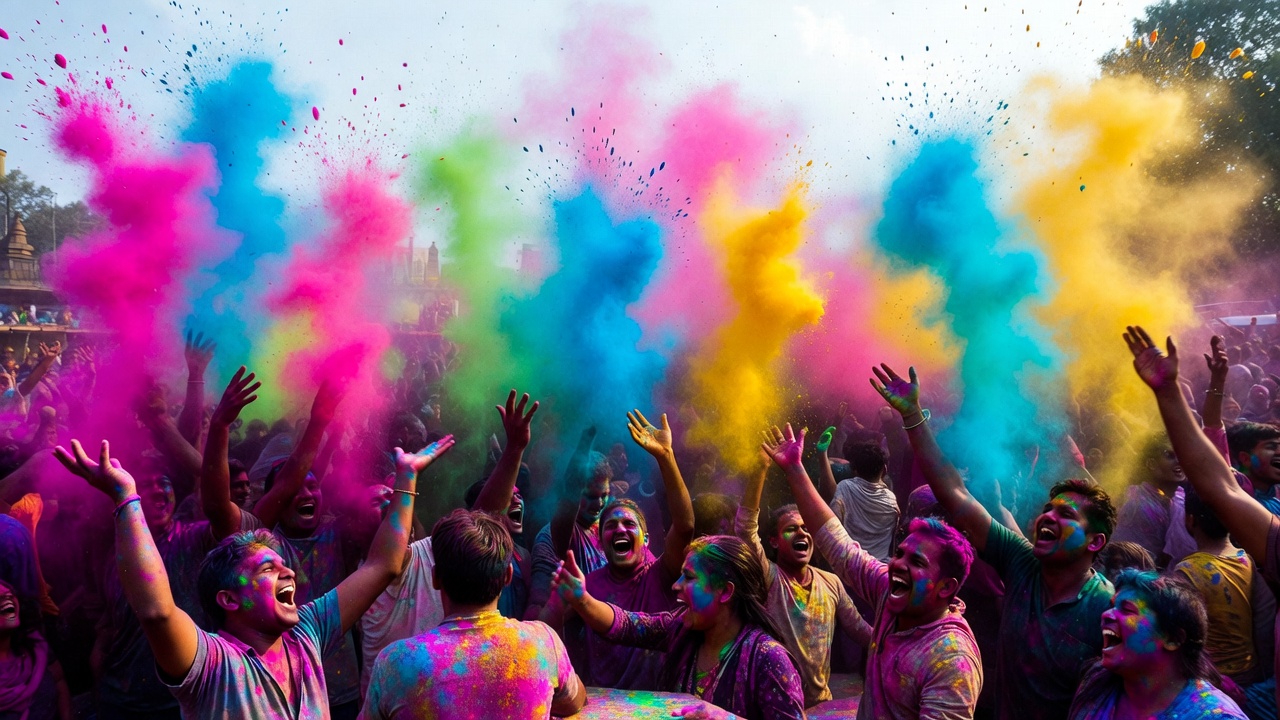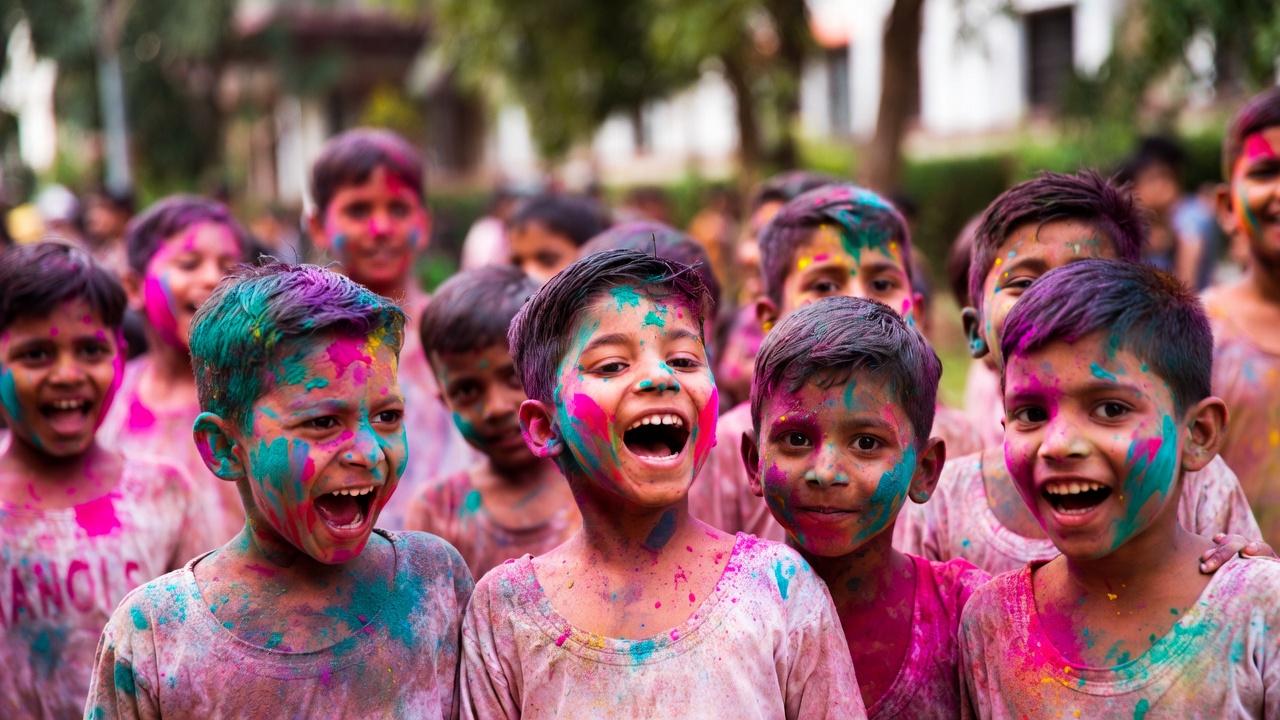
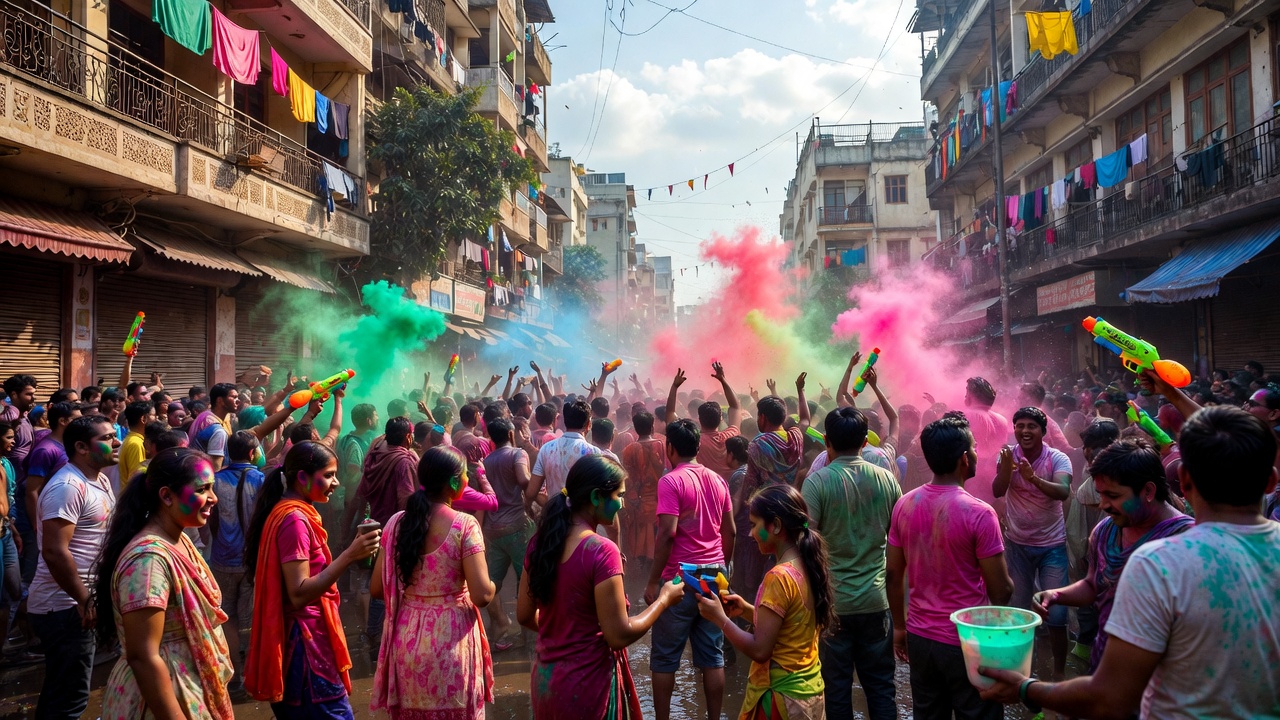
The air fills with vibrant powders. Streets transform into living canvases. Strangers become friends within seconds. Holi, India’s most colorful festival, captures the essence of joy, forgiveness, and new beginnings like no other celebration on Earth.
Every year, millions of travelers search for the best places to celebrate Holi in India. They want authentic cultural experiences. They want to understand the traditions. Most importantly, they want memories that last forever.
This comprehensive guide covers everything you need to know about experiencing Holi in India in 2026. From ancient temple rituals to royal palace celebrations, discover the destinations, traditions, and practical tips that will make your Holi journey unforgettable.
What Is Holi and Why Do Indians Celebrate This Festival of Colors?
Holi ranks among India’s most significant Hindu festivals. It marks the triumph of good over evil and welcomes the spring season. The celebration occurs on the full moon day (Purnima) of the Hindu month Phalguna. This typically falls in late February or early March.
The festival spans two vibrant days:
| Day | Name | Main Activities |
|---|---|---|
| Day 1 | Holika Dahan | Bonfire rituals, prayers, community gatherings |
| Day 2 | Rangwali Holi / Dhulandi | Color play, music, dancing, feasting |
In 2026, Holi falls on Wednesday, March 4, with Holika Dahan observed on Tuesday, March 3. The bonfire ceremony begins after sunset, with the most auspicious time falling between 6:22 PM and 8:50 PM according to Hindu astrological calculations.
The Mythology Behind the Festival of Colors
Two powerful legends shape Holi’s cultural significance.
The Story of Prahlad and Holika
King Hiranyakashipu considered himself divine. He demanded worship from all subjects, including his son Prahlad. But Prahlad remained devoted to Lord Vishnu. The king tried multiple methods to kill his disobedient son. All failed.
Finally, Hiranyakashipu enlisted his sister Holika. She possessed a magical cloak that protected her from fire. The plan seemed foolproof. Holika would sit in flames holding Prahlad. She would survive. He would perish.
The opposite happened.
The divine cloak abandoned Holika. She burned. Prahlad emerged unharmed. His devotion had protected him. This story forms the foundation of Holika Dahan. Communities light massive bonfires symbolizing evil’s destruction and righteousness’s victory.
Lord Krishna and Radha
The second legend involves youthful love and playfulness. Lord Krishna, born with blue-tinted skin, worried about whether fair-skinned Radha would accept him. His mother Yashoda suggested a solution. She told Krishna to color Radha’s face with any shade he liked.
Krishna traveled from his village Nandgaon to Radha’s hometown Barsana. He applied colors on Radha and her friends. The women playfully chased him with sticks. This tradition continues today in the famous Lathmar Holi celebrations.
When Is the Best Time to Visit India for Holi Celebrations?
The timing of your Holi trip matters significantly. The main festival occurs on a single day. However, many regions extend celebrations across multiple days or even weeks.
Key Holi 2026 Dates:
| Region | Event | Date |
|---|---|---|
| Barsana | Lathmar Holi (Main) | February 25, 2026 (Wednesday) |
| Nandgaon | Lathmar Holi | February 26, 2026 (Thursday) |
| Vrindavan | Phoolon Ki Holi | February 27, 2026 (Friday) |
| Mathura | Rangbhari Ekadashi | February 27, 2026 (Friday) |
| Gokul | Chhadi Maar Holi | March 1, 2026 (Sunday) |
| All India | Holika Dahan | March 3, 2026 (Tuesday) |
| All India | Rangwali Holi | March 4, 2026 (Wednesday) |
Travel Tip: Arrive at least two days before your chosen celebration. Accommodations fill quickly. Transportation becomes chaotic. Early arrival ensures you settle comfortably before festivities begin.
The weather during Holi typically ranges from pleasant to warm. Temperatures in North India hover between 20°C and 32°C (68°F-90°F). This makes outdoor celebrations comfortable.
Best Places to Celebrate Holi in India: Complete Destination Guide
India offers countless Holi experiences. Each destination brings unique traditions, atmospheres, and cultural nuances. Choosing the right location depends on what type of experience you seek.
Mathura and Vrindavan: The Birthplace of Holi Traditions
No discussion of India’s best Holi destinations begins without mentioning Mathura and Vrindavan. These twin cities in Uttar Pradesh hold deep significance. Mathura witnessed Lord Krishna’s birth. Vrindavan served as the playground for his childhood adventures.
Why Mathura Stands Out:
- Celebrations span approximately 16 days before the main Holi
- Multiple unique events occur in different villages
- The spiritual energy feels palpable throughout the region
- Traditional rituals remain largely unchanged for centuries
Key Locations in the Mathura-Vrindavan Region:
Dwarkadheesh Temple, Mathura
This magnificent temple becomes the epicenter of celebration on the main Holi day. A colorful procession travels from the temple complex to Vishram Ghat, then proceeds to Holi Gate. Children dressed as Radha and Krishna ride decorated chariots. Folk musicians fill the air with devotional songs.
Banke Bihari Temple, Vrindavan
The Phoolon Ki Holi (Flower Holi) at Banke Bihari Temple creates an ethereal experience. Instead of synthetic colors, priests shower devotees with fragrant flower petals. The temple gates open around 4 PM. Thousands gather to receive floral blessings from Lord Krishna’s sacred image.
The temple reportedly uses approximately 1,500 kilograms of flowers during peak celebration days. Marigolds, roses, and seasonal blooms transform the air into perfumed clouds.
Krishna Janmabhoomi Temple
The exact birthplace of Lord Krishna hosts comprehensive festivities. The temple compound fills with devotees witnessing everything from Lathmar performances to flower showers. Cultural dance performances accompany the celebrations. The atmosphere blends devotion with joyful abandon.
Barsana and Nandgaon: Home of the Famous Lathmar Holi Festival
The villages of Barsana and Nandgaon offer India’s most photographed Holi experience. Lathmar Holi translates to “Holi with sticks.” Women playfully beat men with bamboo sticks while men protect themselves with shields.
Understanding the Tradition:
According to legend, the men of Nandgaon are considered “sons-in-law” of Barsana, Radha’s birthplace. When they arrive to color the local women, they face playful resistance. The women chase them with lathis (sticks). Men shield themselves while attempting to drench women in colored water.
The scene appears chaotic but follows traditional patterns. Local priests oversee proceedings. Both sides sing folk songs throughout. The entire village participates regardless of age.
Barsana Lathmar Holi (February 25, 2026)
The celebration centers around the magnificent Radha Rani Temple, also called Shriji Temple. This beautiful structure sits atop a hill overlooking Barsana. The main event begins around 4-5 PM.
Arrive early to secure good viewing positions. The narrow lanes become extraordinarily crowded. Expect to get colored regardless of whether you plan to participate actively.
Nandgaon Lathmar Holi (February 26, 2026)
The following day, roles reverse. Barsana’s men travel to Nandgaon. Local women take sweet revenge. The celebration occurs at Nand Bhawan and Nandji Temple. Energy levels match or exceed the previous day.
Practical Advice for Lathmar Holi:
- Wear white clothing that you can discard afterward
- Protect cameras with waterproof covers
- Keep valuables at your accommodation
- Travel in groups for safety
- Respect local customs and seek permission before photographing individuals
Varanasi: Spiritual Holi Celebrations Along the Sacred Ganges
Varanasi transforms Holi into a spiritual journey. The world’s oldest continuously inhabited city brings unique depth to celebrations. Here, colors meet ancient rituals in ways found nowhere else.
What Makes Holi in Varanasi Special:
The ghats (riverfront steps) become living canvases of celebration. Dashashwamedh Ghat and Assi Ghat witness massive gatherings. Devotees cover each other in gulal while priests chant Vedic hymns. The sacred Ganges provides a stunning backdrop.
Rangbhari Ekadashi
This pre-Holi celebration marks the beginning of festivities. Temples throughout Varanasi come alive with flowers, colors, and devotional singing. The event typically occurs six days before the main Holi.
Masan Holi: A Unique Varanasi Tradition
Perhaps no Holi celebration captures attention like Masan Holi. This extraordinary ritual occurs at Manikarnika Ghat, one of India’s most sacred cremation grounds.
Sadhus (Hindu ascetics) and Aghoris play Holi using ashes from funeral pyres. The practice symbolizes the impermanence of life and the connection between creation and destruction. Lord Shiva, the deity of regeneration, receives special reverence during this ceremony.
The visual impact defies description. Orange-robed monks, ash-covered faces, and spiritual chanting create an atmosphere unlike anywhere else on Earth. This celebration attracts spiritual seekers and photographers from around the world.
Evening Ganga Aarti
After a day of colorful celebration, the evening Ganga Aarti at Dashashwamedh Ghat provides perfect closure. Priests perform ancient fire rituals as thousands of oil lamps float down the sacred river. The contrast between the day’s vibrant chaos and evening’s serene spirituality creates lasting memories.
Pushkar: The Backpacker’s Paradise for Holi Celebrations
Pushkar has earned a reputation as the best place to celebrate Holi for international travelers. This small Rajasthani town combines spiritual significance with youthful energy.
Why Pushkar Attracts Global Visitors:
- Welcoming atmosphere for foreign tourists
- Mix of traditional rituals and modern celebrations
- Safe environment with organized events
- Excellent budget accommodation options
- Easy access from Jaipur and Delhi
The Pushkar Experience:
Celebrations begin the evening before Holi with massive bonfires. Local men gather around unlit pyres, throwing garlands and wooden branches. When flames rise higher than two-story buildings, the energy becomes electric.
The main celebration day transforms Pushkar’s main square into a dance floor. DJs mix Bollywood hits with international tracks. Techno beats accompany traditional folk songs. Travelers from dozens of countries throw colors together with locals.
Traditional Elements:
Despite its party reputation, Pushkar maintains religious significance. The town hosts India’s only temple dedicated to Lord Brahma. Many visitors combine Holi celebrations with spiritual activities.
Bhang thandai and bhang lassi (traditional drinks containing cannabis paste) flow freely. Consume responsibly. The effects can surprise unprepared travelers.
Jaipur: Royal Holi Celebrations in the Pink City
Rajasthan’s capital brings regal elegance to Holi celebrations. Royal Holi in Jaipur blends tradition with aristocratic grandeur.
Palace Celebrations:
The royal family of Jaipur hosts spectacular events at City Palace. These celebrations feature:
- Traditional Rajasthani folk music performances
- Cultural dance programs
- Gulal throwing in palace courtyards
- Traditional Rajasthani cuisine
- Historical processions through decorated streets
Heritage Hotel Events:
Many of Jaipur’s converted palace hotels organize exclusive Holi celebrations. Guests enjoy color play in manicured gardens. Professional photographers capture memories. Gourmet meals conclude festivities.
Public Celebrations:
Beyond palace walls, Jaipur’s streets erupt with color. Areas around Hawa Mahal and Amber Fort see particularly vibrant celebrations. The Pink City lives up to its name with added rainbow hues.
The Elephant Festival (Note: Modified)
Historically, Jaipur hosted an Elephant Festival on or near Holi. This featured painted elephants in beauty contests and polo matches. Following concerns from animal welfare groups, the event has been modified since 2012. Rajasthan Tourism now organizes alternative cultural programs at Khasa Kothi Hotel.
Udaipur: Lakeside Holi with Royal Mewar Traditions
Udaipur offers perhaps India’s most elegant Holi experience. The “City of Lakes” combines natural beauty with royal heritage.
Mewar Royal Family Celebrations:
The former royal family of Mewar actively participates in Holi celebrations. Their involvement begins with Holika Dahan at City Palace. The Maharana lights the ceremonial bonfire in Manek Chowk courtyard.
The evening features:
- Royal processions with decorated horses and elephants
- Traditional folk dancing including the famous Gair dance
- Fireworks reflecting off Lake Pichola
- Elaborate dinner celebrations
- Live classical music performances
Luxury Hotel Experiences:
Udaipur’s world-renowned hotels organize exclusive Holi parties. Properties like Taj Lake Palace, The Oberoi Udaivilas, and The Leela Palace offer packages including:
- Colors play on private grounds
- Live DJ entertainment
- Unlimited authentic Rajasthani cuisine
- Premium beverages
- Photography services
Prices typically range from ₹2,000 to ₹10,000 per person depending on venue and inclusions.
Public Celebrations:
For budget travelers, Jagdish Chowk hosts vibrant street celebrations. Locals and tourists dance together to drums and folk music. The atmosphere remains welcoming and inclusive.
Shantiniketan: Basanta Utsav – The Cultural Holi of Bengal
West Bengal celebrates Holi differently. Basanta Utsav (Spring Festival) in Shantiniketan offers an artistic, refined celebration.
The Tagore Connection:
Nobel laureate Rabindranath Tagore introduced this celebration at Visva-Bharati University. He envisioned a festival combining nature’s renewal with cultural expression. The tradition officially began in 1920. It continues largely unchanged today.
What Makes Basanta Utsav Different:
- Students wear traditional yellow and white clothing
- Natural, organic colors (called abir) replace synthetic alternatives
- Classical music performances accompany celebrations
- Rabindra Sangeet (Tagore’s songs) fill the air
- Dance performances interpret spring’s arrival
- No bhang or alcohol consumption
The Experience:
Celebrations commence with musical processions starting from the famous Chhattim tree. Students and faculty apply colors to each other gently. The atmosphere remains peaceful, artistic, and inclusive.
Women in bright yellow sarees dance on the red laterite soil. Palash (flame-of-the-forest) flowers add natural orange hues to the landscape. The entire campus transforms into a living artwork.
Basanta Utsav 2026 occurs on March 4, 2026. Visitors should book accommodation well in advance. The town fills completely during festival season.
Traditional Holi Foods and Drinks You Must Try
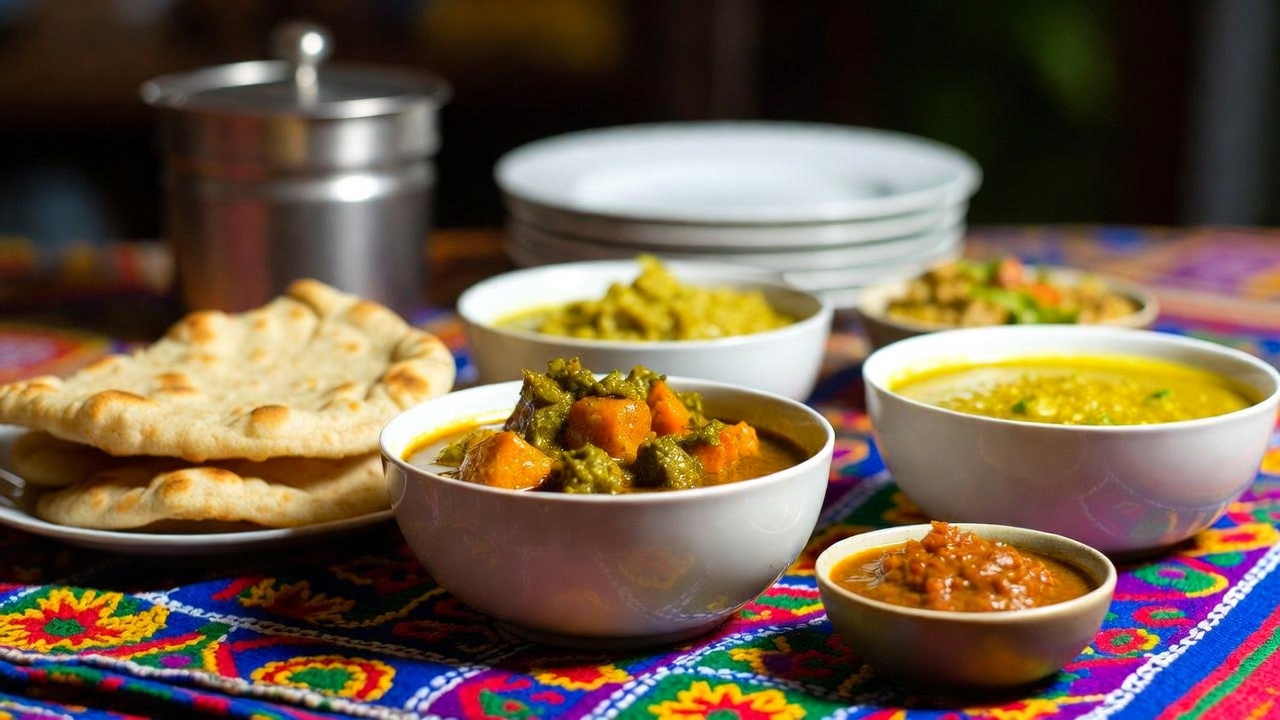
No Holi celebration feels complete without traditional delicacies. These recipes have been perfected over centuries.
Gujiya: The Quintessential Holi Sweet
Gujiya tops every Holi food list. This crescent-shaped pastry contains sweetened khoya (dried milk), nuts, and dried fruits. The outer shell uses refined flour mixed with ghee. Deep-frying creates golden, crispy perfection.
Every household prepares gujiya during Holi. Families share them with neighbors. Shops sell freshly made versions throughout the festival period.
Thandai: The Cooling Festival Drink
Thandai (meaning “cooling”) provides refreshment during warm March celebrations. This traditional beverage combines:
- Whole milk or water
- Blanched almonds
- Poppy seeds
- Fennel seeds
- Black peppercorns
- Cardamom
- Saffron strands
- Rose water
- Sugar
The ingredients create a paste. This gets blended with chilled milk. The result? A creamy, aromatic drink perfect for hot celebration days.
Bhang Thandai: Some versions include cannabis paste. This traditional intoxicant dates back centuries. Consume cautiously. Effects can be unpredictable, especially for unfamiliar users.
Other Must-Try Holi Delicacies
| Food | Description | Region |
|---|---|---|
| Malpua | Sweet pancakes soaked in sugar syrup | North India |
| Dahi Bhalla | Lentil dumplings in yogurt sauce | North India |
| Puran Poli | Sweet flatbread with lentil filling | Maharashtra |
| Shakarpara | Diamond-shaped sugar-coated snacks | Gujarat |
| Kachori | Spicy stuffed pastries | Rajasthan |
| Kanji Vada | Fermented lentil fritters in mustard water | UP, Rajasthan |
Banarasi Specialties:
Varanasi adds unique flavors to Holi celebrations. Banarasi Kachori with Aloo Sabzi makes a hearty breakfast before festivities begin. Rabri and Jalebi provide sweet conclusion after color play ends.
Essential Safety Tips for Celebrating Holi in India
Safety considerations ensure enjoyable celebrations. Follow these guidelines for a memorable, problem-free experience.
Protecting Your Skin and Hair
Synthetic colors can contain harmful chemicals including heavy metals and industrial dyes. Take precautions:
Before Playing:
- Apply coconut oil or mustard oil liberally on all exposed skin
- Oil your hair thoroughly or wear a bandana/scarf
- Paint nails with two coats of nail polish to prevent staining
- Remove contact lenses and wear sunglasses
Color Selection:
Choose organic, herbal, or plant-based colors whenever possible. Natural alternatives include:
- Yellow: Turmeric powder
- Red: Dried hibiscus petals, beetroot powder
- Green: Spinach or neem powder
- Orange: Marigold flowers
These natural options wash off easily and won’t irritate skin.
After Playing:
- Rinse off colors with lukewarm water
- Avoid harsh soaps initially
- Apply moisturizer generously
- Wash hair with mild shampoo
- Drink plenty of water to rehydrate
Personal Safety During Celebrations
Large crowds create safety challenges. Stay protected:
General Guidelines:
- Travel in groups, never alone
- Inform your hotel about your plans
- Keep valuables locked at accommodation
- Carry minimal cash and no expensive jewelry
- Wear old clothes you can discard afterward
- Avoid dark or isolated areas
For Female Travelers:
Exercise additional caution. While Holi celebrations are largely safe, crowded environments unfortunately attract inappropriate behavior.
- Stick with trusted groups
- Choose family-friendly celebration areas
- Consider organized hotel events
- Leave if any situation feels uncomfortable
- Wear layers to prevent clothing from becoming see-through when wet
Health Precautions
Stay Hydrated: March temperatures can exceed 35°C (95°F) in many regions. Drink water continuously throughout celebrations.
Food Safety: Enjoy street food cautiously. Choose vendors with fresh preparations and good hygiene practices.
Bhang Awareness: Traditional cannabis-infused drinks affect everyone differently. If you choose to try, start with small quantities. Never mix with alcohol. Stay with trusted companions. Avoid driving or operating machinery.
Allergies: If you have respiratory conditions like asthma, avoid heavily crowded areas where airborne color particles concentrate.
What to Wear During Holi: Complete Clothing Guide
Your clothing choices significantly impact your Holi experience.
Recommended Attire
Fabric: Cotton works best. It breathes well in warm weather. Colors wash out more easily than from synthetic materials.
Color: White remains traditional and practical. Colors appear most vibrant against white backgrounds. You’ll create better photographs. Plus, white clothing tends to be inexpensive and easily replaceable.
Style: Loose-fitting garments allow free movement for dancing. Avoid anything tight or restrictive. Women often wear kurtas with leggings. Men typically choose kurta-pyjama sets.
Footwear: Waterproof sandals or flip-flops that can get wet and dirty. Avoid anything you value. Secure straps prevent losing footwear in crowds.
Items to Avoid
- Expensive or designer clothing
- Jewelry (can get lost or damaged)
- Leather items (stain permanently)
- Contact lenses (can trap color particles)
- Open wounds (cover with waterproof bandages)
Packing List for Holi Travelers
| Essential Items | Purpose |
|---|---|
| White cotton clothes (2-3 sets) | Playing Holi |
| Waterproof bag/pouch | Protecting phone and documents |
| Sunglasses/goggles | Eye protection |
| Bandana/scarf | Hair protection |
| Coconut oil | Pre-celebration skin protection |
| Mild shampoo | Post-celebration cleanup |
| Change of clean clothes | Wearing after cleanup |
| Waterproof sandals | Footwear during celebrations |
| Sunscreen | General sun protection |
Planning Your Holi Trip: Practical Travel Information
Getting to Major Holi Destinations
Mathura-Vrindavan:
- Nearest Airport: Delhi (150 km)
- Train Access: Mathura Junction connects to all major Indian cities
- From Delhi: 3-4 hours by road
Varanasi:
- Airport: Lal Bahadur Shastri International Airport (direct flights from Delhi, Mumbai, Kolkata)
- Train Access: Varanasi Junction and Varanasi City stations
- From Delhi: 12-14 hours by train
Jaipur:
- Airport: Jaipur International Airport
- Train Access: Jaipur Junction
- From Delhi: 4-5 hours by road or train
Pushkar:
- Nearest Airport: Jaipur (145 km)
- Nearest Train Station: Ajmer (14 km)
- From Jaipur: 2.5-3 hours by road
Udaipur:
- Airport: Maharana Pratap Airport
- Train Access: Udaipur City station
- From Jaipur: 6-7 hours by road
Shantiniketan:
- Nearest Airport: Kolkata (160 km)
- Train Access: Bolpur station
- From Kolkata: 2.5-3 hours by train
Accommodation Booking Tips
Book Early: Accommodations fill weeks or months in advance during Holi season. Secure reservations immediately after confirming travel dates.
Price Expectations: Rates increase 50-200% during festival periods. Budget accordingly.
Location Matters: Choose accommodations close to celebration areas. Transportation becomes unreliable during festivities.
Hotel Holi Events: Many properties organize on-site celebrations. This provides safe, organized experiences, especially valuable for first-time visitors.
Budget Considerations
| Expense Category | Budget Range (per day) |
|---|---|
| Budget Accommodation | ₹800 – ₹2,000 |
| Mid-Range Hotels | ₹2,500 – ₹6,000 |
| Luxury Properties | ₹8,000 – ₹25,000+ |
| Meals | ₹300 – ₹1,500 |
| Local Transport | ₹200 – ₹800 |
| Organic Colors | ₹100 – ₹300 |
| Guided Tours | ₹1,500 – ₹5,000 |
Respecting Local Culture: Etiquette for Foreign Visitors
Cultural sensitivity enhances your experience while showing respect to hosts.
Do’s and Don’ts
Do:
- Ask permission before photographing individuals, especially during rituals
- Participate joyfully when invited
- Remove shoes before entering temples
- Accept prasad (blessed food) graciously
- Learn basic Hindi phrases like “Happy Holi” (Holi ki Shubhkamnayein)
- Respect those who choose not to participate
Don’t:
- Force colors on unwilling participants
- Enter temples while covered in colors
- Disrespect religious ceremonies
- Throw colors at animals
- Waste excessive water
- Photograph cremation grounds without permission
Photography Ethics
Holi creates incredible photographic opportunities. However, certain guidelines apply:
- Always seek consent before taking close-up portraits
- Don’t interrupt religious ceremonies for photos
- Share images respectfully on social media
- Consider offering to send copies to subjects
- Avoid photographing vulnerable individuals without permission
Eco-Friendly Holi: Celebrating Sustainably
Environmental consciousness grows yearly. Consider these sustainable practices.
Natural Color Alternatives
Traditional Holi colors came entirely from nature. Return to these roots:
| Color | Natural Source |
|---|---|
| Yellow | Turmeric, marigold flowers |
| Red | Dried hibiscus, pomegranate |
| Green | Neem leaves, spinach |
| Orange | Palash flowers, henna |
| Pink | Beetroot, rose petals |
| Blue | Jacaranda flowers, indigo |
Water Conservation
Many regions face water scarcity. Practice dry Holi using only powdered colors instead of water balloons and pichkaris (water guns).
Waste Reduction
- Avoid single-use plastic color packets
- Properly dispose of packaging
- Skip balloon games (rubber and plastic waste)
- Choose reusable water containers
Unique Regional Holi Celebrations Across India
Beyond major destinations, India offers diverse regional celebrations.
Kumaon, Uttarakhand
The hills of Kumaon celebrate Kumaoni Holi with classical music performances. This elegant tradition dates back centuries. Folk songs called “Holiyars” echo through mountain valleys.
Manipur: Yaoshang Festival
Northeast India’s Manipur celebrates Yaoshang over five days. This unique festival combines Holi traditions with local customs. Young people perform traditional dances. Communities gather for religious observances.
Anandpur Sahib, Punjab: Hola Mohalla
Sikhs celebrate Hola Mohalla at Anandpur Sahib. This three-day festival features martial arts demonstrations, mock battles, poetry recitations, and religious discussions. It occurs the day after Holi.
Sangla Valley, Himachal Pradesh
High in the Himalayas, Faguli celebrates Holi with snow and dry colors. The four-day festival combines Hindu traditions with local customs. Playing Holi against snow-capped mountain backdrops creates unforgettable experiences.
Frequently Asked Questions About Holi in India
Q: Is Holi safe for solo female travelers?
A: Celebrations vary widely. Organized hotel events and family-friendly locations like Shantiniketan tend to be safest. Avoid isolated areas and overcrowded street celebrations when alone.
Q: Can non-Hindus participate in Holi?
A: Absolutely. Holi welcomes everyone regardless of religion, nationality, or background. The festival celebrates universal themes of joy, renewal, and community.
Q: How long do colors stay on skin?
A: Natural colors wash off within 1-2 days. Synthetic colors may take 3-5 days to fade completely. Proper oil application beforehand significantly reduces staining.
Q: Is bhang legal in India?
A: Bhang (cannabis paste) holds traditional significance in certain Hindu rituals. Its consumption during festivals like Holi is culturally accepted in many regions. However, laws vary by state. Consume responsibly and be aware of local regulations.
Q: What if I don’t want to play with colors?
A: Simply communicate your preference. Respectfully declining participation is completely acceptable. Wearing a sign saying “No colors please” works in crowded areas.
Q: Are credit cards widely accepted?
A: Cash remains essential during Holi. Many vendors, small hotels, and transportation services operate cash-only. ATMs may have long queues or run empty during festivities.
Conclusion: Creating Your Perfect Holi Experience
Holi offers transformative experiences unavailable anywhere else on Earth. Whether you seek spiritual depth in Varanasi, traditional rituals in Mathura, royal elegance in Udaipur, or artistic refinement in Shantiniketan, India delivers.
The festival reminds us that differences dissolve when joy takes center stage. Colors don’t discriminate. Neither does laughter. For a few precious hours, social boundaries disappear. Strangers embrace. Communities unite.
Planning makes the difference between chaotic confusion and lifelong memories. Book accommodations early. Research your chosen destination thoroughly. Pack appropriately. Most importantly, arrive with an open heart ready to embrace India’s most colorful celebration.
Happy Holi! May your festival be filled with colors, love, and beautiful new beginnings.
The Significance of Colors in Holi: What Each Shade Represents
Colors form the heart of Holi celebrations. Each traditional shade carries deep symbolic meaning rooted in Hindu philosophy and mythology.
The Sacred Palette of Holi
Red: This powerful color represents love, fertility, and matrimony. Red connects to the sindoor (vermilion) that married women apply to their hair parts. During Holi, red symbolizes the passion of spring and new romantic beginnings.
Yellow: Associated with turmeric, prosperity, and auspiciousness, yellow holds special significance. Turmeric’s antiseptic properties made it practical for ancient celebrations. The color also represents knowledge and learning.
Blue: This divine shade connects directly to Lord Krishna, who possessed blue-tinted skin. Blue represents the infinite sky and cosmic consciousness. Devotees apply blue colors as tribute to Krishna’s playful spirit.
Green: Symbolizing new beginnings, harvest, and nature’s renewal, green celebrates spring’s arrival. Fresh vegetation returns after winter dormancy. Life cycles begin anew.
Orange and Saffron: These colors represent spirituality, sacrifice, and devotion. Hindu saints traditionally wear saffron robes. The color connects Holi celebrations to deeper spiritual meanings.
Pink: A gentler version of red, pink represents care, hope, and friendship. It has become increasingly popular in modern celebrations.
The Science Behind Traditional Colors
Ancient Holi colors weren’t just symbolic. They served practical health purposes.
Turmeric (Yellow): Contains curcumin, known for anti-inflammatory and antibacterial properties. Spring application helped prevent seasonal infections.
Neem (Green): Natural antiseptic properties cleansed skin of winter impurities. Neem also repels insects becoming active in warming weather.
Palash Flowers (Orange-Red): Also called “Flame of the Forest,” these flowers bloom precisely during Holi season. Traditional colors made from palash helped cool the body during early spring heat.
This intersection of celebration and health consciousness demonstrates how ancient Indian festivals often served multiple purposes simultaneously.
Photography Tips for Capturing Holi’s Magic
Holi creates extraordinary photographic opportunities. Proper preparation ensures you capture memories without damaging equipment.
Equipment Protection
Waterproofing Essentials:
Your camera faces multiple threats during Holi. Colored powder infiltrates every crevice. Water balloons strike unexpectedly. Enthusiastic celebrants don’t check for expensive equipment before throwing colors.
- Rain sleeves: Inexpensive plastic covers protect DSLRs and mirrorless cameras
- Underwater housings: Provide maximum protection for serious photographers
- Lens filters: Protect front elements from color and moisture
- Waterproof bags: Store backup equipment safely
Smartphone Protection:
Waterproof pouches allow touch-screen operation while keeping devices safe. Purchase quality options. Cheap alternatives often leak at crucial moments.
Capturing the Perfect Shot
Timing Matters:
- Golden hour: Early morning and late afternoon light creates magical effects
- Peak action: Mid-morning (10 AM – 12 PM) sees maximum color throwing
- Candid moments: Between intense color battles, quiet interactions tell beautiful stories
Technical Settings:
- Shutter speed: Fast speeds (1/500s or faster) freeze flying powder
- Aperture: Wide apertures (f/2.8-f/4) create beautiful bokeh with colorful backgrounds
- ISO: Adjust as needed for bright outdoor conditions
- Burst mode: Increases chances of capturing perfect action shots
Composition Tips:
- Contrast: Look for white-clad subjects against colorful backgrounds
- Emotion: Capture genuine expressions of joy, surprise, and connection
- Context: Include environmental elements showing celebration atmosphere
- Layers: Foreground subjects with colorful action in background create depth
Post-Processing Considerations
Holi images often need minimal editing. However, consider:
- Color vibrancy: Don’t oversaturate already colorful images
- White balance: Colored powder can confuse auto white balance
- Clarity: Slight clarity boosts enhance powder texture in air
- Cropping: Tighten compositions on powerful moments
Holi Music: The Soundtrack of Celebration
Music elevates Holi from visual spectacle to full sensory experience. Traditional songs and modern beats blend throughout celebrations.
Traditional Holi Songs (Phaag)
Phaag or Phagua refers to traditional folk songs sung during Holi season. These compositions date back centuries. Regional variations exist throughout North India.
Themes Include:
- Krishna’s playful adventures with Radha
- Spring’s arrival and nature’s renewal
- Romantic love and longing
- Devotional praise for deities
Famous Traditional Songs:
- “Rang Barse” – Perhaps India’s most famous Holi song
- “Holi Khele Raghuveera” – Celebrating Lord Rama
- “Aaj Na Chhodenge” – Playful Holi exchanges
Bollywood Holi Anthems
Indian cinema has produced countless Holi songs. These tracks blend traditional themes with contemporary music.
Iconic Bollywood Holi Songs:
- “Rang Barse” from Silsila (1981) – Amitabh Bachchan’s legendary performance
- “Holi Ke Din” from Sholay (1975) – Classic celebration scene
- “Balam Pichkari” from Yeh Jawaani Hai Deewani (2013) – Modern favorite
- “Do Me A Favor” from Waqt (2005) – Popular party track
- “Holi Khele Raghuveera” from Baghban (2003) – Traditional with modern production
These songs form the unofficial soundtrack of celebrations. You’ll hear them everywhere during Holi season.
Regional Musical Traditions
Bengal: Rabindra Sangeet (Tagore’s compositions) dominates Basanta Utsav. Songs like “Ore Grihobashi, Khol Dwar Khol” call for opening doors to spring’s arrival.
Rajasthan: Folk musicians play traditional instruments including dholak (drum), harmonium, and ektara (single-stringed instrument). Desert melodies add distinctive regional flavor.
Mathura-Vrindavan: Devotional bhajans honoring Krishna fill temple courtyards. Classical ragas appropriate for spring season enhance spiritual atmospheres.
The Evolution of Holi: From Ancient Times to Modern Celebrations
Holi’s history spans millennia. Understanding this evolution adds depth to contemporary celebrations.
Ancient Origins
The earliest Holi references appear in stone inscriptions from 300 BCE. Archaeological evidence suggests even older origins. The festival likely began as a fertility celebration marking spring’s arrival.
Vedic Period:
Ancient texts mention spring festivals involving fire rituals. Agricultural communities celebrated successful winter harvests and anticipated spring planting seasons.
Medieval Period:
Holi gained religious significance through Puranic literature. Stories of Prahlad, Holika, Krishna, and Radha became central to celebrations. Royal courts embraced the festival. Mughal paintings from the 16th-17th centuries depict elaborate Holi celebrations.
Colonial Era Changes
British colonial rule affected Holi traditions. Some celebrations were restricted or modified. However, the festival’s popularity ensured its survival and eventual revival.
Post-Independence Resurgence
After 1947, Holi celebrations experienced renewed enthusiasm. The festival became a symbol of national cultural identity. Government recognition as a national holiday ensured continued observance.
21st Century Developments
Modern Holi has embraced global influences while maintaining traditional roots.
Positive Changes:
- Environmental awareness promoting natural colors
- International recognition and participation
- Social media documentation spreading celebrations worldwide
- Organized events ensuring safety
Challenges:
- Commercialization diluting traditional significance
- Synthetic colors causing health concerns
- Water scarcity issues in drought-prone regions
- Safety concerns in crowded public celebrations
Global Spread:
Holi festivals now occur worldwide. Major cities including New York, London, Sydney, and Berlin host annual celebrations. These events introduce Holi traditions to international audiences while creating connections with Indian diaspora communities.
Planning Multi-Day Holi Itineraries
Maximize your Holi experience by planning extended trips covering multiple celebrations.
Seven-Day North India Holi Circuit
Day 1: Arrive Delhi
- Rest and acclimatize
- Evening: Explore Chandni Chowk markets
Day 2: Delhi to Barsana
- Morning: Drive to Barsana (4-5 hours)
- Afternoon: Witness Lathmar Holi at Radha Rani Temple
- Evening: Return to Mathura accommodation
Day 3: Nandgaon
- Morning: Explore Mathura temples
- Afternoon: Lathmar Holi at Nandgaon
- Evening: Colorful street celebrations
Day 4: Vrindavan
- Morning: Phoolon Ki Holi at Banke Bihari Temple
- Afternoon: Temple hopping in Vrindavan
- Evening: Evening aarti at ISKCON Temple
Day 5: Mathura Main Holi
- Morning: Krishna Janmabhoomi celebrations
- Afternoon: Procession from temples to Holi Gate
- Evening: Community bonfire (Holika Dahan)
Day 6: Mathura to Agra
- Morning: Color celebrations in Mathura
- Afternoon: Drive to Agra
- Evening: Sunset view of Taj Mahal
Day 7: Return to Delhi
- Morning: Agra Fort visit
- Afternoon: Return journey to Delhi
Five-Day Rajasthan Royal Holi Experience
Day 1: Arrive Jaipur
- Evening: Explore Pink City markets
- Night: Pre-Holi cultural performances
Day 2: Jaipur Celebrations
- Morning: Palace celebrations at City Palace
- Afternoon: Street festivities near Hawa Mahal
- Evening: Heritage hotel Holi party
Day 3: Jaipur to Pushkar
- Morning: Drive to Pushkar (3 hours)
- Afternoon: Explore Brahma Temple
- Evening: Massive Holika Dahan bonfire
Day 4: Pushkar Holi
- Full day: Epic color celebrations at main square
- Evening: Lakeside celebrations
Day 5: Pushkar to Jaipur/Delhi
- Morning: Final temple visits
- Afternoon: Return journey
Holi for Different Types of Travelers
Different travelers seek different experiences. Here’s where to go based on your travel style.
For Spiritual Seekers
Best Destinations: Vrindavan, Varanasi, Mathura
These ancient pilgrimage centers offer Holi experiences deeply rooted in devotion. Temple rituals, bhajan singing, and spiritual community create meaningful celebrations beyond mere color throwing.
What to Expect: Religious ceremonies, early morning rituals, vegetarian food, ashram accommodations, meditation opportunities.
For Photography Enthusiasts
Best Destinations: Barsana, Nandgaon, Varanasi
These locations offer unmatched visual opportunities. The Lathmar Holi provides action sequences unavailable elsewhere. Varanasi’s ghats create stunning backdrops for colorful celebrations.
What to Expect: Crowded shooting conditions, need for weather-sealed equipment, early positioning requirements, potential for extraordinary images.
For Party Lovers
Best Destinations: Pushkar, Goa, Mumbai
These destinations attract younger crowds seeking energetic celebrations. DJ parties, international travelers, and nightlife options extend festivities beyond daytime color play.
What to Expect: Loud music, dancing, international crowds, alcohol availability, late-night celebrations.
For Families with Children
Best Destinations: Jaipur, Udaipur, organized resort celebrations
Controlled environments provide safe spaces for children to enjoy Holi. Heritage hotels offer monitored activities with organic colors and age-appropriate entertainment.
What to Expect: Organized activities, safety supervision, natural colors, family-friendly timing, comfortable facilities.
For Culture Enthusiasts
Best Destinations: Shantiniketan, Kumaon, Anandpur Sahib
These locations offer unique cultural expressions beyond mainstream celebrations. Artistic performances, classical music, and regional traditions create educational experiences.
What to Expect: Cultural performances, musical programs, intellectual atmosphere, distinctive local customs.
Final Thoughts: Embracing the Spirit of Holi
Beyond colors and festivities, Holi carries profound messages. The festival teaches forgiveness. It encourages setting aside differences. It celebrates renewal and fresh beginnings.
When you participate in Holi, you join centuries of tradition. You become part of a celebration that transcends boundaries. For those brief, colorful hours, the world becomes a more joyful place.
Whether you witness Lathmar Holi’s playful battles, Shantiniketan’s artistic refinement, or Varanasi’s spiritual depth, Holi transforms perspectives. The experience stays with you long after colors wash away.
India awaits with open arms and handfuls of gulal. The question isn’t whether to experience Holi. It’s which destination calls to your spirit.
May your Holi be blessed with colors of joy, love, and new beginnings.
Holi ki Shubhkamnayein!
Did you find this guide helpful? Share it with friends planning their Holi journey. Questions about specific destinations? Leave a comment below. We love helping travelers create perfect Indian adventures.
Disclaimer: Travel information changes frequently. Verify dates, prices, and local regulations before planning your trip. This guide provides general information and should not replace professional travel advice.