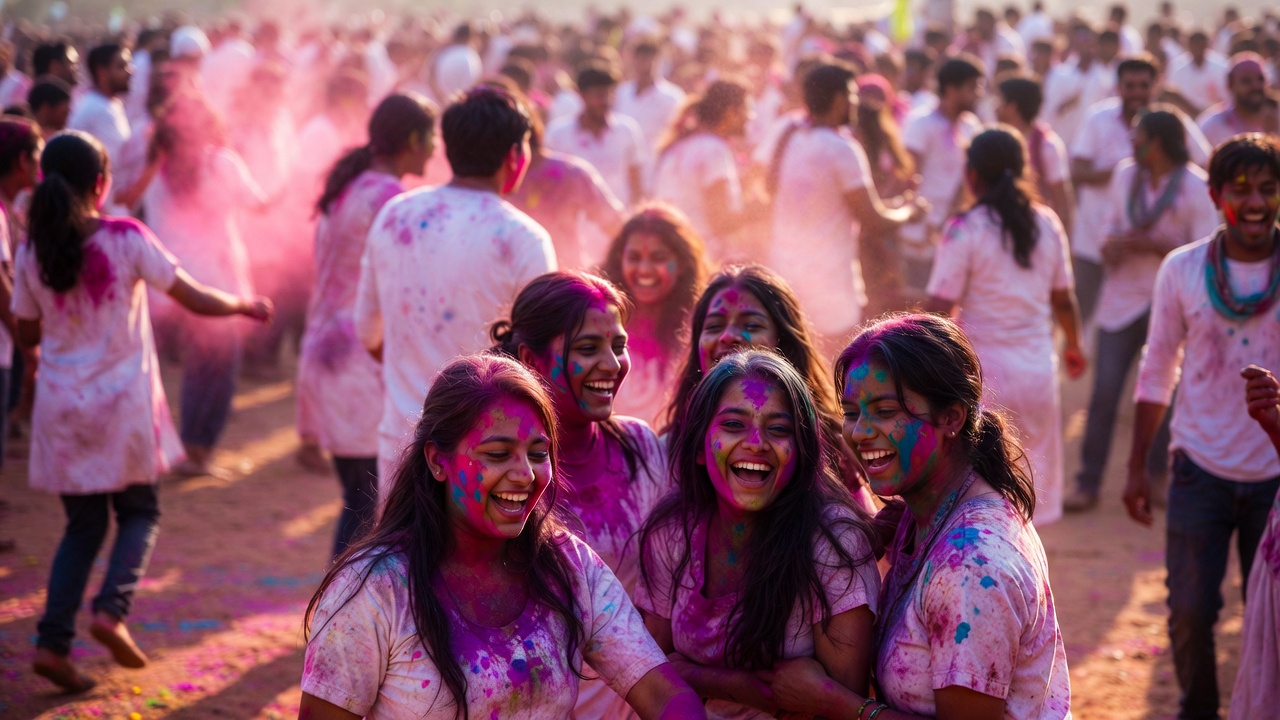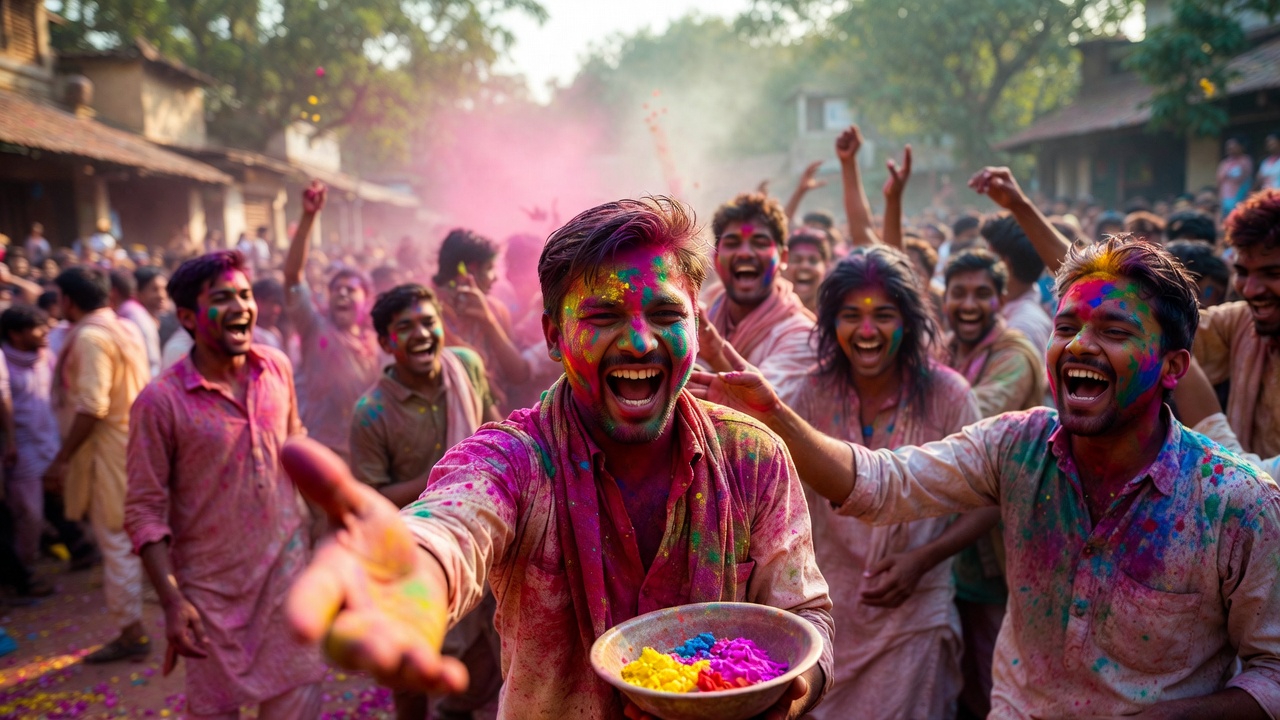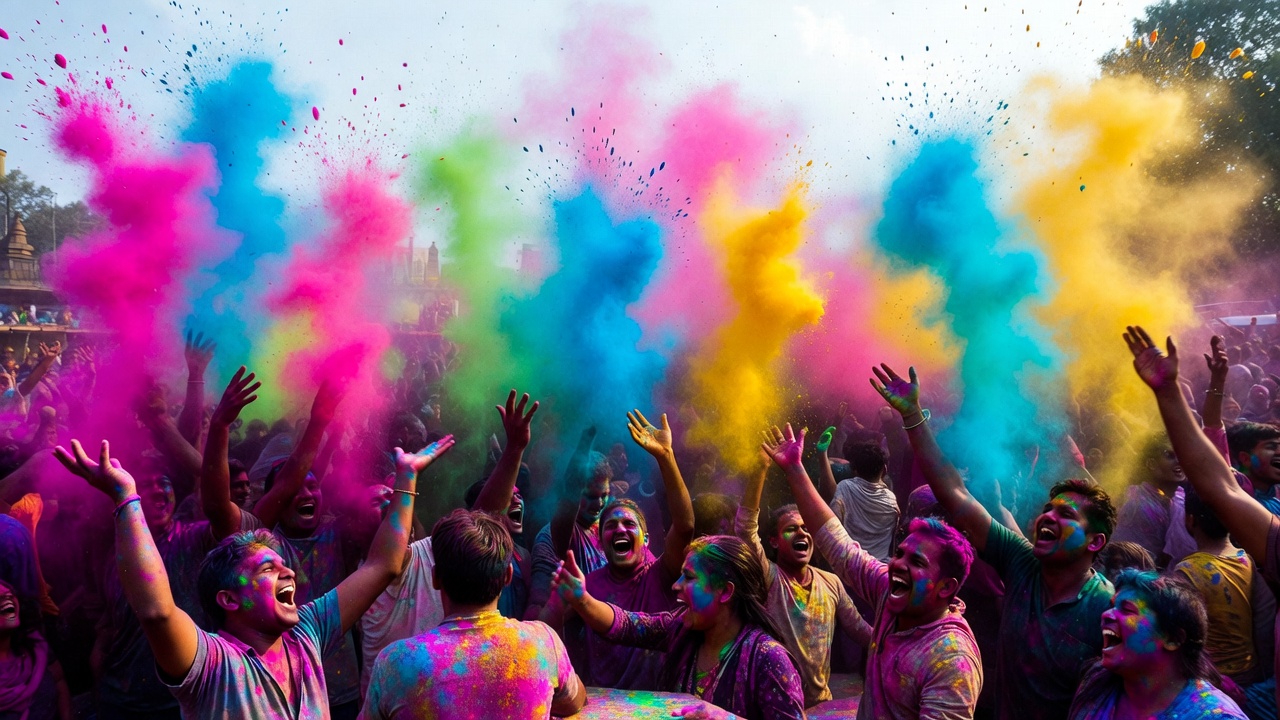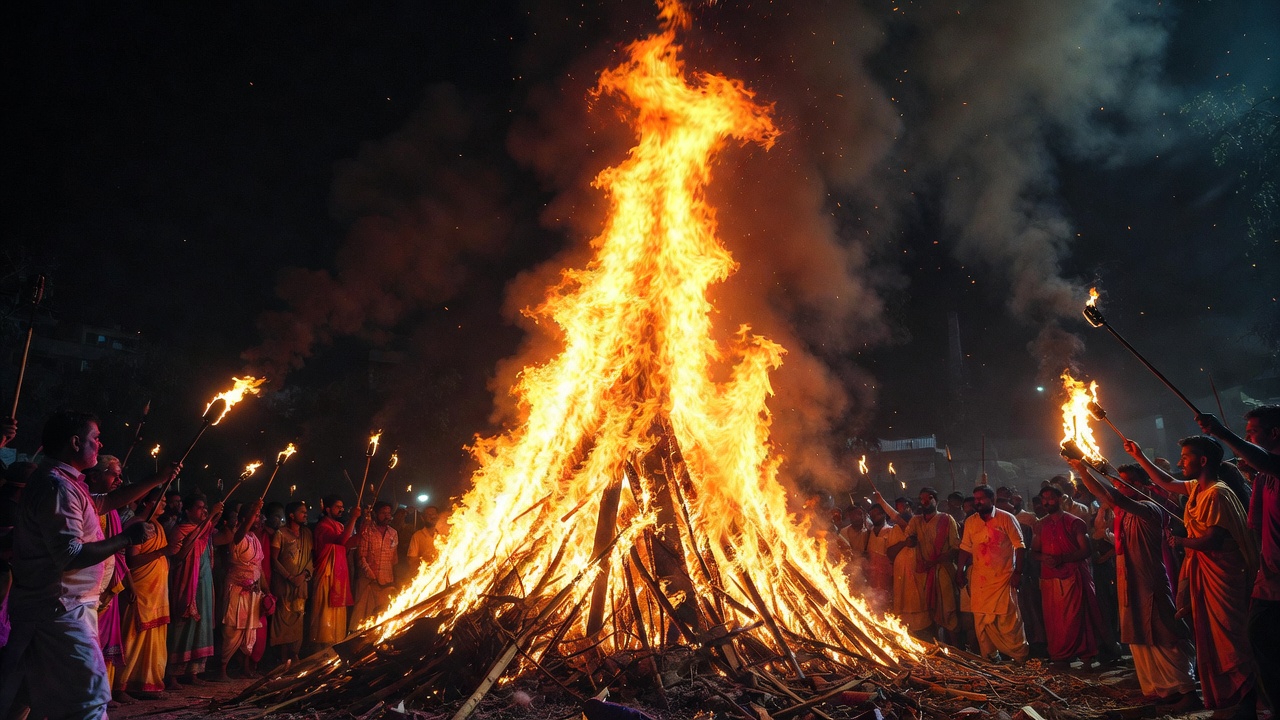
The crackling of flames. The warmth of community. The sweet fragrance of gujiya wafting through the air. These sensory experiences mark Holika Dahan, one of Hinduism’s most beloved traditions. As families across India and the global Hindu diaspora prepare for Holika Dahan 2026, this ancient festival continues to embody a timeless message: faith triumphs over fear, and righteousness conquers evil.
This year, Holika Dahan will be celebrated on Tuesday, March 3, 2026, setting the stage for the vibrant Rangwali Holi celebrations the following day. Whether you are participating for the first time or have grown up with these cherished traditions, this comprehensive guide will help you understand the deep spiritual roots of this festival, navigate the specific timing requirements, and celebrate in a manner that honors both tradition and our environment.
What Is Holika Dahan and Why Do We Celebrate This Festival?
Holika Dahan, also known as Chhoti Holi or the “burning of Holika,” represents one of the most spiritually significant rituals in the Hindu calendar. This sacred ceremony takes place on the full moon night (Purnima) of the Hindu month of Phalguna, typically falling in late February or early March according to the Gregorian calendar.
At its core, Holika Dahan celebrates the victory of good over evil. The ritual involves lighting a ceremonial bonfire that symbolically burns away negativity, impurities, and malevolent forces. Communities gather around these sacred flames to offer prayers, seek blessings, and prepare their hearts for the joyous celebrations of Holi that follow.
The festival holds multiple layers of meaning:
Spiritual Significance: The fire represents purification of the soul. Devotees believe that participating in Holika Dahan cleanses them of past sins and negative energies, offering a fresh start.
Agricultural Connection: Approximately 70% of India’s rural population, particularly farmers, consider this festival an important milestone in their agricultural calendar. The celebration coincides with the wheat harvest season, and farmers offer the first grains from their crops to the sacred fire as gratitude to the divine.
Seasonal Transition: Holika Dahan marks the end of winter and the beginning of spring. This transition period, known as Ritu Sandhi in Sanskrit, represents nature’s renewal cycle. The warmth of the bonfire symbolically ushers in the new season.
Community Bonding: Research indicates that approximately 90% of participants feel a stronger sense of connection with their community after Holika Dahan festivities. The gathering transcends religious boundaries, uniting people from different faiths through shared cultural heritage.
Holika Dahan 2026 Date and Auspicious Muhurat Timing for the Bonfire Ritual
Understanding the precise timing for Holika Dahan is crucial, as performing the ritual during the auspicious window (muhurat) is believed to maximize spiritual benefits and ensure protection from negative energies.
Essential Dates for Holi 2026
| Event | Date | Day |
|---|---|---|
| Holika Dahan (Chhoti Holi) | March 3, 2026 | Tuesday |
| Rangwali Holi (Dhulandi) | March 4, 2026 | Wednesday |
| Purnima Tithi Begins | March 2, 2026 at 5:55 PM | Monday |
| Purnima Tithi Ends | March 3, 2026 at 5:07 PM | Tuesday |
Holika Dahan Muhurat 2026: Best Time to Light the Sacred Bonfire
According to the Hindu Panchang and based on calculations for New Delhi, India, the auspicious time for Holika Dahan 2026 is:
Holika Dahan Muhurat: 6:22 PM to 8:50 PM IST on March 3, 2026
Total Duration: 2 hours and 28 minutes
This window falls during Pradosh Kaal (the period after sunset when Purnima Tithi is active), which is prescribed by Hindu scriptures as the ideal time for this ritual.
Understanding Bhadra Kaal and Its Importance in 2026
In 2026, Bhadra Kaal will shadow the early evening hours on Holika Dahan. Bhadra is considered an inauspicious period in Hindu astrology, during which no sacred rituals should be performed. The muhurat time mentioned above (6:22 PM to 8:50 PM) specifically avoids Bhadra Kaal, ensuring the ritual is performed during a spiritually favorable window.
Important Note: Muhurat timings vary by geographical location. If you are celebrating outside of Delhi, consult your local Panchang or a knowledgeable priest to determine the exact auspicious timing for your city.
Why Proper Timing Matters
According to traditional beliefs, performing Holika Dahan at the incorrect time can bring misfortune rather than blessings. The timing requirements ensure that:
- The Purnima Tithi (full moon) is active
- The ritual occurs during Pradosh Kaal (evening twilight period)
- Bhadra Kaal is avoided completely
The Sacred Legend of Prahlad and Holika: The Story Behind Holika Dahan
Every flame that rises during Holika Dahan carries within it an ancient story of devotion, faith, and divine protection. Understanding this legend deepens our appreciation for this sacred ritual.
The Demon King Who Demanded Worship
Long ago, there lived a powerful asura (demon) king named Hiranyakashyap. According to the Puranas, he performed severe penance to Lord Brahma and received a powerful boon that made him nearly invincible. The boon stated that he could not be killed:
- By any human or animal
- During day or night
- Inside or outside any structure
- On earth or in the sky
- By any weapon
Intoxicated by this perceived immortality, Hiranyakashyap declared himself supreme. He demanded that all beings worship him as God and forbade the worship of any deity, especially Lord Vishnu.
A Devotee Born in the House of a Demon
Fate had other plans. Hiranyakashyap’s own son, Prahlad, became an ardent devotee of Lord Vishnu. From an early age, guided by the sage Narad Muni, Prahlad’s heart was filled with unwavering faith in the divine protector.
This infuriated Hiranyakashyap beyond measure. His own son defied his authority by chanting the name of Vishnu—the very deity he despised most.
Multiple Attempts to Kill a Child Devotee
The demon king attempted to eliminate his son through various means:
- Poison: Prahlad survived unharmed
- Trampling by elephants: The boy remained unhurt
- Hurling from cliffs: Divine protection saved him
- Attacks by serpents: They could not bite him
- Drowning: He emerged safely
Each time, Prahlad’s steadfast devotion and Lord Vishnu’s protection kept him alive. The young devotee continued to praise Vishnu, never wavering in his faith.
Holika’s Treacherous Plot
Desperate and enraged, Hiranyakashyap turned to his sister, Holika. She possessed a special boon—a divine shawl that made her immune to fire. The king devised a cruel plan.
Holika lured young Prahlad to sit on her lap within a blazing pyre. She believed her fireproof shawl would protect her while Prahlad burned to death.
But divine justice prevailed.
As the flames roared, Prahlad continued chanting the name of Lord Vishnu with complete surrender. At that moment, a powerful wind lifted the protective shawl from Holika’s shoulders and wrapped it around Prahlad instead. Some accounts suggest that the boon was only effective when Holika entered the fire alone—a condition violated by her malicious intent.
Holika was consumed by the flames. Prahlad emerged unscathed.
The Ultimate Triumph
The story concludes with Lord Vishnu himself appearing in his Narasimha avatar—half-man, half-lion—to destroy Hiranyakashyap. At twilight (neither day nor night), on the threshold of a doorway (neither inside nor outside), placing the demon on his lap (neither on earth nor in the sky), Narasimha used his claws (no weapon) to kill the tyrant.
This comprehensive legend teaches us:
- Unwavering faith provides divine protection
- Evil ultimately destroys itself
- Righteousness prevails against impossible odds
- Divine grace is accessible to all who surrender completely
Complete Holika Dahan Puja Vidhi: Step-by-Step Ritual Guide for 2026
The Holika Dahan ritual is performed with specific procedures that have been passed down through generations. Following these steps with devotion ensures a spiritually meaningful celebration.
Preparation Before the Ritual
One Week to Days Before:
Communities begin gathering materials for the bonfire. Traditionally, this is a collaborative effort where families contribute wood, dried leaves, and cow dung cakes. The bonfire location is chosen in an open area, often at crossroads or community gathering spaces.
Day of Holika Dahan:
- Clean your home thoroughly
- Take a purifying bath before the ritual
- Wear clean, preferably new or fresh clothes
- Prepare all puja samagri (ritual items)
Holika Sthapana: Setting Up the Sacred Pyre
- Purify the Ground: The designated area is cleansed by sprinkling Gangajal (holy Ganges water) or clean water mixed with cow dung paste.
- Erect the Central Pole: A wooden log or pole representing Prahlad is placed at the center of the pyre.
- Build the Pyre: Arrange wood, dried leaves, cow dung cakes, and other combustible materials around the central pole in a pyramidal structure.
- Create the Holika Figure: In some traditions, an effigy of Holika is made from combustible materials and placed on the pyre. Some communities decorate the structure with symbols of the sun, moon, stars, shields, and swords made from cow dung.
- Wrap with Sacred Thread: Tie raw cotton thread (moli) around the pyre three, five, or seven times while circumambulating (walking around) it.
The Sacred Puja Ceremony
Step 1: Prepare Your Puja Thali
Gather all items (detailed in the next section) on a clean plate. Include a small water pot (kalash) filled with water.
Step 2: Position Yourself Correctly
Sit facing either East or North direction. These directions are considered auspicious for worship.
Step 3: Invoke Divine Blessings
Sprinkle water on yourself and the puja items while chanting the following mantra three times:
“ॐ पुंडरीकाक्षः पुनातु”
(Om Pundarikaksha Punatu)
This invokes Lord Vishnu’s blessings before beginning any auspicious work.
Step 4: Make Sankalp (Sacred Resolution)
Take water, flowers, and akshat (unbroken rice) in your right hand. State your name, family name (gotra), the date according to the Hindu calendar, your location, and the purpose of the puja. Release the items near the pyre.
Step 5: Worship Lord Ganesha
Before any Hindu ritual, Lord Ganesha is invoked to remove obstacles. Apply roli (vermillion) and rice on a flower and offer it with fragrance while chanting:
“ॐ गं गणपतये नमः”
(Om Gam Ganapataye Namaha)
Step 6: Offer Items to Holika
Present the following to the pyre:
- Unbroken rice (akshat)
- Fragrances (agarbatti, dhoop)
- Fresh flowers
- Whole turmeric pieces
- Unbroken moong lentils
- Coconut
- Cow dung beads (Bharbholiye/Gulari/Badkula)
- Gulal (colored powder)
Step 7: Wrap and Circumambulate
Tie the raw cotton thread around the Holika pyre three, five, or seven times while walking around it. Each round represents your prayers for protection and blessings.
Step 8: Light the Sacred Fire
At the auspicious muhurat, light the bonfire. This can be done using a lamp brought from home or from a community temple.
Step 9: Offer Prayers and Parikrama
Once the fire is lit, perform parikrama (circumambulation) around the flames. Traditionally, devotees walk around the fire three to seven times while offering prayers, water, and grains.
Step 10: Roast Offerings
Throw freshly harvested grains (wheat, gram) into the fire. The roasted grains are considered sacred prasad and are distributed among family and community members.
Step 11: Apply Sacred Ash
After the fire subsides, collect some ash. Apply it to your forehead as vibhuti. Many families take some burning embers or ash home to purify their living spaces.
Essential Holika Dahan Puja Samagri List: Complete Items Needed for the Ritual
Preparing the correct items for Holika Dahan ensures the ritual is performed according to tradition. Here is a comprehensive list of everything you need:
Primary Puja Items
| Item | Purpose |
|---|---|
| Cow dung cakes (Upla/Kanda) | Primary fuel for the bonfire; purifies the atmosphere |
| Wood and dried branches | Structure of the pyre |
| Raw cotton thread (Moli) | Wrapping the pyre; symbolizes protection |
| Gangajal (Holy water) | Purification of the area |
| Roli (Kumkum/Vermillion) | Sacred marking; offerings to deity |
| Akshat (Unbroken rice) | Symbol of prosperity and auspiciousness |
| Whole turmeric (Haldi) | Represents purity and auspiciousness |
| Fresh flowers | Offerings to the divine |
Secondary Items
| Item | Purpose |
|---|---|
| Coconut | Symbol of ego sacrifice; offered to fire |
| Gulal (Colored powder) | Used in puja; represents festivity |
| Batasha (Sugar drops) | Sweet offering |
| Unbroken Moong lentils | Traditional offering |
| Agarbatti and Dhoop | Fragrance offerings |
| Ghee (Clarified butter) | Pour over the pyre; sacred fuel |
| Camphor (Kapur) | Lighting and offerings |
| Betel leaves and nuts | Traditional offerings |
Items for Crop Offerings
| Item | Significance |
|---|---|
| Fresh wheat stalks (Baaliyan) | First grains of harvest; gratitude offering |
| Gram (Chana) | Traditional crop offering |
| Mustard seeds | Represent the spring harvest |
Decorative Items
| Item | Use |
|---|---|
| Bharbholiye/Gulari/Badkula | Cow dung beads strung into garlands |
| Cow dung figurines | Traditional Holika and Prahlad representations |
| Rangoli powder | Decorating the puja area |
Practical Items
| Item | Need |
|---|---|
| Matches or lighter | To light the fire |
| Water pot (Kalash) | For offerings and purification |
| Puja thali (Plate) | To hold all items |
| Small stool or mat | To sit during puja |
Holika Dahan Celebrations Across India: Regional Traditions and Unique Customs
While the core message of Holika Dahan remains constant—the triumph of good over evil—the manner of celebration varies beautifully across India’s diverse regions. Each area adds its own cultural flavor, creating a tapestry of traditions that enriches this ancient festival.
Braj Region: Where Krishna’s Spirit Lives in Every Celebration
The Braj region—encompassing Mathura, Vrindavan, Barsana, Nandgaon, Gokul, and Govardhan—hosts the most elaborate Holika Dahan and Holi celebrations in the world. This region holds special significance as the birthplace and childhood home of Lord Krishna.
Unlike the two-day celebration observed elsewhere, Braj Holi spans an incredible 40 days, beginning from Basant Panchami. In 2026, this extended celebration begins on January 23 with the ceremonial gulal offerings at Banke Bihari Temple.
Key Celebrations in Braj 2026:
| Date | Event | Location |
|---|---|---|
| January 23 | Rangotsav Opening | Banke Bihari Temple, Vrindavan |
| February 24 | Phag Nimantran (Ladoo Holi) | Shri Ji Temple, Barsana |
| February 25 | Lathmar Holi | Rangili Gali, Barsana |
| February 26 | Lathmar Holi | Nand Bhawan, Nandgaon |
| February 27 | Phoolon Ki Holi (Flower Holi) | Banke Bihari Temple |
| March 1 | Chhadimar Holi | Gokul |
| March 2 | Raman Reti Holi | Gokul |
| March 3 | Holika Dahan | Dwarkadhish Temple, Mathura |
| March 4 | Rangwali Holi | Throughout Braj |
| March 5 | Dauji Ka Huranga | Dau Ji Temple, Baldeo |
Lathmar Holi is particularly famous. In this tradition, women of Barsana playfully beat men from Nandgaon with sticks (lathis), recreating the legend of Radha and the gopis teasing Krishna.
Phoolon Ki Holi at Banke Bihari Temple uses fresh flower petals instead of colored powder—a beautiful, fragrant celebration of devotion.
Saint Narayan Bhatt formalized many of Barsana’s unique traditions in 1569, documenting them in the Braj Utsav Chandrika, which continues to guide celebrations today.
Gujarat: Land of Massive Community Bonfires
Gujarat celebrates Holika Dahan with tremendous fervor. Studies indicate that approximately 30,000 bonfires are lit across the state during a single festival season, with each bonfire consuming around 100 kg of wood.
Communities gather in large numbers, often organizing the bonfire at central locations where hundreds of families participate together. The tradition of offering new crops to the fire is particularly strong here, connecting the ritual to agricultural prosperity.
West Bengal and Odisha: Dol Jatra Traditions
In West Bengal, the day before Dolyatra (their name for Holi) is called “Chanchor” or “Nyara Pora.” Dry branches, twigs, and leaves are heaped together and set on fire to commemorate Holika Dahan.
The celebrations here have a distinctly devotional character, often centered around temples and featuring kirtans (devotional singing) throughout the night.
Purvanchal (Eastern UP and Western Bihar): Sammat Jaarna
In eastern Uttar Pradesh and western Bihar, Holika Dahan is called “Sammat Jaarna.” The traditions here closely follow the ancient Vedic practices, with elaborate rituals performed by village priests.
South India: Kama Dahanam
While Holika Dahan as such is primarily a North Indian tradition, South India observes Kama Dahanam around the same time. This celebration involves burning effigies of Kamadeva, the god of love, who was burned by Lord Shiva’s third eye.
In rural Tamil Nadu, folk performances depicting the legend of Kamadeva’s burning are organized during this period.
Punjab: Hola Mohalla
Punjab celebrates Hola Mohalla, established by Guru Gobind Singh in 1701. While this celebration focuses on martial arts demonstrations, mock battles, and processions, communities also observe Holika Dahan with traditional bonfires.
Nepal: Terai Region Traditions
In the Terai regions of Nepal, Holika Dahan follows similar traditions to northern India. The festival is observed with community bonfires, and the celebration of colors follows the next day.
Global Celebrations: Holika Dahan Around the World
Hindu communities worldwide keep Holika Dahan traditions alive, adapting them to local circumstances:
United States: In cities like New York, San Francisco, and Houston, communities gather in parks or community centers. Due to local fire regulations, some groups use symbolic small fires or even electric “bonfires” to capture the spirit of the celebration.
United Kingdom: Large Indian communities in London, Leicester, and Birmingham organize community Holika Dahan events, often in Hindu temples or designated outdoor spaces.
Australia: Cities with significant Indian populations hold community celebrations that blend traditional rituals with local safety requirements.
South Africa, Mauritius, and Fiji: These countries with historic Indian diaspora communities maintain strong Holika Dahan traditions that have evolved over generations.
Traditional Foods and Sweets for Holika Dahan: Recipes and Significance
No Indian festival is complete without its traditional foods, and Holika Dahan is no exception. The preparation and sharing of these dishes is an integral part of the celebration, symbolizing sweetness, community, and prosperity.
Gujiya: The Queen of Holi Sweets
Gujiya is arguably the most iconic Holi sweet. This crescent-shaped fried pastry features:
- Outer shell: Crispy, flaky pastry made from refined flour (maida) and ghee
- Filling: Sweet khoya (evaporated milk solids) mixed with dry fruits, coconut, and sugar
Gujiyas are prepared in large batches and shared with neighbors, friends, and family. Every household takes pride in their unique recipe, often passed down through generations.
Variations include:
- Baked gujiya (healthier alternative)
- Chocolate gujiya (modern fusion)
- Colorful dry fruit gujiya
Thandai: The Signature Holi Beverage
Thandai is a refreshing, cooling drink that has become synonymous with Holi celebrations. This traditional North Indian beverage includes:
- Base: Full-fat milk
- Nuts and seeds: Almonds, pistachios, poppy seeds, melon seeds
- Spices: Green cardamom, fennel seeds, black pepper, saffron
- Aromatics: Rose water, rose petals
The drink is served chilled and provides a cooling balance to the warm spring weather. In some regions, particularly among certain communities, thandai is prepared with bhang (cannabis leaves), though this practice varies by region and personal preference.
Malpua: Syrup-Soaked Pancakes
Malpua are soft, fluffy pancakes made from flour, semolina, and milk, deep-fried in ghee and soaked in sugar syrup flavored with cardamom. These syrupy delights are offered during puja and distributed as prasad.
Puran Poli: Maharashtrian Sweetness
Popular in Maharashtra, Gujarat, and Karnataka, Puran Poli is a sweet flatbread stuffed with a mixture of chana dal (split chickpeas) and jaggery. It symbolizes sweetness and prosperity.
Dahi Vada: Savory Balance
Dahi Vada provides a savory contrast to the sweet dishes. These soft, spongy lentil dumplings are soaked in creamy whipped yogurt and topped with sweet tamarind chutney and spicy green chutney.
Gulgule: Sweet Wheat Fritters
Gulgule are sweet fritters made from wheat flour, jaggery, and fennel seeds. They are deep-fried until golden and enjoyed as prasad after the Holika Dahan ritual.
Other Traditional Offerings
| Sweet/Snack | Description | Region |
|---|---|---|
| Namak Pare | Crispy, flaky savory snacks | North India |
| Samosa | Fried pastry with potato filling | Pan-Indian |
| Papdi Chaat | Crispy wafers with chutneys and yogurt | North India |
| Gulab Jamun | Deep-fried milk solids in sugar syrup | Pan-Indian |
| Rasmalai | Soft cheese patties in creamy milk | Bengal/North India |
Cooking Tips for Holika Dahan 2026
- Prepare in advance: Gujiyas, malpua batter, and thandai paste can be made a day or two before
- Store properly: Keep fried items in airtight containers
- Make large batches: Festival traditions involve generous sharing with neighbors and guests
- Use quality ingredients: Fresh khoya and good-quality dry fruits make a significant difference
Eco-Friendly Holika Dahan Practices: Celebrating Responsibly in 2026
As environmental awareness grows, communities across India are finding ways to celebrate Holika Dahan while minimizing ecological impact. Approximately 55% of communities are now using eco-friendly materials and practices during celebrations.
Environmental Challenges of Traditional Celebrations
Traditional Holika Dahan practices can have significant environmental consequences:
- Deforestation: Each bonfire uses approximately 100 kg of wood
- Air pollution: Burning large quantities of wood releases particulate matter and pollutants
- Carbon emissions: Large-scale burning contributes to greenhouse gases
- Waste: Synthetic materials sometimes end up in bonfires, releasing toxic chemicals
Sustainable Bonfire Alternatives
1. Use Alternative Fuels
- Cow dung cakes: Burn efficiently and produce less smoke than wood
- Agricultural waste: Dried crop residue and coconut husks
- Waste paper and cardboard: Recyclable materials that would otherwise be discarded
- Dried leaves and twigs: Natural materials that don’t require cutting live trees
2. Reduce Bonfire Size
- Symbolic fires: Some communities opt for smaller, symbolic bonfires rather than massive pyres
- Community consolidation: Groups like Sadvichar Parivar advocate for one central community fire instead of multiple smaller ones
- Electric alternatives: In urban areas with fire restrictions, some communities use electric or digital representations
3. Tree Planting Drives
- Many organizations now organize tree planting initiatives to offset the wood used in celebrations
- Some communities plant one tree for every household participating in the Holika Dahan
Avoiding Harmful Materials
Do NOT add to the bonfire:
- Plastic items
- Synthetic fabrics
- Rubber materials
- Painted or treated wood
- Chemical-based colors or dyes
These materials release toxic fumes when burned, harming air quality and human health.
Eco-Friendly Holi Colors
While technically part of Rangwali Holi rather than Holika Dahan, choosing sustainable colors supports overall eco-friendly celebrations:
- Natural plant-based colors: Turmeric (yellow), henna (green), beetroot (pink), indigo (blue)
- Organic commercial options: The National Botanical Research Institute (NBRI) and Indian Toxicology Research Center (ITRC) have developed vegetable-based dyes that are safe for skin and environment
Water Conservation
For the Dhulandi celebrations following Holika Dahan:
- Play “dry Holi” using powdered colors instead of water
- If using water, minimize quantities
- Avoid water balloons (which create plastic waste)
- Use biodegradable pichkaris if possible
Community Initiatives Making a Difference
Several organizations are leading the movement toward sustainable celebrations:
- Environmental NGOs collaborate with government departments to research and implement safer alternatives
- Youth groups organize awareness campaigns in schools and colleges
- Temple authorities in major pilgrimage sites are adopting eco-friendly practices and encouraging devotees to follow
Safety Tips for Holika Dahan 2026: Celebrating Without Risk
While Holika Dahan is a joyous occasion, fire-related celebrations require careful attention to safety. Following these guidelines ensures everyone can participate without risk.
Before Lighting the Bonfire
Location Selection:
- Choose an open area away from buildings, trees, and electrical lines
- Ensure adequate distance from vehicles and fuel storage
- Check wind direction to ensure smoke flows away from crowds
Preparation:
- Keep fire extinguishers or water buckets nearby
- Designate responsible adults to manage the fire
- Clear the area of dry grass and debris
- Inform local authorities if required in your area
During the Celebration
Personal Safety:
- Maintain safe distance from the flames
- Supervise children at all times—never allow them near the fire unattended
- Wear cotton clothing (synthetic fabrics can melt and cause severe burns)
- Avoid loose-fitting garments that could catch fire
- Remove jewelry that could heat up from the flames
Fire Management:
- Never add fuel to an already burning fire
- Do not throw aerosol cans, plastic, or explosive materials into the fire
- Keep a clear exit path for all participants
- Have a designated person monitoring the fire throughout
After Holika Dahan
Proper Extinguishing:
- Allow the fire to burn down naturally when the ritual is complete
- Do not leave until the fire is completely extinguished
- Pour water over remaining embers
- Check for hotspots before leaving
Ash Disposal:
- Allow ash to cool completely before handling
- Dispose of ash properly—many communities use it to enrich garden soil
- Check the area the next morning for any smoldering remains
Special Considerations for 2026
- Check local regulations: Some areas may have specific fire safety requirements or restrictions
- Weather awareness: If conditions are particularly dry or windy, consider postponing or modifying celebrations
- COVID or other health considerations: Follow any health guidelines that may be in effect
Emergency Preparedness
- Keep emergency numbers handy (fire department, ambulance)
- Have a first-aid kit accessible
- Know the location of the nearest hospital
- Designate someone who has not consumed bhang or alcohol to handle emergencies
Spiritual Significance of Holika Dahan: Deeper Meanings and Life Lessons
Beyond the visible flames and festive gatherings, Holika Dahan carries profound spiritual teachings that remain relevant across generations.
The Power of Unwavering Faith
Young Prahlad’s story demonstrates that complete surrender to the divine provides protection against any worldly danger. Despite facing death repeatedly, his faith never wavered. This teaches us:
- Trust transcends circumstances: External situations don’t determine our inner peace
- Divine protection is real: Those who surrender completely receive divine grace
- Fear dissolves in faith: Prahlad’s fearlessness came from absolute trust
Evil Destroys Itself
Holika, despite possessing a protective boon, was destroyed because she used her gifts for malicious purposes. This teaches:
- Misused power backfires: Gifts used to harm others ultimately harm the wielder
- Intention matters: The same resource can protect or destroy depending on intent
- Justice is built into existence: The universe has mechanisms to correct injustice
The Importance of Righteousness
Hiranyakashyap, despite his enormous power, could not withstand the force of his son’s devotion. This shows:
- Moral strength exceeds physical power: Prahlad had no weapons, yet he triumphed
- Truth cannot be suppressed: No matter how powerful the oppressor
- Dharma (righteousness) ultimately prevails: This is the foundational message of Hindu philosophy
Renewal and New Beginnings
The fire of Holika Dahan symbolizes:
- Burning away the past: Negativity, regrets, and failures can be released
- Purification: The fire cleanses both physical and spiritual impurities
- Rebirth: Just as nature renews in spring, we too can begin fresh
Community Over Isolation
The gathering around the sacred fire demonstrates:
- Shared celebration strengthens bonds: Coming together amplifies joy
- Forgiveness opens doors: Holi is traditionally a time to mend broken relationships
- Unity transcends differences: Around the fire, distinctions of caste, class, and creed dissolve
Frequently Asked Questions About Holika Dahan 2026
When is Holika Dahan 2026?
Holika Dahan 2026 falls on Tuesday, March 3, 2026. The auspicious muhurat for lighting the bonfire is from 6:22 PM to 8:50 PM IST.
What is the difference between Holika Dahan and Holi?
Holika Dahan (also called Chhoti Holi) is the evening ritual involving the sacred bonfire, observed on the full moon night of Phalguna. Holi (also called Rangwali Holi or Dhulandi) is the festival of colors celebrated the following morning. Holika Dahan represents the burning of evil, while Holi celebrates the resulting joy and renewal.
Why is Bhadra Kaal avoided during Holika Dahan?
Bhadra Kaal is considered an inauspicious period in Hindu astrology. Performing sacred rituals during Bhadra is believed to bring negative results rather than blessings. The Holika Dahan muhurat is specifically calculated to avoid this unfavorable window.
Can Holika Dahan be performed at home?
Traditionally, Holika Dahan is a community event where neighborhoods gather together. However, families can perform a symbolic ritual at home with a small diya (lamp) if participating in a community bonfire isn’t possible. The prayers and offerings remain the same; only the scale differs.
What should I wear during Holika Dahan?
Wear cotton clothing in traditional styles. Avoid synthetic fabrics which can melt and cause burns. Many families wear new or freshly washed clothes in auspicious colors like white, yellow, or red. Remove loose jewelry and tie back long hair.
Is Holika Dahan only for Hindus?
While Holika Dahan is a Hindu religious festival, its themes of good triumphing over evil are universal. Many non-Hindu Indians and international visitors participate in the celebrations, particularly in tourist-friendly locations like Mathura and Vrindavan. Respectful participation is generally welcomed.
What prayers should be recited during Holika Dahan?
Traditional mantras include invocations to Lord Vishnu and Lord Ganesha. The specific mantra for Holika Dahan puja varies by family tradition. Many people simply offer heartfelt prayers in their own words, asking for blessings and protection.
How can I celebrate Holika Dahan in an eco-friendly way?
Use cow dung cakes and agricultural waste instead of fresh wood. Opt for smaller, symbolic fires. Avoid adding plastic or synthetic materials to the bonfire. Consider participating in community fires rather than individual ones. Choose natural colors for the next day’s Holi celebrations.
What foods are traditionally prepared for Holika Dahan?
Gujiya (sweet dumplings), thandai (spiced milk drink), malpua (sweet pancakes), puran poli (sweet flatbread), and dahi vada are among the most popular traditional foods. These are often prepared in large quantities and shared with neighbors and community members.
Why do people circle the bonfire during Holika Dahan?
Parikrama (circumambulation) is a sacred act in Hindu tradition. Walking around the fire while offering prayers is believed to bring blessings for health, prosperity, and protection. Devotees typically circle the fire three, five, or seven times.
Conclusion: Embracing the Light of Holika Dahan 2026
As we prepare to gather around the sacred flames on March 3, 2026, Holika Dahan invites us to participate in something far greater than a single evening’s celebration. This ancient ritual connects us to countless generations who have stood before similar fires, offered similar prayers, and drawn similar hope from the flames.
The story of Prahlad reminds us that faith can move mountains—or rather, it can survive them. In a world that often feels chaotic and uncertain, the message of Holika Dahan offers profound comfort: righteousness prevails, devotion protects, and evil ultimately consumes itself.
This year, as the bonfire rises against the night sky, may we all:
- Release what no longer serves us: Old grudges, past failures, negative patterns
- Embrace new beginnings: The spring season invites growth and renewal
- Strengthen our communities: Gathering together reminds us we are not alone
- Protect our environment: Celebrating responsibly ensures future generations can enjoy these traditions
- Deepen our faith: Whatever form it takes, spiritual connection enriches life
Whether you join massive celebrations in Mathura, gather with family in your neighborhood, or observe quietly with a lamp at home, the essence of Holika Dahan remains the same. It is a moment to pause, reflect, and recommit to living with integrity, courage, and devotion.
From our hearts to yours: May the sacred fire of Holika Dahan 2026 illuminate your path, burn away all obstacles, and kindle the light of wisdom within you.
Happy Holika Dahan! Happy Holi!
Additional Resources and References
For those planning to visit India for Holi 2026 celebrations or wanting to learn more about specific traditions, consider exploring:
- Braj region temples: Banke Bihari Temple, Dwarkadhish Temple, Shri Ji Temple
- Local Panchang: Consult for city-specific muhurat timings
- Hindu spiritual organizations: Many offer detailed puja guidance
- Eco-friendly Holi initiatives: Organizations promoting sustainable celebrations
Note: This article provides general information based on Hindu traditions and commonly observed practices. Specific rituals may vary by family tradition, regional custom, and community practice. For personalized guidance, consult with a local priest or religious authority.