A Comprehensive Guide to Eco-Cultural Tourism, Conservation Practices, and Sacred Water Landscapes
Introduction: Why Indigenous Wetland Conservation Matters Today
Wetlands are disappearing at an alarming rate. Scientists estimate that 87% of global wetlands have vanished since the 1700s. Yet, in remote corners of the world, something remarkable is happening. Indigenous communities are leading wetland restoration efforts. Their ancient knowledge systems are proving more effective than modern technology alone.
This guide explores the intersection of traditional ecological knowledge and wetland preservation. You will discover how ancestral practices protect biodiversity. You will learn about eco-tourism opportunities in indigenous-managed wetlands. And you will understand why these conservation methods deserve global attention.
Whether you’re a sustainable travel enthusiast or an environmental researcher, this comprehensive resource offers valuable insights. Let’s dive into the world of indigenous wetland guardianship.
What Is Indigenous Traditional Ecological Knowledge (TEK)?
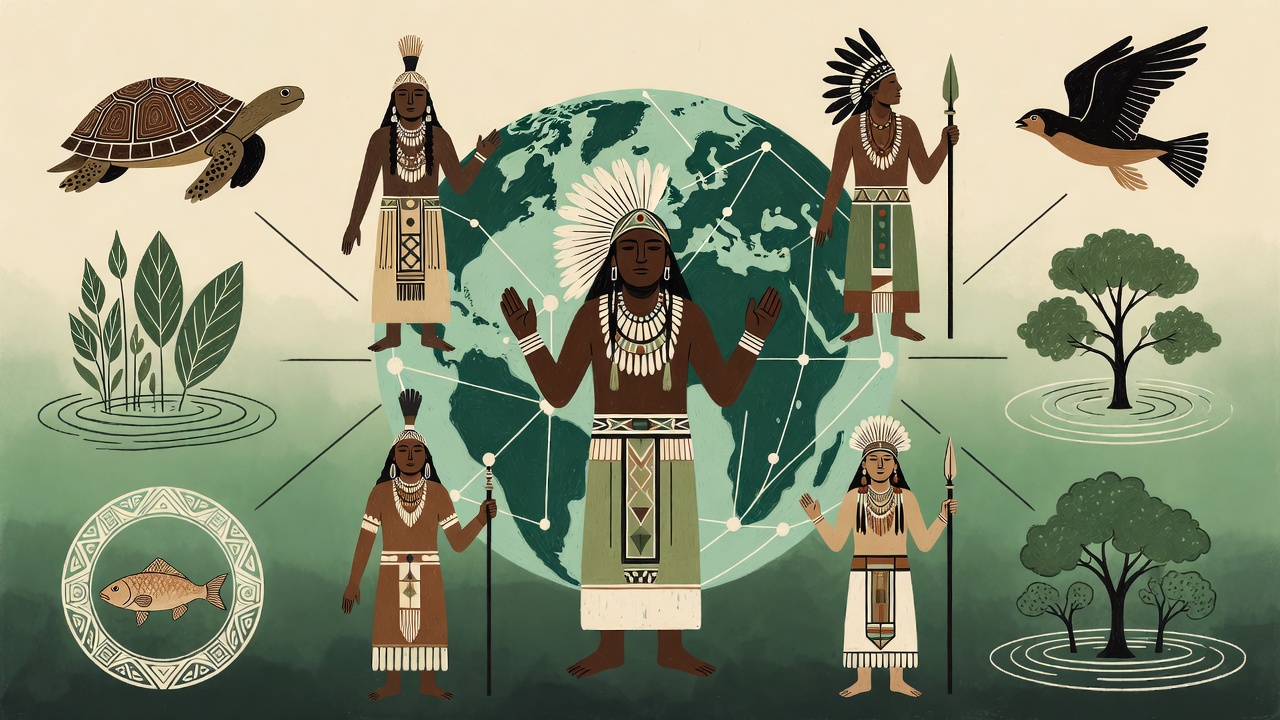
Traditional Ecological Knowledge represents centuries of accumulated wisdom. Indigenous peoples developed these practices through direct interaction with their environments. TEK encompasses observations, oral traditions, and sustainable management techniques.
Key Components of Traditional Ecological Knowledge
| Component | Description | Wetland Application |
|---|---|---|
| Observational Science | Long-term monitoring of ecological patterns | Tracking water levels, species migrations, seasonal changes |
| Oral Traditions | Stories encoding environmental knowledge | Flood prediction, sacred species protection |
| Sustainable Practices | Resource management techniques | Rotational harvesting, fire management |
| Spiritual Connections | Sacred relationships with landscapes | Protection of ceremonial wetland sites |
| Community Governance | Collective decision-making systems | Shared responsibility for wetland health |
This knowledge system differs fundamentally from Western science. It integrates spiritual, cultural, and ecological understanding. The result is a holistic approach to environmental stewardship.
The Global Wetland Crisis: Why We Need Indigenous Solutions
Shocking Statistics About Wetland Loss
- Wetlands cover only 6% of Earth’s land surface
- They store approximately 30% of land-based carbon
- Over 35% of wetlands have disappeared since 1970
- Wetland species populations have declined by 81%
- Annual economic value of wetlands exceeds $47 trillion
Primary Threats to Global Wetland Ecosystems
- Agricultural expansion draining marshes for farmland
- Urban development destroying coastal wetlands
- Climate change altering water cycles
- Pollution contaminating freshwater systems
- Invasive species disrupting native ecosystems
- Dam construction blocking natural water flow
Indigenous-managed lands tell a different story. Research shows that indigenous territories contain 80% of global biodiversity. These communities successfully protect wetlands through traditional governance systems. Their success offers hope and practical solutions.
How Indigenous Communities Protect Wetlands: Traditional Methods That Work
Sacred Site Protection and Spiritual Ecology
Many indigenous cultures consider wetlands sacred spaces. This spiritual connection creates powerful conservation incentives. Sacred groves and water bodies often remain untouched for centuries. Community members enforce protection through cultural taboos and ceremonies.
The Māori people of New Zealand exemplify this approach. They consider waterways their ancestors. This whakapapa (genealogical) relationship demands respectful stewardship. Legal recognition of river personhood now reflects this worldview.
Seasonal Resource Management Calendars
Indigenous communities developed sophisticated ecological calendars. These systems guide sustainable harvesting practices. They prevent overexploitation during vulnerable periods.
| Season | Traditional Activity | Conservation Benefit |
|---|---|---|
| Spring | Fishing restrictions during spawning | Fish population recovery |
| Summer | Controlled reed harvesting | Habitat maintenance |
| Autumn | Waterfowl hunting limits | Bird population stability |
| Winter | Wetland burning practices | Invasive species control |
Water Flow Management Techniques
Traditional water engineering demonstrates remarkable sophistication. Indigenous peoples created systems that modern engineers now study.
Examples of indigenous water management:
- Chinampas (Mexico): Floating gardens that filter water naturally
- Qanat systems (Middle East): Underground channels preventing evaporation
- Taro pondfields (Hawaii): Integrated aquaculture-agriculture systems
- Fish traps (Australia): Sustainable harvesting structures
- Rice terraces (Philippines): Gravity-fed irrigation networks
These techniques maintain wetland hydrology. They support biodiversity while providing food security. Modern restoration projects increasingly incorporate these methods.
Case Studies: Indigenous Wetland Conservation Success Stories
The Ramsar Convention and Indigenous Recognition
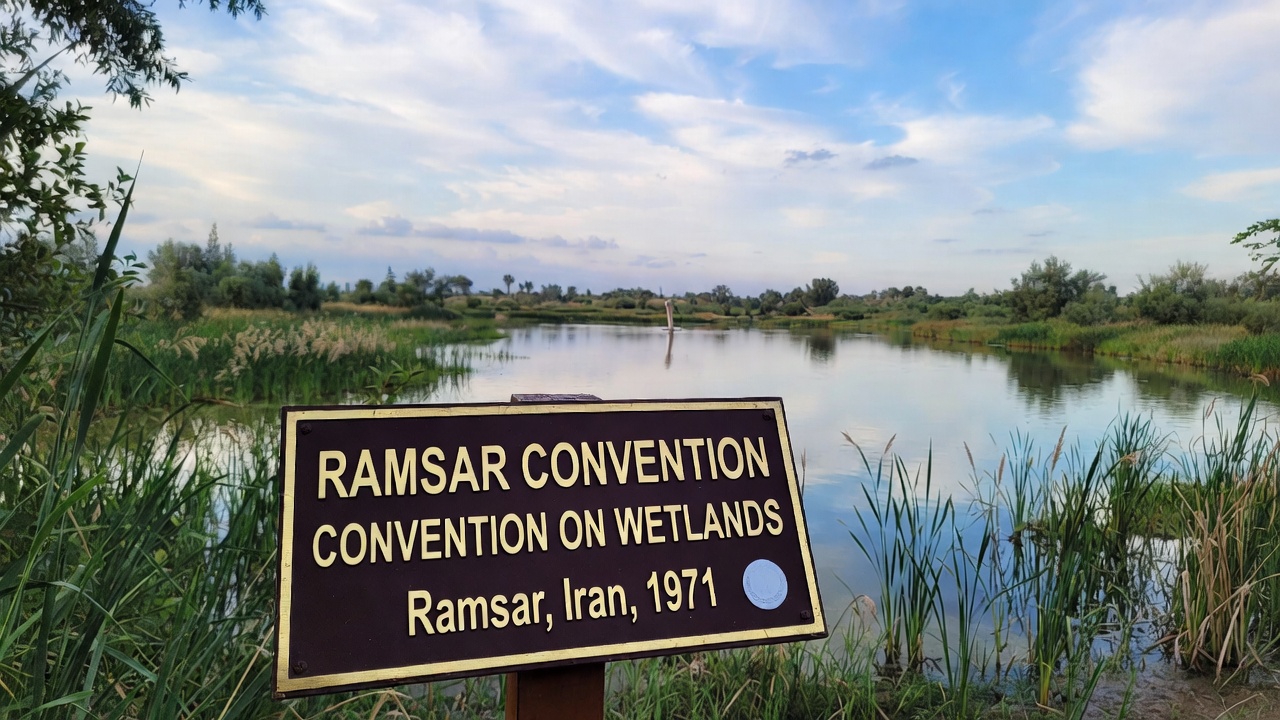
The Ramsar Convention on Wetlands now recognizes indigenous contributions. This international treaty protects wetlands of global importance. Several Ramsar sites specifically acknowledge traditional management.
Case Study 1: The Māori and New Zealand’s Waikato River
Location: North Island, New Zealand Indigenous Group: Waikato-Tainui iwi Wetland Type: River system and peat wetlands
The Waikato River received legal personhood in 2012. This landmark decision honored Māori guardianship traditions. The river now has rights and legal standing. Co-governance arrangements blend traditional and modern management.
Conservation outcomes:
- Water quality improvements in multiple tributaries
- Native fish species recovery programs
- Wetland restoration covering 2,000+ hectares
- Cultural heritage site protection
- Sustainable tourism development
Case Study 2: The Marsh Arabs of Southern Iraq
Location: Mesopotamian Marshes, Iraq Indigenous Group: Ma’dan (Marsh Arabs) Wetland Type: Freshwater marshes
The Ma’dan lived in these marshes for 5,000 years. Their floating reed houses became iconic. Saddam Hussein drained 90% of the marshes in the 1990s. Since 2003, restoration efforts have incorporated traditional knowledge.
Traditional practices revived:
- Reed house construction techniques
- Water buffalo husbandry
- Traditional fishing methods
- Seasonal migration patterns
- Sacred site restoration
Case Study 3: Aboriginal Fire Management in Australia
Location: Kakadu National Park, Northern Territory Indigenous Group: Bininj/Mungguy peoples Wetland Type: Tropical floodplains and billabongs
Aboriginal Australians developed “fire-stick farming” over 65,000 years. Cool-season burning prevents devastating wildfires. It maintains wetland-savanna boundaries. Parks Australia now partners with traditional owners.
Results of indigenous fire management:
- 50% reduction in destructive wildfires
- Increased wetland bird populations
- Control of invasive weeds
- Carbon emissions reduction
- Employment for indigenous rangers
Case Study 4: The Sundarbans and Bengali Communities
Location: Bangladesh and India Indigenous Group: Multiple Bengali communities Wetland Type: Mangrove forest and tidal wetlands
The Sundarbans represent the world’s largest mangrove ecosystem. Local communities developed sustainable honey collection. They practice traditional shrimp farming. Their knowledge helps protect this UNESCO World Heritage Site.
Eco-Tourism Opportunities in Indigenous-Managed Wetlands
Why Choose Indigenous-Led Wetland Tourism?
Visiting indigenous-managed wetlands supports conservation. Your tourism dollars fund community-based protection. You experience authentic cultural traditions. And you learn directly from environmental guardians.
Top Indigenous Wetland Destinations for Sustainable Travel
| Destination | Country | Indigenous Group | Key Experience |
|---|---|---|---|
| Okavango Delta | Botswana | San Bushmen | Traditional mokoro canoe tours |
| Lake Titicaca | Peru/Bolivia | Uros people | Floating island villages |
| Chilika Lake | India | Scheduled Tribes | Traditional fishing demonstrations |
| Kakadu National Park | Australia | Bininj/Mungguy | Rock art and wetland walks |
| Everglades | USA | Miccosukee Tribe | Airboat tours and cultural centers |
| Ibera Wetlands | Argentina | Guaraní people | Wildlife and cultural immersion |
Best Practices for Responsible Wetland Tourism
Before your visit:
- Research community tourism protocols
- Book through indigenous-owned operators
- Learn basic phrases in local languages
- Understand photography restrictions
- Pack environmentally conscious gear
During your visit:
- Follow guide instructions at all times
- Stay on designated trails and waterways
- Never remove plants, animals, or artifacts
- Ask permission before photographing people
- Purchase authentic local crafts
- Minimize single-use plastics
After your visit:
- Share responsible tourism information
- Leave positive reviews for indigenous operators
- Support indigenous conservation organizations
- Advocate for indigenous land rights
- Reduce your carbon footprint at home
Festivals and Cultural Events Celebrating Wetland Traditions
Annual Indigenous Wetland Festivals Worth Attending
Festivals offer immersive cultural experiences. They celebrate the relationship between communities and water landscapes. Planning your visit around these events enhances understanding.
| Festival | Location | Timing | Highlights |
|---|---|---|---|
| Garma Festival | Australia | August | Yolngu culture, wetland stories |
| Inti Raymi | Peru | June | Water blessing ceremonies |
| Crop Over | Barbados | July-August | Water-based celebrations |
| Bon Om Touk | Cambodia | November | Water festival traditions |
| Kartik Purnima | India | Oct-Nov | Sacred river ceremonies |
| Makahiki | Hawaii | Oct-Feb | Traditional water sports |
Sacred Water Ceremonies and Their Significance
Water ceremonies represent deep spiritual connections. They honor wetlands as life-giving entities. Participating respectfully offers profound cultural insights.
Common elements of water ceremonies:
- Offerings to water spirits or deities
- Ritual cleansing and purification
- Songs and chants honoring water
- Dances mimicking aquatic animals
- Communal feasting near water bodies
- Story-telling about water origins
The Science Behind Indigenous Wetland Management
How Traditional Knowledge Complements Modern Conservation
Scientists increasingly validate indigenous practices. Research demonstrates measurable conservation benefits. Collaboration between traditional knowledge holders and researchers yields powerful results.
Proven Benefits of Indigenous Wetland Stewardship
Biodiversity outcomes:
- 40% more species in traditionally-managed wetlands
- Higher populations of endangered species
- Greater genetic diversity in fish populations
- More robust pollinator communities
- Healthier apex predator populations
Ecosystem service improvements:
- Better water filtration and quality
- Enhanced carbon sequestration
- Improved flood control
- Greater drought resilience
- Increased fishery productivity
The Two-Eyed Seeing Approach
Indigenous scholar Albert Marshall developed “Two-Eyed Seeing” (Etuaptmumk). This framework integrates indigenous and Western knowledge systems. Neither dominates; both contribute. Wetland conservation benefits enormously from this approach.
Challenges Facing Indigenous Wetland Guardians
Ongoing Threats to Traditional Conservation
Despite successes, indigenous communities face significant obstacles. Understanding these challenges helps supporters take meaningful action.
Primary challenges:
- Land tenure insecurity – Many communities lack legal title
- Climate change impacts – Altering traditional seasonal patterns
- Economic pressures – Development versus conservation conflicts
- Knowledge transmission – Youth migration to urban areas
- Political marginalization – Exclusion from decision-making
- Cultural erosion – Loss of traditional languages and practices
How Governments Can Support Indigenous Wetland Conservation
| Policy Action | Description | Expected Outcome |
|---|---|---|
| Land rights recognition | Legal title to traditional territories | Secure conservation incentives |
| Co-management agreements | Shared governance of protected areas | Combined expertise benefits |
| Traditional knowledge protection | Intellectual property safeguards | Preserved cultural heritage |
| Indigenous ranger programs | Paid conservation employment | Economic sustainability |
| Climate adaptation funding | Resources for changing conditions | Long-term resilience |
| Education integration | Traditional knowledge in curricula | Intergenerational transmission |
How You Can Support Indigenous Wetland Conservation
Practical Actions for Individuals
Supporting indigenous wetland guardians extends beyond tourism. Everyday choices make meaningful differences. Consider these actionable steps.
Direct support options:
- Donate to indigenous conservation organizations
- Purchase products from indigenous enterprises
- Volunteer with wetland restoration projects
- Attend indigenous cultural events
- Share indigenous environmental stories
- Write to elected officials supporting land rights
Lifestyle changes that help:
- Reduce water consumption at home
- Avoid products linked to wetland destruction
- Support sustainable fisheries
- Choose palm oil-free products
- Reduce meat consumption
- Offset travel carbon emissions
Organizations Working with Indigenous Wetland Communities
| Organization | Focus Area | Website |
|---|---|---|
| Cultural Survival | Indigenous rights advocacy | culturalsurvival.org |
| First Peoples Worldwide | Indigenous land protection | firstpeoplesworldwide.org |
| IUCN | Wetland conservation policy | iucn.org |
| Ramsar Convention | International wetland protection | ramsar.org |
| Indigenous Environmental Network | Environmental justice | ienearth.org |
| Wetlands International | Global wetland conservation | wetlands.org |
The Future of Indigenous Wetland Conservation
Emerging Trends and Opportunities
The future looks increasingly promising. Global awareness of indigenous conservation contributions grows. New technologies complement traditional practices. Policy frameworks evolve to recognize indigenous rights.
Positive developments:
- Rights of Nature movements gaining momentum
- Traditional knowledge databases being developed
- Indigenous-led carbon credit programs expanding
- Youth leaders combining tradition and innovation
- International funding mechanisms improving
- Academic partnerships increasing
Climate Change and Traditional Adaptation Strategies
Indigenous communities possess invaluable climate adaptation knowledge. Centuries of environmental observation inform their responses. These strategies offer lessons for global climate resilience.
Traditional climate adaptation techniques:
- Flexible seasonal calendars adjusting to changes
- Diverse livelihood strategies reducing vulnerability
- Seed and species preservation maintaining options
- Migration patterns responding to shifts
- Community support systems building resilience
- Spiritual practices maintaining cultural continuity
Planning Your Indigenous Wetland Experience: A Practical Guide
Month-by-Month Wetland Tourism Calendar
| Month | Best Destinations | Key Experiences |
|---|---|---|
| January | Australia (wet season) | Waterfall tours, wildlife |
| February | India (Chilika) | Migratory bird watching |
| March | Mexico (Yucatan) | Cenote ceremonies |
| April | New Zealand | Autumn wetland colors |
| May | Bangladesh | Pre-monsoon festivals |
| June | Peru (Titicaca) | Inti Raymi celebrations |
| July | Canada (boreal) | Indigenous gatherings |
| August | Australia (Garma) | Cultural festival |
| September | United States | Fall migrations |
| October | Japan (Kushiro) | Autumn crane viewing |
| November | Cambodia | Water festival |
| December | Argentina (Ibera) | Summer wildlife |
Essential Packing List for Wetland Eco-Tourism
Clothing and gear:
- Quick-dry, breathable clothing
- Waterproof jacket and pants
- Sturdy water shoes or sandals
- Wide-brimmed sun hat
- Quality binoculars
- Reusable water bottle
- Eco-friendly insect repellent
- Reef-safe sunscreen
Cultural preparation:
- Modest clothing for ceremonies
- Small gifts for hosts (check appropriateness)
- Notebook for learning
- Phrasebook for local language
- Cash for community markets
- Respectful attitude and open mind
Conclusion: Embracing Indigenous Wisdom for Wetland Survival
Indigenous traditional knowledge represents humanity’s greatest conservation resource. These practices evolved over millennia of careful observation. They integrate ecological, spiritual, and social dimensions. And they offer proven solutions to modern environmental crises.
Wetlands around the world benefit from indigenous stewardship. The Māori protect New Zealand’s rivers. The Ma’dan restore Iraq’s marshes. Aboriginal Australians manage tropical floodplains. These successes demonstrate the power of traditional knowledge.
As travelers, consumers, and citizens, we can support these efforts. Visit indigenous-managed wetlands responsibly. Purchase products from indigenous enterprises. Advocate for land rights and co-management. Share these stories widely.
The future of global wetlands depends on honoring indigenous guardianship. Their traditional ecological knowledge isn’t just history—it’s our best hope for a sustainable future. Let us learn from these communities. Let us support their efforts. And let us ensure that wetlands and their guardians thrive for generations to come.
Frequently Asked Questions About Indigenous Wetland Conservation
Q: What percentage of the world’s wetlands are on indigenous lands? A: Approximately 40% of global wetlands fall within or adjacent to indigenous territories, highlighting the crucial role these communities play in wetland conservation.
Q: How can I verify that a tour operator is genuinely indigenous-owned? A: Look for certifications from indigenous tourism associations, check ownership structures on company websites, read reviews from indigenous community members, and contact tribal councils or indigenous organizations for recommendations.
Q: Are there volunteer opportunities in indigenous wetland conservation? A: Yes, many organizations offer volunteer programs. However, ensure these programs are community-led and provide genuine benefits to indigenous hosts rather than extracting labor without reciprocal value.
Q: How does climate change affect traditional wetland management? A: Climate change alters seasonal patterns that traditional practices depend on. However, indigenous communities are adapting their knowledge systems while maintaining core principles of sustainable stewardship.
Q: What is the best way to learn more about traditional ecological knowledge? A: Attend indigenous cultural events, read works by indigenous authors, take courses that center indigenous perspectives, and most importantly, listen directly to indigenous knowledge holders with respect and humility.