Walk into any American town during late November, and you will see houses draped in orange leaves and pumpkin displays. Drive through those same streets in December, and twinkling lights transform entire neighborhoods into winter wonderlands. From the fireworks that paint the July sky to the parades that march down Main Street on Memorial Day, holidays shape the rhythm of American life in ways both profound and practical.
But here is a question that stumps even lifelong Americans: How many holidays does the United States actually have?
The answer is more complicated than you might expect. Unlike many countries with a single, unified list of national holidays, the United States operates on a layered system of federal, state, and cultural observances. This guide explores every dimension of American holidays, from the 11 federally recognized days to the dozens of cultural celebrations that bring communities together throughout the year.
Whether you are planning a trip to the United States, managing a business with American employees, or simply curious about how this diverse nation marks the passage of time, this comprehensive resource will give you everything you need to know.
What Are the Official Federal Holidays in the United States?
The United States recognizes 11 federal holidays as established by Congress in Title 5 of the United States Code (5 U.S.C. § 6103). These holidays apply specifically to federal government employees, federal institutions, and the District of Columbia.
Here is the complete list of federal holidays:
| Holiday | Date | Year Established |
|---|---|---|
| New Year’s Day | January 1 | 1870 |
| Birthday of Martin Luther King, Jr. | Third Monday in January | 1983 |
| Washington’s Birthday (Presidents’ Day) | Third Monday in February | 1879 |
| Memorial Day | Last Monday in May | 1888 |
| Juneteenth National Independence Day | June 19 | 2021 |
| Independence Day | July 4 | 1870 |
| Labor Day | First Monday in September | 1894 |
| Columbus Day | Second Monday in October | 1968 |
| Veterans Day | November 11 | 1938 |
| Thanksgiving Day | Fourth Thursday in November | 1870 |
| Christmas Day | December 25 | 1870 |
An important distinction exists here. Congress only has the authority to create holidays for federal institutions. This means that while federal offices, post offices, and banks close on these days, private employers are not legally required to give their employees time off. Each state can also choose whether to observe these federal holidays as state holidays.
The U.S. Office of Personnel Management administers these holidays for federal workers. When a holiday falls on a Saturday, it is typically observed on the preceding Friday. When it falls on a Sunday, it is observed on the following Monday. This “in lieu of” system ensures federal employees receive their entitled day off.
How Many Paid Holidays Do American Workers Actually Get?
Here is where the American holiday system becomes notably different from other developed nations. The United States is the only advanced economy in the world that does not guarantee its workers paid holidays by law.
According to the Bureau of Labor Statistics, the statistics tell a compelling story:
| Statistic | Data |
|---|---|
| Civilian workers who receive paid holidays | 77% |
| Average number of paid holidays per year | 7.6 to 8 |
| Workers who receive NO paid holidays | 25% (approximately 40 million people) |
| Federal employees’ paid holidays | 11 days |
Private sector workers typically receive fewer paid holidays than federal employees. The most commonly offered paid holidays by private employers include:
- Thanksgiving Day — 97% of employers offer this as paid time off
- Christmas Day — 97%
- New Year’s Day — 90%
- Labor Day — 90%
- Memorial Day — 90%
- Independence Day — 88%
- Day after Thanksgiving (Black Friday) — 69-75%
- Christmas Eve — 78-79%
- New Year’s Eve — 71%
- Martin Luther King, Jr. Day — 32%
The disparity is significant. Union workers are nearly twice as likely as non-union workers to receive Martin Luther King, Jr. Day as a paid holiday (54% versus 28%). Workers in management and professional occupations also receive more paid holidays compared to service industry workers.
What does this mean for travelers and businesses? If you are visiting the United States during major holidays like Thanksgiving, Christmas, or Independence Day, expect widespread closures. However, for less prominent federal holidays like Columbus Day or Presidents’ Day, many businesses remain open as usual.
Why Does the USA Have Fewer Public Holidays Than Other Countries?
Many visitors from Europe, Asia, or South America are surprised to learn about the limited number of American holidays. To put this in perspective, here is how the United States compares internationally:
| Country | Number of Public Holidays |
|---|---|
| India | 21 |
| Japan | 16 |
| Germany | 9-13 (varies by state) |
| United Kingdom | 8 |
| France | 11 |
| Canada | 9 (federal) |
| United States | 11 (federal) |
The numbers seem comparable on paper. However, the critical difference lies in mandatory observance. In most countries, public holidays guarantee time off for all workers. In the United States, federal holidays only guarantee time off for federal employees.
Several historical and cultural factors explain this difference:
1. Federalism and States’ Rights
The U.S. Constitution grants significant power to individual states. Congress can only mandate holidays for federal institutions and the District of Columbia. Each state decides whether to adopt federal holidays and can create additional state holidays.
2. Business-First Culture
American workplace culture has historically prioritized productivity and employer flexibility. There has been consistent resistance to federal mandates that would require private employers to provide paid time off.
3. The Uniform Monday Holiday Act of 1971
Rather than adding more holidays, Congress passed this act to shift several holidays to Mondays. The goal was to create more three-day weekends, theoretically giving workers longer periods of rest without increasing the total number of days off. Memorial Day, Labor Day, Columbus Day, and Washington’s Birthday all moved to Monday observances through this legislation.
4. Economic Concerns
Each federal holiday costs the government money. Federal employees receive paid time off, which means salaries are paid for days not worked. Adding new holidays faces economic scrutiny, which is one reason the list has only expanded by two holidays (Martin Luther King, Jr. Day in 1983 and Juneteenth in 2021) in the past 50 years.
What Is the Difference Between Federal and State Holidays in America?
Understanding the distinction between federal and state holidays is essential for anyone navigating the American holiday landscape.
Federal holidays are established by Congress and affect federal government operations nationwide. On these days, federal offices close, mail is not delivered, and banks typically close.
State holidays are established by individual state legislatures and affect state government operations, public schools, and often local businesses. States have complete autonomy in creating their own holidays.
Here is where it gets interesting. Not all states observe all federal holidays, and many states have unique holidays that exist nowhere else in the country.
States That Do Not Observe Columbus Day
Several states have replaced or do not recognize Columbus Day:
- Alaska
- Colorado
- Florida
- Hawaii
- Iowa
- Louisiana
- Maine
- Michigan
- Minnesota
- New Mexico
- North Carolina
- Oregon
- South Dakota
- Vermont
- Washington
- Wisconsin
Many of these states observe Indigenous Peoples’ Day instead, reflecting changing perspectives on historical commemoration.
Unique State Holidays You Won’t Find Anywhere Else
| State | Holiday | Date |
|---|---|---|
| Texas | Texas Independence Day | March 2 |
| Hawaii | Statehood Day | Third Friday in August |
| Alaska | Alaska Day | October 18 |
| West Virginia | West Virginia Day | June 20 |
| Nevada | Nevada Day | Last Friday in October |
| Washington, D.C. | Emancipation Day | April 16 |
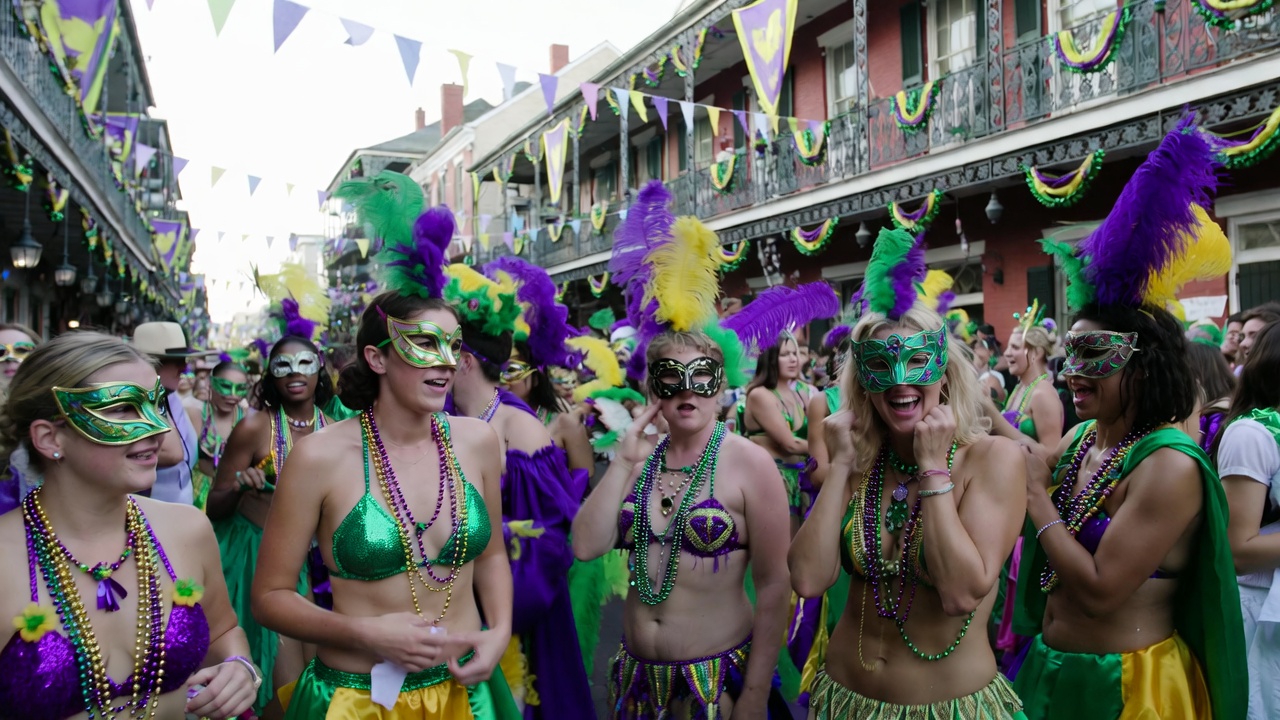
| Louisiana | Mardi Gras | Varies (before Ash Wednesday) |
| California | César Chávez Day | March 31 |
Texas provides an excellent example of state holiday complexity. The Lone Star State recognizes all federal holidays except Columbus Day. However, Texas adds the Friday after Thanksgiving, Christmas Eve, the day after Christmas, and Texas Independence Day to its list of state holidays. Texas also does not follow the federal rule of observing holidays on adjacent weekdays when they fall on weekends.
The practical impact: If you are doing business in a specific state, you need to know both the federal calendar and the state calendar. A state employee in Louisiana might have Mardi Gras off while federal employees work. Conversely, state offices in Texas remain open on Columbus Day while federal offices close.
Which Popular American Holidays Are NOT Federal Holidays?
Some of the most celebrated days in American life have no federal holiday status whatsoever. These cultural holidays drive billions of dollars in economic activity and bring families together, yet businesses, schools, and government offices remain open.
Valentine’s Day — February 14
According to the National Retail Federation, Americans spend over $25 billion annually on Valentine’s Day gifts, cards, flowers, and romantic dinners. Despite its massive cultural footprint, Valentine’s Day has never been a federal holiday.
Why? Valentine’s Day centers on personal relationships rather than national identity, historical events, or civic values. There has never been serious legislative effort to make it a public holiday.
What stays open: Everything. Schools, businesses, government offices, and all services operate normally.
Easter — Spring (Date Varies)
As one of the most important Christian holidays celebrating the resurrection of Jesus Christ, Easter is observed by millions of Americans. In 2024, Easter spending reached approximately $22.4 billion.
Easter always falls on a Sunday, so most Americans already have the day off from work. Many schools schedule spring break around Easter, and the financial markets close on Good Friday. However, neither Easter nor Good Friday are federal holidays.
What closes: Stock markets close on Good Friday. Many schools are on spring break. Some private businesses close early or entirely on Easter Sunday.
Mother’s Day — Second Sunday in May
Mother’s Day generates over $31 billion in spending annually, making it one of the highest-spending holidays after Christmas. It was first celebrated in 1908 and has been recognized nationally through presidential proclamation since 1914.
Despite its universal recognition, Mother’s Day remains a cultural observance rather than a federal holiday. Like Easter, it falls on a Sunday, meaning most workers already have the day off.
Father’s Day — Third Sunday in June
Father’s Day was first celebrated in Washington State in 1910 but was not recognized nationally until 1972. It generates approximately $20 billion in annual spending.
Similar to Mother’s Day, its Sunday observance means the question of federal holiday status has never been seriously pursued.
Halloween — October 31
Halloween ranks among the most beloved American holidays, particularly for families with children. Americans spend approximately $12 billion on costumes, candy, and decorations.
Halloween evolved from ancient Celtic traditions and has no civic or patriotic significance, which explains why it has never been considered for federal holiday status. Schools and businesses remain fully operational, though many offer costume days or early dismissals.
How Do Americans Celebrate Thanksgiving and Why Is It So Important?
Thanksgiving stands apart as America’s most distinctly American holiday. While Christmas is celebrated worldwide and New Year’s transcends national boundaries, Thanksgiving is uniquely tied to American history and national identity.
The History of Thanksgiving in America
The popular narrative traces Thanksgiving to 1621, when Pilgrims at Plymouth Colony shared a harvest feast with the Wampanoag people. However, the holiday as we know it today was formalized much later.
President Abraham Lincoln proclaimed Thanksgiving a national holiday in 1863, during the Civil War. He intended it as a day of “Thanksgiving and Praise to our beneficent Father who dwelleth in the Heavens.” The holiday was meant to unify a nation torn apart by war.
In 1941, Congress officially established Thanksgiving as the fourth Thursday in November, ending decades of date inconsistency.
Thanksgiving By the Numbers
The statistics surrounding Thanksgiving demonstrate its significance:
| Category | Data |
|---|---|
| Americans who celebrate Thanksgiving | 88% |
| Turkey consumption on Thanksgiving | 46 million turkeys |
| Travelers during Thanksgiving week | Over 55 million |
| Average cost of Thanksgiving dinner (2024) | $61.17 |
| Americans who watch football on Thanksgiving | Over 30 million per game |
Thanksgiving food traditions are remarkably consistent across the country. Nearly every Thanksgiving table features turkey, stuffing, mashed potatoes, gravy, cranberry sauce, and pumpkin pie. Regional variations add dishes like green bean casserole, sweet potato casserole with marshmallows, and regional specialties.
The Day After Thanksgiving — Black Friday
While not a federal holiday, the day after Thanksgiving has become one of the most significant days on the American economic calendar. Dubbed “Black Friday” because it historically pushed retailers “into the black” (profitability), this shopping day kicks off the winter holiday season.
Approximately 74% of holiday shoppers planned to shop during the five-day Thanksgiving weekend in recent years. However, Black Friday is not a federal holiday. Federal employees must use personal leave if they want the day off, though many private employers provide it as a benefit.
What Is Juneteenth and Why Did It Become a Federal Holiday?
Juneteenth represents the newest addition to the federal holiday calendar, signed into law by President Joe Biden on June 17, 2021. Its recognition reflects America’s ongoing reckoning with its history of slavery and the importance of commemorating emancipation.
The History Behind Juneteenth
Juneteenth commemorates June 19, 1865—the day when Union soldiers arrived in Galveston, Texas, and announced that all enslaved people were free. This occurred more than two years after President Lincoln signed the Emancipation Proclamation.
The delay in learning about their freedom has made Juneteenth a powerful symbol of both emancipation and the struggle for true freedom. Texas was one of the most isolated states of the Confederacy, and news traveled slowly during the Civil War era.
How Juneteenth Became a Federal Holiday
The path to federal recognition was long. Texas made Juneteenth a state holiday in 1980. By 2021, 49 states and Washington, D.C., recognized Juneteenth in some form.
The national movement gained momentum following the racial justice protests of 2020. Congress passed the “Juneteenth National Independence Day Act” with overwhelming bipartisan support. It became only the 11th federal holiday and the first new federal holiday since Martin Luther King, Jr. Day was established in 1983.
Current Recognition and Observance
Awareness of Juneteenth has grown dramatically. According to recent surveys, awareness reached 90% in 2024, up from 74% in 2022. However, state-level recognition varies:
- All states except South Dakota officially recognize Juneteenth
- Some states observe it as a full state holiday
- Others recognize it without providing state employees a day off
- Private sector observance is growing but not universal
Celebrations typically include: Community festivals, cookouts, educational programs, parades, and readings of the Emancipation Proclamation.
How Many Religious Holidays Are Recognized in the United States?
The separation of church and state in the U.S. Constitution creates a unique situation regarding religious holidays. Only one religious holiday—Christmas—is recognized as a federal holiday.
Christmas — The Only Religious Federal Holiday
Christmas became a federal holiday in 1870. Its status has occasionally been challenged on constitutional grounds. However, in 1999, a federal court ruling (Ganulin v. United States) determined that “the Christmas holiday has become largely secularized” and that federal recognition does not violate the Establishment Clause.
Christmas generates more economic activity than any other American holiday:
| Christmas Spending Category | Average Amount (2024) |
|---|---|
| Total per-person spending | $902 |
| Gifts for family and friends | $641 |
| Food and decorations | $261 |
| Average household gift spending | $1,014 |
Major Religious Holidays Without Federal Status
Americans of various faiths observe religious holidays that do not appear on the federal calendar:
Christian Holidays:
- Easter (observed by approximately 80% of Americans)
- Good Friday (financial markets close; some states recognize)
- Ash Wednesday
Jewish Holidays:
- Rosh Hashanah (Jewish New Year)
- Yom Kippur (Day of Atonement)
- Hanukkah (Festival of Lights)
- Passover
Islamic Holidays:
- Eid al-Fitr (end of Ramadan)
- Eid al-Adha (Festival of Sacrifice)
Hindu Holidays:
- Diwali (Festival of Lights)
Buddhist Holidays:
- Vesak (Buddha’s Birthday)
Workplace Accommodations for Religious Observances
Federal law requires employers to make reasonable accommodations for employees observing religious holidays. Many employers now offer “floating holidays”—paid days off that employees can use for religious observances of their choosing.
According to the Society for Human Resource Management:
- 7% of employers offer paid time off for Yom Kippur
- 3% offer paid time off for Passover
- 1% offer paid time off for Hanukkah, Ramadan, Diwali, or Eid al-Adha
When Do Schools Close for Holidays in the United States?
The American education system follows a holiday schedule that blends federal holidays, religious observances, and academic traditions. However, significant variation exists between states, districts, and even individual schools.
Typical School Holiday Schedule
Most K-12 public schools observe the following breaks:
| Holiday Period | Typical Duration |
|---|---|
| Thanksgiving Break | 2-5 days (Wednesday-Friday minimum) |
| Winter Break | 10-14 days (late December through early January) |
| Martin Luther King, Jr. Day | 1 day |
| Presidents’ Day | 1 day |
| Spring Break | 5-10 days (March or April) |
| Memorial Day | 1 day |
| Summer Break | 8-12 weeks (June through August) |
Regional Variations in School Holidays
Southern states often include breaks not found elsewhere:
- Good Friday (many districts)
- Mardi Gras (Louisiana)
- State-specific holidays
Northeastern states frequently observe:
- Rosh Hashanah and Yom Kippur (districts with large Jewish populations)
- Columbus Day or Indigenous Peoples’ Day
Western states may recognize:
- César Chávez Day (California, March 31)
- Nevada Day (Nevada, late October)
University and College Schedules
Higher education institutions typically divide the academic year into semesters:
- Fall Semester: Late August/early September through mid-December
- Spring Semester: Mid-January through May
Winter break spans approximately four weeks between semesters. Spring break usually lasts one week in March or early April.
How Does Holiday Travel Work in the United States?
Understanding American holiday travel patterns is essential for planning trips or managing logistics during peak periods.
The Busiest Travel Days in America
The Transportation Security Administration (TSA) and AAA track travel volumes throughout the year. Here are the busiest periods:
| Holiday Period | Estimated Travelers (2024) |
|---|---|
| Thanksgiving Week | 55+ million |
| Christmas/New Year Period | 119+ million |
| Memorial Day Weekend | 43+ million |
| Independence Day Weekend | 50+ million |
| Labor Day Weekend | 40+ million |
Thanksgiving Wednesday is consistently one of the busiest single travel days of the year. The Sunday after Thanksgiving sees massive return traffic as well.
What to Expect During Major Holidays
Transportation Closures:
- Airports remain open but may have reduced staffing
- Public transit often operates on holiday schedules with reduced frequency
- Amtrak runs modified schedules on major holidays
Business Closures:
- Banks close on all 11 federal holidays
- Post offices close on federal holidays (no mail delivery)
- Government offices close
- Many retail stores remain open (except Thanksgiving and Christmas in some areas)
Price Increases:
- Airfare can increase 50-200% during peak holiday periods
- Hotels near popular destinations raise rates
- Rental car prices surge during Thanksgiving and Christmas weeks
Planning Tips for Holiday Travel
- Book early: Flights 6-8 weeks in advance for Thanksgiving and Christmas
- Travel on off-peak days: Christmas Day and Thanksgiving Day often have lower travel volumes
- Consider alternative airports: Smaller regional airports may have shorter lines
- Check business hours: Restaurants and attractions may have modified holiday hours
What Are the Most Popular Holidays in America by Celebration Rate?
Popularity can be measured by celebration rates, spending, or cultural significance. Here is how Americans rank their favorite holidays:
Holidays by Celebration Rate (2024-2025)
| Holiday | Americans Who Celebrate |
|---|---|
| Christmas | 90% |
| Thanksgiving | 88% |
| Independence Day | 84% |
| Easter | 80% |
| Mother’s Day | 78% |
| Memorial Day | 78% |
| New Year’s Eve/Day | 77% |
| Valentine’s Day | 53% |
| Father’s Day | 75% |
| Halloween | 73% |
| Labor Day | 40% |
Holidays by Consumer Spending
Economic impact reveals another dimension of holiday importance:
| Holiday | Total U.S. Spending |
|---|---|
| Winter Holidays (Christmas/Hanukkah/Kwanzaa) | $964+ billion |
| Valentine’s Day | $26+ billion |
| Easter | $24 billion |
| Mother’s Day | $31+ billion |
| Father’s Day | $20+ billion |
| Halloween | $12 billion |
| Super Bowl Sunday | $17+ billion |
| Independence Day | $9+ billion |
A fascinating insight: Super Bowl Sunday, while not a holiday at all, generates massive economic activity and cultural participation. Over 110 million Americans watched the 2024 Super Bowl, and Americans consumed an estimated 1.25 billion chicken wings on that single day.
How Do American Holiday Traditions Vary by Region?
The United States spans six time zones and encompasses vastly different climates, histories, and cultural influences. Holiday traditions reflect this diversity.
Northeast
The Northeast claims some of America’s oldest holiday traditions:
- Thanksgiving: The region where the first Thanksgiving allegedly occurred maintains strong traditions. Plymouth, Massachusetts, hosts historical reenactments.
- Christmas: New York City’s Rockefeller Center tree lighting is a national event. Boston Common hosts America’s oldest public Christmas tree display.
- Independence Day: Boston’s July Fourth celebration includes the famous Boston Pops concert and fireworks over the Charles River.
South
Southern holiday traditions blend American customs with regional flavors:
- Thanksgiving: Fried turkey originated in the South and has spread nationally. Cornbread dressing replaces bread stuffing in many households.
- Christmas: Many Southern cities feature unique traditions. In New Orleans, the “Papa Noel” tradition adds Cajun flair to Santa Claus.
- Juneteenth: The holiday originated in Texas and remains most deeply rooted in Southern states with large African American populations.
- Mardi Gras: Louisiana celebrates this pre-Lenten festival as a state holiday, with New Orleans hosting America’s most famous carnival.
Midwest
Midwestern holidays often center on family gatherings and agricultural traditions:
- Thanksgiving: The region’s farming heritage influences celebrations. Meals frequently feature locally produced foods and family recipes passed down through generations.
- Christmas: German and Scandinavian immigrant traditions remain strong, including Christmas markets and traditional baked goods.
- State Fairs: While not holidays per se, late summer state fairs function as regional celebrations across the Midwest.
Southwest
Hispanic, Native American, and frontier heritage shape Southwestern holidays:
- Día de los Muertos (Day of the Dead): This Mexican tradition is widely celebrated in Texas, Arizona, New Mexico, and California. It coincides with the Catholic All Saints’ Day and All Souls’ Day.
- Cinco de Mayo: Though more significant in Mexico, Cinco de Mayo celebrations are particularly prominent in Southwestern states.
- Native American holidays: Various tribes observe traditional celebrations, some of which are recognized as state or local holidays.
West Coast
California and the Pacific Northwest reflect diverse Asian, Hispanic, and progressive influences:
- Lunar New Year: Large Asian American populations in California and Washington celebrate with major festivals and parades.
- César Chávez Day: California and several other states recognize this holiday honoring the labor and civil rights leader.
- Indigenous Peoples’ Day: Oregon, Washington, and California were early adopters of renaming Columbus Day.
Hawaii and Alaska
America’s non-contiguous states have unique holiday landscapes:
Hawaii:
- Kamehameha Day (June 11) honors the king who unified the Hawaiian islands
- Admission Day/Statehood Day (third Friday in August) marks Hawaii’s entry into the union
- Lei Day (May 1) celebrates Hawaiian culture
Alaska:
- Alaska Day (October 18) commemorates the transfer of Alaska from Russia to the United States
- Seward’s Day (last Monday in March) honors the Secretary of State who arranged the purchase
What Holidays Do Federal Employees Get That Private Workers Don’t?
Federal employees receive more comprehensive holiday benefits than most private sector workers. Understanding this gap reveals much about American labor practices.
Federal Employee Holiday Benefits
According to the Office of Personnel Management:
- 11 paid federal holidays per year (guaranteed)
- Inauguration Day (every four years for employees in the Washington, D.C., area)
- Holiday pay or compensatory time for working on holidays
- “In lieu of” days when holidays fall on weekends
Private Sector Holiday Reality
The contrast with private employment is stark:
| Benefit | Federal Employees | Private Sector Average |
|---|---|---|
| Guaranteed paid holidays | 11 | 0 (no legal requirement) |
| Average paid holidays received | 11 | 7.6 |
| Thanksgiving as paid holiday | 100% | 97% |
| MLK Day as paid holiday | 100% | 32% |
| Columbus Day as paid holiday | 100% | 24% |
The difference is particularly pronounced for “lesser” federal holidays. While nearly all private employers provide Christmas and Thanksgiving off, far fewer provide Martin Luther King, Jr. Day, Presidents’ Day, or Columbus Day.
Industry Variations
Some industries have significantly different holiday practices:
Finance and Banking:
- Banks must close on all federal holidays
- Financial markets have their own holiday schedule
- Good Friday is not a federal holiday but markets close
Healthcare:
- Hospitals operate 365 days per year
- Staff often receive premium pay (1.5x or 2x) for holiday work
- Floating holidays allow flexibility
Retail:
- Many stores remain open on federal holidays
- Thanksgiving and Christmas are increasingly closed
- Black Friday is the busiest workday in many retail careers
Technology:
- Tech companies often offer generous holiday packages
- Many provide “floating holidays” for personal/religious observances
- Some offer company-wide shutdown periods between Christmas and New Year
How to Plan Your Trip Around American Holidays
Whether you are a business traveler, tourist, or international visitor, understanding American holidays will help you plan effectively.
Best Times to Visit the United States
Optimal periods (lower crowds, normal prices):
- Mid-January through early March (except Presidents’ Day weekend)
- Late April through mid-May (except Memorial Day weekend)
- September through early October (except Labor Day weekend)
- Early November (before Thanksgiving)
Challenging periods (high crowds, elevated prices):
- Thanksgiving week (late November)
- December 20 through January 2 (winter holidays)
- Spring break weeks (varies by region, typically March-April)
- Memorial Day through Labor Day weekends
Holiday-Specific Recommendations
If you want to experience American holiday culture:
- Thanksgiving: Visit New York City for the Macy’s Thanksgiving Day Parade. Alternatively, experience a traditional meal in New England.
- Independence Day: Washington, D.C., offers spectacular fireworks and celebrations. Boston and Philadelphia also host major events.
- Christmas: New York City’s holiday displays are world-famous. San Antonio’s River Walk and historic Savannah offer alternative experiences.
- Mardi Gras: New Orleans is the definitive destination, but Mobile, Alabama, claims the first American Mardi Gras celebration.
If you want to avoid holiday closures:
- Plan museum and attraction visits around holiday schedules
- Make restaurant reservations well in advance for holiday dinners
- Verify that essential services will be available
- Book accommodations early for peak periods
Business Considerations for International Visitors
Government interactions (immigration, permits, certifications):
- Federal offices close on all 11 federal holidays
- Plan applications and appointments accordingly
- Court schedules also follow federal holiday calendars
Banking and finance:
- Banks close on federal holidays
- International wire transfers may be delayed
- Stock markets have their own schedule (closed Good Friday but not all federal holidays)
Professional meetings:
- Avoid scheduling meetings the week of Thanksgiving
- December 24 through January 2 sees minimal business activity
- Many executives take summer Fridays or extended weekends around July 4
The Future of American Holidays — What New Holidays Might Be Added?
The addition of Juneteenth in 2021 demonstrated that the federal holiday calendar can still expand. Several other days have been proposed as potential federal holidays.
Holidays Under Discussion
Election Day: Many advocates argue that making Election Day a federal holiday would increase voter participation. Currently, the first Tuesday after the first Monday in November is not a federal holiday. Some states have made it a state holiday.
Pros:
- Could increase voter turnout
- Other democracies treat election days as holidays
- Would reduce barriers for hourly workers
Cons:
- Cost to federal government
- Doesn’t help retail and service workers who work on holidays anyway
- Some argue expanded early voting is more effective
Good Friday: Stock markets already close on Good Friday. Some advocate for federal recognition.
Concerns:
- Religious nature raises constitutional questions
- Would be the second explicitly Christian holiday (after Christmas)
Indigenous Peoples’ Day: Many states have replaced Columbus Day with Indigenous Peoples’ Day. Making this a federal replacement has been proposed.
Current status:
- Growing state-level recognition
- No serious federal legislative effort yet
Why Adding Holidays Is Difficult
Several factors make expanding the federal holiday calendar challenging:
- Cost: Each holiday costs the federal government approximately $450 million in paid leave for federal workers
- Political consensus: New holidays require bipartisan support
- Controversy: Holidays honoring specific groups or events often face opposition
- Historical precedent: Only two holidays have been added in 50+ years (MLK Day in 1983, Juneteenth in 2021)
Conclusion — Understanding America’s Unique Holiday Landscape
The question “How many holidays does the U.S. have?” reveals much about American culture, values, and governance.
At the federal level, the United States recognizes 11 holidays. These days guarantee time off for federal employees and typically affect banking, postal service, and government operations nationwide.
At the state level, additional holidays create regional variations. Some states observe more than 15 holidays when combining federal and state recognition.
At the cultural level, dozens of observances bring Americans together without any government mandate. Valentine’s Day, Mother’s Day, Easter, Halloween, and countless other celebrations demonstrate that official status is not required for meaningful traditions.
For workers, the reality is complex. The average American receives approximately 7.6 paid holidays per year, though one in four workers receives none. The United States remains unique among developed nations in not guaranteeing paid holiday time.
For visitors and businesses, understanding this layered system is essential for effective planning. When in doubt:
- Federal holidays will close government offices, banks, and post offices
- State holidays vary significantly by location
- Cultural holidays may or may not affect business operations
- Major shopping periods (Thanksgiving, Christmas) see modified retail hours
The American holiday system reflects the nation’s federalist structure, business-oriented culture, and remarkable diversity. From the patriotic fireworks of Independence Day to the family gatherings of Thanksgiving, from the regional celebrations of Mardi Gras to the universal joy of Christmas, holidays provide the rhythm that structures American life throughout the year.
Frequently Asked Questions About U.S. Holidays
How many federal holidays does the U.S. have in 2025? The United States has 11 federal holidays in 2025. These are: New Year’s Day, Martin Luther King, Jr. Day, Washington’s Birthday (Presidents’ Day), Memorial Day, Juneteenth, Independence Day, Labor Day, Columbus Day, Veterans Day, Thanksgiving, and Christmas.
Does the U.S. have more or fewer holidays than other countries? The U.S. has 11 federal holidays, which is comparable to many developed nations. However, the key difference is that American private employers are not legally required to provide paid time off on these days.
What is the most celebrated holiday in America? Christmas is the most celebrated holiday, with approximately 90% of Americans participating. Thanksgiving ranks second at 88%.
Do American workers get paid for federal holidays? Federal employees receive paid time off for all 11 federal holidays. Private sector workers receive an average of 7.6 paid holidays, and approximately 25% receive no paid holidays at all.
When is the best time to visit the U.S. to avoid holiday crowds? Mid-January through early March, late April through mid-May, and September through early October typically offer lower tourist volumes and normal pricing.
Are banks open on federal holidays? No. Banks regulated by the federal government must close on all 11 federal holidays.
Is Black Friday a federal holiday? No. The day after Thanksgiving is not a federal holiday, though many private employers provide it as a paid day off.
This guide was researched and written to provide accurate, comprehensive information about American holidays. For official federal holiday information, visit OPM.gov. For state-specific holiday information, consult your state government’s official website.