Connect with New Zealand’s national day through the power of indigenous language.
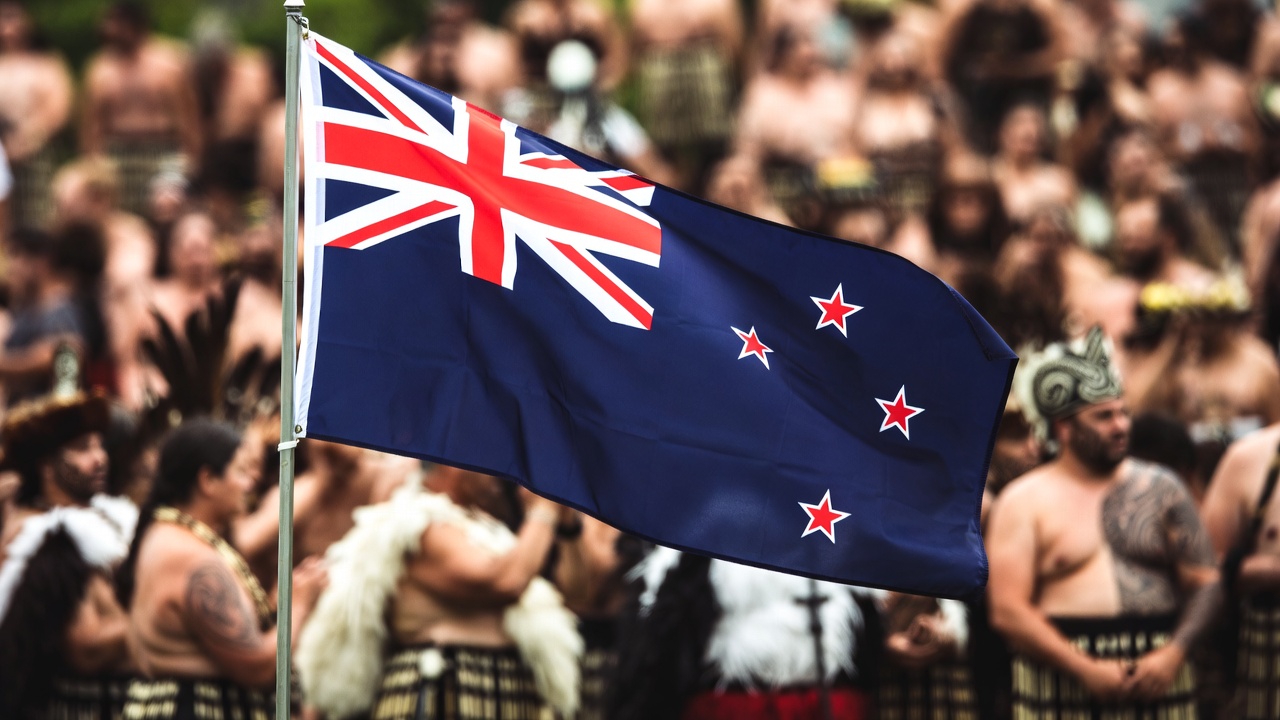
Every February 6th, Aotearoa New Zealand pauses to honor a pivotal moment in history. Waitangi Day marks the 1840 signing of Te Tiriti o Waitangi between Māori chiefs and the British Crown. Want to participate authentically? Speaking even basic Te Reo Māori transforms you from observer to participant.
This guide teaches you essential Māori greetings for Waitangi Day. You’ll learn proper pronunciation. You’ll understand when to use each phrase. Most importantly, you’ll show respect for Māori culture in the most meaningful way possible.
Why Learn Te Reo Māori Greetings for Waitangi Day?
Language carries culture. When you speak Te Reo Māori—even just a greeting—you acknowledge the living heritage of New Zealand’s indigenous people.
Te Reo Māori became an official language of New Zealand in 1987. The language is considered a taonga (treasure) under Te Tiriti o Waitangi. Using it on Waitangi Day shows you understand this significance.
Here’s what learning Māori greetings does:
- Demonstrates genuine respect for indigenous culture
- Creates warmer connections with Māori communities
- Enriches your Waitangi Day experience
- Supports language revitalization efforts
- Shows cultural awareness to fellow travelers
Don’t worry about perfection. Māori people appreciate sincere effort over flawless execution.
Essential Te Reo Māori Greetings for Waitangi Day
Master these phrases before February 6th. Each one serves a specific purpose.
Basic Greetings Table
| Te Reo Māori | Pronunciation | English Meaning | When to Use |
|---|---|---|---|
| Kia ora | kee-ah or-ah | Hello / Thank you | Anytime, anywhere |
| Tēnā koe | teh-nah kway | Greetings to you (1 person) | Formal settings |
| Tēnā kōrua | teh-nah koh-roo-ah | Greetings to you (2 people) | Meeting a pair |
| Tēnā koutou | teh-nah koh-toh | Greetings to you (3+ people) | Addressing groups |
| Haere mai | ha-eh-reh my | Welcome / Come here | Welcoming others |
| Nau mai | now my | Welcome | Often paired with haere mai |
Waitangi Day-Specific Phrases
These phrases show deeper cultural understanding:
| Te Reo Māori | Pronunciation | English Meaning |
|---|---|---|
| Hari Waitangi | hah-ree Why-tung-ee | Happy Waitangi |
| Ngā mihi o Te Rā o Waitangi | ngah mee-hee oh teh rah oh Why-tung-ee | Greetings on Waitangi Day |
| Whakanuia te Tiriti o Waitangi | fah-kah-noo-ee-ah teh Tee-ree-tee oh Why-tung-ee | Celebrate the Treaty of Waitangi |
How to Pronounce Te Reo Māori Correctly
Good news: Māori pronunciation follows consistent rules. Once you learn them, you can pronounce any word.
The Five Vowels
Think of this memory trick: “Are There Three Or Two”
| Vowel | Sound | Example Word |
|---|---|---|
| A | “ah” as in “are” | Aotearoa (ah-oh-teh-ah-roh-ah) |
| E | “eh” as in “there” | Haere (ha-eh-reh) |
| I | “ee” as in “three” | Mihi (mee-hee) |
| O | “or/aw” as in “or” | Kōrero (koh-reh-roh) |
| U | “oo” as in “two” | Tūrangawaewae (too-rahng-ah-wye-wye) |
Understanding Macrons
A macron (the line above a vowel: ā, ē, ī, ō, ū) means you hold the sound longer. This matters because it changes meaning.
Example: keke means “cake” but kēkē means “armpit.” Pronunciation details count!
Key Consonant Rules
Most consonants match English. These three need attention:
The “wh” sound: Usually pronounced like an English “f.”
Whānau (family) = “fah-now”
The “ng” sound: Like the end of “singer,” not “finger.”
Ngā mihi = “ngah mee-hee”
The “r” sound: A soft rolled “r,” somewhere between English “d” and “l.”
Think of the “dd” in “ladder” said quickly.
Golden Rule for Syllables
Every Māori syllable ends in a vowel. Break words at vowels, not consonants.
Waitangi = Wai-ta-ngi (not Wait-an-gi)
Aotearoa = A-o-te-a-ro-a (six syllables)
Formal Greetings for Waitangi Day Ceremonies
Attending a dawn service or pōwhiri? These formal phrases show appropriate respect.
Opening a Conversation or Speech
| Phrase | Meaning | Context |
|---|---|---|
| Tēnā koutou katoa | Greetings to you all | Starting a formal address |
| No reira, tēnā koutou | So then, greetings to you | Transitional greeting |
| E ngā mana, e ngā reo | To the dignitaries, to the voices | Very formal acknowledgment |
Expressions of Respect
| Phrase | Meaning |
|---|---|
| Ngā mihi nui | Great/Many acknowledgments |
| Ngā mihi mahana | Warm regards |
| He mihi ki a koe i te rā o Waitangi | Greetings to you on Waitangi Day |
Closing Phrases
| Phrase | Meaning |
|---|---|
| Kia ora rawa atu | Thank you very much |
| Ka kite anō | See you again |
| Haere rā | Goodbye (to someone leaving) |
| E noho rā | Goodbye (to someone staying) |
Casual Te Reo Māori Phrases for Waitangi Day Festivals
Festival atmosphere? These relaxed expressions work perfectly.
Everyday Interactions
“Kia ora!” — Your all-purpose greeting. Use it to say hello, thanks, or acknowledge someone.
“Ka pai!” — Means “good” or “well done.” Great for responding to performances or food.
“Tino pai!” — Means “very good” or “excellent.”
“Āe” (ah-eh) — Yes
“Kāo” (kah-or) — No
“Ka kite!” — Casual goodbye, like “see ya!”
Food and Festival Phrases
| Phrase | Meaning | Use It When… |
|---|---|---|
| Tēnā koe, he aha tēnei? | Hello, what is this? | Asking about food |
| He reka! | Delicious! | Enjoying kai (food) |
| Ka nui te mihi | Many thanks | After receiving something |
Cultural Etiquette: Using Māori Greetings Respectfully
Language carries protocol. Follow these guidelines to show genuine respect.
Do’s
✓ Attempt pronunciation even if imperfect. Māori people value effort over accuracy.
✓ Listen first at formal ceremonies. Observe how hosts use greetings before joining in.
✓ Accept a hongi if offered. This traditional nose-pressing greeting creates a spiritual connection. Gently press noses and foreheads while breathing together.
✓ Ask permission before photographing. Especially during ceremonies or close-ups of individuals.
✓ Use greetings consistently. Starting with “kia ora” and ending with “cheers” feels disjointed.
Don’ts
✗ Don’t mock pronunciation or accent. Ever.
✗ Don’t speak loudly during ceremonies. Maintain respectful silence, especially at dawn services.
✗ Don’t assume all Māori speak Te Reo fluently. The language was historically suppressed. Some are still learning alongside you.
✗ Don’t rush through phrases. Speak slowly and clearly. Quality over speed.
Waitangi Day Greeting Scripts for Different Situations
Not sure what to say when? Here are ready-made scripts.
Meeting Someone at the Festival
You: Kia ora!
Them: Kia ora!
You: Ka pai te rā. (Good day.)
Them: Āe, tino pai! (Yes, very good!)
Thanking a Performer
“Kia ora rawa atu. Ka rawe tō kapa haka!”
(Thank you very much. Your kapa haka was awesome!)
Purchasing from a Market Stall
You: Tēnā koe.
Vendor: Tēnā koe. Kei te pēhea koe? (How are you?)
You: Kei te pai, tēnā koe. (I’m good, thank you.)
After purchase:
You: Ngā mihi!
Leaving an Event
“Ngā mihi nui mō tēnei rā. Ka kite anō!”
(Many thanks for this day. See you again!)
Best Resources to Practice Te Reo Māori Before Waitangi Day
Start practicing now. These free resources help:
| Resource | What It Offers | Best For |
|---|---|---|
| Kupu (app) | Word-a-day learning | Quick daily practice |
| Te Whanake | Online courses and dictionary | Structured learning |
| Māori Television | Immersive content | Listening practice |
| Te Aka Dictionary | Audio pronunciations | Checking specific words |
| NZ History website | 100 essential words with audio | Foundational vocabulary |
Quick Practice Tips
- Start two weeks early. Learn one phrase per day.
- Listen to audio clips. Read pronunciation guides, then confirm with native speakers.
- Practice aloud. Your mouth needs muscle memory.
- Use greetings in daily life. Say “kia ora” to baristas, colleagues, anyone.
Understanding the Deeper Meaning of Waitangi Day Greetings
Words carry worldview. Understanding Māori concepts behind greetings enriches your experience.
Kia Ora: More Than “Hello”
Literally, “kia ora” means “be well” or “be healthy.” It’s a blessing, not just an acknowledgment. When you say “kia ora,” you’re wishing wellness upon someone.
Mihi: The Art of Acknowledgment
A mihi goes beyond greeting. It’s an acknowledgment of someone’s mana (prestige, authority). Using phrases like “ngā mihi” shows you recognize someone’s worth.
Manaakitanga: Hospitality in Language
Manaakitanga means extending hospitality and respect. Using Te Reo Māori embodies this principle. You’re meeting people on their terms, in their language.
What to Expect at Waitangi Day Events
Knowing the context helps you use greetings appropriately.
Dawn Service (5:00 AM at Treaty Grounds)
- Held in Te Whare Rūnanga, the carved meeting house
- Includes hīmene (hymns), prayers, and speeches
- Atmosphere: solemn and reflective
- Greetings to use: Formal. Tēnā koutou. Minimal speaking. Listen.
Daytime Festival
- Multiple performance stages
- 150+ market stalls
- Family-friendly, alcohol-free
- Greetings to use: Mix of formal and casual. Kia ora works everywhere.
Pōwhiri (Welcome Ceremony)
If invited onto a marae, you’ll experience formal protocols:
- Karanga — Women’s call of welcome
- Wero — Ceremonial challenge
- Whaikōrero — Formal speeches
- Hongi — Greeting through nose-pressing
- Kai — Shared meal
Your role: Follow your hosts. Respond to hongi invitations. Say “tēnā koe” after hongi. Stay humble.
Bringing It All Together: Your Waitangi Day Greeting Cheat Sheet
Print this. Carry it. Reference it.
| Situation | Phrase | Pronunciation |
|---|---|---|
| Hello (casual) | Kia ora | kee-ah or-ah |
| Hello (formal, 1 person) | Tēnā koe | teh-nah kway |
| Hello (formal, group) | Tēnā koutou | teh-nah koh-toh |
| Welcome | Haere mai, nau mai | ha-eh-reh my, now my |
| Happy Waitangi Day | Hari Waitangi | hah-ree why-tung-ee |
| Thank you | Ngā mihi | ngah mee-hee |
| Thank you very much | Kia ora rawa atu | kee-ah or-ah rah-wah ah-too |
| Excellent! | Tino pai! | tee-noh pie |
| Goodbye (casual) | Ka kite | kah kee-teh |
| Goodbye (formal) | Haere rā | ha-eh-reh rah |
Final Thoughts: Your Words Matter
Waitangi Day isn’t just a public holiday. It’s a living conversation between cultures. When you greet someone in Te Reo Māori, you join that conversation.
You don’t need fluency. You need sincerity.
Start with “kia ora.” Build from there. Notice how people respond when you try. Watch their faces soften. Feel the connection deepen.
That’s the magic of language. That’s why these greetings matter.
Ngā mihi nui ki a koutou katoa. Hari Waitangi!
(Great acknowledgments to you all. Happy Waitangi Day!)
Planning your Waitangi Day trip? The main celebrations occur at Waitangi Treaty Grounds in the Bay of Islands. Events run nationwide from dawn services to evening concerts. Many New Zealanders combine the holiday with beach time—February brings peak summer weather.
Arrive early. Bring sunscreen. And practice your Te Reo Māori greetings on the flight over.