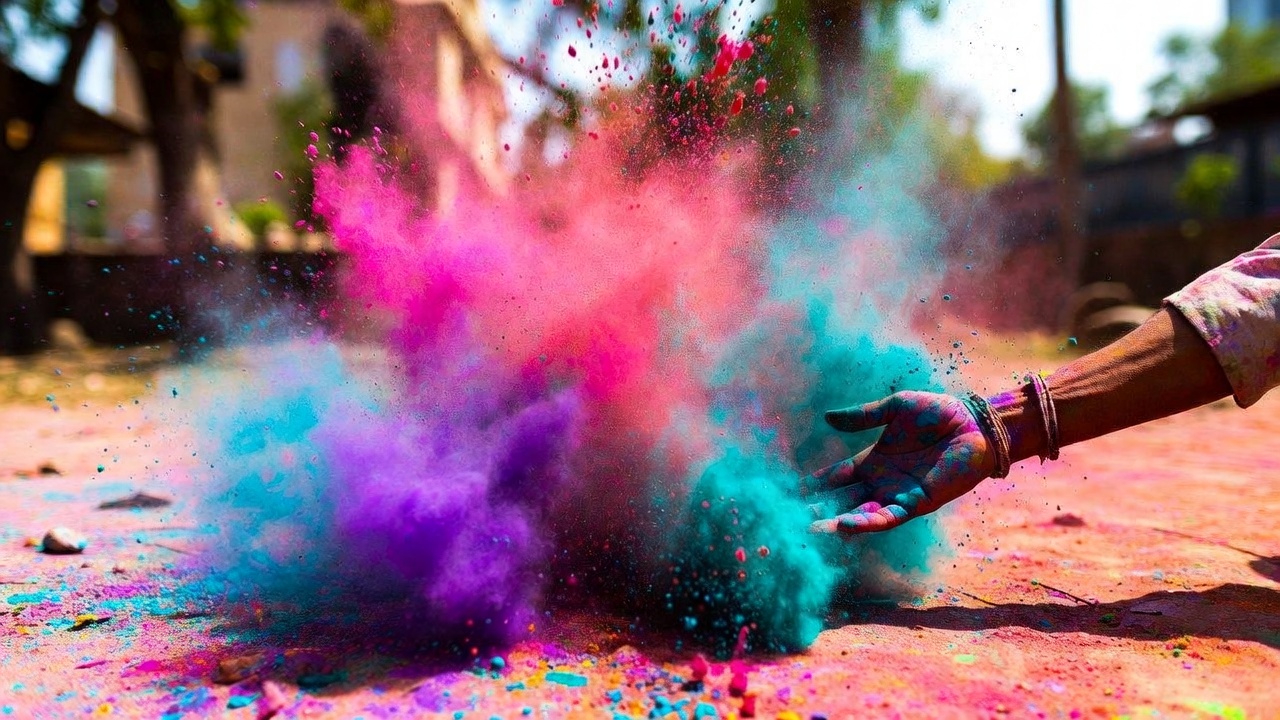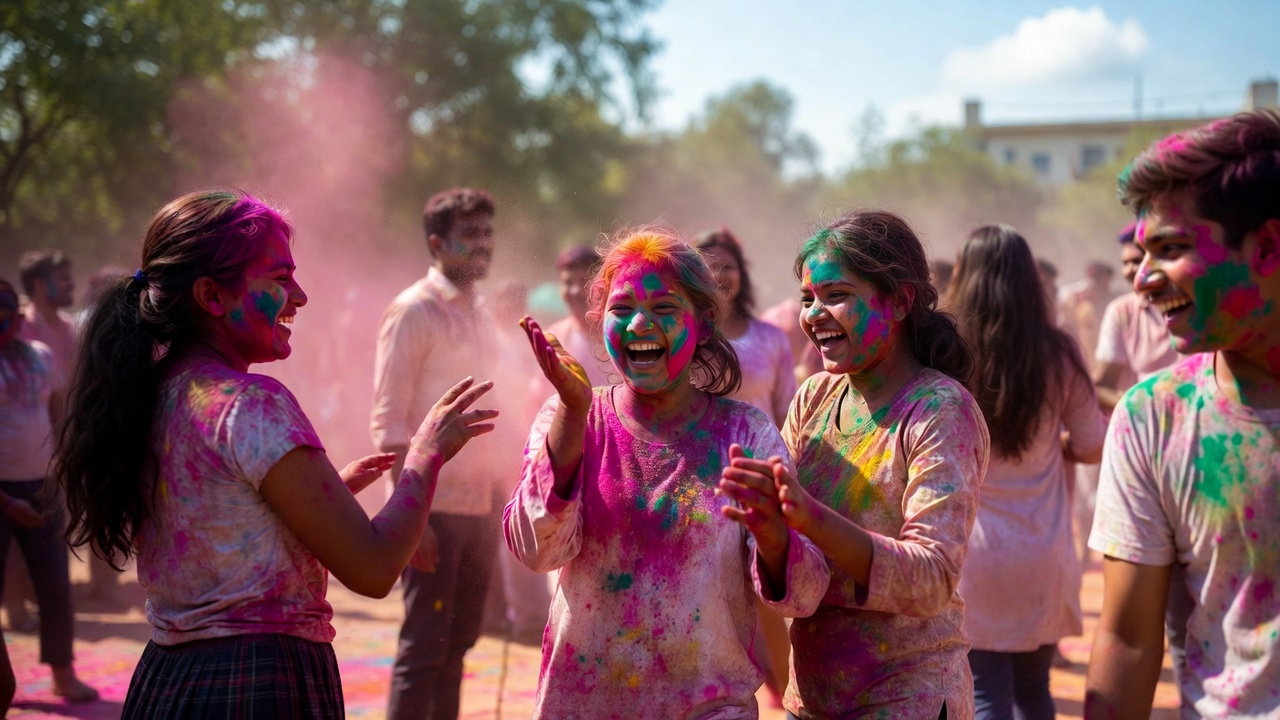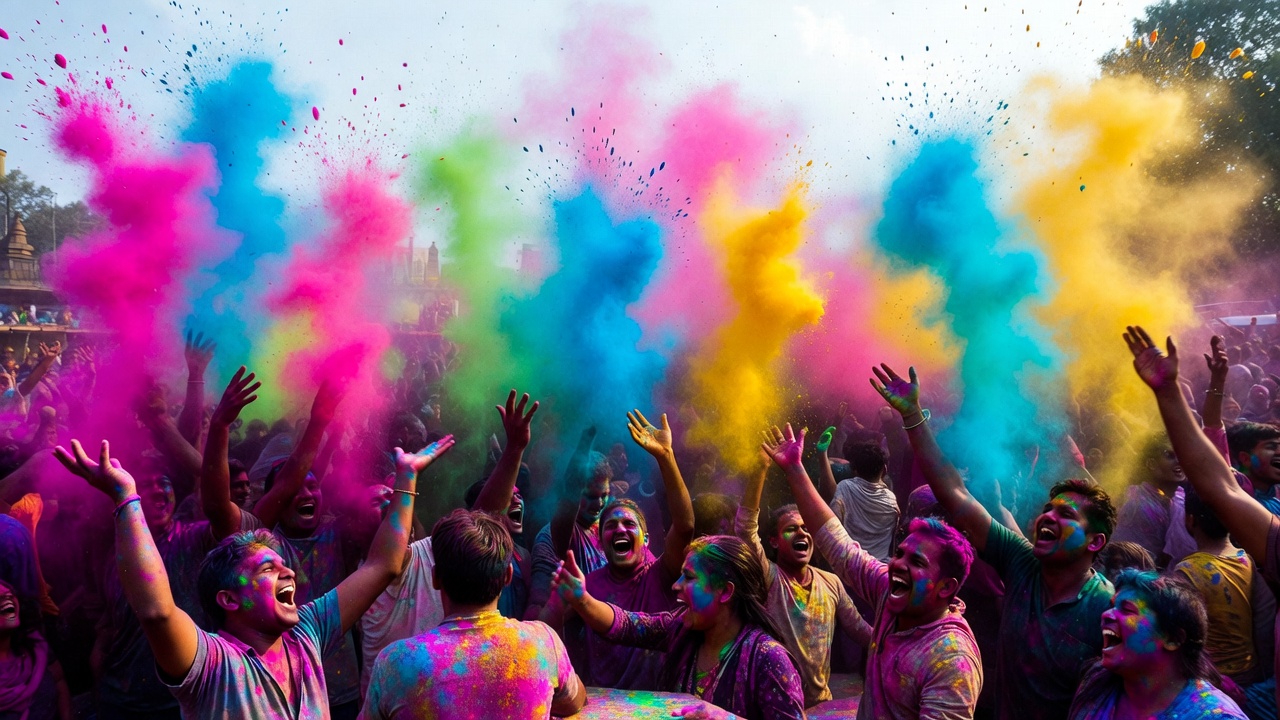
The streets fill with clouds of pink, yellow, and blue powder. Strangers become friends in seconds. Laughter echoes through neighborhoods as water balloons arc through the air. This is Holi—the ancient Hindu festival that transforms ordinary spring days into extraordinary celebrations of color, joy, and togetherness.
Whether you are planning your first Holi experience in India, joining a local celebration in New York or London, or hosting a backyard color party with friends, this comprehensive guide covers everything you need to know. From the mythology that gave birth to this tradition to practical tips for protecting your skin, we explore the full spectrum of Holi celebrations.
What Is Holi and Why Do People Celebrate the Festival of Colors?
Holi stands as one of India’s most beloved and widely celebrated festivals. Known as the Festival of Colors or the Festival of Love, this ancient Hindu tradition marks the arrival of spring and celebrates the eternal triumph of good over evil.
The festival holds deep spiritual significance rooted in Hindu mythology. According to Wikipedia, Holi’s origins connect to multiple sacred legends that have been passed down through generations.
The Legend of Prahlad and Holika
The most prominent story behind Holi involves a young devotee named Prahlad. His father, the demon king Hiranyakashipu, demanded that everyone worship him instead of the gods. Prahlad refused. He remained devoted to Lord Vishnu despite facing severe punishment.
Frustrated by his son’s unwavering faith, Hiranyakashipu enlisted his sister Holika to kill Prahlad. Holika possessed a magical cloak that protected her from fire. She sat with Prahlad in a blazing pyre, confident that only he would burn.
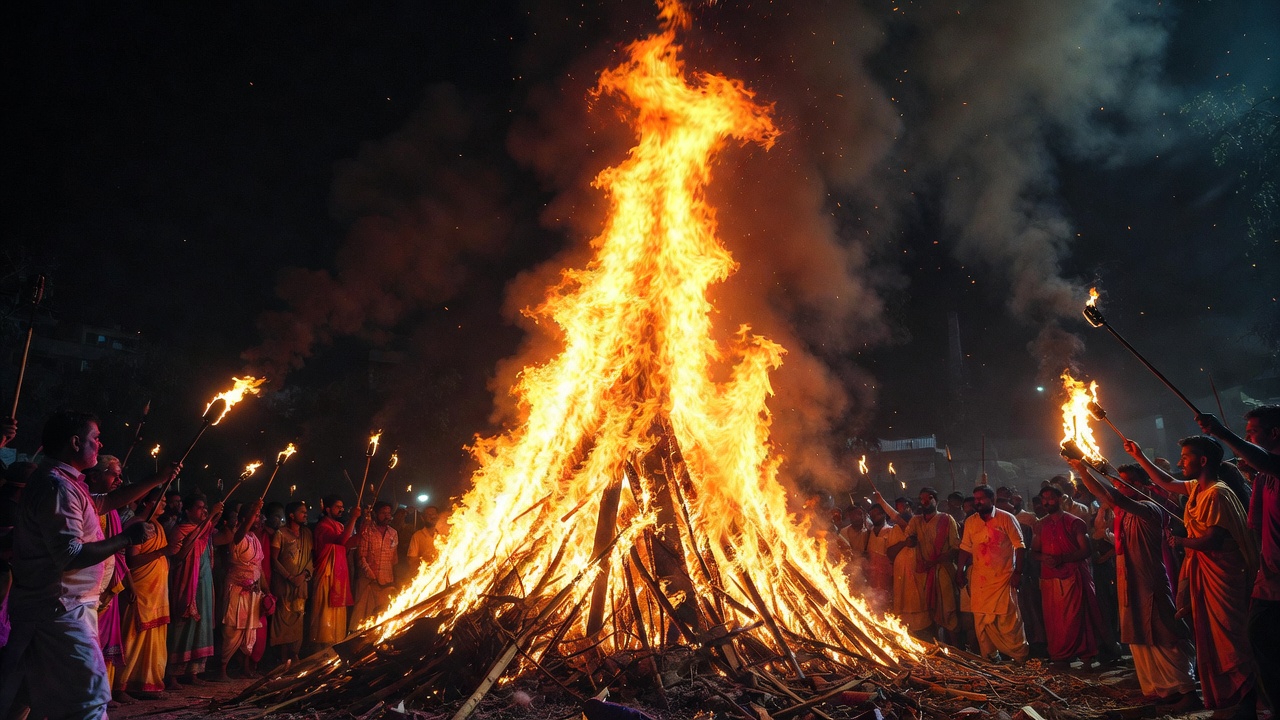
However, divine intervention changed everything. The cloak flew from Holika to Prahlad. She perished in the flames while the devoted boy emerged unharmed. This miracle demonstrated that sincere devotion conquers evil powers. The bonfire ritual known as Holika Dahan commemorates this story on the eve of Holi.
The Divine Love Story of Radha and Krishna
Another beloved legend connects Holi to Lord Krishna and his eternal love, Radha. According to tradition, Krishna worried that fair-skinned Radha might not accept him because of his dark blue complexion.
His mother Yashoda playfully suggested that Krishna paint Radha’s face with colors to match his own. This mischievous act became the foundation for the colorful play that defines modern Holi celebrations. The tradition remains especially vibrant in Mathura and Vrindavan, the regions where Krishna spent his childhood.
Seasonal and Agricultural Significance
Beyond mythology, Holi carries important seasonal meaning. The festival arrives at winter’s end, welcoming the warmth and renewal of spring. Farmers celebrate the upcoming harvest season. Communities gather to let go of past grievances and strengthen bonds of friendship.
When Is Holi 2026 and How Is the Festival Date Determined?
Holi follows the Hindu lunar calendar. The festival falls on the full moon day (Purnima) in the Hindu month of Phalguna. This typically places Holi in late February or March on the Gregorian calendar.
According to The Old Farmer’s Almanac, Holi 2026 will be celebrated on March 3-4. The bonfire ceremony (Holika Dahan) takes place on the evening of March 3. The main color festival (Rangwali Holi) occurs on March 4.
Upcoming Holi Dates:
| Year | Holika Dahan | Main Holi (Rangwali Holi) |
|---|---|---|
| 2025 | March 13 (Thursday) | March 14 (Friday) |
| 2026 | March 3 (Tuesday) | March 4 (Wednesday) |
The timing holds spiritual significance. Holika Dahan must occur after sunset during the Purnima tithi. Traditional Hindu practices dictate specific auspicious moments (muhurat) for lighting the bonfire.
Traditional Holi Rituals and Customs You Should Know About
Holi celebrations extend across two days, each carrying distinct rituals and meanings. Understanding these customs helps you participate respectfully and fully appreciate the festival’s depth.
Holika Dahan: The Sacred Bonfire Night Before Holi
The evening before the main color festival, communities gather for Holika Dahan. This ritual bonfire commemorates the burning of Holika and Prahlad’s miraculous survival.
Key elements of the ceremony include:
- Building the pyre: Neighbors collect wood, dried leaves, and cow dung cakes in the weeks leading up to Holi. The pyre often includes an effigy representing Holika.
- Lighting the fire: The eldest member or a priest ignites the bonfire at the auspicious time, usually between sunset and midnight.
- Circumambulation: People walk around the fire (parikrama), offering prayers for their families’ well-being and protection from evil.
- Offerings: Grains from the new harvest, coconuts, and other items are placed into the flames as offerings.
- Songs and prayers: Traditional folk songs praising Lord Krishna fill the air as communities gather around the warmth.
The bonfire symbolizes the destruction of negative energies and the triumph of righteousness. Many families take home embers or ash to place in their household fires, believing this brings good fortune.
Rangwali Holi: The Main Day of Color Play
The morning after Holika Dahan brings the celebration everyone anticipates—the wild, joyful play with colors. Known as Rangwali Holi or Dhuleti, this day erases social boundaries as people of all ages drench each other in vibrant hues.
Traditional color play includes:
- Gulal (dry colored powder): The iconic colored powders that fill the air and coat everything in sight
- Abir: A finer, often perfumed powder applied gently to the face
- Colored water: Water mixed with colors, sprayed from pichkaris (water guns) or thrown in buckets
- Water balloons: Especially popular among children for playful attacks
The celebration typically begins early in the morning and continues until early afternoon. After the colors, families clean up and gather for feasts featuring traditional Holi foods and beverages.
Best Places to Experience Authentic Holi Celebrations in India
India offers countless destinations for experiencing Holi, but certain locations have gained legendary status for their unique traditions and intense celebrations.
Mathura and Vrindavan: The Birthplace of Krishna’s Holi
No place celebrates Holi more intensely than the Braj region of Uttar Pradesh. Mathura (Krishna’s birthplace) and neighboring Vrindavan hold weeklong festivities that attract pilgrims and tourists from around the world.
According to Get Your Guide, these twin cities host some of the most authentic and spiritual Holi experiences available.
Highlights include:
- Phoolon Wali Holi (Flower Holi): At Vrindavan’s Banke Bihari Temple, devotees shower each other with flower petals instead of powdered colors. The fragrant celebration creates a spiritual atmosphere.
- Week-long festivities: Celebrations begin days before the main Holi, building anticipation throughout the region.
- Temple celebrations: Each temple hosts unique programs featuring devotional music, songs, and traditional rituals.
Lathmar Holi in Barsana and Nandgaon: Where Women Beat Men with Sticks
Perhaps the most unique Holi tradition unfolds in the villages of Barsana and Nandgaon, located about 50 kilometers from Mathura. Lathmar Holi recreates the playful legend of Krishna teasing Radha and her friends.
According to Wikipedia’s entry on Lathmar Holi, men from Nandgaon visit Barsana each year. The women greet them with sticks (lathis), playfully chasing and beating them while the men protect themselves with shields.
The celebration works like this:
- Men from Nandgaon arrive at Barsana’s Radha Rani Temple
- Women armed with bamboo sticks wait to “defend” their village
- The men try to enter the temple while dodging playful blows
- Any man caught must wear women’s clothing and dance publicly
- The next day, roles reverse as Barsana’s men visit Nandgaon
This tradition celebrates the playful relationship between Radha and Krishna while showcasing gender role reversal in a lighthearted context.
Jaipur: Royal Holi Celebrations in Rajasthan
Rajasthan’s Pink City offers a regal Holi experience. The Jaipur royal family traditionally hosts grand celebrations featuring:
- Elephant parades with beautifully decorated animals
- Traditional Rajasthani folk music and dance performances
- Lavish feasts featuring local delicacies
- Color play in palatial settings
The Holi celebrations at City Palace provide visitors with a taste of royal Indian culture alongside the vibrant color festivities.
Delhi: Modern Holi Parties Meet Traditional Celebrations
India’s capital blends traditional neighborhood celebrations with modern festival events. The Holi Moo Festival (formerly Holi Cow Festival) attracts thousands with its combination of:
- Live music across multiple stages
- International and local artists
- Organic color powder
- Art installations
- Traditional food stalls
Old Delhi’s narrow lanes offer a more traditional experience, with families and neighbors playing colors in the streets while sharing sweets and thandai.
Pushkar: Backpacker-Friendly Holi in Rajasthan
The small lakeside town of Pushkar has become famous among international travelers for its welcoming Holi atmosphere. The celebrations feature:
- Live music and DJ performances in the main square
- Mix of local Rajasthani traditions with tourist-friendly events
- Bohemian atmosphere appealing to backpackers
- Easy access to guesthouses and hostels
According to Hostelworld, Pushkar ranks among the top destinations for travelers seeking an accessible yet authentic Holi experience.
How to Celebrate Holi Internationally: Global Festival of Colors Events
Holi has transcended its Indian origins to become a global celebration. The Indian diaspora, along with the festival’s universal themes of joy and community, has spread Holi celebrations across six continents.
Holi Celebrations in the United States
The United States hosts some of the largest Holi events outside India. Key celebrations include:
Spanish Fork, Utah: The Sri Sri Radha Krishna Temple hosts one of North America’s biggest Holi events, attracting over 50,000 participants annually to its Festival of Colors.
New York City: Multiple events including NYC Holi Hai and Festival of Colors: Holi NYC bring the celebration to the Big Apple each spring.
Other major cities: Houston, Dallas, Los Angeles, Chicago, and Boston all host significant Holi celebrations organized by local Indian communities and cultural organizations.
According to Travel and Tour World, these American celebrations often feature:
- Timed color throws synchronized with music
- Bollywood dance performances
- Indian food vendors
- Live musical entertainment
Holi Festivals in the United Kingdom
The UK’s large South Asian population ensures vibrant Holi celebrations, particularly in:
- London: Events like “The Holi Festival of Colours” and “Holi in the Park” attract thousands to open-air venues
- Manchester and Birmingham: Host significant community celebrations
- Universities: Many UK universities organize campus Holi events through their Indian student associations
Holi Events Across Europe and Beyond
The festival has spread throughout Europe and other continents:
- Germany: The “Holi Festival of Colours” events in Berlin, Munich, and Hamburg draw tens of thousands
- Australia: Sydney’s “Holi Mahotsav” at Darling Harbour and Melbourne’s “Festival of Colours” rank among the Southern Hemisphere’s largest celebrations
- Nepal: Known as Fagu Purnima, Nepal celebrates Holi with its own traditions, particularly in Kathmandu’s Durbar Square
- South Africa: Johannesburg, Durban, and Cape Town host multicultural Holi events
- Canada: Toronto, Vancouver, and cities across the country host celebrations organized by the large Indo-Canadian community
Traditional Holi Foods and Drinks You Must Try During the Festival
No Indian festival is complete without feasting, and Holi offers some of the most delicious traditional foods in Indian cuisine. These dishes have been perfected over generations specifically for this celebration.
Thandai: The Signature Festival Drink
Thandai stands as the quintessential Holi beverage. According to Wikipedia, this cold drink originates from North India and combines:
- Milk as the base
- Almonds and other nuts
- Fennel seeds
- Watermelon kernels
- Rose petals
- Pepper
- Poppy seeds
- Cardamom
- Saffron
- Sugar
The word “thandai” comes from the Hindi word “thand,” meaning cold. The spiced drink has cooling properties that make it perfect for spring celebrations.
Bhang Thandai: Some regions add cannabis (bhang) to thandai, creating an intoxicating variant that has been part of Holi traditions for centuries. While legal in many parts of India during Holi, consumption should be approached cautiously by those unfamiliar with its effects.
Gujiya: The Sweet Dumpling Everyone Loves
Gujiya reigns as the most beloved Holi sweet. These crescent-shaped deep-fried pastries feature:
- A crispy outer shell made from refined flour (maida)
- A sweet filling of khoya (reduced milk solids)
- Chopped nuts including almonds and pistachios
- Dried fruits and coconut
- Cardamom for flavor
- Optional rose water
Families prepare hundreds of gujiyas in the days before Holi, sharing them with neighbors and visitors throughout the celebration.
Other Essential Holi Foods
| Dish | Description | Region |
|---|---|---|
| Malpua | Sweet pancakes soaked in sugar syrup, often flavored with cardamom and fennel | North India, Bihar |
| Dahi Bhalla | Lentil dumplings soaked in yogurt with chutneys | Throughout India |
| Kachori | Spiced deep-fried pastries with various savory fillings | Rajasthan, UP |
| Puran Poli | Sweet flatbread stuffed with lentil-jaggery filling | Maharashtra, Gujarat |
| Shakarpara | Diamond-shaped sugar-glazed fried snacks | Gujarat |
| Mathri | Crispy savory crackers with spices | North India |
| Kanji Ke Vade | Fermented drink with mustard and black carrot | Punjab, Rajasthan |
Sample Holi Feast Menu
For hosting your own Holi celebration, consider this balanced menu:
Drinks:
- Thandai (non-alcoholic)
- Rose sherbet
- Mango lassi
Sweets:
- Gujiya
- Malpua
- Barfi
Savory snacks:
- Kachori
- Dahi bhalla chaat
- Samosas
- Papdi chaat
Main dishes:
- Chana masala
- Vegetable biryani
- Shahi paneer
What Are Holi Colors Made Of? Understanding Gulal and Its Significance
The colored powders that define Holi carry deep cultural significance and interesting chemistry. Understanding what you’re celebrating with helps ensure both safety and appreciation for the tradition.
Traditional Natural Holi Colors and Their Sources
According to Chemical & Engineering News, traditional Holi colors came entirely from natural plant sources with medicinal properties:
Traditional color sources:
| Color | Natural Source | Traditional Benefits |
|---|---|---|
| Yellow | Turmeric (haldi), marigold flowers | Anti-inflammatory, skin healing |
| Red | Turmeric mixed with lime, pomegranate, red sandalwood | Various medicinal properties |
| Green | Neem leaves, henna | Antibacterial, cooling |
| Blue | Indigo plant, jacaranda flowers | Traditional dye |
| Orange | Flame of the forest flowers (Palash/Tesu) | Ayurvedic benefits |
| Magenta/Pink | Beetroot, hibiscus flowers | Antioxidant properties |
These natural colors aligned with Ayurvedic practices. The National Botanical Research Institute in Lucknow, India has developed commercial herbal gulals that revive these traditional formulations.
The Meaning Behind Holi Colors
Each color in Holi carries symbolic significance:
- Red: Love, passion, and strength
- Yellow: Happiness, health, and knowledge
- Green: Renewal, growth, and new beginnings
- Blue: Divine energy, devotion, and courage (associated with Krishna)
- Orange: Optimism and energy
Modern Synthetic Colors: Safety Concerns
The shift to synthetic colors has raised health concerns. According to Poison Control, some commercial Holi powders may contain:
- Metal-based pigments: Copper sulfate, mercury sulfide, chromium compounds, lead oxide
- Industrial dyes: Malachite green, methyl violet, rhodamine B
- Abrasive materials: Mica granules, glass powder
These substances can cause:
- Skin irritation, rashes, and burns
- Eye damage
- Respiratory problems when inhaled
- Allergic reactions
- Long-term health effects from toxic metal exposure
A study published in PMC found that some commercially available Holi colors contained lead levels twice the FDA’s permissible limit for cosmetics and alarmingly high endotoxin levels.
Choosing Safe Holi Colors
For safe celebrations, look for:
- Organic or herbal colors: Made from plant-based ingredients
- FDA-approved dyes: FD&C (Food, Drug, and Cosmetic) grade colorants
- Cornstarch-based powders: Typically 95%+ cornstarch with safe pigments
- Certified products: From reputable manufacturers with clear ingredient lists
Red flags to avoid:
- Very cheap, unmarked powders
- Colors sold loose on roadsides
- Excessively bright or neon colors
- Products without ingredient information
How to Make Organic Holi Colors at Home: DIY Natural Gulal Recipes
Creating your own Holi colors ensures safety while connecting you to traditional practices. These simple recipes use common kitchen ingredients and garden plants.
Yellow Holi Color: Turmeric-Based
Ingredients:
- 1 cup gram flour (besan)
- 2 cups turmeric powder
- Optional: dried marigold petals
Method:
- Mix gram flour and turmeric in a 1:2 ratio
- Rub the mixture between your palms to combine evenly
- Sieve two to three times for a fine powder texture
- For enhanced color, add ground dried marigold petals
Red/Pink Holi Color: Beetroot or Hibiscus
Beetroot Method:
- Grate fresh beetroot
- Boil in water for 10-15 minutes to concentrate color
- Let cool and spread on a clean cloth to dry completely
- Crumble dried residue into powder
Hibiscus Method:
- Dry hibiscus flowers completely in sunlight
- Grind dried flowers into fine powder using a blender
- Mix with cornstarch if desired for larger quantity
Green Holi Color: Spinach and Neem
Ingredients:
- 2 cups fresh spinach leaves
- Handful of fresh coriander leaves
- Optional: neem leaves
- Cornstarch
Method:
- Blend spinach and coriander with minimal water
- Strain through muslin cloth
- Mix extract with cornstarch to form a paste
- Spread thin on a tray and sun-dry for 2-3 hours
- Sieve dried mixture into fine powder
Orange Holi Color: Turmeric with Lime
Method:
- Mix turmeric powder with small amount of water
- Add lime juice drop by drop—turmeric’s curcumin turns red in acidic conditions
- Dry the mixture away from direct sunlight to prevent bleaching
- Grind into powder
Tips for Homemade Holi Colors
- Prepare fresh: Make colors close to Holi date; natural pigments fade over time
- Store properly: Keep in airtight containers away from moisture and light
- Test first: Even natural ingredients can cause allergies; do a patch test
- Avoid artificial food coloring: While safer than industrial dyes, these can still stain intensely
Essential Safety Tips for Playing Holi: Protecting Skin, Hair, and Eyes
Celebrating Holi safely requires preparation before, care during, and attention after the festivities. These practical tips ensure your celebration remains joyful.
Before Holi: Preparation Is Key
Skin protection:
- Apply a thick layer of coconut oil or olive oil to all exposed skin
- Don’t forget ears, neck, and hairline
- The oil creates a barrier that makes color removal easier
Hair protection:
- Coat hair thoroughly with coconut or olive oil
- Consider wearing a bandana, hat, or scarf
- Those with color-treated or damaged hair should take extra precautions
Clothing choices:
- Wear white or light-colored cotton clothes you don’t mind discarding
- Cotton absorbs colors better than synthetic fabrics
- Avoid expensive or sentimental clothing
Eye protection:
- Remove contact lenses—wear glasses or goggles instead
- Sunglasses provide some protection
- Swimming goggles offer the best eye coverage
Other preparations:
- Apply lip balm to protect lips
- Keep nails trimmed short—color gets trapped underneath
- Remove jewelry that could get damaged or stained
During Holi: Best Practices for Safe Play
Color application:
- Apply colors below eye level when throwing at others
- Aim for shoulders and chest, not faces
- Use gentle application rather than aggressive rubbing
- Ask before applying colors to strangers
Environmental awareness:
- Stay hydrated—outdoor play in spring heat causes dehydration
- Watch for slippery surfaces from wet colors
- Keep distance from bonfires during Holika Dahan
- Supervise children closely
Boundaries and consent:
- Respect when others say “no” or “enough”
- Be mindful of those with respiratory issues
- Consider wearing a face mask if you have asthma or allergies
After Holi: Cleaning Up Safely
Immediate steps:
- Rinse off colors with lukewarm water (not hot, which opens pores)
- Avoid harsh scrubbing—this can damage skin
- Use mild soap or natural cleansers
- Pat dry rather than rubbing
Skin care:
- Apply aloe vera gel to soothe any irritation
- Moisturize thoroughly after washing
- Some colors may take several washes to fully remove
- Seek medical attention for severe reactions
Hair care:
- Wash with mild shampoo
- Use conditioner to help remove residue
- Avoid blow-drying heated styling immediately after
Eye care:
- If color gets in eyes, rinse with clean water for 15 minutes
- Seek medical attention for persistent pain or vision changes
Eco-Friendly Holi Celebration Ideas: Sustainable Ways to Play with Colors
Growing environmental awareness has sparked a movement toward greener Holi celebrations. These practices honor the festival’s spirit while protecting the planet.
The Environmental Impact of Traditional Celebrations
Conventional Holi celebrations can harm the environment through:
- Water waste: Large quantities used for color mixing and water play
- Chemical runoff: Synthetic dyes polluting water supplies
- Air pollution: Fine particles from powder affecting air quality
- Packaging waste: Single-use plastic from commercial color products
Sustainable Alternatives
Dry Holi: Many communities now celebrate “dry Holi” using only powder colors without water. This approach:
- Conserves significant water
- Reduces runoff pollution
- Works well with natural colors
- Still creates vibrant celebrations
Phoolon Wali Holi (Flower Holi): Following the Vrindavan tradition, celebrate with flower petals instead of powders:
- Use marigold, rose, and other local flower petals
- Completely biodegradable and skin-safe
- Creates a fragrant, beautiful celebration
- Supports local flower vendors
Natural color verification:
- Purchase from reputable organic color suppliers
- Make your own colors at home
- Check for certifications and ingredient lists
Minimalist celebration:
- Use a tilak (forehead mark) rather than full-body color
- Focus on symbolic application rather than quantity
- Emphasize the social and spiritual aspects
Water Conservation During Holi
If using water in celebrations:
- Collect rainwater before Holi for color play
- Use buckets instead of hoses
- Set up contained play areas to reduce runoff
- Clean up colored water responsibly—don’t let it drain into natural waterways
How to Host a Holi Party at Home: Planning Guide for First-Time Hosts
Bringing Holi celebrations to your home creates memorable experiences for family and friends. This planning guide covers everything from setup to cleanup.
Essential Supplies Checklist
Colors and play supplies:
- Organic Holi powder in multiple colors (plan 100-200g per person)
- Water guns (pichkaris)
- Buckets or containers for colored water
- Water balloons (biodegradable options available)
Protective supplies:
- Coconut oil for pre-application
- Old towels for drying off
- Sunglasses for eye protection
- First aid kit
Setup supplies:
- Tarps or plastic sheets to protect surfaces
- Outdoor hoses for cleanup
- Trash bags for disposal
- Designated changing area with privacy
Venue Considerations
Ideal outdoor spaces:
- Backyard or garden with grass or paved area
- Park with appropriate permits
- Community center outdoor space
- Beach locations (check local regulations)
Setup tips:
- Mark boundaries for play area
- Set up a “safe zone” for those wanting breaks
- Create a designated food and drink area away from colors
- Arrange seating for elderly guests or those not participating
Food and Drink Planning
Traditional offerings:
- Thandai (make non-alcoholic version for all ages)
- Gujiya (purchase from Indian bakery or make homemade)
- Assorted chaat items
- Fresh fruit
Practical considerations:
- Serve food before or after color play, not during
- Use covered containers to protect from flying powder
- Have plenty of water available for hydration
- Consider allergies and dietary restrictions
Music and Atmosphere
Playlist suggestions:
- Bollywood Holi songs (“Balam Pichkari,” “Rang Barse,” “Holi Khele Raghuveera”)
- Traditional folk music
- Upbeat dance tracks
- Mix of Indian and contemporary music
Creating ambiance:
- Hang colorful decorations in orange, pink, yellow, and green
- Set up photo booth area for pre-color photos
- Display rangoli patterns at entrance
- Light diyas (oil lamps) for evening celebrations
Cleanup Strategy
During the party:
- Have trash bins readily available
- Keep paper towels accessible
- Encourage guests to dispose of used balloons properly
After the party:
- Hose down outdoor areas immediately
- Collect larger debris before washing
- Allow powder to settle before sweeping
- Use eco-friendly cleaning products
Regional Holi Traditions Across India: Unique Celebrations in Different States
India’s diversity shines through its regional Holi traditions. Each state adds unique customs that reflect local culture and history.
Holi in West Bengal: Dol Jatra and Basant Utsav
West Bengal celebrates Holi as Dol Jatra (Swing Festival) or Basant Utsav (Spring Festival). The celebration differs markedly from North Indian traditions:
Key features:
- Women dress in yellow, symbolizing spring and prosperity
- Idols of Radha and Krishna are placed on swings (dolna)
- Devotional music and Rabindranath Tagore’s poetry feature prominently
- Cultural performances, especially at Shantiniketan
The poet Rabindranath Tagore introduced Basant Utsav at his school in Shantiniketan, creating a unique blend of folk traditions and refined cultural expression.
Holi in Gujarat: Matki Phod and Tribal Celebrations
Gujarat adds several unique elements to Holi celebrations:
Matki Phod (Pot Breaking):
- Similar to Krishna Janmashtami traditions
- Men form human pyramids to reach and break pots of buttermilk
- Symbolizes Krishna’s butter-stealing childhood pranks
Tribal Holi:
- Indigenous communities in Gujarat maintain ancient customs
- Natural colors from forest plants
- Community bonfires with traditional songs
Holi in Maharashtra: Rang Panchami
While Maharashtra celebrates the main Holi, Rang Panchami extends the color play to the fifth day after the full moon:
- More subdued celebrations compared to North India
- Fish preparations feature in coastal Maharashtra
- Puran Poli (sweet flatbread) is the signature festive food
- Community gatherings emphasize social bonding
Holi in Punjab: Hola Mohalla
Sikhs celebrate Hola Mohalla, a three-day festival instituted by Guru Gobind Singh as an extension of Holi:
The celebration includes:
- Military exercises and martial arts displays
- Horsemanship competitions
- Archery contests
- Poetry readings and music
According to Wikipedia, historical records show that Maharaja Ranjit Singh celebrated Holi lavishly, with court records indicating 300 mounds of colors used in 1837 celebrations in Lahore.
Holi in Manipur: Yaosang Festival
The northeastern state of Manipur celebrates a six-day festival called Yaosang:
Distinctive features:
- Thabal Chongba: Traditional Manipuri folk dance performed during Holi
- Young boys and girls dance together in circles
- Torch-lit evening celebrations
- Unique blend of Hindu traditions with local Meitei customs
Holi in Kerala: Manjal Kuli
The Konkani and Kudumbi communities in Kerala celebrate Manjal Kuli:
- Turmeric paste (manjal) takes center stage
- Natural colors from local plants
- Traditional songs accompany the celebration
- Smaller, community-focused gatherings
Holi Photography Tips: Capturing the Festival of Colors Beautifully
Holi offers extraordinary photography opportunities, but the colorful chaos requires special preparation to protect equipment and capture stunning images.
Equipment Protection
Camera and phone protection:
- Use waterproof housing or underwater camera bags
- Cover camera with clear plastic bag, leaving lens opening
- Use lens filters (UV or clear) as sacrificial protection
- Keep cleaning cloth accessible
Backup strategies:
- Bring backup memory cards
- Consider using an older camera you don’t mind risking
- Smartphone with good camera can be safer choice
- Cloud backup photos frequently throughout the day
Composition and Timing
Best times to shoot:
- Early morning: Softer light, fewer crowds, cleaner subjects
- Mid-celebration: Maximum action and color density
- Golden hour: Beautiful backlighting through color clouds
Composition tips:
- Get low angles to capture powder against sky
- Use burst mode for action shots
- Focus on faces showing genuine emotion
- Include both wide shots and close-up details
- Capture quiet moments between color throws
Camera Settings
Recommended settings for Holi:
| Condition | Shutter Speed | Aperture | ISO |
|---|---|---|---|
| Powder throws | 1/1000+ | f/4-5.6 | Auto/400-800 |
| Portraits | 1/250+ | f/2.8-4 | Auto |
| Group scenes | 1/500 | f/5.6-8 | Auto |
| Low light | 1/250 | f/2.8 | 800-1600 |
Tips for different scenarios:
- Increase shutter speed to freeze powder mid-air
- Use continuous focus mode for moving subjects
- Shoot in RAW for maximum editing flexibility
- White balance may need post-processing adjustment
Post-Processing
Editing considerations:
- Colors may appear oversaturated—balance carefully
- Adjust exposure if powder clouded the shot
- Consider black and white conversion for emotional impact
- Clean up powder spots on lens in editing software
Understanding Holi Etiquette: Cultural Respect and Inclusive Celebrations
Participating in Holi requires cultural sensitivity, especially for those new to the festival. Understanding proper etiquette ensures everyone enjoys the celebration respectfully.
Asking for Consent
Despite Holi’s reputation for uninhibited play, consent matters:
- Ask before applying colors to strangers
- Respect when someone says “no” or asks for a break
- Be especially careful with elderly individuals
- Watch for non-verbal cues of discomfort
- Understand that consent can be withdrawn at any time
Religious and Cultural Sensitivity
For non-Hindus participating:
- Approach the festival with respect and genuine interest
- Learn about the stories and significance behind traditions
- Participate joyfully without mockery or appropriation
- Ask questions genuinely when curious about customs
Temple visits:
- Follow dress codes if visiting temples
- Remove shoes as required
- Ask permission before photographing ceremonies
- Participate in rituals only if invited and comfortable
Inclusive Celebration Practices
Making Holi accessible to everyone:
- Provide areas for those who want to observe without participating
- Have organic colors available for those with sensitivities
- Ensure food options accommodate dietary restrictions
- Create quiet spaces for breaks
Being mindful of:
- Physical limitations that may affect participation
- Religious considerations (some may not celebrate)
- Previous trauma related to crowds or touching
- Language barriers for international participants
Safety for Vulnerable Participants
Children:
- Supervise closely throughout celebrations
- Use only organic, child-safe colors
- Keep water play shallow and supervised
- Establish boundaries for play areas
Pregnant women:
- Consult healthcare provider before participating
- Use only natural, organic colors
- Avoid crowded or physically intense celebrations
- Stay hydrated and take frequent breaks
People with health conditions:
- Those with asthma should avoid heavy powder areas
- Skin conditions may be aggravated by any colors
- Heart conditions require awareness of physical exertion
- Allergies necessitate checking all color ingredients
Frequently Asked Questions About Holi Celebrations
What should I wear to Holi?
Wear white or light-colored cotton clothes that you don’t mind getting permanently stained or discarding afterward. White provides the best canvas for colors and is traditional. Cotton breathes better than synthetic fabrics and absorbs colors well. Avoid expensive or sentimental items.
Can non-Hindus celebrate Holi?
Absolutely yes. Holi welcomes everyone regardless of religious background. The festival has always emphasized inclusivity and the breakdown of social barriers. Non-Hindus should approach the celebration respectfully, learning about its significance while joining in the joyful festivities.
How do I remove Holi colors from skin and hair?
For skin: Apply coconut oil before playing, which creates a barrier. After, rinse with lukewarm water and mild soap—avoid hot water and harsh scrubbing. Some colors may take multiple washes to fully remove.
For hair: Pre-treat with oil, use mild shampoo, and condition well afterward. Avoid heat styling immediately after washing out colors.
Are Holi colors safe?
It depends on the product. Traditional organic colors made from natural ingredients are generally safe. However, some synthetic commercial colors contain harmful chemicals that can cause skin irritation, eye damage, and respiratory issues. Always choose organic colors from reputable sources or make your own.
What is Holika Dahan?
Holika Dahan is the bonfire ceremony held on the evening before the main Holi color festival. It commemorates the story of Prahlad’s divine protection when his aunt Holika tried to burn him. Communities gather around bonfires to symbolically burn away evil and negativity.
How long does Holi last?
The main celebration spans two days: Holika Dahan (bonfire night) and Rangwali Holi (color day). However, in regions like Mathura and Vrindavan, celebrations extend for a week or more with various events and traditions.
What is the best city to celebrate Holi in India?
Mathura and Vrindavan offer the most authentic and intense traditional celebrations due to their connection to Lord Krishna. Pushkar is excellent for international travelers seeking accessible celebrations. Jaipur provides regal experiences, while Delhi offers both traditional and modern festival options.
Can I celebrate Holi if I have allergies?
Yes, with precautions. Use only organic colors made from natural ingredients, or make your own at home. Wear protective eyewear, consider a face mask, and stay in less crowded areas where powder density is lower. Have antihistamines available and know your allergic triggers.
Conclusion: Embracing the Spirit of Holi in Your Own Celebration
Holi offers something rare in our often-divided world—a celebration that breaks down barriers and invites everyone to experience unbridled joy. Whether you witness the legendary celebrations in Mathura, join a color run in your hometown, or simply apply a symbolic tilak on loved ones’ foreheads, the festival’s message remains the same: let go of the old, welcome the new, and celebrate the bonds that connect us.
The festival reminds us that color—in all its forms—enriches our lives. The reds of love, the yellows of knowledge, the greens of renewal, and the blues of divine devotion combine to create something beautiful when they blend together. Much like the people who throw these colors at each other, becoming indistinguishable in their rainbow-coated joy.
As you plan your own Holi celebration, carry forward the values embedded in this ancient festival: forgiveness over grudges, unity over division, good over evil, and love over fear. Prepare safely, celebrate joyfully, and may your spring be filled with all the colors of happiness.
Happy Holi! Holi ki hardik shubhkamnayein!