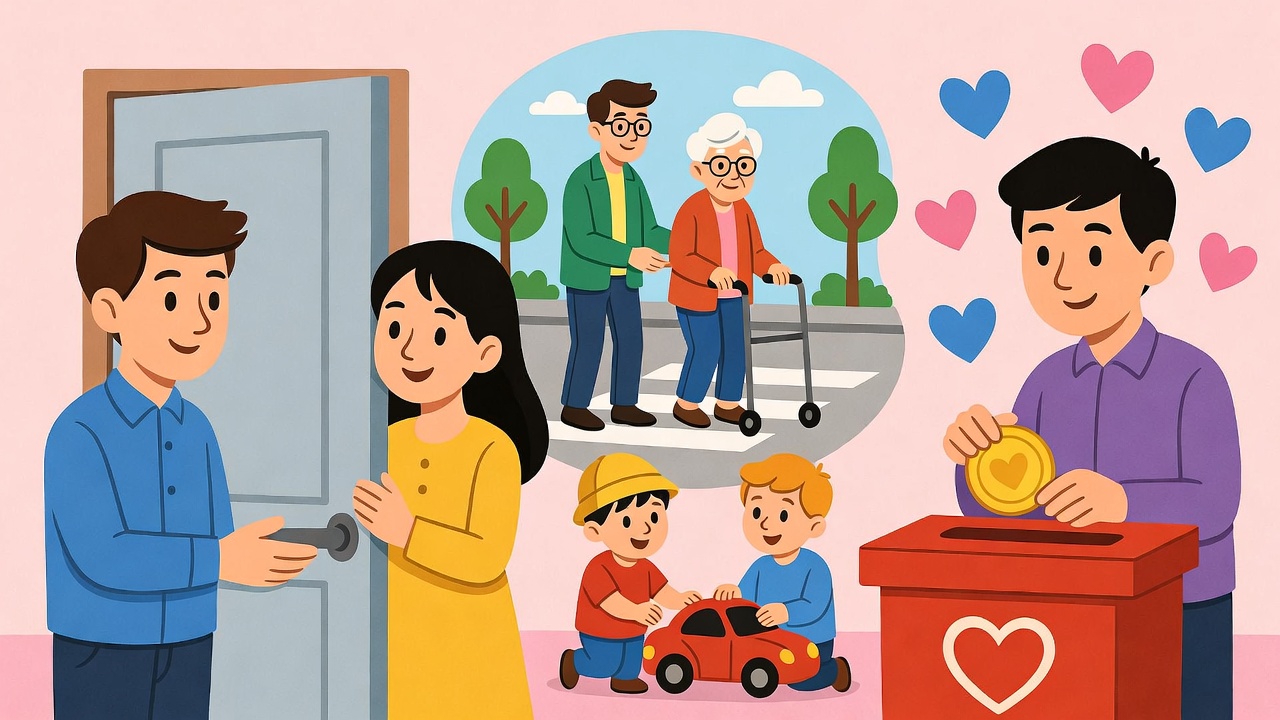
Have you ever experienced the warm glow that spreads through your chest after helping a stranger? That indescribable feeling of connection when someone unexpectedly brightens your day? This is the magic that Random Acts of Kindness Day celebrates every single year.
As a folklore researcher who has traveled to over 60 countries documenting festivals and cultural celebrations, I can tell you this: kindness transcends every border, language, and tradition. It is the universal currency of humanity. And on February 17th, 2026, millions of people around the world will participate in what I consider one of the most beautiful celebrations of our shared humanity.
In this comprehensive guide, you’ll discover everything you need to know about celebrating Random Acts of Kindness Day. From its fascinating history to science-backed benefits, from easy kindness ideas for beginners to workplace kindness initiatives, this guide will transform how you think about spreading joy.
What Is Random Acts of Kindness Day and When Is It Celebrated?
Random Acts of Kindness Day is an annual celebration observed on February 17th that encourages people worldwide to perform unexpected acts of generosity, compassion, and goodwill. The day falls within Random Acts of Kindness Week, which runs from February 14th to February 20th, 2026.
The concept is beautifully simple. Perform kind acts without expecting anything in return. Make someone’s day better. Create a ripple effect of positivity that extends far beyond the initial gesture.
| Key Information | Details |
|---|---|
| Date | February 17, 2026 (Tuesday) |
| Week | February 14-20, 2026 |
| Founded | 1995 |
| Origin | Denver, Colorado, USA |
| Founder | Random Acts of Kindness Foundation |
| Alternative Date (New Zealand) | September 1 |
The holiday reminds us that even the smallest gesture can have a profound impact on another person’s life. A smile. A compliment. Holding the door. These tiny moments of connection weave the fabric of our communities together.
The Fascinating History and Origin of Random Acts of Kindness Movement
The story begins in 1982 when writer Anne Herbert scribbled a now-famous phrase on a placemat at a restaurant in Sausalito, California. The words read:
“Practice random kindness and senseless acts of beauty.”
This phrase was a deliberate counter-response to news reports about “random acts of violence and senseless acts of cruelty.” Herbert wanted to flip the narrative. She believed that intentional kindness could spread just as virulently as negativity.
Her message resonated deeply. It spread through communities in the Berkeley, California area before catching national attention. In February 1993, Herbert published a children’s book titled “Random Kindness and Senseless Acts of Beauty” with co-authors Margaret Paloma Pavel and illustrator Mayumi Oda. The book carried vibrant illustrations and powerful messages about world peace through individual action.
The Birth of an Official Celebration
In 1995, the Random Acts of Kindness Foundation was established in Denver, Colorado. This nonprofit organization created the official observance and has championed the kindness movement ever since.
The celebration gained international momentum when it spread to New Zealand in 2004, where it continues to be celebrated on September 1st. Today, the movement has reached over 105 countries worldwide, with the foundation’s workplace resources alone being downloaded over 103,826 times.
| Timeline | Milestone |
|---|---|
| 1982 | Anne Herbert coins the phrase |
| 1993 | “Random Kindness and Senseless Acts of Beauty” published |
| 1995 | Random Acts of Kindness Day founded in Denver |
| 2004 | Holiday spreads to New Zealand |
| 2009 | Caitlin Boyle starts positive sticky note movement |
| Present | Celebrated in 100+ countries |
The Surprising Science of Kindness: Why Being Kind Improves Your Health
Here’s something remarkable that my years of cultural research have confirmed: every ancient tradition recognizes kindness as medicine for the soul. Now modern science validates what our ancestors knew intuitively.
How Kindness Changes Your Brain Chemistry
According to research from the American Psychiatric Association, performing acts of kindness triggers a cascade of positive biochemical changes in your brain.
Key neurological benefits include:
- Oxytocin release – Often called the “love hormone,” oxytocin promotes bonding, reduces anxiety, and creates feelings of warmth
- Serotonin boost – The “feel-good” neurotransmitter that regulates mood, similar to effects of antidepressants
- Dopamine surge – Activates pleasure and reward centers, creating what scientists call the “helper’s high”
- Endorphin production – Your body’s natural pain relievers are released through kind actions
Dr. Bhawani Ballamudi, a child psychiatrist at SSM Health, explains: when we engage in or witness acts of kindness, our brains release oxytocin, which has been studied extensively for promoting a sense of bonding and connection.
Cardiovascular and Physical Health Benefits
The physical health impacts are equally impressive. Research published by the National Institutes of Health reveals:
| Health Benefit | Scientific Finding |
|---|---|
| Reduced mortality | Volunteers have approximately 20% lower mortality risk |
| Lower blood pressure | Oxytocin releases nitric oxide, dilating blood vessels |
| Decreased cortisol | Kindness reduces the stress hormone directly |
| Reduced inflammation | Lower C-reactive protein markers in volunteers |
| Improved heart health | Kindness is described as “cardioprotective” |
According to Harvard T.H. Chan School of Public Health, volunteering and acts of kindness can distract us from our own problems, provide perspective, and combat the known health threat of loneliness.
Mental Health Benefits of Random Acts of Kindness
A groundbreaking study from the University of Ohio found that performing acts of kindness helps reduce symptoms of depression and anxiety. Participants who engaged in regular kindness activities showed:
- Greater social connection than those using cognitive behavioral therapy techniques alone
- Improved life satisfaction
- Reduced emotional distress
- Better ability to divert attention from negative self-focus
Research from Harvard Health confirms that being kind to ourselves or anyone else—including strangers—or even actively observing kindness around us boosts happiness significantly.
The Contagion Effect: How Kindness Spreads
Perhaps the most beautiful scientific finding is that kindness is genuinely contagious. When someone receives an act of kindness, they become more likely to be generous to others. This creates an exponential ripple effect—like stones dropped in a pond.
As Tyler VanderWeele, co-director of the Initiative on Health, Spirituality, and Religion at Harvard, notes: “If you act kindly toward another, there’s also a propagation effect — that person goes on to act more kindly. There’s a profound contagiousness to kindness.”
50 Creative Random Acts of Kindness Ideas for Everyday Life
Ready to spread some joy? Here are 50 actionable kindness ideas organized by category. Remember, the best acts of kindness are those that feel authentic to you.
Simple Acts of Kindness for Strangers
- Pay for someone’s coffee in line behind you
- Leave a generous tip for your server with a kind note
- Smile and make eye contact with people you pass
- Hold the door open for the next person
- Give a genuine compliment to a stranger
- Let someone merge into traffic ahead of you
- Pay the toll for the car behind you
- Leave coins at parking meters about to expire
- Donate blood at your local blood bank
- Leave positive reviews for small businesses you love
Random Acts of Kindness Ideas for Family Members
- Cook a surprise meal for your family
- Write love letters to family members
- Take over someone’s chores without being asked
- Create a photo album of cherished memories
- Plan a surprise outing based on their interests
- Give genuine listening time without devices
- Make their bed and tidy their space
- Prepare their favorite snacks for movie night
- Record a video message sharing why you appreciate them
- Frame an old family photo they’ve never seen displayed
Acts of Kindness for Friends and Neighbors
- Mow your neighbor’s lawn or shovel their driveway
- Bring homemade soup to a sick friend
- Offer free babysitting for parents who need a break
- Check on elderly neighbors regularly
- Share your garden produce with neighbors
- Walk a neighbor’s dog when they’re busy
- Invite someone lonely to dinner
- Help a friend with their resume or job search
- Send handwritten cards for no reason
- Create a neighborhood little free library
Digital Random Acts of Kindness Online
- Leave encouraging comments on social media posts
- Share a friend’s business or creative work
- Send a thoughtful email to reconnect
- Create a playlist for someone going through tough times
- Write a LinkedIn recommendation for a colleague
- Send an e-card to brighten someone’s day
- Contribute positively to online discussions
- Report cyberbullying when you witness it
- Share uplifting content instead of negativity
- Send voice notes instead of texts sometimes
Environmental Acts of Kindness
- Pick up litter during your daily walk
- Plant a tree in your community
- Start composting and share with neighbors
- Donate to environmental causes
- Use reusable bags and encourage others
- Create a butterfly garden for pollinators
- Participate in beach cleanups
- Reduce food waste by planning meals
- Support farmers markets and local growers
- Teach children about nature conservation
How to Celebrate Random Acts of Kindness Day at Work
The workplace is where many of us spend the majority of our waking hours. Creating a culture of kindness at work isn’t just feel-good philosophy—it’s smart business. According to research cited by the Random Acts of Kindness Foundation, workplace kindness leads to:
- Increased job satisfaction
- Higher employee engagement
- Reduced turnover rates
- Improved team collaboration
- Better mental health among employees
Best Workplace Kindness Activities for Teams
Here are proven team-building kindness activities that foster connection and positivity:
| Activity | Description | Time Needed |
|---|---|---|
| Kindness Wall | Create a board where employees post appreciation notes | Ongoing |
| Secret Buddy Week | Anonymous acts of kindness between assigned partners | 1 week |
| Kindness Bingo | Complete bingo cards with kind acts listed | 1-2 weeks |
| Gratitude Jar | Collect and read anonymous appreciation notes at meetings | Ongoing |
| Thank-You Thursdays | Dedicated time for written appreciation | Weekly |
| Compliment Circle | Team stands in circle giving sincere compliments | 15-30 minutes |
| Charitable Team Building | Group volunteer activities together | Half-day to full-day |
Corporate Random Acts of Kindness Ideas
For Leadership:
- Start meetings with kindness quotes and recognition
- Create “Go Home Early” certificates for Random Acts of Kindness Week
- Hire a coffee cart or chocolate fountain for the day
- Implement an employee recognition program
- Give recognition to someone who recently disagreed with you—celebrating diversity of thought
For Colleagues:
- Learn the names of security guards, cleaning staff, and receptionists
- Bring treats to a different team as a surprise
- Mentor new employees beyond basic training
- Write recommendation letters for colleagues seeking promotions
- Cover for a coworker having a difficult day
- Put your phone away during conversations
For the Office Environment:
- Build a library of inspirational books for employees to borrow
- Place plants on colleagues’ desks
- Create a bowl of fruit or snacks in the kitchen
- Decorate the break room with positive messages
- Keep the common areas clean without being asked
How to Become a Distinguished Kindness Workplace
The Random Acts of Kindness Foundation offers a Distinguished Kindness Workplace certification program. Organizations complete a checklist of kindness initiatives and receive official recognition. This creates accountability and sustained commitment to workplace kindness culture.
Random Acts of Kindness Activities for Schools and Children
Teaching kindness to children creates lifelong habits of compassion. Schools play a crucial role in developing the next generation of empathetic citizens.
Why Teaching Kindness in Schools Matters
Dr. Ballamudi from SSM Health emphasizes the importance of teaching children to be kind while they’re young. When children volunteer or participate in kindness activities, they experience the positive emotional feedback that encourages continued kind behavior.
Benefits for children include:
- Improved self-esteem
- Better social skills
- Reduced bullying behavior
- Increased empathy
- Higher academic engagement
- Stronger emotional regulation
Classroom Random Acts of Kindness Ideas
Daily Activities:
- Kindness jar where students deposit notes about kind acts they witnessed
- Compliment chains where students add links with kind words
- Morning kindness affirmations to start each day
- Kindness journals where students reflect on giving and receiving kindness
Weekly Activities:
- Kindness awards recognizing students who demonstrated compassion
- Buddy reading programs pairing older and younger students
- Thank-you note writing to school staff, parents, or community members
- Kindness book clubs reading and discussing stories about compassion
School-Wide Initiatives:
- Random Acts of Kindness Week celebrations
- Kindness challenges between classrooms
- Community service projects where classes adopt local causes
- Kindness assemblies featuring student presentations
- “Caught Being Kind” programs with recognition certificates
Age-Appropriate Kindness Activities
| Age Group | Activity Ideas |
|---|---|
| Ages 3-5 | Sharing toys, drawing pictures for friends, helping clean up, giving hugs |
| Ages 6-8 | Writing kind notes, helping siblings, donating toys, making cards for sick classmates |
| Ages 9-11 | Volunteering at animal shelters, tutoring younger students, organizing food drives |
| Ages 12-14 | Community service projects, mentoring, creating kindness clubs, fundraising |
| Ages 15-18 | Leading volunteer initiatives, teaching kindness to younger kids, organizing campaigns |
Random Acts of Kindness Week Activities and Celebration Ideas
Random Acts of Kindness Week 2026 runs from February 14th through February 20th, providing seven full days to create positive change. Here’s how to make the most of the entire week:
Day-by-Day Kindness Challenge
| Day | Date | Theme | Suggested Focus |
|---|---|---|---|
| Saturday | Feb 14 | Love & Connection | Kindness for loved ones, Valentine’s Day overlap |
| Sunday | Feb 15 | Community Care | Neighborhood kindness, local business support |
| Monday | Feb 16 | Workplace Wellness | Office kindness, colleague appreciation |
| Tuesday | Feb 17 | RAKDAY | Maximum random acts, stranger kindness |
| Wednesday | Feb 18 | Self-Compassion | Self-care, personal kindness |
| Thursday | Feb 19 | Digital Kindness | Online positivity, social media encouragement |
| Friday | Feb 20 | Reflection & Commitment | Journaling, planning year-round kindness |
How to Plan a Random Acts of Kindness Event
Step 1: Set Clear Goals
- Determine the scope (personal, family, workplace, community)
- Decide on specific activities
- Set measurable targets if helpful (e.g., “perform 10 kind acts this week”)
Step 2: Gather Resources
- Download free materials from RandomActsofKindness.org
- Print kindness calendars, checklists, and certificates
- Prepare supplies (cards, sticky notes, treats to share)
Step 3: Recruit Participants
- Share your plans on social media
- Invite friends, family, and colleagues
- Use hashtags: #RAKDay #RandomActsofKindnessDay #RAKWeek #MakeKindnessTheNorm
Step 4: Document and Share
- Take photos (with permission) of kindness in action
- Share stories to inspire others
- Create a kindness journal of the week
Step 5: Reflect and Continue
- Discuss what you learned
- Identify which acts felt most meaningful
- Commit to continuing kindness year-round
Free Random Acts of Kindness Printables and Resources
The Random Acts of Kindness Foundation offers an extensive library of free downloadable resources:
For Individuals:
- 2026 Kindness Calendar with daily ideas
- Printable kindness cards to leave for strangers
- Kindness challenge checklists
- Reflection journals
For Workplaces:
- Distinguished Kindness Workplace checklist
- Kindness Award certificates
- Team challenge materials
- Kindness Tag game instructions
- Action planning guides
For Educators:
- Kindness in the Classroom curriculum
- Grade-specific lesson plans
- Student activity sheets
- Assembly presentation materials
- Kindness tracking posters
For Families:
- Family kindness challenge cards
- Children’s activity sheets
- Conversation starters about kindness
- Kindness scavenger hunts
Global Kindness Celebrations: How Different Cultures Honor Compassion
As a folklore expert, I find it fascinating how kindness is woven into cultural traditions worldwide. While Random Acts of Kindness Day is primarily observed in Western countries, the concept of generosity and compassion appears in virtually every culture.
Related International Observances
| Holiday | Date | Origin | Focus |
|---|---|---|---|
| World Kindness Day | November 13 | World Kindness Movement (1998) | Global kindness awareness |
| National Good Neighbor Day | September 28 | United States | Neighborhood connections |
| Pay It Forward Day | Last Thursday of April | International | Chain reactions of giving |
| International Day of Happiness | March 20 | United Nations | Well-being and joy |
| Giving Tuesday | Tuesday after Thanksgiving | United States | Charitable giving |
Cultural Kindness Traditions Around the World
Japan – Omoiyari (思いやり) The concept of anticipating others’ needs before they express them. Japanese culture values intuitive kindness that requires no request or acknowledgment.
Ubuntu – South Africa The philosophy that “I am because we are.” Ubuntu emphasizes interconnected humanity and the belief that kindness to one is kindness to all.
Seva – India Selfless service without expectation of reward. Rooted in Hindu, Sikh, and Jain traditions, seva is considered a spiritual practice of kindness.
Gemilut Chasadim – Judaism Acts of loving kindness that go beyond required charity. Unlike monetary giving, these personal acts of compassion can be performed for anyone.
Sadaqah – Islam Voluntary charity and kindness extended beyond obligatory giving. Sadaqah can be any act of righteousness, including a smile or kind word.
Tips for Making Random Acts of Kindness a Year-Round Habit
The true power of Random Acts of Kindness Day isn’t the single celebration—it’s the momentum it creates for ongoing kindness. Here’s how to integrate kindness into your daily life:
Building a Personal Kindness Practice
Start Small and Consistent
- Commit to one daily act of kindness initially
- Set a reminder on your phone
- Track your acts in a journal
- Celebrate your consistency, not perfection
Make It Specific
- Rather than vague intentions, plan concrete acts
- Identify specific people you want to help
- Schedule kindness activities like any other appointment
- Prepare “kindness kits” (snacks, cards, coins) to have ready
Connect Kindness to Existing Routines
- Compliment someone during your morning coffee
- Send an appreciation text during your commute
- Practice gratitude at dinner
- Reflect on kindness before sleep
Overcoming Barriers to Kindness
“I don’t have time” Many powerful acts take seconds: a smile, holding a door, a genuine “thank you.” Kindness doesn’t require grand gestures.
“I don’t know what to do” Start with what feels natural. Listen to someone. Offer help you’d want to receive. Follow the needs you observe.
“People might think it’s weird” Research shows people consistently underestimate how much recipients appreciate kind gestures. The giver’s perceived awkwardness rarely matches the receiver’s gratitude.
“I’m dealing with my own problems” Interestingly, helping others is one of the most effective ways to improve your own mental state. Kindness literally changes your brain chemistry.
Creating a Kindness Calendar
Map out kindness intentions throughout the year:
- January: New Year kindness resolutions
- February: Random Acts of Kindness Week focus
- March-April: Spring cleaning donations
- May: Teacher Appreciation, Mother’s Day kindness
- June: Father’s Day, summer neighbor help
- July-August: Vacation kindness, traveler courtesy
- September: Back-to-school support, World Gratitude Day
- October: Halloween kindness, community connection
- November: Thanksgiving gratitude, World Kindness Day, Giving Tuesday
- December: Holiday generosity, year-end reflection
Random Acts of Kindness Day Quotes to Inspire Your Celebration
Words have power. Use these quotes to inspire yourself and others:
“No act of kindness, no matter how small, is ever wasted.” — Aesop
“Be kind whenever possible. It is always possible.” — Dalai Lama
“Kindness is a language which the deaf can hear and the blind can see.” — Mark Twain
“A warm smile is the universal language of kindness.” — William Arthur Ward
“Unexpected kindness is the most powerful, least costly, and most underrated agent of human change.” — Bob Kerrey
“Carry out a random act of kindness, with no expectation of reward, safe in the knowledge that one day someone might do the same for you.” — Princess Diana
“Kindness in words creates confidence. Kindness in thinking creates profoundness. Kindness in giving creates love.” — Lao Tzu
Social Media Hashtags for Random Acts of Kindness Day 2026
Amplify your impact by sharing your kindness journey online. Popular hashtags include:
Primary Hashtags:
- #RandomActsofKindnessDay
- #RAKDay
- #RAKWeek
- #RandomActsofKindness
Supporting Hashtags:
- #MakeKindnessTheNorm
- #KindnessMatters
- #SpreadKindness
- #BeKind
- #KindnessIsContagious
- #PayItForward
- #ChooseKind
- #KindnessWins
- #February17
Platform-Specific Tips:
- Instagram: Share photos and stories of kindness with 5-7 relevant hashtags
- Twitter/X: Keep messages concise with 1-2 hashtags
- Facebook: Share longer stories and tag others to inspire participation
- LinkedIn: Focus on workplace kindness and professional impact
- TikTok: Create videos showing kindness in action
Frequently Asked Questions About Random Acts of Kindness Day
When is Random Acts of Kindness Day 2026?
Random Acts of Kindness Day 2026 falls on Tuesday, February 17th. It is part of Random Acts of Kindness Week, which runs from February 14-20, 2026.
Who founded Random Acts of Kindness Day?
The official holiday was established by the Random Acts of Kindness Foundation in Denver, Colorado in 1995. However, the phrase “random acts of kindness” was coined by writer Anne Herbert in 1982.
What’s the difference between Random Acts of Kindness Day and World Kindness Day?
Random Acts of Kindness Day (February 17) focuses on unexpected, spontaneous acts of generosity. World Kindness Day (November 13) is a broader celebration established by the World Kindness Movement in 1998, emphasizing kindness as a global value.
How can I participate if I’m on a tight budget?
Many meaningful acts of kindness are completely free: smiling, giving compliments, listening attentively, writing notes, offering help, sharing skills, donating time, or simply being present for someone who needs support.
Can children participate in Random Acts of Kindness Day?
Absolutely! Children benefit enormously from participating in kindness activities. It builds empathy, social skills, and emotional intelligence. Age-appropriate activities include sharing toys, drawing pictures for others, helping with chores, and writing thank-you notes.
How do I track my random acts of kindness?
The Random Acts of Kindness Foundation provides free printable calendars and journals. You can also use mobile apps, a simple notebook, or create a family kindness jar where everyone deposits notes about their daily acts.
Conclusion: Start Your Kindness Journey Today
Random Acts of Kindness Day reminds us of a profound truth: we all have the power to change someone’s day. We don’t need wealth, fame, or special abilities. We simply need the willingness to notice others and act with compassion.
The science is clear—kindness benefits the giver as much as the receiver. It reduces stress, improves heart health, boosts happiness, and creates ripples of positivity that extend far beyond what we can see.
As you approach February 17th, 2026, I encourage you to think beyond a single day. Use Random Acts of Kindness Day as a launching point for a year-round practice of compassion.
Start small. Be consistent. Notice the impact. And remember: in a world where you can be anything, choose to be kind.
Ready to get started? Here’s your challenge for today: Perform one small act of kindness before you finish reading this sentence. Send a text to someone you appreciate. Leave a positive comment. Smile at a stranger.
The ripple starts with you.
Have you celebrated Random Acts of Kindness Day before? Share your favorite kindness ideas in the comments below!