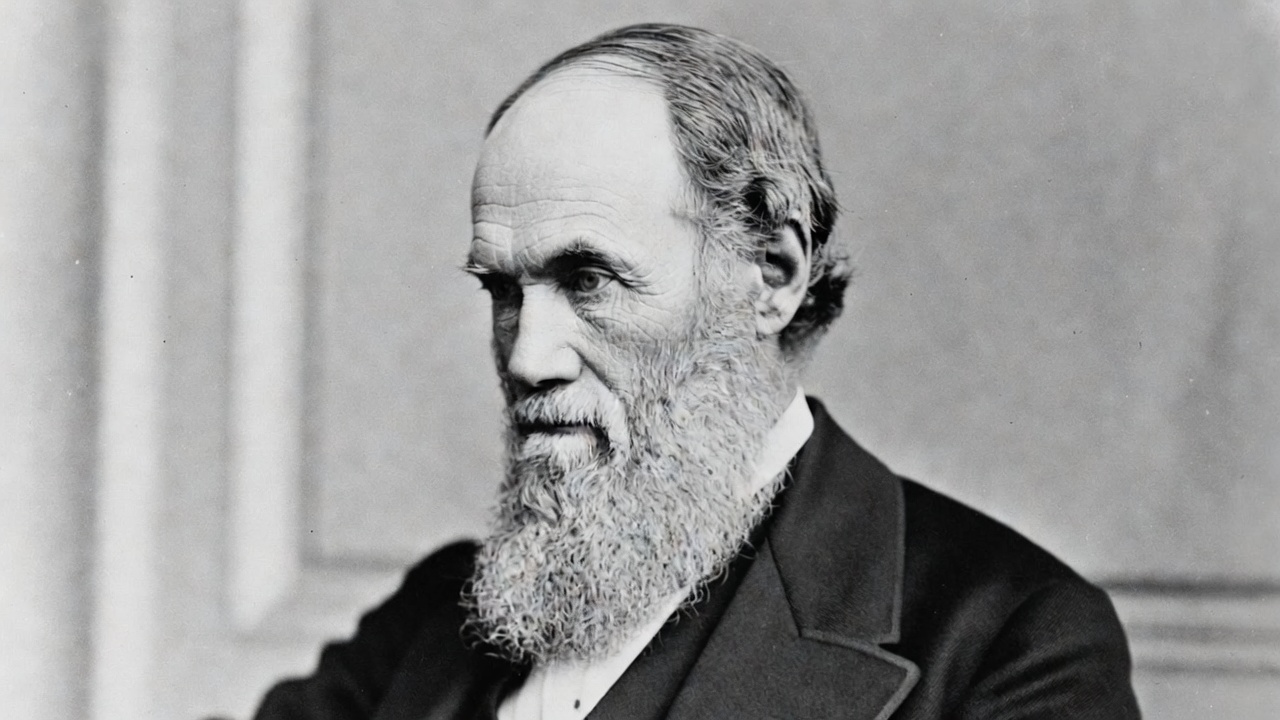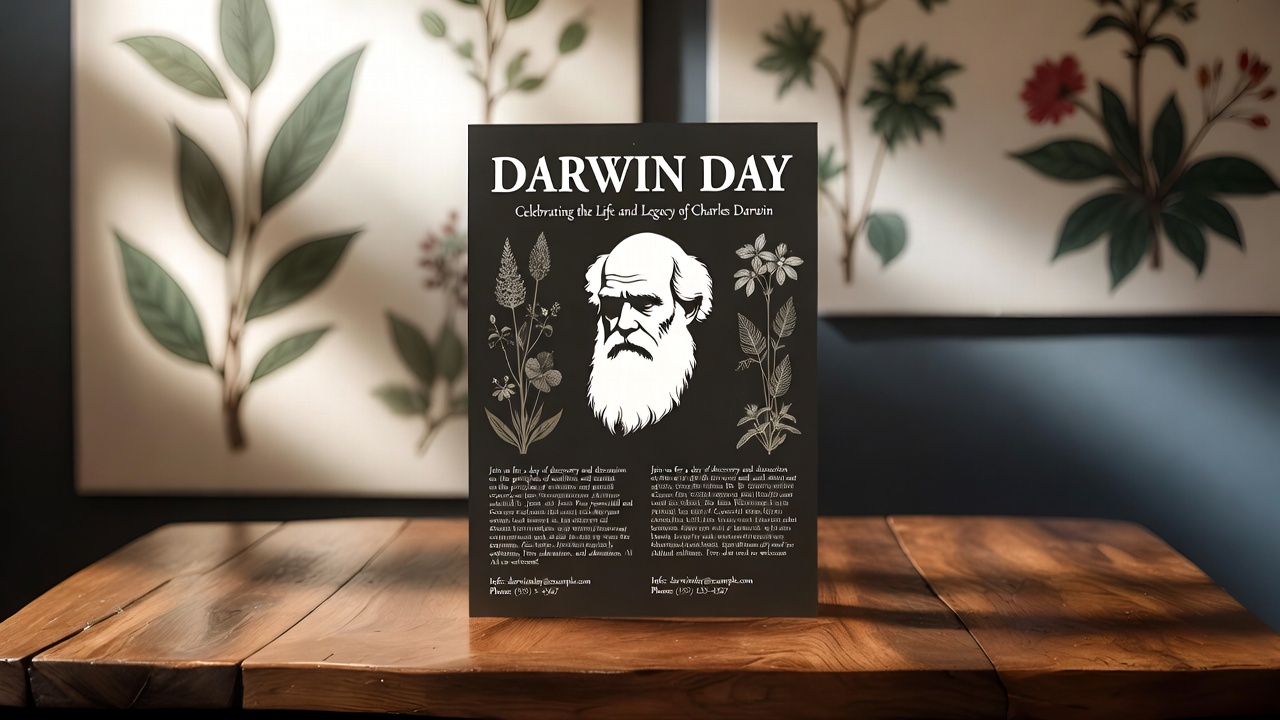
Every year on February 12, communities around the world come together to honor one of the most important figures in the history of science. Darwin Day 2026 falls on a Thursday, and it marks the 217th birthday of Charles Robert Darwin — the British naturalist who forever changed how we understand life on Earth. Whether you are a teacher, a museum director, a community organizer, or simply someone who loves science, this guide walks you through every step of planning a memorable Darwin Day celebration.
From small classroom workshops to large-scale public galas, Darwin Day events are growing each year. The National Center for Science Education (NCSE) has noted that scores of colleges, universities, schools, libraries, museums, churches, and civic groups are preparing celebrations for 2026. The 21st annual Religion and Science Weekend will run from February 13–15, 2026, with the theme “Truth Matters.” Meanwhile, the Paleontological Research Institution in Ithaca, New York, has announced that its 2026 Darwin Days program (February 10–14) will dive into mollusk evolution and education.
This is more than a birthday party. It is a global movement to promote scientific thinking, curiosity, and the spirit of inquiry that Darwin himself embodied. Let’s get started.
What Is Darwin Day and Why Does It Matter in 2026?
Darwin Day is an international celebration held on or around February 12 each year. It honors the life and scientific contributions of Charles Darwin (1809–1882), who published On the Origin of Species in 1859 and introduced the world to the theory of evolution by natural selection.
The International Darwin Day Foundation, an autonomous program of the American Humanist Association, describes the day’s vision this way: Darwin Day will “inspire people throughout the globe to reflect and act on the principles of intellectual bravery, perpetual curiosity, scientific thinking, and hunger for truth as embodied in Charles Darwin.”
A Brief History of Darwin Day Celebrations
The roots of organized Darwin Day events go back to 1995, when the Humanist Community of Palo Alto, California, hosted its first public celebration. That event featured a lecture by Dr. Donald Johanson, the discoverer of the famous early hominin fossil “Lucy.” But informal celebrations go back much further. According to Wikipedia’s Darwin Day entry, scientists and academics held “Phylum Feast” events — meals featuring foods from as many biological phyla as possible — as early as 1972 in Canada.
In 2000, three dedicated advocates — Dr. Robert Stephens, Prof. Massimo Pigliucci, and Amanda Chesworth — established the Darwin Day Program, later renamed the Darwin Day Celebration. This nonprofit helped turn scattered local events into a worldwide movement.
The political world took notice, too. In 2015, U.S. Representative Jim Himes (D-Connecticut) introduced House Resolution 67 in the U.S. House of Representatives. The resolution sought to designate February 12 as Darwin Day and recognized “Charles Darwin as a worthy symbol on which to focus and around which to build a global celebration of science and humanity.” While the resolution did not pass, it demonstrated growing support for science education at the national level.
Why 2026 Is a Special Year to Celebrate Darwin
In 2026, the celebration carries extra weight. The theme for the 21st annual Religion and Science Weekend is “Truth Matters” — a call for honest, evidence-based thinking. The NCSE is partnering with the National Association of Biology Teachers to host an evolution symposium titled “Journey into Darkness: The Allegory of the Cave” on February 12, 2026, at 7:00 p.m. Eastern.
Meanwhile, Sacramento is hosting its 29th Annual Darwin Day Celebration at the SMUD Museum of Science and Curiosity (MOSAC) on February 13, 2026, featuring Dr. Rick Grosberg speaking on the evolutionary transitions in the history of life. The Iowa City Darwin Day: Science Fest has scheduled events for April 10–11, 2026, with all events free and open to the public.
The message is clear: communities everywhere are embracing Darwin Day as a chance to promote science, education, and a shared sense of wonder about the natural world.
How to Plan a Darwin Day Celebration Step by Step
Hosting a Darwin Day event does not require a massive budget or a large team. Some of the most beloved celebrations in the country started with just a handful of enthusiasts and a simple idea. Here is a step-by-step framework to help you plan your own event.
Step 1: Define Your Goals and Audience
Before you book a venue or contact speakers, ask yourself a few questions:
- Who is your audience? Are you planning for children, college students, families, senior citizens, or the general public?
- What is your main goal? Are you focused on education, community building, fundraising, or public outreach?
- How big do you want the event? Is this an intimate reading group of 10 people, or a multi-day festival with hundreds of attendees?
Your answers will shape every decision that follows — from the type of activities you choose to the venue you select.
Step 2: Set Your Date Around February 12
Darwin’s birthday is February 12, but many organizations hold their celebrations during the surrounding days or even weeks. In 2026, February 12 falls on a Thursday, so you might consider hosting your main event on:
| Option | Date | Advantage |
|---|---|---|
| Darwin’s actual birthday | Thursday, February 12 | Historical significance; aligns with global events |
| Pre-Darwin weekend | Saturday, February 7 or Sunday, February 8 | Easier for families and working professionals |
| Post-Darwin weekend | Saturday, February 14 (Valentine’s Day!) | Combine with Valentine’s themes for a fun twist |
| Religion and Science Weekend | February 13–15 | Aligns with the global interfaith conversation |
| Extended Darwin Week | February 9–14 | Allows for multiple events and programming |
Pro tip: Some groups, like Texas A&M’s Ecology and Evolutionary Biology Program, hold their Darwin Day celebration weeks after the actual birthday. There is no wrong time — choose whatever works best for your community.
Step 3: Choose a Venue That Fits Your Vision
Your venue sets the tone. Here are popular options:
Museums and science centers are natural fits. The SMUD Museum of Science and Curiosity in Sacramento has hosted Darwin Day in its planetarium for four consecutive years. Natural history museums often have exhibits that tie directly into evolutionary themes.
Universities and colleges are another strong choice. Many biology departments already celebrate Darwin Day with poster sessions, lightning talks, and keynote lectures. The University of Alabama at Birmingham (UAB), for example, holds a poster session at 6:00 p.m. followed by a keynote lecture at 7:00 p.m. each year.
Libraries offer free, accessible spaces that are welcoming to all ages. Public libraries can also help promote the event through their existing networks.
Community centers and churches may surprise you. The Clergy Letter Project encourages congregations to participate in Religion and Science Weekend, hosting sermons and discussions about the relationship between faith and science.
Outdoor spaces such as parks, nature preserves, and botanical gardens are ideal for nature walks and hands-on ecology activities — especially fitting for a celebration of the naturalist who spent years observing the world around him.
Virtual platforms should not be overlooked. Since the pandemic, many Darwin Day events have gone online or adopted a hybrid format. The NCSE’s 2026 evolution symposium will be held entirely online, making it accessible to participants across the country.
Step 4: Build a Planning Team and Assign Roles
Even a small event benefits from a team. Consider recruiting volunteers for these roles:
- Event coordinator — oversees the entire plan and keeps everything on track
- Speaker liaison — contacts and manages presenters, scientists, and guest lecturers
- Marketing lead — handles social media, flyers, email announcements, and press releases
- Logistics manager — manages the venue, supplies, food, and audiovisual equipment
- Registration coordinator — sets up online signups and manages attendee lists
If you are organizing on a college campus, the Center for Inquiry (CFI) recommends partnering with your school’s biology club, science-related groups, freethought organizations, or local skeptic societies. Collaboration is the fastest way to build momentum.
Step 5: Set a Budget and Explore Funding Sources
Darwin Day events can run on almost any budget. Here is a rough breakdown for different scales:
| Event Size | Estimated Budget | Key Expenses |
|---|---|---|
| Small (10–30 people) | $0–$100 | Printed materials, refreshments, decorations |
| Medium (30–100 people) | $100–$1,000 | Venue rental, speaker honorarium, catering |
| Large (100–500 people) | $1,000–$10,000 | Professional AV equipment, marketing, keynote speaker travel |
| Gala or multi-day festival | $10,000+ | Full catering, entertainment, sponsorship coordination |
Funding ideas:
- Sponsorships from local businesses, science organizations, or bookstores
- Ticket sales — Sacramento’s Darwin Day gala at MOSAC charges $25 for general admission, $20 for members, and $10 for students
- Grants from science education foundations or humanist organizations
- Crowdfunding through platforms like GoFundMe or Kickstarter
- Partnership with your local university or museum, which may cover venue and AV costs
Best Darwin Day Event Ideas for Schools and Communities
The beauty of Darwin Day is its flexibility. You can tailor activities to any audience and any setting. Below are tried-and-true event ideas drawn from decades of Darwin Day celebrations worldwide.
Science Lectures and Keynote Presentations for Darwin Day
This is the most traditional format — and for good reason. A compelling speaker can transform an audience’s understanding of evolution in a single evening.
How to find a speaker:
- The Center for Inquiry Speakers Bureau maintains a list of speakers who specialize in evolution, creationism, and intelligent design.
- Contact local university biology departments. Many professors are happy to give public talks, especially around Darwin Day.
- Reach out to graduate students. They are often passionate, well-spoken, and available for smaller events.
- Check the Darwin Day events registry for ideas about topics and presenters.
Popular lecture topics in 2026:
- Mollusk evolution (the theme at PRI’s Darwin Days 2026)
- Climate change and evolutionary resilience
- Marine biology and Darwin’s relationship with the sea
- Genomic signatures of exceptional longevity in sea urchins (the UAB 2026 keynote topic)
- The evolution of human diets and food sources
- De-extinction science and conservation (such as the work of Ben Novak at Revive & Restore, a featured speaker at one 2026 celebration)
Host a Phylum Feast: The Most Unique Darwin Day Dinner Tradition
One of the most creative and memorable Darwin Day traditions is the Phylum Feast — a potluck dinner where every dish comes from a different biological phylum. The goal is to make the meal as biodiverse as possible.
According to Wikipedia, scientists and academics have been celebrating with Phylum Feasts since at least the early 1970s. The tradition draws on the fact that Darwin himself was an adventurous eater. As a student at Cambridge, he was a member of the “Glutton Club,” a dining society dedicated to trying unusual meats.
In 2009, Hamilton College’s Biology Department held a Phylum Feast for Darwin’s 200th birthday. As Hamilton’s news site reported, Professor Ernest Williams described the event as designed “to celebrate the unity of life and its diversity of forms.” The feast featured foods representing 18 major taxonomic categories, including:
| Phylum/Category | Food Served | Everyday Name |
|---|---|---|
| Chordata: Mammalia | Chicken wings | Poultry |
| Mollusca: Cephalopoda | Fried squid | Calamari |
| Echinodermata: Echinoidea | Sea urchin roe | Uni |
| Arthropoda: Crustacea | Shrimp | Shrimp cocktail |
| Chordata: Sauropsida | Alligator bites | Gator meat |
| Eucarya: Fungi | Blue cheese | Cheese |
| Anthophyta: Monocotyledonae | Corn | Corn on the cob |
| Bacteria: Bacilli | Yogurt | Plain yogurt |
| Protista: Phaeophyta | Dried seaweed | Nori snacks |
| Arthropoda: Insecta | Mealworm cookies | Cricket/mealworm baked goods |
| Mollusca: Bivalvia | Oysters | Raw or cooked oysters |
| Mollusca: Gastropoda | Snails | Escargot |
Planning tips for your Phylum Feast:
- Make it a potluck so that participants share the cooking and the cost
- Create labels for each dish that include the scientific classification and a fun fact about the organism
- Include vegetarian and vegan options — plants, fungi, seaweed, and fermented foods all count as different phyla
- Consider dietary restrictions and allergen labels for every dish
- Set up a scoring system — award a prize to whoever brings the most unusual or creative phylum dish
For more culinary inspiration, Jonathan Silvertown’s book Dinner with Darwin: Food, Drink, and Evolution explores the evolutionary history behind everything we eat, from shellfish to bread to wine.
Darwin Day Activities for Kids and Families
You do not need to be a Ph.D. to enjoy Darwin Day. Many celebrations include hands-on activities designed for children and families.
Bird beak buffet experiment. This classic activity is recommended by the CFI and countless biology teachers. Give children different tools — chopsticks, clothespins, spoons, tweezers — to represent different beak shapes. Then challenge them to “eat” various foods (beans, marbles, rubber bands) from bowls. It is a simple, visual demonstration of how natural selection works.
Storybook reading for young children. Some Darwin Day events feature readings of Grandmother Fish, a picture book that introduces evolution to children ages 2–5. The Darwin Day events registry lists several 2026 celebrations that include storytime.
STEAM lab about Darwin’s finches. After the story, kids can experiment with different “beaks” to see how shape and size affect feeding. This builds on Darwin’s famous observations of finch diversity in the Galápagos Islands.
Fossil dig simulation. Set up a sandbox with hidden “fossils” (plastic dinosaur bones, shells, or printed images). Let kids excavate them and sort them by type. This introduces concepts like the fossil record and geological time.
Evolution art contest. Challenge participants to draw or paint their vision of what an animal might look like in a million years. How might it adapt to a changing environment? This sparks creative thinking and scientific reasoning at the same time.
Nature walks and scavenger hunts. Take participants on a guided walk through a park, nature reserve, or botanical garden. Give them a checklist of organisms to find — different types of plants, insects, fungi, and birds. This mirrors the kind of careful observation that was central to Darwin’s own work.
Film Screenings and Documentary Nights for Evolution Education
A movie night is one of the easiest Darwin Day events to organize. All you need is a screen, a projector, and good popcorn. Here are some popular choices:
- “Creation” (2009) — A biographical film about Darwin’s personal struggles while writing On the Origin of Species
- “Darwin’s Darkest Hour” (2009) — A PBS/National Geographic special dramatizing the period when Darwin learned that Alfred Russel Wallace had independently developed a theory of evolution
- “Galapagos 3D” (2013) — A stunning visual tour of the islands that inspired Darwin’s most famous insights
- “Your Inner Fish” (2014) — A PBS documentary series based on Neil Shubin’s book about the evolutionary connections between humans and ancient fish
Follow the screening with a panel discussion or Q&A to deepen engagement. Invite a local biologist, paleontologist, or science teacher to lead the conversation.
Darwin Day Book Clubs and Reading Groups
For a quieter, more reflective celebration, organize a book club or reading group centered on evolution and natural history. Great books to discuss:
- On the Origin of Species by Charles Darwin (the original classic)
- The Voyage of the Beagle by Charles Darwin (his travel journal from the HMS Beagle expedition)
- Why Evolution Is True by Jerry Coyne
- The Greatest Show on Earth by Richard Dawkins
- Your Inner Fish by Neil Shubin
- Dinner with Darwin by Jonathan Silvertown (perfect for combining with a Phylum Feast!)
- Grandmother Fish by Jonathan Tweet (for families with young children)
How to Organize a Darwin Day Event at Your University or College
College campuses are among the most active settings for Darwin Day celebrations. Biology departments, ecology programs, and student organizations frequently host events ranging from casual poster sessions to weeklong festivals.
Start a Darwin Day Research Symposium on Campus
Several universities use Darwin Day as an occasion for students and faculty to present their research. This format works well because it combines celebration with academic purpose.
Salem State University in Massachusetts has held a Darwin Festival annually since 1980. In 2026, the festival runs from February 10–13, with all talks held in Vets Hall. The university has even registered “Darwin Festival” as a service mark with the U.S. Patent and Trademark Office.
The University of California, Berkeley’s Essig Museum of Entomology celebrates annually with behind-the-scenes tours of its insect collections. In 2026, the museum is featuring beetles collected by Darwin during his Voyage of the Beagle.
Steps to organize a campus symposium:
- Secure support from your biology or ecology department. Faculty sponsorship gives the event credibility and access to resources.
- Open a call for abstracts at least 6–8 weeks before the event. Invite undergraduate and graduate students to submit lightning talks (5 minutes) or poster presentations.
- Book a lecture hall or common area that can accommodate both posters and presentations.
- Invite a keynote speaker. Reach out to researchers at your own institution or neighboring universities.
- Promote the event through departmental email lists, social media, and physical flyers in science buildings.
- Provide refreshments. Even a simple cake decorated with Darwin’s portrait or a tree-of-life illustration makes the event feel festive.
Partner with Student Organizations for Greater Reach
The Secular Student Alliance actively encourages campus groups to host Darwin Day events. They suggest combining forces with biology clubs, environmental science organizations, and freethought groups.
Collaboration also extends beyond campus. Local CFI branches often hold their own Darwin Day celebrations, and they welcome student participation. Check the Center for Inquiry’s website for a branch near you.
How to Host a Virtual Darwin Day Event in 2026
Not every community has access to a university lecture hall or a science museum. Virtual events have become a powerful way to bring Darwin Day to audiences everywhere.
Why Virtual Darwin Day Events Are Growing in Popularity
The shift to online programming during the pandemic opened new possibilities. Many organizers discovered that virtual events attract larger and more diverse audiences than in-person gatherings alone. People from small towns, rural areas, and other countries can all participate.
The NCSE’s 2026 evolution symposium — “Journey into Darkness: The Allegory of the Cave” — is being held entirely online. Sacramento’s Darwin Day celebration ran as a fully virtual event for several years during the pandemic, with registration fees as low as $10 (or $5 for students).
Tools and Platforms for Hosting an Online Celebration
| Platform | Best For | Key Feature |
|---|---|---|
| Zoom | Lectures, Q&A sessions, panel discussions | Breakout rooms, screen sharing, recording |
| YouTube Live | Large public lectures, documentary screenings | No attendee limit, easy sharing |
| Google Meet | Small group discussions, book clubs | Free for groups under 100 |
| Discord | Ongoing community engagement, informal chat | Text and voice channels, persistent community |
| Eventbrite | Registration and ticketing | RSVP tracking, email reminders, payment processing |
Tips for Making Virtual Events Engaging
- Keep presentations short. Online attention spans are shorter. Aim for 20–30-minute talks followed by 10–15 minutes of Q&A.
- Use polls and chat. Encourage audience participation through live polls, chat discussions, and raised-hand features.
- Record everything. Post recordings on YouTube or your organization’s website so people who could not attend live can still benefit.
- Create a social media campaign. Use the hashtag #DarwinDay and #WhyTeachEvolution to connect your event to the global celebration. The NCSE actively promotes this hashtag each year.
- Combine virtual and in-person elements. A hybrid format allows local attendees to gather while remote participants join online.
How to Register Your Darwin Day Event and Reach a Global Audience
Once your event is planned, you want people to find it. Registering your celebration with the right organizations is the fastest way to reach science enthusiasts around the world.
Register on the Darwin Day Celebration Website
The DarwinDay.org events registry is the central hub for Darwin Day celebrations worldwide. It is administered by the NCSE and allows organizers to submit their events for free. Your listing will appear alongside celebrations from universities, museums, and civic groups across the globe.
Promote Through Science Education Networks
Contact these organizations to amplify your reach:
- National Center for Science Education (NCSE) — ncse.ngo
- American Humanist Association — americanhumanist.org
- Center for Inquiry (CFI) — centerforinquiry.org
- National Association of Biology Teachers (NABT) — a frequent NCSE partner for Darwin Day events
- Secular Student Alliance — secularstudents.org
- The Clergy Letter Project — for congregations participating in Religion and Science Weekend
Use Social Media and Hashtags Effectively
Social media is one of the most powerful tools for promoting your event. Here is a simple posting schedule:
| Timeframe | Action |
|---|---|
| 6–8 weeks before | Announce the event with date, time, and location |
| 4 weeks before | Share speaker bios and topic previews |
| 2 weeks before | Post behind-the-scenes preparation photos |
| 1 week before | Send email reminders and final social media push |
| Day of event | Live-post photos, quotes, and highlights |
| Day after event | Share a recap, thank participants, and post recordings |
Hashtags to use: #DarwinDay, #DarwinDay2026, #WhyTeachEvolution, #ScienceEducation, #EvolutionDay, #February12
Seek a Local Government Proclamation for Darwin Day
The Secular Student Alliance provides a step-by-step guide for getting your local government officials to issue a Darwin Day proclamation. A proclamation is a public announcement by an elected official that recognizes the importance of a day or event. Getting your mayor, city council, or state governor to proclaim February 12 as Darwin Day brings public attention to the celebration and reinforces the importance of science education in your community.
Religion and Science Weekend 2026: Bridging Faith and Evolution
One of the most distinctive aspects of Darwin Day is the Religion and Science Weekend (formerly known as Evolution Weekend). Now in its 21st year, this annual event brings together congregations from dozens of states and several countries.
What Is Religion and Science Weekend?
Michael Zimmerman, the founder of the Clergy Letter Project and the initiator of Religion and Science Weekend, explains the purpose clearly. He writes that the weekend “is an opportunity for serious discussion and reflection on the relationship between religion and science.” The goals are threefold:
- To elevate the quality of discussion about religion and science beyond sound bites
- To demonstrate that religious people from many faiths understand that evolution is sound science and poses no problems for their faith
- To counter the false claim that people must choose between religion and science
How to Participate in Religion and Science Weekend 2026
The 2026 Religion and Science Weekend runs from February 13–15, with the theme “Truth Matters.” Congregations participate by presenting sermons, hosting discussion groups, and organizing educational events about the compatibility of faith and science.
If you lead or belong to a faith community, consider:
- Inviting a local scientist to speak during a service or discussion group
- Organizing a joint event between your congregation and a local university or science organization
- Hosting a screening of a documentary about Darwin’s life, followed by a theological discussion
- Sharing materials from the Clergy Letter Project, which demonstrates broad religious support for science education
This is an important reminder that Darwin Day is not anti-religion. It is pro-science, pro-education, and pro-dialogue.
Creative Darwin Day Decorations and Party Themes
Even the most educational event benefits from a festive atmosphere. Here are some ideas to make your venue feel like a proper celebration.
Darwin-Themed Decorations and Visual Elements
- Tree of Life display. Create a large poster or mural of the phylogenetic tree of life. Use it as a centerpiece and invite attendees to find their favorite species.
- Darwin portrait and quotes. Print large-format images of Darwin and his most famous quotes. One of the most beloved is from the final paragraph of On the Origin of Species: the passage about the “tangled bank” full of diverse life forms, all produced by the same natural laws.
- Galápagos Islands visual display. Show maps of the Galápagos, photos of finches, tortoises, marine iguanas, and other species that shaped Darwin’s thinking.
- HMS Beagle timeline. Create a visual timeline of Darwin’s five-year voyage on the HMS Beagle (1831–1836), marking key stops and discoveries.
- Fossil and specimen stations. If you have access to fossil replicas, shells, or preserved specimens, set them up as interactive display stations.
Darwin Day Cake and Themed Refreshments
No birthday party is complete without cake. Popular choices include:
- A cake decorated with Darwin’s face, a tree of life, or the iconic finch illustrations
- “Primordial Soup” — a creative name for any hearty soup or stew served at the event
- Evolutionary trail mix — a snack mix featuring ingredients from different branches of the tree of life (nuts from plants, dried shrimp from arthropods, dried fruit from angiosperms, seaweed from algae)
- Darwin’s birthday cookies — decorated with scientific symbols, DNA helices, or finch silhouettes
Darwin-Themed Valentines: A Fun Fundraising Idea
Since Darwin’s birthday is just two days before Valentine’s Day, many groups create Darwin-themed Valentine’s cards to sell as a fundraiser. The Center for Inquiry highlights this as a creative way to raise money for your group or a favorite charity. Imagine a card that reads: “You’ve been naturally selected to be my Valentine.”
Darwin Day Event Checklist: Your Complete Planning Timeline
Here is a quick-reference timeline to keep your planning on track:
| Timeframe | Task |
|---|---|
| 3–6 months before | Define goals, audience, and event format. Form a planning team. |
| 2–3 months before | Secure a venue. Contact and confirm speakers. Set a budget. |
| 6–8 weeks before | Launch marketing: social media, email lists, flyers. Register your event on DarwinDay.org. |
| 4 weeks before | Confirm all logistics: AV equipment, catering, decorations. Open registration. |
| 2 weeks before | Send press releases to local media. Post speaker previews on social media. |
| 1 week before | Send email reminders. Finalize the day-of schedule. Confirm volunteer roles. |
| Day of event | Set up early. Welcome attendees. Live-post on social media. Enjoy the celebration! |
| 1 week after | Send thank-you notes. Share recordings and photos. Conduct a post-event review. |
Inspiring Examples of Darwin Day Events Around the World in 2026
The global scale of Darwin Day celebrations is remarkable. Here are some highlights from 2026 to inspire your own planning:
Paleontological Research Institution (Ithaca, New York) — Darwin Days 2026 runs February 10–14 and features the exhibition Marvellous Mollusks: The Secret World of Shells. The event includes panel discussions, film screenings, speakers, and workshops.
SMUD Museum of Science and Curiosity (Sacramento, California) — The 29th Annual Darwin Day Celebration takes place February 13 in the museum’s state-of-the-art planetarium. Dr. Rick Grosberg, a marine evolutionary biologist, is the featured speaker. Tickets range from $10 to $25.
NCSE Online Symposium — The National Center for Science Education hosts “Journey into Darkness: The Allegory of the Cave” on February 12 at 7:00 p.m. Eastern. This free online event is open to anyone.
Iowa City Darwin Day: Science Fest — This event features speakers on April 10–11, 2026, with all events free and open to the public.
UC Berkeley Essig Museum of Entomology — Celebrates by offering behind-the-scenes tours of insect collections, featuring beetles collected by Darwin himself during his famous voyage.
Salem State University (Massachusetts) — The long-running Darwin Festival takes place February 10–13 with in-person talks in Vets Hall.
Secular Hub (Denver, Colorado) — Celebrates 13 years of science advocacy alongside Darwin Day. Nick Schweitzer explores the history of evolution in the American legal and education systems.
UAB Department of Biology (Birmingham, Alabama) — Hosts a poster session and keynote lecture by Dr. Andrea Bodnar on the genomic signatures of exceptional longevity in sea urchins.
Frequently Asked Questions About Hosting a Darwin Day Event
Is Darwin Day an Official Holiday?
Darwin Day is not a federal holiday in the United States or in most other countries. However, it is widely recognized as an international day of celebration. Multiple resolutions have been introduced in the U.S. Congress to designate February 12 as Darwin Day, including H.Res. 67 in 2015. While none have passed into law, many local governments have issued official proclamations.
Do I Need Permission to Host a Darwin Day Event?
In most cases, no. If you are hosting an event in a private space, a classroom, or a rented venue, you simply need to follow the venue’s rules. If you are hosting in a public space like a park, you may need a permit from your local government. Check with your city or county’s event planning office.
Can Religious Communities Participate in Darwin Day?
Absolutely. The Religion and Science Weekend exists specifically to welcome faith communities into the conversation. The Clergy Letter Project has gathered signatures from thousands of clergy members who affirm that evolution is sound science and compatible with religious belief. In 2026, the theme is “Truth Matters,” and congregations from over 30 states are participating.
How Do I Find Darwin Day Events Near Me?
The best resource is the Darwin Day events registry on DarwinDay.org. You can also check the websites of local universities, museums, and science centers. The NCSE and CFI also maintain event listings.
What If I Have No Budget at All?
Many successful Darwin Day events cost nothing. Host a book club at a public library. Organize a nature walk in a local park. Screen a documentary at home or in a community room. Share science activities on social media. The most important thing is to celebrate the spirit of curiosity and inquiry that Darwin embodied — and that costs nothing.
Final Thoughts: Why Every Community Should Celebrate Darwin Day
Charles Darwin once wrote in the closing lines of On the Origin of Species about the grandeur of viewing life from a “tangled bank” — a place teeming with diverse organisms, all shaped by the same natural laws. That image remains as powerful today as it was in 1859.
Darwin Day is about more than one man’s birthday. It is about the idea that curiosity, observation, and evidence can reveal the deepest truths about the natural world. It is about building a culture that values scientific thinking and open dialogue — including dialogue between science and faith.
In 2026, the call to celebrate is louder than ever. Whether you host a phylum feast, a campus symposium, a virtual lecture, or a simple walk through the woods, you are part of a global community that believes truth matters.
Happy Darwin Day. Now go plan your event.
Have you hosted a Darwin Day event in the past? Share your experience and tips in the comments below. And don’t forget to register your 2026 event on DarwinDay.org to join the worldwide celebration.