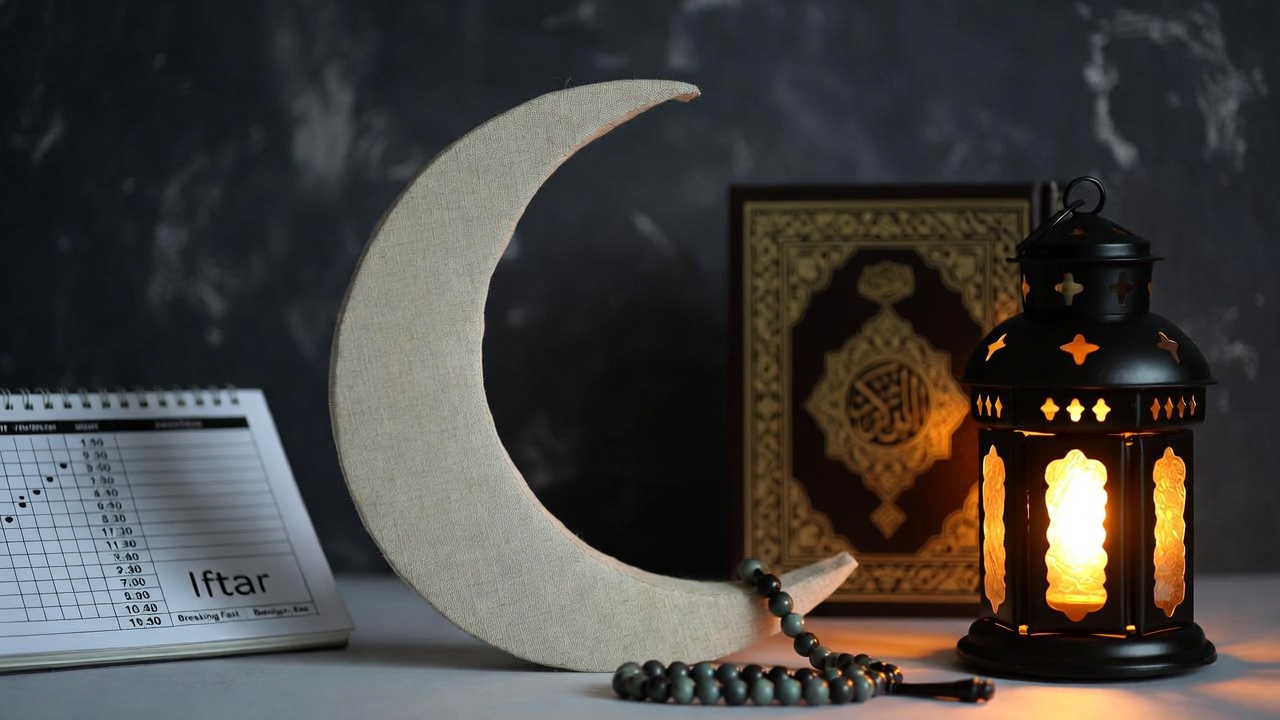
The blessed month is approaching. Across bustling Cairo neighborhoods, quiet Malaysian kampungs, and vibrant London communities, 1.8 billion Muslims are beginning their preparations for the most sacred month of the Islamic calendar. Whether you’re a lifelong observer or preparing for your first Ramadan, the weeks leading up to this holy month matter just as much as the thirty days themselves.
I’ve spent fifteen years documenting Ramadan traditions from Marrakech to Jakarta, and one thing remains constant: preparation transforms the Ramadan experience. The families who enter this month with intention, planning, and spiritual readiness consistently describe more meaningful, transformative experiences than those who begin unprepared.
This guide walks you through everything you need to know about preparing for Ramadan—spiritually, physically, and practically. We’ll explore traditional wisdom from Islamic scholars, practical tips from experienced Muslims worldwide, and cultural insights that honor the beautiful diversity of this global observance.
Understanding the Islamic Calendar: When Does Ramadan Start?
Before diving into preparation, let’s address the question on every Muslim’s mind: when exactly does Ramadan begin?
Unlike the Gregorian calendar, the Islamic (Hijri) calendar follows lunar cycles. Each month begins with the sighting of the new crescent moon, known as hilal. This means Ramadan shifts approximately 10-12 days earlier each year in the Gregorian calendar.
The Tradition of Moon Sighting in Islam
The Prophet Muhammad (peace be upon him) instructed believers: “Fast when you see it (the new moon) and break your fast when you see it.” (Sahih Bukhari)
This tradition continues today. In many Muslim-majority countries, official moon-sighting committees gather on the 29th of Sha’ban (the month preceding Ramadan) to look for the crescent moon. If sighted, Ramadan begins the next day. If not, Sha’ban completes 30 days before Ramadan starts.
Key dates to know:
| Year | Expected Ramadan Start | Expected Eid al-Fitr |
|---|---|---|
| 2024 | March 10-11 | April 9-10 |
| 2025 | February 28 – March 1 | March 29-30 |
| 2026 | February 17-18 | March 19-20 |
Note: Dates may vary by one day depending on moon sighting in your region.
Why Ramadan Dates Vary by Location
You might notice that Ramadan begins on different days in Saudi Arabia versus Indonesia, or Morocco versus the United States. This variation stems from different methodological approaches:
- Local moon sighting: Each country or region relies on its own observers
- Saudi Arabia’s sighting: Some communities follow announcements from Makkah
- Astronomical calculations: Modern technology allows precise prediction of lunar visibility
- Combination approaches: Many communities use calculations confirmed by actual sighting
There’s beauty in this diversity. It reflects the organic, natural connection between Islamic practice and the observable universe. Check with your local mosque or Islamic center for the specific start date in your community.
Spiritual Preparation for Ramadan: Purifying Your Heart and Intentions
The most crucial preparation happens within. Ramadan is, at its core, a spiritual journey. The external practices—fasting, prayer, charity—serve a deeper purpose: taqwa, or God-consciousness.
Making Sincere Niyyah (Intention) for Fasting
In Islamic practice, intention transforms ordinary actions into worship. Before Ramadan arrives, take time for deep reflection:
- Why are you fasting? Beyond cultural expectation or habit, reconnect with the spiritual purpose
- What do you hope to achieve? Set meaningful spiritual goals
- How will you maintain sincerity? Plan strategies to keep your intention pure throughout the month
The scholars remind us that Ramadan fasting without proper intention is merely hunger. With sincere niyyah, each moment of restraint becomes an act of devotion.
Seeking Forgiveness Before Ramadan Begins
Enter the blessed month with a clean slate. This means two types of reconciliation:
With Allah (SWT):
- Perform sincere tawbah (repentance) for past mistakes
- Increase istighfar (seeking forgiveness) in the weeks before Ramadan
- Complete any missed fasts from previous years if possible
With people:
- Reach out to those you may have wronged
- Release grudges and resentments you’re carrying
- Forgive those who have hurt you—this lightens your own heart
A beautiful hadith teaches: “Whoever fasts Ramadan with faith and seeking reward, his previous sins will be forgiven.” (Sahih Bukhari). Enter the month ready to receive this blessing.
Increasing Quran Recitation Before Ramadan
Ramadan and the Quran share an inseparable bond. It was during this month that the first revelation descended upon Prophet Muhammad (PBUH) in the cave of Hira.
Start building your Quran habit now:
| Weeks Before Ramadan | Daily Goal | Purpose |
|---|---|---|
| 4 weeks | 1-2 pages | Establish routine |
| 3 weeks | 3-4 pages | Build stamina |
| 2 weeks | 5-6 pages | Strengthen connection |
| 1 week | Full juz (chapter) | Prepare for Ramadan pace |
This gradual increase prevents overwhelm and helps you enter Ramadan with momentum rather than starting from zero.
Learning About the Virtues of Ramadan
Knowledge increases appreciation. Spend time before Ramadan studying:
- The revelation of Quran: Understanding why this month was chosen
- Laylatul Qadr: The Night of Power, better than a thousand months
- Stories of the Companions: How the early Muslims observed Ramadan
- Contemporary scholarship: Modern guidance for modern challenges
Resources like SeekersGuidance and Yaqeen Institute offer excellent free courses on Ramadan preparation.
Physical Preparation for Fasting: Getting Your Body Ready
The transition to fasting can challenge your body, especially if your normal eating and sleeping patterns differ significantly from Ramadan schedules. Thoughtful physical preparation makes fasting easier and more sustainable.
Gradual Adjustment to Ramadan Fasting Hours
Your body operates on circadian rhythms—internal clocks that regulate hunger, energy, and alertness. Abrupt changes can cause fatigue, headaches, and difficulty concentrating.
Two to three weeks before Ramadan:
- Reduce caffeine gradually: If you drink coffee or tea regularly, slowly decrease consumption to prevent withdrawal headaches during fasting
- Practice intermittent fasting: Begin with Monday and Thursday fasts (a Sunnah practice) to acclimate your body
- Shift meal timing: Start eating breakfast earlier and dinner later to simulate suhoor and iftar schedules
- Hydrate intentionally: Increase water intake to optimize your body’s hydration reserves
Understanding Suhoor and Iftar Nutritional Needs
Proper nutrition during non-fasting hours directly impacts your fasting experience. Understanding what your body needs helps you plan effectively.
Suhoor (Pre-Dawn Meal) Essentials:
- Complex carbohydrates: Oatmeal, whole grain bread, brown rice—these release energy slowly
- Protein: Eggs, yogurt, legumes—keeps you satisfied longer
- Healthy fats: Nuts, avocado, olive oil—sustained energy without blood sugar spikes
- Hydrating foods: Watermelon, cucumber, soups—contributes to hydration
- Fiber: Vegetables, fruits with skin—promotes digestive health
Iftar (Breaking Fast) Guidelines:
- Start simple: Dates and water, following the Prophetic tradition
- Don’t overeat: Your stomach has shrunk; overwhelming it causes discomfort
- Balance your plate: Protein, vegetables, and whole grains
- Limit fried foods: Traditional though they may be, they can cause lethargy
- Stay hydrated: Continue drinking water throughout the evening
Consulting Your Doctor Before Ramadan
Certain individuals should seek medical guidance before fasting:
- Diabetics: Blood sugar management requires careful planning
- Pregnant or nursing mothers: Nutritional needs may preclude fasting
- Those on medication: Timing and absorption of medicine may need adjustment
- People with chronic conditions: Heart disease, kidney problems, and other conditions require assessment
- The elderly: Individual capacity varies significantly
Islam provides exemptions for those whose health would be compromised by fasting. Consult both your physician and a knowledgeable Islamic scholar to understand your options, which may include fidyah (feeding the poor) instead of fasting.
Sleep Schedule Adjustment for Ramadan
Ramadan often requires significant sleep schedule changes. Between Tarawih prayers lasting late into the night and waking for suhoor before dawn, sleep deprivation can become a real challenge.
Preparation strategies:
- Begin shifting bedtime earlier: Even 15-30 minutes per night helps
- Practice power napping: Short 20-minute naps after Dhuhr prayer can help maintain energy
- Reduce screen time before bed: Blue light interferes with sleep quality
- Create a sleep-friendly environment: Dark, cool, quiet spaces promote better rest
Home Preparation for Ramadan: Creating a Sacred Space
Your physical environment influences your spiritual experience. Thoughtful home preparation creates an atmosphere conducive to worship and reflection.
Deep Cleaning Your Home Before the Holy Month
There’s wisdom in the spring cleaning traditions that often coincide with Ramadan preparation. A clean, organized home:
- Reduces distractions during worship
- Creates mental clarity and peace
- Frees up time during Ramadan for spiritual activities
- Welcomes guests for iftar gatherings
Focus areas:
- Prayer spaces: Clean prayer mats, organize Qurans and Islamic books
- Kitchen: Deep clean before increased cooking demands
- Bedrooms: Fresh linens create better sleep environments
- Common areas: Declutter to promote tranquility
Stocking Your Pantry for Ramadan Cooking
Ramadan kitchens work overtime. Stock up on essentials before the month begins:
Pantry Staples:
| Category | Items | Purpose |
|---|---|---|
| Grains | Rice, oats, pasta, bread | Energy and fiber |
| Proteins | Lentils, chickpeas, beans, canned fish | Sustained fullness |
| Dates | Medjool, Ajwa, Deglet Noor | Traditional iftar |
| Nuts | Almonds, walnuts, cashews | Healthy snacking |
| Spices | Cumin, coriander, turmeric, cinnamon | Flavor without excess salt |
| Oils | Olive oil, coconut oil | Healthy cooking fats |
Fresh items to buy weekly:
- Fruits and vegetables
- Dairy products
- Fresh meat and poultry
- Herbs for cooking
Creating a Ramadan Prayer Corner at Home
Designate a special space for worship. This doesn’t require an entire room—even a corner can become sacred with intention.
Elements to include:
- Clean prayer rug: Consider a new one for Ramadan
- Quran stand: Comfortable positioning for extended recitation
- Good lighting: Protects your eyes during night readings
- Tasbeeh (prayer beads): For dhikr and istighfar
- Islamic books: Tafsir, hadith collections, spiritual literature
- Comfortable seating: For longer periods of reflection
The physical act of creating this space signals to your mind and heart that something special is approaching.
Decorating Your Home for Ramadan
In recent years, Ramadan decorations have gained popularity, and for good reason. Visual reminders of the blessed month create atmosphere and excitement, especially for children.
Popular Ramadan decorations:
- Crescent moon and star lights: Traditional symbols of the Islamic faith
- Lanterns (fanous): Particularly popular in Egyptian tradition
- Ramadan banners: “Ramadan Mubarak” or “Ramadan Kareem”
- Countdown calendars: Build anticipation, especially for kids
- Table runners and special dishware: Elevate iftar gatherings
Remember: decorations should enhance, not distract from, the spiritual focus of the month.
Meal Planning and Food Preparation Tips for Ramadan
Cooking during Ramadan presents unique challenges. You’re preparing elaborate meals while fasting, often serving larger gatherings, and working within compressed time frames. Strategic planning prevents overwhelm.
Batch Cooking and Freezer Meals for Busy Fasting Days
The weeks before Ramadan offer an opportunity to prepare foods that freeze well:
Freezer-friendly options:
- Samosas and spring rolls: Assemble and freeze unbaked
- Soups and stews: Portion into containers for quick iftar additions
- Marinated meats: Ready to cook when needed
- Paratha and flatbreads: Stack with parchment paper between
- Stuffed grape leaves: Traditional and time-consuming—make ahead
- Cookie dough: For Eid preparations
Preparation timeline:
| Weeks Before | Tasks |
|---|---|
| 4 weeks | Plan menus, inventory pantry, make shopping lists |
| 3 weeks | Begin freezer cooking—items with longest freezer life |
| 2 weeks | Continue batch cooking, clean and organize kitchen |
| 1 week | Fresh shopping, finish preparations, finalize schedules |
Traditional Ramadan Recipes from Around the World
Ramadan cuisine varies beautifully across cultures. Here are beloved dishes from different regions:
Middle East:
- Fattoush: Refreshing salad with toasted pita
- Shawarma: Seasoned meat wrapped in flatbread
- Kunafa: Sweet cheese pastry soaked in syrup
South Asia:
- Pakora: Vegetable fritters, perfect for iftar
- Haleem: Slow-cooked meat and wheat porridge
- Kheer: Creamy rice pudding
Southeast Asia:
- Kolak: Sweet coconut milk with banana and palm sugar
- Rendang: Rich, slow-cooked beef curry
- Murtabak: Stuffed savory pancake
North Africa:
- Harira: Moroccan tomato and lentil soup—the classic iftar starter
- Chebakia: Honey-soaked sesame cookies
- Tagine: Slow-cooked savory stews
Turkey:
- Pide: Special Ramadan flatbread
- İmam bayıldı: Stuffed eggplant
- Güllaç: Rose water-flavored milk dessert
Exploring these traditions connects you to the global ummah and adds variety to your Ramadan table.
Healthy Ramadan Diet Plan to Maintain Energy
Sustaining energy throughout fasting hours requires strategic eating:
Sample healthy suhoor:
- Overnight oats with chia seeds, berries, and honey
- Scrambled eggs with vegetables
- Whole wheat toast with avocado
- Glass of milk or yogurt smoothie
- Plenty of water
Sample balanced iftar:
- 3 dates with water (Sunnah)
- Bowl of lentil soup
- Grilled chicken or fish
- Quinoa or brown rice
- Large mixed salad
- Fresh fruit for dessert
Foods to limit:
- Excessive fried items
- High-sugar desserts (save for occasional treats)
- Caffeinated beverages (especially at suhoor)
- Very salty foods (increase thirst)
- Large portions that cause discomfort
Managing Food Waste During Ramadan
Here’s an uncomfortable truth: food waste often increases during Ramadan despite the month’s emphasis on gratitude and moderation. Combat this tendency:
- Plan portions carefully: Cook based on actual needs, not abundance
- Use leftovers creatively: Yesterday’s chicken becomes today’s salad
- Share extras: Neighbors, food banks, and community fridges welcome contributions
- Compost: When waste is unavoidable, compost rather than trash
The Prophet (PBUH) said: “The son of Adam does not fill any vessel worse than his stomach.” This applies to our plates and our planning.
Work and Daily Life During Ramadan: Practical Strategies
Most Muslims don’t have the luxury of taking Ramadan off from work or school. Balancing fasting with professional and educational responsibilities requires strategy.
Adjusting Your Work Schedule for Ramadan
If possible, discuss Ramadan accommodations with your employer:
Potential arrangements:
- Flexible hours: Shift start/end times to accommodate prayer and sleep schedules
- Remote work options: Reduce commute during fasting
- Modified break schedules: Combine breaks for Dhuhr and Asr prayers
- Use of quiet spaces: For prayer and brief rest
In many countries with significant Muslim populations, workplaces naturally adjust during Ramadan. In secular or non-Muslim majority contexts, proactive communication helps employers understand your needs.
Tips for Fasting While Working Full-Time
Energy management:
- Schedule demanding tasks for morning hours when energy peaks
- Use afternoon hours for routine, less intensive work
- Take brief walking breaks to maintain alertness
- Stay hydrated during eating hours to sustain next-day energy
Professional considerations:
- Inform close colleagues about your fasting
- Decline lunch meetings gracefully—suggest morning or late afternoon
- Keep healthy snacks in your desk for iftar if you’ll be at work
- Don’t apologize for practicing your faith
Fasting Tips for Students During Exam Season
When Ramadan coincides with exam periods, students face particular challenges:
Study strategies:
- Front-load studying: Intensive revision before Ramadan begins
- Use early morning hours: After suhoor, before classes, energy and focus peak
- Take advantage of spiritual clarity: Many Muslims report improved concentration during fasting
- Study in groups: Accountability and shared motivation help
Managing fatigue:
- Short naps between classes
- Avoid all-night study sessions
- Prioritize sleep during the last ten nights only if exams are complete
Maintaining Productivity While Fasting
Let’s address the elephant in the room: yes, productivity often dips during Ramadan, especially in the first week. This is normal. Your body is adjusting. But after the initial transition, many people find fasting actually enhances focus.
Productivity tips:
- Prioritize ruthlessly: What must happen versus what would be nice
- Single-task: Divided attention is more draining while fasting
- Create templates: Reduce decision-making energy
- Batch similar tasks: Reduce context-switching
- Accept slower pace: Quality over quantity
Remember: Ramadan redefines productivity. Spiritual accomplishment matters more than professional output this month.
Community and Social Preparation for Ramadan
Ramadan is communal. While personal worship deepens faith, community connections amplify the blessings of this month.
Finding a Mosque for Tarawih Prayers
Tarawih—the special night prayers of Ramadan—are best performed in congregation. If you don’t have a regular mosque:
Finding the right community:
- Ask Muslim friends for recommendations
- Search IslamicFinder for mosques near you
- Visit multiple mosques before Ramadan to find the best fit
- Consider factors: Tarawih length, qira’at (recitation style), community atmosphere, accessibility
Tarawih variations:
- 8 rakats: Quicker, following one scholarly opinion
- 20 rakats: Longer, following another valid opinion
- Completion of Quran: Some mosques recite the entire Quran over the month
Choose what you can sustain. Consistency matters more than length.
Planning Iftar Gatherings with Family and Friends
Breaking fast together strengthens bonds. Plan your gatherings:
Hosting tips:
- Send invitations early: Calendars fill quickly during Ramadan
- Coordinate potluck style: Shares the cooking burden
- Time meals appropriately: Factor in Maghrib prayer
- Keep it simple: Elaborate spreads aren’t necessary
- Include diverse guests: Neighbors, new Muslims, those without family nearby
Guest etiquette:
- Offer to bring a dish
- Arrive slightly before Maghrib
- Don’t linger too late—hosts need rest for Tarawih
- Express genuine gratitude
Charity and Zakat Preparation Before Ramadan
Generosity during Ramadan carries multiplied reward. Prepare your giving strategy:
Zakat calculation: Calculate whether you owe zakat (obligatory charity) for the year. This equals 2.5% of qualifying wealth held for one lunar year. Many Muslims use Ramadan as their annual zakat calculation point.
Online calculators from organizations like Islamic Relief and National Zakat Foundation simplify this process.
Sadaqah opportunities: Beyond zakat, voluntary charity (sadaqah) during Ramadan includes:
- Feeding fasting people (tremendous reward in the hadith)
- Supporting orphans
- Contributing to mosque expenses
- Sponsoring Eid gifts for underprivileged children
- Local food bank donations
Plan your giving:
- Set a Ramadan charity budget
- Research organizations beforehand
- Divide contributions to maximize impact throughout the month
- Consider recurring donations to sustain causes beyond Ramadan
Involving Children in Ramadan Preparation
For families with children, Ramadan preparation offers priceless teaching opportunities.
Age-appropriate involvement:
| Age | Activities |
|---|---|
| 2-5 years | Decorating, date counting, simple stories |
| 6-9 years | Partial fasting, Quran listening, charity participation |
| 10-12 years | Full fasting (if capable), prayer participation, cooking help |
| 13+ years | Full participation in all practices |
Building excitement:
- Ramadan countdown calendars with daily surprises
- Reading children’s Ramadan books together
- Involving kids in meal preparation
- Creating Ramadan craft projects
- Starting family traditions unique to your household
Children who grow up anticipating Ramadan develop lifelong positive associations with the month.
Mental and Emotional Preparation for Ramadan
The spiritual benefits of Ramadan don’t happen automatically. Intentional mental and emotional preparation creates space for transformation.
Setting Spiritual Goals for the Month
Vague intentions produce vague results. Get specific:
Goal-setting framework:
- Ibadah (Worship) Goals:
- Complete Quran recitation (one juz per day)
- Pray all five prayers in their optimal times
- Attend Tarawih every night
- Make du’a from a list of personal supplications
- Character Goals:
- Eliminate backbiting entirely
- Practice patience with specific people or situations
- Increase expressions of gratitude
- Knowledge Goals:
- Study specific surahs with tafsir
- Complete a Ramadan course
- Memorize new Quran portions
- Relationship Goals:
- Repair a broken relationship
- Increase quality time with family
- Serve parents with extra attention
Write your goals down. Review them throughout the month. Adjust as needed.
Preparing for the Last Ten Nights of Ramadan
The final third of Ramadan holds special significance. Laylatul Qadr (the Night of Power) falls within these nights, most likely on odd nights (21st, 23rd, 25th, 27th, or 29th).
Prepare in advance:
- Request time off work if possible
- Arrange childcare or family support
- Pre-cook meals to free up time
- Prepare a list of du’as for this precious time
- Plan which mosque to attend for I’tikaf (spiritual retreat)
The Prophet (PBUH) would exert himself in worship during these nights more than any other time. Follow his example with advance planning.
Managing Ramadan Without Family or Community
New Muslims, converts, those living far from Muslim communities, and others may face Ramadan in relative isolation.
Strategies for solo observers:
- Connect virtually: Online communities, live-streamed Tarawih, video calls with distant family
- Seek local Muslims: Even small towns often have Muslim residents—ask local businesses, universities, hospitals
- Create your own rituals: Personal traditions can be deeply meaningful
- Document your experience: Journaling helps process the spiritual journey
For new Muslims especially: The first Ramadan can feel overwhelming. Start where you are. Allah rewards sincere effort, not perfection. Connect with convert support organizations and be gentle with yourself.
Dealing with Non-Muslim Family During Ramadan
When family members don’t share your faith, Ramadan can bring unique challenges:
Communication approaches:
- Explain Ramadan’s meaning and practices proactively
- Invite family to share iftar—food builds bridges
- Set boundaries kindly but firmly
- Don’t expect perfect understanding immediately
Common challenges and responses:
| Challenge | Response |
|---|---|
| “Isn’t fasting unhealthy?” | Share the scientific research on intermittent fasting benefits |
| “You’re being extreme” | Explain that 1.8 billion people observe this annually |
| “Can’t you skip just one day?” | Clarify the spiritual significance of consistency |
| “I feel like you’re excluding us” | Involve them in iftar celebrations |
Remember: Your practice may be da’wah (invitation to Islam) in itself. Let your character during Ramadan speak to its transformative power.
Technology and Tools to Enhance Your Ramadan Experience
Modern technology offers unprecedented support for Ramadan observance.
Best Ramadan Apps for Prayer Times and Quran
Essential apps:
- Muslim Pro: Prayer times, Quran, qibla direction—the all-in-one option
- Athan: Accurate prayer times with beautiful adhan options
- Quran.com app: Clean interface for reading and listening
- Tarteel AI: Uses AI to help perfect Quran recitation
- Pillars: Helps build consistent Islamic habits
Specialized tools:
- MyDuaa: Compile personal supplication lists
- Ramadan Legacy: Gamified Ramadan goal-tracking
- Charity apps: Simplify automated giving
Creating a Ramadan Schedule and Routine
Structure supports success. Create a daily Ramadan schedule:
Sample schedule:
| Time | Activity |
|---|---|
| 4:30 AM | Wake for suhoor |
| 5:00 AM | Eat suhoor, drink water |
| 5:30 AM | Fajr prayer, Quran until sunrise |
| 6:30 AM | Sleep or prepare for work |
| 12:00 PM | Dhuhr prayer |
| 3:30 PM | Asr prayer |
| 6:30 PM | Prepare iftar |
| 7:15 PM | Break fast with dates and water |
| 7:20 PM | Maghrib prayer |
| 7:40 PM | Main iftar meal |
| 8:30 PM | Isha prayer |
| 9:00 PM | Tarawih prayer |
| 11:00 PM | Return home, rest |
| 11:30 PM | Sleep |
Times vary based on location and time of year.
Digital Detox During Ramadan for Better Focus
Social media and endless scrolling directly compete with Ramadan’s spiritual goals.
Strategies for reduced screen time:
- Delete apps from your phone temporarily
- Set app timers and limits
- Designate specific check-in times only
- Replace scrolling with Quran apps
- Use airplane mode during worship times
The spiritual logic: Ramadan trains us in self-control. If we can abstain from food and drink, surely we can abstain from Instagram. The inner transformation Ramadan offers requires mental space—space that screens often occupy.
Common Mistakes to Avoid When Preparing for Ramadan
Learn from others’ experiences to maximize your own Ramadan success.
Overcommitting and Ramadan Burnout
The problem: Setting unrealistic goals, then feeling defeated when you can’t maintain them.
The solution: Start with sustainable commitments. It’s better to complete moderate goals than to abandon ambitious ones.
Signs of Ramadan burnout:
- Dreading prayers rather than anticipating them
- Irritability beyond normal fasting effects
- Complete exhaustion without recovery
- Counting down days until Ramadan ends
If you experience these, scale back and recalibrate. Allah doesn’t burden a soul beyond its capacity.
Neglecting Physical Health During Ramadan
The problem: Poor nutrition, severe sleep deprivation, neglecting medications.
The solution: Remember that your body is an amanah (trust) from Allah. Caring for it is itself a form of worship. Don’t sacrifice your health for religious performance that isn’t required of you.
Making Ramadan Only About Food
The problem: Excessive focus on elaborate iftars at the expense of worship.
The solution: Simplify meals. The Prophet’s (PBUH) iftars were remarkably simple. Redirect energy from the kitchen to the prayer rug.
Forgetting the Purpose of Fasting in Islam
The problem: Going through motions without engaging the heart.
The solution: Regularly reconnect with why you’re fasting. Read ayat about Ramadan. Listen to lectures. Reflect genuinely.
The Quran states: “O you who believe, fasting is prescribed for you as it was prescribed for those before you, that you may attain taqwa (God-consciousness).” (2:183)
Keep taqwa as your north star.
Special Circumstances: Preparing for Ramadan in Unique Situations
Ramadan Fasting Tips for New Muslims and Converts
If this is your first Ramadan, welcome to this beautiful pillar of Islam.
Gentle reminders:
- Start where you are: Don’t compare yourself to born Muslims with decades of practice
- Ask questions: Your community wants to help you succeed
- Accept imperfection: Learning curves are real and acceptable
- Take what you can: Even partial fasting has value as you build capacity
Practical tips:
- Find a Ramadan “buddy” for support
- Join convert support groups
- Document your experience—your first Ramadan is special
- Focus on the basics before advanced practices
Ramadan Preparation for Those with Health Conditions
Islam never requires harm to health. If you have medical conditions:
- Consult your doctor: Get clear guidance on fasting safety
- Consult a scholar: Understand your religious obligations and exemptions
- Know your options: Fidyah (feeding the poor) may substitute for fasting
- Don’t feel guilty: Exemptions exist for good reason
Remember: Allah’s commands are meant as mercy. Never let misplaced guilt harm your health.
Preparing for Ramadan During Pregnancy or Nursing
Pregnant and nursing mothers have legitimate exemptions from fasting, though many choose to fast if healthy.
If fasting while pregnant/nursing:
- Obtain medical clearance first
- Monitor hydration and nutrition carefully
- Break fast immediately if feeling unwell
- Rest more than usual
If not fasting:
- Make up days after weaning, OR
- Pay fidyah for each missed day
- Participate in other Ramadan practices fully
Ramadan Preparation for Muslims Living in Non-Muslim Countries
Navigating Ramadan in secular societies presents unique challenges:
Workplace considerations:
- Communicate needs professionally
- Know your legal rights regarding religious accommodation
- Find allies among colleagues
Social challenges:
- Declining invitations gracefully
- Explaining your practice to curious coworkers
- Managing different schedules than mainstream society
Community connections:
- Seek out local Muslim communities
- Attend mosque events when possible
- Connect with Muslims online if local options are limited
The blessing: Many Muslims report that Ramadan in non-Muslim countries feels especially significant—a counter-cultural act of devotion that deepens commitment.
The First Day of Ramadan: What to Expect
After weeks of preparation, the blessed month arrives.
Suhoor Rituals for the First Day of Fasting
Wake early. Make wudu. Begin with intention.
The first suhoor matters. It sets the tone. Include:
- Nourishing food
- Plenty of water
- Sincere niyyah for fasting
- Supplication for a blessed month
The Prophet (PBUH) encouraged suhoor: “Take suhoor, for there is blessing in it.” (Sahih Bukhari)
What Happens During the First Fast
Physical experiences:
- Mild hunger pangs (usually diminishing after the first few days)
- Possible headache (often caffeine-related)
- Thirst, especially in the afternoon
- Reduced energy
Spiritual experiences:
- Heightened awareness of blessings normally taken for granted
- Increased empathy for the hungry
- Sense of solidarity with the global ummah
- Spiritual clarity and focus
Breaking Your First Fast with Gratitude
When the adhan for Maghrib sounds, a moment of profound gratitude arrives.
The Prophetic tradition: Break your fast with dates and water. Say the du’a: “Dhahaba al-zama’u wa abtalat al-‘urooqu wa thabata al-ajru insha’Allah” (The thirst is gone, the veins are moistened, and the reward is certain, if Allah wills.)
Then pray Maghrib before eating your full meal. Don’t rush straight to heavy food. Your stomach needs gentle reintroduction.
Conclusion: Embracing the Blessing of Ramadan Preparation
Preparation is itself an act of worship. The weeks spent readying your heart, body, home, and schedule for Ramadan demonstrate sincerity of intention. They show that this month matters to you—that you take seriously the opportunity for spiritual growth it offers.
As you finalize your preparations, remember these core principles:
- Intention precedes action: Let every preparation be infused with consciousness of Allah
- Balance is Islamic: Don’t sacrifice health for unsustainable religious performance
- Community enriches: Seek connection with fellow believers
- Progress over perfection: Your best effort, wherever you’re starting from, is accepted
- Gratitude grounds us: The ability to fast is itself a blessing
The Prophet Muhammad (PBUH) said: “When Ramadan begins, the gates of Paradise are opened, the gates of Hell are closed, and the devils are chained.” (Sahih Bukhari)
You’re preparing to enter a month where the spiritual atmosphere itself shifts in favor of good. Where mercy descends abundantly. Where sincere supplication finds divine reception.
May your Ramadan be blessed. May your fasting be accepted. May your prayers be answered. May this be the month that transforms your heart and brings you closer to Allah than you’ve ever been.
Ramadan Mubarak.
Frequently Asked Questions About Ramadan Preparation
How early should I start preparing for Ramadan? Begin spiritual preparation in Sha’ban (the month before Ramadan). Start practical preparations 3-4 weeks ahead for optimal results.
What should I do if I’ve missed fasts from previous years? Make up missed fasts before Ramadan if possible. Consult a scholar about making up fasts while also fasting Ramadan if you couldn’t complete them beforehand.
Is it permissible to start fasting before Ramadan? Yes, the Prophet (PBUH) would increase his fasting during Sha’ban. However, avoid fasting a day or two immediately before Ramadan begins unless it’s a day you would normally fast.
How do I know the exact start date of Ramadan in my location? Follow your local mosque’s announcement or consult Islamic organizations in your country. They typically announce based on moon sighting or astronomical calculations.
What if I’m traveling when Ramadan starts? Travelers have permission to break their fast, but many choose to fast when travel is not arduous. Make up any missed days later.
How should I prepare my children for their first Ramadan fast? Start with partial fasts (half-day), ensure proper nutrition, make it exciting rather than burdensome, and never force fasting before children are physically and emotionally ready.
Did you find this guide helpful? Share it with fellow Muslims preparing for Ramadan. And may Allah accept all our worship this blessed month.