Introduction: What Is Heroes’ Day in Rwanda and Why Should You Visit?
Every year on February 1st, the landlocked East African nation of Rwanda pauses to honor its most revered citizens. National Heroes’ Day (known locally as Umunsi w’Intwari) is not merely a public holiday. It is a profound expression of national identity. It is a day when Rwandans from every corner of the country gather to reflect on sacrifice, patriotism, and the values that bind them together.
At the epicenter of these celebrations stands the National Heroes Mausoleum in Kigali’s Remera sector. This sacred site serves as the final resting place for Rwanda’s most distinguished heroes. For travelers seeking authentic cultural experiences in East Africa, visiting this memorial during Heroes’ Day offers an unparalleled window into the Rwandan soul.
Having spent years researching festivals and customs across the globe, I can confidently say that Rwanda’s Heroes’ Day observance ranks among the most emotionally powerful national commemorations I have ever witnessed. The ceremonies blend solemn remembrance with celebration. They honor the past while inspiring future generations.
This comprehensive guide will take you inside the National Heroes Mausoleum and through the Heroes’ Day celebrations. You will discover who Rwanda’s heroes are, understand the cultural significance of this memorial, and learn everything you need to plan your visit to this extraordinary destination.
Understanding Rwanda National Heroes Day: History, Significance, and Annual Celebrations
The Origins of Heroes’ Day in Rwanda
Rwanda’s National Heroes’ Day was established to honor individuals who demonstrated supreme sacrifice, patriotism, and extraordinary service to the nation. The holiday recognizes heroes from different periods of Rwandan history. It acknowledges those who fought for liberation, those who resisted colonialism, and those who stood against ethnic division.
The observance takes place annually on February 1st. This date holds special significance in Rwanda’s calendar of national commemorations. It falls after the country has celebrated the new year and before the solemn period of genocide remembrance in April.
How Rwanda Celebrates Heroes’ Day Today
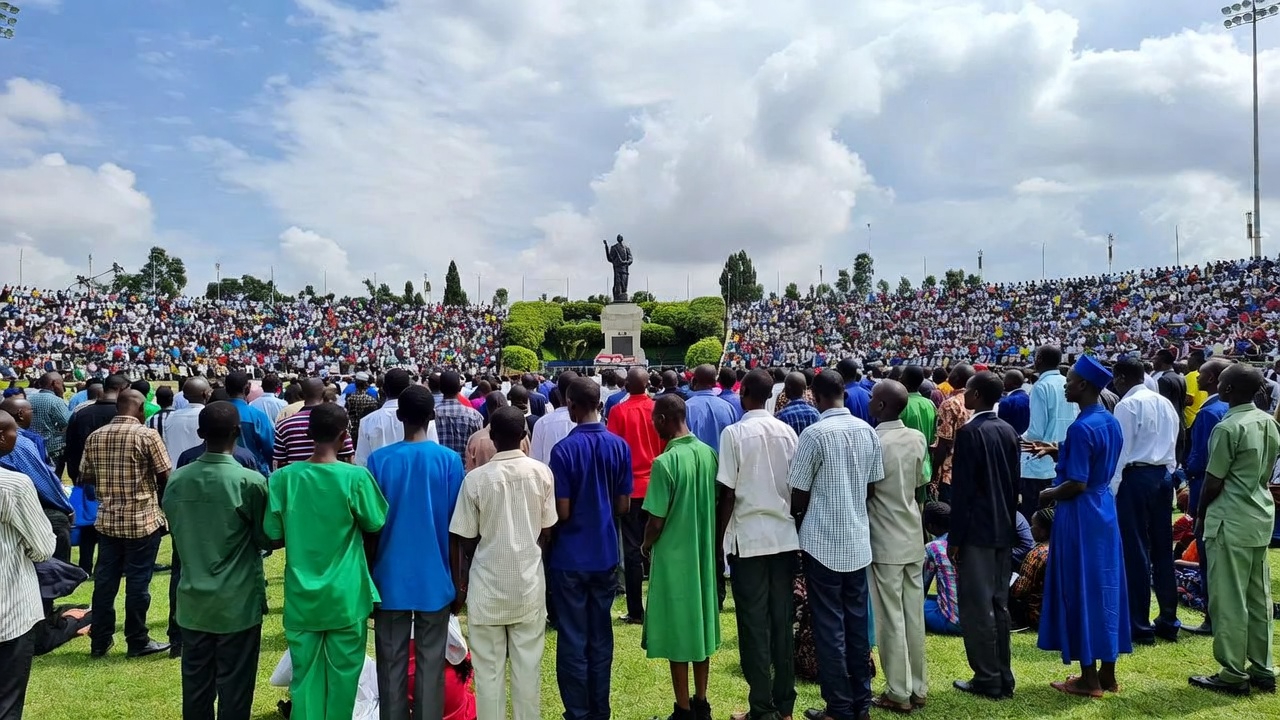
Modern Heroes’ Day celebrations in Rwanda are both centralized and grassroots. The main ceremony takes place at the National Heroes Mausoleum in Remera, Gasabo District, Kigali. According to Xinhua News, President Paul Kagame and First Lady Jeannette Kagame typically lay a wreath in commemoration of Rwandan heroes before observing a moment of silence at the mausoleum.
The celebrations extend far beyond Kigali. The celebrations are taken to the grassroots across the country, where Rwandans gather together at the village level to pay tribute to the heroes who shaped the future of Rwanda.
Heroes’ Week activities typically include:
| Activity | Description |
|---|---|
| Wreath-laying ceremonies | Official tributes at the National Heroes Mausoleum |
| Discussions on heroic values | Community conversations about patriotism and sacrifice |
| Sports competitions | Soccer, basketball, sitting volleyball, and cycling events |
| Night concerts | Musical celebrations on the eve of Heroes’ Day |
| Educational programs | School activities teaching children about national heroes |
| The Heroes Cycling Race | An annual sporting event culminating at the mausoleum |
Recent Heroes’ Day Themes and Messages
Each year, Heroes’ Day carries a specific theme that reflects Rwanda’s current priorities and aspirations. Recent themes have included:
- 2025: “Our Heroism, Our Dignity”
- 2024: “Our Heroism, Our Dignity”
- 2023: “Heroism and Unity for Rwanda’s Development”
Rwanda’s Minister of National Unity and Civic Engagement, Jean Damascene Bizimana, has urged Rwandans—particularly leaders, educators, and parents—to instill fundamental Rwandan values like patriotism, unity, and heroism in the younger generation.
The National Heroes Mausoleum Kigali: Location, Architecture, and Sacred Spaces
Where Is the National Heroes Mausoleum Located?
The National Heroes Mausoleum is situated in the Remera Sector of Gasabo District in Kigali, Rwanda’s capital city. The site is located adjacent to the Amahoro National Stadium, one of Kigali’s most recognizable landmarks.
Getting to the Mausoleum:
- From Kigali city center: Approximately 10-15 minutes by taxi or ride-hailing service
- Transportation options: Taxis, Yego Cab, Uber, or private vehicles
- Nearest landmark: Amahoro Stadium
- Public transport: Local buses operate within Kigali, though you may need to combine bus travel with a short taxi ride
Architecture and Layout of the Heroes Mausoleum
The mausoleum occupies a relatively compact but meticulously maintained space. The premises are characterized by a very green and serene environment, separated by road bricks to navigate around the tombs laid according to the three categories of Rwanda’s heroes.
The mausoleum is organized into distinct sections:
- Upper Section (Imanzi): Reserved for supreme heroes who demonstrated the ultimate sacrifice
- Middle Section (Imena): Dedicated to heroes recognized for extraordinary acts of service
- Lower Section (Ingenzi): Designated for living heroes (currently awaiting official designation)
The Symbol of Heroism:
At the center of the upper section stands a powerful sculpture. According to Patrick Byishimo, the manager of the mausoleum, this symbol of a person with stretched arms pouring ‘water of life’ into another person’s bowl while facing the opposite side signifies the supreme sacrifice that one gives, even his or her own life, for the sake of others with no basis of who they are.
The tombs themselves are crafted with dignity and reverence. Most of their graves were fashioned in dark green marble and adorned with golden inscriptions. They are embedded in elaborate landscaping, kept up meticulously by two gardeners.
Who Are Rwanda’s National Heroes? Categories and Distinguished Individuals
Rwanda’s hero classification system reflects the nation’s values of sacrifice, service, and patriotism. Understanding these categories is essential for appreciating what you will see at the mausoleum.
The Three Categories of Rwandan Heroes
| Category | Meaning | Criteria | Status |
|---|---|---|---|
| Imanzi | Supreme Heroes | Demonstrated supreme sacrifice through outstanding acts that benefited society at large; exhibited a life of exemplary importance | Awarded posthumously only |
| Imena | Distinguished Heroes | Reputed for extraordinary acts characterized by supreme sacrifice, high importance, and example | Can be awarded to living or deceased |
| Ingenzi | Exceptional Heroes | Heroes who demonstrate exceptional service to the nation | Reserved for living heroes; no one currently designated |
Major General Fred Gisa Rwigema: The Father of Liberation
Birth: April 10, 1957, Mukiranze village, Kamonyi District, Southern Province
Death: October 2, 1990, Kagitumba, Nyagatare District
Category: Imanzi (Supreme Hero)
Fred Rwigema stands as perhaps the most revered figure in modern Rwandan history. Fred Gisa Rwigema was a Rwandan military officer and revolutionary. He was the founder of the Rwandan Patriotic Front (RPF), a political and rebel group formed by Rwandan Tutsi exile descendants of those forced to leave the country after the 1959 Hutu Revolution.
Key facts about Rwigema:
- Born in southern Rwanda, his family fled to Uganda in 1960 following the Rwandan Revolution
- Grew up in Nshungerezi Refugee Camp in Ankole, Uganda
- Joined the Front for National Salvation (FRONASA), a rebel group headed by Yoweri Museveni
- Fought in the Ugandan Bush War alongside future Rwandan President Paul Kagame
- After the NRA captured state power in 1986, Rwigema became the deputy Minister of Defence in Uganda
- Earned the nickname “Mungu wa vita,” Swahili for “god of war”
The Liberation War:
On October 1, 1990, Rwigema led the RPF’s invasion of Rwanda. Tragically, Fred Gisa Rwigema died on October 2, 1990, on the second day of the Rwanda Patriotic Army liberation war. Rwigema was the first commander of the liberation front and was killed by enemy fire.
His body was later interred at the National Heroes Mausoleum. Rwigema was laid to rest on October 1, 1995, with full military honors at the Heroes’ Square in Remera.
At the mausoleum, the upper part is home to Maj Gen Fred Rwigema whose tomb is painted in white on the right.
The Unknown Soldier: Symbol of All Fallen Liberators
Category: Imanzi (Supreme Hero)
Alongside Rwigema’s tomb stands the Tomb of the Unknown Soldier. The Unknown Soldier represents all the fallen soldiers of the liberation struggle that ended in 1994 with the stopping of the Genocide against the Tutsi.
This powerful symbol honors the countless Rwandans who gave their lives during the four-year liberation war but whose individual sacrifices may never be fully documented.
King Mutara III Rudahigwa: The Reformist Monarch
Birth: March 1911, Nyanza (royal capital of Rwanda)
Death: July 25, 1959, Bujumbura, Burundi
Category: Imena (Distinguished Hero)
Mutara III Rudahigwa was King (umwami) of Rwanda between 1931 and 1959. He was the first Rwandan king to bring Catholicism to the country.
Why King Mutara III is honored:
- Abolished forced labor (akazi): Ended the practice that had exploited Rwandans for generations
- Eliminated the ubuhake system: Dismantled the feudal system of indentured servitude
- Promoted education: Established the Mutara Education Fund to provide scholarships for Rwandans
- Fought for independence: Demanded Rwanda’s independence from Belgium in 1956
- Advocated for unity: Worked to bridge ethnic divisions during colonial rule
Standing at six foot nine, Rudahigwa was an impressive figure whose reforms laid groundwork for Rwanda’s eventual independence. His sudden death in 1959 remains shrouded in mystery—rumors that he had been deliberately killed by the Belgian authorities were rife.
Agathe Uwilingiyimana: Rwanda’s First Female Prime Minister
Birth: May 23, 1953, Nyaruhengeri, Butare Province
Death: April 7, 1994, Kigali
Category: Imena (Distinguished Hero)
Agathe Uwilingiyimana was a Rwandan political figure. She served as Prime Minister of Rwanda from July 18, 1993 until her assassination on April 7, 1994, during the opening stages of the Rwandan genocide. She was Rwanda’s first and so far only female prime minister.
Her remarkable story:
- A chemistry teacher who rose through academia to national leadership
- As education minister, Uwilingiyimana scrapped the academic ethnic quota system, instead distributing public school spots and awards on the basis of open merit.
- This reform earned her fierce opposition from extremists
- She was assassinated on the first day of the genocide, along with ten Belgian peacekeepers assigned to protect her
Only Rwigema and Uwilingiyimana’s remains are interred at the mausoleum while the rest of the tombs are symbolic to pay tribute to the respective heroes.
The Nyange Secondary School Students: Young Martyrs of Unity
Date of Heroism: March 18, 1997
Category: Imena (Distinguished Heroes)
One of the most moving stories of Rwandan heroism involves students who were barely older than children. On the fateful night of the attack on the remote Nyange Secondary School, a dozen militiamen had attacked the school in the night of March 18, 1997. The militia that infiltrated the country targeted that school seeking to kill Tutsi students.
What happened:
The attackers stormed the dormitory and demanded that students separate themselves by ethnicity—Hutu on one side, Tutsi on the other. The students refused.
One brave girl, Marie Chantal Mujawamahoro, defied the militiamen, stood in front of everyone and told them: “we are all Rwandans.”
The militiaman responded with violence. The attackers killed six of them, including four girls. Those that were killed are Sylvestre Bizimana, Chantal Mujawamahoro, Beatrice Mukambaraga, Seraphine Mukarutwaza, Helene Benimana, and Valens Ndemeye.
Legacy:
The survivors, along with their deceased colleagues, would later be conferred upon the honour of National Heroes (Imena category). Their story has become a powerful symbol of Rwanda’s commitment to unity over division.
Other Distinguished Heroes (Imena Category)
| Hero | Birth-Death | Significance |
|---|---|---|
| Michel Rwagasana | 1927-1963 | Personal Secretary to King Mutara III; advocate for justice and independence |
| Félicité Niyitegeka | 1934-1994 | Catholic nun who sheltered Tutsis during the genocide; killed for refusing to abandon those she protected |
Planning Your Visit to the National Heroes Mausoleum: Practical Travel Information
Visitor Information and Opening Hours
The National Heroes Mausoleum welcomes visitors throughout the year, though the experience is particularly powerful during Heroes’ Day celebrations.
Key visitor details:
| Information | Details |
|---|---|
| Admission | Free of charge to all Rwandans and foreigners who wish to visit |
| Opening hours | Generally open during daylight hours; best to visit between 8:00 AM and 5:00 PM |
| Special closures | The mausoleum is particularly active on February 1st (Heroes’ Day) |
| Management | The Chancellery for Heroes, National Orders and Decorations of Honour (CHENO) |
Photography Rules and Etiquette
Photography of the graves is strictly forbidden. Visitors are encouraged to focus on capturing the overall atmosphere and architecture respectfully.
Photography guidelines:
- ✓ General grounds and architectural elements
- ✓ The surrounding landscape
- ✗ Close-ups of any graves
- ✗ Selfies (considered disrespectful at this solemn memorial)
While selfies are not explicitly forbidden, they might be seen as disrespectful in such a solemn memorial. It’s best to prioritize respectful observation.
What to Wear and How to Behave
The National Heroes Mausoleum is a sacred site demanding appropriate respect:
Dress code recommendations:
- Modest, conservative clothing
- Covered shoulders and knees
- Comfortable walking shoes (the grounds involve some walking)
- Avoid bright, flashy colors
Behavioral expectations:
- Maintain a quiet, respectful demeanor
- Refrain from loud conversations
- Follow any instructions from staff or security personnel
- Allow yourself time for reflection
Best Time to Visit Kigali for Heroes Day Celebrations and Memorial Tourism
Climate and Weather Considerations
Rwanda enjoys a pleasant, tropical-highland climate thanks to its high elevation. Year-round temperatures in Kigali range from daytime highs between 25°C and 27°C (77°F to 81°F), and evening lows of 14°C to 16°C (57°F to 61°F).
Seasonal overview:
| Season | Months | Characteristics | Recommendation |
|---|---|---|---|
| Long Dry Season | June-September | Warm, minimal rainfall | Excellent for all activities |
| Short Dry Season | January-February | Hot days, pleasant evenings | Ideal—coincides with Heroes’ Day |
| Short Rainy Season | October-December | Intermittent showers | Still suitable with umbrella |
| Long Rainy Season | March-May | Heavy daily rainfall | More challenging for outdoor activities |
Why February Is Ideal for Cultural Tourism in Rwanda
Visiting Kigali in early February offers multiple advantages:
- Heroes’ Day celebrations (February 1st): Experience Rwanda’s most patriotic national observance
- Dry season weather: Visitors who opt to travel between June, July, August and September are likely to experience warmer, drier weather—but the short dry season in January-February is equally pleasant
- Optimal gorilla trekking conditions: If combining your trip with visits to Volcanoes National Park
- Pre-rainy season landscapes: Enjoy green scenery without heavy rainfall
How Long Should You Spend at the Mausoleum?
Plan for 45 minutes to 1.5 hours at the National Heroes Mausoleum, depending on your level of interest:
- Quick visit: 30-45 minutes to view all sections and pay respects
- Moderate visit: 1 hour for reading inscriptions and quiet reflection
- In-depth visit: 1.5+ hours if coinciding with Heroes’ Day ceremonies
Experiencing Heroes Day Celebrations in Kigali: What to Expect
The Official Ceremony at the Mausoleum
If you visit on February 1st, you may witness the official wreath-laying ceremony. In a ceremony that takes place at the National Heroes Mausoleum located in Remera, City of Kigali, the President or Prime Minister lays a wreath on the symbol of heroes as a tribute to Rwandan Heroes who have displayed exceptional patriotism and sacrifice for the Country.
Ceremony participants typically include:
- The President and First Lady (or their representatives)
- Senior government officials
- The Dean of the Diplomatic Corps
- Families of fallen heroes
- Military personnel in ceremonial dress
The Heroes Cycling Race
A highlight of Heroes’ Week is the annual Heroes Cycling Race, which concludes at the National Heroes Mausoleum. This sporting event attracts professional cyclists and celebrates Rwanda’s growing reputation as a cycling destination.
Evening Concerts and Cultural Events
The night before Heroes’ Day features musical performances in Kigali. These concerts blend entertainment with civic education, featuring both popular artists and messages about national values.
Grassroots Village Celebrations
For a more intimate experience, consider visiting a village celebration outside Kigali. Rwandans gather together at the village level to pay tribute to the heroes who shaped the future of Rwanda.
Combining Your Heroes Mausoleum Visit with Other Kigali Attractions
The Kigali Genocide Memorial
No visit to Kigali is complete without paying respects at the Kigali Genocide Memorial in Gisozi. The Kigali Genocide Memorial commemorates the 1994 Rwandan genocide. The remains of over 250,000 people are interred there.
Key differences between the two memorials:
| Feature | National Heroes Mausoleum | Kigali Genocide Memorial |
|---|---|---|
| Focus | National heroes from all eras | Victims of the 1994 genocide |
| Size | Smaller, more intimate | Larger complex with exhibitions |
| Admission | Free | Free (audio tour: $15 USD) |
| Time needed | 45 min – 1.5 hours | 2-3 hours minimum |
| Usage | Heroes’ Day ceremonies | Genocide commemoration (April-July) |
The National Heroes Memorial plays a prominent role each year on February 1, the “National Day of Happiness and Joy.” It is not used, however, during commemorations of the 1994 genocide in the period April-July.
The Belgian Memorial at Camp Kigali
This memorial honors the ten Belgian peacekeepers who were killed on April 7, 1994, while trying to protect Prime Minister Agathe Uwilingiyimana—the same hero honored at the National Heroes Mausoleum.
Amahoro National Stadium
Located adjacent to the National Heroes Mausoleum, Amahoro Stadium holds its own historical significance. During the genocide, the stadium served as a refuge for thousands of internally displaced persons protected by UN peacekeepers.
Kimironko Market
For cultural immersion, visit Kigali’s largest market. Here you’ll find:
- Traditional Rwandan crafts
- Colorful textiles and clothing
- Fresh produce
- Authentic local atmosphere
Inema Arts Center
Founded by two self-taught brothers, this gallery showcases contemporary Rwandan art and offers studio visits with working artists.
Understanding Rwandan Culture and Customs for Respectful Tourism
The Concept of Ubutwari (Heroism)
The Kinyarwanda word “ubutwari” encompasses courage, heroism, and patriotic sacrifice. Understanding this concept is essential for appreciating Heroes’ Day celebrations.
Core values associated with ubutwari:
- Sacrifice for others: Placing community welfare above personal safety
- Unity: Rejecting ethnic or social divisions
- Integrity: Acting with honesty and honor
- Patriotism: Deep love and service to the nation
Umuganda: Community Work Days
On the last Saturday of each month, Rwanda observes Umuganda—mandatory community work. During these mornings, most businesses close and transportation services cease.
Important for travelers:
- If your visit falls on a Saturday, plan around Umuganda (typically 8:00 AM – 11:00 AM)
- The National Heroes Mausoleum and Kigali Genocide Memorial adjust their hours on these days
- On the last Saturday of each month, the Memorial is open from 1:00pm to 5:00pm due to Umuganda community work.
Greeting Customs and Social Etiquette
Rwandans are known for their warmth and hospitality. When visiting memorials and interacting with locals:
- Greetings: Take time for proper greetings; rushing is considered rude
- Handshakes: Use your right hand; supporting your right elbow with your left hand shows extra respect
- Eye contact: Maintain respectful but not prolonged eye contact
- Gratitude: Express sincere thanks for any assistance or information
Practical Travel Tips for Visiting Rwanda During Heroes Day
Getting to Rwanda
Kigali International Airport (KGL) is Rwanda’s main international gateway. The airport is located approximately 10 kilometers from the city center.
Direct and connecting flights from:
- Europe: Brussels, London, Paris, Amsterdam
- Middle East: Dubai, Doha
- Africa: Nairobi, Addis Ababa, Johannesburg, Lagos
RwandAir, the national carrier, connects Kigali to destinations across Africa, Europe, and Asia.
Visa Requirements
Rwanda offers:
- Visa-on-arrival for most nationalities
- e-Visa available through the Rwanda Directorate General of Immigration website
- East African Tourist Visa for combined travel in Rwanda, Uganda, and Kenya
Processing time: Typically same-day for visa-on-arrival; 3-5 days for e-Visa
Currency and Money Matters
| Item | Details |
|---|---|
| Currency | Rwandan Franc (RWF) |
| Exchange rate | Approximately 1 USD = 1,200-1,300 RWF (verify current rates) |
| ATMs | Widely available in Kigali; accept major international cards |
| Credit cards | Accepted at hotels and larger establishments; cash preferred at markets |
| Tipping | Not traditionally expected but appreciated for excellent service |
Health and Safety
Kigali is widely regarded as one of Africa’s safest cities, and the mausoleum is in a secure area.
Health recommendations:
- Yellow Fever vaccination certificate required
- Malaria prophylaxis recommended (though risk is lower in Kigali due to altitude)
- Travel insurance strongly advised
- Bottled water recommended
Safety tips:
- Kigali is exceptionally clean—plastic bags are banned nationwide
- Photography restrictions apply at military installations and government buildings
- Exercise normal urban precautions with valuables
Where to Stay Near the National Heroes Mausoleum
Luxury options:
- Kigali Serena Hotel
- Radisson Blu Hotel & Convention Centre
- The Retreat by Heaven
Mid-range options:
- Hotel des Mille Collines (the famous “Hotel Rwanda”)
- Lemigo Hotel
- Park Inn by Radisson
Budget options:
- Discover Rwanda Youth Hostel
- Various guesthouses in Remera neighborhood
Getting Around Kigali
| Transport | Cost | Best For |
|---|---|---|
| Moto-taxi (motorcycle) | 500-2,000 RWF per trip | Quick trips; adventurous travelers |
| Taxi | 3,000-10,000 RWF per trip | Comfort; longer distances |
| Yego Cab/Uber | Metered fares | Convenience; fair pricing |
| Walking | Free | Short distances; city exploration |
Beyond the Mausoleum: Extending Your Rwanda Heroes Day Trip
Volcanoes National Park and Gorilla Trekking
No trip to Rwanda is complete without visiting the majestic mountain gorillas. Volcanoes National Park is approximately 2.5 hours from Kigali.
Gorilla trekking essentials:
- Permits required ($1,500 USD per person)
- Book well in advance—permits sell out months ahead
- Minimum age: 15 years
- Moderate fitness required
Nyungwe Forest National Park
For chimpanzee trekking and canopy walks through ancient rainforest, head southwest to Nyungwe. This pristine forest is home to 13 primate species.
Lake Kivu
Rwanda’s western border features this stunning freshwater lake. The lakeside towns of Kibuye, Gisenyi, and Rubavu offer beaches, water activities, and spectacular sunsets.
Akagera National Park
For a traditional African safari experience, visit Akagera in eastern Rwanda. The park features:
- Big Five wildlife (lion, leopard, elephant, buffalo, rhino)
- Boat safaris on Lake Ihema
- Varied landscapes from savannah to wetlands
The Deeper Meaning: Why Heroes Day Matters for Rwanda’s Future
National Unity and Reconciliation
Rwanda’s Heroes’ Day serves a crucial purpose beyond historical remembrance. The holiday actively promotes the values needed to prevent future atrocities.
Jean Damascene Bizimana, Rwanda’s minister of National Unity and Civic Engagement, emphasized that Rwandan children should take the lead in their own development and understand that nothing holds greater worth than their country. “They must be brought up with strong values and principles.”
The “We Are All Rwandans” Philosophy
The story of the Nyange students embodies Rwanda’s post-genocide national philosophy. When asked to divide by ethnicity, they responded as one: “We are all Rwandans.”
This spirit infuses every Heroes’ Day celebration. Ethnic identity cards were abolished after 1994. Today, Rwandans identify simply as Rwandans—not Hutu, Tutsi, or Twa.
Lessons for the International Community
Rwanda’s approach to memorialization and national identity offers lessons for societies worldwide dealing with:
- Post-conflict reconciliation
- National identity formation
- Intergenerational trauma healing
- Civic education and values transmission
A Personal Reflection: What Visiting the National Heroes Mausoleum Taught Me
Standing before the tomb of Fred Rwigema, I was struck by the weight of his sacrifice. Here was a man who could have lived comfortably in Uganda, where he had achieved prominence and respect. Instead, he chose to risk everything—and ultimately give everything—for the dream of returning home.
The Nyange students’ story moved me even more deeply. In a moment of mortal danger, teenagers chose unity over survival-through-division. They refused to betray their classmates, even when doing so might have saved their own lives.
These are not merely historical figures. They are moral exemplars whose choices continue to shape Rwandan society today.
As a folklore researcher and travel writer, I have visited hundreds of memorial sites across every continent. Few have affected me as profoundly as Rwanda’s National Heroes Mausoleum. The site is modest in size but immense in meaning.
Frequently Asked Questions About Visiting the National Heroes Mausoleum
Is the National Heroes Mausoleum open to tourists?
Yes, the mausoleum is open and free of charge to all Rwandans and foreigners who wish to visit.
Can I visit during the Heroes’ Day ceremony on February 1st?
Yes, visitors are welcome, though access may be limited during official ceremonies. The atmosphere is particularly powerful on this day.
How does the Heroes Mausoleum differ from the Kigali Genocide Memorial?
The National Heroes Mausoleum honors distinguished heroes from Rwanda’s history—including liberation fighters, reformist leaders, and martyrs of national unity. The Kigali Genocide Memorial specifically commemorates victims of the 1994 genocide against the Tutsi.
Is it appropriate to bring children to the mausoleum?
Yes, many Rwandan families visit with children as part of civic education. The site is less graphic than genocide memorials and focuses on positive values of heroism and sacrifice.
How do I learn more about Rwanda’s heroes?
The Chancellery for Heroes, National Orders and Decorations of Honour (CHENO) is responsible for identifying and honoring heroes. Their website at cheno.gov.rw provides additional information.
Are there guided tours available?
Formal guided tours are not standard, but staff on-site can provide information. For a deeper experience, consider hiring a local guide familiar with Rwandan history.
Essential Rwandan Phrases for Respectful Memorial Visits
| English | Kinyarwanda | Pronunciation |
|---|---|---|
| Hello | Muraho | moo-RAH-ho |
| Thank you | Murakoze | moo-rah-KO-zay |
| Please | Mbabarira | mm-bah-bah-REE-rah |
| I’m sorry | Mbabarira | mm-bah-bah-REE-rah |
| Hero/Heroes | Intwari | in-TWAR-ee |
| Rwanda | Rwanda | roo-WAN-da |
| Peace | Amahoro | ah-mah-HO-ro |
| Unity | Ubumwe | oo-BOOM-way |
What to Pack for Your Heroes Day Rwanda Trip
Essential Items for Memorial Visits
Packing appropriately ensures both comfort and cultural respect during your Heroes’ Day visit to Kigali.
Clothing essentials:
| Item | Purpose | Notes |
|---|---|---|
| Light layers | Temperature regulation | Kigali can be warm during the day, cool in evenings |
| Modest attire | Memorial etiquette | Cover shoulders and knees at sacred sites |
| Comfortable walking shoes | Navigating memorial grounds | Closed-toe shoes recommended |
| Rain jacket or umbrella | Unpredictable showers | Even dry season can have brief rainfall |
| Neutral colors | Respectful appearance | Avoid bright, flashy clothing at memorials |
Electronics and documentation:
- Camera with good zoom (respecting photography restrictions)
- Portable phone charger
- Copies of passport and visa
- Yellow fever vaccination certificate
- Travel insurance documentation
Health and comfort items:
- Sunscreen (tropical sun is strong)
- Insect repellent
- Prescription medications with documentation
- Basic first aid kit
- Hand sanitizer and tissues
Local Cuisine to Experience During Your Kigali Visit
Traditional Rwandan Foods to Try
No cultural journey is complete without experiencing local cuisine. Rwandan food reflects the country’s agricultural heritage and communal dining traditions.
Must-try dishes:
| Dish | Description | Where to Find |
|---|---|---|
| Ugali | Stiff maize porridge; staple accompaniment | Every local restaurant |
| Brochettes | Grilled meat skewers (often goat) | Street vendors, Car Wash areas |
| Isombe | Mashed cassava leaves with eggplant | Traditional restaurants |
| Ibiharage | Cooked beans—Rwanda’s protein staple | Everywhere |
| Akabenz | Fried plantains | Markets and street food |
| Inyama | Grilled or stewed meat | Restaurants throughout Kigali |
| Sambaza | Small fried fish from Lake Kivu | Lakeside restaurants |
Beverages:
- Urwagwa: Traditional banana beer
- Ikivuguto: Fermented milk drink
- Rwandan coffee: The country produces some of Africa’s finest arabica beans
- Primus: Local lager beer
Recommended restaurants in Kigali:
- Heaven Restaurant: Upscale Rwandan-international fusion with city views
- Repub Lounge: Popular spot for brochettes and social atmosphere
- New Cactus: Long-standing favorite for local cuisine
- Brachetto: Italian cuisine with Rwandan ingredients
- Poivre Noir: Fine dining with French-African influences
Day-by-Day Heroes Day Itinerary: A Sample 5-Day Trip
Day 1: Arrival and Kigali Orientation
Morning/Afternoon:
- Arrive at Kigali International Airport
- Transfer to hotel
- Rest and acclimate to the time zone
Evening:
- Gentle exploration of your neighborhood
- Dinner at a local restaurant
- Early night to prepare for Heroes’ Day
Day 2: Heroes’ Day Celebrations (February 1st)
Early Morning (7:00 AM):
- Light breakfast
- Dress in respectful attire
Morning (8:00 – 11:00 AM):
- Travel to National Heroes Mausoleum
- Witness the official ceremony (if timing aligns)
- Pay personal respects at the tombs
- Observe Rwandans engaging in commemorations
Afternoon (12:00 – 3:00 PM):
- Lunch at a nearby restaurant
- Visit the Kigali Genocide Memorial for historical context
- Allow 2-3 hours for the full experience
Evening:
- Attend Heroes’ Day concert or cultural event (check local listings)
- Reflect on the day’s experiences
Day 3: Cultural Kigali
Morning:
- Kimironko Market exploration
- Purchase authentic Rwandan crafts
- Experience the vibrant local commerce
Afternoon:
- Inema Arts Center visit
- Meet working Rwandan artists
- Consider purchasing original artwork
Evening:
- Dinner in the Nyamirambo neighborhood
- Experience Kigali’s most diverse area
Day 4: Day Trip Option (Choose One)
Option A: Nyanza Royal Palace
- Drive to Nyanza (2 hours south)
- Visit the King’s Palace Museum
- Learn about Rwanda’s royal history
- See reconstructed traditional royal compounds
- Connection to King Mutara III Rudahigwa’s legacy
Option B: Akagera National Park
- Early morning departure for Akagera (2.5 hours east)
- Full-day safari experience
- Big Five wildlife viewing
- Return to Kigali by evening
Option C: Nyange Memorial
- Drive to Ngororero District (approximately 3 hours)
- Visit the site where the heroic students are commemorated
- See the memorial and school grounds
- Deepen understanding of the Nyange heroes’ story
Day 5: Departure
Morning:
- Final shopping for souvenirs
- Visit any missed attractions
- Airport transfer
Understanding the Rwandan Patriotic Front and Liberation History
The Context of Modern Rwandan Heroism
To fully appreciate the National Heroes Mausoleum, understanding Rwanda’s liberation history is essential.
Timeline of key events:
| Year | Event | Significance |
|---|---|---|
| 1959 | Rwandan Revolution | Hutus take power; beginning of Tutsi exile |
| 1960s | Mass exile | Hundreds of thousands flee to neighboring countries |
| 1987 | RPF formed | Rwandan Patriotic Front established in Uganda |
| October 1, 1990 | Liberation war begins | Fred Rwigema leads invasion; killed October 2 |
| 1990-1994 | Civil war | Four years of conflict between RPF and government |
| April-July 1994 | Genocide against the Tutsi | Over one million killed |
| July 4, 1994 | Liberation | RPF captures Kigali; genocide ends |
| March 18, 1997 | Nyange attack | Students refuse ethnic division |
| Present | Rebuilding | Rwanda emerges as model of reconciliation |
The RPF’s founding principles:
- Return of all Rwandan refugees
- National unity and reconciliation
- Establishment of a democratic government
- End of divisive ethnic politics
- Security for all Rwandans
These principles directly connect to the heroes honored at the mausoleum—individuals who gave their lives to make these goals reality.
Photography Tips for Respectful Memorial Tourism
Capturing Meaningful Images Without Offense
While photography of graves is prohibited at the National Heroes Mausoleum, you can still create meaningful visual documentation of your visit.
What you CAN photograph:
- The entrance and exterior of the mausoleum grounds
- The landscaping and general atmosphere
- Architectural elements and pathways
- Surrounding areas including Amahoro Stadium
- Your own group (in appropriate locations)
Best practices for memorial photography:
- Ask permission: When in doubt, ask staff or guards
- Be discreet: Use silent shutter modes if available
- Respect mourners: Never photograph individuals grieving
- No flash: Avoid flash photography entirely
- Stay in designated areas: Don’t venture beyond permitted zones
Technical considerations:
- Best light for photography: Early morning (8-10 AM) or late afternoon (4-6 PM)
- Overcast days provide even lighting without harsh shadows
- A good zoom lens allows respectful distance while capturing details
Connecting with Rwandans: Cultural Exchange Opportunities
Meeting Local People During Heroes’ Day
Heroes’ Day provides unique opportunities to connect with Rwandans and hear their personal stories.
Appropriate ways to engage:
- Join community gatherings: Village-level celebrations often welcome respectful visitors
- Attend public events: Concerts, sports activities, and civic gatherings
- Visit local businesses: Cafes and restaurants are great for conversation
- Engage with guides: Hire local guides who can share personal perspectives
Sensitive conversation topics:
Many Rwandans are open to discussing their country’s history with respectful visitors. However:
- Do express genuine interest in learning
- Do listen more than you speak
- Don’t ask intrusive questions about personal genocide experiences
- Don’t make assumptions about individuals’ ethnic backgrounds
- Do acknowledge the complexity of reconciliation
Appropriate questions:
- “How do you celebrate Heroes’ Day with your family?”
- “What does national unity mean to you personally?”
- “How has Rwanda changed in recent years?”
- “What do you want visitors to understand about your country?”
Conclusion: Why Every Traveler Should Experience Rwanda’s Heroes Day
Rwanda’s National Heroes’ Day and the National Heroes Mausoleum offer something rare in modern tourism: an authentic encounter with a nation’s soul. This is not heritage tourism packaged for foreign consumption. It is a living tradition that matters deeply to the Rwandan people.
For cultural travelers, history enthusiasts, and anyone interested in how societies heal and progress after tragedy, visiting Kigali during Heroes’ Day provides unparalleled insights. You will witness a country that has transformed itself from the site of genocide to one of Africa’s most progressive and forward-looking nations.
The heroes honored at the Remera mausoleum—from liberation warriors to reform-minded monarchs, from courageous politicians to teenage students who refused to betray their classmates—represent the values Rwanda has chosen to build upon: unity, sacrifice, integrity, and patriotism.
When you stand before their tombs, you are not merely viewing historical artifacts. You are participating in Rwanda’s ongoing journey of remembrance, reconciliation, and renewal.
Plan your visit. Pay your respects. And carry their stories forward.
Have you visited the National Heroes Mausoleum in Kigali? Share your experience in the comments below. For more in-depth travel guides to African festivals and cultural commemorations, subscribe to my newsletter.
Further Reading and Resources
- Rwanda Tourism Board Official Website
- Chancellery for Heroes, National Orders and Decorations of Honour
- Kigali Genocide Memorial
- Government of Rwanda Official Website
All information is accurate at time of publication. Travelers should verify current conditions before visiting.