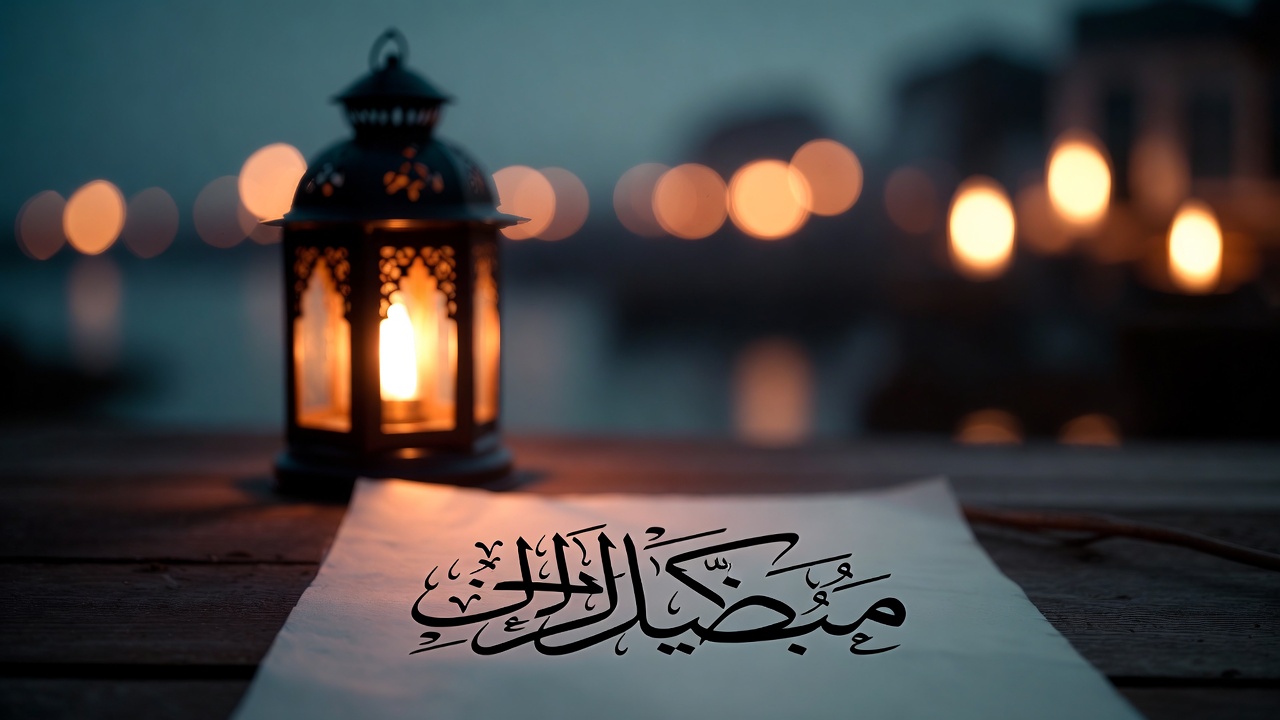
Ramadan Mubarak! The crescent moon has been sighted, and the blessed month of Ramadan 2026 is upon us. Beginning on the evening of Tuesday, February 17, 2026 in many Arab countries and Wednesday, February 18, 2026 in South Asia and other regions, this sacred month will continue through approximately March 19–20, 2026, depending on local moon sighting. For over 2 billion Muslims worldwide, Ramadan is a time of fasting, prayer, reflection, and deep spiritual renewal.
Whether you want to send a heartfelt message to a loved one, post a meaningful caption on social media, or simply reflect on the beauty of this holy month, the right words can make all the difference. This guide brings together the most inspiring Ramadan quotes, Quranic verses, Hadith sayings, and heartfelt messages you can share as Ramadan 1447 AH begins.
What Is Ramadan and Why Do Muslims Fast During the Holy Month?
Ramadan is the ninth month of the Islamic lunar calendar. It holds a special place in the hearts of Muslims because it marks the period when the Quran was first revealed to the Prophet Muhammad (peace be upon him). Fasting during Ramadan—known as sawm—is one of the Five Pillars of Islam, making it a core obligation for every able-bodied adult Muslim.
From dawn to sunset each day, those who fast abstain from food, drink, and other physical needs. But Ramadan is far more than a physical exercise. It is a month of spiritual discipline, self-reflection, and compassion. Muslims believe that fasting teaches patience, humility, and empathy for those who have less. Families gather before dawn for the pre-fast meal called suhur and come together again at sunset for iftar, the meal that breaks the fast.
The month also emphasizes charity (zakat), community prayer (Taraweeh), and reading the Quran from beginning to end. For many families from Jakarta to Jeddah, from Lagos to London, Ramadan transforms daily life into a shared journey of faith and togetherness.
When Does Ramadan 2026 Start and End? Key Dates for 1447 AH
The Islamic calendar follows the lunar cycle, which means Ramadan shifts approximately 10 to 11 days earlier each year on the Gregorian calendar. In 2026, the key dates are as follows:
| Event | Expected Date (2026) | Notes |
|---|---|---|
| First evening of Ramadan | Tuesday, February 17 (Arab countries) / Wednesday, February 18 (South Asia) | Subject to moon sighting |
| First day of fasting | Wednesday, February 18 / Thursday, February 19 | Varies by region |
| Laylat al-Qadr (Night of Power) | One of the last 10 odd nights (approx. March 15–17) | Exact night unknown; believed to be the 27th of Ramadan |
| Last day of fasting | Approx. Wednesday–Thursday, March 18–19 | 29 or 30 days depending on moon sighting |
| Eid al-Fitr | Approx. Thursday–Friday, March 19–20 | Celebration marking the end of Ramadan |
Source: Dates compiled from Islamic Relief, Muslim Aid, and AlAdhan. All dates are approximate and depend on the sighting of the crescent moon in your region.
Because Ramadan falls in February and March this year, fasting hours differ across the globe. According to Al Jazeera’s 2026 Ramadan report, Muslims in the Northern Hemisphere will experience shorter fasts of around 12 to 13 hours on the first day, since it is still winter there. Those in southern countries like Chile, New Zealand, and South Africa will fast for about 14 to 15 hours at the start of the month.
Beautiful Ramadan Mubarak Messages to Send Family and Friends
Saying “Ramadan Mubarak” (Blessed Ramadan) or “Ramadan Kareem” (Generous Ramadan) is a treasured tradition at the start of the holy month. These greetings carry warmth, love, and spiritual well-wishes. Here are some heartfelt messages you can share with your family, friends, and community:
For Family:
- “As Ramadan begins, I pray that Allah fills our home with light, peace, and endless blessings. May we grow closer as a family through fasting, prayer, and gratitude. Ramadan Mubarak to the people I love most.”
- “To my dear family — may this Ramadan bring you patience in every trial, forgiveness for every mistake, and joy in every prayer. Let us make this month count together.”
- “Wishing my parents, siblings, and loved ones a Ramadan filled with mercy and togetherness. May every iftar we share strengthen our bond.”
For Friends and Colleagues:
- “Ramadan Mubarak, my friend! May this blessed month bring you peace of mind, strength of faith, and closeness to everything that matters most.”
- “To my colleagues observing Ramadan — wishing you a month of ease, reflection, and spiritual growth. May your fasts be accepted and your prayers answered.”
- “As the holy month begins, may the spirit of Ramadan fill your life with compassion, patience, and gratitude. Ramadan Kareem!”
Short Messages for Social Media and Text:
- “May the light of Ramadan guide your path and fill your heart. Ramadan Mubarak 2026! 🌙”
- “Fasting feeds the soul. Ramadan Kareem to all! ✨”
- “Another Ramadan, another chance to become a better version of ourselves. Alhamdulillah.”
Powerful Quran Verses About Ramadan to Reflect On and Share
The Quran is the foundation of Ramadan’s spiritual significance. While it mentions Ramadan by name only once, the verses surrounding that reference form the complete framework for understanding why this month is so deeply honored. Below are the most important Quranic passages related to Ramadan, each offering a powerful reflection for the faithful.
The Verse That Names Ramadan (Surah Al-Baqarah 2:185)
“The month of Ramadan is that in which the Quran was revealed, a guidance for the people and clear proofs of guidance and the standard to distinguish between right and wrong. So whoever is present this month, let them fast.” — Quran, Surah Al-Baqarah 2:185 (Sahih International translation)
This single verse ties together three pillars of Ramadan: the revelation of the Quran, divine guidance, and the obligation to fast. It is the most-shared Quranic quote during Ramadan for good reason — it explains why this month matters more than any other.
The Purpose of Fasting (Surah Al-Baqarah 2:183)
“O you who believe, fasting has been prescribed upon you as it was prescribed upon those before you, so that you may attain taqwa (piety).” — Quran, Surah Al-Baqarah 2:183
This verse makes clear that fasting is not about hunger or thirst. The ultimate goal is taqwa — a heightened awareness of God that shapes every thought, word, and action. Scholars across centuries have explained that taqwa is the inner compass that helps believers choose right over wrong, even when no one is watching.
Laylat al-Qadr — The Night of Power (Surah Al-Qadr 97:1–5)
“Indeed, it is We who sent this Quran down on the Night of Glory. And what will make you realize what the Night of Glory is? The Night of Glory is better than a thousand months.” — Quran, Surah Al-Qadr 97:1–3
Laylat al-Qadr is believed to fall on one of the odd-numbered nights in the last ten days of Ramadan. Worship on this single night carries more reward than worship spread across a thousand months — roughly 83 years. This is why many Muslims intensify their prayers, charity, and Quran reading during the final stretch of Ramadan.
Inspiring Hadith Quotes About Ramadan and Fasting
The Hadith — the recorded sayings and actions of the Prophet Muhammad (peace be upon him) — provides rich guidance on the blessings and virtues of Ramadan. These authenticated sayings have been shared among Muslim communities for over 1,400 years and remain a source of daily inspiration during the holy month.
On the Opening of Heaven’s Gates:
“When Ramadan begins, the gates of Paradise are opened, the gates of Hell are closed, and the devils are chained.” — Sahih al-Bukhari & Sahih Muslim
This Hadith captures the atmosphere of mercy that envelops the entire month. It is one of the most beloved Ramadan quotes shared in mosques, family gatherings, and WhatsApp groups around the world.
On the Reward of Fasting with Sincerity:
“Whoever fasts Ramadan out of faith and seeking reward, his past sins will be forgiven.” — Sahih al-Bukhari & Sahih Muslim
Sincerity — or ihtisab — is the key word here. The reward is not simply for going without food. It belongs to those who fast with genuine belief and a desire to draw closer to God.
On the Special Status of the Fasting Person:
“There has come to you Ramadan, a blessed month, which Allah has enjoined you to fast. In it, the gates of the heavens are opened and the gates of Hell are closed, and every devil is chained up. In it, Allah has a night which is better than a thousand months; whoever is deprived of its goodness is indeed deprived.” — Sunan an-Nasa’i
On the Gate of Rayyan:
“There is a gate in Paradise called Ar-Rayyan, and those who fast will enter through it on the Day of Resurrection, and no one else will enter through it except them.” — Sahih al-Bukhari
This Hadith is especially meaningful for those enduring long fasting hours. It serves as a reminder that every moment of thirst and patience is seen and honored.
Best Ramadan Quotes for Social Media Captions and Instagram Posts
In the digital age, sharing Ramadan greetings has moved far beyond spoken words. Social media platforms — from Instagram and Facebook to WhatsApp and TikTok — have become vibrant spaces where Muslims share blessings, reflections, and encouragement throughout the holy month. Here are some thoughtful quotes perfect for your next post:
Reflective Captions:
- “Ramadan is not a break from life. It is a return to what truly matters.”
- “Feed your soul before you feed your body. That is the lesson of fasting.”
- “The beauty of Ramadan lies in its simplicity — less food, more prayer; less talk, more reflection; less self, more service.”
Gratitude-Focused:
- “Alhamdulillah for another Ramadan. Not everyone was given this chance.”
- “Every sunset during Ramadan carries a reminder: you made it through another day with patience and faith.”
For Iftar Gatherings:
- “The table is set, the prayers are said, and hearts are full. This is the magic of Ramadan iftar.”
- “Breaking bread together, breaking fast together — Ramadan reminds us that we are never alone.”
For the Last Ten Nights:
- “The last ten nights of Ramadan are here. Pray as if it is your last chance. Give as if you have more than enough. Seek Laylat al-Qadr with everything you have.”
Ramadan Wishes in Arabic with English Translations
Arabic is the language of the Quran, and many Muslims prefer to send greetings in Arabic, even if they are not native speakers. Here is a helpful table of common Ramadan greetings in Arabic alongside their English meanings:
| Arabic Greeting | Transliteration | English Meaning |
|---|---|---|
| رمضان مبارك | Ramadan Mubarak | Blessed Ramadan |
| رمضان كريم | Ramadan Kareem | Generous Ramadan |
| كل عام وأنتم بخير | Kull ‘am wa antum bi-khayr | May you be well every year |
| تقبل الله منا ومنكم | Taqabbal Allahu minna wa minkum | May Allah accept from us and from you |
| مبارك عليكم الشهر | Mubarak ‘alaykum ash-shahr | May the month be blessed upon you |
| اللهم بلغنا رمضان | Allahumma ballighna Ramadan | O Allah, let us reach Ramadan |
| صيامًا مقبولًا | Siyaman maqbulan | May your fast be accepted |
These greetings are used across the Arab world — from Morocco to the Gulf states — and are widely understood by Arabic-speaking communities everywhere. Sharing them shows cultural respect and spiritual solidarity.
How Different Countries Celebrate and Greet Each Other During Ramadan
Ramadan is observed by Muslims in virtually every country on Earth. While the spiritual essence remains the same, local customs, foods, and greetings differ beautifully from one culture to the next.
Indonesia — Home to over 242 million Muslims, Indonesia is the world’s most populous Muslim-majority country. On the island of Java, many believers take part in Padusan, a ritual of bathing in holy springs before fasting begins. The city of Semarang marks Ramadan’s arrival with the Dugderan carnival, featuring the warak ngendog, a horse-dragon hybrid figure paraded through the streets. Toward the end of the month, employees typically receive a special bonus called Tunjangan Hari Raya.
Turkey — Turks greet each other by saying “Hoş geldin ya şehri Ramazan” (Welcome, O month of Ramadan). The tradition of mahya — illuminated messages strung between the minarets of grand mosques — lights up the Istanbul skyline each evening. The iftar meal often features pide (a special flatbread baked only during Ramadan) and dates.
Egypt — Egyptian streets come alive with fanous (lanterns), colorful decorations, and the sound of the mesaharati, a person who walks through neighborhoods before dawn, drumming and chanting to wake people for suhur. Children carry lanterns and sing traditional Ramadan songs.
Nigeria — In the northern regions, Ramadan is widely observed with communal iftar meals and large mosque gatherings. The end of the month is celebrated with Eid al-Fitr, locally called “Small Sallah”, a joyful holiday of feasting and family visits.
India and Pakistan — The subcontinent brings its own rich traditions. Streets are adorned with lights and banners. Shayari (poetry) and heartfelt Urdu couplets about Ramadan are widely shared through messages and social media. Special foods like haleem, pakoras, and fruit chaat grace the iftar table.
United Kingdom and United States — Muslim communities in the West observe Ramadan while balancing work, school, and shorter winter daylight hours. Mosques organize open iftars that welcome non-Muslim neighbors, turning Ramadan into a bridge for interfaith understanding.
Thoughtful Ramadan Messages for Non-Muslim Friends and Coworkers
Ramadan is a wonderful time for building bridges between communities. If you are not Muslim but want to express respect and kindness to a colleague, neighbor, or friend who is fasting, here are some considerate messages:
- “Wishing you a peaceful and blessed Ramadan. I admire your dedication and commitment during this holy month.”
- “I may not fully understand every aspect of Ramadan, but I respect your faith and wish you strength and peace throughout the month.”
- “Happy Ramadan to you and your family. If there is anything I can do to be supportive during this time, please let me know.”
- “I have learned so much about the beauty of Ramadan from watching your devotion. Wishing you all the best this month.”
Tips for non-Muslim friends:
- Do not feel awkward eating in front of someone who is fasting. Most Muslims are comfortable with it and do not expect others to change their routine.
- Avoid scheduling lunch meetings with fasting colleagues when possible. Early morning or late afternoon meetings are appreciated.
- If invited to an iftar dinner, accept warmly. It is a meaningful gesture of hospitality and inclusion.
Ramadan Dua (Prayers) to Recite and Share During the Blessed Month
Dua (supplication) is the heartbeat of Ramadan. Muslims believe that prayers made during fasting hours carry special weight and are more likely to be accepted. Here are some essential duas for different moments of the Ramadan day:
Dua for Starting the Fast (Niyyah for Suhur):
Nawaitu sauma ghadin ‘an adaa’i fardu shahri Ramadana hadhihis-sanati lillahi ta’ala.
“I intend to fast tomorrow to fulfill the obligation of the month of Ramadan this year, for the sake of Allah.”
Dua for Breaking the Fast (Iftar):
Allahumma inni laka sumtu wa bika aamantu wa ‘alayka tawakkaltu wa ‘ala rizqika aftartu.
“O Allah, I fasted for You, I believe in You, I put my trust in You, and I break my fast with Your provision.”
Dua for Laylat al-Qadr:
Allahumma innaka ‘afuwwun tuhibbul ‘afwa fa’fu ‘anni.
“O Allah, You are the Most Forgiving, and You love forgiveness, so forgive me.”
This last dua was specifically taught by the Prophet Muhammad (peace be upon him) to his wife Aisha (may Allah be pleased with her) for the Night of Power. It is one of the most widely recited supplications during the last ten nights of Ramadan.
Why Sharing Ramadan Quotes and Greetings Matters More Than Ever in 2026
In a world that often feels divided, Ramadan offers a unifying message of patience, compassion, and community. The act of sharing a quote, a prayer, or a simple “Ramadan Mubarak” may seem small. But its impact is real.
A thoughtful message sent to a friend abroad can ease homesickness. A Quranic verse shared in a family group chat can spark a meaningful conversation between generations. An Instagram post about gratitude can remind a stranger going through a difficult time that they are not alone.
According to Pew Research Center data, the global Muslim community continues to grow and now represents roughly one-quarter of the world’s population. The reach and relevance of Ramadan extends across every continent, every time zone, and every walk of life.
In 2026, as Ramadan falls in the short winter days of the Northern Hemisphere, the fasting hours may be easier on the body. But the work of the spirit remains the same — to purify the heart, strengthen faith, and serve others with generosity.
Final Thoughts: Carry the Spirit of Ramadan Beyond the Month
The best Ramadan quote is not always the most eloquent one. It is the one that moves the heart. It is the verse that brings tears during a quiet night prayer. It is the simple message from a loved one that arrives just before iftar and makes the waiting feel worth it.
As you move through the days of Ramadan 2026, remember that this month is a gift — a chance to reset, to reconnect, and to return to what matters. Share these quotes, send these messages, and let the people in your life know that they are in your thoughts and prayers.
Ramadan Mubarak. May Allah accept your fasts, answer your prayers, and fill your home with peace.
Taqabbal Allahu minna wa minkum — may Allah accept from us and from you.