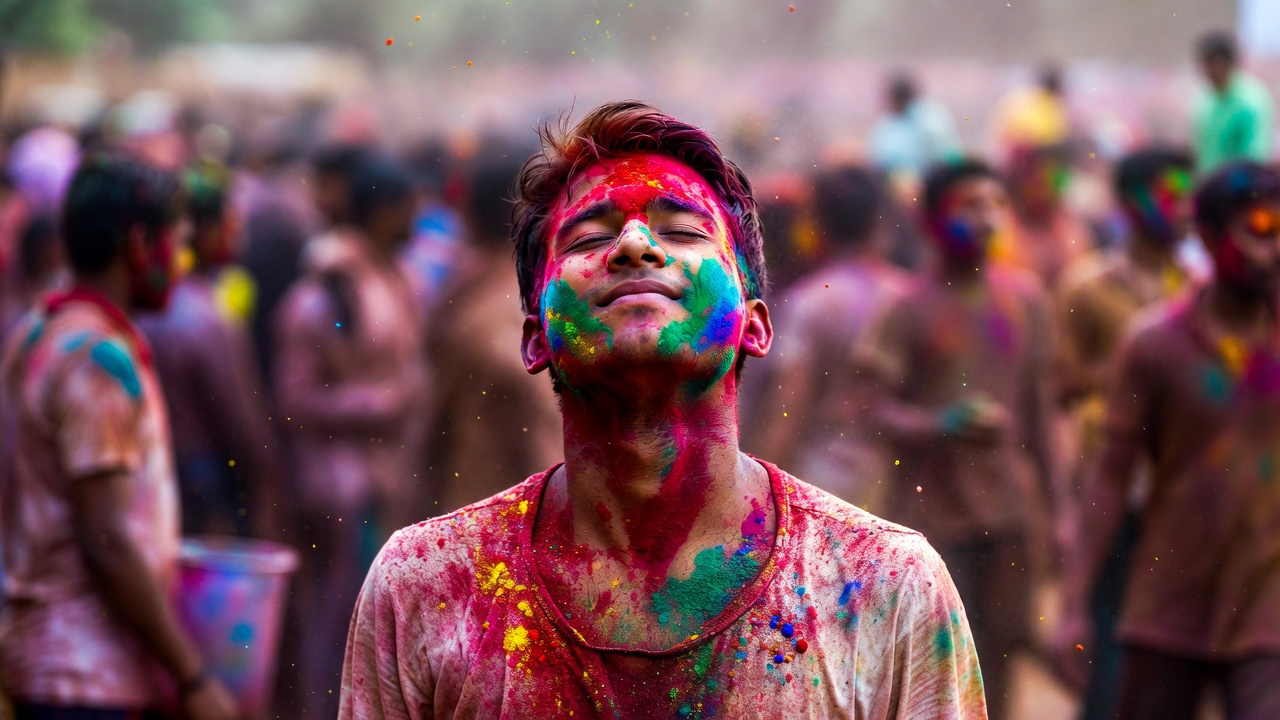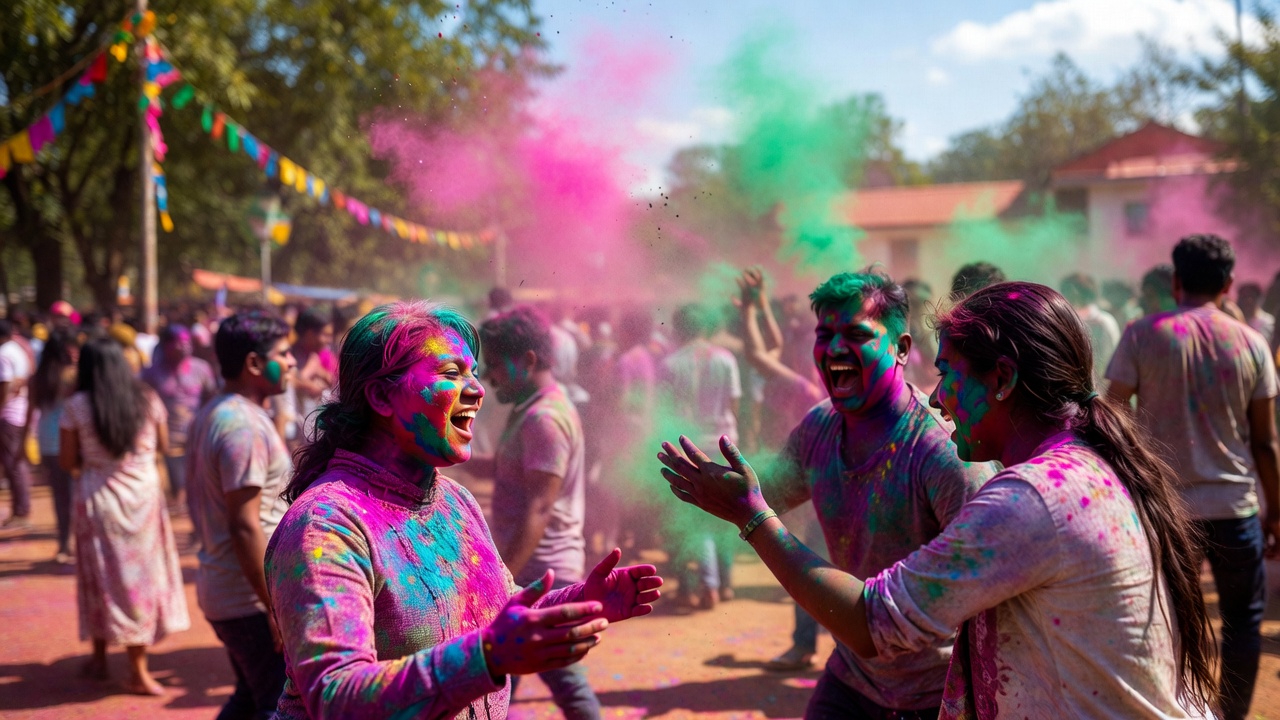
Every year, as winter melts away and spring arrives on the Indian subcontinent, a riot of colors takes over. Streets transform into living canvases. Strangers become friends under layers of vibrant gulal powder. This is Holi, the ancient Festival of Colors that has captivated hearts for thousands of years.
But Holi is far more than a colorful celebration. Behind every splash of red and every cloud of yellow powder lies a story. Ancient myths breathe life into modern festivities. Regional traditions add unique flavors to universal joy. This guide takes you deep into the fascinating facts, ancient legends, and surprising trivia that make Holi one of the world’s most remarkable festivals.
Whether you are planning to celebrate Holi for the first time or simply want to understand this beautiful tradition better, this comprehensive exploration will enrich your experience. Let us journey through the colors, the stories, and the secrets of this magnificent spring festival.
What Is Holi and Why Is the Festival of Colors Celebrated
Holi is a major Hindu festival celebrated primarily in India and Nepal. It marks the arrival of spring and the end of winter. The festival typically falls on the last full moon day of the Hindu lunar month of Phalguna. This usually occurs in late February or March.
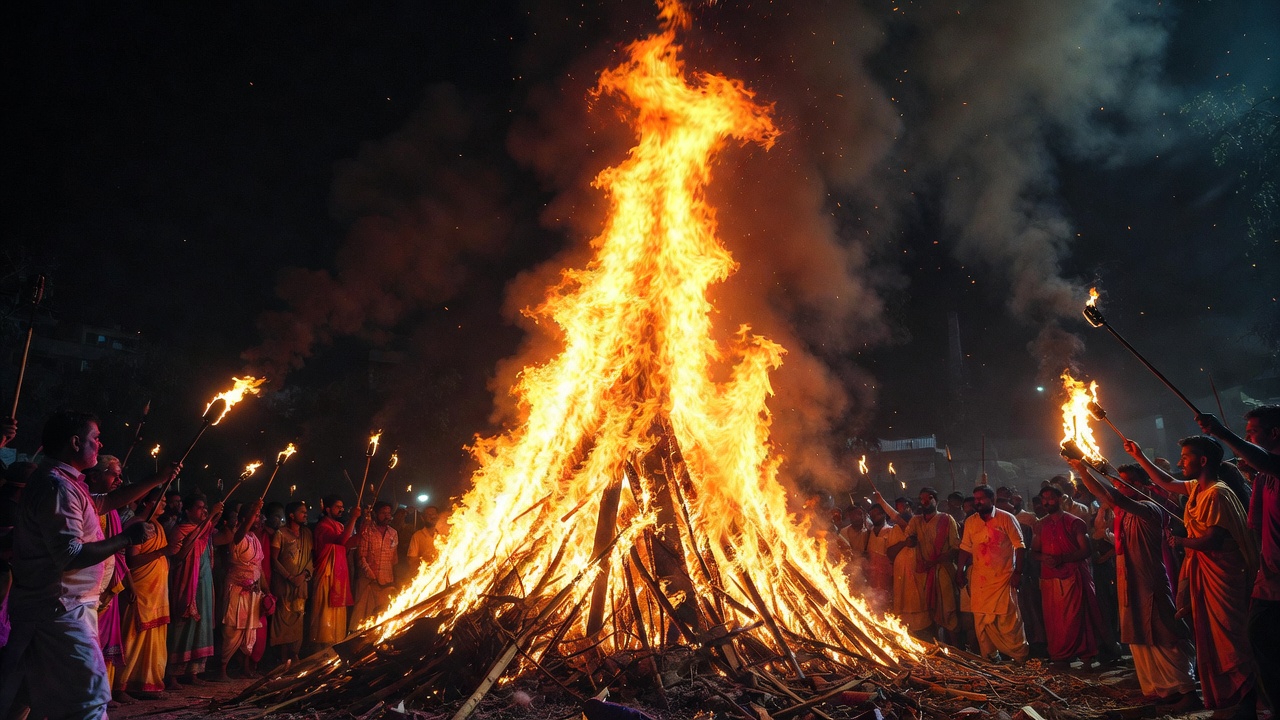
The celebration spans two days. The first evening is called Holika Dahan or “Little Holi.” People gather around bonfires to commemorate ancient legends. The second day is Rangwali Holi or Dhuleti. This is the famous day of colors when people throw colored powders and water at each other.
According to HISTORY.com, Holi dates back to at least the 4th century CE. Ancient texts like the Puranas, the Dasakumara Charita by poet Dandin, and works by Kalidasa mention this festival. The 7th-century Sanskrit drama Ratnavali by King Harsha also describes Holi celebrations.
The festival serves multiple purposes:
- Celebrating spring: Holi welcomes the new season and bids farewell to winter
- Religious significance: It commemorates the triumph of good over evil
- Social renewal: The festival is a time to forgive, repair relationships, and start fresh
- Agricultural importance: Historically, it celebrated good spring harvests and fertile land
“Bura na mano, Holi hai!” This Hindi phrase means “Don’t be offended, it’s Holi!” People use this expression to excuse playful pranks and color-throwing during the festivities.
The Legend of Holika and Prahlad: Why Bonfires Are Lit Before Holi
The most famous myth behind Holi involves a demon king, his devoted son, and a fiery aunt. This story appears in the 7th chapter of the Bhagavata Purana, one of Hinduism’s most sacred texts.
The Story of Hiranyakashipu’s Arrogance
Long ago, there lived a powerful demon king named Hiranyakashipu. Through intense meditation, he received a special boon from Lord Brahma. This blessing made him nearly invincible. He could not be killed by man or animal. He could not be killed indoors or outdoors. He could not be killed during day or night. No weapon could harm him. He could not die on earth or in the sky.
Drunk with power, Hiranyakashipu declared himself God. He demanded that all his subjects worship only him.
Prahlad’s Unwavering Devotion
However, Hiranyakashipu’s own son, Prahlad, refused to worship his father. The young boy remained devoted to Lord Vishnu. No matter how his father threatened or punished him, Prahlad continued his prayers to the true divine.
This defiance enraged the demon king. He tried multiple times to kill his own son. He ordered servants to poison the boy. He had elephants trample him. He threw Prahlad from cliffs and into snake pits. Each time, the boy emerged unharmed through his faith in Vishnu.
Holika’s Fiery Trap
Finally, Hiranyakashipu turned to his sister, Holika. She possessed a magical shawl that protected her from fire. The demon king devised a cruel plan. Holika would sit in a blazing fire with Prahlad on her lap. The shawl would protect her while the flames consumed the boy.
But divine justice intervened. As the fire roared, a powerful wind blew Holika’s shawl onto Prahlad. The flames consumed the demoness instead. Prahlad emerged completely unharmed.
According to the Britannica, this legend explains why people light bonfires on the eve of Holi. The flames symbolize the destruction of evil and the protection of the faithful.
The Ultimate Victory
Lord Vishnu later appeared in the form of Narasimha, half-man and half-lion. He killed Hiranyakashipu at twilight (neither day nor night), on the threshold of a doorway (neither inside nor outside), placing the demon on his lap (neither on earth nor in the sky), using his claws (not weapons). Each condition of Brahma’s boon was cleverly circumvented.
This legend teaches that evil may seem powerful, but righteousness ultimately triumphs.
The Divine Love Story of Radha and Krishna: Origin of Color Play
While the Holika-Prahlad legend explains the bonfires, another beautiful story accounts for Holi’s vibrant colors. This tale centers on Lord Krishna and his beloved Radha.
Krishna’s Blue Complexion
According to mythology, the demon Putana tried to kill the infant Krishna by nursing him with poisoned milk. The divine child survived, but the poison turned his skin a distinctive blue color.
As Krishna grew up in the village of Vrindavan, he became insecure about his dark complexion. He worried that the fair-skinned Radha would not accept him.
Yashoda’s Playful Suggestion
One day, young Krishna complained to his foster mother, Yashoda, about the difference between his blue skin and Radha’s fair complexion. Yashoda, tired of his worries, made a playful suggestion.
“Go to Radha,” she said, “and color her face whatever shade you wish.”
Krishna took this advice to heart. He approached Radha and smeared colored powder on her face. Radha accepted Krishna with all her love. Their playful color fight became the foundation of Holi celebrations.
This legend is described in detail in the Garga Samhita and the Bhagavata Purana. The Smithsonian Magazine notes that Holi colors represent the divine love between Radha and Krishna that transcends physical appearances.
Why Vrindavan and Mathura Have Special Holi Celebrations
Because of this legend, the Braj region in Uttar Pradesh holds the most spectacular Holi celebrations in India. This area includes:
- Mathura: Krishna’s birthplace
- Vrindavan: Where Krishna spent his childhood
- Barsana: Radha’s birthplace
- Nandgaon: Krishna’s village
- Gokul: Where Krishna was raised
Celebrations in these sacred towns last up to 16 days. Thousands of devotees and tourists flock to witness and participate in these legendary festivities.
Shiva and the God of Love Kama: The South Indian Holi Legend
In South India, a different mythology connects to Holi celebrations. This story involves Lord Shiva, Goddess Parvati, and Kamadeva, the Hindu god of love.
Shiva’s Deep Meditation
After his consort Sati died, Shiva fell into profound grief. He withdrew from the world and entered deep meditation. The universe suffered because of his absence from worldly affairs.
Meanwhile, a demon named Taraka terrorized the gods. According to prophecy, only a son born to Shiva could defeat this demon.
Parvati’s Love and Kama’s Sacrifice
Goddess Parvati, a reincarnation of Sati, wished to marry Shiva. But the lord remained absorbed in meditation, oblivious to her presence.
Desperate, the gods approached Kamadeva for help. The love god agreed to shoot his flowery arrow at Shiva to awaken desire in his heart.
When Kama’s arrow struck, Shiva opened his third eye in anger. The intense heat reduced Kamadeva to ashes.
The Restoration of Love
Kama’s wife, Rati, was devastated. She performed forty days of intense meditation, pleading for her husband’s return. Parvati also mourned, having hoped the love god’s intervention would win Shiva’s attention.
Moved by compassion, Shiva eventually restored Kamadeva to life. This return of the god of love is celebrated on Holi, which falls approximately 40 days after Vasant Panchami (the festival marking spring’s beginning).
As the Britannica explains, this legend gives Holi its connection to love, desire, and renewal. In South India, the festival is sometimes called Kama Dahanam, commemorating the burning and restoration of the love god.
Regional Holi Celebrations: How Different States in India Celebrate
Holi is celebrated across India, but each region adds unique traditions. The diversity of customs reflects India’s rich cultural tapestry.
Lathmar Holi in Barsana and Nandgaon: Where Women Beat Men With Sticks
Perhaps the most unique Holi celebration occurs in the twin villages of Barsana and Nandgaon in Uttar Pradesh. This tradition is called Lathmar Holi, which translates to “Holi with sticks.”
According to legend, Krishna and his friends would visit Barsana to tease Radha and the village women. The women would chase them away with wooden sticks called lathis.
Today, this playful battle continues. Men from Nandgaon visit Barsana wearing padded clothes and carrying shields. Women of Barsana greet them with colorful sticks. The men sing provocative songs while women playfully beat them.
The next day, the roles reverse. Women from Barsana visit Nandgaon to get their colorful revenge.
| Location | Special Feature | When |
|---|---|---|
| Barsana | Women beat men with sticks | 1 week before Holi |
| Nandgaon | Role reversal celebration | Day after Barsana |
| Vrindavan | Flower Holi (Phoolon ki Holi) | Week before Holi |
| Mathura | Grand processions | Throughout Holi week |
Phoolon Ki Holi: The Flower Festival of Vrindavan
In Vrindavan, devotees celebrate with flowers instead of colored powders at certain temples. This gentle celebration honors the divine love between Radha and Krishna.
At the Banke Bihari Temple, priests shower devotees with rose petals and marigold flowers. The air fills with natural fragrance rather than synthetic colors. This tradition connects to a legend where the gopis (milkmaids) appeased Krishna with flowers after he grew upset with their colorful pranks.
Royal Holi in Udaipur: Celebration Fit for Kings
Udaipur in Rajasthan maintains its royal heritage through grand Holi celebrations. The festivities take place within the magnificent City Palace.
The former royal family participates in traditional ceremonies. A ceremonial procession features decorated horses, musicians, and cultural performances. The palace’s stunning backdrop adds an air of grandeur that transports participants to a bygone era of maharajas.
Shigmo Festival in Goa: Carnival Meets Holi
Goa celebrates Holi as part of a larger festival called Shigmo or Shigmotsav. This celebration blends Hindu traditions with Goan folk culture.
Festivities last for approximately two weeks. Colorful parades feature traditional dances like Fugdi and Dhalo. Large floats depicting scenes from Hindu mythology roll through the streets. The celebration combines Holi’s spiritual significance with carnival-like revelry.
Yaosang Festival in Manipur: Northeast India’s Unique Tradition
In Manipur, Holi merges with the traditional Yaosang festival. Celebrations last for six days.
The festivities begin with burning a small thatched hut made of hay and twigs. Young children collect money called nakadeng from households during the first two days. On full moon night, youths perform a traditional circle dance called Thabal Chongba.
Traditional Holi Foods and Drinks: What to Eat During the Festival
No Indian festival is complete without special foods. Holi brings a feast of sweet and savory delights.
Gujiya: The Quintessential Holi Sweet
Gujiya is the most iconic Holi treat. These crescent-shaped dumplings feature a crispy outer shell made from refined flour. The filling contains khoya (dried milk solids), nuts, and cardamom.
Families prepare gujiya days in advance. The sweets can be stored in airtight containers and shared with visitors throughout the festival period.
Thandai: The Cooling Festival Drink
Thandai is a refreshing milk-based drink essential to Holi celebrations. The name comes from the Hindi word “thanda,” meaning cold.
The beverage contains:
- Milk
- Almonds
- Fennel seeds
- Poppy seeds
- Cardamom
- Black peppercorns
- Saffron
- Rose petals or rose water
Traditional preparation involves soaking the nuts and seeds, grinding them into a paste, and mixing with chilled milk.
Bhang: The Traditional Intoxicating Addition
Some regions add bhang (a paste made from cannabis leaves and flowers) to thandai or other preparations. This practice has ancient roots and is associated with Lord Shiva.
Note: Bhang consumption should be approached with caution. It has intoxicating effects that vary significantly between individuals. While traditional in certain contexts, excessive consumption can have adverse effects.
Other Popular Holi Delicacies
| Food | Description | Region |
|---|---|---|
| Malpua | Sweet pancakes soaked in syrup | Bihar, Odisha |
| Dahi Bhalla | Lentil dumplings in yogurt | North India |
| Puran Poli | Sweet stuffed flatbread | Maharashtra, Gujarat |
| Shakarpara | Sweet diamond-shaped snacks | Gujarat |
| Mathri | Savory fried crackers | North India |
What Do the Colors of Holi Mean: Symbolism Behind Red, Blue, Yellow, and Green
Each color used during Holi carries deeper meaning. Understanding this symbolism enriches the celebration experience.
Red: Love, Fertility, and Marriage
Red is one of the most significant colors in Indian culture. It represents:
- Romantic and divine love
- Fertility and reproduction
- The bond of marriage
- Energy and passion
In the context of Holi, red connects to the love between Radha and Krishna. It also represents the life force that blooms with spring.
Yellow: Turmeric, Prosperity, and Knowledge
Yellow holds special importance in Hindu traditions. It symbolizes:
- Knowledge and learning
- Prosperity and wealth
- The spring harvest (golden wheat fields)
- Auspiciousness
Traditionally, yellow gulal was made from turmeric (haldi), which has medicinal properties. This natural ingredient was believed to protect against seasonal illnesses.
Blue: Lord Krishna and the Infinite Sky
Blue directly connects to Lord Krishna, who is depicted with blue skin. The color represents:
- The divine presence of Krishna
- The infinite sky and ocean
- Calmness and serenity
- The endless possibilities of life
Green: New Beginnings and Nature
Green appears prominently in Holi celebrations, symbolizing:
- The arrival of spring
- New beginnings and renewal
- Nature and fertility
- Harvest and agricultural abundance
Traditional Natural Sources of Holi Colors
Before synthetic dyes became common in the mid-19th century, Holi colors came from nature. According to Wikipedia, traditional sources included:
| Color | Natural Sources |
|---|---|
| Red/Orange | Palash flowers (Flame of the Forest), sandalwood, hibiscus |
| Yellow | Turmeric, marigold, pomegranate |
| Blue | Indigo plant, jacaranda flowers |
| Green | Henna leaves, spinach, grass |
| Magenta | Beetroot |
The National Geographic notes that these natural ingredients had medicinal benefits. Ayurvedic doctors suggested herbs like neem, kumkum, and bilva for gulal preparation. The playful throwing of these natural powders was believed to protect against seasonal ailments.
Ancient History of Holi: Earliest References in Hindu Scriptures and Literature
Holi’s roots stretch deep into antiquity. The festival evolved over millennia, gathering legends and traditions along the way.
References in Ancient Texts
The earliest mentions of Holi appear in texts dating back nearly two thousand years:
- Jaimini’s Purva Mimamsa Sutras: Contains early references to spring festivals
- Kathaka-Grhya-Sutras: Mentions rituals associated with the spring celebration
- Narada Purana and Bhavishya Purana: Provide detailed descriptions of the festival
- Dasakumara Charita by Dandin (6th-7th century CE): References the celebration
- Works of Kalidasa (4th-5th century CE): The great poet mentions Holi during the reign of Chandragupta II
- Ratnavali by King Harsha (7th century CE): This Sanskrit drama describes Holi festivities
Historical Development
According to scholars cited by Britannica, Holi likely developed from ancient spring fertility rites. The festival gained religious significance through association with Krishna worship during the Bhakti movement.
The Bhagavata Purana, composed around the 10th century CE, elaborated on Krishna’s playful splashing of colors. This text helped spread the Krishna-centric Holi tradition across India.
Holi Under the Mughal Empire
The festival’s popularity extended beyond Hindu communities. Several Mughal emperors enthusiastically celebrated Holi.
Historical records and paintings show:
- Emperor Akbar played Holi with his queens
- Emperor Jahangir participated in elaborate color celebrations
- Emperor Shah Jahan held grand Holi festivities at the Red Fort
The tradition was known as “Eid-e-Gulaabi” (Rose Festival) or “Aab-e-Pashi” (Water Festival) in the Mughal court. Emperor Bahadur Shah Zafar even composed poetry celebrating Holi.
However, Emperor Aurangzeb banned public Holi celebrations in 1665. The festivities resumed after his death and continued through the colonial period.
British Colonial Period
European traders and colonial officials documented Holi celebrations from the 17th century onward. The Oxford English Dictionary records various phonetic spellings across centuries:
- 1687: “Houly”
- 1698: “Hooly”
- 1789: “Huli”
- 1809: “Hohlee”
- 1825: “Hoolee”
In 1837, Sir Henry Fane, Commander-in-Chief of the British Indian army, joined Holi celebrations organized by Ranjit Singh, the Sikh ruler of Punjab. This demonstrates the festival’s cross-cultural appeal even during colonial times.
Countries Around the World That Celebrate Holi Festival
Holi has spread far beyond the Indian subcontinent. Wherever the Indian diaspora has settled, this colorful celebration has taken root.
Nepal: Week-Long National Festival
Nepal celebrates Holi as a national holiday with week-long festivities. The celebration is known as Fagu Purnima in the hilly regions.
The festival begins with installing a ceremonial pole called a chir in Kathmandu’s Durbar Square. On the main day, this pole is taken down and burned in a bonfire.
Nepalis of all castes and religions participate. Even Christians sometimes join the celebrations.
Trinidad and Tobago: Phagwah Caribbean Style
In Trinidad and Tobago, Holi is known as Phagwah. The Indo-Trinidadian community has preserved this tradition since 1845, when Hindus from Bihar arrived as indentured laborers.
Celebrations feature:
- Traditional folk songs called Chowtaals
- Chutney music, a unique fusion of Indian and Caribbean styles
- Color play with abrack (colored powder) and abeer (colored water)
- Community gatherings at temples and open grounds
Suriname: A National Holiday of Colors
Suriname in South America declares Holi a national holiday. Known locally as Phagwa, the celebration attracts people of all ethnicities and religions.
People wear old white clothes, expecting to get them covered in color. Traditional Phagwah songs called Chowtal and newer compositions called Pichakaree accompany the festivities.
Mauritius: Island Celebration
With approximately 63% of its population being of Indian descent, Mauritius celebrates Holi with great enthusiasm.
Locals light bonfires on Holi Dahan and throw colors the following day. Traditional water guns made from Mauritian bamboo stalks called pichkaris add local flavor to the celebration.
Fiji: South Pacific Festival
In Fiji, Holi is a national holiday celebrated by the significant Indian diaspora. Festivities include color throwing, traditional Indian sweets, and community gatherings.
Guyana: Phagwah Traditions
Guyana celebrates Holi as Phagwah, introduced by Indian immigrants nearly 180 years ago. Unique traditions include:
- Planting castor oil plants on Basant Panchami
- Burning these plants on Holika Dahan
- Singing Chowtaal songs accompanied by dholak and majeera
- Spreading ash on foreheads before color play
Global Holi Events
Major cities worldwide now host large-scale Holi celebrations:
| Country | Notable Events |
|---|---|
| United States | Festival of Colors (Utah), Houston Holi |
| United Kingdom | London Holi celebrations |
| Australia | Color runs and community festivals |
| Canada | Toronto and Vancouver celebrations |
| Germany | Berlin Holi Festival |
| UAE | Dubai Holi events |
Safety Tips for Celebrating Holi: Protecting Skin, Eyes, and Hair
While Holi is joyful, taking precautions ensures a safe celebration.
Before Playing Holi
Skin Protection:
- Apply coconut oil or mustard oil liberally on exposed skin
- This creates a barrier that prevents colors from deeply staining
- Moisturize thoroughly the night before
Hair Care:
- Oil your hair well with coconut or olive oil
- Consider wearing a bandana or cap
- Tie long hair in braids or buns
Eye Protection:
- Wear sunglasses or safety glasses if possible
- Remove contact lenses before playing
- Keep eyes closed when colors approach your face
During Celebrations
General Safety:
- Play with people you know and trust
- Avoid throwing colors at eyes, nose, and mouth
- Stay hydrated in the warm spring weather
- Watch out for water balloons thrown from heights
Dealing with Chemicals:
- Unfortunately, many commercial colors contain harmful chemicals
- Try to use natural or organic colors when possible
- Avoid colors that have metallic sheen (may contain lead or mercury)
After Holi
Removal Tips:
- Do not scrub aggressively; this can cause skin damage
- Use lukewarm water and mild soap
- Apply curd (yogurt) or gram flour paste for stubborn stains
- Lemon juice can help remove persistent color marks
- Deep condition hair after washing
Lesser-Known Fascinating Trivia About Holi Festival
Beyond the famous stories, Holi holds many surprising facts.
The 16-Day Celebration in Braj
While most of India celebrates Holi for one or two days, the Braj region celebrates for 16 consecutive days. Different towns hold special events on different days:
- Laddu Holi in Barsana: Priests shower devotees with laddus (sweet balls)
- Lathmar Holi in Barsana and Nandgaon: The famous stick-beating celebration
- Phoolon ki Holi in Vrindavan: Flower shower at Banke Bihari Temple
- Chadi Mar Holi in Gokul: Another stick-based celebration
- Dauji ka Huranga in Baldeo: Clothes-tearing Holi associated with Krishna’s brother Balarama
Widows Now Celebrate Holi
Traditionally, Hindu widows were forbidden from wearing colors or participating in celebrations. They lived austere lives in places like Vrindavan.
In 2013, the organization Sulabh International began organizing Holi celebrations for widows. Now, thousands of widows in Vrindavan and Varanasi participate, breaking centuries-old taboos. This change represents Holi’s power to dissolve social barriers.
The Coldplay Connection
The band Coldplay filmed their music video for “Hymn for the Weekend” in Mumbai during Holi. The video featured colorful gulal powder prominently, introducing millions of global viewers to the festival’s visual splendor.
Holi and Full Moon
Holi always falls on a full moon night (Purnima). The lunar calendar determines the exact date each year. This connection to the full moon links Holi to:
- Natural cycles of renewal
- Agricultural rhythms
- Traditional timekeeping methods
The Transformation of Colors
Originally, all Holi colors came from natural sources with medicinal properties. The spring season, when weather changes rapidly, was believed to cause viral fevers and colds. Playing with natural herbal colors was thought to protect health.
Today, most commercial colors are synthetic. However, a growing eco-friendly movement is returning to natural gulal made from flower extracts, turmeric, and other plant-based ingredients.
Colors That Are Avoided
Interestingly, black and white are traditionally avoided during Holi:
- White: While symbolizing purity, it is also the color of mourning in India
- Black: Considered inauspicious and associated with evil
How to Prepare for Your First Holi Celebration: A Practical Guide
Planning to experience Holi? Here’s how to prepare for maximum enjoyment.
What to Wear
Do Wear:
- Old white clothes (the colors show beautifully, and you won’t mind staining them)
- Light, breathable fabrics (it’s spring, and celebrations get energetic)
- Clothes you can easily wash or discard
Don’t Wear:
- Expensive or new clothing
- Dark colors that won’t show the festive hues
- Jewelry that might get damaged
Where to Celebrate
In India:
- Mathura and Vrindavan for traditional temple celebrations
- Barsana for Lathmar Holi (book accommodation well in advance)
- Jaipur for a blend of tradition and accessibility
- Udaipur for royal celebrations
Internationally:
- Check local Hindu temples for community events
- Look for “Festival of Colors” events organized by ISKCON
- Many cities host public Holi celebrations in parks
Essential Items to Bring
| Item | Purpose |
|---|---|
| Oil (coconut/mustard) | Pre-play skin and hair protection |
| Old towel | Post-play cleanup |
| Plastic bag | Protecting phone and valuables |
| Sunglasses | Eye protection |
| Water bottle | Staying hydrated |
| Change of clothes | Post-celebration comfort |
Cultural Etiquette
Respect boundaries: Not everyone wants to play with colors. Ask before applying color to strangers, especially to their face.
Participate joyfully: Holi is about letting go of inhibitions. Embrace the chaos with good humor.
Sample the food: Thandai, gujiya, and other treats are part of the complete experience.
Join the music: Dancing and singing accompany color play. Let the dhol (drum) rhythms move you.
The Future of Holi: Environmental Concerns and Sustainable Celebrations
As Holi’s popularity grows globally, so do concerns about its environmental impact.
The Problem with Synthetic Colors
Many commercial Holi colors contain:
- Heavy metals (lead, mercury, chromium)
- Industrial dyes that can cause skin allergies
- Chemicals harmful to eyes and respiratory systems
In 2012, approximately 200 people were hospitalized in Mumbai due to reactions from chemical colors.
Water Usage Concerns
Traditional Holi celebrations use significant amounts of water. In regions facing water scarcity, this raises sustainability questions.
The Eco-Friendly Movement
Many organizations and individuals now promote natural Holi colors:
- Colors made from marigold, hibiscus, and other flowers
- Turmeric-based yellow powder
- Beetroot and pomegranate extracts for red hues
- Indigo and butterfly pea flowers for blue
Some communities have adopted “dry Holi” celebrations, minimizing water usage while maintaining festive spirit.
Supporting Sustainable Practices
When celebrating Holi:
- Choose organic or herbal colors when available
- Support small-scale artisans who produce natural gulal
- Conserve water during celebrations
- Properly dispose of any synthetic materials afterward
Conclusion: Why Holi Continues to Captivate the World
Holi is more than a festival. It is a living tradition that has evolved over millennia while maintaining its essential spirit of joy, renewal, and the triumph of good over evil.
The legends of Prahlad and Holika teach us about faith and righteousness. The love story of Radha and Krishna reminds us that true love transcends superficial differences. The festival’s emphasis on forgiveness and new beginnings speaks to universal human needs for reconciliation and hope.
From the ancient Puranas to modern music videos, from sacred temples in Vrindavan to colorful celebrations in Trinidad, Holi bridges time and space. It brings together strangers under layers of color. It dissolves barriers of caste, class, and creed, if only for a day.
As you celebrate Holi, whether for the first time or the hundredth, remember the stories behind the colors. Let the fire of Holika Dahan burn away negativity. Let the rainbow hues of Rangwali Holi paint your world with joy.
Holi hai! Let the colors fly.
Frequently Asked Questions About Holi Festival
When Is Holi 2026?
Holi 2026 falls on March 3rd (Holika Dahan) and March 4th (Rangwali Holi). The exact date varies each year based on the Hindu lunar calendar, typically occurring in late February or March.
Is Holi Only a Hindu Festival?
While Holi has Hindu origins, it is celebrated by people of various faiths. Sikhs, Jains, and even some Muslims and Christians participate in certain regions. The festival’s emphasis on joy, color, and community transcends religious boundaries.
What Is the Difference Between Holika Dahan and Rangwali Holi?
Holika Dahan occurs on the evening before the main celebration. People light bonfires to commemorate the burning of the demoness Holika and the triumph of good over evil.
Rangwali Holi is the main day of color play. People throw colored powders (gulal) and water at each other, dance, and feast on special foods.
Can Tourists Participate in Holi Celebrations in India?
Yes! Many tourists visit India specifically for Holi. Popular destinations include Mathura, Vrindavan, Jaipur, and Udaipur. Some luxury hotels even organize special Holi parties for international visitors.
What Should I Know About Holi Colors?
Traditional colors were made from natural ingredients with health benefits. Modern synthetic colors can cause allergic reactions. Look for organic or herbal colors when possible. Always protect your eyes, and apply oil to skin and hair before playing.
The Science and Health Benefits Behind Traditional Holi Celebrations
Modern research has begun to validate what ancient practitioners knew intuitively. Traditional Holi celebrations offered surprising health benefits.
Medicinal Properties of Natural Gulal
Traditional Holi colors were not randomly chosen. Ayurvedic practitioners recommended specific plants for gulal preparation based on their medicinal properties:
Palash Flowers (Flame of the Forest):
- The bright orange-red flowers contain compounds with anti-inflammatory properties
- Traditional medicine used palash for skin conditions
- The natural dye was believed to strengthen the immune system during seasonal changes
Turmeric (Haldi):
- Contains curcumin, a powerful antioxidant and anti-inflammatory compound
- Helps protect skin from bacterial infections
- Traditional use for wound healing and skin purification
Neem:
- Known antibacterial and antifungal properties
- Protects against various skin infections common during weather transitions
- Traditionally used for blood purification
The Psychology of Color Play
Beyond physical health, Holi offers psychological benefits:
Stress Release: The uninhibited play with colors allows people to release accumulated tension. The permission to “misbehave” within cultural boundaries provides healthy emotional release.
Social Bonding: Physical play and shared laughter strengthen social connections. The removal of social barriers during Holi reinforces community bonds.
Seasonal Affective Benefits: After dark winter months, the bright colors of Holi stimulate positive mood responses. The celebration coincides with increasing daylight and warming temperatures.
Physical Activity and Celebration
Holi is surprisingly active. Participants:
- Chase and run from color-throwers
- Dance for extended periods
- Walk through neighborhoods visiting friends and family
- Engage in physically demanding games like Lathmar Holi
This cardiovascular activity, combined with spring’s pleasant weather, promotes physical wellbeing.
Holi in Popular Culture: Music, Film, and Global Media
Holi has become a recognizable symbol of Indian culture in global media.
Holi in Bollywood Films
Bollywood has featured countless Holi sequences. These colorful scenes allow filmmakers to:
- Showcase beautiful choreography against vibrant backgrounds
- Create romantic moments as characters playfully color each other
- Depict important plot turning points during festival celebrations
Iconic Holi songs include melodies from films spanning decades of Indian cinema. These musical numbers have introduced Holi to international audiences.
International Music and Media
The festival has inspired artists worldwide:
- Coldplay’s “Hymn for the Weekend” prominently features Holi celebrations
- Photography exhibitions showcase Holi’s visual splendor in galleries globally
- Travel documentaries regularly feature the festival as peak Indian cultural experience
- Social media hashtags related to Holi trend worldwide each year
Holi-Inspired Events Worldwide
The festival’s appeal has spawned numerous international events:
Color Runs: Athletic events where participants are doused with colored powder at various stations Music Festivals: Electronic dance events incorporating color powder Corporate Team Building: Companies use Holi-inspired color events for team bonding Community Celebrations: Multicultural events celebrating diversity through color
While these events draw inspiration from Holi, they often lack the spiritual and cultural context. Understanding authentic traditions enriches any color celebration.
Personal Experiences and Travel Tips for Holi in India
Planning a Holi trip requires specific preparation and knowledge.
Best Places to Experience Authentic Holi
Tier 1: Ultimate Traditional Experience
- Mathura, Vrindavan, Barsana, Nandgaon
- Expect massive crowds but unparalleled authenticity
- Book accommodations 6+ months in advance
Tier 2: Accessible Yet Traditional
- Jaipur, Rajasthan
- Good tourist infrastructure with traditional celebrations
- Luxury hotels offer organized Holi events
Tier 3: Comfortable Introduction
- Major cities (Delhi, Mumbai, Bangalore)
- Manageable crowds
- Mix of private parties and public celebrations
Travel Logistics
Getting There:
- Major airports serve Delhi, Jaipur, and other major cities
- Book trains to Mathura well in advance; they sell out quickly
- Consider hiring private vehicles for Braj region travel
Accommodation Tips:
- Simple guesthouses in Vrindavan offer authentic experiences
- Luxury options available in Agra (50km from Mathura)
- Many places require minimum 3-night stays during Holi
Packing Essentials:
- Multiple sets of old white clothes
- Waterproof bags for electronics
- Quality sunglasses and bandanas
- Oil for skin and hair protection
- After-sun and moisturizing products
Navigating Crowds Safely
Holi crowds can be overwhelming. Safety tips include:
- Travel in groups, especially women
- Keep valuables secured or left at accommodation
- Stay hydrated and know where medical facilities are located
- Establish meeting points with companions
- Consider hiring local guides who know safe areas
The Spiritual Dimensions of Holi: Beyond the Colors
For devout Hindus, Holi carries profound spiritual significance.
Holi as Spiritual Renewal
The festival offers opportunities for:
Karma Cleansing: The bonfires of Holika Dahan symbolically burn away negative karma accumulated over the year.
Dharmic Reflection: The story of Prahlad teaches about maintaining righteousness despite opposition.
Divine Connection: Playing Holi reenacts Krishna’s divine play (leela), allowing devotees to experience spiritual joy.
Temple Celebrations
Major temples host special Holi observances:
- Banke Bihari Temple, Vrindavan: Famous for its flower Holi and packed celebrations
- ISKCON Temples Worldwide: Organized celebrations with kirtan (devotional singing)
- Govardhan Hill: Circumambulation (parikrama) during Holi period
Mantras and Prayers
Devotees may recite:
- Vishnu mantras honoring the protector of Prahlad
- Krishna prayers celebrating divine love
- General prayers for the removal of obstacles and negative influences
This comprehensive guide was researched and written to honor the rich traditions of Holi while making this beautiful celebration accessible to readers worldwide. The festival’s stories, customs, and significance deserve to be shared and understood by all who find joy in color, community, and the eternal victory of light over darkness.
May your Holi be filled with the colors of love, the warmth of community, and the joy of new beginnings.