Spring arrives with a whisper of warmth, green shoots push through thawing earth, and daylight begins to triumph over darkness. For over 300 million people worldwide, this celestial moment marks far more than a seasonal shift. It announces the arrival of Nowruz, the ancient Persian New Year celebration that has endured for more than three millennia.
Whether you call it Nowruz, Navruz, Nooruz, or Nevruz, this remarkable festival unites communities from the Balkans to Central Asia in a shared celebration of renewal, hope, and the eternal cycle of life. In this comprehensive guide, we explore the fascinating myths, legendary origins, and surprising trivia behind one of humanity’s oldest continuous celebrations.
What Does Nowruz Mean and Why Is It Called the Persian New Year?
The word Nowruz comes from the ancient Avestan language. It combines two Persian words: “Now” meaning “new” and “Ruz” meaning “day.” Together, they translate simply as “New Day.” This elegant name captures the essence of what millions celebrate each year—a fresh beginning synchronized with nature’s own renewal.
Unlike the Gregorian New Year celebrated on January 1st, Nowruz follows the Solar Hijri calendar and falls precisely on the spring equinox. This astronomical alignment means the celebration occurs at the exact moment when day and night achieve equal length in the Northern Hemisphere. The timing varies slightly each year, typically falling between March 19 and 22 on the Gregorian calendar.
Key terminology to understand:
| Term | Pronunciation | Meaning |
|---|---|---|
| Nowruz | no-ROOZ | New Day |
| Tahvil | tah-VEEL | The precise moment of the equinox |
| Saal Tahvil | saal tah-VEEL | Year delivery (the New Year moment) |
| Farvardin | far-var-DEEN | First month of the Persian calendar |
The United Nations officially proclaimed March 21 as International Nowruz Day in 2010, recognizing the festival’s role in promoting peace, solidarity, and cultural diversity among peoples worldwide.
How Old Is Nowruz? Ancient Origins and Historical Timeline
Nowruz ranks among humanity’s oldest continuously celebrated festivals. Historical evidence suggests people have observed this spring celebration for at least 3,000 years, with some scholars tracing its roots even further back to the Zoroastrian era.
The Zoroastrian Connection
The festival’s deepest roots lie in Zoroastrianism, one of the world’s oldest monotheistic religions, which emerged in ancient Persia around 1500-1000 BCE. For Zoroastrians, Nowruz marked one of the holiest days in their sacred calendar. The return of spring held profound spiritual significance, symbolizing the triumph of Ahura Mazda (the god of light and goodness) over Angra Mainyu (the spirit of darkness and chaos).
According to Zoroastrian tradition, the Spirit of Noon, known as Rapithwina, was believed to be driven underground by the Spirit of Winter during the cold months. When spring arrived, Rapithwina was welcomed back with joyous celebrations at noon on Nowruz day.
Historical Milestones of Nowruz
The timeline below traces the evolution of this ancient celebration:
6th Century BCE: Evidence suggests Nowruz was celebrated at Persepolis, the ceremonial capital of the Achaemenid Persian Empire. The Greek historian Xenophon described elaborate New Year celebrations during the reign of Cyrus the Great.
224-651 CE: During the Sasanian Empire, Nowruz reached new heights of grandeur. Royal traditions emerged, including public audiences with the king, cash gifts to citizens, and the pardoning of prisoners.
7th Century CE: Following the Arab conquest of Persia, some Islamic authorities initially discouraged Nowruz celebrations due to their pre-Islamic origins. However, the festival proved remarkably resilient.
11th-12th Century: Renowned scholars including Omar Khayyam (1048-1131) and al-Bīrūnī (973-1052) studied and refined the calculations for determining Nowruz. Omar Khayyam’s calendar reform established the precise solar calendar still used in Iran today.
2009: UNESCO inscribed Nowruz on its Representative List of the Intangible Cultural Heritage of Humanity, acknowledging its profound cultural significance.
2010: The United Nations General Assembly proclaimed March 21 as International Nowruz Day.
The Legend of King Jamshid: How Nowruz Began According to Persian Mythology
No exploration of Nowruz would be complete without understanding the legendary tale of King Jamshid, the mythical ruler credited with establishing this beloved festival. His story appears in the Shahnameh (Book of Kings), the magnificent Persian epic composed by the poet Ferdowsi around 1000 CE.
The Mythical King Who Created the New Year
According to Persian mythology, Jamshid was the fourth king of an ancient dynasty who ruled during a golden age of prosperity. During his reign, everything flourished: people lived honestly, weather remained mild, famine and drought were unknown, and no one grew old.
The Shahnameh tells how Jamshid accomplished remarkable feats. He taught humans to:
- Weave clothing from silk and wool
- Build homes and structures
- Extract minerals from the earth
- Create weapons for defense
- Develop medicine and healing arts
The Jeweled Throne That Touched the Sky
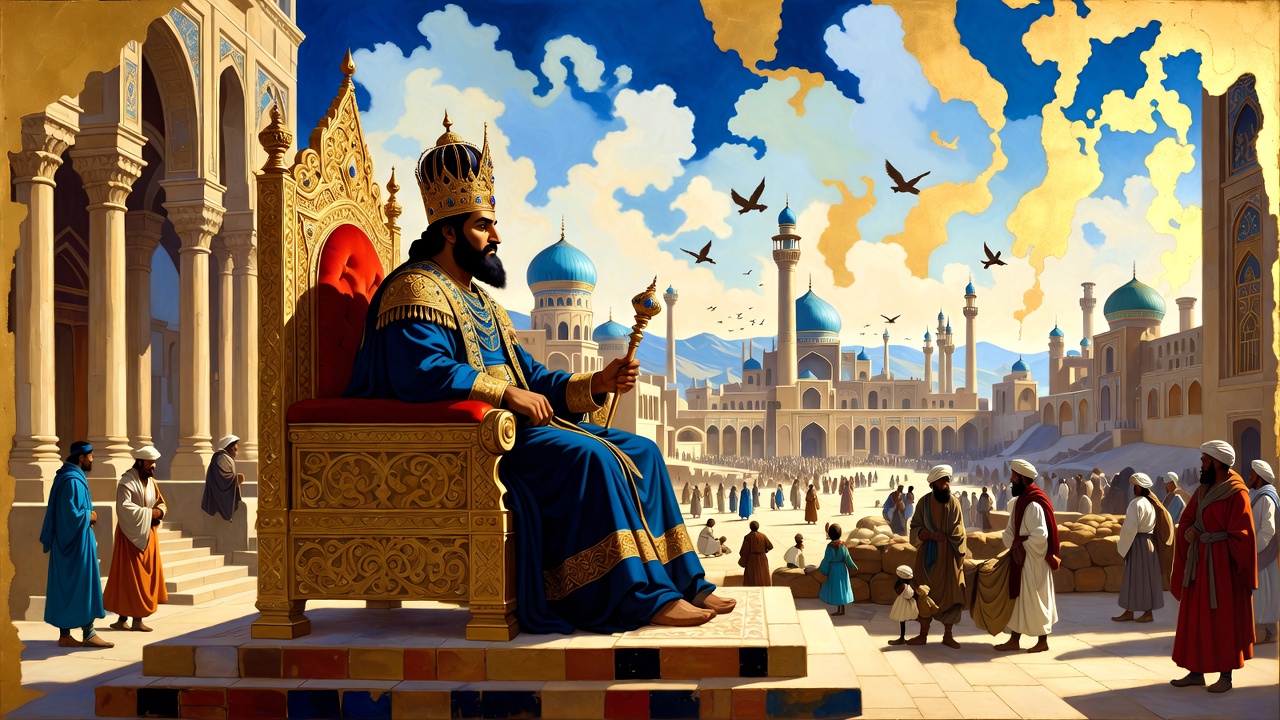
The most dramatic moment in Jamshid’s legend explains Nowruz’s origin. According to the myth, Jamshid commanded demons he had conquered to construct a magnificent throne studded with gems and jewels. When completed, he ordered these supernatural servants to lift him high into the sky.
As Jamshid ascended in his glittering chariot, the sun’s rays struck the jewels on his throne, illuminating the entire sky with brilliant colors. The radiance beaming from the ascending king revived trees and plants, turning them green and full of leaves. Life on earth began to thrive as Jamshid rose like a second sun.
The people below were astonished by this spectacular sight. They scattered treasures and gems around their king and declared this miraculous day “Nowruz”—the New Day. Thus began the celebration that would continue for millennia.
Jamshid’s Protection Against the Killer Winter
Another part of the legend credits Jamshid with saving humanity from a catastrophic winter that would have killed every living creature. He constructed a protective fortress (called a var) where he preserved specimens of all life forms until the deadly cold passed.
This mythological survival story carries deep symbolic meaning. It represents the annual triumph of spring over winter and light over darkness—themes that remain central to Nowruz celebrations today.
To this day in Iran, Nowruz celebrations are sometimes called “Nowruze Jamshidi” (Jamshid’s New Year) in honor of this legendary king.
Which Countries Celebrate Nowruz? A Complete List of Nowruz-Celebrating Nations
Nowruz transcends national borders, uniting diverse cultures across a vast geographic region. According to UNESCO’s Silk Roads Programme, the festival is celebrated in at least 12 countries as a major holiday, with observances extending to many more.
Countries Where Nowruz Is a National Holiday
| Country | Local Name | Notable Traditions |
|---|---|---|
| Iran | Nowruz (نوروز) | 13-day celebration, elaborate Haft-Sin tables |
| Afghanistan | Nawroz | Guli Surkh (Red Flower Festival) in Mazar-i-Sharif |
| Azerbaijan | Novruz | Four pre-Nowruz Tuesdays, Khoncha trays |
| Tajikistan | Navruz | Sumanak pudding traditions |
| Turkmenistan | Nowruz | Lighting of New Year’s fire |
| Uzbekistan | Navruz | Communal sumalak cooking |
| Kazakhstan | Nauryz | Building of yurts, nauryz kozhe soup |
| Kyrgyzstan | Nooruz | Vessel-filling traditions, Akayn storyteller competitions |
| Iraq (Kurdistan) | Newroz | Torch-lit mountain processions |
| Turkey | Nevruz | Celebrations in Kurdish regions |
| Pakistan | Nawroz | Observed particularly in northern regions |
| India | Navroz | Celebrated by Parsi communities |
Additional Regions with Significant Nowruz Observance
Beyond official national holidays, Nowruz holds cultural importance in:
- Albania: Particularly among the Bektashi Sufi community
- Georgia: Celebrated by the Azerbaijani minority (~7% of population)
- Kosovo: Observed among Albanian and Turkish communities
- Mongolia: Celebrated by the Kazakh minority in Bayan-Ölgii province
- China: Observed by Uyghur, Tajik, Salar, and Kazakh communities in Xinjiang
- Syria: Kurdish regions celebrate Newroz
The Persian diaspora has also carried Nowruz traditions to communities worldwide, including significant celebrations in:
- Los Angeles, California (home to a large Iranian-American community)
- Toronto, Canada
- London, United Kingdom
- Dubai, United Arab Emirates
- Sydney, Australia
What Is the Haft-Sin Table? Understanding the Seven Sacred Symbols of Nowruz
At the heart of every Nowruz celebration sits the Haft-Sin (also written Haft-Seen), a beautifully arranged ceremonial table that serves as the focal point for family gatherings. The name translates to “Seven S’s” referring to seven symbolic items whose names begin with the Persian letter “س” (Sin), equivalent to the English “S.”
The Seven Essential Items and Their Symbolic Meanings
Each element on the Haft-Sin carries profound significance for the coming year:
| Item | Persian Name | Pronunciation | Symbolism |
|---|---|---|---|
| Sprouted wheat/lentils | سبزه (Sabzeh) | SAB-zeh | Rebirth, renewal, and the cycle of life |
| Sweet wheat pudding | سمنو (Samanu) | sa-ma-NOO | Affluence, fertility, and strength |
| Dried oleaster fruit | سنجد (Senjed) | sen-JED | Love, affection, and wisdom |
| Garlic | سیر (Seer) | SEER | Health, medicine, and protection |
| Apple | سیب (Sib) | SEEB | Beauty, health, and vitality |
| Sumac spice | سماق (Somaq) | so-MAGH | Sunrise, patience, and victory of light |
| Vinegar | سرکه (Serkeh) | ser-KEH | Patience, aging, and wisdom |
The Mystery of Haft-Sin’s Origins
Interestingly, the Haft-Sin tradition as we know it today is relatively modern. According to scholars, the practice became widespread only over the past century. Some historians suggest it evolved from an earlier tradition called “Haft-Shin” (Seven SH’s), which included items like:
- Sharab (wine)
- Sham (candles)
- Shahd (nectar)
- Sharbat (syrup)
- Shirini (sweets)
- Shamshad (boxwood)
- Shaqayegh (anemones)
The shift from “Shin” to “Sin” items may have occurred following the Islamic conquest of Persia, when wine (sharab) became forbidden. However, this historical evolution remains debated among scholars.
Additional Items on the Haft-Sin Table
While the seven “S” items form the core, most families enhance their tables with additional meaningful objects:
Traditional additions include:
- Mirror (Ayneh): Represents self-reflection, truth, and the sky
- Candles (Sham): Symbolize enlightenment and hope
- Goldfish (Mahi): Represent life, movement, and the Pisces zodiac sign
- Painted eggs (Tokhmeh Morgh): Signify fertility and new life
- Coins (Sekkeh): Represent wealth and prosperity
- Hyacinth flowers (Sonbol): Herald the arrival of spring
- Book of wisdom: Often the Quran, the poetry of Hafez, or Ferdowsi’s Shahnameh
Regional Variations
Different countries adapt the tradition to their local customs:
- Afghanistan: Families prepare Haft Mewa (seven fruits)—a mixture of dried fruits and nuts soaked in syrup, including raisins, pistachios, hazelnuts, prunes, walnuts, and almonds
- Azerbaijan: The Khoncha tradition features a large silver or copper tray with sprouting wheat (samani) and dyed eggs for each family member
- Central Asia: Focus on wheat-based preparations and communal cooking traditions
Chaharshanbe Suri: The Fiery Festival Before Nowruz Explained
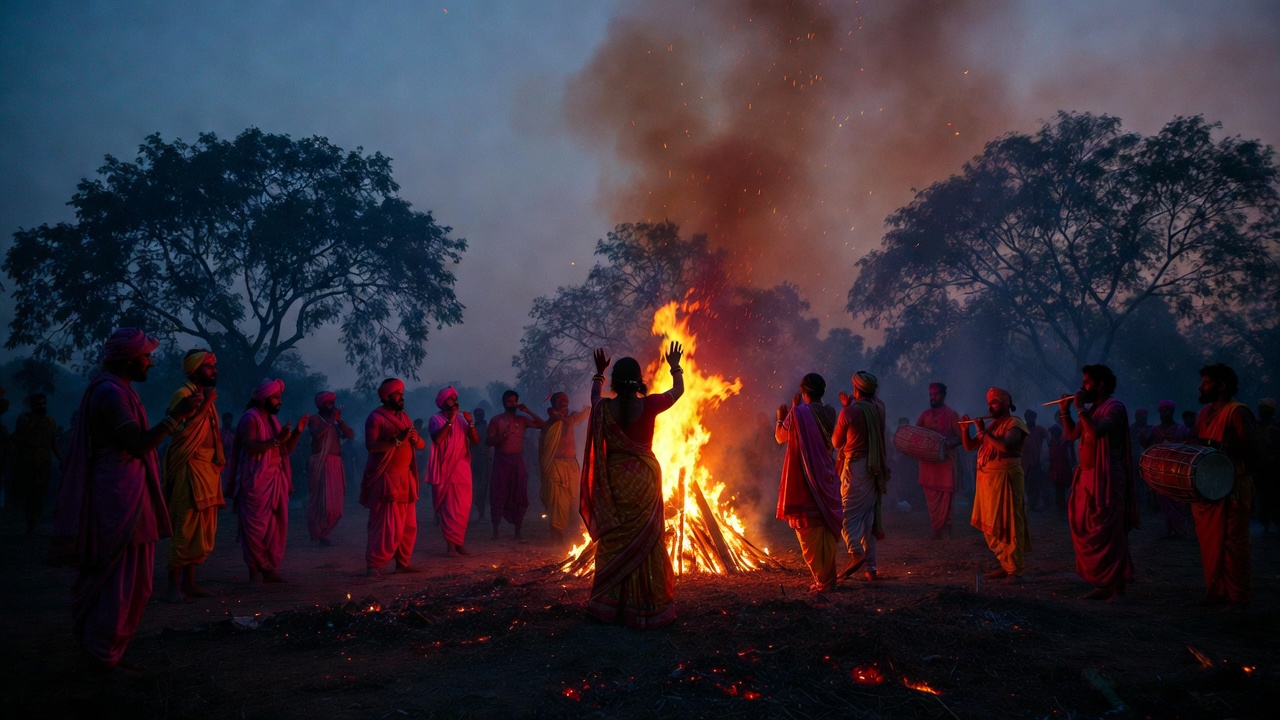
Before Nowruz officially begins, Iranians and many other communities celebrate Chaharshanbe Suri (also spelled Charshanbe Suri), the spectacular Fire Festival that serves as a vibrant prelude to the New Year.
What Does Chaharshanbe Suri Mean?
The name combines “Chaharshanbe” (Wednesday) with “Suri,” which carries dual meanings—both “festive” and “scarlet/red.” The festival takes place on the eve of the last Wednesday before Nowruz, typically falling in mid-March.
The Ancient Tradition of Jumping Over Fire
The central ritual of Chaharshanbe Suri involves building bonfires and leaping over the flames. As celebrants jump, they chant a traditional phrase:
“Zardi-ye man az to, Sorkhi-ye to az man” (Your redness to me, my yellowness to you)
Or alternatively:
“Sorkhi-ye to az man, Zardi-ye man az to” (Your redness from me, my paleness to you)
This ritual represents a symbolic exchange with the fire—asking the flames to take away the pallor, sickness, and negativity of the past year while bestowing warmth, health, and vitality for the year ahead.
Origins in Zoroastrian Tradition
The fire-jumping tradition dates back to at least 1700 BCE, rooted in Zoroastrian reverence for fire as a sacred symbol of light, warmth, and truth. For Zoroastrians, fire represented the visible presence of Ahura Mazda (God) and served as a purifying force.
The festival also commemorated the Frawardigan, the last five days of the year dedicated to honoring the spirits of the dead. Ancient Persians believed their ancestors’ spirits returned for a reunion during this period.
Additional Chaharshanbe Suri Traditions
Qashoq-Zani (Spoon-Banging): Similar to trick-or-treating, people wearing disguises go door-to-door, banging spoons against plates or bowls to ward off bad luck and receive treats in return.
Fal-e Kuza (Fortune-telling from a Jug): Participants place personal items—rings, bracelets, earrings—into a jug along with slips of paper containing fortune-telling verses. A child randomly draws items and papers, matching fortunes to their owners.
Burning of Rue Seeds (Esfand): Families throw rue seeds and salt onto fires while reciting protective rhymes against the evil eye and malevolent spirits.
Ajeel-e Chaharshanbe Suri: Eating a special mix of sweet and sour nuts and dried fruits is believed to make wishes come true.
Sizdah Bedar: Why Iranians Spend the 13th Day of Nowruz Outdoors
The Nowruz celebrations culminate on the thirteenth day with Sizdah Bedar (sometimes written as “Sizdeh Bedar” or “13 Bedar”), a beloved outdoor festival that marks the conclusion of the two-week holiday period.
The Meaning Behind “Sizdah Bedar”
The name translates to “Getting Rid of Thirteen” or alternatively “Going Outdoors on the Thirteenth.” The number thirteen holds ambiguous significance in Persian culture—some consider it unlucky, making it inauspicious to remain indoors on this day.
Interestingly, Sizdah Bedar often coincides with April 1st (April Fools’ Day), and playing jokes and pranks has traditionally been part of the celebration.
Traditional Sizdah Bedar Activities
Picnicking in Nature: Entire families leave their homes to spend the day in parks, gardens, forests, or countryside areas. They spread blankets, prepare elaborate meals, and enjoy quality time together surrounded by nature.
Releasing the Sabzeh: The sprouted wheat or lentils from the Haft-Sin table are taken outdoors and thrown into running water—rivers, streams, or lakes. This act symbolizes casting away the bad luck and negative energy of the past year.
Knotting the Grass: Young unmarried people, especially women, tie knots in blades of grass while making wishes for love and marriage in the coming year. Though once taken seriously, many young people today participate as a lighthearted tradition.
Outdoor Games and Music: Families enjoy traditional games, volleyball, badminton, and other sports while folk and pop music plays from speakers.
The Symbolism of Sizdah Bedar
According to Persian researcher Mohammad Ahmad Panahi Semnani, the essence of Sizdah Bedar reflects enthusiasm for family life, happiness, and friendship. Ancient Iranians believed that the Demon of Drought was defeated at midday on Sizdah Bedar, and they celebrated by sacrificing sheep and cooking kebab outdoors to honor the Angel of Rain.
Zoroastrian tradition also connects Sizdah Bedar to the belief that laughter and joy help dispel bad thoughts sent by Angra Mainyu (the devil). Celebrating outdoors cleanses the spirit and prepares the soul for a productive year ahead.
Who Are Amu Nowruz and Haji Firuz? Meet the Legendary Characters of Persian New Year
Every great celebration has its iconic characters, and Nowruz is no exception. Two beloved figures herald the arrival of the Persian New Year: Amu Nowruz (Uncle Nowruz) and Haji Firuz.
Amu Nowruz: The Persian Santa Claus
Amu Nowruz (عمو نوروز), also called Baba Nowruz (Father Nowruz), is the legendary character who appears annually at spring’s beginning to mark the New Year.
Physical Description: Amu Nowruz is depicted as an elderly man with long silver-white hair and a flowing white beard. He wears:
- A felt hat
- A long cloak of blue canvas
- A sash
- Thin-soled giveh (traditional Iranian footwear)
- Linen trousers
- He carries a walking stick
Role and Symbolism: Like Santa Claus in Western tradition, Amu Nowruz brings gifts to children. He represents wisdom and passes down the ancient stories of Nowruz to younger generations. Some historians suggest he symbolizes Zal, the father of the legendary hero Rostam from the Shahnameh.
The Romantic Legend of Amu Nowruz and Nane Sarma
One of Nowruz’s most touching legends involves the bittersweet love story between Amu Nowruz and his wife, Nane Sarma (Grandma Frost).
According to tradition, Nane Sarma spends the winter months cleaning and preparing her home for her beloved husband’s annual visit. On the eve of the spring equinox, she sets out food and readies her table in anticipation. However, each year, exhausted from her preparations, she falls asleep just before Amu Nowruz arrives.
Kindhearted Amu Nowruz doesn’t wake her. Instead, he quietly eats some of the food she prepared, places a flower in her new clothes, and continues his long journey around the world. When Nane Sarma awakens at dawn, she realizes she has missed seeing her husband once again.
This poignant story symbolizes the transition from winter to spring—Nane Sarma representing the departing cold season and Amu Nowruz embodying the arriving warmth of spring.
Haji Firuz: The Joyful Herald of the New Year
Haji Firuz (حاجی فیروز) is Amu Nowruz’s colorful companion who dances through streets announcing the coming celebrations.
Physical Description:
- Face traditionally covered in soot (or black face paint)
- Bright red clothing
- A felt hat or conical cap
- Carries a tambourine or doira (frame drum)
Role and Significance: Haji Firuz sings, dances, and plays music to spread cheer and herald the New Year’s arrival. In traditional songs, he introduces himself as a humble servant trying to bring joy to people. His name means “victorious” (Firuz being the Arabized form of the Persian piruz).
A common song associated with Haji Firuz goes:
Haji Firuz e, sali ye ruz e (It’s Haji Firuz, it’s only one day a year) Hame midunan, man am midunam (Everyone knows, I know as well) Eyd e Nowruz e, sali ye ruz e (It’s Nowruz, it’s only one day a year)
Historical Origins: The exact history of Haji Firuz remains debated. Some scholars connect him to:
- Mir Nowruzi: A comical figure chosen to rule for the last five days of the year (Panje), who would parade through cities with singers and dancers
- Prince Siavash: The tragic hero from the Shahnameh whose death and resurrection symbolize spring’s renewal
- Tammuz (Dumuzi): The Mesopotamian deity of agriculture associated with seasonal death and rebirth
The blackened face may symbolize emergence from the underworld—representing rebirth and the return from death to life.
Traditional Nowruz Foods: What Do People Eat During the Persian New Year?
Food plays a central role in Nowruz celebrations, with each dish carrying symbolic meaning and regional variations adding rich diversity to the culinary traditions.
Sabzi Polo ba Mahi: The Quintessential Nowruz Dish
Sabzi Polo ba Mahi (herbed rice with fish) stands as the signature dish of Iranian Nowruz celebrations. Families serve it on New Year’s Eve or the first day of the New Year.
Components:
- Sabzi Polo: Fragrant rice cooked with fresh herbs including parsley, coriander, dill, chives, and fenugreek
- Mahi: Fried or grilled fish (often white fish like salmon, trout, or whitefish)
Symbolism: The verdant green rice represents spring, growth, and renewal. Fish symbolizes life and is connected to the zodiac sign Pisces, which held significance in the ancient Persian calendar.
Other Essential Iranian Nowruz Dishes
Kuku Sabzi: A herb-packed frittata made with eggs and a generous mixture of fresh herbs. It represents freshness and health.
Ash Reshteh: A thick, warming soup containing noodles, beans, lentils, and herbs topped with fried onions and mint. The noodles symbolize life’s twists and turns.
Reshteh Polo: Rice cooked with thin noodles, representing the threads of life and destiny.
Samanu: The ancient sweet pudding made entirely from sprouted wheat. Preparing samanu takes hours of constant stirring, traditionally done communally by women who sing songs and make wishes.
Regional Nowruz Foods Across Celebrating Countries
| Country | Signature Dish | Description |
|---|---|---|
| Afghanistan | Haft Mewa | Seven dried fruits soaked in syrup |
| Afghanistan | Sabzi Challow | Spinach and lamb curry |
| Uzbekistan | Sumalak | Sweet pudding from germinated wheat, cooked communally |
| Tajikistan | Sumanak | Similar to sumalak, plus halva (dense sweet confection) |
| Kazakhstan | Nauryz Kozhe | Hearty soup made with seven ingredients including barley and horse meat |
| Azerbaijan | Plov | Rice-based dish with meat, vegetables, and spices |
| Azerbaijan | Shekerbura | Moon-shaped pastries with sugar, nuts, and cardamom |
Sweets and Treats
No Nowruz celebration is complete without an abundance of sweets:
- Persian Baklava: Layered pastry with almonds or pistachios
- Nan-e Nokhodchi: Chickpea flour cookies shaped like clover leaves
- Noghl: Sugar-coated almonds
- Sohan: Saffron-infused toffee with pistachios
Surprising Nowruz Trivia: Facts That Will Amaze You
Beyond the well-known traditions, Nowruz contains fascinating details that surprise even those familiar with the celebration.
Astronomical Precision
The Most Accurate Calendar in the World: The Persian calendar, reformed by Omar Khayyam in the 11th century, is remarkably precise. The New Year begins at the exact moment of the vernal equinox, calculated down to the very second. This makes Nowruz perhaps the only global celebration tied to such astronomical precision.
Equal Day and Night: Nowruz occurs when the sun crosses the celestial equator, creating approximately equal periods of daylight and darkness worldwide—the perfect metaphor for balance and renewal.
Political and Cultural Resilience
Surviving Conquests and Prohibitions: Throughout history, various powers have attempted to suppress Nowruz:
- Some early Islamic caliphs forbade the celebration as un-Islamic
- The Soviet Union banned it in Central Asian regions as a religious practice
- Following Iran’s 1979 Islamic Revolution, some clerics tried to discourage observance
Despite all these efforts, Nowruz has not only survived but thrived, demonstrating remarkable cultural resilience.
Official Recognition Despite Opposition: Even in modern-day Iran, where the government initially opposed the pre-Islamic celebration, Nowruz remains the most beloved holiday. The government eventually embraced the tradition, issuing yearly public statements and permitting celebrations.
Interesting Numbers
- 300+ million: Approximate number of people who celebrate Nowruz worldwide
- 3,000+ years: Minimum age of the celebration
- 13 days: Traditional length of Iranian Nowruz celebrations
- 7: The sacred number central to Haft-Sin tradition (representing cosmic order, creation, and the seven Amesha Spentas in Zoroastrianism)
- 12+ countries: Nations where Nowruz is an official holiday
Unique Regional Customs
Azerbaijan’s Four Tuesdays: Azerbaijanis celebrate four Wednesdays before Nowruz, each dedicated to awakening one of the four elements: water, fire, earth, and wind.
Kurdish Torch Processions: In Iraqi Kurdistan, particularly in the city of Akre, Newroz celebrations include dramatic torch-lit processions up mountainsides, symbolizing unity and survival.
Kazakh Yurt Building: During Nauryz, Kazakhs construct traditional felt yurts (nomad houses) and lay out elaborate dastarkhan (food tables) inside.
Communal Sumalak Cooking: In Uzbekistan and Tajikistan, preparing sumalak becomes a community event. Women gather around large cauldrons, taking turns stirring the pudding throughout the night while singing traditional songs and sharing stories.
The Goldfish Controversy
The tradition of placing live goldfish in bowls on the Haft-Sin table has faced growing criticism from animal welfare advocates. Many families now opt for symbolic fish figurines or paintings as eco-friendly alternatives, maintaining the tradition’s meaning without potential harm to living creatures.
Connection to Other Celebrations
Possible Link to Purim: According to the Encyclopædia Britannica, when Jews came under Persian rule in 539 BCE, both cultures were exposed to each other’s customs. Some scholars suggest the story of Purim in the Book of Esther may contain elements adapted from Persian traditions.
Shared Roots with Holi: The fire traditions of Chaharshanbe Suri share roots with India’s Holi festival. Both celebrations trace back to ancient Aryan traditions and involve fire-related purification rituals.
How to Celebrate Nowruz: A Guide for Newcomers and the Curious
Whether you have Persian heritage or simply wish to honor this beautiful tradition, here’s how to participate meaningfully in Nowruz celebrations.
Pre-Nowruz Preparations
Khaneh Tekani (Spring Cleaning): In the weeks before Nowruz, thoroughly clean your home from top to bottom. This ritual of “shaking the house” removes dust and negative energy from the old year, preparing your space for fresh beginnings.
Purchase New Clothes: Following the theme of renewal, buy or prepare new outfits to wear on Nowruz day.
Grow Your Sabzeh: About two weeks before Nowruz, plant wheat, lentils, or mung beans in a shallow dish. Keep them moist and watch them sprout—these become a centerpiece of your Haft-Sin table.
Setting Up Your Haft-Sin Table
- Choose a location: Select a prominent place in your home, traditionally the living room
- Lay a tablecloth: Use a decorative cloth, ideally with Persian designs
- Arrange the seven “S” items: Place sabzeh, samanu, senjed, seer, sib, somaq, and serkeh in beautiful dishes
- Add meaningful extras: Include mirrors, candles, eggs, coins, hyacinths, and a meaningful book
- Personalize: Add family photos, ancestral items, or objects meaningful to your household
Celebrating the Moment of Tahvil
When the exact moment of the equinox arrives:
- Gather family around the Haft-Sin table
- Count down the seconds together
- Embrace loved ones with well-wishes
- Exchange gifts (especially for children)
- Begin the New Year feast
Common Nowruz Greetings
| Persian Phrase | Pronunciation | Meaning |
|---|---|---|
| نوروز مبارک | Nowruz Mobarak | Happy Nowruz |
| عید شما مبارک | Eid-e shoma mobarak | Happy holiday to you |
| سال نو مبارک | Sal-e no mobarak | Happy New Year |
| نوروزتان پیروز | Nowruzetan Piruz | May your Nowruz be victorious |
The Global Significance of Nowruz in the Modern World
In an increasingly interconnected world, Nowruz holds special relevance beyond its cultural origins.
A Bridge Between Cultures
Nowruz demonstrates how ancient traditions can transcend religious and political boundaries. Celebrated by Muslims, Zoroastrians, Bahá’ís, and secular communities alike, it offers a model for cultural celebration that unifies rather than divides.
Environmental Awareness
The festival’s deep connection to nature—celebrating the equinox, planting seeds, spending time outdoors—resonates with contemporary environmental consciousness. Nowruz reminds us of humanity’s intimate relationship with the natural world.
Family and Community Bonds
In an age of digital distraction and social isolation, Nowruz traditions emphasize face-to-face gatherings, multigenerational connection, and community solidarity. The practice of visiting elders (Eid Didani) reinforces respect for wisdom and family ties.
International Recognition
The United Nations’ designation of International Nowruz Day acknowledges the festival’s contribution to global values:
- Peace and solidarity between generations
- Reconciliation within families and communities
- Cultural diversity and friendship among peoples
- Respect for nature and the environment
Conclusion: Why Nowruz Matters for Everyone
As spring returns each year, Nowruz offers humanity a shared moment of reflection and hope. Whether you’re setting a Haft-Sin table in Tehran, jumping over fires in Baku, picnicking in Los Angeles, or simply reading about these traditions from afar, the message remains universal: renewal is always possible.
The ancient Persians understood something profound about human nature—we need rituals that mark time’s passage, that give us permission to release the past and embrace new beginnings. Nowruz provides exactly this opportunity, wrapped in layers of myth, legend, and community tradition.
Three thousand years after King Jamshid supposedly ascended in his jeweled throne, over 300 million people still gather each spring to honor the New Day. They clean their homes, set their tables with symbolic treasures, leap over flames, and venture into nature—all in celebration of life’s eternal renewal.
In a world that often feels fragmented and uncertain, Nowruz stands as a reminder that some things endure. The spring will always return. Light will always triumph over darkness. And wherever you are, whatever your background, you’re invited to join in welcoming the New Day.
Nowruz Mobarak! May your New Day bring health, happiness, and renewal.
Nowruz in Poetry and Literature: The Festival’s Influence on Persian Arts
The celebration of Nowruz has inspired some of the most beautiful poetry and literature in Persian culture. For centuries, poets have captured the essence of spring’s arrival and the renewal it brings.
Ferdowsi and the Shahnameh
The Shahnameh (Book of Kings), completed around 1010 CE by the poet Ferdowsi, remains the most significant literary work connected to Nowruz. This epic poem of over 50,000 couplets recounts the mythological and historical past of Greater Iran from the creation of the world until the Islamic conquest.
The Shahnameh preserves the legend of King Jamshid and the founding of Nowruz, ensuring these ancient stories would survive for future generations. Ferdowsi’s work is often placed on the Haft-Sin table as the “book of wisdom,” honoring both the poet and the traditions he preserved.
Hafez and Nowruz Poetry
Hafez of Shiraz (1315-1390), widely considered the greatest Persian lyric poet, frequently referenced Nowruz in his ghazals (lyric poems). His verses capture the joy and spiritual renewal of the season.
His poetry emphasizes themes central to Nowruz celebrations: the arrival of spring, the flowing of wine at gatherings, the beauty of gardens coming to life, and the renewal of the human spirit. The Divan of Hafez (his collected works) is another common addition to Haft-Sin tables, and many Iranians practice Fal-e Hafez—opening his book randomly to receive guidance for the coming year.
Omar Khayyam’s Contribution
Beyond his astronomical work reforming the Persian calendar, Omar Khayyam (1048-1131) composed beautiful quatrains (rubaiyat) that celebrate life’s fleeting pleasures and the importance of embracing each moment—themes perfectly aligned with Nowruz’s message of renewal.
Frequently Asked Questions About Nowruz Celebrations
When Is Nowruz 2026?
In 2026, Nowruz falls on March 20th, coinciding with the spring equinox. The exact moment of Tahvil (the year transition) will be calculated to the precise second based on astronomical observations.
Is Nowruz a Religious Holiday?
Nowruz is primarily a secular cultural celebration, though it has Zoroastrian roots. Today, it’s celebrated by people of many faiths, including Muslims, Christians, Bahá’ís, Jews, and those with no religious affiliation. For Zoroastrians and Bahá’ís, it retains religious significance.
How Long Does Nowruz Last?
Traditional Iranian Nowruz celebrations last 13 days, from the first day of Farvardin to Sizdah Bedar. Many businesses close during this period, and schools are on holiday. However, the intensity and duration of celebrations vary by country and community.
Do You Give Gifts for Nowruz?
Yes, gift-giving is an important Nowruz tradition, particularly for children. Common gifts include:
- Eidi: Money given by elders to younger family members
- New clothes
- Sweets and confections
- Books
- Gold coins or jewelry
Unlike Christmas traditions, gifts are typically given during family visits rather than placed under a tree.
Can Non-Persians Celebrate Nowruz?
Absolutely! Nowruz celebrations welcome all who wish to participate. Many Persian communities around the world host public events, and setting up your own Haft-Sin table is a wonderful way to honor the tradition. The festival’s universal themes of renewal and hope transcend cultural boundaries.
What Is the Difference Between Nowruz and Navruz?
These are simply different transliterations of the same celebration. The spelling varies by language and region:
- Nowruz: Persian (Iran)
- Navruz: Uzbek, Tajik
- Nauryz: Kazakh
- Nooruz: Kyrgyz
- Nevruz: Turkish
- Newroz: Kurdish
- Novruz: Azerbaijani
All refer to the same spring equinox celebration.
Planning Your Nowruz Experience: Travel Destinations and Events
For those wishing to experience Nowruz authentically, several destinations offer particularly memorable celebrations.
Best Places to Experience Nowruz
Iran – The Heartland of Nowruz: Tehran’s streets burst with color as vendors sell spring flowers, particularly hyacinths. The ancient cities of Isfahan, Shiraz, and Yazd offer historic settings for celebrations. Sadeh ceremonies (fire festivals) in Yazd provide unique Zoroastrian observances.
Mazar-i-Sharif, Afghanistan: The Guli Surkh (Red Flower Festival) marks the blooming of tulips around the famous Blue Mosque. Despite Afghanistan’s challenges, this remains one of the most spectacular Nowruz celebrations.
Baku, Azerbaijan: The capital city hosts grand public celebrations with fireworks, concerts, and massive bonfires. The four pre-Nowruz Tuesdays feature increasingly elaborate festivities.
Samarkand and Bukhara, Uzbekistan: These ancient Silk Road cities offer a glimpse into Central Asian Nowruz traditions, with communal sumalak cooking and traditional music performances.
Los Angeles, California, USA: Home to the largest Iranian diaspora community outside Iran, “Tehrangeles” hosts major Nowruz events, including fire-jumping celebrations and cultural festivals.
Major Nowruz Events Worldwide
Many cities with significant Persian populations host annual Nowruz events:
- Nowruz Festival at the Smithsonian (Washington, D.C.)
- Persian Parade (New York City)
- Mehregan Festival (various locations)
- Chaharshanbe Suri celebrations (Vancouver, Toronto, London)
Check local Persian cultural organizations for events in your area.
Nowruz and Sustainability: Modern Adaptations for an Ancient Festival
As environmental consciousness grows worldwide, many Nowruz celebrants are adapting traditions to be more sustainable while preserving their essential meaning.
Eco-Friendly Haft-Sin Adaptations
Goldfish Alternatives: Many families now use ceramic or glass fish figurines, fish-shaped ornaments, or even digital displays instead of live goldfish. This change protects animal welfare while maintaining the symbol’s meaning.
Sustainable Sabzeh: After Sizdah Bedar, some families plant their sabzeh in gardens rather than releasing it into waterways, allowing the sprouts to continue growing and contributing to green spaces.
Locally Sourced Items: Purchasing Haft-Sin items from local farmers markets and using organic, locally grown produce reduces environmental impact while supporting local agriculture.
Digital Age Nowruz
Technology has enabled new ways to celebrate:
- Virtual family gatherings connect diaspora members who cannot travel
- Social media sharing spreads Nowruz traditions to new audiences
- Online cooking classes teach traditional recipes to younger generations
- Digital Haft-Sin templates help newcomers learn the tradition
While some traditionalists worry about losing authentic practices, others see these adaptations as ensuring Nowruz’s survival for future generations—much as the festival has evolved over its 3,000-year history.
Final Thoughts: The Enduring Power of Celebrating Renewal
Nowruz reminds us that the human need for ritual and renewal is universal. Across religions, cultures, and centuries, people have gathered at spring’s threshold to mark the turning point from darkness to light. The ancient Persians formalized this impulse into a celebration that has outlasted empires, survived conquests, and spread across continents.
Today, whether you’re a fourth-generation Iranian-American setting your first Haft-Sin table, a curious traveler experiencing Chaharshanbe Suri in Tehran, or a reader simply learning about this remarkable tradition, Nowruz offers something valuable: permission to begin again.
The fire cleanses. The seeds sprout. The equinox balances day and night. And for over 300 million people, the New Day arrives—filled with hope, sweetness, and the eternal promise of spring.