A deep reckoning with one of Australia’s most painful chapters — and the wounds that still echo across generations in 2026.
Aboriginal and Torres Strait Islander readers are advised that this article discusses forced child removal, institutional abuse, and intergenerational trauma. It may contain references to people who have passed away. Support is available through 13YARN (13 92 76) and Lifeline (13 11 14).
Between 1910 and the 1970s, Australian governments, churches, and welfare bodies forcibly removed Aboriginal and Torres Strait Islander children from their families. These children became known as the Stolen Generations. They were taken under race-based policies designed to assimilate First Nations peoples into white Australian society. Some were placed in institutions. Others were sent to work as domestic servants or farm labourers. Many were told their parents were dead.
The exact number of children taken may never be known. Estimates range from one in ten to one in three Indigenous children during that era, depending on the region and the period. Academic Robert Manne has estimated that between 20,000 and 25,000 Aboriginal children were removed over six decades, based on a 1994 Australian Bureau of Statistics survey. Not a single Aboriginal or Torres Strait Islander community was left untouched.
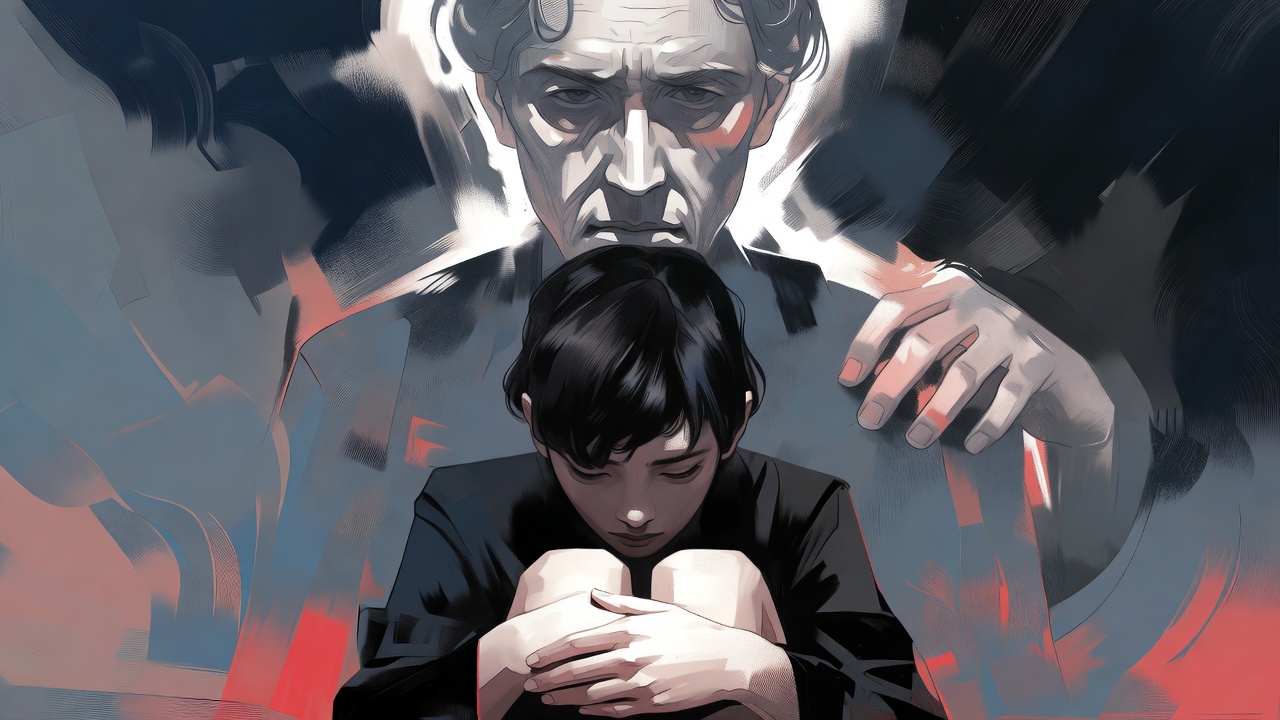
Today, in 2026, the trauma of those removals has not ended. It has spread. It has deepened. It has passed from parent to child and from grandparent to grandchild. This is intergenerational trauma — the way unresolved pain travels across generations, shaping the lives of people who were never taken themselves but who carry the weight of what happened to their families.
This article explores what intergenerational trauma means, how it manifests in the lives of Stolen Generations survivors and their descendants, and what Australia is doing — and failing to do — to address it.
What Is Intergenerational Trauma and How Does It Affect Aboriginal Communities?
Intergenerational trauma occurs when the effects of a traumatic event are transmitted from one generation to the next. It does not require that each generation experience the original event directly. Instead, the psychological, emotional, and social consequences of trauma ripple outward through family systems, parenting patterns, community structures, and cultural disconnection.
Yiman and Bundjalung woman Carlie Atkinson, co-founder of the healing organisation We Al-li, has described intergenerational trauma as “the transmission of trauma experiences and their psychological and body-based effects across generations through families.” She told SBS NITV that it represents “the profound impact of historical injustices, such as colonisation and the attempted cultural genocide, which continue to affect our communities today.”
For Aboriginal and Torres Strait Islander peoples, intergenerational trauma is not an abstract concept. It is a lived reality shaped by over two centuries of colonisation, dispossession, and deliberate cultural destruction. The Stolen Generations represent one of the most concentrated and devastating sources of this trauma.
How Trauma Passes Between Generations
The mechanisms through which trauma is transmitted are varied and complex. Researchers and Aboriginal health practitioners have identified several key pathways:
Disrupted parenting. Children who grew up in institutions or abusive foster placements never experienced safe, nurturing family environments. When they became parents, many lacked models for healthy caregiving. This does not mean they loved their children any less. It means they were denied the opportunity to learn the skills that most people absorb naturally from their own upbringing.
Loss of cultural knowledge. In Aboriginal and Torres Strait Islander cultures, knowledge is passed orally between generations. Language, ceremony, kinship systems, and connection to Country are taught through daily life within family and community. When children were taken, this chain of cultural transmission was deliberately broken. The loss of language alone has profound effects on identity and belonging.
Grief and silence. Many parents who lost children to removal were unable to speak about what had happened. The pain was too great. As the Link-Up NSW submission to the Bringing Them Home inquiry documented, the organisation was “unable to find a mother who had healed enough to be able to speak, and to share her experience.” This silence became its own form of trauma, leaving descendants with gaps in their family histories and unanswered questions about who they are.
Shame and identity confusion. Many stolen children were told to feel ashamed of their Aboriginal heritage. They were punished for speaking their languages. Some were told they were orphans. When these children grew up and had families of their own, that internalised shame sometimes became a barrier to sharing culture with the next generation.
Systemic disadvantage. The Stolen Generations received little or no education. They were expected to become labourers and servants. This deliberately created economic disadvantage has compounded over generations, contributing to ongoing disparities in health, housing, employment, and education.
The Bringing Them Home Report: Australia’s Reckoning with Forced Child Removal
The turning point in public awareness came in 1997 with the release of the Bringing Them Home report. This was the result of a National Inquiry into the Separation of Aboriginal and Torres Strait Islander Children from Their Families, conducted by the Human Rights and Equal Opportunity Commission (now the Australian Human Rights Commission).
The inquiry was launched in 1995 by Federal Attorney-General Michael Lavarch. It was led by the late Sir Ronald Wilson, then president of HREOC, and Professor Mick Dodson, then Aboriginal and Torres Strait Islander Social Justice Commissioner. Over the course of two years, they heard testimony from more than 500 people affected by forced removal, as well as submissions from organisations and institutions across the country.
The resulting report was 680 pages long. It was tabled in Federal Parliament on 26 May 1997. In its first year, 60,000 copies were sold. It was the first time the full scope of what had happened was presented in such a public and formal way.
Key Findings of the Bringing Them Home Report
The report made several findings that remain central to understanding the Stolen Generations:
| Finding | Details |
|---|---|
| Scale of removal | Between 1 in 10 and 1 in 3 Indigenous children were removed, depending on the region and time period |
| Human rights violation | The forced removal of Aboriginal children constituted a gross violation of human rights |
| Genocide | The policies amounted to genocide under the United Nations Convention, as they aimed to destroy Indigenous families, communities, and cultures |
| Ongoing effects | Issues including substance abuse, mental illness, and family violence were strongly linked to forced removal and the failure to provide healing |
| Institutional abuse | Many children suffered severe physical, psychological, and sexual abuse while in state care |
The report also made 54 recommendations addressing reparations, healing services, access to records, family reunion programs, and a formal national apology.
The Painful Gap Between Report and Action
Nearly three decades after the Bringing Them Home report, the vast majority of its recommendations remain unimplemented. In 2025, the Healing Foundation released a report titled “Are you waiting for us to die?” The unfinished business of Bringing Them Home. Its findings were stark.
According to the Healing Foundation’s analysis, only 5 out of 83 recommendations from the original report have been clearly implemented. That is a completion rate of just 6 per cent.
SNAICC – National Voice for our Children chief executive Catherine Liddle responded to SBS NITV by saying: “This is an important analysis because it tells us and reinforces what we have been saying … that the recommendations are rarely ever implemented.”
Healing Foundation chief executive Shannan Dodson — daughter of Professor Mick Dodson, who helped lead the original inquiry — noted that with survivor numbers declining each year, urgent action was needed from all levels of government, police, churches, and others. “We have already lost too many survivors,” she said.
Stories of Survival: How Stolen Generations Survivors Describe Their Experiences
Statistics tell part of the story. But the human dimension of the Stolen Generations is best understood through the voices of those who lived it.
The Bringing Them Home report recorded hundreds of personal testimonies. They describe a pattern of suffering that is both deeply individual and collectively devastating.
One witness told the inquiry:
“I’ve got everything that could be reasonably expected: a good home environment, education, stuff like that, but that’s all material stuff. It’s all the non-material stuff that I didn’t have — the lineage … You know, you’ve just come out of nowhere; there you are.”
Another testified about the lasting emotional toll:
“It never goes away. Just ’cause we’re not walking around on crutches or with bandages or plasters on our legs and arms, doesn’t mean we’re not hurting. Just ’cause you can’t see it doesn’t mean … I suspect I’ll carry these sorts of wounds ’til the day I die. I’d just like it to be not quite as intense, that’s all.”
These testimonies illustrate something that data alone cannot capture. The trauma of the Stolen Generations was not only about physical separation. It was about the destruction of identity. It was about being told lies about who you are and where you come from. It was about growing up in a world that told you your culture was worthless and your family did not want you.
The Stolen Generations Testimonies Project
In recognition of the importance of preserving survivor stories, the Stolen Generations Testimonies project was established to record on film the personal accounts of survivors from across Australia. These video testimonies serve a dual purpose. They honour the courage of those who share their stories. They also ensure that future generations will have access to firsthand accounts of what happened.
This kind of truth-telling is central to healing. As the Healing Foundation notes, survivors have shared their experiences “again and again — to the Bringing Them Home inquiry, at annual commemorative events and to services in their bid to find and connect with families and culture.” Since the 2008 National Apology, Stolen Generations survivors have testified at more than 20 inquiries, including royal commissions examining institutional responses to child sexual abuse, aged care, and disability.
How the Stolen Generations Affect Health and Wellbeing Across Generations
The health consequences of forced removal are well documented. They are severe. And they do not stop with the generation that was directly taken.
Physical and Mental Health Impacts on Survivors
Research by the Australian Institute of Health and Welfare (AIHW) has shown that surviving members of the Stolen Generations (estimated at around 20,900 individuals) are significantly more likely than other Indigenous Australians to experience a range of negative outcomes.
| Health Indicator | Impact on Stolen Generations Survivors |
|---|---|
| Mental health | Higher rates of PTSD, depression, anxiety, and suicidal ideation |
| Incarceration | More likely to have been imprisoned in the previous five years |
| Income | More likely to rely on government payments as their main source of income |
| Housing | Less likely to be homeowners |
| General health | Poorer overall physical health compared to non-removed Indigenous people |
Medical experts have confirmed that the intergenerational trauma of the Stolen Generations is associated with high rates of post-traumatic stress disorder (PTSD), depression, anxiety, and suicide among those affected.
The “Gap Within the Gap”
The Healing Foundation has described the situation of Stolen Generations survivors and their descendants as a “gap within the gap”. This phrase refers to the fact that even within the broader disadvantage experienced by Aboriginal and Torres Strait Islander peoples — the focus of Australia’s Closing the Gap framework — those connected to the Stolen Generations fare significantly worse.
Across the nation, a third of all Aboriginal and Torres Strait Islander adults are descended from Stolen Generations survivors. In some states and territories, descendants make up more than half of the Aboriginal and Torres Strait Islander population. The AIHW has found that descendants also consistently fare worse than other Indigenous Australians on a range of health, socio-economic, and cultural indicators.
A 2019 AIHW study confirmed that children living in households with members of the Stolen Generations are more likely to experience adverse outcomes including poor health (especially mental health), missing school, and living in poverty.
The Cycle of Child Removal Continues
Perhaps the most disturbing dimension of the ongoing crisis is that the removal of Aboriginal and Torres Strait Islander children from their families has not stopped. It has accelerated.
When the Bringing Them Home report was published in 1997, 20 per cent of children in out-of-home care in Australia were Aboriginal or Torres Strait Islander. By 2025, that figure had risen to roughly 41 per cent, despite First Nations peoples making up only about 3.8 per cent of the total population.
According to the Productivity Commission’s Closing the Gap dashboard, the rate of Aboriginal and Torres Strait Islander children aged 0 to 17 in out-of-home care nationally in 2024 was 50.3 per 1,000 children. This is up from 47.3 per 1,000 in 2019, the baseline year for the Closing the Gap targets.
This means the target is worsening, not improving.
The SNAICC Family Matters Report 2025 found that Aboriginal and Torres Strait Islander children continue to be disproportionately represented at all stages of child protection systems across the country. In Victoria, the rate reached an alarming 90.5 per 1,000 Aboriginal children in out-of-home care in 2024 — more than 20 times the rate for non-Aboriginal children.
The state of these numbers is not lost on Aboriginal communities. As the AIATSIS (Australian Institute of Aboriginal and Torres Strait Islander Studies) has stated: “While the intent of child removal today may be different to that experienced by the Stolen Generations, the effect is the same: a loss of identity and the exacerbation of intergenerational trauma.”
The 2008 National Apology to the Stolen Generations and What Has Changed Since
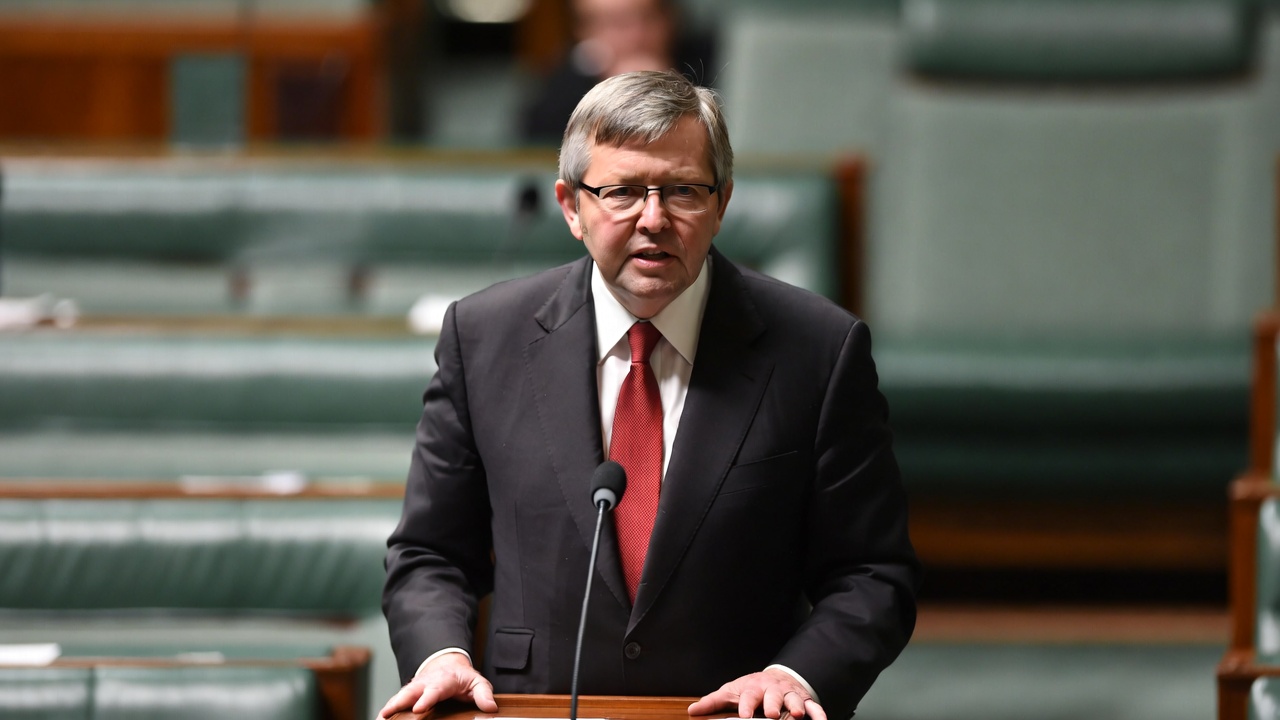
On 13 February 2008, Prime Minister Kevin Rudd stood in Parliament House in Canberra and delivered a formal apology to the Stolen Generations on behalf of the Australian government. It was a moment many had waited decades for.
The apology included the following words:
“We apologise for the laws and policies of successive Parliaments and governments that have inflicted profound grief, suffering and loss on these our fellow Australians. We apologise especially for the removal of Aboriginal and Torres Strait Islander children from their families, their communities and their country.”
The speech was broadcast live across the country. Large screens were set up in parks and public spaces in cities and towns. In Canberra, hundreds of Stolen Generations survivors gathered at Parliament House to hear the words in person. The response was a powerful wave of tears, relief, and applause.
Why the Apology Mattered
The apology represented several things at once. It was an acknowledgement that what had happened was wrong. It was a recognition that the trauma caused by forced removal was real and ongoing. And it was a signal — or so many hoped — that meaningful action would follow.
For the decade before the apology, Prime Minister John Howard had refused to say sorry. His government offered a Motion of Reconciliation in 1999 that expressed “deep and sincere regret” but stopped short of a formal apology. Howard argued that the current generation should not be held responsible for the actions of past governments.
The 2008 apology was therefore a significant shift. In 2025, the 17th anniversary of the National Apology was observed on 13 February, a day now known as National Apology Day.
What Has — and Has Not — Changed
The apology was an important symbolic moment. But symbols alone do not heal trauma. In the years since 2008, many of the practical commitments implied by the apology have failed to materialise at the scale needed.
The number of Indigenous children in out-of-home care has continued to grow. The number rose from roughly 9,070 in 2008 to approximately 20,000 by 2024. Many of the 54 recommendations of the Bringing Them Home report remain unaddressed. Redress schemes, while welcome, have been inconsistent across states and territories.
Stolen Generations survivors are ageing. Many are elderly and have complex health needs. Too often, they avoid accessing health and aged care services out of fear that these settings will bring back traumatic memories or cause further harm.
National Sorry Day: How Australia Remembers the Stolen Generations Each Year
Each year on 26 May, Australians observe National Sorry Day — officially known since 2005 as the National Day of Healing. The date marks the anniversary of the tabling of the Bringing Them Home report in 1997.
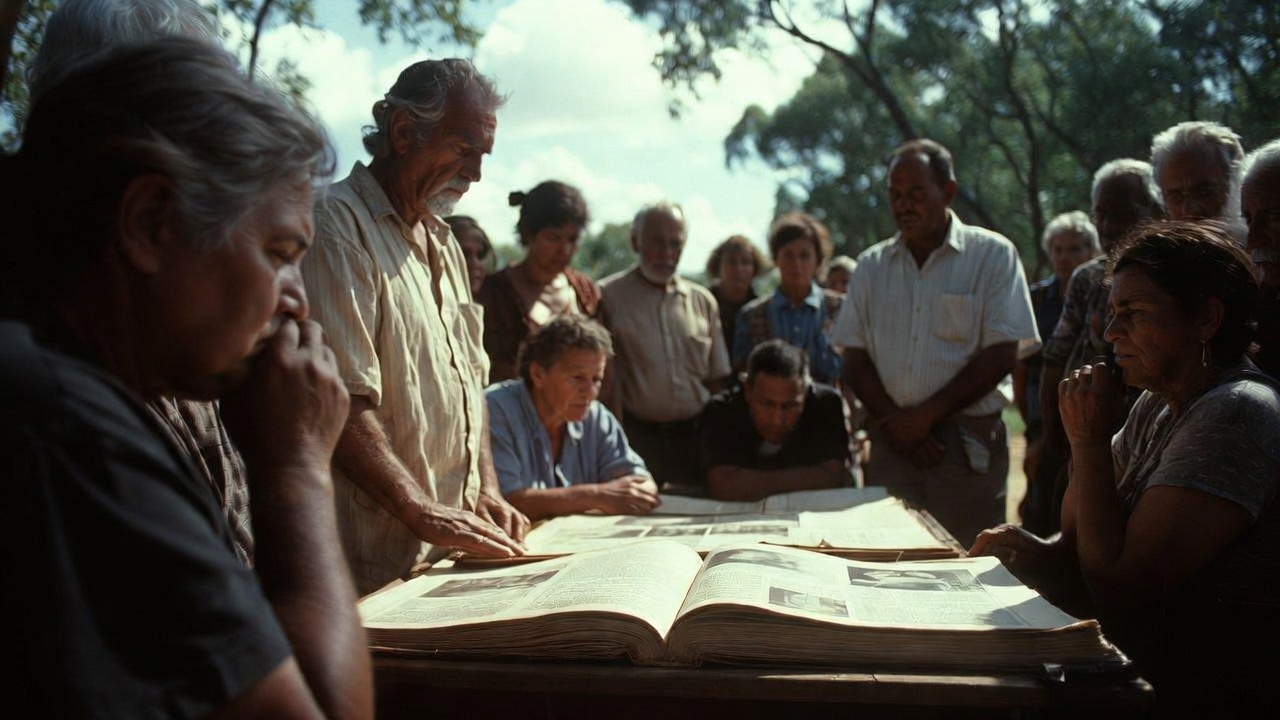
The first National Sorry Day was held on 26 May 1998, just one year after the report’s release. It grew from a grassroots movement. In 1998, thousands of Australians participated in the Sorry Book campaign, signing books to express personal apologies. This campaign was described as “the people’s apology,” reflecting a groundswell of public remorse that preceded the official government apology by a full decade.
What Happens on National Sorry Day
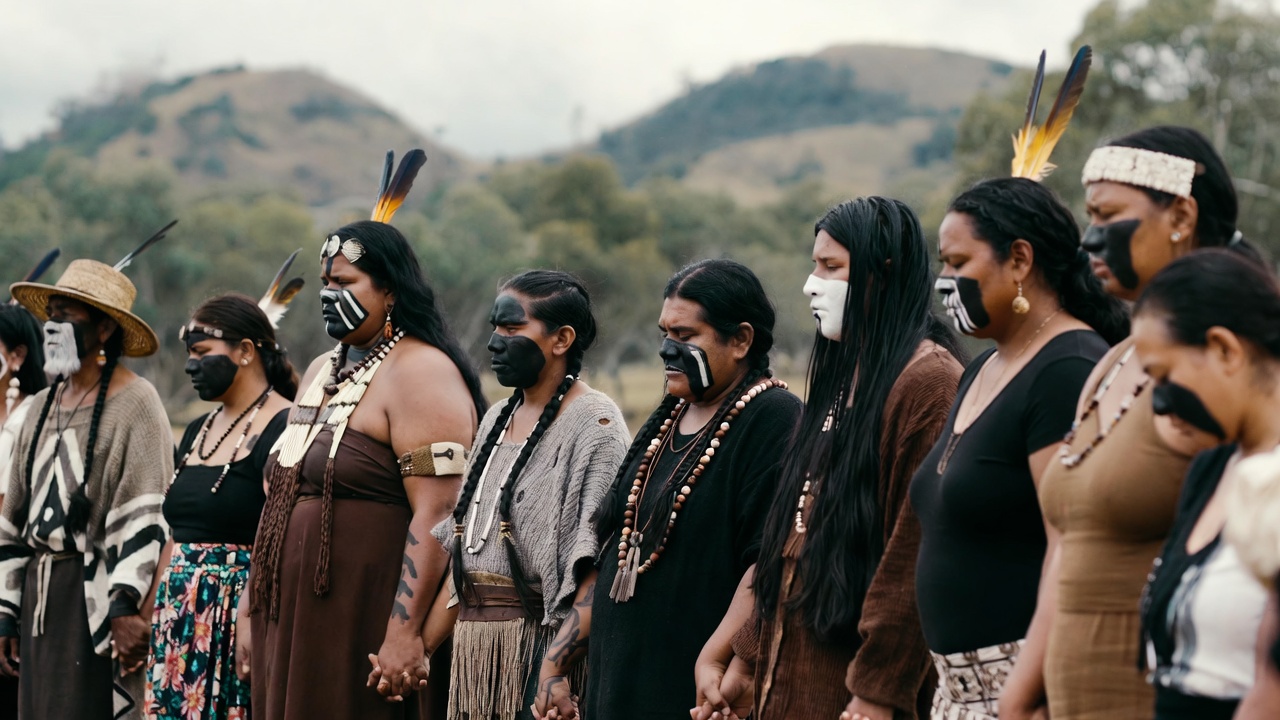
National Sorry Day is not a public holiday. But it is widely observed through community events, gatherings, marches, educational programs, and ceremonies across Australia. Aboriginal and Torres Strait Islander flags are flown. Schools hold discussions about the Stolen Generations. Community members gather to yarn, share stories, and stand together.
The day serves multiple purposes. It is a day of remembrance for the children who were taken. It is a day to honour the strength and resilience of survivors. And it is a call to action — a reminder that the work of healing and reconciliation is far from complete.
In 2025, the theme for National Sorry Day was “We cannot wait another generation,” chosen by the Healing Foundation to underscore the urgency of implementing the outstanding recommendations of the Bringing Them Home report.
National Sorry Day and Reconciliation Week
National Sorry Day falls on the day before the start of National Reconciliation Week (27 May to 3 June), which runs between two significant dates: the anniversary of the 1967 referendum that allowed Aboriginal people to be counted in the census, and the anniversary of the 1992 Mabo High Court decision that recognised native title.
Together, Sorry Day and Reconciliation Week form a period of sustained national reflection on the relationship between Indigenous and non-Indigenous Australians. For many Aboriginal and Torres Strait Islander people, these days carry deep emotional significance. They are also a time when the unfinished business of reconciliation is most visible.
Stolen Generations Redress Schemes in Australia: State and Territory Compensation Programs
One of the key recommendations of the Bringing Them Home report was the provision of reparations to Stolen Generations survivors. Redress has taken various forms across different Australian states and territories, though there is no single national scheme.
Current Redress Schemes Across Australia (as of 2026)
| State/Territory | Scheme | Payment Amount | Status |
|---|---|---|---|
| Northern Territory, ACT, Jervis Bay | Territories Stolen Generations Redress Scheme | Up to $75,000 redress + $7,000 healing assistance | Open; applications accepted from 1 March 2022. Originally due to close February 2026, now extended to 31 August 2027 |
| New South Wales | Stolen Generations Reparations Scheme | Up to $75,000 | Established in 2017 |
| South Australia | Stolen Generations Reparations Scheme | Individual ex gratia payments | Ongoing |
| Tasmania | Stolen Generations of Aboriginal Children Act 2006 | $58,333 per applicant | Concluded |
| Western Australia | WA Stolen Generations Redress Scheme | $85,000 per eligible applicant | Announced May 2025; registrations expected from second half of 2025 |
The Territories Stolen Generations Redress Scheme, funded at $378.6 million by the Commonwealth government, represents the largest single investment. It also offers a Personal Acknowledgement — an opportunity for a survivor’s story about their removal and its impact to be heard and formally acknowledged by a senior government official.
Why Redress Alone Is Not Enough
While financial compensation is important, survivors and advocates have consistently emphasised that money alone cannot heal trauma. As the Healing Foundation has argued, redress must be accompanied by practical support for healing, access to records and family tracing services, culturally safe health and aged care, and genuine truth-telling processes.
Many survivors have died before receiving any compensation. As professor Bronwyn Carlson has noted in The Conversation, compensation often cannot be forwarded to the families of deceased survivors. This creates a painful urgency around current efforts. Every year that passes without comprehensive action means more survivors pass away without having seen justice.
In Western Australia, the announcement of the $85,000 redress scheme during Reconciliation Week 2025 was accompanied by a commitment to partner with First Nations organisations for a healing and truth-telling process — a sign that at least some jurisdictions are beginning to understand that reparations must go beyond financial transactions.
How Cultural Healing Programs Are Addressing Intergenerational Trauma in Australia
Healing from intergenerational trauma requires approaches that are culturally grounded, community-led, and trauma-informed. Across Australia, a range of programs are working to address the deep wounds left by the Stolen Generations. Many of these are led by Aboriginal and Torres Strait Islander organisations.
The Healing Foundation
The Healing Foundation was established in 2009 as a national body dedicated to addressing the healing needs of Stolen Generations survivors and their descendants. Funded by the Australian government and led by an expert reference group of Stolen Generations survivors from around the country, the Foundation supports community-based healing programs, commissions research, and advocates for systemic change.
The Foundation’s work is guided by a simple but powerful principle: healing must be survivor-led. This means that the people most affected by the trauma of forced removal should be at the centre of designing and delivering healing responses.
The Foundation has funded projects across the country that bring together survivors and their descendants for cultural camps, storytelling workshops, connection to Country activities, and therapeutic programs that combine Aboriginal cultural practices with contemporary healing methods.
We Al-li: Integrating Cultural and Therapeutic Approaches
The organisation We Al-li, co-founded by Carlie Atkinson, integrates Aboriginal cultural processes with therapeutic techniques to support trauma recovery. We Al-li works with communities to build their capacity to understand, address, and heal from intergenerational trauma.
Atkinson has spoken publicly about how intergenerational trauma can trap Aboriginal and Torres Strait Islander peoples in cycles of disadvantage and suffering, contributing to “high rates of mental health disorders, substance abuse, incarceration and family breakdowns.” But she also emphasises the strength and resilience of Aboriginal communities and the power of culturally grounded healing.
Link-Up: Reconnecting Families Separated by Forced Removal
Link-Up services were established following the recommendations of the Bringing Them Home report. They provide support to Stolen Generations members seeking to find and reconnect with their biological families, communities, and culture.
For many survivors, finding family is the first and most essential step in healing. After decades of separation, reunion can be profoundly emotional. It can also be complicated. Some families were scattered across the country. Some parents were told their children had died. Some children were told their parents had abandoned them.
Link-Up provides counselling and support before, during, and after reunion. The service recognises that reconnection is not a single event but an ongoing process that requires sustained support.
The Role of Country in Healing
For Aboriginal and Torres Strait Islander peoples, Country is not simply a geographical location. It is a living entity with which people share a reciprocal relationship. Connection to Country — to the land, waters, plants, animals, and spiritual forces of a particular place — is fundamental to identity, health, and wellbeing.
Many healing programs incorporate activities on Country, such as bush camps, fishing and hunting trips, visits to sacred sites, and participation in ceremony. These activities help reconnect people with the cultural knowledge and practices that were disrupted by forced removal.
Research consistently shows that connection to culture and Country is a protective factor for Aboriginal and Torres Strait Islander health and wellbeing. Strengthening this connection is therefore not just a cultural aspiration — it is a public health strategy.
Why Aboriginal Children Are Still Being Removed from Their Families in 2026
One of the most confronting aspects of the Stolen Generations story is the extent to which history is repeating itself. The removal of Aboriginal and Torres Strait Islander children from their families has not stopped. By several measures, the situation has grown worse.
The Numbers
The National Agreement on Closing the Gap includes a target (Target 12) to reduce the rate of Aboriginal and Torres Strait Islander children in out-of-home care by 45 per cent by 2031. Progress toward this target has been described as worsening.
Key data points as of 2024 and 2025:
- Nationally, the rate of Aboriginal and Torres Strait Islander children in out-of-home care was 50.3 per 1,000 in 2024, up from 47.3 in 2019
- Of approximately 44,900 children in out-of-home care across Australia, nearly 20,000 were Indigenous
- Indigenous children were placed in out-of-home care at a rate 10.9 times the rate for non-Indigenous children
- In Victoria, the rate reached 90.5 per 1,000 Aboriginal children — more than 20 times the non-Indigenous rate
- In NSW, as of June 2025, the rate was 45.1 per 1,000 Aboriginal children, only a small improvement from the 2019 baseline
Catherine Liddle of SNAICC described the situation as children being “let down for another 12 months,” arguing that “governments have failed to act on what works — transitioning delegated authority to the ACCO sector.”
Why This Matters for Intergenerational Trauma
There is growing concern that the ongoing over-representation of Aboriginal children in state care constitutes a continuation of the Stolen Generations in a different form. While the language and legal framework have changed, the outcome — children separated from family, community, culture, and Country — is strikingly similar.
SNAICC has argued that children removed through permanent care orders or adoption may experience impacts parallel to those of the original Stolen Generations. The Amnesty International Australia report in 2025 was blunt in its assessment: “When children are removed, traumatised, and then criminalised, we are repeating the very harms the Bringing Them Home report warned us about.”
The pipeline from out-of-home care to the criminal justice system is well documented. Children who grow up without stable, culturally safe support are more likely to end up in youth detention. An unacceptable proportion of children in youth detention have a care background.
What Needs to Change
Aboriginal community leaders and organisations have been clear about what is needed. The solutions include:
Aboriginal-led decision-making. Aboriginal Community Controlled Organisations (ACCOs) should have greater authority over child protection decisions affecting Aboriginal children and families. This means transferring power, not just consulting.
Investment in prevention. Rather than removing children after harm has occurred, governments need to invest in early intervention and family support services that address the underlying causes of vulnerability — including intergenerational trauma, poverty, housing instability, and lack of access to culturally safe services.
Full implementation of the Aboriginal and Torres Strait Islander Child Placement Principle. This principle, which requires that Indigenous children in care be placed with Indigenous carers wherever possible, is adopted in all jurisdictions but inconsistently applied. Nationally in 2024, about 63 per cent of Aboriginal children in out-of-home care were placed with kin.
Culturally safe assessment tools. In 2024, NSW stopped using a child safety assessment tool called Structured Decision Making after concerns that it contained cultural bias. The development of more culturally appropriate assessment approaches is ongoing and critical.
Understanding the Psychological Impact of the Stolen Generations on Descendants
The psychological effects of the Stolen Generations extend well beyond the generation that was directly removed. Research has consistently shown that the descendants of survivors are themselves at elevated risk for a range of mental health and social difficulties.
What Research Tells Us About Descendants
The AIHW and other research bodies have found that descendants of Stolen Generations survivors consistently fare worse than other Aboriginal and Torres Strait Islander people on multiple indicators. These include:
- Higher rates of psychological distress
- Greater likelihood of substance use difficulties
- Lower educational attainment
- Higher rates of contact with the criminal justice system
- Poorer self-assessed health
- Greater disconnection from culture and community
These findings are consistent with international research on the intergenerational effects of historical trauma in other Indigenous and colonised populations, including Native Americans, Canadian First Nations peoples, and the descendants of Holocaust survivors.
How Trauma Is Carried in the Body
Contemporary trauma research has increasingly recognised that trauma is not only a psychological experience. It is also a physical one. The body stores the effects of traumatic experiences in ways that can affect health long after the original event.
Chronic stress — the kind that results from ongoing trauma, racism, poverty, and insecurity — can activate the body’s stress response systems in ways that cause lasting damage. Elevated cortisol levels, inflammation, and changes to the immune system have all been linked to the kind of chronic adversity experienced by Stolen Generations survivors and their families.
Emerging research in the field of epigenetics suggests that trauma may even leave marks on DNA that can be passed to subsequent generations, potentially affecting how genes are expressed. While this research is still in its early stages and must be interpreted carefully, it points to biological pathways through which trauma may be transmitted.
The Importance of Culturally Safe Mental Health Services
Mainstream mental health services have not always been effective for Aboriginal and Torres Strait Islander peoples. This is partly because many services are not designed with an understanding of intergenerational trauma, cultural loss, and the specific historical experiences of First Nations communities.
The Royal Australian and New Zealand College of Psychiatrists (RANZCP) has acknowledged the ongoing mental health impacts of the Stolen Generations and committed to strengthening cultural competency among psychiatrists and trainees. This includes ensuring practitioners understand the history of forced removal and its continuing effects.
Aboriginal Community Controlled Health Organisations (ACCHOs) play a crucial role in providing culturally safe health services. These organisations are designed and run by Aboriginal and Torres Strait Islander peoples and integrate cultural knowledge into health care delivery. For Stolen Generations survivors and their descendants, accessing services through an ACCHO can reduce the fear and re-traumatisation that many experience in mainstream settings.
Truth-Telling and Reconciliation: The Unfinished Business of the Stolen Generations
Truth-telling is widely recognised as a necessary step in addressing historical injustice. It involves creating formal and informal spaces for the experiences of those who were harmed to be heard, acknowledged, and recorded. For the Stolen Generations, truth-telling is both a personal act of courage and a collective requirement for national healing.
The Uluru Statement from the Heart
On 26 May 2017 — the same date as National Sorry Day — the Uluru Statement from the Heart was delivered at the conclusion of the First Nations National Constitutional Convention. The Statement called for three key reforms: a constitutionally enshrined Voice to Parliament, a Makarrata Commission to supervise agreement-making and truth-telling, and a process of treaty between Aboriginal and Torres Strait Islander peoples and the Australian government.
The Voice to Parliament was the subject of a national referendum in October 2023, which was not successful. However, the calls for truth-telling and treaty continue. Several states have established or are progressing their own truth-telling bodies.
The Yoorrook Justice Commission (Victoria)
Victoria’s Yoorrook Justice Commission is Australia’s first formal truth-telling process into injustices experienced by Aboriginal peoples. Established in 2021, the Commission has the powers of a Royal Commission and has heard testimony from Stolen Generations survivors, among others.
In 2023, Yoorrook released a report examining Victoria’s child protection and criminal justice systems, making 20 recommendations for urgent reform. As of late 2024, the Victorian government had committed to supporting two recommendations outright and was considering the remainder.
Why Truth-Telling Must Continue
For Stolen Generations survivors, truth-telling serves multiple functions. It validates their experiences. It creates an official record. It educates the broader public. And it lays the groundwork for systemic change.
But truth-telling is also emotionally taxing. Many survivors have told their stories repeatedly — to inquiries, to government bodies, to researchers, to media — only to see little meaningful change. As the Healing Foundation’s 2025 report asked: “Are you waiting for us to die?”
This question cuts to the heart of the matter. The window to hear directly from Stolen Generations survivors is closing. Every year, more survivors pass away. The urgency of listening — and acting on what is heard — has never been greater.
How Australians Can Support Stolen Generations Healing and Reconciliation
Understanding the history and ongoing effects of the Stolen Generations is the first step. But understanding must lead to action. Here are practical ways that all Australians — and people around the world — can support healing and reconciliation.
Educate Yourself and Others
The Healing Foundation offers a downloadable education resource kit for teachers, students, and communities. Learning about the Stolen Generations should not be limited to Sorry Day or Reconciliation Week. It should be part of ongoing education throughout the year.
Attend Sorry Day and Reconciliation Week Events
Events are held across Australia during Sorry Day (26 May) and Reconciliation Week (27 May – 3 June). These include walks, gatherings, film screenings, exhibitions, and community discussions. Attending and participating is a meaningful act of solidarity.
Support Aboriginal Community Controlled Organisations
ACCOs deliver services that are culturally safe and community-led. Supporting these organisations — through donations, volunteering, or advocating for their funding — directly contributes to healing.
Listen to Survivor Stories
The Stolen Generations Testimonies project and resources from the Healing Foundation, AIATSIS, and the Australian Human Rights Commission provide access to survivor stories. Listening with respect and empathy is a form of witnessing that matters.
Advocate for Policy Change
The most significant changes require government action. This includes fully implementing the recommendations of the Bringing Them Home report, equitable redress for all survivors, investment in Aboriginal-led family support services, and genuine power-sharing with Aboriginal communities in child protection.
Looking Forward: What Must Happen Before It Is Too Late
The Stolen Generations story is not over. It is being written in the present tense. In 2026, surviving members of the Stolen Generations are elderly. Many have complex health needs. Many are still waiting for justice. Many have died without receiving it.
At the same time, a new generation of Aboriginal children is being removed from their families at alarming rates. The intergenerational cycle that the Bringing Them Home report described in 1997 has not been broken. In many respects, it has deepened.
The 2025 Sorry Day theme — “We cannot wait another generation” — is not simply a slogan. It is a statement of fact. The opportunity to hear directly from Stolen Generations survivors, to honour their experiences with meaningful action, and to prevent the same patterns from repeating is finite.
What is needed is clear. It has been articulated, documented, and recommended for nearly three decades. The Bringing Them Home report laid out the roadmap. The Healing Foundation has updated it. Aboriginal communities have repeated the call in countless submissions, testimonies, and reports.
The question is no longer what to do. The question is whether Australia will do it before it is too late.
If you or someone you know has been affected by the issues discussed in this article, the following support services are available:
| Service | Contact |
|---|---|
| 13YARN — Aboriginal & Torres Strait Islander crisis support | 13 92 76 (24 hours) |
| Lifeline | 13 11 14 (24 hours) |
| Beyond Blue | 1300 22 4636 |
| Link-Up — Family tracing and reunion services | 1800 624 332 |
| Territories Stolen Generations Redress Scheme | 1800 566 111 |