A Complete Guide to Understanding Ash Wednesday, Lenten Fasting Rules, and Catholic Holy Days
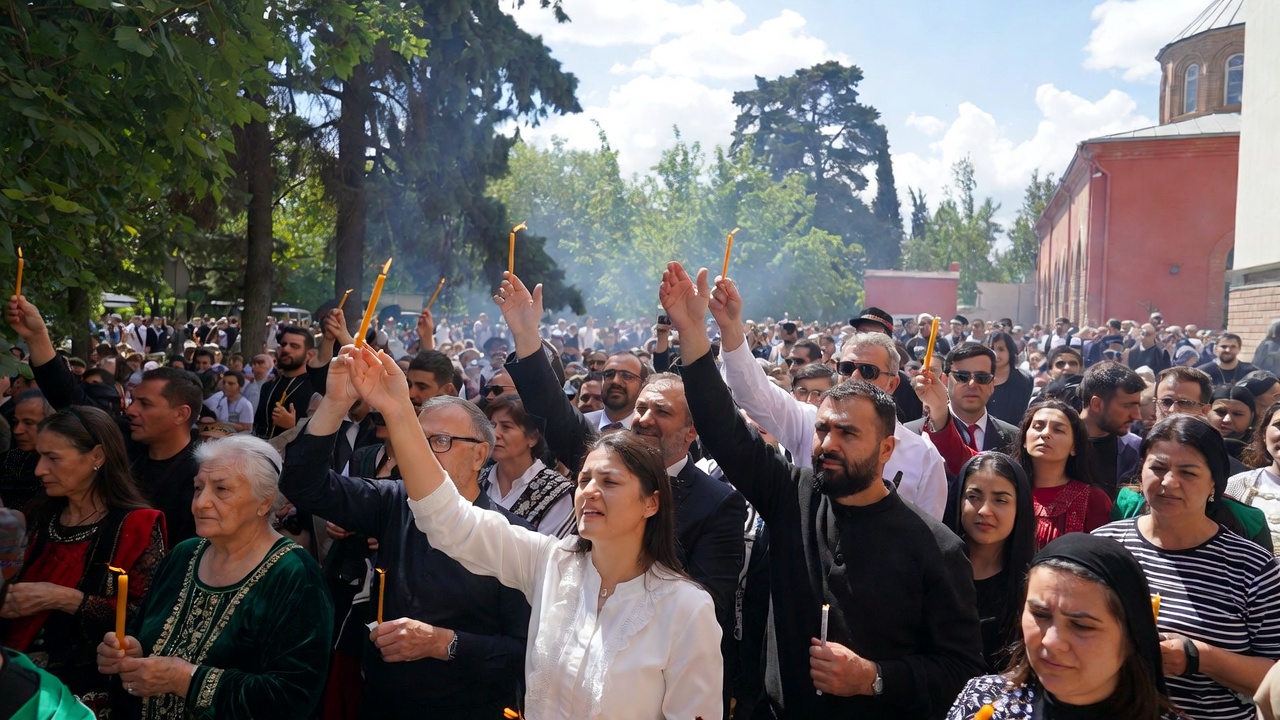
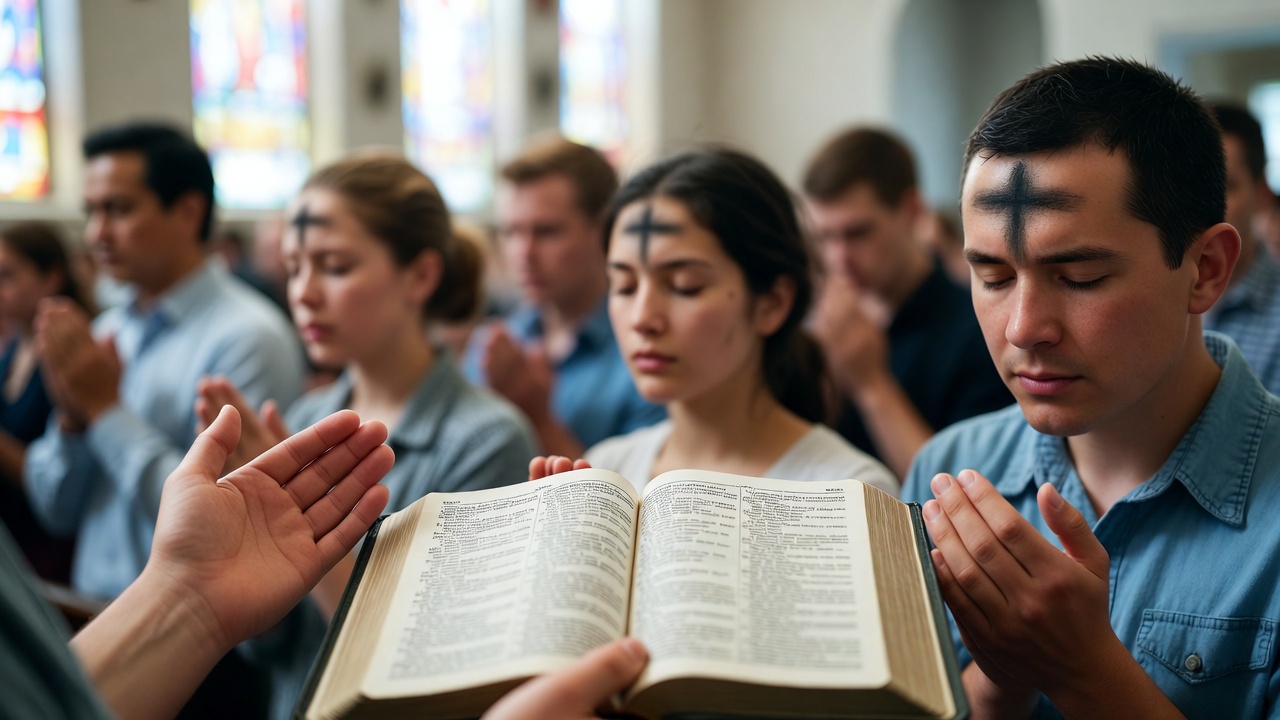
Walk into any Catholic parish on a crisp February or early March morning, and you’ll witness something remarkable. Pews fill rapidly. Lines snake toward the altar. Men in business suits, mothers with toddlers, teenagers checking their phones between prayers—all united in purpose, waiting to receive a smudge of gray ash on their foreheads.
Ash Wednesday consistently draws one of the highest Mass attendance rates of the entire liturgical year. Yet here’s the paradox that puzzles many Catholics and non-Catholics alike: despite its tremendous popularity, Ash Wednesday is not a Holy Day of Obligation.
So what makes this day so compelling that millions voluntarily attend when they don’t technically have to? And what exactly distinguishes a Holy Day of Obligation from other significant Catholic observances?
Whether you’re a lifelong Catholic seeking clarity, a recent convert navigating your first Lent, or simply someone curious about Catholic traditions, this comprehensive guide will answer every question you’ve ever had about Ash Wednesday, Holy Days of Obligation, and the beautiful traditions that mark the beginning of the most sacred season in the Christian calendar.
What Is Ash Wednesday and Why Do Catholics Receive Ashes on Their Foreheads?
Ash Wednesday marks the first day of Lent, the 40-day period of prayer, fasting, and almsgiving that prepares Catholics for the celebration of Easter. In 2026, Ash Wednesday falls on Wednesday, February 18, and the Lenten season continues until Holy Thursday, April 2.
The name itself explains the day’s most visible tradition: the distribution of blessed ashes, typically made from burned palm branches saved from the previous year’s Palm Sunday celebration. A priest, deacon, or sometimes a lay minister traces a cross of ashes on the forehead of each person who comes forward, accompanied by one of two powerful phrases:
- “Remember that you are dust, and to dust you shall return” (based on Genesis 3:19)
- “Repent, and believe in the Gospel” (from Mark 1:15)
These aren’t empty words. They cut to the heart of what Lent is about—confronting our mortality, acknowledging our dependence on God, and turning our hearts back toward the divine.
The Profound Symbolism of Ashes in Catholic Tradition
Ashes carry layers of meaning stretching back thousands of years:
| Symbolism | Biblical Reference | Meaning for Today |
|---|---|---|
| Mortality | Genesis 3:19 | Reminder that our earthly life is temporary |
| Mourning | Esther 4:1, Job 42:6 | Grief over sin and separation from God |
| Penance | Daniel 9:3, Jonah 3:5-6 | Outward sign of interior repentance |
| Humility | Matthew 11:21 | Recognition of our utter dependence on God |
The ashes themselves come from the blessed palms of Palm Sunday—the same palms that once celebrated Christ’s triumphant entry into Jerusalem now become a symbol of our need for his mercy. This transformation beautifully illustrates the Catholic understanding that all things, even our moments of celebration, ultimately point toward our mortality and salvation.
Is Ash Wednesday a Holy Day of Obligation in the Catholic Church?
Here’s the answer many Catholics find surprising: No, Ash Wednesday is not a Holy Day of Obligation.
According to the United States Conference of Catholic Bishops (USCCB), Catholics are not required to attend Mass on Ash Wednesday. Missing Mass on this day does not constitute a sin. The Church recognizes that work schedules, family obligations, and other legitimate responsibilities may prevent some faithful from attending.
Yet the reality on the ground tells a different story. Catholic parishes across America report that Ash Wednesday Mass attendance often rivals or exceeds Easter and Christmas attendance. Many parishes offer multiple Masses throughout the day—early morning, midday, and evening—to accommodate the overwhelming demand.
Why would so many people voluntarily attend a Mass they’re not obligated to attend?
The answer lies in understanding what Ash Wednesday represents: a powerful spiritual reset. After the indulgences of Mardi Gras (Fat Tuesday), Ash Wednesday calls Catholics to pivot dramatically. The ashes become a visible proclamation of faith, a public commitment to the Lenten journey, and a reminder—to oneself and to the world—that following Christ requires sacrifice.
Understanding the Difference Between Obligation and Invitation
The distinction between Holy Days of Obligation and other significant observances reveals something important about Catholic spirituality:
Holy Days of Obligation are days of feasting—celebrations of the great mysteries of salvation. They include Christmas, the Assumption of Mary, and other joyful commemorations.
Ash Wednesday is a day of fasting—a solemn beginning to a penitential season. The Church wisely recognizes that mandating attendance on a day of penance would shift its character from invitation to requirement, potentially missing the whole point.
As Dynamic Catholic beautifully puts it: “Even though you’re not required to attend Mass, Ash Wednesday is a wonderful opportunity to rearrange your priorities and feed your soul before one of the most important seasons of the entire year.”
Complete List of Holy Days of Obligation for Catholics in the United States
If Ash Wednesday isn’t a Holy Day of Obligation, what days are? The USCCB, in its 1991 general decree, established the following Holy Days of Obligation for Latin Rite Catholics in the United States:
| Holy Day | Date | Significance |
|---|---|---|
| Solemnity of Mary, Mother of God | January 1 | Honors Mary’s unique role in salvation |
| Ascension of the Lord | Thursday of 6th Week of Easter* | Commemorates Christ’s ascension to heaven |
| Assumption of the Blessed Virgin Mary | August 15 | Celebrates Mary’s assumption into heaven |
| All Saints’ Day | November 1 | Honors all saints, known and unknown |
| Immaculate Conception | December 8 | Celebrates Mary conceived without sin |
| Christmas Day | December 25 | The Nativity of Our Lord Jesus Christ |
In most U.S. dioceses, the Ascension has been transferred to the following Sunday. However, in the ecclesiastical provinces of Boston, Hartford, New York, Omaha, and Philadelphia, it remains on Thursday as a Holy Day of Obligation.
When Is the Obligation Lifted?
The USCCB has established an important exception: When the Solemnity of Mary (January 1), the Assumption (August 15), or All Saints’ Day (November 1) falls on a Saturday or Monday, the obligation to attend Mass is abrogated (lifted).
This exception does not apply to Christmas or the Immaculate Conception—these remain obligatory regardless of which day of the week they occur.
For example, in 2025, All Saints’ Day falls on a Saturday, so it is not a Holy Day of Obligation that year. In 2026, however, All Saints’ Day falls on a Sunday (which is already obligatory), so the feast is observed with obligation.
Why Do Holy Days of Obligation Vary by Country?
The Code of Canon Law (Canon 1246) establishes ten universal Holy Days of Obligation but grants national bishops’ conferences authority to suppress some days or transfer them to Sundays. This explains why:
- Ireland observes St. Patrick’s Day as a Holy Day of Obligation
- Hawaii recognizes only Christmas and the Immaculate Conception as obligatory
- The Diocese of Lugano, Switzerland observes all ten original Holy Days
This flexibility allows the Church to adapt to local circumstances while maintaining the essential call to worship.
What Are the Fasting Rules for Ash Wednesday Catholics Must Follow?
While Mass attendance isn’t mandatory, fasting and abstinence ARE obligatory on Ash Wednesday for Catholics who meet the age and health requirements. The USCCB provides clear guidelines:
Ash Wednesday Fasting Requirements
Fasting (limiting food intake) applies to Catholics ages 18 to 59:
- One full meal is permitted during the day
- Two smaller meals may also be taken, which together should not equal a full meal
- No eating between meals
- Liquids, including milk and juice, are permitted and do not break the fast
Abstinence from meat applies to Catholics age 14 and older:
- No meat from mammals or fowl (beef, pork, chicken, etc.)
- Fish and shellfish are permitted
- Eggs, dairy products, and animal-derived products (gelatin, broth) are allowed
Complete Lenten Fasting and Abstinence Calendar
| Requirement | Days Applied | Age Requirement |
|---|---|---|
| Fasting AND Abstinence | Ash Wednesday, Good Friday | Fast: Ages 18-59; Abstinence: Age 14+ |
| Abstinence Only | All Fridays during Lent | Age 14 and older |
Who Is Exempt from Fasting?
The Church recognizes that fasting isn’t appropriate for everyone. The following groups are exempt:
- Pregnant or nursing women
- Those who are physically or mentally ill
- Individuals with chronic conditions (such as diabetes)
- Those for whom fasting would seriously affect health or work ability
As the USCCB notes, “Common sense should prevail, and ill persons should not further jeopardize their health by fasting.”
The History and Origins of Ash Wednesday: From Ancient Penance to Modern Practice
Understanding Ash Wednesday’s history illuminates why this day holds such power in the Catholic imagination. The practice didn’t appear suddenly—it evolved over centuries, drawing on ancient Jewish traditions and early Christian practices.
Biblical Roots of Using Ashes for Penance
The use of ashes as a sign of mourning and repentance appears throughout the Old Testament:
- Job 42:6 — “I repent in dust and ashes”
- Daniel 9:3 — “I turned to the Lord God, pleading in earnest prayer, with fasting, sackcloth, and ashes”
- Jonah 3:5-6 — The king of Nineveh “covered himself with sackcloth and sat in ashes”
- Esther 4:1 — Mordecai “put on sackcloth and ashes” upon hearing of the threat against his people
These weren’t just private acts of piety. They were public declarations that something had gone terribly wrong—either through personal sin or communal catastrophe—and that reconciliation with God was desperately needed.
Early Church Development of Ash Wednesday Traditions
The early Church continued using ashes in penitential contexts. Tertullian (c. 160-220 AD), in his work De Poenitentia, prescribed that penitents must “live without joy in the roughness of sackcloth and the squalor of ashes.”
For centuries, ashes were primarily associated with public penance—the formal process by which serious sinners sought reconciliation with the Church. Penitents were sprinkled with ashes, dressed in sackcloth, and excluded from receiving Communion until Holy Thursday, when they were formally reconciled.
When Did Ash Wednesday Become Universal Practice?
The transition from individual penance to universal observance happened gradually:
- 8th century: The ritual for the “Day of Ashes” appears in early editions of the Gregorian Sacramentary
- About 1000 AD: Anglo-Saxon priest Aelfric preached that all Christians should receive ashes, not just public penitents
- 1091 AD: Pope Urban II encouraged the entire Church to observe Ash Wednesday with ashes
- 1091-present: The practice became universal in the Western Church
According to Catholic Straight Answers, Aelfric reinforced his preaching with a cautionary tale: a man who refused to receive ashes was killed in a boar hunt just days later. While the story’s historicity is questionable, it reveals how seriously medieval Christians took this observance.
Why Ash Wednesday Mass Attendance Is Higher Than Many Holy Days of Obligation
This paradox deserves deeper exploration. Why do more Catholics attend a non-obligatory Mass than some obligatory ones?
The Power of Visible Faith
The ashes themselves play a crucial role. Unlike most spiritual practices, receiving ashes creates a visible sign that accompanies the recipient throughout the day. That small cross of ash on the forehead becomes a conversation starter, a witness to faith, and a reminder every time you catch your reflection.
In the United States, Catholics typically receive ashes marked on the forehead in the shape of a cross—a practice that’s more visible than in some other countries, where ashes are sprinkled on top of the head (as is common in Rome). This American custom may contribute to the day’s popularity as a form of public witness.
The Psychology of the Lenten Starting Line
Ash Wednesday functions as a spiritual New Year’s Day. Just as January 1 motivates millions to begin exercise programs and new habits, Ash Wednesday offers a clearly marked starting point for spiritual renewal.
The psychology works because:
- Clear boundary: The day after Mardi Gras provides stark contrast
- Community accountability: Others know you’ve committed to Lent
- Physical reminder: The ashes keep the commitment present
- Defined duration: 40 days feels achievable, not indefinite
Cultural Significance Beyond the Pews
Even many non-practicing Catholics and non-Catholics recognize Ash Wednesday. The sight of people walking around with ash crosses has become part of American cultural consciousness. This recognition creates a sort of spiritual appointment—a day when returning to Mass feels natural, even for those who haven’t attended in months.
Can Non-Catholics Receive Ashes on Ash Wednesday?
Yes! Unlike the Eucharist, which is reserved for Catholics in a state of grace, ashes are a sacramental, not a sacrament, and may be received by anyone.
The ashes are blessed by the priest and distributed to all who come forward—regardless of:
- Religious affiliation
- Age
- State of grace
- Personal standing in the Church
This openness reflects the universal call to repentance. The ashes invite everyone to begin a journey of conversion, making Ash Wednesday an ideal time for those exploring Catholicism to experience Catholic worship.
However, it’s important to understand what receiving ashes means. The gesture isn’t merely cultural or decorative. By accepting ashes, you’re acknowledging:
- Your mortality (“Remember you are dust…”)
- Your need for repentance
- Your intention to observe the Lenten season in some meaningful way
How Is Ash Wednesday Observed Around the World?
While the essential elements remain consistent—the blessing and distribution of ashes, the call to fasting and penance—Ash Wednesday celebrations vary beautifully across cultures.
Regional Variations in Ash Wednesday Traditions
| Region | Unique Practice |
|---|---|
| United States | Cross marked prominently on forehead; ashes worn visibly all day |
| Rome/Italy | Ashes sprinkled on top of head (traditional method) |
| India/Pakistan | Called “Vrat Vibhuti” (sacred ash of Holy Fast); many fast until sunset |
| Philippines | Massive attendance; ashes mixed with palm oil for better adhesion |
| Latin America | Often combined with pre-Lenten carnival traditions ending abruptly |
| Germany/Austria | “Herring Funeral” ceremonies symbolically bury meat-eating |
The Ambrosian Rite Exception
In Milan and surrounding areas that follow the Ambrosian Rite (named for St. Ambrose), Lent begins on the Monday after Ash Wednesday, making their Ash Wednesday equivalent four days later. This historical variation reminds us that Catholic unity allows for beautiful diversity in practice.
Eastern Christian Approaches to Lent
Eastern Orthodox churches generally don’t observe Ash Wednesday at all. Their Great Lent begins on Clean Monday, two days before Western Ash Wednesday. However, some Western Rite Orthodox parishes have adopted Ash Wednesday observances.
Byzantine Rite Catholics, while sharing the Roman calendar, typically don’t distribute ashes as it’s not part of their ancient tradition—another example of legitimate diversity within Catholic unity.
What Prayers Are Said on Ash Wednesday?
The Ash Wednesday liturgy includes several distinctive prayers that set the tone for the entire Lenten season.
The Opening Prayer (Collect)
“Grant, O Lord, that we may begin with holy fasting this campaign of Christian service, so that, as we take up battle against spiritual evils, we may be armed with weapons of self-restraint.”
This military imagery—”campaign,” “battle,” “armed”—captures the spiritual intensity of Lent. We’re not merely giving up chocolate; we’re engaged in warfare against sin.
The Blessing of Ashes
The priest blesses the ashes with words asking God to:
“Pour out the grace of your blessing on your servants who are marked with these ashes, that, as they follow the Lenten observances, they may be worthy to come with minds made pure to celebrate the Paschal Mystery of your Son.”
The goal isn’t the ashes themselves—it’s Easter. Everything about Ash Wednesday points forward to the Resurrection.
Words Spoken During Distribution
As mentioned earlier, two formulas are used:
- “Remember that you are dust, and to dust you shall return.” (Traditional, focused on mortality)
- “Repent, and believe in the Gospel.” (Post-Vatican II option, focused on conversion)
Both convey the essential Ash Wednesday message: our earthly life is temporary, and we must turn our hearts toward God while we have time.
The Three Pillars of Lent: Prayer, Fasting, and Almsgiving
Ash Wednesday inaugurates 40 days built on three interconnected practices:
Prayer: Drawing Closer to God
The Lenten season calls for intensified prayer, whether through:
- Daily Mass attendance (when possible)
- Stations of the Cross (traditionally prayed on Fridays)
- The Liturgy of the Hours
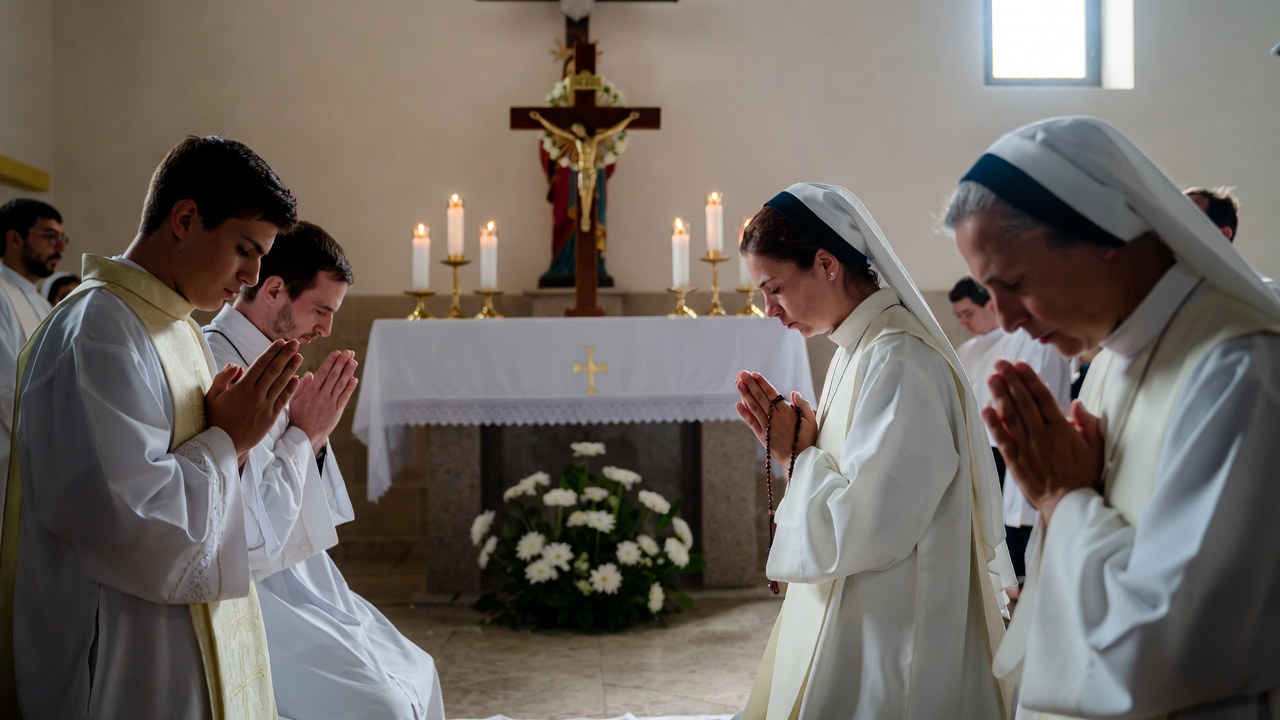
- Personal devotions (Rosary, Lectio Divina, etc.)
- Examination of conscience
Many parishes offer additional opportunities during Lent: morning Mass, evening prayer services, and extended confession hours.
Fasting: Emptying Ourselves
Fasting isn’t just about hunger—it’s about creating space for God. When we deny ourselves food, we experience:
- Our radical dependence on God for sustenance
- Solidarity with those who go hungry involuntarily
- Freedom from the tyranny of appetites
- Heightened spiritual awareness
Beyond the mandatory fasting on Ash Wednesday and Good Friday, many Catholics choose additional fasts: giving up social media, alcohol, sweets, or other comforts.
Almsgiving: Sharing with Others
What we save through fasting should be redirected toward those in need. St. John Chrysostom taught: “Not to enable the poor to share in our goods is to steal from them and deprive them of life.”
Lenten almsgiving might include:
- Catholic Relief Services’ Rice Bowl program
- Increased contributions to parish outreach
- Direct service to the poor
- Acts of mercy beyond financial giving
Common Questions About Ash Wednesday Answered
Is it a sin to miss Mass on Ash Wednesday?
No. Since Ash Wednesday is not a Holy Day of Obligation, missing Mass does not constitute a sin. However, the Church encourages attendance as a meaningful way to begin Lent.
Can I wash off my ashes after Mass?
Yes. There’s no requirement to wear ashes for any particular length of time. Some people prefer to wash them off before work; others wear them all day as a visible witness. Both choices are acceptable.
What if I can’t get to Mass on Ash Wednesday?
Several options exist:
- Attend an evening service if morning isn’t possible
- Receive ashes at a prayer service (some parishes offer these)
- Observe the fast and abstinence even without receiving ashes
- Remember that the spiritual commitment matters more than the physical sign
Can ashes be distributed outside of Mass?
Yes. According to the Book of Blessings, ashes may be distributed apart from Mass when circumstances require. Some parishes offer “drive-through” ashes or distribute them in public spaces, though Catholic teaching encourages receiving ashes within the context of a liturgical celebration when possible.
What if Ash Wednesday falls on a holy day for another religion?
The Church recognizes that individual circumstances vary. Those with legitimate conflicts should consult their pastor about appropriate alternatives.
How to Prepare Your Heart for Ash Wednesday
As Ash Wednesday 2026 approaches on February 18, consider these practical preparations:
The Week Before
- Make a good Confession — Begin Lent with a clean slate
- Decide on your Lenten practices — What will you give up? What will you add?
- Stock your pantry — Have meatless meal options ready for Fridays
- Clear your calendar — Make time for the additional prayer commitments you’ve chosen
The Day Before (Shrove Tuesday/Mardi Gras)
- Enjoy legitimate pleasures — There’s nothing wrong with a good meal before fasting begins
- Prepare your heart — The contrast between Fat Tuesday and Ash Wednesday can be spiritually powerful
- Get adequate rest — Fasting is harder when exhausted
On Ash Wednesday
- Attend Mass — Even though not obligatory, it’s the ideal beginning
- Fast with intention — Offer your hunger for a specific intention
- Reflect on mortality — The ashes aren’t morbid; they’re realistic
- Begin as you mean to continue — Ash Wednesday sets the tone for all of Lent
Ash Wednesday for Families: Teaching Children About Lenten Traditions
For Catholic parents, Ash Wednesday presents a unique opportunity to pass on the faith in tangible, memorable ways. Children often respond powerfully to the visual and physical aspects of Catholic practice, and few days offer more teaching moments than this one.
Age-Appropriate Explanations of Ash Wednesday
For young children (ages 3-6):
Keep explanations simple and concrete:
- “We’re starting a special time of getting ready for Easter”
- “The ashes remind us that God made us and loves us”
- “We’re going to try extra hard to be kind and share during Lent”
Young children can participate by:
- Receiving ashes (with parental guidance about not rubbing them)
- Helping choose a family Lenten practice
- Decorating a simple Lenten calendar
For school-age children (ages 7-12):
Introduce more theological concepts:
- The significance of 40 days (Jesus in the desert, Israelites in the wilderness)
- Why we fast (creating space for God, solidarity with the poor)
- The connection between Ash Wednesday and Easter
Appropriate practices include:
- Personal Lenten sacrifices chosen by the child
- Acts of service and almsgiving
- Stations of the Cross attendance
- Keeping a Lenten journal
For teenagers:
Engage their developing ability for abstract thought:
- Discuss mortality without morbidity
- Explore the paradox of joy through sacrifice
- Connect Lenten practices to social justice concerns
- Encourage them to choose meaningful (not just convenient) sacrifices
Family Traditions to Begin on Ash Wednesday
Many families have developed beautiful customs that make Ash Wednesday memorable:
- The Lenten Jar: Family members write prayers or acts of kindness on slips of paper throughout Lent, reading them together on Easter
- Almsgiving Box: Money saved through Lenten sacrifices goes into a special container for charitable giving
- Purple Table Runner: A visual reminder of the Lenten season at every family meal
- Simplicity Meal: The Ash Wednesday dinner is intentionally plain, focusing conversation on the season’s meaning
- Photo Documentation: Taking a family photo on Ash Wednesday with ashes, then another on Easter, visually capturing the journey
Addressing Children’s Questions About Death and Mortality
The “dust to dust” phrase often prompts questions about death. This is an appropriate time for honest, age-appropriate conversations:
- Death is a natural part of life, not something to fear excessively
- Catholics believe in resurrection and eternal life
- The ashes remind us that our time on earth has purpose
- Focusing on mortality helps us live better, not worse
Avoid dismissing children’s concerns or being overly graphic. The goal is honest hope, not either denial or despair.
The Liturgical Colors and Symbols of Ash Wednesday
Catholic liturgy is rich with visual symbolism, and Ash Wednesday initiates a dramatic shift in the church’s aesthetic.
Why Does the Priest Wear Purple Vestments on Ash Wednesday?
Purple (violet) is the liturgical color of penance, preparation, and royalty:
- Penance: Purple represents mourning over sin
- Preparation: It signals anticipation of a great feast (Easter)
- Royalty: Purple was historically rare and expensive, pointing to Christ the King
On Ash Wednesday and throughout Lent, you’ll notice:
- Purple vestments on clergy
- Purple altar cloths and decorations
- The removal of “Alleluia” from the liturgy
- Simpler, more austere church decorations
The Absence of Alleluia During Lent
One of the most striking changes during Lent is the complete absence of the word “Alleluia” (meaning “Praise the Lord” in Hebrew). This joyful acclamation is buried before Lent and not heard again until the Easter Vigil.
This practice echoes Psalm 137:4: “How shall we sing the Lord’s song in a foreign land?” During Lent, the Church adopts the spirit of Israel in exile—longing for the Promised Land, awaiting redemption.
When “Alleluia” finally returns at Easter, the effect is powerful. The familiar word feels new, the praise more genuine, the joy more complete.
Other Lenten Liturgical Changes
| Ash Wednesday Begins… | …Which Ends at Easter |
|---|---|
| Purple vestments | White/Gold vestments |
| No Alleluia | Triple Alleluia at Vigil |
| Gloria omitted (weekdays) | Gloria sung triumphantly |
| Simplified altar decorations | Flowers return |
| More frequent confession | Baptisms and reception into Church |
Ash Wednesday Around the United States: Regional Traditions and Practices
While the core elements remain consistent, Ash Wednesday observance varies interestingly across the United States.
Ash Wednesday in Major Catholic Cities
New Orleans, Louisiana: The juxtaposition is extreme. Mardi Gras revelers celebrate until midnight, then many head directly to early morning Ash Wednesday Mass. The cultural contrast between Fat Tuesday excess and Ash Wednesday sobriety is nowhere more visible.
Boston, Massachusetts: Home to some of America’s oldest Catholic communities, Boston parishes often see three generations of families attending together. The strong Irish Catholic heritage keeps Ash Wednesday attendance robust.
San Antonio, Texas: Hispanic Catholic traditions blend with Anglo practices. Many parishes offer bilingual Masses, and extended families often attend together.
Chicago, Illinois: The “Ashes to Go” movement has found particular traction here, with priests offering ashes at train stations and street corners for commuters.
The “Ashes to Go” Phenomenon
A relatively recent development, “Ashes to Go” involves clergy distributing ashes in public spaces—train stations, street corners, coffee shops—making the sacramental available to those who cannot attend Mass.
Arguments in favor:
- Meets people where they are
- Provides access to those with inflexible work schedules
- Creates evangelization opportunities
- Follows the model of early Church practices outside formal liturgy
Arguments for caution:
- May reduce the significance of receiving ashes within liturgical context
- Could trivialize a sacred practice
- Separates the sign from its full meaning in the Mass
Catholic teaching permits receiving ashes outside of Mass when necessary, but encourages the fuller experience when possible.
Common Misconceptions About Ash Wednesday Debunked
Even lifelong Catholics sometimes harbor misconceptions about this day. Let’s address the most common ones:
Misconception #1: “You have to keep the ashes on all day”
Reality: There is absolutely no requirement regarding how long you wear your ashes. Washing them off immediately after Mass is perfectly acceptable. Some people keep them as a witness; others find they smear or interfere with work. Both choices honor the day’s meaning.
Misconception #2: “Receiving ashes counts as going to Confession”
Reality: Ashes are a sacramental, not a sacrament. They do not provide absolution from sin. While the ashes express repentance, the Sacrament of Reconciliation remains the ordinary means by which serious sins are forgiven.
Misconception #3: “You can’t eat anything on Ash Wednesday”
Reality: Ash Wednesday requires fasting (one full meal plus two smaller meals) and abstinence from meat—not complete starvation. A hearty fish dinner is entirely appropriate.
Misconception #4: “Ash Wednesday is only for Catholics”
Reality: Many Christian denominations observe Ash Wednesday, including Lutherans, Anglicans, Methodists, and some Presbyterian and Reformed churches. The practice has become increasingly common across denominational lines.
Misconception #5: “If you eat meat accidentally, you’ve committed a mortal sin”
Reality: For a sin to be mortal, it must involve grave matter, full knowledge, and deliberate consent. An accidental bite of meat does not meet these criteria. If you genuinely forgot, acknowledge the mistake and continue your observance.
Misconception #6: “Sick people must fast even if it affects their health”
Reality: Church law explicitly exempts those whose health would be jeopardized. The purpose of fasting is spiritual growth, not physical harm. Those with diabetes, eating disorders, pregnancy, or other health concerns should consult their doctor and priest.
Ash Wednesday and the New Evangelization
Pope Francis and his predecessors have emphasized the “New Evangelization”—reaching both those who have never heard the Gospel and those who have drifted from the faith. Ash Wednesday plays a unique role in this mission.
Why Ash Wednesday Appeals to the “Spiritual But Not Religious”
Many people who describe themselves as “spiritual but not religious” respond to Ash Wednesday’s:
- Tangibility: The physical ashes offer a concrete spiritual experience
- Honesty: The acknowledgment of mortality resonates in an age of authenticity
- Simplicity: The message is straightforward—repent and believe
- Universality: Everyone dies; everyone needs mercy
Parish leaders increasingly view Ash Wednesday as an evangelization opportunity, ensuring:
- Welcoming attitudes toward unfamiliar faces
- Clear explanations during the liturgy
- Information available about RCIA (Rite of Christian Initiation of Adults)
- Follow-up opportunities for those interested in learning more
How Ash Wednesday Can Welcome Returning Catholics
For Catholics who have drifted from practice, Ash Wednesday often serves as a re-entry point:
- It doesn’t require reception of Communion (awkward for those unsure of their standing)
- The familiar ritual feels like coming home
- The penitential theme matches their sense of having been away
- The timing (beginning of Lent) offers a natural fresh start
Parishes sensitive to this dynamic ensure that:
- Confession times are clearly advertised
- No one is questioned about their absence
- Information about returning to practice is available
- The homily addresses those who may be back for the first time in years
The Spiritual Psychology of Ash Wednesday
Beyond theology, Ash Wednesday works on a psychological level that researchers and spiritual directors have noted.
The Power of Physical Ritual in Spiritual Growth
Humans are embodied creatures—our bodies and souls work together. Ash Wednesday engages this reality:
- The coolness of ash on the forehead creates a sensory memory
- The public nature of the mark creates social accountability
- The fasting generates physical awareness that supports prayer
- The visual reminder throughout the day extends the morning’s commitment
Modern psychology confirms what spiritual traditions have long known: physical actions shape internal states. The postures of liturgy (kneeling, standing, processing) aren’t arbitrary—they form our hearts as we perform them.
Ash Wednesday and Mental Health
For those struggling with depression, anxiety, or other mental health challenges, Ash Wednesday requires thoughtful navigation:
Potentially helpful aspects:
- The structure of Lenten practices can provide beneficial routine
- Community worship combats isolation
- Acknowledgment of mortality can paradoxically reduce death anxiety
- The promise of Easter provides hope
Potential concerns:
- Excessive self-criticism can worsen depression
- Fasting may trigger eating disorder behaviors
- Focus on sin may intensify shame spirals
Those with mental health concerns should work with their therapist, spiritual director, and physician to determine appropriate Lenten practices. The goal is always growth toward health, not self-punishment.
Preparing for Lent: Practical Suggestions for a Meaningful Forty Days
Ash Wednesday is the starting line. Here’s how to run the race well:
Choosing Meaningful Lenten Sacrifices
The traditional “giving something up” works best when the sacrifice:
- Actually costs you something — Giving up something you don’t enjoy anyway misses the point
- Creates space for God — What you remove should be replaced with prayer or service
- Relates to your specific spiritual needs — If you struggle with materialism, give up shopping; if vanity, perhaps social media
- Is sustainable for 40 days — Better a modest commitment kept than an ambitious one abandoned
Adding Practices, Not Just Subtracting
Consider what you might add to your Lenten routine:
- Daily Scripture reading
- Weekly Stations of the Cross
- Monthly confession (or more)
- Regular corporal works of mercy (feeding hungry, visiting sick)
- Spiritual reading (saints’ lives, theology)
- Additional Mass attendance
Creating a Lenten Rule of Life
Some find it helpful to write out their Lenten commitments formally:
Sample Lenten Rule:
For Lent 2026, I commit to:
- Fast according to Church requirements on Ash Wednesday and Good Friday
- Abstain from meat all Fridays of Lent
- Give up alcohol completely
- Add 15 minutes of Scripture reading each morning
- Attend Stations of the Cross at least three times
- Go to Confession before Holy Week
- Donate what I save on alcohol to [specific charity]
Writing this down increases accountability and provides clarity when motivation wavers.
Why Ash Wednesday Matters: Finding Meaning in Mortality
In our culture of perpetual youth and death-denial, Ash Wednesday’s message feels almost countercultural. We spend billions trying to look younger, feel younger, deny the reality of our mortality. And then this day arrives, and a priest marks our foreheads and tells us we’re going to die.
This isn’t despair—it’s liberation.
When we accept that our earthly life has limits, we’re freed to focus on what truly matters. The Lenten journey that begins on Ash Wednesday isn’t about earning salvation (we can’t) or proving our spiritual athleticism (nobody cares). It’s about coming home.
The prodigal son didn’t need to perform impressive acts of penance to be welcomed by his father. He just needed to turn around and start walking home. The father ran out to meet him while he was still far off.
Ash Wednesday is the first step in that homeward journey. The ashes acknowledge that we’ve wandered. The fasting creates space for God to fill. The prayer opens our ears to hear the Father’s welcome.
And 40 days later, when we stand at the Easter Vigil and renew our baptismal promises by candlelight, we’ll understand why this journey was worth taking—and why millions of Catholics wouldn’t miss Ash Wednesday for the world, obligation or not.
Key Takeaways for Catholics Preparing for Ash Wednesday
- Ash Wednesday is NOT a Holy Day of Obligation, but Mass attendance is strongly encouraged
- Fasting and abstinence ARE obligatory for those who meet age and health requirements
- Anyone may receive ashes, regardless of religious affiliation
- Holy Days of Obligation in the U.S. include: Mary Mother of God (Jan 1), Ascension, Assumption (Aug 15), All Saints (Nov 1), Immaculate Conception (Dec 8), and Christmas (Dec 25)
- The obligation may be lifted when certain feasts fall on Saturday or Monday
- Ash Wednesday 2026 falls on Wednesday, February 18
- Easter 2026 is on Sunday, April 5
A Final Word: The Invitation Stands
Perhaps there’s wisdom in Ash Wednesday not being a Holy Day of Obligation. The obligation is built into human existence itself. We are dust. We will return to dust. The only question is what we do with the time between.
Ash Wednesday doesn’t require our presence—it invites it. And millions of Catholics, year after year, accept that invitation. They show up voluntarily, kneel before their mortality, receive a smudge of ash, and begin the journey home.
The invitation is open. The ashes are waiting. And the 40-day pilgrimage toward the empty tomb begins with a single step through the church doors.
Will you be there?