Every year on February 11, Japan pauses to commemorate one of its most historically significant holidays: National Foundation Day (Kenkoku Kinen no Hi, 建国記念の日). For travelers planning a winter trip to the Land of the Rising Sun, this date raises an important question: Is Japan crowded on February 11, and how can you navigate this national holiday effectively?
As someone who has dedicated decades to researching global festivals and customs, I can tell you that February 11 in Japan offers a unique window into the nation’s cultural soul. Unlike the overwhelming crowds of Golden Week or the cherry blossom frenzy, National Foundation Day presents a more nuanced travel experience. The holiday brings localized congestion around shrines and parade routes while leaving many tourist attractions surprisingly accessible.
In this comprehensive guide, I’ll walk you through everything you need to know about traveling to Japan on National Foundation Day. You’ll discover the historical significance of February 11, understand crowd patterns and expectations, learn practical navigation tips, and uncover exciting events happening across the country. Whether you’re a first-time visitor or a seasoned Japan traveler, this guide will help you make the most of your February 11 experience.
What Is National Foundation Day in Japan? Understanding Kenkoku Kinen no Hi
National Foundation Day, known in Japanese as Kenkoku Kinen no Hi (建国記念の日), is a public holiday celebrated annually on February 11. The holiday commemorates the legendary founding of Japan and the ascension of its first emperor.
According to ancient Japanese chronicles like the Nihon Shoki (Chronicles of Japan), Emperor Jimmu ascended to the throne on February 11, 660 BCE. This date marks the symbolic beginning of the Japanese imperial lineage, which continues unbroken to this day under Emperor Naruhito.
The Historical Evolution of February 11 in Japan
The holiday’s history reflects Japan’s complex relationship with nationalism and identity:
| Period | Name | Status |
|---|---|---|
| 1873-1945 | Kigensetsu (Empire Day) | Major nationalist holiday |
| 1945-1966 | Abolished | Removed by post-WWII authorities |
| 1967-Present | Kenkoku Kinen no Hi | Reinstated as National Foundation Day |
Originally established during the Meiji Period in 1873, the holiday was called Kigensetsu (紀元節), or “Empire Day.” The government used this occasion to strengthen national unity and emphasize the emperor’s divine role in Japanese identity. February 11, 1889, also marks the date when the Constitution of the Empire of Japan was proclaimed.
After World War II, Allied occupation authorities abolished Kigensetsu due to its associations with wartime nationalism. However, following years of public debate, the Japanese government reinstated the holiday in 1966 under its current name. The first modern celebration occurred on February 11, 1967.
Today, National Foundation Day serves a more reflective purpose. The official motto encourages citizens “to remember the day of the founding of the state and to cultivate a heart that loves the country.” Most Japanese people treat it as a peaceful day off rather than a grand patriotic celebration.
Is Japan Crowded in February? Analyzing Winter Tourism Patterns
Before addressing February 11 specifically, let’s examine the broader context of February tourism in Japan. Understanding seasonal patterns helps set realistic expectations for your trip.
Japan Tourism Statistics: Record-Breaking Visitor Numbers
Japan’s tourism industry has experienced unprecedented growth in recent years. According to the Japan National Tourism Organization (JNTO), approximately 36.87 million international visitors came to Japan in 2024. This figure represents a 47.1% increase from the previous year and surpasses the pre-pandemic record of 31.9 million set in 2019.
However, visitor distribution varies dramatically by month:
| Season | Typical Crowd Level | Key Drivers |
|---|---|---|
| Cherry Blossom (Mar-Apr) | Very High | Peak tourism season |
| Golden Week (Late Apr-May) | Extremely High | Domestic travel surge |
| Summer (Jul-Aug) | High | Festivals, school holidays |
| Autumn (Oct-Nov) | Very High | Fall foliage viewing |
| Winter (Dec-Feb) | Low to Moderate | Off-season for most areas |
| New Year (Dec 28-Jan 4) | Very High | Domestic travel peak |
Why February Is Considered Off-Season in Japan
February represents one of the least crowded times to visit Japan. According to LIVE JAPAN, January and February see the lowest international arrivals from regions like Europe, Oceania, and South America.
Several factors contribute to February’s lower tourist volumes:
- Cold weather deters sun-seeking travelers
- Post-holiday lull following New Year celebrations
- Pre-cherry blossom timing means the famous sakura haven’t bloomed yet
- Limited awareness of February attractions among international visitors
The exception is Hokkaido, where ski resorts and the world-famous Sapporo Snow Festival attract winter sports enthusiasts and festival-goers. We’ll discuss this important overlap with National Foundation Day later in this guide.
Is Japan Crowded on February 11? Crowd Expectations for National Foundation Day
Now let’s address the central question: What are crowd levels like on February 11 in Japan?
Overall Crowd Assessment for February 11
The short answer: Japan is busier than a typical February day but far less crowded than peak seasons.
Here’s what to expect on National Foundation Day:
| Location Type | Crowd Level | Notes |
|---|---|---|
| Major shrines (Tokyo, Nara) | High | Parade routes, celebrations |
| Popular tourist spots | Moderate | Higher than usual weekday |
| Shopping districts | Moderate to High | Locals enjoying day off |
| Theme parks | High | Families and day-trippers |
| Lesser-known attractions | Low | Excellent for exploration |
According to MATCHA Travel Guide, parade spectators gather along routes in areas like Omotesando and Harajuku, making these neighborhoods especially congested. The Office Holidays guide notes that hotels may charge holiday pricing premiums of up to 50% on normal rates.
Comparing February 11 to Other Japanese Holidays
National Foundation Day creates significantly less disruption than Japan’s major travel periods. Here’s how it compares:
| Holiday | Crowd Impact | Travel Difficulty |
|---|---|---|
| New Year (Dec 28-Jan 4) | Extreme | Very High |
| Golden Week (Apr 29-May 6) | Extreme | Very High |
| Obon (Mid-August) | Very High | High |
| Cherry Blossom Season | Very High | Moderate |
| National Foundation Day | Moderate | Low to Moderate |
Unlike Golden Week or New Year, National Foundation Day does not trigger mass domestic migration. Most Japanese families stay local, and trains do not sell out the way they do during peak travel periods.
National Foundation Day Parade Tokyo: What to Expect at Meiji Shrine
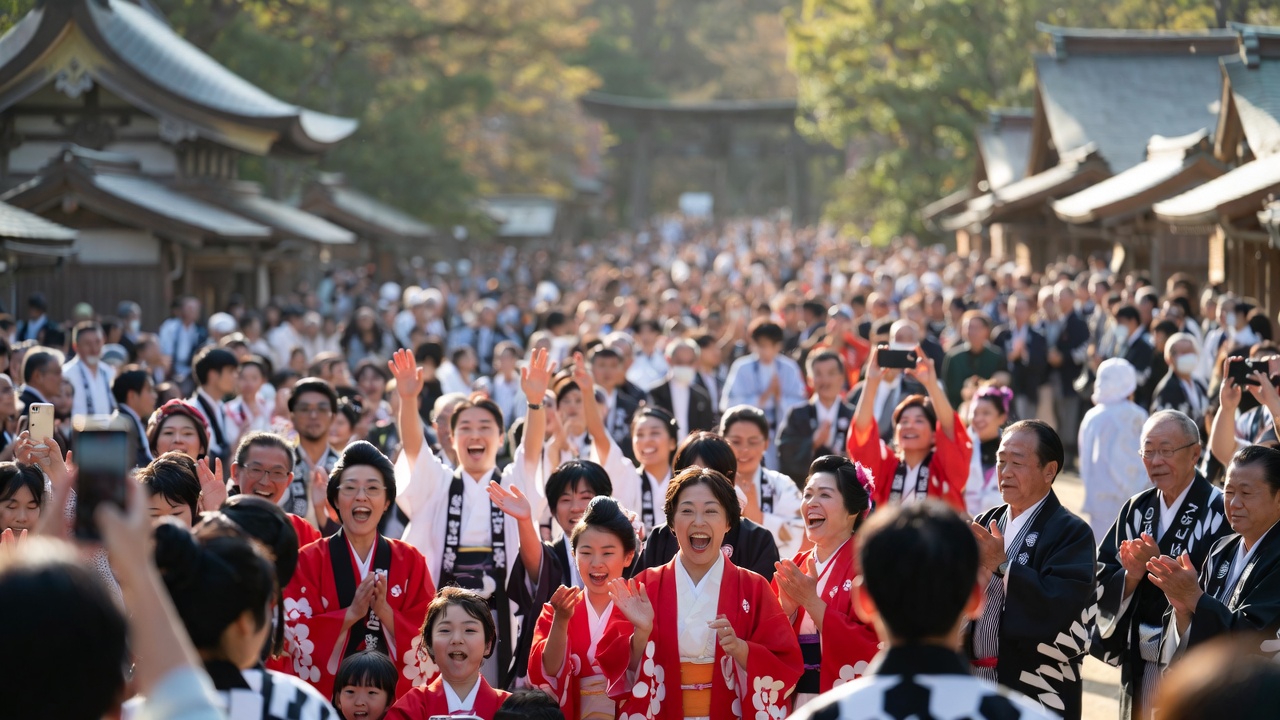
The highlight of National Foundation Day celebrations occurs in Tokyo, where a large-scale parade makes its way to Meiji Shrine. Understanding this event helps you either participate enthusiastically or strategically avoid the crowds.
Tokyo National Foundation Day Parade Route and Schedule
According to Wikipedia, the National Foundation Day Celebration Parade follows this schedule:
| Detail | Information |
|---|---|
| Date | February 11 (annually) |
| Start Time | 9:00 AM |
| End Time | 2:00 PM |
| Distance | 2.7 kilometers (1.7 miles) |
| Route | Jingu Gaien → Aoyama-dori → Omotesando → Meiji Jingu |
Parade Highlights and Cultural Significance
The parade features several traditional elements:
- Mikoshi (portable shrines) carried by dozens of participants
- Marching bands and traditional musicians
- Japanese flags prominently displayed
- Traditional costumes and historical reenactments
- Giant taiko drums beaten by ceremonial drummers
At Meiji Shrine, the procession culminates in Kigensai (紀元祭), a Shinto celebration honoring Japan’s founding. According to Arab News Japan, the 2024 celebration marked the 2,684th anniversary of Japan’s legendary founding.
Tens of thousands of spectators line the parade route, creating significant congestion in the Harajuku and Omotesando areas. If you want to witness the parade, arrive early to secure a good viewing position. If you prefer to avoid crowds, steer clear of these neighborhoods between 8:00 AM and 3:00 PM.
Best Viewing Spots for the National Foundation Day Parade
For optimal parade viewing, consider these locations:
- Omotesando Avenue: Tree-lined boulevard offers excellent sightlines
- Meiji Jingu Inner Garden entrance: Watch mikoshi enter the shrine grounds
- Aoyama-dori intersection: See the parade turn toward Omotesando
- Harajuku Station area: Catch the finale as participants approach Meiji Shrine
Pro tip: The parade creates photo opportunities unavailable at any other time of year. The combination of traditional costumes, portable shrines, and winter sunlight produces stunning images.
Kigensai Festival at Shrines Across Japan
Beyond Tokyo’s main parade, Kigensai festivals take place at Shinto shrines throughout Japan. These celebrations offer authentic cultural experiences without the extreme crowds of the capital.
Major Kigensai Celebrations Nationwide
| Location | Shrine | Special Features |
|---|---|---|
| Tokyo | Meiji Shrine | Largest parade, mikoshi procession |
| Nara | Kashihara Shrine | Built on Emperor Jimmu’s legendary ascension site |
| Kyoto | Various shrines | Traditional ceremonies, quieter atmosphere |
| Osaka | Sumiyoshi Taisha | Local celebrations, less tourist-focused |
Kashihara Shrine: The Legendary Founding Site
For those seeking a deeper connection to National Foundation Day’s significance, Kashihara Shrine in Nara Prefecture deserves consideration. This shrine was built in 1889 on the legendary site where Emperor Jimmu ascended to the throne.
According to The Culture Trip, the shrine is located near Emperor Jimmu’s supposed tomb. The ceremonies here feel more solemn and historically significant than Tokyo’s more festive parade.
Important note: Kashihara Shrine attracts politically conservative visitors, including some Uyoku dantai (right-wing nationalist groups). While the atmosphere is generally peaceful, travelers should be aware of this context and respectful of the occasion’s significance.
Japan Weather in February: Packing and Preparation Tips
Understanding February weather conditions helps you prepare appropriately for National Foundation Day travel.
February Temperature and Climate Overview
According to Rough Guides and Japan Highlights, February weather varies significantly by region:
| City | Average High | Average Low | Conditions |
|---|---|---|---|
| Tokyo | 11°C (52°F) | 2°C (36°F) | Cold, dry, sunny |
| Kyoto | 10°C (50°F) | 1°C (34°F) | Cold, occasional snow |
| Osaka | 11°C (52°F) | 2°C (36°F) | Similar to Tokyo |
| Sapporo | -1°C (30°F) | -7°C (19°F) | Heavy snow, cold |
| Okinawa | 19°C (67°F) | 14°C (57°F) | Mild, pleasant |
Essential Packing List for February 11 in Japan
Clothing recommendations for National Foundation Day:
- Warm winter coat (waterproof preferred)
- Layering pieces (thermal underwear, fleece, sweaters)
- Hat, scarf, and gloves (essential for outdoor events)
- Comfortable walking shoes with good traction
- Hand warmers (hokkairo) available at convenience stores
- Compact umbrella for occasional rain or snow
The weather on February 11 is typically cold but dry and sunny in most regions. The clear winter skies provide excellent visibility for photography and comfortable conditions for walking, provided you dress warmly.
Things to Do in Japan on February 11: National Foundation Day Activities
National Foundation Day offers diverse activities beyond the main parade. Here’s how to maximize your February 11 experience.
Cultural Experiences and Traditional Events
1. Watch or Join Shrine Ceremonies
Shinto shrines across Japan hold special ceremonies on February 11. Even if you don’t understand Japanese, witnessing the traditional rituals, music, and processions provides meaningful cultural insight.
- Meiji Shrine (Tokyo): Largest celebration
- Kashihara Shrine (Nara): Historical significance
- Ise Grand Shrine (Mie): Japan’s most sacred Shinto site
- Local neighborhood shrines: Authentic, less crowded experiences
2. Explore Museums and Cultural Sites
Many museums remain open on National Foundation Day and offer a warm retreat from the cold. Consider:
- Tokyo National Museum: Japanese art and antiquities
- Kyoto National Museum: Historical artifacts
- Edo-Tokyo Museum: Samurai history and urban culture
- Ghibli Museum: Animation fans (book tickets in advance)
3. Experience Traditional Tea Ceremony
February is an excellent time for intimate cultural experiences like tea ceremony. The cold weather makes the warm matcha particularly enjoyable, and venues are less crowded than during peak tourist seasons.
Shopping and Entertainment on February 11
Unlike New Year’s Day, National Foundation Day is an excellent shopping day. According to Remitly, major department stores, malls, and restaurants remain open and bustling with locals enjoying their day off.
Top shopping destinations open on February 11:
| City | Shopping Area | Highlights |
|---|---|---|
| Tokyo | Ginza | Luxury department stores |
| Tokyo | Shibuya/Harajuku | Youth fashion, unique finds |
| Tokyo | Akihabara | Electronics, anime merchandise |
| Osaka | Shinsaibashi | Shopping arcades, local brands |
| Kyoto | Nishiki Market | Traditional crafts, food |
Sapporo Snow Festival and National Foundation Day: A Perfect Combination
One of the most exciting aspects of traveling to Japan on February 11 is the overlap with the Sapporo Snow Festival. This timing creates an exceptional opportunity for winter travelers.
Sapporo Snow Festival 2026 Dates and Information
According to Japan Guide and Japan Cheapo, the 76th Sapporo Snow Festival will run from February 4-11, 2026—meaning National Foundation Day falls on the festival’s final day.
| Festival Detail | Information |
|---|---|
| Dates | February 4-11, 2026 |
| Main Venue | Odori Park (1.5 km stretch) |
| Secondary Venues | Susukino, Tsudome |
| Admission | Free |
| Visitors | Over 2 million annually |
What to See at the Sapporo Snow Festival
The festival features spectacular snow and ice sculptures, some reaching heights of 15 meters (50 feet). Highlights include:
- Massive snow sculptures of buildings, landmarks, and pop culture characters
- Intricate ice sculptures in Susukino entertainment district
- Night illuminations that transform the sculptures
- Snow slides and winter activities at Tsudome
- Food stalls serving Hokkaido specialties
- International snow sculpture competition
Combining Sapporo Snow Festival with National Foundation Day Travel
Strategic itinerary suggestion:
| Date | Location | Activities |
|---|---|---|
| Feb 8-10 | Sapporo | Snow Festival exploration |
| Feb 11 | Tokyo | National Foundation Day parade |
| Feb 12+ | Kyoto/Osaka | Continue winter exploration |
This combination allows you to experience two of February’s biggest events while the rest of Japan remains relatively uncrowded. The Shinkansen connects Sapporo to Tokyo (via the Hokkaido Shinkansen), though internal flights offer faster travel times.
Transportation Tips for Traveling Japan on February 11
Navigating Japan’s transportation system during a public holiday requires some advance planning. Here’s what you need to know.
Train Schedule Changes on National Foundation Day
On public holidays, Japanese trains operate on a Sunday/holiday schedule. According to JRailPass, this means:
- Slightly reduced frequency compared to weekdays
- Fewer rush-hour trains in the early morning
- Normal operations on major Shinkansen routes
- Same last train times as weekends
Good news: Unlike New Year or Golden Week, February 11 does not trigger the extreme booking pressure that makes seat reservations difficult. You should still be able to secure seats on most trains without booking weeks in advance.
Japan Rail Pass Usage on February 11
The Japan Rail Pass works normally on National Foundation Day. Key points:
- Valid on most JR trains, including Shinkansen
- Free seat reservations available at ticket counters
- Holiday schedule applies but service remains frequent
- No special restrictions for the February 11 holiday
Recommendation: Make seat reservations for any long-distance travel, especially on the Tokyo-Kyoto and Tokyo-Osaka routes. While trains shouldn’t be fully booked, reserved seats guarantee a comfortable journey.
Alternative Transportation Options
IC Cards (Suica/Pasmo)
Rechargeable IC cards work seamlessly on subways, buses, and private railways not covered by the JR Pass. These are essential for:
- Tokyo Metro and Toei subway lines
- Local buses
- Private railways in Kyoto
- Convenience store purchases
Airport Transfers
The Narita Express (Tokyo) and Haruka Express (Osaka/Kyoto) operate normally on February 11 and are covered by the Japan Rail Pass.
Accommodation Tips: Booking Hotels for February 11 in Japan
Hotel availability and pricing require attention when traveling during Japanese public holidays.
Hotel Pricing on National Foundation Day
According to Office Holidays, hotels may charge a premium of up to 50% on normal rates during public holidays. However, February’s generally lower tourism means prices remain more reasonable than peak seasons.
Price comparison for a mid-range Tokyo hotel:
| Period | Approximate Price Range |
|---|---|
| Regular February weekday | ¥15,000-20,000 ($100-135) |
| February 11 (holiday) | ¥20,000-30,000 ($135-200) |
| Cherry blossom season | ¥35,000-50,000+ ($235-335+) |
Recommended Booking Strategies
1. Book Early but Not Too Early
For February 11 travel, booking 4-8 weeks in advance typically secures good options at reasonable prices. The holiday doesn’t require the 6+ month advance booking needed for cherry blossom season.
2. Consider Location Carefully
If you want to attend the National Foundation Day parade:
- Stay in Harajuku, Shibuya, or Shinjuku for easy access
- Book in advance as these popular areas fill quickly
If you want to avoid parade crowds:
- Stay in quieter neighborhoods like Asakusa or Ueno
- Consider staying outside central Tokyo and day-tripping
3. Alternative Accommodation Options
- Ryokan (traditional inns): Excellent availability in February
- Capsule hotels: Budget-friendly, typically available
- Business hotels: Practical, often have same-day availability
- Airbnb/vacation rentals: Check local regulations
Best Places to Visit in Japan in February: Beyond National Foundation Day
While National Foundation Day anchors your February 11 travel, consider extending your trip to explore Japan’s excellent winter offerings.
Tokyo Winter Activities in February
Tokyo offers exceptional experiences during the winter months:
1. Winter Illuminations
Though many illuminations end in January, some continue into February:
- Caretta Shiodome: Canyon d’Azur display
- Tokyo Midtown: Starlight Garden
- Various hotel lobbies: Seasonal decorations
2. Plum Blossom Viewing (Ume)
Plum blossoms (ume) begin blooming in late February, offering a preview of hanami season without the crowds:
| Location | Peak Timing | Highlights |
|---|---|---|
| Yushima Tenjin Shrine | Late Feb-early Mar | 300+ plum trees |
| Koishikawa Korakuen | Mid-Feb-early Mar | Historic garden setting |
| Hanegi Park | Late Feb | Local atmosphere |
3. Sumo Wrestling January Tournament
The January Grand Sumo Tournament (Hatsu Basho) runs from early to mid-January at Ryogoku Kokugikan. If you arrive before February 11, catching the tournament provides unforgettable cultural immersion.
Kyoto in February: Temples Without Crowds
Kyoto transforms beautifully in winter, with fewer tourists and occasional snow creating atmospheric temple visits.
Must-see February experiences in Kyoto:
- Kinkaku-ji (Golden Pavilion): Stunning with snow
- Fushimi Inari Shrine: Fewer crowds on the hiking trails
- Arashiyama Bamboo Grove: Peaceful early morning visits possible
- Nijo Castle: Beautiful winter gardens
Onsen Destinations: Perfect for February Cold
Japan’s natural hot springs (onsen) provide the perfect antidote to February cold. Consider these accessible destinations:
| Destination | Distance from Tokyo | Highlights |
|---|---|---|
| Hakone | 1.5 hours | Views of Mt. Fuji, multiple onsen |
| Kusatsu | 3 hours | Therapeutic waters, traditional town |
| Nikko | 2 hours | UNESCO World Heritage sites nearby |
| Beppu (Kyushu) | 5+ hours | Hot spring variety, “hells” tour |
Navigating Crowds on February 11: Practical Strategies
Armed with knowledge about where crowds concentrate, you can navigate National Foundation Day strategically.
Crowd Avoidance Strategies for February 11
1. Time Your Activities Wisely
| Time | Strategy |
|---|---|
| Early morning (6-8 AM) | Visit popular sites before crowds arrive |
| Parade hours (9 AM-3 PM) | Avoid Harajuku/Omotesando unless watching parade |
| Late afternoon (4-6 PM) | Crowds disperse, good exploration time |
| Evening | Restaurants may be busy, reservations recommended |
2. Choose Alternative Destinations
While crowds concentrate around Meiji Shrine, these Tokyo attractions remain relatively peaceful:
- Yanaka/Nezu/Sendagi: Old Tokyo neighborhoods
- Shimokitazawa: Vintage shops, cafes
- Odaiba: Waterfront entertainment
- Ueno Park: Museums and gardens
3. Venture Beyond Tokyo
Same-day excursions avoid the capital’s holiday bustle:
- Kamakura: Historic temples, 1-hour from Tokyo
- Yokohama: Chinatown, waterfront
- Kawagoe: “Little Edo” historic town
- Nikko: World Heritage shrines and nature
Dealing with Shrine Crowds
If you choose to visit Meiji Shrine on February 11:
DO:
- Arrive before 9 AM or after 3 PM
- Approach from Yoyogi Park side (less congested)
- Allow extra time for everything
- Stay patient and respectful
DON’T:
- Try to push through crowds
- Block pathways for photos
- Expect quick shrine visits
- Forget to dress warmly for waiting
Food and Dining on February 11: What to Expect
Japanese restaurants and food establishments have specific patterns on public holidays.
Restaurant Availability on National Foundation Day
Good news: Most restaurants remain open on February 11, unlike the New Year period when many close for several days.
| Restaurant Type | Typical Status | Notes |
|---|---|---|
| Chain restaurants | Open | Normal hours |
| Department store restaurants | Open | May be crowded |
| Convenience stores | Open 24/7 | Always available |
| Independent restaurants | Mostly open | Some may close |
| Izakaya (pubs) | Open | Busier evening crowds |
February Seasonal Foods to Try
February offers distinctive seasonal flavors worth seeking:
1. Setsubun Foods (around February 3)
- Ehomaki: Lucky sushi rolls
- Roasted soybeans: Scattered for good luck
2. Winter Specialties
| Dish | Description | Best Location |
|---|---|---|
| Fugu (pufferfish) | Peak winter season | Osaka, Tokyo |
| Oysters | Fresh and plump | Hiroshima, Miyajima |
| Hot pot (nabe) | Warming comfort food | Everywhere |
| Strawberries | Japanese ichigo season | Tochigi, farms |
| Sapporo ramen | Rich miso broth | Hokkaido |
Food Festival Events in February
February hosts several food-related events:
- Sapporo Snow Festival: Hokkaido food stalls
- Valentine’s Day preparations: Chocolate everywhere
- Strawberry festivals: Various farms and regions
Cultural Etiquette for National Foundation Day Visitors
Understanding appropriate behavior enhances your February 11 experience and shows respect for Japanese customs.
Do’s and Don’ts at National Foundation Day Events
DO:
- ✅ Bow slightly when entering shrine grounds
- ✅ Wash hands at temizu (purification fountain) properly
- ✅ Stay on designated paths during parades
- ✅ Ask permission before photographing participants up close
- ✅ Dress modestly when visiting shrines
- ✅ Remove hats when passing through torii gates
DON’T:
- ❌ Walk through parade processions
- ❌ Touch mikoshi (portable shrines) without invitation
- ❌ Speak loudly during shrine ceremonies
- ❌ Point cameras directly at officiating priests
- ❌ Eat or drink while walking in shrine areas
- ❌ Block pathways for extended photo sessions
Understanding the Holiday’s Sensitivity
As noted earlier, National Foundation Day carries some political sensitivity due to its historical associations with wartime nationalism. While most Japanese treat it as a peaceful holiday, you may encounter:
- Uyoku dantai (right-wing groups) with sound trucks
- Counter-demonstrations in some areas
- Political speeches near government buildings
Appropriate response: Simply continue on your way. These activities rarely affect tourist areas significantly and should not deter your travel plans.
Budget Planning for February 11 Japan Travel
Planning your budget carefully ensures a rewarding National Foundation Day trip without financial stress.
Expected Costs for February 11 Travel
| Category | Budget | Mid-Range | Luxury |
|---|---|---|---|
| Accommodation (per night) | ¥5,000-10,000 | ¥15,000-30,000 | ¥50,000+ |
| Meals (per day) | ¥2,000-4,000 | ¥5,000-10,000 | ¥15,000+ |
| Transportation (per day) | ¥1,000-2,000 | ¥3,000-5,000 | ¥10,000+ |
| Activities (per day) | ¥0-1,000 | ¥2,000-5,000 | ¥10,000+ |
Note: February is generally the cheapest time to visit Japan after the New Year period ends, with prices significantly lower than cherry blossom or autumn foliage seasons.
Money-Saving Tips for February 11
1. Take Advantage of Free Events
- National Foundation Day parade: Free
- Shrine visits: Free (optional donation)
- Sapporo Snow Festival: Free
- Temple grounds: Free (interior may have fees)
2. ATM and Banking Considerations
While most ATMs function on holidays (with a small surcharge), Remitly recommends withdrawing cash on February 10 to avoid any inconvenience.
3. Holiday Discount Opportunities
Some attractions offer special promotions on National Foundation Day. Check official websites for:
- Museum discounts
- Theme park deals
- Transportation packages
Photography Tips for National Foundation Day in Japan
February 11 offers unique photographic opportunities unavailable at other times of year.
Best Photography Subjects on February 11
Parade Photography:
- Mikoshi carriers: Action shots of portable shrines
- Traditional costumes: Colorful ceremonial dress
- Flag displays: Nisshoki (Japanese flags) everywhere
- Crowd scenes: Cultural atmosphere shots
Winter Atmosphere:
- Clear winter skies: Mt. Fuji often visible from Tokyo
- Golden hour lighting: Beautiful in February
- Frost and ice: Morning details at shrines
- Empty streets: Other areas while crowds gather at parade
Technical Recommendations
| Setting | Recommendation |
|---|---|
| Lens | 24-70mm zoom for versatility |
| ISO | 200-800 for winter daylight |
| Shutter speed | 1/250+ for action shots |
| White balance | Adjust for winter blue tones |
| Extra batteries | Cold weather drains power |
Conclusion: Making the Most of National Foundation Day in Japan
Is Japan crowded on February 11? The answer depends entirely on where you go and what you want to experience.
Key takeaways for National Foundation Day travel:
- Localized crowds: Congestion centers around Meiji Shrine and parade routes in Tokyo, while most of Japan remains accessible
- Off-peak advantages: February offers lower prices, shorter queues, and authentic local experiences
- Cultural richness: The holiday provides unique access to Japanese traditions rarely visible to tourists
- Strategic timing: Plan around parade hours to either participate or avoid crowds
- Perfect combination: The Sapporo Snow Festival overlaps, creating an exceptional winter itinerary
February 11 represents a sweet spot in Japan’s tourism calendar. You’ll find enough activity to make the trip memorable but without the overwhelming crowds that characterize peak seasons. The cold weather rewards proper preparation with clear skies, uncrowded attractions, and genuine Japanese hospitality.
Whether you choose to stand among the spectators as mikoshi pass through Omotesando, explore Kyoto’s temples in peaceful solitude, or witness the final day of Sapporo’s spectacular snow sculptures, National Foundation Day offers a window into Japan that few international visitors experience.
As someone who has spent a lifetime studying global festivals and customs, I can assure you: the rewards of traveling to Japan on February 11 far outweigh any minor inconveniences. Pack warmly, plan strategically, and embrace the opportunity to experience Japan at a thoughtful, reflective moment in its cultural calendar.
Frequently Asked Questions About National Foundation Day in Japan
Is February 11 a good day to visit Japan?
Yes, February 11 is an excellent day to visit Japan for travelers who want cultural immersion without extreme crowds. The National Foundation Day parade offers unique photo opportunities, while most tourist attractions remain accessible.
Are shops open on National Foundation Day in Japan?
Most shops, department stores, and restaurants remain open on February 11. Unlike New Year’s Day, National Foundation Day is actually a busy shopping day with locals enjoying their time off.
How crowded is Tokyo on February 11?
Tokyo experiences moderate crowds on February 11, concentrated mainly around Meiji Shrine and the parade route in Harajuku/Omotesando. Other neighborhoods remain at normal February levels, which are relatively low compared to peak seasons.
Should I avoid Japan on National Foundation Day?
No, you should not avoid Japan on National Foundation Day. The holiday adds cultural interest to your visit without the severe disruptions caused by Golden Week or New Year. With proper planning, you can enjoy the festivities or easily avoid them.
What time does the National Foundation Day parade start?
The National Foundation Day parade in Tokyo typically runs from 9:00 AM to 2:00 PM, traveling from Jingu Gaien through Omotesando to Meiji Shrine. Arrive early for the best viewing positions.
Can I use the JR Pass on February 11?
Yes, the Japan Rail Pass functions normally on February 11. Trains operate on a Sunday/holiday schedule with slightly reduced frequency, but all major routes remain well-serviced.
Have you visited Japan on National Foundation Day? Share your experiences in the comments below! For more insider guides to global festivals and cultural celebrations, follow my blog and subscribe to the newsletter.
Related Articles:
- Best Time to Visit Japan: Complete Month-by-Month Guide
- Sapporo Snow Festival: Ultimate Planning Guide
- Cherry Blossom Season in Japan: Tips for Avoiding Crowds
- Japanese Public Holidays: What Travelers Need to Know
- Winter in Japan: Hidden Gems and Off-Season Adventures
Complete 7-Day Itinerary Including National Foundation Day
For travelers who want to build their February trip around National Foundation Day, here’s a comprehensive week-long itinerary that maximizes both cultural experiences and practical enjoyment.
Day 1 (February 8): Arrive in Tokyo
- Morning: Arrive at Narita or Haneda Airport
- Afternoon: Check into hotel, rest from jet lag
- Evening: Explore Shinjuku, dinner at an izakaya
- Tip: Exchange your JR Pass voucher at the airport JR office
Day 2 (February 9): Tokyo Exploration
- Morning: Visit Senso-ji Temple in Asakusa (less crowded than Feb 11)
- Afternoon: Explore Ueno Park and Tokyo National Museum
- Evening: Dinner in Ameyoko market area
- Tip: Purchase IC card (Suica/Pasmo) for convenience
Day 3 (February 10): Day Trip to Kamakura
- Morning: Early train to Kamakura (1 hour via JR)
- Midday: Great Buddha, Hasedera Temple, bamboo groves
- Afternoon: Walk Komachi-dori shopping street
- Evening: Return to Tokyo, prepare for tomorrow’s parade
- Tip: Kamakura offers similar temple atmosphere with far fewer crowds
Day 4 (February 11): National Foundation Day
- Early Morning: Arrive at Omotesando by 8:30 AM for parade viewing
- Morning: Watch National Foundation Day parade (9 AM-2 PM)
- Afternoon: Explore Meiji Shrine, Yoyogi Park
- Evening: Shopping in Shibuya or dinner in Harajuku
- Tip: Restaurants will be busy; consider early dinner reservations
Day 5 (February 12): Tokyo to Kyoto
- Morning: Check out of Tokyo hotel
- Midday: Shinkansen to Kyoto (2.5 hours via Hikari)
- Afternoon: Check into Kyoto accommodation, visit Nishiki Market
- Evening: Gion district walk, possible geisha sighting
- Tip: Reserve seats on Shinkansen for window view of Mt. Fuji
Day 6 (February 13): Kyoto Temples
- Early Morning: Fushimi Inari Shrine (go at sunrise for fewer crowds)
- Morning: Kinkaku-ji (Golden Pavilion)
- Afternoon: Arashiyama Bamboo Grove and Tenryu-ji
- Evening: Dinner in Pontocho alley
- Tip: February mornings are cold but clear; dress in layers
Day 7 (February 14): Kyoto/Departure
- Morning: Last-minute shopping, visit neighborhood shrine
- Afternoon: Return to airport (Kansai or connect through Tokyo)
- Note: Valentine’s Day in Japan means women give chocolate to men—unique cultural observation opportunity
Comparing February 11 to Other Winter Festivals in Japan
National Foundation Day isn’t the only February event worth considering. Here’s how it compares to other winter celebrations:
Setsubun (February 3)
Setsubun marks the day before spring begins in the traditional Japanese calendar. Celebrations include:
- Bean throwing (mamemaki) at temples and shrines
- Eating ehomaki (lucky sushi rolls) in silence
- Wearing oni (demon) masks
Crowd level: Moderate at major temples, minimal elsewhere Best for: Cultural immersion without large parade crowds
Sapporo Snow Festival (February 4-11)
As discussed earlier, this festival overlaps with National Foundation Day, creating an opportunity for dual-event travel.
Crowd level: Very high in Sapporo, especially weekends Best for: Visual spectacle, winter sports, photography
Yokote Kamakura Festival (February 15-16)
Held in Akita Prefecture, this festival features hundreds of snow huts (kamakura) lit by candles.
Crowd level: Moderate (less accessible location) Best for: Unique local tradition, romantic atmosphere
Nara Wakakusa Yamayaki (Late January)
Just before February, Nara’s mountain burning ceremony offers spectacular pyrotechnics as an entire hillside is set ablaze.
Crowd level: High during the event (one evening) Best for: Dramatic photography, unique cultural spectacle
Technology and Connectivity Tips for February 11 Travel
Staying connected enhances your National Foundation Day experience. Here’s what you need to know about technology in Japan.
Mobile Connectivity Options
| Option | Pros | Cons | Best For |
|---|---|---|---|
| Pocket WiFi rental | Multiple devices, reliable | Must carry device, return hassle | Families, groups |
| Japan SIM card | Simple, no device needed | Single device only | Solo travelers |
| eSIM | Instant activation, convenient | Phone must support eSIM | Tech-savvy travelers |
| International roaming | No setup needed | Expensive, slow speeds | Emergency backup |
Essential Apps for February 11 Travel
Navigation:
- Google Maps: Works excellently in Japan
- Japan Transit: Train schedules and connections
- Navitime: Detailed walking directions
Translation:
- Google Translate: Camera function reads signs
- Papago: Excellent for Asian language pairs
- Yomiwa: Japanese dictionary with recognition
Travel:
- Hyperdia: Train timetables and pricing
- Tabelog: Restaurant reviews (Japanese TripAdvisor)
- PayPay: Mobile payment (accepted widely)
Free WiFi Availability on February 11
Japan’s free WiFi has improved significantly:
- Convenience stores: 7-Eleven, Lawson, FamilyMart
- Train stations: Major JR stations
- Tourist information centers: Extensive coverage
- Shopping malls: Most department stores
- Starbucks and cafes: Reliable connections
Safety Considerations for February 11 in Japan
Japan is one of the world’s safest countries for travelers, and February 11 presents no unusual concerns. However, awareness of a few factors ensures a smooth experience.
Winter Weather Safety
- Ice on sidewalks: Especially near water or in shadows
- Temperature drops at night: Can catch unprepared visitors off-guard
- Indoor/outdoor temperature differences: Dress in easily adjustable layers
Crowd Safety at Parades
- Follow police directions: Officers manage crowd flow effectively
- Watch for pickpockets: Rare but possible in dense crowds
- Stay hydrated: Cold weather reduces thirst awareness
- Know emergency exits: Especially in underground stations
Emergency Contacts
| Service | Number | Notes |
|---|---|---|
| Police | 110 | English support available |
| Fire/Ambulance | 119 | Life-threatening emergencies |
| Japan Helpline | 0570-000-911 | 24-hour English assistance |
| Tourist Hotline | 050-3816-2787 | Tourism information |
Final Thoughts: Embracing Japan on National Foundation Day
After spending considerable time researching and experiencing Japan’s festivals firsthand, I can confidently say that National Foundation Day represents one of the best-kept secrets for winter travelers. The combination of cultural authenticity, manageable crowds, lower prices, and unique events creates an opportunity that savvy travelers should seriously consider.
February 11 invites you to see Japan not as a tourist spectacle but as a living culture with deep connections to its mythological past. Whether you’re photographing mikoshi processions in Harajuku, warming your hands around a bowl of ramen in Sapporo, or contemplating the quiet beauty of a Kyoto temple dusted with frost, you’ll experience a Japan that many visitors never discover.
My strongest recommendation: Don’t let the cold weather deter you. Pack properly, plan strategically, and embrace the opportunity to experience Japan at a meaningful moment in its cultural calendar. The memories you create on National Foundation Day will far outweigh any temporary discomfort from winter temperatures.
Japan waits for you on February 11—ready to share its founding story, its enduring traditions, and its warm hospitality despite the cold winter air.
Safe travels, and happy exploring!