
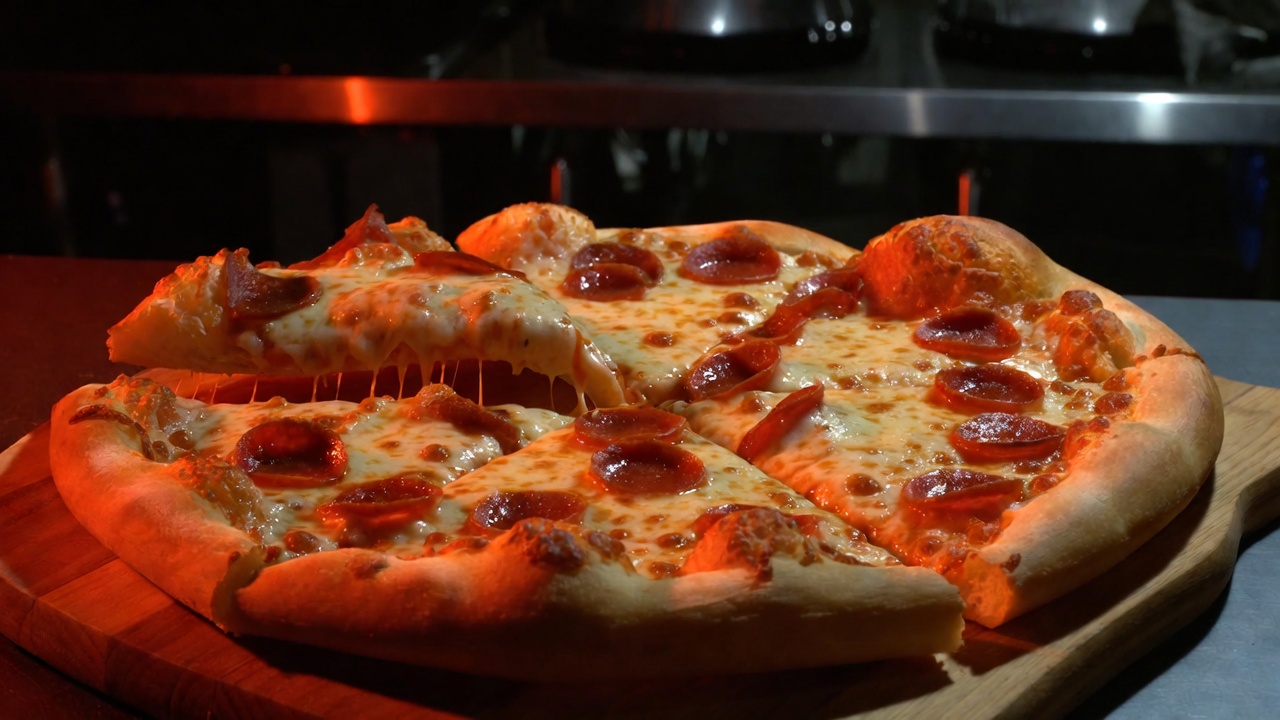
Pizza is more than food. It is a global ritual, a Friday-night tradition, a birthday-party centerpiece, and an after-game reward. Americans alone consume roughly 3 billion pizzas every year, which works out to about 350 slices eaten every single second. Nearly 93 percent of Americans eat pizza at least once a month. And yet, every time you reach for a warm, cheesy slice, a familiar question lingers: is pizza actually healthy?
The answer is more layered than the toppings on a supreme pie. Pizza is not a single food. It is a category — one that ranges from a 140-calorie thin-crust veggie slice to a 500-calorie deep-dish meat-lover’s wedge drowning in sodium. The crust, the sauce, the cheese, and the toppings each tell a different nutritional story. Some of those stories are surprisingly positive. Others serve as a warning.
This guide breaks down the nutritional truth about pizza in 2026 — using real data from the USDA, registered dietitians, and peer-reviewed research. Whether you are counting macros, managing a health condition, or simply curious, you will leave this page with a clear, fact-based understanding of what that slice is actually doing to your body.
How Many Calories Are in a Slice of Pizza? A Complete Breakdown
Calories are the starting point of any nutritional conversation, and pizza calories vary wildly depending on four factors: crust type, size, toppings, and brand.
A standard slice of regular-crust cheese pizza from a typical 14-inch pie (cut into 8 slices) contains approximately 285 calories, according to USDA FoodData Central. That slice also delivers about 10.4 grams of fat, 35.6 grams of carbohydrates, 12.2 grams of protein, and 640 milligrams of sodium.
But that number shifts fast once you change the variables.
Calorie Comparison by Pizza Type
| Pizza Type (1 Slice) | Calories | Total Fat (g) | Sodium (mg) | Protein (g) |
|---|---|---|---|---|
| Thin-crust veggie | 140–210 | 5–8 | 350–500 | 6–9 |
| Regular cheese (14″) | 250–285 | 10–12 | 568–640 | 11–13 |
| Pepperoni (14″) | 300–350 | 13–17 | 680–760 | 12–14 |
| Meat lover’s pan crust | 400–480 | 18–24 | 1,000–1,180 | 16–20 |
| Deep-dish cheese (Chicago) | 360–480 | 16–22 | 700–900 | 14–18 |
| Cauliflower crust cheese | 150–240 | 7–12 | 350–540 | 8–18 |
Sources: USDA FoodData Central; Healthline; Curry Pizza House nutrition data
As the table shows, a single slice of a meat lover’s pan pizza can contain nearly double the calories and close to double the sodium of a thin-crust veggie slice. The type of pizza you choose matters far more than the simple question of whether you eat pizza at all.
One important detail: portion size in America has grown. Many chain restaurants now serve “jumbo” slices that weigh significantly more than the standard USDA reference serving. A single New York-style slice from a large 18-inch pie can easily approach 400 to 500 calories, even without premium toppings. Always check the actual serving size before assuming a slice is a slice.
What Nutrients Does Pizza Provide? The Surprising Health Benefits of Pizza
Pizza gets dismissed as junk food, but that label ignores some genuine nutritional contributions. A basic cheese slice delivers a broader range of nutrients than many people realize.
Protein and Calcium from Mozzarella Cheese
Mozzarella is the backbone of most pizza. It provides high-quality protein — roughly 11 to 13 grams per standard slice — which supports muscle repair, immune function, and satiety. Cheese is also one of the richest dietary sources of calcium, essential for bone density and dental health. A single slice of cheese pizza supplies approximately 15 to 20 percent of the Daily Value for calcium.
In fact, roughly 80 percent of Italian cheese production in the United States goes to mozzarella, driven almost entirely by pizza demand. That makes pizza one of the most significant calcium-delivery vehicles in the American diet.
Lycopene from Tomato Sauce: A Powerful Antioxidant
Here is where pizza’s nutritional story becomes genuinely interesting. Tomato sauce is rich in lycopene, a red-pigmented carotenoid and one of the strongest natural antioxidants known to science.
Lycopene fights free radicals — unstable molecules that damage cells and contribute to chronic diseases. According to a review published in the Annual Review of Food Science and Technology, more than 80 percent of dietary lycopene intake in the United States comes from processed tomato products, including pizza sauce, ketchup, spaghetti sauce, and tomato juice.
What makes pizza sauce particularly effective is the way lycopene behaves when cooked. Heat breaks down plant cell walls and converts lycopene from its natural trans form into cis isomers, which the human body absorbs far more efficiently. A landmark study published in the American Journal of Clinical Nutrition found that lycopene from tomato paste is approximately 2.5 times more bioavailable than lycopene from raw tomatoes. The presence of fat — from cheese and olive oil — further enhances absorption.
Research from Harvard’s Health Professionals Follow-Up Study found that intake of two or more servings of tomato sauce per week was associated with a reduced risk of prostate cancer. A separate study published in The Journal of Nutrition found that women who consumed higher levels of tomato-based products, including pizza, showed potential reductions in cardiovascular disease risk.
This does not mean pizza is medicine. But it does mean the tomato sauce base contributes meaningful antioxidant protection that pure “junk food” categorically does not.
B Vitamins and Iron from the Crust
Pizza dough, especially when made with enriched or whole-wheat flour, provides B vitamins (including thiamine, niacin, and folate) and iron. These micronutrients play roles in energy metabolism, red blood cell production, and nervous system health. A standard slice typically delivers about 13 percent of the Daily Value for iron.
Vegetables Add Fiber, Vitamins, and Minerals
When you load a pizza with bell peppers, onions, mushrooms, spinach, or tomatoes, you are adding fiber, vitamin C, potassium, and additional antioxidants. Vegetable toppings transform pizza from a calorie-dense indulgence into something much closer to a balanced meal. Even a moderate helping of vegetables can boost the fiber content per slice by 2 to 4 grams — which brings a typical slice closer to the fiber levels found in a serving of whole-grain bread.
Is Pizza Bad for Your Heart? Sodium, Saturated Fat, and Cardiovascular Risk
If pizza has a nutritional Achilles’ heel, it is the combination of sodium and saturated fat. These two factors deserve serious attention, especially for anyone managing blood pressure, cholesterol, or heart disease risk.
The Sodium Problem in Pizza
Sodium is the biggest concern. A single slice of regular cheese pizza contains roughly 568 to 640 milligrams of sodium. The American Heart Association recommends no more than 2,300 milligrams per day, with an ideal limit of 1,500 milligrams for most adults.
Two slices of cheese pizza can consume over half your daily sodium allowance. Add pepperoni or sausage, and those two slices could push you past 1,500 milligrams on their own.
According to data from the USDA’s National Food and Nutrient Analysis Program, pizza is a contributor of more than 14 nutrients of public health significance in the American diet — but sodium is among the most problematic. The cheese, cured meats, and dough all contribute sodium. Even the tomato sauce, depending on the brand, can be surprisingly salty.
High sodium intake is directly linked to elevated blood pressure, which increases the risk of stroke, heart attack, and kidney disease. For the roughly 47 percent of American adults who have hypertension, pizza portions and frequency demand careful management.
Saturated Fat from Cheese and Processed Meats
Mozzarella cheese is the single largest source of saturated fat in a standard pizza. One slice of cheese pizza supplies roughly 4 to 5 grams of saturated fat, which is about 20 to 25 percent of the recommended daily limit. Registered dietitian Ellie Krieger has noted that adding pepperoni, sausage, or extra cheese quickly pushes consumption into unhealthy territory, especially when people eat three or four slices at a sitting — which is typical according to USDA survey data.
Processed meats like pepperoni and sausage carry additional risks beyond saturated fat. They contain nitrates and nitrites, preservatives that have been linked to increased colorectal cancer risk by the World Health Organization. The WHO classified processed meat as a Group 1 carcinogen in 2015, placing it in the same evidence category as tobacco smoking (though not the same risk level).
What the Research Says About Pizza and Heart Health
The relationship between pizza and cardiovascular health is not entirely negative. The lycopene-rich tomato sauce, as mentioned earlier, appears to offer some protective benefit. A study in the Journal of Nutrition found that women consuming two or more servings per week of pizza showed reduced cardiovascular disease risk markers. But this protective effect likely hinges on the type of pizza consumed — lighter versions with more sauce and vegetables versus heavy, meat-laden pies.
The bottom line: pizza’s cardiovascular impact depends almost entirely on how it is built and how often it is eaten.
How Does Pizza Affect Weight Gain? Calories, Portions, and Overeating
Pizza is one of the easiest foods in the American diet to overeat. There are several reasons for this.
First, pizza is energy-dense. It packs a lot of calories into a relatively small volume. A typical pizza meal for an American adult averages around 744 calories, according to survey data. For many adults — especially those with sedentary lifestyles — that single meal accounts for 35 to 40 percent of total daily caloric needs.
Second, pizza combines fat, salt, sugar, and refined carbohydrates — a combination that neuroscience research has shown activates reward centers in the brain more intensely than any single macronutrient alone. This makes it genuinely harder to stop eating after one or two slices.
Third, portion creep is real. A small 12-inch cheese pizza from a typical chain contains roughly 1,600 to 2,000 calories total. Many individuals eat half or more of that pizza in a single sitting. Add a side of garlic bread and a sugary drink, and a single pizza dinner can exceed 1,200 calories — approaching or surpassing an entire day’s caloric budget for someone trying to lose weight.
Can You Eat Pizza and Still Lose Weight?
Yes. But it requires intentional choices, not mindless eating. Here are the strategies supported by nutrition research and clinical practice:
- Limit portions to one or two slices. Pair your pizza with a large side salad dressed with olive oil and lemon to increase fiber and volume without doubling down on sodium and saturated fat.
- Choose thin crust over thick, stuffed, or pan crust. A thin-crust slice can have 100 to 150 fewer calories and significantly less sodium than a deep-dish equivalent.
- Prioritize vegetable toppings. Mushrooms, peppers, onions, spinach, and tomatoes add bulk and nutrients for very few additional calories.
- Skip the processed meats. If you want protein, grilled chicken or even lean turkey sausage is a better option than pepperoni or traditional pork sausage.
- Drink water, not soda. A 20-ounce bottle of regular soda adds about 250 empty calories to your meal.
The evidence is clear: a single slice of pizza does not cause weight gain. Habitually eating large quantities of calorie-dense, sodium-heavy pizza without compensating elsewhere in your diet does.
Is Frozen Pizza Healthy? What You Need to Know About Store-Bought Options
Frozen pizza is a massive market. According to Statista, more than 200 million Americans eat frozen pizza, and the U.S. frozen pizza market is valued at approximately $7.5 billion annually. Brands like DiGiorno, Red Baron, and Tombstone dominate freezer aisles across the country.
The appeal is obvious: frozen pizza is cheap, convenient, and requires zero cooking skill. But nutritionally, many frozen pizzas are significantly worse than their fresh counterparts.
Common Nutritional Pitfalls of Frozen Pizza
- Higher sodium. Many frozen pizzas contain 800 to 1,200 milligrams of sodium per serving — and the “serving” is often just one-quarter or one-third of the pizza.
- Added sugars. Some frozen pizza brands add sugar to their crusts and sauces. One serving of Red Baron Barbecue Chicken pizza contains 21 grams of sugar — the equivalent of about four teaspoons.
- Preservatives and additives. Frozen pizzas often contain ingredients you will never find in a traditional pizzeria: modified food starch, partially hydrogenated oils, artificial flavors, and sodium phosphates.
- Lower-quality cheese. Some manufacturers use processed cheese products or cheese blends that contain less calcium and more sodium than real mozzarella.
Healthier Frozen Pizza Brands to Look For in 2026
Not all frozen pizzas are created equal. Several brands have emerged that prioritize cleaner ingredient lists, lower sodium, and higher protein:
| Brand | Key Feature | Calories/Serving | Sodium/Serving |
|---|---|---|---|
| Caulipower (Cauliflower Crust) | Gluten-free, veggie-based crust | 170–310 | 350–540 mg |
| Newman’s Own Thin & Crispy | Short ingredient list, organic wheat | 250–310 | 470–590 mg |
| Amy’s Organic | Organic ingredients, vegetarian options | 260–320 | 480–580 mg |
| Real Good Foods | High protein, grain-free chicken crust | 160–290 | 460–530 mg |
| Sweet Earth (Vegan) | Plant-based, organic ingredients | 230–280 | 410–520 mg |
Values are approximate and vary by flavor.
When shopping for frozen pizza, always read the nutrition facts panel. Pay close attention to the serving size — many brands list nutritional data for a fraction of the pizza that is smaller than what most people actually eat.
Is Homemade Pizza Healthier Than Restaurant Pizza?
Almost always, yes. And the reasons come down to control.
When you make pizza at home, you decide exactly how much cheese goes on top, which flour forms the crust, how much salt enters the sauce, and whether the toppings are fresh vegetables or cured meat. Restaurant and chain pizzas are engineered for maximum flavor, which often means maximum fat, salt, and sugar.
The Numbers Tell the Story
According to Technomic’s 2025 Pizza Consumer Trend Report, average menu prices for pizza at restaurants have risen to $17.61, reflecting a 15.1 percent increase over five years. That price pressure has led 25 percent of consumers to switch to frozen alternatives, and many more to explore homemade options.
Beyond cost savings, homemade pizza offers clear nutritional advantages:
- Control over sodium. Homemade tomato sauce can contain as little as 100 milligrams of sodium per serving, compared to 400 or more in many jarred and restaurant sauces.
- Whole-grain crust options. Using 100 percent whole-wheat flour increases fiber content by roughly 4 grams per slice and lowers the glycemic index.
- Fresh mozzarella vs. processed cheese. Fresh mozzarella is lower in sodium and free of the preservatives found in some pre-shredded cheese products.
- Portion management. A homemade pizza on a standard 12-inch round baking sheet naturally limits the total amount of food per meal.
A simple homemade pizza with whole-wheat crust, crushed San Marzano tomatoes, fresh mozzarella, olive oil, and roasted vegetables can deliver a nutritionally balanced meal with roughly 200 to 250 calories per slice, moderate sodium, and a solid mix of protein, fiber, and healthy fats.
What Is the Healthiest Pizza Crust? Whole Wheat, Cauliflower, and Other Alternatives Compared
The crust is the foundation of every pizza, and it is also where most of the refined carbohydrates and a significant portion of the calories live. Choosing a different crust can dramatically change the nutritional profile of your meal.
Traditional White Flour Crust
Standard pizza crust is made from refined white flour, water, yeast, salt, and oil. It is low in fiber (about 1.5 to 2.5 grams per slice), moderate in calories, and has a relatively high glycemic index — meaning it spikes blood sugar quickly. For most people, this is the least nutritious crust option.
Whole Wheat Pizza Crust
Switching to 100 percent whole-wheat flour is one of the simplest upgrades you can make. Whole-wheat crust provides whole grains and fiber and is digested more slowly than refined grains. It typically adds 3 to 4 additional grams of fiber per slice, which promotes fullness, stabilizes blood sugar, and supports digestive health. The calorie count is roughly the same as white-flour crust, but the nutritional quality is meaningfully higher.
Cauliflower Pizza Crust: Is It Really Healthier?
Cauliflower crust has become a mainstream option, found in grocery freezer aisles, chain restaurants, and home kitchens alike. According to the Cleveland Clinic, cauliflower crust offers fewer carbohydrates than traditional dough, making it appealing for people following low-carb or keto diets.
However, the picture is more nuanced:
- Store-bought cauliflower crusts often use cheese and eggs as binders, which can raise the fat, saturated fat, and cholesterol content.
- Fiber content is often lower than whole-wheat crust, because the cauliflower is highly processed and diluted with other ingredients.
- Some brands add starch, flour, or other fillers that erase much of the calorie and carb advantage.
- Sodium levels vary enormously by brand and preparation method.
The bottom line, according to dietitians: cauliflower crust can be a smart choice for people who need gluten-free or lower-carb options. But for general health and fiber intake, a thin whole-wheat crust often provides a better nutritional foundation.
Other Crust Alternatives Gaining Popularity in 2026
- Chickpea flour crust. Higher in protein and fiber than white flour. Good for people seeking plant-based protein.
- Almond flour crust. Very low in carbohydrates. Popular in keto and paleo communities. Higher in fat from healthy monounsaturated sources.
- Ancient grain crust. Made from quinoa, amaranth, or sorghum. Offers unique micronutrient profiles and robust flavors.
- Pinsa crust. An Italian innovation made from a blend of rice, soy, and wheat flour. Lighter and more digestible than traditional dough, with a distinctive airy texture.
What Are the Best and Worst Pizza Toppings for Your Health?
If the crust is the foundation, toppings are where the nutritional story truly diverges. The same crust can support a genuinely healthy meal or an excess of sodium, saturated fat, and processed ingredients — depending entirely on what sits on top.
Healthiest Pizza Toppings
| Topping | Key Nutritional Benefit |
|---|---|
| Spinach | Rich in iron, vitamin K, folate, and magnesium |
| Bell peppers | Excellent source of vitamin C and vitamin A |
| Mushrooms | Provide B vitamins, selenium, and potassium |
| Onions | Contain quercetin, a flavonoid with anti-inflammatory properties |
| Tomatoes (fresh) | Additional lycopene and vitamin C |
| Artichoke hearts | High in fiber and antioxidants |
| Grilled chicken | Lean protein without the nitrates found in cured meats |
| Olives | Source of heart-healthy monounsaturated fats |
| Arugula (added after baking) | Peppery flavor plus vitamin K and folate |
Least Healthy Pizza Toppings
| Topping | Primary Concern |
|---|---|
| Pepperoni | High in sodium, saturated fat, and nitrates |
| Sausage (pork) | High in saturated fat and calories |
| Bacon | Very high in sodium and saturated fat |
| Extra cheese | Dramatically increases saturated fat and calorie count |
| Stuffed crust cheese | Adds 100+ calories and 300+ mg sodium per slice |
Americans overwhelmingly prefer meat toppings over vegetables — by roughly a 2-to-1 ratio, with pepperoni appearing on about 36 percent of all pizza orders. This preference is a major driver of the nutritional concerns associated with pizza in the United States.
Is Pizza Good for Kids? What Parents Should Know About Children and Pizza Nutrition
Pizza holds a special place in childhood. It is a school-lunch staple, a birthday-party essential, and one of the few foods that even the pickiest eaters will happily consume. But the nutritional implications deserve parental attention.
According to research cited by Gitnux, children aged 6 to 19 are the highest consumers of pizza by age group. On days when children eat pizza, it provides approximately 27 percent of their total energy intake and 25 percent of their total protein intake.
Those numbers reveal both the opportunity and the risk. Pizza can be a meaningful source of protein, calcium, and vegetables for children. But when it is dominated by refined flour, processed meats, and excessive cheese — as it often is in school cafeterias and fast-food settings — it becomes a vehicle for excess sodium, saturated fat, and empty calories.
Tips for Making Pizza Healthier for Kids
- Add at least one vegetable topping. Even kids who resist vegetables on a plate will often accept them on pizza. Mushrooms, bell peppers, and corn are crowd-pleasers.
- Choose thinner crusts. Less crust means fewer refined carbohydrates and lower calorie density.
- Pair with fruits and vegetables. A side of raw carrots, apple slices, or a small salad balances the meal.
- Make pizza at home together. Kids who participate in cooking are more likely to try and enjoy healthier ingredients. Homemade pizza becomes both a meal and a learning experience.
- Watch the drinks. Soda with pizza is a common combination that adds hundreds of calories with zero nutritional benefit. Water, milk, or diluted fruit juice are far better choices.
Can People with Diabetes Eat Pizza? Managing Blood Sugar with Smarter Choices
Pizza is not off-limits for people with diabetes, but it requires thoughtful planning. The primary concern is the glycemic response — the speed and intensity with which pizza raises blood sugar after eating.
Standard white-flour pizza crust has a glycemic index of approximately 60, placing it in the moderate range. However, the combination of refined carbohydrates, fat, and protein in pizza creates a complex glycemic pattern. Blood sugar may rise moderately at first, then continue to climb for hours as the fat slows digestion and the carbohydrates are gradually absorbed.
Strategies for Diabetes-Friendly Pizza
- Choose cauliflower or whole-wheat crust. Both options provide fewer net carbohydrates and a slower glycemic response than white-flour crust. The Centers for Disease Control and Prevention recommends that people with diabetes get about 50 percent of their daily calories from carbohydrates, making crust choice a key lever.
- Limit to one or two slices. Carbohydrate counting is essential for blood sugar management, and each standard slice contains about 30 to 36 grams of carbohydrates.
- Load up on vegetables and lean protein. These toppings add bulk and nutrients without significantly raising the carbohydrate load.
- Monitor blood sugar after eating. Because pizza has a prolonged glycemic effect, checking blood sugar two to three hours after the meal — not just immediately after — provides a more accurate picture.
The Mediterranean Diet and Pizza: How Italy’s Traditional Pie Fits a Heart-Healthy Lifestyle
It is worth remembering that pizza originated in Naples, Italy — a region at the heart of the Mediterranean diet, consistently ranked among the healthiest eating patterns in the world.
Traditional Neapolitan pizza is a far cry from its American fast-food counterpart. A genuine Margherita pizza uses a thin crust made from high-quality flour, San Marzano tomatoes, fresh mozzarella di bufala, extra-virgin olive oil, and fresh basil. The portion is modest — typically one personal-sized pie — and it is eaten as part of a meal that includes salad, fruit, and perhaps a glass of wine.
This traditional approach aligns well with Mediterranean diet principles:
- Emphasis on whole, minimally processed ingredients
- Healthy fats from olive oil
- Moderate portions of dairy (cheese)
- Abundant plant-based components (tomato, herbs)
- Limited processed meats
The nutritional gap between a traditional Neapolitan Margherita and a large American meat-lover’s pan pizza is enormous. The former is a balanced, nutrient-dense meal. The latter is an excess of sodium, saturated fat, and calories. Both are called “pizza.” The similarity largely ends there.
In Italy, pizza remains a cultural celebration — a food tied to community, family, and craftsmanship. The UNESCO-recognized tradition of Pizzaiuolo Napoletano (the art of Neapolitan pizza making) treats pizza as a culinary art form, not a fast-food commodity. This cultural context shapes how pizza is made, served, and consumed in ways that naturally support better nutrition.
How Often Can You Eat Pizza and Stay Healthy? Expert Recommendations for 2026
There is no single “right” frequency. The answer depends on the rest of your diet, your activity level, and the type of pizza you eat.
However, most registered dietitians and nutrition researchers offer consistent guidance:
- Once a week is fine for most healthy adults, especially when the pizza includes vegetables, lean protein, and a reasonable crust size.
- Two to three times per week becomes concerning if the pizza is calorie-dense, sodium-heavy, and not balanced by other meals rich in fruits, vegetables, whole grains, and lean protein.
- Daily pizza consumption is difficult to reconcile with dietary guidelines for sodium, saturated fat, and fiber — unless the pizza is homemade with carefully controlled ingredients.
The key insight is that frequency and quality interact. Eating a thin-crust veggie pizza once a week has an entirely different health impact than eating a meat-lover’s deep-dish three times a week. Blanket statements about pizza frequency miss this crucial distinction.
How to Make Your Pizza Order Healthier: 10 Practical Tips That Actually Work
You do not need to give up pizza to eat well. You need to order smarter. Here are ten evidence-based strategies:
- Choose thin crust. It is the single easiest way to cut calories and refined carbohydrates.
- Ask for light cheese. Even a modest reduction in mozzarella can save 50 to 100 calories and 200 milligrams of sodium per slice.
- Load up on vegetables. Aim for at least two vegetable toppings per pizza.
- Skip the processed meats. Choose grilled chicken, shrimp, or plant-based protein instead.
- Request sauce on the side or light sauce if you are watching sodium closely.
- Avoid stuffed crust. It adds substantial calories, fat, and sodium with minimal nutritional benefit.
- Pair with a salad. Start with a large green salad to take the edge off hunger before the pizza arrives.
- Drink water. Not soda, not beer — water.
- Box up leftovers early. Decide on your portion before the first bite, and put the rest away.
- Eat slowly and mindfully. It takes about 20 minutes for satiety signals to reach the brain. Rushing through slices leads to overconsumption.
Pizza and Gut Health: Does Your Favorite Slice Affect Your Microbiome?
Emerging research in 2025 and 2026 has brought increased attention to how foods affect the gut microbiome — the trillions of bacteria living in your digestive tract. Pizza interacts with gut health in both positive and negative ways.
Positive contributions:
- Fermented dough (when made with natural yeast and a long fermentation process, as in traditional Neapolitan pizza) may contain beneficial bacteria and produce compounds that support gut health.
- Tomato sauce provides fiber and polyphenols that can feed beneficial gut bacteria.
- Vegetable toppings supply prebiotic fiber — the food that gut bacteria thrive on.
Negative contributions:
- Refined white flour is low in fiber and rapidly digested, providing little benefit to gut bacteria.
- Processed meats contain preservatives and additives that research has linked to unfavorable changes in the microbiome.
- High sodium may negatively affect the diversity of gut bacteria, according to preliminary research.
The take-home message: a whole-wheat crust pizza loaded with vegetables feeds your gut bacteria well. A white-flour, pepperoni-heavy pizza does not.
The Psychology of Pizza: Why We Crave It and How to Enjoy It Without Guilt
Pizza ranks among the most craved foods in the world. Understanding why can help you build a healthier relationship with it.
The craving is not a character flaw. Pizza combines all five taste profiles — salty, sweet, umami, sour, and a hint of bitter from char. The melted cheese delivers a cascade of casomorphins — protein fragments that interact with opioid receptors in the brain. The combination of carbohydrates and fat triggers dopamine release. In short, pizza is pharmacologically designed by nature (and perfected by chefs) to make you want more.
Knowing this is empowering, not discouraging. You can enjoy pizza without guilt by:
- Treating it as a planned indulgence, not a default meal.
- Savoring each bite instead of eating mechanically in front of a screen.
- Recognizing that one slice will not derail your health — and that the stress and guilt you feel about eating pizza may be worse for your body than the pizza itself.
- Building meals around pizza intentionally: lighter breakfasts and lunches on days you plan to have pizza for dinner.
Research supports this approach. A study cited by Gitnux found that people who eat pizza regularly report higher happiness levels and less stress — likely because pizza is deeply connected to comfort, social bonding, and celebration. The mental health benefits of food enjoyment should not be dismissed.
Pizza Industry Trends in 2026: Healthier Options Are Growing Fast
The pizza industry is responding to consumer demand for healthier choices. According to the 2025 Technomic Pizza Consumer Trend Report, 86 percent of Americans have eaten pizza or flatbread in the past year, but their choices are shifting:
- Plant-based cheese usage on pizza has increased by more than 50 percent over the past five years.
- Cauliflower crust now accounts for a meaningful share of frozen pizza launches, driven by brands like Caulipower.
- Gluten-free options are available at over 98 percent of U.S. pizzerias.
- Alternative sauce options like pesto, garlic-olive oil, and alfredo are expanding beyond traditional marinara.
- Protein-forward crusts made from chicken, chickpea, or almond flour are emerging in both frozen and fresh categories.
- Pinsa, an Italian dough style using a rice-soy-wheat blend for better digestibility, has appeared in specialty restaurants across the United States.
The industry trend is clear: pizza is evolving from a one-size-fits-all indulgence to a customizable platform that can accommodate nearly any dietary goal. This is good news for health-conscious pizza lovers.
Final Verdict: Is Pizza Healthy or Not?
Pizza is not inherently healthy or unhealthy. It is a vehicle — and what you put on it, how much you eat, and how often you eat it determines its impact on your body.
Pizza can be a reasonable part of a healthy diet when:
- You choose thin or whole-wheat crust
- You prioritize vegetable toppings and lean protein
- You eat one to two slices and pair them with a salad or fruit
- You limit frequency to once or twice per week
- You stay aware of sodium intake across your entire day
Pizza becomes a health concern when:
- You regularly eat three or more slices of calorie-dense, sodium-heavy varieties
- Processed meats are your default topping
- You pair it with soda or other sugary drinks
- You eat it multiple times per week without compensating elsewhere
- You choose deep-dish, stuffed-crust, or extra-cheese options consistently
The nutritional truth about pizza is nuanced, and that nuance is actually good news. You do not have to give up pizza. You just need to be intentional about the choices you make around it. Choose wisely, eat mindfully, and enjoy one of the world’s most beloved foods without sacrificing your health.