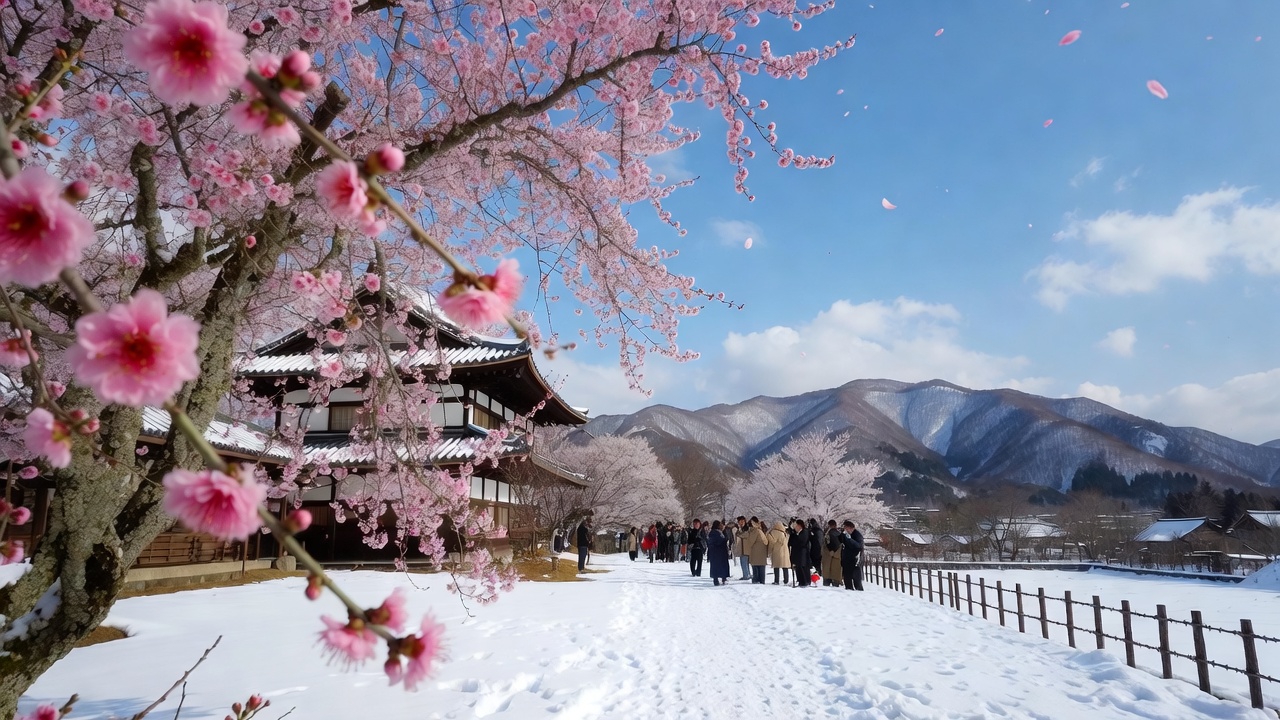
Your Ultimate Travel Guide to Experiencing Winter Magic, Cultural Celebrations, and Natural Beauty in Japan
February in Japan offers travelers a unique blend of ancient traditions, natural beauty, and world-class winter sports. While most tourists flock to Japan during cherry blossom season in spring, savvy travelers know that February presents an equally magical—and far less crowded—opportunity to experience this fascinating country.
From the patriotic celebrations of National Foundation Day to the delicate pink and white blooms of plum blossom season, and from the powdery slopes of legendary ski resorts to cozy hot spring retreats, Japan in February is a hidden gem waiting to be discovered.
In this comprehensive guide, we’ll explore everything you need to know about visiting Japan in February, including cultural festivals, seasonal attractions, skiing destinations, and practical travel tips to help you plan the perfect winter getaway.
Why Visit Japan in February? Top Reasons to Travel During Winter
February is one of the best times to visit Japan for travelers seeking authentic experiences without the overwhelming crowds. Here’s why this month deserves your attention:
| Reason | Benefit |
|---|---|
| Fewer Tourists | Major attractions are less crowded than spring or fall |
| Lower Prices | Hotel rates and airfares are typically more affordable |
| Plum Blossoms | Experience beautiful ume flowers before cherry blossoms |
| Peak Ski Season | Best snow conditions at Japanese ski resorts |
| Cultural Events | National Foundation Day and unique winter festivals |
| Onsen Season | Perfect weather for hot spring bathing |
| Winter Cuisine | Seasonal foods like nabe (hot pot) and fresh seafood |
The combination of cultural authenticity, natural beauty, and value for money makes February an ideal month for discerning travelers who want to experience Japan like a local.
What is National Foundation Day in Japan? History and Significance
National Foundation Day (建国記念の日, Kenkoku Kinen no Hi) is celebrated annually on February 11th and is one of Japan’s most important national holidays. This day commemorates the mythological founding of Japan and the accession of its first Emperor, Emperor Jimmu, in 660 BCE.
The Mythological Origins of Japan’s Founding
According to the ancient chronicles Kojiki (Records of Ancient Matters) and Nihon Shoki (Chronicles of Japan), Emperor Jimmu was a descendant of the sun goddess Amaterasu Ōmikami. He is said to have established the Japanese state after a legendary eastward expedition from Kyushu to the Yamato region (present-day Nara Prefecture).
The date of February 11th corresponds to the first day of the first month in the traditional Japanese lunisolar calendar, which was later converted to the Gregorian calendar. This date symbolizes the birth of the Japanese nation and its imperial lineage.
Historical Evolution of National Foundation Day
The holiday has undergone significant changes throughout Japanese history:
| Period | Name | Status |
|---|---|---|
| 1872-1948 | Empire Day (紀元節, Kigensetsu) | National holiday celebrating imperial rule |
| 1948-1966 | Abolished | Removed during American occupation |
| 1966-Present | National Foundation Day | Re-established with secular focus |
During the Meiji Era (1868-1912), the holiday was established as Empire Day (Kigensetsu) in 1872 to promote national unity and reverence for the Emperor. After World War II, the American occupation authorities abolished the holiday due to its associations with State Shinto and Japanese nationalism.
However, in 1966, the Japanese government re-established the holiday as National Foundation Day, shifting the focus from imperial worship to a celebration of Japan’s cultural heritage and national identity.
How Japanese People Celebrate National Foundation Day
Unlike more festive holidays, National Foundation Day is observed relatively quietly in modern Japan. Here’s what you can expect:
Official Ceremonies:
- The government holds a formal ceremony at the National Theatre in Tokyo
- The Emperor and Empress typically attend official events
- Shinto shrines conduct special ceremonies and rituals
Public Observances:
- Many Japanese people use the day off for family gatherings or leisure activities
- Some patriotic groups organize parades and demonstrations
- Shrines display Japanese flags (hinomaru) and receive special visitors
Cultural Activities:
- Museums and cultural institutions often host special exhibitions related to Japanese history
- Television broadcasts feature documentaries about Japan’s founding myths
- Traditional performing arts events may be held
Where to Experience National Foundation Day Celebrations in Japan
If you want to witness National Foundation Day observances firsthand, several locations across Japan offer meaningful experiences:
Kashihara Shrine (Nara Prefecture)
Kashihara Jingu is considered the most significant location for National Foundation Day celebrations. This Shinto shrine was built on the legendary site where Emperor Jimmu is believed to have ascended to the throne.
What to expect:
- Kigensetsu-sai ceremony conducted by Shinto priests
- Traditional gagaku (court music) performances
- Large gatherings of worshippers and visitors
- Display of traditional Japanese flags and decorations
Practical Information:
| Detail | Information |
|---|---|
| Location | Kashihara City, Nara Prefecture |
| Access | 5-minute walk from Kashiharajingu-mae Station |
| Admission | Free |
| Recommended Visit Duration | 2-3 hours |
Meiji Shrine (Tokyo)
Meiji Jingu in Tokyo also holds special ceremonies on National Foundation Day. While not directly connected to Emperor Jimmu, this shrine dedicated to Emperor Meiji represents the modern era of Japanese national identity.
Ise Grand Shrine (Mie Prefecture)
Ise Jingu, the most sacred Shinto shrine in Japan, holds significance on National Foundation Day as the spiritual home of Amaterasu, the ancestral deity of the imperial line.
Understanding Plum Blossom Season in Japan: When and Where to See Ume
While cherry blossoms (sakura) receive most of the international attention, plum blossoms (ume, 梅) hold an equally cherished place in Japanese culture. February marks the peak of plum blossom season in most parts of Japan, offering visitors a stunning preview of spring.
What Makes Japanese Plum Blossoms Special?
Plum blossoms have been celebrated in Japan for over 1,300 years, predating the cherry blossom tradition. They were introduced from China during the Nara Period (710-794 CE) and were originally the most celebrated flower in Japanese poetry and art.
Key Characteristics of Plum Blossoms:
| Feature | Description |
|---|---|
| Bloom Period | Late January to mid-March |
| Colors | White, pink, red, and deep crimson |
| Fragrance | Sweet, subtle scent (stronger than cherry blossoms) |
| Symbolism | Perseverance, hope, renewal, and elegance |
| Tree Shape | Gnarled, twisted branches add visual interest |
Unlike cherry blossoms, which bloom all at once and fall quickly, plum blossoms open gradually over several weeks. This extended bloom period makes them more forgiving for travel planning.
The Cultural Significance of Ume in Japanese Tradition
Plum blossoms appear throughout Japanese culture:
- Poetry: Featured prominently in the ancient poetry anthology Man’yōshū
- Art: A favorite subject in traditional ukiyo-e woodblock prints
- Gardens: Essential element in traditional Japanese garden design
- Cuisine: Pickled plums (umeboshi) and plum wine (umeshu) are dietary staples
- Festivals: Ume matsuri (plum festivals) are held throughout Japan
The plum blossom represents perseverance and hope because it blooms in the cold of winter, sometimes even through snow. This resilience has made it a symbol of renewal and the promise of spring.
Best Plum Blossom Viewing Spots in Japan: Complete Guide to Ume Festivals
Japan offers countless locations for plum blossom viewing (ume-mi or kanbaikai). Here are the most spectacular destinations:
Kairakuen Garden (Ibaraki Prefecture)
Kairakuen in Mito City is considered one of Japan’s three most beautiful gardens and hosts over 3,000 plum trees of more than 100 varieties.
Mito Plum Festival Details:
| Information | Details |
|---|---|
| Festival Period | Mid-February to late March |
| Number of Trees | Over 3,000 |
| Varieties | More than 100 types |
| Special Events | Night illuminations, tea ceremonies, traditional performances |
| Access | 20-minute walk from JR Mito Station |
| Admission | ¥300 (adults) |
The Mito Plum Festival (Mito Ume Matsuri) features weekend events including traditional music performances, candlelight illuminations, and opportunities to sample local plum-based products.
Kitano Tenmangu Shrine (Kyoto)
Kitano Tenmangu is perhaps the most famous plum blossom destination in Kyoto. The shrine is dedicated to Sugawara no Michizane, a scholar-politician who was exiled in the 9th century and whose spirit is said to have traveled with the plum blossoms.
Why visit Kitano Tenmangu:
- 2,000 plum trees representing 50 varieties
- Historical and spiritual significance
- Located in culturally rich Kyoto
- Plum blossom festival runs from early February to late March
- Special night illuminations on select evenings
Legend of the Flying Plum Tree: According to tradition, when Michizane was exiled to Dazaifu in Kyushu, his beloved plum tree was so devoted that it flew through the sky to join him. This legend, called Tobiume (Flying Plum), makes Kitano Tenmangu particularly meaningful during plum season.
Dazaifu Tenmangu Shrine (Fukuoka Prefecture)
The final resting place of Sugawara no Michizane, Dazaifu Tenmangu is where the legendary flying plum tree landed. The shrine grounds feature approximately 6,000 plum trees.
Practical Information:
| Detail | Information |
|---|---|
| Location | Dazaifu City, Fukuoka Prefecture |
| Best Viewing Period | Late January to early March |
| Number of Trees | Approximately 6,000 |
| Access | 5-minute walk from Dazaifu Station |
| Highlights | Flying Plum Tree, educational attractions, local street food |
Koishikawa Korakuen Garden (Tokyo)
For visitors based in Tokyo, Koishikawa Korakuen offers an accessible plum blossom experience in the heart of the city. This Edo-period garden features approximately 90 plum trees.
Tokyo Alternatives for Plum Viewing:
- Yushima Tenjin Shrine – 300 trees, festival atmosphere
- Hanegi Park – 650 trees, local neighborhood feel
- Shinjuku Gyoen – Small but beautiful grove within the famous garden
Atami Plum Garden (Shizuoka Prefecture)
Atami Baien is famous for its early-blooming plums, with flowers appearing as early as late January. The garden’s location in the warm Izu Peninsula creates ideal conditions for early blossoms.
Atami Plum Festival Highlights:
- 472 plum trees of 59 varieties
- Hot spring resort town atmosphere
- Combines well with onsen (hot spring) experiences
- Night illuminations during festival period
- Scenic coastal location
Japan February Weather Guide: What to Expect and How to Prepare
Understanding February weather in Japan is essential for planning your trip. Japan’s geography creates significant regional variations.
Regional Weather Breakdown
| Region | Average High | Average Low | Conditions |
|---|---|---|---|
| Tokyo | 10°C (50°F) | 2°C (36°F) | Cold, dry, occasional frost |
| Kyoto/Osaka | 9°C (48°F) | 1°C (34°F) | Cold, occasional snow |
| Hokkaido | -1°C (30°F) | -7°C (19°F) | Heavy snow, very cold |
| Okinawa | 19°C (66°F) | 14°C (57°F) | Mild, subtropical |
| Nagano (Mountains) | 4°C (39°F) | -5°C (23°F) | Snowy, excellent ski conditions |
What to Pack for Japan in February
Essential Items:
- Warm winter coat (down jacket or wool coat)
- Layering pieces (fleece, sweaters, thermal underwear)
- Waterproof outer layer for snow regions
- Warm accessories (hat, gloves, scarf)
- Comfortable walking shoes with good traction
- Compact umbrella for occasional rain
For Skiing:
- Many resorts offer equipment rental, but bring your own if preferred
- Moisture-wicking base layers are essential
- UV-protective sunglasses for bright snow conditions
Cultural Considerations:
- Pack slip-on shoes for easy removal at temples and restaurants
- Bring modest clothing for shrine visits
- Consider a small day bag for carrying purchases and essentials
Ultimate Guide to Skiing in Japan in February: Best Resorts and Conditions
February is widely considered the best month for skiing in Japan. The country’s legendary powder snow attracts skiers and snowboarders from around the world, and February typically offers the most consistent conditions.
Why Japan is Famous for Powder Snow
Japan receives some of the heaviest snowfall on Earth due to its unique geographic position. Cold Siberian air masses pick up moisture over the Sea of Japan, depositing massive amounts of snow on the Japanese Alps and Hokkaido mountains.
What Makes Japanese Powder Special:
- Japow (Japanese powder) is renowned for its light, dry consistency
- Snowfall can exceed 15 meters (50 feet) annually at some resorts
- Fresh powder is common, even daily at many resorts
- Snow quality rivals the best in the world (Hokkaido especially)
Top Ski Resorts in Hokkaido
Niseko United (Niseko, Hokkaido)
Niseko is Japan’s most famous international ski destination, located approximately 2 hours from New Chitose Airport (Sapporo).
Niseko Resort Statistics:
| Category | Details |
|---|---|
| Vertical Drop | 940 meters |
| Annual Snowfall | 14-18 meters |
| Number of Runs | 80+ |
| Terrain | 30% beginner, 40% intermediate, 30% advanced |
| Lift Pass Price | ¥6,500-8,200/day |
| Season | Late November to early May |
Niseko Features:
- Four interconnected resorts: Grand Hirafu, Hanazono, Niseko Village, and Annupuri
- Extensive night skiing operations
- English-friendly with international staff
- Vibrant après-ski scene with restaurants and bars
- Excellent backcountry access for advanced skiers
Furano Ski Resort (Furano, Hokkaido)
Furano offers a more authentic Japanese experience with excellent snow quality and fewer international crowds than Niseko.
Why Choose Furano:
- Lighter crowds compared to Niseko
- Champion-quality terrain (hosted FIS World Cup events)
- Beautiful panoramic views of the Tokachi Mountain Range
- Charming rural town atmosphere
- More affordable lift passes and accommodations
Rusutsu Resort (Rusutsu, Hokkaido)
Rusutsu is known for its tree skiing and consistent powder conditions. It’s located near Niseko but offers a distinct experience.
Rusutsu Highlights:
- Three mountains with 42 runs
- Famous for deep powder in the trees
- Modern gondolas and lift system
- Integrated ski-in/ski-out resort hotel
- Less crowded than Niseko
Top Ski Resorts in Honshu (Main Island)
Hakuba Valley (Nagano Prefecture)
Hakuba hosted events during the 1998 Winter Olympics and remains one of Japan’s premier ski destinations. It’s accessible from Tokyo in approximately 4 hours.
Hakuba Valley Overview:
| Resort | Best For | Vertical Drop |
|---|---|---|
| Hakuba Happo-one | All-round skiing, Olympic heritage | 1,071m |
| Hakuba47 | Park and pipe, intermediate terrain | 820m |
| Hakuba Goryu | Family-friendly, beginners | 877m |
| Hakuba Cortina | Deep powder, off-piste | 872m |
| Hakuba Iwatake | Views, intermediate cruising | 680m |
Hakuba Advantages:
- 11 interconnected resorts with one lift pass option
- Rich Olympic heritage and infrastructure
- Traditional Japanese village atmosphere
- Excellent onsen (hot springs) nearby
- More accessible from Tokyo than Hokkaido
Shiga Kogen (Nagano Prefecture)
Shiga Kogen is Japan’s largest ski area, comprising 18 interconnected resorts with over 80 lifts.
Shiga Kogen Facts:
| Feature | Details |
|---|---|
| Total Ski Area | 425 hectares |
| Number of Resorts | 18 interconnected areas |
| Lifts | 80+ |
| Elevation | Up to 2,307 meters |
| Famous For | Snow monkeys nearby, vast terrain |
The nearby Jigokudani Monkey Park allows you to combine skiing with viewing wild snow monkeys bathing in natural hot springs—a truly unique Japanese experience.
Nozawa Onsen (Nagano Prefecture)
Nozawa Onsen perfectly combines excellent skiing with traditional hot spring culture. The village atmosphere makes it one of Japan’s most charming ski destinations.
What Makes Nozawa Onsen Special:
- 36 runs across varied terrain
- Traditional village with 13 public hot spring baths (free!)
- Historic Dosojin Fire Festival in January
- Authentic Japanese ryokan (inn) accommodations
- Excellent local cuisine including wild vegetables and Nozawa-na pickles
Japan February Festivals and Events: Complete Calendar
Beyond National Foundation Day and plum blossoms, February in Japan features numerous unique festivals and events worth planning your trip around.
Sapporo Snow Festival (Sapporo Yuki Matsuri)
The Sapporo Snow Festival is Japan’s largest winter event, attracting over 2 million visitors annually during its week-long run in early February.
Festival Sites and Features:
| Site | Features | Location |
|---|---|---|
| Odori Site | Giant snow sculptures, ice sculptures, stage events | Odori Park (1.5 km stretch) |
| Susukino Site | Ice sculptures, ice bar, illuminations | Susukino entertainment district |
| Tsudome Site | Snow slides, snow rafting, family activities | Sapporo Community Dome |
Sculpture Categories:
- Large snow sculptures: Up to 15 meters tall, depicting famous buildings, characters, and themes
- Medium snow sculptures: Created by citizen groups and international teams
- Ice sculptures: Intricate carvings illuminated at night in Susukino
Practical Tips for Sapporo Snow Festival:
- Book accommodations early—hotels fill up months in advance
- Visit both day and night for different perspectives (night illuminations are spectacular)
- Dress very warmly—temperatures can drop to -10°C (14°F)
- Try festival food stalls featuring Hokkaido specialties
- Allow 2-3 days to fully experience all sites
Yokote Kamakura Festival (Akita Prefecture)
The Yokote Kamakura Festival features hundreds of kamakura (snow huts) illuminated with candles, creating a magical winter wonderland.
Festival Details:
| Information | Details |
|---|---|
| Dates | February 15-16 |
| Location | Yokote City, Akita Prefecture |
| Tradition | Over 450 years old |
| Highlights | Enter kamakura huts, receive amazake (sweet sake) and mochi |
Inside each kamakura, a small altar honors Suijin-sama, the water deity. Visitors are invited to enter, sit by the hearth, and receive warm hospitality from local families.
Setsubun: The Bean-Throwing Festival
Setsubun (節分) falls on February 3rd and marks the traditional end of winter in the Japanese calendar. The celebration involves mamemaki (bean-throwing) to drive away evil spirits and welcome good fortune.
How Setsubun is Celebrated:
- Bean throwing: Roasted soybeans are thrown while chanting “Oni wa soto! Fuku wa uchi!” (Demons out! Fortune in!)
- Eating ehōmaki: A special sushi roll eaten whole while facing the year’s lucky direction
- Temple and shrine events: Large gatherings with celebrities throwing beans to crowds
Best Places to Experience Setsubun:
- Sensoji Temple (Tokyo) – Massive crowds, celebrity appearances
- Yoshida Shrine (Kyoto) – Traditional atmosphere with bonfires
- Naritasan Shinshoji (Chiba) – Famous for sumo wrestler participants
Otaru Snow Light Path Festival (Hokkaido)
Running concurrently with the Sapporo Snow Festival, the Otaru Snow Light Path Festival offers a more intimate and romantic winter experience.
Festival Highlights:
- Thousands of candles lining the historic Otaru Canal
- Snow sculptures and ice candle holders
- Historic warehouses illuminated against the snow
- Less crowded than Sapporo, more atmospheric
February Sumo Tournament (Tokyo)
While the January Sumo Tournament in Tokyo is more famous, late January/early February is an excellent time to catch sumo practice sessions (keiko) at stables (heya) around Tokyo.
How to Watch Sumo Practice:
- Some stables allow public viewing of morning practice
- Contact stables in advance or go through a tour operator
- Early morning attendance required (usually 7-10 AM)
- Free or small donation expected
Traditional Japanese Winter Cuisine: What to Eat in February
February’s cold weather makes it the perfect time to enjoy hearty Japanese winter dishes. Here are the must-try foods:
Nabe (Hot Pot)
Nabe is the quintessential Japanese winter meal—a communal pot of simmering broth with vegetables, meat, and other ingredients.
Popular Nabe Varieties:
| Type | Main Ingredients | Region |
|---|---|---|
| Sukiyaki | Beef, vegetables, sweet soy broth | Nationwide |
| Shabu-shabu | Thinly sliced beef/pork, dipping sauces | Nationwide |
| Chanko-nabe | Various proteins, vegetables (sumo wrestler diet) | Tokyo |
| Yosenabe | Mixed seafood, vegetables, light broth | Nationwide |
| Kiritanpo-nabe | Rice sticks, chicken, vegetables | Akita Prefecture |
| Motsu-nabe | Beef offal, cabbage, garlic chives | Fukuoka |
Seasonal Seafood
February is peak season for several prized seafood varieties:
Winter Seafood Highlights:
- Fugu (blowfish) – Delicacy requiring licensed preparation
- Kani (crab) – Snow crab and king crab from Hokkaido
- Buri (yellowtail) – Fattiest and most flavorful in winter
- Anko (monkfish) – Used in hot pots, liver considered delicacy
- Oysters – Peak season for Hiroshima oysters
Oden
Oden is a one-pot dish featuring various ingredients simmered in a light dashi broth. It’s available at convenience stores, street stalls, and restaurants throughout Japan.
Common Oden Ingredients:
- Daikon radish
- Boiled eggs
- Konjac (konnyaku)
- Fish cakes (chikuwa, hanpen)
- Tofu pouches (atsuage)
- Beef tendon
Regional Specialties
| Region | Winter Specialty | Description |
|---|---|---|
| Hokkaido | Soup curry | Curry-flavored soup with large vegetable chunks |
| Nagano | Oyaki | Stuffed dumplings with vegetables or sweet fillings |
| Niigata | Hegi soba | Cold buckwheat noodles served on wooden trays |
| Osaka | Tecchiri | Blowfish hot pot |
| Kyoto | Yudofu | Simple tofu in hot water with dipping sauces |
Onsen (Hot Springs) in February: The Perfect Winter Experience
There’s no better time to enjoy Japanese hot springs than during the cold winter months. The contrast between frigid air and steaming water creates an unforgettable sensory experience.
Best Onsen Destinations for February
Kusatsu Onsen (Gunma Prefecture)
Kusatsu is consistently ranked as Japan’s top hot spring resort due to its high-quality acidic waters and charming traditional atmosphere.
Why Visit Kusatsu in February:
- Yubatake (hot water field) creates stunning steam clouds in cold air
- Snow-covered landscapes add to the atmosphere
- Traditional yumomi (water cooling) performances
- Multiple public baths and foot baths
- Accessible from Tokyo (2.5 hours by bus)
Ginzan Onsen (Yamagata Prefecture)
Ginzan Onsen offers one of Japan’s most photogenic winter scenes—a narrow valley lined with wooden ryokan illuminated by gas lamps against snow-covered banks.
Ginzan Onsen Features:
- Historic Taisho-era architecture
- Gas lamp illumination creates romantic atmosphere
- Deep snow in February (often 1-2 meters)
- Small, intimate village feel
- Inspired the bathhouse in Studio Ghibli’s “Spirited Away” (allegedly)
Nyuto Onsen (Akita Prefecture)
Nyuto Onsen is a collection of seven rustic hot spring inns in a secluded mountain setting. It’s famous for milky white waters and pristine natural surroundings.
Nyuto Onsen Highlights:
- Tsurunoyu: Most famous inn, dating to 1638
- Mixed bathing options (with separate times for women)
- Rustic, authentic atmosphere
- Combine with skiing at nearby Tazawako
Kinosaki Onsen (Hyogo Prefecture)
Kinosaki features seven public bathhouses connected by a charming traditional shopping street. Visitors wear yukata robes and wooden geta sandals to stroll between baths.
Kinosaki Experience:
- Sotoyu meguri (bathhouse hopping) tradition
- Each bathhouse has unique architecture and water properties
- Charming willow-lined canal
- Excellent crab cuisine (February peak season)
- Day trip possible from Kyoto or Osaka
Onsen Etiquette Essentials
Before You Go:
- Wash thoroughly at shower stations before entering the bath
- Tie up long hair to keep it out of the water
- Don’t bring towels into the bath water
- No swimsuits in traditional onsen (exceptions exist for mixed baths)
- Tattoos may be restricted at some facilities—check policies in advance
Japan February Itinerary Suggestions: Sample Travel Plans
7-Day Culture and Nature Itinerary
Day 1-2: Tokyo
- Explore Senso-ji Temple and Asakusa district
- Experience Setsubun at local shrines (if traveling early February)
- Visit Yushima Tenjin for early plum blossoms
- Evening in Shinjuku or Shibuya
Day 3-4: Kyoto
- Morning at Fushimi Inari Shrine (fewer crowds in winter)
- Kitano Tenmangu for plum blossom viewing
- Traditional ryokan stay with kaiseki dinner
- Gion district exploration
Day 5: Day Trip to Nara
- Todai-ji Temple and giant Buddha
- Friendly deer in Nara Park
- Kasuga Taisha shrine with stone lanterns
- Return to Kyoto evening
Day 6: Hiroshima
- Peace Memorial Park and Museum
- Take ferry to Miyajima Island
- See the famous floating torii gate
- Try Hiroshima-style okonomiyaki
Day 7: Return to Tokyo
- Shinkansen back to Tokyo
- Last-minute shopping in Ginza or Akihabara
- Departure
10-Day Ski and Culture Itinerary
Day 1-2: Tokyo
- Arrival and city exploration
- Visit Imperial Palace East Gardens
- Experience Harajuku and Meiji Shrine
Day 3-5: Hakuba (Nagano)
- Three days of skiing at Hakuba Valley resorts
- Try night skiing at Happo-one
- Relax in local onsen after skiing
- Sample Nagano soba noodles
Day 6: Matsumoto
- Visit Matsumoto Castle (one of Japan’s original castles)
- Explore the charming Nawate Street shopping area
- Transfer to Kanazawa
Day 7-8: Kanazawa
- Kenrokuen Garden (beautiful in winter)
- Higashi Chaya geisha district
- 21st Century Museum of Contemporary Art
- Fresh seafood at Omicho Market
Day 9-10: Return to Tokyo via Kyoto
- Brief Kyoto stop for plum blossoms
- Final shopping and exploration
- Departure
14-Day Comprehensive Winter Adventure
Day 1-3: Tokyo
- City highlights and cultural sites
- Attend National Foundation Day events (if February 11th)
- Day trip to Nikko for snow-covered shrines
Day 4-7: Hokkaido
- Sapporo Snow Festival (early February)
- Skiing at Niseko or Rusutsu
- Visit Otaru for snow light path
- Sample Hokkaido seafood and soup curry
Day 8-9: Nagano
- Jigokudani Snow Monkeys
- Skiing at Shiga Kogen or Nozawa Onsen
- Traditional onsen ryokan experience
Day 10-12: Kansai Region
- Kyoto plum blossoms and temples
- Nara day trip
- Osaka food exploration
Day 13-14: Return to Tokyo
- Final shopping and activities
- Consider Hakone day trip for Mt. Fuji views and onsen
- Departure
Practical Travel Tips for Japan in February
Transportation
JR Pass Considerations:
- A 7-day JR Pass (¥50,000) is worthwhile for itineraries covering Tokyo, Kyoto, and one additional region
- Regional passes (JR West, JR East) may offer better value for focused trips
- Book shinkansen seats in advance during busy periods
Domestic Flights:
- Consider flying to Sapporo or Fukuoka to save time
- Budget carriers like Peach and Jetstar Japan offer affordable options
- Winter weather may cause delays—build buffer time into plans
Getting to Ski Resorts:
- Hakuba: Direct buses from Tokyo/Shinjuku (4-5 hours)
- Niseko: Shuttle buses from New Chitose Airport (2.5-3 hours)
- Nozawa Onsen: Shinkansen to Iiyama, then bus (25 minutes)
Accommodation Tips
February Pricing:
- Generally lower than peak seasons (except during Sapporo Snow Festival)
- Book Sapporo hotels well in advance for Snow Festival dates
- Ryokan reservations should be made 1-2 months ahead for popular locations
Accommodation Types:
| Type | Price Range | Experience |
|---|---|---|
| Hostel | ¥2,500-4,000/night | Budget, social atmosphere |
| Business Hotel | ¥6,000-12,000/night | Functional, convenient |
| Ryokan | ¥15,000-50,000/night | Traditional, includes meals |
| Ski Resort Lodge | ¥10,000-30,000/night | Convenient slope access |
| Luxury Hotel | ¥30,000+/night | Premium service, amenities |
Budget Considerations
Daily Budget Estimates:
| Budget Level | Daily Cost | Includes |
|---|---|---|
| Budget | ¥8,000-12,000 | Hostel, convenience store meals, local transport |
| Mid-Range | ¥15,000-25,000 | Business hotel, restaurant meals, attractions |
| Comfortable | ¥30,000-50,000 | Nice hotel, good restaurants, activities |
| Luxury | ¥50,000+ | Ryokan, fine dining, premium experiences |
Money-Saving Tips:
- Eat at convenience stores (konbini) for affordable, quality meals
- Use lunch specials at restaurants (much cheaper than dinner)
- Purchase a Suica or Pasmo card for convenient transport payments
- Visit free attractions like shrines, temples, and public gardens
- Book overnight buses for long-distance travel to save on hotels
Language and Communication
Essential Japanese Phrases:
| English | Japanese | Pronunciation |
|---|---|---|
| Thank you | ありがとうございます | Arigatō gozaimasu |
| Excuse me | すみません | Sumimasen |
| How much? | いくらですか | Ikura desu ka? |
| Where is…? | …はどこですか | …wa doko desu ka? |
| Delicious! | おいしい | Oishii! |
| Hot spring | 温泉 | Onsen |
| Train station | 駅 | Eki |
Communication Tips:
- Download Google Translate with offline Japanese language pack
- Many tourist areas have English signage
- Pointing and gestures are generally understood
- Hotel front desks usually have English-speaking staff
- Consider a pocket WiFi or SIM card for constant connectivity
Health and Safety Considerations for Winter Travel in Japan
Winter Health Precautions
Cold Weather:
- Frostbite risk in Hokkaido and mountain regions—cover exposed skin
- Hypothermia can occur quickly—dress in layers
- Many buildings have excellent heating, so layers you can remove are essential
- Dry skin is common—bring moisturizer and lip balm
Flu Season:
- February is peak flu season in Japan
- Many Japanese wear face masks during winter
- Hand sanitizer is widely available
- Stay hydrated and get adequate rest
Safety on Ski Slopes
Japanese Ski Safety:
- Respect marked boundaries and closed areas
- Avalanche risk exists in backcountry areas—hire guides for off-piste skiing
- Helmet use is recommended but not mandatory
- Ski patrol services are well-organized at major resorts
- Carry a mobile phone with charged battery
Emergency Information
| Service | Number | Notes |
|---|---|---|
| Police | 110 | English available at some centers |
| Fire/Ambulance | 119 | Say “Emergency, English please” |
| Tourist Hotline | 050-3816-2787 | 24/7 English support |
| Embassy | Varies by country | Save your embassy number |
Conclusion: Making the Most of Your February Japan Adventure
Japan in February offers an extraordinary combination of cultural experiences, natural beauty, and winter adventure that rivals any season. From the patriotic observances of National Foundation Day to the delicate elegance of plum blossom viewing, from the legendary powder of Japanese ski resorts to the steaming relaxation of traditional onsen, February presents unique opportunities found at no other time of year.
The Sapporo Snow Festival showcases Japanese artistry and engineering at their finest, while intimate experiences like the Yokote Kamakura Festival reveal the warmth of Japanese hospitality. Fewer crowds mean more meaningful connections with places and people, while lower prices make luxury experiences more accessible.
Whether you’re carving through Niseko’s famous powder, contemplating ancient traditions at Kashihara Shrine, savoring seasonal hot pot dishes, or soaking in an outdoor hot spring as snow falls around you, Japan in February will exceed your expectations.
Key Takeaways for Planning Your Trip:
- Book early for Sapporo Snow Festival dates
- Layer clothing for variable temperatures between outdoor and indoor spaces
- Embrace the cold—it enhances hot spring and winter cuisine experiences
- Explore beyond Tokyo—regional destinations offer unique winter charm
- Be flexible—weather may affect skiing and outdoor activities
- Try seasonal specialties—winter cuisine is among Japan’s best
- Respect traditions—learn about customs at shrines and onsen
February may not be Japan’s most famous season for tourism, but for those seeking authentic experiences, natural beauty, and cultural depth, it may well be the best. The combination of winter festivals, early spring flowers, world-class skiing, and traditional hospitality creates a travel experience that will stay with you long after you’ve returned home.
Start planning your February Japan adventure today—the land of the rising sun awaits, dressed in its most magical winter attire.