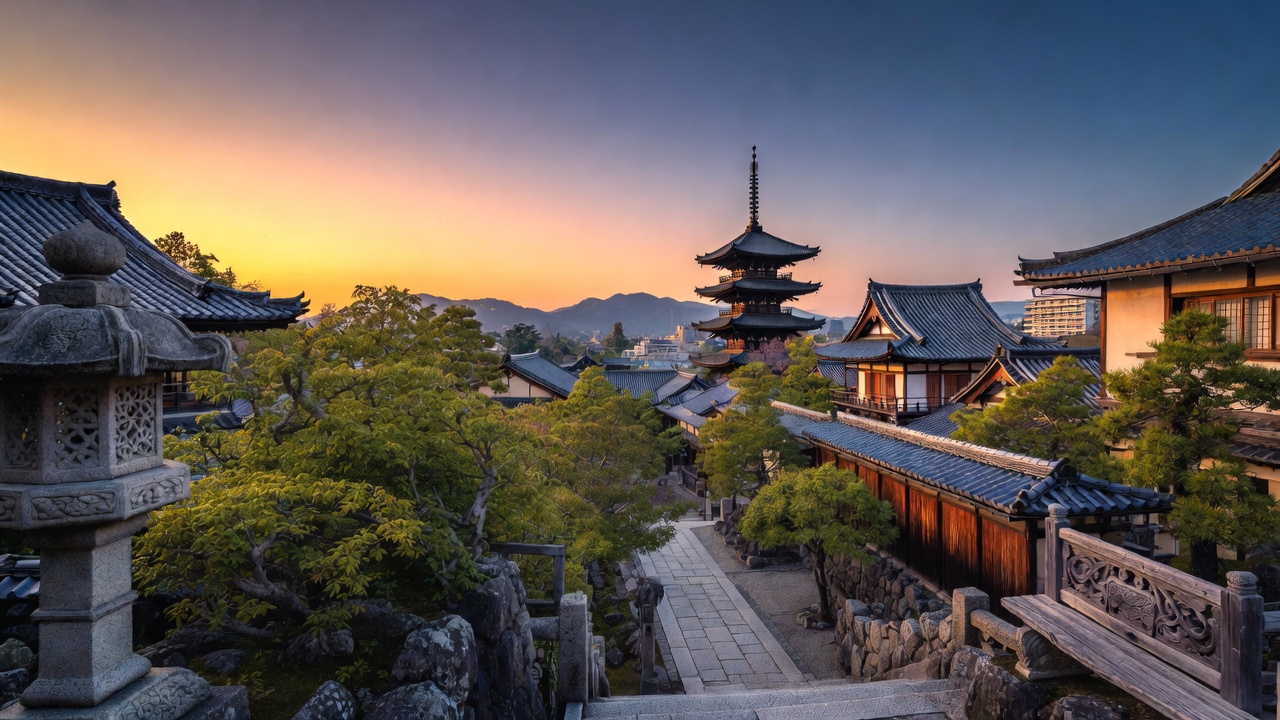
February 11 marks one of Japan’s most significant national holidays—National Foundation Day (建国記念の日, Kenkoku Kinen no Hi). While tourists flock to Tokyo for parades, savvy travelers discover that Kyoto offers an authentic, local experience far removed from crowded celebrations. This comprehensive guide reveals how to spend this special day in Japan’s ancient capital, embracing traditions that locals have cherished for centuries.
Whether you’re planning your first trip or returning to explore deeper layers of Japanese culture, this guide provides insider knowledge on shrines, temples, food, and hidden gems that transform an ordinary visit into an extraordinary cultural immersion.
Table of Contents
- Understanding National Foundation Day in Japan
- Why Visit Kyoto on February 11 Public Holiday
- Best Shrines and Temples to Visit in Kyoto on National Foundation Day
- Traditional Kyoto Food to Try in Winter February
- Hidden Gems in Kyoto Off the Beaten Path
- What Do Locals Do in Kyoto on Public Holidays
- Kyoto Winter Weather in February Travel Guide
- Getting Around Kyoto on Public Holidays Transportation Tips
- Best Neighborhoods in Kyoto for Local Experience
- Complete February 11 Kyoto Itinerary Like a Local
Understanding National Foundation Day in Japan
What is Kenkoku Kinen no Hi and Why Does Japan Celebrate February 11?
National Foundation Day commemorates the legendary founding of Japan and the accession of Emperor Jimmu—believed to be the first emperor—to the throne in 660 BC. According to the Nihon Shoki (Chronicles of Japan), Japan’s oldest historical chronicle, Emperor Jimmu was a direct descendant of Amaterasu, the Sun Goddess and highest deity in Japanese mythology.
| Key Facts About National Foundation Day | Details |
|---|---|
| Japanese Name | 建国記念の日 (Kenkoku Kinen no Hi) |
| Date | February 11 (annually) |
| Original Name (pre-1947) | Kigensetsu (紀元節) |
| Significance | Celebrates Japan’s founding and imperial lineage |
| Public Holiday Status | National holiday since 1967 |
| Traditional Activities | Shrine visits, flag raising, ceremonies |
The holiday has a complex history. Originally called Kigensetsu (“Empire Day”) during the Meiji era, it was abolished after World War II in 1947 due to associations with nationalism. Following years of debate and public surveys, it was reinstated in 1967 under its current name, reflecting a more neutral interpretation of Japan’s national identity.
The Cultural Significance for Japanese People Today
Modern celebrations of National Foundation Day are notably modest and reflective compared to independence celebrations in other countries. The goal is to inspire appreciation for Japan’s history and foster love for the nation. Activities include:
- Raising the national flag (Hinomaru) at homes and public buildings
- Visiting shrines and temples to pray for the nation’s prosperity
- Learning about Japanese history through exhibitions and lectures
- Family gatherings to reflect on cultural heritage
For travelers, this means experiencing Japan in a contemplative mood—perfect for exploring Kyoto’s spiritual sites with fewer crowds than during peak seasons.
Why Visit Kyoto on February 11 Public Holiday
Kyoto vs Tokyo on National Foundation Day: Which City to Choose?
While Tokyo hosts the famous National Foundation Day Parade near Meiji Shrine, Kyoto offers something equally valuable: authenticity without spectacle. Here’s why Kyoto stands out:
| Aspect | Tokyo | Kyoto |
|---|---|---|
| Main Event | Large parade with mikoshi (portable shrines) | Quiet shrine ceremonies |
| Crowd Level | Very crowded at Meiji Shrine | Moderate, manageable |
| Atmosphere | Festive, nationalistic | Contemplative, spiritual |
| Local Experience | Tourist-focused events | Everyday local traditions |
| Historical Depth | Modern capital (since 1868) | Ancient capital (794-1868) |
Kyoto served as Japan’s imperial capital for over 1,000 years, making it the spiritual heart of Japanese culture. On National Foundation Day, temples and shrines throughout the city hold Kigensai (紀元祭)—traditional ceremonies marking the nation’s founding.
Benefits of Traveling to Kyoto During Winter Off-Season
February falls within Kyoto’s winter off-season, offering several advantages:
Lower Prices and Availability
- Accommodation rates drop significantly compared to cherry blossom or autumn seasons
- Easier restaurant reservations, even at popular kaiseki establishments
- More availability at traditional ryokan (Japanese inns)
Fewer Crowds at Popular Attractions
- Major temples like Kinkaku-ji and Kiyomizu-dera are less congested
- Better photography opportunities without crowds
- More intimate experiences at smaller temples
Unique Winter Scenery
- Possibility of snow-covered temples (truly magical sight)
- Early plum blossoms beginning in late February
- Crisp, clean air with excellent visibility
Authentic Local Interactions
- Locals are more relaxed and welcoming
- Better chance to engage with temple staff and shopkeepers
- Genuine neighborhood atmospheres
Best Shrines and Temples to Visit in Kyoto on National Foundation Day
Top Sacred Sites Holding Kigensai Ceremonies in Kyoto
Several Kyoto shrines hold special Kigensai ceremonies on February 11. These events feature traditional rituals, prayers for national prosperity, and sometimes performances.
1. Yasaka Shrine (八坂神社)
Located in the heart of Gion, Yasaka Shrine is considered the patron shrine of the famous geisha district. On National Foundation Day, visitors can:
- Witness traditional Shinto ceremonies
- Observe locals paying respects
- Explore the illuminated grounds in the evening
Visitor Information:
- Location: Higashiyama District
- Access: 5-minute walk from Gion-Shijo Station
- Admission: Free
- Best Time: Early morning for peaceful atmosphere
2. Heian Shrine (平安神宮)
Built in 1895 to commemorate the 1,100th anniversary of Kyoto’s establishment as the capital, Heian Shrine embodies the connection between Kyoto and Japan’s imperial history.
What Makes It Special:
- Stunning vermilion architecture
- One of Kyoto’s largest torii gates
- Beautiful gardens (small admission fee)
- Special ceremonies on national holidays
3. Shimogamo Shrine (下鴨神社)
A UNESCO World Heritage Site, Shimogamo Shrine predates Kyoto itself, with origins over 2,000 years old. The shrine’s ancient forest, Tadasu no Mori, offers a mystical walking experience.
Local Tip: Arrive early to walk through the primeval forest before crowds arrive. The experience of walking among trees that have witnessed centuries of Japanese history is profound.
4. Fushimi Inari Taisha (伏見稲荷大社)
Famous for its thousands of vermillion torii gates, Fushimi Inari holds winter festivals in January and February. While not specifically for National Foundation Day, the shrine’s spiritual atmosphere is heightened during this period.
February Events:
- Hatsuuma Festival (early February)
- Various winter ceremonies
- Best visited very early morning (6-7 AM) to avoid crowds
Lesser-Known Temples Perfect for Quiet Contemplation
Beyond the famous sites, Kyoto’s hidden temples offer intimate spiritual experiences ideal for National Foundation Day reflection.
Honen-in Temple (法然院)
Described by locals as “entering another world,” this temple features:
- A moss-covered thatched gate
- Beautifully maintained gardens
- Minimal tourist crowds
- Seasonal sand art displays
Location: Near the Philosopher’s Path Best For: Photography, meditation, escaping crowds
Nanzen-in Temple (南禅院)
Located within the Nanzen-ji complex but often overlooked, this temple offers:
- A serene pond garden
- Historical significance as a former imperial villa
- Connection to Zen Buddhist traditions
- Peaceful walking paths
Gio-ji Temple (祇王寺)
In the Arashiyama district, this small temple features:
- One of Kyoto’s most beautiful moss gardens
- Intimate atmosphere (rarely crowded)
- Connected to tragic love stories in Japanese literature
- Stunning in all seasons
Traditional Kyoto Food to Try in Winter February
Warming Kyoto Dishes Perfect for Cold February Days
Kyoto’s culinary heritage reflects its history as the imperial capital. Winter brings special dishes designed to warm body and soul.
Yudofu (湯豆腐) – Hot Tofu
Yudofu is Kyoto’s signature winter dish—deceptively simple yet profoundly satisfying. Silken tofu is gently warmed in kombu (kelp) broth and served with dipping sauces.
Why It’s Special in Kyoto:
- Kyoto’s exceptional water quality produces superior tofu
- Buddhist temples perfected the dish over centuries
- The experience is meditative, not just culinary
Where to Try It:
- Nanzen-ji Temple area – Historic yudofu restaurants surround the temple
- Arashiyama – Several traditional establishments
- Price Range: ¥2,000-4,000 per person
Kaiseki Ryori (懐石料理) – Traditional Multi-Course Meal
Kaiseki represents the pinnacle of Japanese cuisine. Originally developed for tea ceremonies, it evolved into an elaborate dining experience showcasing seasonal ingredients.
Winter Kaiseki Features:
- Root vegetables at their peak flavor
- Fresh seafood including crab and fugu (pufferfish)
- Warming soups and broths
- Beautiful presentation on seasonal ceramics
| Kaiseki Course | Winter Ingredients |
|---|---|
| Sakizuke (appetizer) | Seasonal vegetables, cured fish |
| Owan (soup) | Rich dashi broth, winter root vegetables |
| Yakimono (grilled) | Snow crab, seasonal fish |
| Gohan (rice) | Specialty Kyoto rice, pickles, miso |
| Wagashi (dessert) | Winter-themed Japanese sweets |
Price Range: ¥10,000-30,000 per person Recommendation: Book lunch courses for better value (often ¥6,000-15,000)
Nishin Soba (にしんそば) – Herring Soba Noodles
A Kyoto winter staple, nishin soba combines buckwheat noodles with sweet-simmered herring. This dish originated when dried herring was transported to landlocked Kyoto from the coast.
Where to Find It:
- Traditional soba shops near major temples
- Nishiki Market area restaurants
- Price: ¥1,000-1,500
Mushi-zushi (蒸し寿司) – Steamed Sushi
Unlike regular sushi, mushi-zushi is served warm—a Kyoto specialty particularly popular in winter. The gentle heat releases different flavors from the ingredients.
Local Favorite: Often topped with:
- Cooked prawns
- Conger eel (anago)
- Seasonal vegetables
- Sweet omelette
Authentic Obanzai Home Cooking Experience
Obanzai (おばんざい) represents Kyoto’s home-style cooking tradition. These simple, seasonal dishes use local ingredients and recipes passed down through generations.
Typical Obanzai Dishes:
- Simmered vegetables in light dashi
- Tofu preparations
- Pickled Kyoto vegetables
- Small fish dishes
Where to Experience:
- Small family-run restaurants (look for handwritten menus)
- Near residential neighborhoods
- Price: ¥850-2,000 for set meals
Recommended Restaurant: Kyosami Nomura (opens early morning for breakfast obanzai)
Nishiki Market: Kyoto’s 700-Year-Old Kitchen
Known as “Kyoto’s Kitchen,” Nishiki Market stretches five blocks and houses over 100 shops specializing in:
- Tsukemono (pickled vegetables) – Kyoto’s famous pickles
- Yuba (tofu skin) – A temple cuisine staple
- Fresh seasonal produce
- Traditional sweets and snacks
Market Tips:
- Visit in the morning for freshest items
- Sample as you go (many vendors offer tastes)
- Look for seasonal specialties
- Purchase high-quality ingredients for gifts
Hidden Gems in Kyoto Off the Beaten Path
Secret Temples and Shrines Locals Love
Discovering Kyoto’s hidden gems transforms your visit from tourist to traveler. These spots reward those willing to venture beyond guidebook highlights.
Otagi Nenbutsu-ji Temple (愛宕念仏寺)
In far western Arashiyama, this temple features 1,200 stone rakan statues, each carved by different hands. Moss covers their faces, rain has softened their features, and time has made them hauntingly beautiful.
Getting There:
- 30-minute walk from Arashiyama Bamboo Grove
- Best combined with visits to Gio-ji and Adashino Nenbutsu-ji
- Very few tourists even in peak seasons
Why Visit:
- Unique atmosphere found nowhere else
- Excellent photography opportunities
- Profound sense of history and spirituality
Philosopher’s Path Hidden Detours
While the Philosopher’s Path itself is well-known, the side streets and small temples along its length remain undiscovered by most visitors.
Hidden Stops:
- Honen-in Temple – Moss-covered entrance gate
- Otoyo Shrine – Tiny shrine with mouse guardian statues
- Small cafes tucked into traditional machiya houses
Yasaka Koshin-do (八坂庚申堂)
Near Kiyomizu-dera, this small temple features colorful kukurizaru (hanging monkey talismans). Visitors write wishes on them and leave them at the temple.
Local Custom: Write a desire you wish to sacrifice on a kukurizaru. By taming this desire, it’s believed your deeper wish will come true.
Note: Located in a quiet residential area—be respectful of neighbors.
Neighborhoods Where Few Tourists Venture
Nishijin District (西陣)
The historic textile weaving district offers:
- Traditional machiya townhouses
- Artisan workshops (some offer tours)
- Local shopping streets
- Authentic neighborhood atmosphere
What to Do:
- Visit Nishijin Textile Center for weaving demonstrations
- Explore small shrine streets
- Discover craft shops selling handmade textiles
Fushimi District (伏見)
Beyond Fushimi Inari Shrine, this area is Kyoto’s sake brewing center. Historic canals, white-walled breweries, and centuries-old brewing traditions await.
Experience:
- Sake brewery tours and tastings
- Walking along historic canals
- Seasonal sake varieties
- Traditional riverside restaurants
Ohara Village (大原)
A 30-minute bus ride north of central Kyoto, Ohara feels like stepping back in time.
Highlights:
- Sanzen-in Temple with famous moss garden
- Mountain village atmosphere
- Traditional farming community
- Far fewer tourists than city temples
What Do Locals Do in Kyoto on Public Holidays
Morning Rituals and Shrine Visits
Kyoto residents approach National Foundation Day with quiet reverence rather than boisterous celebration. Understanding local customs enhances your experience.
Morning Routine:
- Early shrine visit (6-8 AM) for prayers
- Traditional breakfast at home or local eatery
- Flag raising at homes (look for Hinomaru flags)
- Family time or cultural activities
Shrine Visit Etiquette:
- Bow slightly before passing through torii gates
- Purify hands and mouth at the temizuya (water basin)
- Bow twice, clap twice, bow once at the main hall
- Make a small offering (usually ¥5 coins)
- Pray silently for health and prosperity
Family Activities and Local Gatherings
For Kyoto families, National Foundation Day often means:
Cultural Learning:
- Visiting museums with children
- Attending historical exhibitions
- Reading traditional stories
Family Meals:
- Special home-cooked meals
- Visits to favorite restaurants
- Gathering with extended family
Quiet Relaxation:
- Temple garden walks
- Hot spring visits (onsen)
- Tea ceremony experiences
How to Blend In and Respect Local Customs
Do:
- Dress modestly when visiting shrines
- Speak quietly in sacred spaces
- Follow locals’ lead in ceremonies
- Show appreciation for traditions
Don’t:
- Take flash photos during ceremonies
- Talk loudly in temple gardens
- Block pathways for photos
- Ignore posted rules
Local Perspective: National Foundation Day is more about reflection than celebration. Approach it as an opportunity to appreciate Japanese history and culture alongside locals.
Kyoto Winter Weather in February Travel Guide
What to Expect: Temperature, Snow, and Rainfall
February in Kyoto features crisp, cold weather with occasional snow. Understanding conditions helps you pack appropriately and plan activities.
| February Weather Statistics | Details |
|---|---|
| Average High Temperature | 9°C (48°F) |
| Average Low Temperature | 1°C (34°F) |
| Rainfall Days | 6-8 days |
| Snow Possibility | Low but possible |
| Daylight Hours | ~10.5 hours |
The “Soko-bie” Phenomenon: Kyoto locals describe a unique cold called “soko-bie” (底冷え) or “bottom chill.” The cold seems to rise from the ground, making it feel colder than temperatures suggest. This happens because:
- Kyoto sits in a basin surrounded by mountains
- Cold air settles and lingers
- Traditional wooden buildings lack central heating
Essential Packing List for Kyoto February Visit
Clothing Essentials:
| Item | Why It’s Essential |
|---|---|
| Thermal layers | Base layer protection against soko-bie |
| Warm socks (multiple pairs) | Temple floors are cold wood |
| Easy slip-on shoes | Removing shoes at temples constantly |
| Warm coat | Outdoor sightseeing protection |
| Light scarf | Versatile warmth layer |
| Small umbrella | Unexpected rain or snow |
Temple Visit Considerations:
- You’ll remove shoes many times daily
- Temple floors are centuries-old wood that feels like ice
- Consider wool or hiking socks under regular socks
- Chelsea boots or slip-on walking shoes are ideal
Pro Tip: Bring a small bag for carrying shoes when entering temples. Some provide bags; others don’t.
Best Photography Conditions and Snow Chances
Snow in Kyoto: While not guaranteed, snow can fall in February. If it snows, prioritize:
- Kinkaku-ji (Golden Pavilion) – Iconic snow-covered scene
- Kiyomizu-dera – Dramatic mountain temple in white
- Arashiyama Bamboo Grove – Magical with snow
- Kifune Shrine – Famous for snow-covered lanterns
Weather Monitoring:
- Check forecasts daily
- Snow often melts by midday
- Go early morning for best snow photography
- Have backup plans for rainy days
Getting Around Kyoto on Public Holidays Transportation Tips
Kyoto Subway and Bus One-Day Pass Complete Guide
The Subway & Bus 1-Day Pass is essential for exploring Kyoto efficiently on public holidays.
What’s Included:
| Transportation | Coverage |
|---|---|
| Kyoto City Subway | All lines, unlimited rides |
| Kyoto City Bus | All routes |
| Kyoto Bus | Most routes (some exceptions) |
| Keihan Bus | Yamashina & Daigo areas |
| West Japan JR Bus | Limited routes |
Pass Details:
- Adult Price: ¥1,100
- Child Price: ¥550 (ages 6-11)
- Validity: One calendar day (not 24 hours)
- Bonus: Discounts at 50+ attractions
Where to Purchase:
- Subway station ticket windows
- Bus information centers
- Kyoto Tourist Information Center (“Kyo-Navi”)
- Some convenience stores
- Hotel front desks
How to Use:
- First use on bus: Insert pass into card reader when exiting
- First use on subway: Insert into ticket gate
- Subsequent uses: Show date stamp to bus driver; insert at subway gates
Navigating Crowds and Traffic During Holidays
Public holidays mean:
- More domestic tourists visiting Kyoto
- Heavier traffic on major routes
- Busier public transportation during peak hours
Strategy Tips:
Beat the Crowds:
- Start sightseeing by 7 AM
- Visit popular sites during lunch hours (11:30-1:30 PM)
- Save well-known spots for late afternoon
- Explore lesser-known areas during peak times
Transportation Efficiency:
- Combine subway and walking rather than buses alone
- Buses get stuck in traffic; subways don’t
- Walk between nearby attractions
- Consider renting a bicycle for flexibility
Best Subway Connections:
| Destination | Subway Station | Walk Time to Attraction |
|---|---|---|
| Nijo Castle | Nijojo-mae | 5 minutes |
| Kyoto Imperial Palace | Marutamachi | 10 minutes |
| Gion | Gion-Shijo (Keihan) | Immediate |
| Fushimi Inari | Fushimi-Inari (Keihan) | 5 minutes |
Walking Routes and Bicycle Rental Options
Walking Advantages:
- Discover hidden streets and shops
- No transportation delays
- Better appreciation of neighborhoods
- Free!
Recommended Walking Routes:
Higashiyama District Walk (3-4 hours): Kiyomizu-dera → Sannenzaka → Ninenzaka → Yasaka Pagoda → Kodai-ji → Maruyama Park → Yasaka Shrine → Gion
Arashiyama Walk (3-4 hours): Tenryu-ji → Bamboo Grove → Okochi Sanso Villa → Jojakko-ji → Gio-ji → Otagi Nenbutsu-ji
Bicycle Rental:
- Available near major stations
- Cost: ¥500-1,500 per day
- Electric assist bikes available (helpful for hills)
- Riverside paths offer scenic, traffic-free routes
Best Neighborhoods in Kyoto for Local Experience
Gion District: Where Tradition Lives On
Gion represents Kyoto at its most refined. While famous for geisha (properly called geiko in Kyoto), the district offers much more:
What to Experience:
- Traditional machiya architecture
- Historic tea houses (ochaya)
- Upscale kaiseki restaurants
- Artisan craft shops
Local Tips:
- Visit early morning for empty streets
- Evening walks reveal lantern-lit atmosphere
- Pontocho alley parallels the main streets
- Respect geiko by not blocking their path
Best Time: After 8 PM for atmospheric evening walks; 6-7 AM for peaceful morning exploration
Arashiyama Beyond the Bamboo Grove
Most tourists experience only the bamboo grove before leaving. Locals know the best of Arashiyama lies beyond:
Hidden Arashiyama:
- Okochi Sanso Villa – Stunning gardens with mountain views
- Jojakko-ji Temple – Quiet temple with autumn fame
- Adashino Nenbutsu-ji – Thousands of stone Buddha statues
- Sagano area – Rural walking paths through farms
Local Secret: Walk 20 minutes past the bamboo grove to find nearly empty paths through traditional countryside.
Northern Kyoto: Mountains and Mysteries
Northern Kyoto offers escape from crowds year-round:
Kurama and Kibune:
- Mountain temples accessible by scenic train
- Onsen (hot springs) perfect for winter visits
- Historic shrines in forest settings
- Traditional mountain village atmosphere
Kibune Shrine Special Feature: On snowy Saturdays in January and February, Kifune Shrine lights up vermilion lanterns along snow-covered stone steps—arguably the most photogenic winter scene in all of Japan.
Ohara Village:
- 30-minute bus from central Kyoto
- Sanzen-in Temple with famous moss garden
- Traditional farming community
- Excellent pickled vegetable shops
Complete February 11 Kyoto Itinerary Like a Local
Morning: Shrine Visit and Traditional Breakfast
6:30 AM – Early Start Begin at Fushimi Inari Taisha before crowds arrive. The thousands of torii gates are magical in early morning light with few other visitors.
8:30 AM – Traditional Breakfast Head to a local kissaten (traditional coffee shop) or find an obanzai breakfast restaurant. Try:
- Rice, miso soup, grilled fish
- Pickled vegetables (tsukemono)
- Tamagoyaki (Japanese omelette)
10:00 AM – Shrine Ceremony Visit Heian Shrine or Yasaka Shrine to observe National Foundation Day ceremonies. Even if you don’t understand the rituals, the atmosphere of reverence is palpable.
Afternoon: Hidden Temples and Local Lunch
12:00 PM – Lunch in Gion Choose between:
- Yudofu restaurant for traditional tofu experience
- Obanzai lunch for home-style cooking
- Nishiki Market for grazing and sampling
Budget Option: Market grazing costs ¥1,500-2,500 and offers incredible variety.
2:00 PM – Philosopher’s Path Area Walk the famous path, but venture off into:
- Honen-in Temple
- Small side shrines
- Traditional neighborhood streets
4:00 PM – Tea Break Stop at a traditional machiya cafe for:
- Matcha and wagashi (Japanese sweets)
- Warm amazake (sweet fermented rice drink)
- Hot hojicha (roasted green tea)
Evening: Kaiseki Dinner and Night Walk
6:00 PM – Kaiseki Dinner Reserve in advance for a winter kaiseki experience. The meal will last 2-2.5 hours and showcase:
- Seasonal winter ingredients
- Artistic presentation
- Multiple carefully crafted courses
- Traditional Japanese hospitality
Budget Tip: Lunch kaiseki courses offer similar quality at 40-60% of dinner prices.
8:30 PM – Evening Gion Walk After dinner, walk through Gion’s lantern-lit streets. This is when:
- Geiko emerge for evening appointments
- Stone streets glisten under lanterns
- Tourists thin out
- The neighborhood’s magic reveals itself
9:30 PM – Return to Accommodation End your day reflecting on the cultural richness experienced—exactly as locals would.
Practical Information Table for February 11 Kyoto Visit
| Category | Details |
|---|---|
| Holiday Name | National Foundation Day (Kenkoku Kinen no Hi) |
| Date | February 11 (annually) |
| Is Everything Open? | Yes—shops, restaurants, attractions operate normally |
| Transportation | Normal service but busier; buy day pass |
| Weather | Cold (1-9°C); possible snow; dress warmly |
| Crowds | Moderate; less than spring/autumn |
| Advance Reservations | Recommended for kaiseki restaurants |
| ATMs | Post offices and 7-Eleven have international ATMs |
| Emergency Number | 119 (fire/ambulance), 110 (police) |
Final Thoughts: Embracing Kyoto’s Spirit on National Foundation Day
Experiencing Kyoto on February 11 offers something rare in modern travel: authentic cultural immersion without manufactured tourist experiences. The combination of a meaningful national holiday, winter’s quiet beauty, and reduced crowds creates perfect conditions for discovering why Kyoto has captivated visitors for over a millennium.
Remember these key principles:
- Rise early – Beat crowds and experience temples in peaceful morning light
- Embrace the cold – Kyoto’s winter has its own stark beauty
- Eat seasonally – Winter dishes are designed for this exact weather
- Venture beyond – Hidden gems reward those who wander
- Observe respectfully – Learn from how locals approach the day
National Foundation Day isn’t about parades or celebrations in Kyoto. It’s about contemplation, appreciation, and connection with Japan’s ancient cultural heart. By approaching your visit with this mindset, you’ll experience Kyoto not as a tourist attraction but as the living, breathing center of Japanese tradition that it has been for over a thousand years.
Frequently Asked Questions
Is February a good time to visit Kyoto Japan?
Yes, February offers excellent value and authentic experiences. Benefits include lower accommodation prices, manageable crowds, potential snow scenery, early plum blossoms, and genuine local atmospheres. While cold weather requires proper preparation, the trade-off for a more intimate Kyoto experience is worthwhile.
What is open in Kyoto on National Foundation Day February 11?
Almost everything operates normally. Temples, shrines, restaurants, shops, and attractions maintain regular hours. Some may hold special ceremonies. Public transportation runs on holiday schedules (usually similar to Sunday service). Museums and major sites remain open.
How do I experience Kyoto like a local?
Focus on these approaches:
- Visit shrines early morning
- Eat at small neighborhood restaurants
- Explore beyond famous attractions
- Use public transportation
- Observe local customs and etiquette
- Slow down and appreciate details
- Try seasonal foods
- Visit residential neighborhoods
Is the JR Pass worth it for visiting Kyoto?
For Kyoto alone, no. The JR Pass doesn’t cover Kyoto’s main transportation (city buses and subways). However, if traveling between cities like Tokyo, Osaka, and Kyoto, the JR Pass provides excellent value. For getting around Kyoto specifically, purchase the Subway & Bus 1-Day Pass (¥1,100).
Can I see cherry blossoms in Kyoto in February?
No, cherry blossoms bloom in late March to early April. However, February brings early plum blossoms (ume), which are equally beautiful and far less crowded. Visit Kitano Tenmangu Shrine for Kyoto’s best plum blossom viewing, typically peaking mid-to-late February.
Have you experienced Kyoto on National Foundation Day? Share your stories and tips in the comments below. For more Japan travel guides, subscribe to our newsletter and follow our journey through global festivals and traditions.
Related Articles:
- Japan Cherry Blossom Season: Complete Hanami Guide
- Best Temples in Kyoto for First-Time Visitors
- Traditional Japanese Tea Ceremony: What to Expect
- Japan Rail Pass: Is It Worth It for Your Trip?
- Winter Onsen Guide: Best Hot Springs in Kansai Region
Detailed Cultural Etiquette Guide for National Foundation Day
Shrine Visit Protocol: Step-by-Step Instructions
Understanding proper shrine etiquette enhances your experience and shows respect for Japanese traditions. National Foundation Day is an especially meaningful time to observe these customs.
At the Torii Gate: The vermillion torii gate marks the transition from the mundane world to sacred space. Before passing through:
- Pause briefly at the threshold
- Bow slightly (about 15 degrees)
- Walk along the sides, not the center path (reserved for deities)
- Repeat the bow when exiting
At the Temizuya (Purification Fountain): This ritual cleansing prepares you spiritually for approaching the shrine:
- Take the ladle with your right hand
- Pour water over your left hand
- Switch hands and cleanse your right hand
- Transfer water to your cupped left hand
- Rinse your mouth (don’t swallow)
- Tilt the ladle to rinse its handle
- Replace quietly
At the Main Hall: The actual prayer follows a specific sequence:
- Toss a coin into the offering box (¥5 is traditional—the Japanese word sounds like “connection”)
- Ring the bell if present (two or three times)
- Bow deeply twice
- Clap twice (to summon the kami’s attention)
- Pray silently with hands together
- Bow deeply once to conclude
Local Insight: On National Foundation Day, many Japanese pray specifically for the nation’s prosperity and peace. You might silently offer gratitude for the opportunity to experience Japan’s culture.
Temple Etiquette vs. Shrine Etiquette
Understanding the difference between shrines (Shinto) and temples (Buddhist) prevents cultural missteps.
| Aspect | Shrine (Shinto) | Temple (Buddhist) |
|---|---|---|
| Gate Structure | Torii (vermillion arch) | Sanmon (large wooden gate) |
| Hand Washing | Temizuya ritual required | Often available, less formal |
| Prayer Method | Bow twice, clap twice, bow once | Silent prayer, no clapping |
| Main Activity | Brief prayers, omikuji, omamori | Extended meditation possible |
| Photography | Usually permitted outside | Often restricted inside halls |
| Shoe Removal | Only inside buildings | Required in most areas |
Temple-Specific Customs:
- Incense offering – Light incense and wave smoke toward yourself for purification
- No clapping during prayer (this is for shrines only)
- Remove hats inside temple buildings
- Silence is expected in meditation halls
Photography Etiquette at Sacred Sites
Capturing Kyoto’s beauty while remaining respectful requires awareness:
Generally Permitted:
- Exterior architecture
- Gardens (from designated viewpoints)
- Festival decorations
- Your own group (not blocking pathways)
Generally Prohibited:
- Interior Buddha statues
- Active ceremonies
- Monks at prayer
- Other visitors without consent
Best Practices:
- Ask staff when uncertain
- Look for signs (📷 with X means no photos)
- Avoid flash even where permitted
- Never use tripods without explicit permission
- Be quick at popular photo spots
Secret Spots for Photography:
- Sannenzaka street at dawn (empty by 7 AM)
- Philosopher’s Path in early morning mist
- Temple gardens immediately after opening
- Gion streets after 9 PM
Extended Winter Food Guide: Seasonal Specialties
February Seasonal Ingredients in Kyoto Cuisine
Japanese cuisine celebrates shun (旬)—ingredients at their peak seasonality. February brings specific flavors:
Vegetables:
- Kujo negi (Kyoto green onions) – Sweet and tender in cold weather
- Kamo eggplant – Round Kyoto variety, perfect for nimono (simmered dishes)
- Shogoin turnip – Used in senmaizuke pickles
- Yuzu citrus – Aromatic addition to winter dishes
Seafood:
- Kani (crab) – Peak season for snow crab
- Fugu (pufferfish) – Winter delicacy, expertly prepared
- Buri (yellowtail) – Fattiest and most flavorful in winter
- Hirame (flounder) – Delicate white fish
Traditional Winter Sweets:
- Sakura mochi – Appears in late February, anticipating spring
- Yubeshi – Sticky rice cakes with yuzu
- Anmitsu – Sweet red bean dishes, served warm
Complete Guide to Kyoto Winter Hot Pot (Nabe)
Nabe (hot pot) represents the heart of Japanese winter dining. Kyoto offers unique variations:
Yudofu Nabe: The simplest and most refined—silken tofu simmered in kombu dashi. Restaurants near Nanzen-ji have perfected this over centuries.
- Junsei – Historic establishment, traditional setting
- Okutan – 390 years of yudofu tradition
- Price Range: ¥3,000-5,000 per person
Shabu-shabu: Thin-sliced beef or pork swished briefly in hot broth. Kyoto-style features lighter dashi compared to other regions.
Mizutaki: Chicken-based hot pot with ponzu dipping sauce. Warming and relatively light.
Where to Experience: Look for restaurants with:
- Sunken floor seating (horigotatsu)
- Individual pots per person
- Quality ingredients visible
- Traditional interiors
Matcha Experience: Beyond Green Tea Desserts
Kyoto, specifically Uji (just 30 minutes south), produces Japan’s finest matcha. February is ideal for tea experiences:
Traditional Tea Ceremony: Multiple temples and tea houses offer ceremonies:
- Duration: 30-60 minutes
- Includes: Wagashi sweet + whisked matcha
- Price: ¥1,500-5,000
- Reservation: Usually required
Matcha-Themed Experiences:
| Experience | Location | What’s Included |
|---|---|---|
| Grinding your own matcha | Uji tea shops | Hands-on experience, fresh tea |
| Tea plantation visit | Uji/Wazuka | Farm tour, tasting |
| Matcha making class | Various | Learn ceremony basics |
| Temple tea experience | Major temples | Matcha in garden setting |
Famous Establishments:
- Nakamura Tokichi (Uji) – Founded 1854, historic tea house
- Gion Tsujiri – Popular for matcha desserts in Gion
- Ippodo Tea – Kyoto institution since 1717
Money-Saving Tips for Kyoto February Travel
Budget Accommodation Strategies
February’s off-season pricing creates opportunities:
Ryokan (Traditional Inn):
- Winter rates 20-40% lower than peak season
- Look for “winter special” packages
- Weeknight stays cost less than weekends
- National Foundation Day may have slight premium
Budget Options:
- Guesthouses – ¥3,000-5,000 per night
- Capsule hotels – ¥2,500-4,000 (modern versions are quite comfortable)
- Business hotels – ¥6,000-10,000 (practical, clean, well-located)
Splurge Wisely: Consider spending one night at a traditional ryokan with kaiseki dinner included. The all-inclusive experience often provides better value than paying separately for accommodation, dinner, breakfast, and onsen.
Free and Low-Cost Attractions
Completely Free:
- Fushimi Inari Taisha (entire mountain hike)
- Philosopher’s Path walk
- Nishiki Market (window shopping)
- Many shrine grounds
- Kyoto Imperial Palace (reservation required)
- Pontocho and Gion street walking
Under ¥500:
- Small temple gardens
- City bus sightseeing
- Some museum discounts with day pass
Best Value Paid Attractions:
| Attraction | Price | Why It’s Worth It |
|---|---|---|
| Kinkaku-ji | ¥500 | Iconic, includes admission ticket as omamori |
| Ryoan-ji | ¥500 | Famous rock garden, peaceful grounds |
| Ginkaku-ji | ¥500 | Beautiful moss gardens, mountain path |
| Kiyomizu-dera | ¥400 | Stunning architecture, city views |
Strategic Dining for Budget Travelers
Breakfast:
- Skip hotel breakfast; eat at local spots
- Convenience store onigiri and soup: ¥300-500
- Bakery breakfast: ¥500-800
- Traditional breakfast sets: ¥800-1,200
Lunch:
- Set meals (teishoku) offer best value: ¥800-1,500
- Department store basement food halls
- Standing ramen or udon: ¥600-900
- Kaiseki lunch courses (versus dinner): ¥3,000-8,000
Dinner:
- Izakaya (Japanese pub) sharing plates: ¥2,000-3,000 per person
- Obanzai restaurants: ¥1,500-2,500
- Conveyor belt sushi (kaitenzushi): ¥1,000-2,000
- Supermarket bento (after 7 PM for discounts): ¥300-600
Day Trip Options from Kyoto on February 11
Nara: Ancient Capital and Friendly Deer
Just 45 minutes by train, Nara offers:
Highlights:
- Todai-ji Temple (world’s largest wooden building, giant Buddha)
- Nara Park’s famous bowing deer
- Kasuga Taisha with 3,000 lanterns
- Less crowded than Kyoto
National Foundation Day Connection: As Japan’s capital before Kyoto, Nara holds deep historical significance for the holiday.
Getting There:
- Kintetsu Railway: ¥640, 45 minutes from Kyoto Station
- JR Nara Line: ¥720, 50 minutes (covered by JR Pass)
Osaka: Urban Energy and Street Food
Just 15 minutes by shinkansen or 30 minutes by regular train:
Winter Highlights:
- Dotonbori street food scene
- Kuromon Market (Osaka’s kitchen)
- Osaka Castle (especially beautiful if snow)
- Warm takoyaki and okonomiyaki
Recommendation: Save Osaka for a day when you want urban energy contrast after Kyoto’s tranquility.
Uji: Tea Town Day Trip
25 minutes south of Kyoto:
Why Visit:
- Japan’s most famous matcha origin
- Byodo-in Temple (featured on ¥10 coin)
- Traditional tea houses
- Far fewer tourists
Perfect February Activity: Tea tasting and ceremony experiences without Kyoto crowds.
Complete Packing Checklist for Kyoto February 11
Clothing and Accessories
Essential Layers:
- [ ] Thermal base layers (2 sets)
- [ ] Fleece or wool mid-layer
- [ ] Warm, packable down jacket
- [ ] Waterproof outer layer
- [ ] Warm scarf or neck gaiter
- [ ] Gloves (touch-screen compatible)
- [ ] Warm hat or ear warmers
Footwear:
- [ ] Comfortable walking shoes (easy slip-on/off)
- [ ] Thick wool socks (3+ pairs)
- [ ] Thin liner socks (optional double-layer warmth)
- [ ] Indoor slippers (optional—many temples provide)
Temple-Ready Items:
- [ ] Small bag for shoes
- [ ] Modest clothing (covers shoulders and knees)
- [ ] Layers that easily remove/add
Electronics and Practical Items
Essential:
- [ ] Universal power adapter (Japan uses Type A/B)
- [ ] Portable phone charger
- [ ] Camera with extra batteries (cold drains them fast)
- [ ] Pocket WiFi or SIM card
Recommended:
- [ ] Small flashlight (for evening temple walks)
- [ ] Paper map backup (phone batteries die in cold)
- [ ] Translation app downloaded offline
Documents and Money
Required:
- [ ] Passport (carry at all times)
- [ ] Transportation pass/IC card (ICOCA or Suica)
- [ ] Cash (Japan remains cash-heavy)
- [ ] Credit cards (backup)
- [ ] Hotel confirmations
- [ ] Travel insurance documentation
Cash Tip: Withdraw larger amounts less frequently from 7-Eleven ATMs to avoid fees. Many traditional shops and restaurants accept only cash.
Useful Japanese Phrases for February 11
Basic Courtesy
| English | Japanese | Romanization |
|---|---|---|
| Thank you | ありがとうございます | Arigatou gozaimasu |
| Excuse me | すみません | Sumimasen |
| Please | お願いします | Onegaishimasu |
| Good morning | おはようございます | Ohayou gozaimasu |
| Good evening | こんばんは | Konbanwa |
Restaurant Phrases
| English | Japanese | Romanization |
|---|---|---|
| One person | 一人です | Hitori desu |
| Two people | 二人です | Futari desu |
| The bill, please | お会計お願いします | Okaikei onegaishimasu |
| It was delicious | ごちそうさまでした | Gochisousama deshita |
| What do you recommend? | おすすめは何ですか? | Osusume wa nan desu ka? |
Transportation Phrases
| English | Japanese | Romanization |
|---|---|---|
| Where is…? | …はどこですか? | …wa doko desu ka? |
| Kyoto Station | 京都駅 | Kyoto-eki |
| How much? | いくらですか? | Ikura desu ka? |
| One-day pass please | 一日乗車券をください | Ichinichi josha ken wo kudasai |
Conclusion: Your Perfect February 11 Kyoto Experience Awaits
National Foundation Day offers a unique window into Japanese culture—a moment when the nation pauses to reflect on its origins and cultural identity. By choosing Kyoto over more tourist-focused Tokyo celebrations, you align yourself with the contemplative spirit of the day.
Your Key Takeaways:
- February 11 provides exceptional value with lower prices, smaller crowds, and authentic experiences
- Kyoto’s spiritual depth makes it ideal for the reflective nature of National Foundation Day
- Winter cuisine offers warming, seasonal dishes found no other time of year
- Hidden gems abound for those willing to venture beyond guidebook highlights
- Proper preparation (warm clothes, transit passes, reservations) ensures smooth travels
The ancient capital has welcomed visitors for over a thousand years. On February 11, you join countless generations who have walked these temple paths, warmed themselves with yudofu, and felt the profound connection to something larger than themselves.
May your Kyoto journey bring the reflection and appreciation that National Foundation Day celebrates.