If you type “July 4 Colombia” into a search bar, you might expect to find fireworks, flag-waving parades, and barbecue-fueled block parties. After all, July 4 is Independence Day in the United States. But here is the truth that catches many first-time visitors off guard: July 4 is not a holiday in Colombia. It is an ordinary working day. No parades. No fireworks. No day off.
Colombia has its own proud independence story. The country celebrates its freedom from Spanish colonial rule on July 20, not July 4. That date, known as Día de la Independencia, honors the famous “Grito de la Independencia” — the Cry of Independence — that shook the streets of Bogotá in 1810.
So what really happens on July 4 in Colombia? What do Colombians celebrate instead? And how do the two countries’ independence traditions compare? Whether you are an American expat living in Medellín, a traveler planning a July trip to Cartagena, or simply curious about Latin American customs, this guide covers everything you need to know.
Is July 4 a Holiday in Colombia? What Travelers Need to Know
Let’s clear this up immediately. July 4 is not a public holiday in Colombia. Banks are open. Schools are in session. Buses run on regular schedules. For the roughly 52 million people living in Colombia, the date carries no national meaning whatsoever.
This surprises many American visitors. The United States has such a dominant cultural presence worldwide that some travelers assume the Fourth of July resonates beyond its borders. It does not — at least not in the way they expect. A few international bars in Bogotá or Medellín might host a themed party for their American clientele, but that is about it. The streets will not be draped in red, white, and blue.
Colombia follows a holiday system shaped by its own history and its deep Catholic roots. The country observes 18 national public holidays each year. Many of these are religious feast days. Others mark pivotal moments in the Colombian struggle for independence from Spain. A law called Ley Emiliani (Law 51 of 1983) shifts most of these holidays to the following Monday to create long weekends, which Colombians lovingly call puentes festivos — “holiday bridges.” These long weekends shape domestic travel, family gatherings, and the overall rhythm of Colombian life.
The holidays closest to July 4 on the Colombian calendar are:
| Holiday | 2026 Date | Significance |
|---|---|---|
| San Pedro y San Pablo (Saints Peter and Paul) | Monday, July 6 (moved from June 29) | Catholic feast honoring the founding apostles |
| Día de la Independencia (Independence Day) | Monday, July 20 | Commemorates the 1810 uprising in Bogotá |
| Batalla de Boyacá (Battle of Boyacá) | Friday, August 7 | Honors the decisive 1819 battle that secured independence |
As you can see, early July in Colombia does bring a holiday — but it has nothing to do with the United States. It is the feast of Saints Peter and Paul, a celebration rooted in Catholic tradition that lights up entire regions with music, dance, and food. More on that shortly.
Why the USA Celebrates July 4: A Brief History of American Independence Day
Before we dive into what Colombia celebrates, it helps to understand the holiday that started this whole comparison.
The United States marks July 4 as the anniversary of the adoption of the Declaration of Independence in 1776. On that date, delegates from the thirteen colonies approved the final text of the document, formally declaring separation from Great Britain. The principal author was Thomas Jefferson, with key contributions from John Adams, Benjamin Franklin, Roger Sherman, and Robert R. Livingston.
The first celebrations took place in 1777 with bonfires, cannon fire, and public readings of the Declaration. By 1870, Congress had made it an official federal holiday. By 1941, it became a paid day off for federal employees.
Today, the Fourth of July is one of the most widely celebrated holidays in the United States. Traditions include:
- Fireworks displays in cities and towns nationwide
- Backyard barbecues with hot dogs, burgers, and corn on the cob
- Parades featuring marching bands, floats, and veterans
- Flag displays on homes, businesses, and public buildings
- Patriotic concerts and public readings of the Declaration of Independence
Americans consume an estimated 150 million hot dogs on July 4 each year. That single statistic tells you everything about the spirit of the day — it is celebratory, communal, and unapologetically fun.
America’s 250th Birthday: Why July 4, 2026 Is Extra Special
This year’s Fourth of July is not just any celebration. July 4, 2026 marks the 250th anniversary of the Declaration of Independence — the United States Semiquincentennial. It falls on a Saturday, giving most Americans a long weekend to celebrate.
Planning for this milestone has been years in the making. The U.S. Semiquincentennial Commission, created by Congress in 2016, and the White House Task Force on Celebrating America’s 250th Birthday have organized a nationwide series of events. Philadelphia — the city where the Declaration was signed at Independence Hall — sits at the center of the celebrations.
Here is a snapshot of what Americans can expect in 2026:
| Event | Location | Details |
|---|---|---|
| America250 National Celebration | National Mall, Washington, D.C. | Historical reenactment of the Declaration, parade, and fireworks |
| Wawa Welcome America Festival | Philadelphia, PA | Two-week festival culminating in a July 4 headlining concert on the Benjamin Franklin Parkway |
| International Fleet Review | New York Harbor | The U.S. Navy hosts ships from approximately 30 countries |
| Times Square Ball Drop | New York City | A special one-off ball drop at midnight on July 3 to count down to July 4 |
| Immersive Lincoln Memorial Museum | Washington, D.C. | 15,000-square-foot exhibit space opening beneath the Lincoln Memorial |
| FIFA World Cup Match | Philadelphia | A Round of 16 match is scheduled for July 4 at Lincoln Financial Field |
The celebrations also coincide with the 2026 FIFA World Cup, co-hosted by the United States, Canada, and Mexico. A World Cup match on Independence Day in Philadelphia — the birthplace of American independence — creates a once-in-a-generation moment.
For Americans, 2026 is shaping up to be the biggest patriotic celebration in half a century. But for Colombians? July 4 is still just a Saturday.
What Does Colombia Celebrate Instead of July 4? The Real Colombian Independence Day
Colombia’s national day falls on July 20. It is called Día de la Independencia or, more precisely, Declaración de la Independencia de Colombia. The date commemorates the events of July 20, 1810, when residents of Bogotá — then known as Santa Fe de Bogotá, the capital of the Viceroyalty of New Granada — rose up against Spanish colonial rule.
The Flowerpot That Sparked a Revolution
The story behind Colombia’s independence movement is as dramatic as any you will find in Latin American history. And it begins, of all places, with a flower vase.
On the morning of July 20, 1810, a group of Criollos — people of Spanish descent born in the Americas — visited the shop of a Spanish merchant named José González Llorente in Bogotá’s main plaza. They asked to borrow a flower vase (some accounts say a flowerpot) to decorate a dinner table for a visiting dignitary. The request was deliberately designed to provoke. When Llorente refused and reportedly insulted the Criollos, they smashed the vase in the street and incited a riot.
The unrest spread rapidly through Bogotá. By that afternoon, a Junta (governing council) had been formed, and the people declared their right to self-governance. The Cry of Independence had begun.
It would take nearly a decade more of conflict before Colombia achieved full independence. The Battle of Boyacá on August 7, 1819, led by Simón Bolívar and Francisco de Paula Santander, delivered the decisive military victory. The resulting Republic of Gran Colombia included present-day Colombia, Venezuela, Ecuador, and Panama.
But Colombians trace the emotional origin of their freedom to that July morning in 1810. The house where Llorente’s vase was smashed — the Casa del Florero — is now the national Museo de la Independencia in Bogotá, and it is one of the most visited sites on Independence Day.
How Colombians Celebrate Independence Day on July 20
Colombian Independence Day is a day of deep national pride. Celebrations combine military pageantry, cultural expression, and family togetherness. Here is what you can expect across the country.
Military and Civil Parades
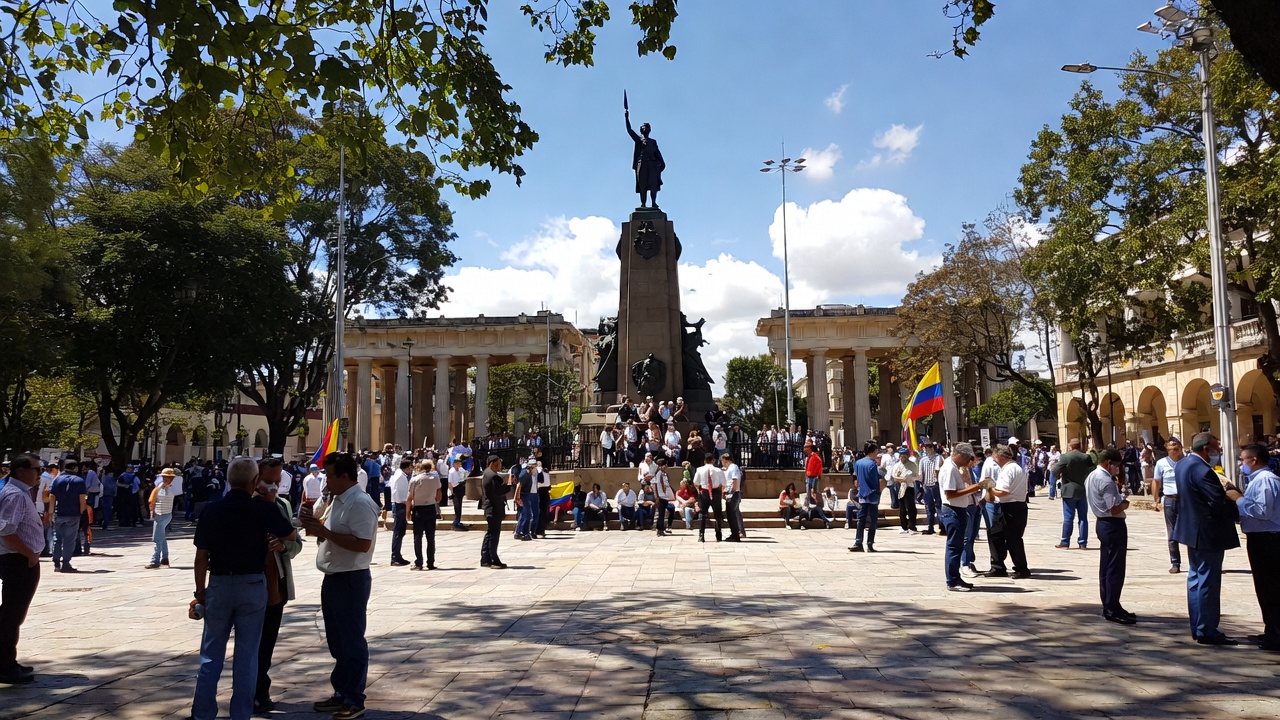
Major cities hold parades that feature the Colombian Armed Forces in full dress uniform, military bands, and flyovers by the Air Force. In Bogotá, the parade passes through the city center, with helicopter demonstrations and troops on horseback. The President traditionally addresses the nation, and the Colombian Congress opens its new legislative year on this date.
Flag-Raising and National Anthem
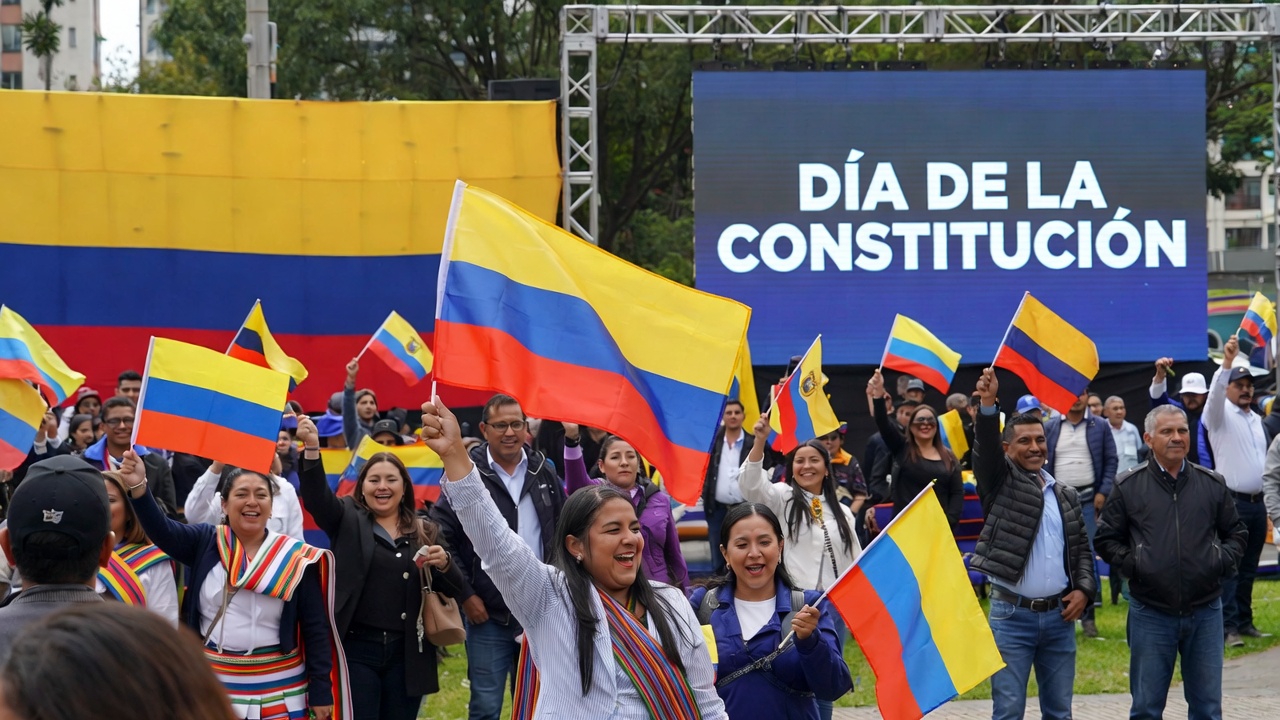
The Colombian tricolor — yellow, blue, and red — flies from nearly every building, home, and car in the country. Many Colombians wear clothing in the national colors. Schools hold patriotic assemblies where children sing the national anthem and learn about the independence heroes.
Music, Dance, and Cultural Festivals
Music is at the heart of every Colombian celebration, and Independence Day is no exception. Expect to hear cumbia, vallenato, salsa, bambuco, and joropo in the streets. Dance performances featuring traditional costumes fill public plazas. Several major music festivals overlap with the independence celebrations:
- Festival de Música del Pacífico Petronio Álvarez — Declared part of Colombia’s cultural heritage, this festival draws hundreds of folkloric groups and attracts hundreds of thousands of spectators nightly.
- Festival de Cumbia José Barros — Also part of Colombia’s cultural heritage, this event celebrates the irresistibly danceable cumbia rhythm.
- Festival Mono Núñez — Held in Ginebra, Valle del Cauca, this is the most important Andean music competition in Colombia. Some past winners have gone on to earn Grammy nominations.
Traditional Food and Family Gatherings
Colombian Independence Day is a feast. Families gather around tables loaded with iconic dishes:
- Bandeja Paisa — A massive platter from the Paisa region featuring minced meat, white rice, red beans, fried eggs, plantains, pork rind, chorizo, avocado, and arepa. The name literally means “Paisa platter,” reflecting the serving size.
- Ajiaco — Bogotá’s beloved chicken soup made with three types of potatoes, corn on the cob, capers, and cream.
- Tamales — Steamed corn dough filled with meat, wrapped in banana or bijao leaves.
- Empanadas — Fried corn pockets stuffed with seasoned meat and potato.
- Lechona — A whole roasted pig stuffed with rice and peas, popular in the Tolima and Huila regions.
- Arepas — Grilled or fried cornmeal cakes, served at nearly every meal.
Drinks flow freely. Aguardiente — the anise-flavored spirit that Colombians consider their national liquor — is the toast of choice. Families also enjoy agua de panela (a warm drink made from unrefined cane sugar) and fresh tropical juices.
Fireworks and Neighborhood Celebrations
As night falls, fireworks light up the sky over cities large and small. Neighborhoods host their own gatherings with street food, music from portable speakers, and children running between makeshift games. It is not a formal, stiff affair. It is warm, communal, and deeply human.
San Pedro y San Pablo Festival in Colombia: What Happens Around July 4
If you are in Colombia around July 4, you will not find Fourth of July celebrations. But you might stumble into something far more colorful: the Fiestas de San Pedro y San Pablo (Feast of Saints Peter and Paul).
This Catholic holiday honoring the apostles Peter and Paul falls on June 29. Under Ley Emiliani, it is typically moved to the following Monday, creating a long weekend — a puente festivo. In 2026, the observance falls on Monday, July 6, making it the closest Colombian holiday to July 4.
While the religious feast is observed nationally, nowhere celebrates it with more passion than the department of Huila and its capital, Neiva. From mid-June through early July, Neiva transforms into a stage for one of Colombia’s largest folkloric events: the Festival del Bambuco en San Juan y San Pedro (formerly called the Festival Folclórico y Reinado Nacional del Bambuco).
What to Expect at the San Pedro Festival in Neiva
This festival has been running since 1960 and was declared a National Cultural Heritage event by the Colombian Congress. It combines Catholic devotion with secular celebration in a way that is uniquely Colombian.
The Bambuco Dance and Pageant
The centerpiece of the festival is the Reinado Nacional del Bambuco — a national beauty pageant in which contestants from across Colombia compete not just for appearance but for their ability to perform the traditional bambuco dance. The bambuco, rooted in Andean Colombian culture, is a graceful partner dance that tells a story of courtship and romance. Watching dozens of couples perform it in elaborately embroidered costumes under the warm Neiva sky is unforgettable.
Street Parades and Equestrian Shows
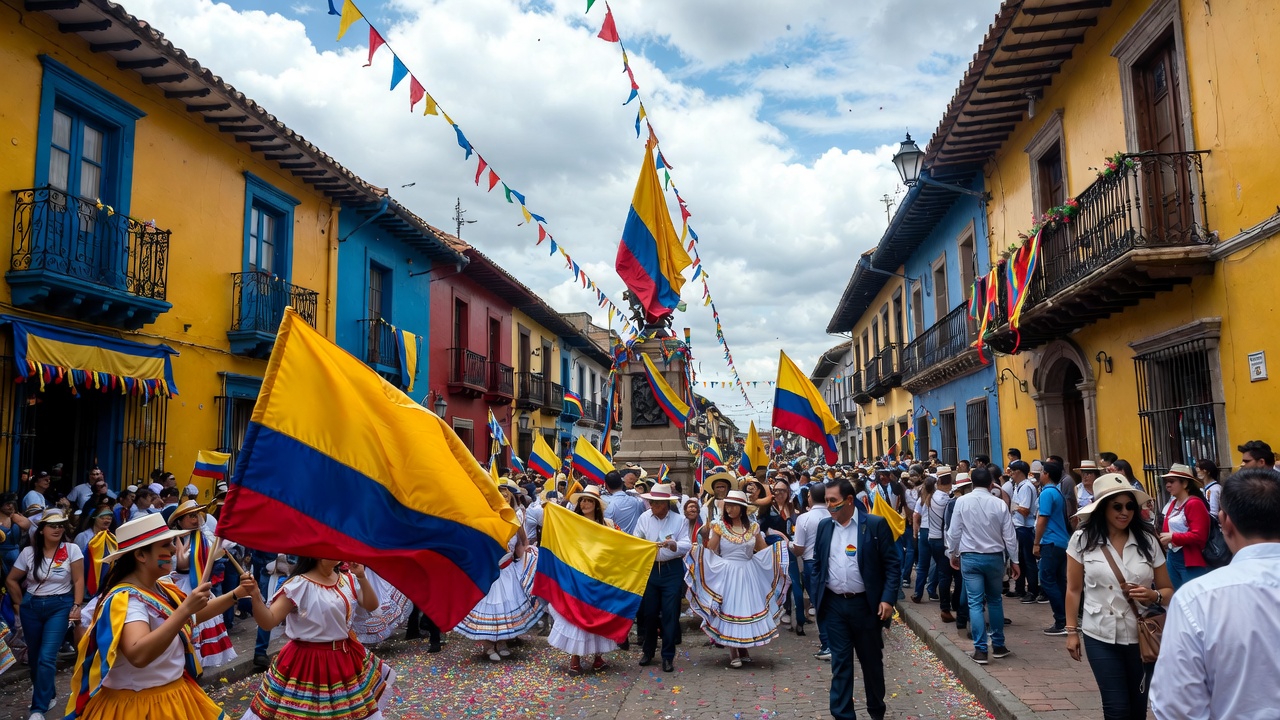
Grand parades wind through Neiva’s streets, featuring decorated floats, costumed dancers, and horseback riders. The parades are a vivid expression of Huila’s regional identity. If you have never seen a Colombian parade, imagine a river of color, movement, and rhythmic noise flowing through streets lined with cheering families.
Traditional Huilense Cuisine
Huila’s food scene shines during the festival. Street stalls and food fairs — particularly at the Parque Andino Estación del Ferrocarril — serve regional specialties:
- Asado Huilense — Slow-roasted pork marinated in beer, citrus juices, herbs, and spices, then cooked in a wood-fired oven
- Tamales Huilenses — Wrapped in bijao leaves, these tamales are plumper and more richly seasoned than those from other regions
- Achiras — Crispy biscuits made from achira starch, a Huila signature
Music Every Night
Live concerts run late into the evening, featuring both traditional folk artists and modern acts. Many performances are free and open to the public. The energy builds each night as the festival approaches its climax during the final weekend.
Why San Pedro Is the Real Colombian Experience in Early July
For travelers who happen to be in Colombia around July 4, attending the San Pedro y San Pablo festivities in Neiva (or the related celebrations in El Espinal, Melgar, Natagaima, and Coyaima in the department of Tolima) offers something no amount of tourist brochures can replicate: an authentic, ground-level experience of Colombian regional culture.
These festivals are not designed for foreigners. They are by Colombians, for Colombians. That is exactly what makes them extraordinary. You will eat what locals eat. You will hear music that has been passed down through generations. And you will dance — because in Colombia, standing still is not really an option.
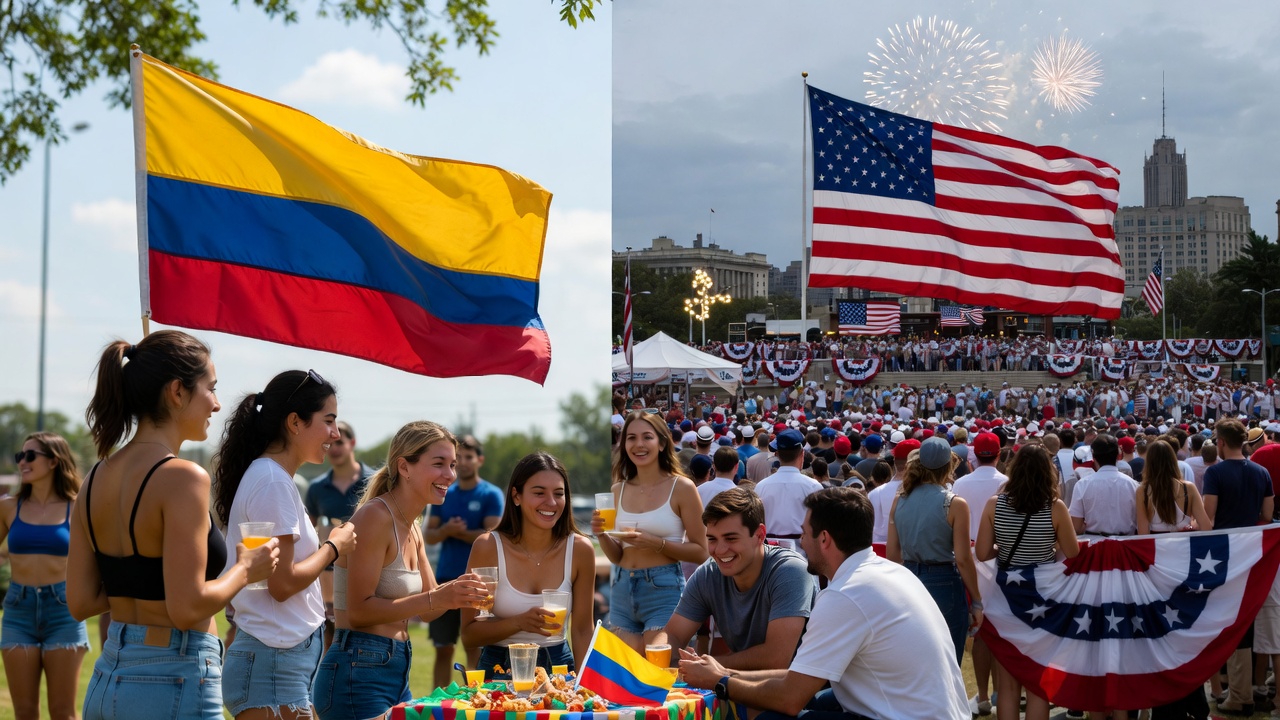
Colombia Independence Day vs USA Independence Day: A Side-by-Side Comparison
Understanding the differences — and the surprising similarities — between these two independence celebrations tells you a lot about each country’s character.
| Category | USA (July 4) | Colombia (July 20) |
|---|---|---|
| Year of Independence | 1776 | 1810 (Cry of Independence); 1819 (full independence) |
| Colonial Power | Great Britain | Spain |
| Key Founding Document | Declaration of Independence | Act of Independence of Colombia |
| National Heroes | George Washington, Thomas Jefferson, Benjamin Franklin | Simón Bolívar, Francisco de Paula Santander |
| Iconic Origin Story | The signing at Independence Hall, Philadelphia | The flower vase incident at Llorente’s shop, Bogotá |
| Key Traditions | Fireworks, barbecues, parades, flag displays | Military parades, cumbia dancing, bandeja paisa, fireworks |
| Signature Food | Hot dogs, burgers, corn on the cob, apple pie | Bandeja paisa, ajiaco, tamales, empanadas, lechona |
| Signature Drink | Beer, lemonade | Aguardiente, agua de panela |
| Music | Patriotic songs, marching bands, pop/rock concerts | Cumbia, vallenato, salsa, bambuco |
| National Colors | Red, white, and blue | Yellow, blue, and red |
| 2026 Special Significance | 250th anniversary (Semiquincentennial) | 216th anniversary of the Cry of Independence |
| Is it a fixed date? | Always July 4 | Always July 20 (does not move under Ley Emiliani) |
Both celebrations share a common thread: they are expressions of national identity, built around shared meals, public gatherings, and a collective telling of the independence story. The rituals differ. The food differs. The music differs. But the emotional core — pride in a hard-won freedom — is the same.
How Colombian Americans Celebrate Both July 4 and July 20
For the growing Colombian-American community in the United States, summer brings a unique double celebration. They participate in Fourth of July festivities as Americans. Then, just over two weeks later, they honor their Colombian heritage on July 20.
The Colombian diaspora in the United States is substantial and growing. According to data from the U.S. Census Bureau and the Migration Policy Institute, approximately 1.6 million people of Colombian origin resided in the United States as of 2021, making them the largest South American diaspora group in the country. Florida alone is home to over 826,000 Colombian Americans, followed by New York, New Jersey, Texas, and California.
Colombian-American communities across the country host their own independence festivals around July 20, blending traditional Colombian music, dance, and food with the American festival format. Some of the most notable events include:
- The Great Colombian Fest — Chicago, Illinois
- International Colombian Festival — Washington, D.C.
- El Festival Colombiano — Pico Rivera (Los Angeles County), California
- Festival Independencia Orgullo Colombiano — New York City, New York
- Festival Colombiano AZ — Phoenix, Arizona
At these festivals, you will find cumbia and salsa blasting from speakers, vendors selling empanadas and arepas, children waving Colombian flags, and families in yellow, blue, and red clothing. They are joyful, loud, and deeply proud. For many Colombian Americans, these events are a vital connection to the homeland, a way to pass culture to the next generation.
In neighborhoods like Jackson Heights in Queens, New York, or Doral and Weston in South Florida, Colombian Independence Day is not a minor affair. It is a full-blown community celebration. Restaurants run special menus. Colombian bakeries display tricolor decorations. Radio stations play nothing but Colombian classics.
For Colombian Americans, the two July celebrations are not in conflict. They are complementary. July 4 is about being American. July 20 is about being Colombian. And for a diaspora that has worked hard to build lives in both countries, both dates matter deeply.
Why Colombians Do Not Celebrate the Fourth of July (and Why That Is Okay)
This may seem obvious, but it is worth stating clearly: Colombians have no cultural or historical connection to July 4. The American War of Independence (1775–1783) and the Colombian struggle for independence (1810–1819) are separate stories, separated by decades and fought against different colonial powers on different continents.
While there are some loose historical links between the two movements — the success of the American Revolution certainly inspired independence movements across Latin America, and Spain’s support for the American colonies during their revolution with Britain helped drain the Spanish treasury — Colombians view their independence as their own story, not an extension of the American one.
This is an important point for culturally sensitive travelers. If you are an American visiting Colombia on July 4, do not expect locals to understand or share your excitement about the date. Similarly, do not assume that they are unaware of it. Most educated Colombians know perfectly well what July 4 means in the United States. They simply have their own day — and their own story — to celebrate.
If you want to connect with Colombians over shared values of freedom and self-determination, bring up July 20 instead. Ask about Bolívar. Ask about the flower vase. You will be rewarded with passionate storytelling and probably an invitation to share some aguardiente.
What to Do in Colombia During Early July 2026: A Traveler’s Guide
July is a fantastic month to visit Colombia. It falls during a short dry season (known as veranillo) in much of the Andean region, which means pleasant weather for exploring cities like Bogotá, Medellín, and the Coffee Triangle. The Caribbean coast remains hot and sunny. And the Pacific coast enters humpback whale season (July through October), when massive whales migrate to Colombia’s warm waters to breed and give birth.
Here is a practical guide for travelers in Colombia during early July 2026.
Best Destinations in Colombia for Early July
Neiva and Huila Department
If you are in Colombia around the first week of July, the San Pedro y San Pablo celebrations in Neiva are the unmissable event. The bambuco pageant, the parades, and the food fairs create an experience unlike anything else on the Colombian calendar. Temperatures in Neiva often exceed 30°C (86°F), so pack light clothing and sun protection.
While in Huila, consider side trips to:
- San Agustín Archaeological Park — A UNESCO World Heritage Site with ancient stone sculptures
- The Tatacoa Desert — A surreal landscape of red canyons and some of the clearest night skies in Colombia
- The Magdalena River — Colombia’s most important waterway, flowing through the heart of Neiva
Bogotá
Colombia’s capital is always worth visiting, but in July the city is especially alive with pre-independence energy. Museums like the Museo de la Independencia (Casa del Florero) and the Museo Nacional prepare special exhibitions. The food scene in neighborhoods like La Candelaria, Chapinero, and Usaquén is world-class. And at 2,640 meters (8,660 feet) above sea level, Bogotá offers a cool escape from the tropical heat.
Pacific Coast (Whale Watching)
From Buenaventura or Nuquí, you can take boat trips to see humpback whales in their breeding grounds. This is one of Colombia’s most spectacular natural experiences, and July is the start of the season.
Medellín and the Coffee Region
Medellín’s famous Feria de las Flores (Flower Festival) takes place in early August, so a July visit lets you enjoy the city’s pleasant climate (spring-like year-round thanks to its valley location at around 1,500 meters) without the peak festival crowds. The nearby Coffee Triangle — with towns like Salento, Filandia, and Manizales — offers lush green landscapes, world-famous coffee farms, and the spectacular Cocora Valley with its towering wax palms.
Practical Tips for Americans in Colombia on July 4
- Do not expect July 4 celebrations. A few international bars may host something, but it will be small-scale.
- Enjoy a normal Colombian day. Use the date to explore local markets, try street food, or take a walking tour.
- Learn some Spanish. While English is understood in major tourist areas, knowing a few phrases will enrich your experience enormously. When ordering coffee, remember: ask for tinto (black coffee), not café.
- Respect the puente festivo rhythm. If you are traveling around the San Pedro y San Pablo long weekend, book accommodations in advance. Colombians travel heavily during these weekends, and buses, flights, and hotels fill up fast.
- Carry your passport. Colombian law requires visitors to have identification at all times. A photocopy of your passport’s main page and entry stamp usually suffices.
- U.S. citizens do not need a visa for tourism stays of 90 days or less. Your passport must be valid for at least six months upon arrival.
The Battle of Boyacá: Colombia’s Other July–August Independence Celebration
Colombia’s independence story does not end on July 20. Less than three weeks later, on August 7, the country celebrates the Batalla de Boyacá (Battle of Boyacá). This holiday marks the decisive military victory in 1819 that secured Colombia’s independence from Spain.
The battle took place near the city of Tunja, in the department of Boyacá. Forces led by Simón Bolívar and Francisco de Paula Santander defeated the Spanish Royalist army, opening the road to Bogotá and effectively ending Spanish rule in the region. The victory led to the creation of the Republic of Gran Colombia, which included present-day Colombia, Venezuela, Ecuador, and Panama.
August 7 is also celebrated as Día de la Bandera (Flag Day) in Colombia. The tricolor flies even more prominently than usual. It is a solemn day, more reflective than the festive July 20 celebrations. Military ceremonies and wreath-layings at monuments are common.
For travelers, visiting the Puente de Boyacá (Bridge of Boyacá) — the actual site of the battle — on August 7 is a powerful experience. The bridge, located about 14 kilometers south of Tunja, is now a national monument surrounded by statues of Bolívar and Santander.
If you are planning an extended July–August trip to Colombia, you can experience the full arc of the independence season: the San Pedro y San Pablo festivities in early July, Independence Day on July 20, the Battle of Boyacá on August 7, and even the Feria de las Flores in Medellín in early August.
Understanding Colombian National Symbols and Their Independence Day Meaning
Every country wraps its independence story in symbols. Colombia is no different. Knowing these symbols deepens your understanding of what July 20 means to Colombians.
The Tricolor Flag
Colombia’s flag has three horizontal stripes: yellow (occupying the top half), blue, and red (each occupying a quarter). Yellow represents the nation’s gold and natural wealth. Blue symbolizes the seas and rivers that border and nourish the country. Red honors the blood shed by those who fought for independence.
The National Anthem
“Oh Gloria Inmarcesible” (“Oh Unfading Glory”) was written by Rafael Núñez (who also served as President) with music by Oreste Sindici. It is performed at every official independence event and sung with gusto in schools across the country on July 20.
The Coat of Arms
Colombia’s coat of arms features a Andean condor holding a laurel wreath and an olive branch, symbolizing freedom and peace. It also includes the Isthmus of Panama (reflecting the historical connection to the former Republic of Gran Colombia), two ships, a Phrygian cap (a symbol of liberty since the French Revolution), and cornucopias representing abundance.
The Flower Vase (Florero de Llorente)
Perhaps Colombia’s most unique independence symbol. The restored fragments of the vase from the 1810 incident are housed in the Museo de la Independencia in Bogotá. On Independence Day, the museum becomes one of the most visited sites in the city. It is a reminder that revolutions sometimes begin with the smallest of provocations.
Colombian Food Traditions During Independence Season: A Culinary Deep Dive
Food is central to Colombian celebrations. During the independence season (late June through early August), the country’s regional cuisines take center stage. Here is a deeper look at the dishes that define this period.
Bandeja Paisa: The National Platter
No Colombian independence celebration is complete without bandeja paisa. This mammoth platter originated in the Antioquia and Paisa regions and has become a national icon. A traditional serving includes:
- Ground or minced beef
- White rice
- Red beans cooked in pork fat
- Fried egg
- Ripe plantains (maduros)
- Crispy pork rind (chicharrón)
- Chorizo
- Avocado
- Arepa
- Hogao (a tomato-onion sauce)
It is a meal built for hard-working people. It is hearty, rich, and enormous. Sharing a bandeja paisa with friends on July 20 is as Colombian as it gets.
Ajiaco: Bogotá’s Soul in a Bowl
In the capital, ajiaco reigns supreme. This thick chicken soup features three types of potatoes — papa criolla (small yellow potatoes), papa sabanera, and papa pastusa — along with corn on the cob, guascas (a local herb that gives the soup its distinctive flavor), capers, and heavy cream. It is comfort food at its finest, especially welcome in Bogotá’s cool highland climate.
Asado Huilense: The Star of San Pedro
During the San Pedro y San Pablo festivities in Huila, the asado huilense takes the spotlight. This slow-roasted pork dish is marinated in beer, sour orange juice, herbs, and spices before being cooked for hours in a wood-fired oven. The result is tender, deeply flavorful meat with a smoky crust. Paired with rice, yuca, and a cold beer, it is the taste of the Colombian countryside.
Aguardiente: The Spirit of Independence
Aguardiente (literally “fiery water”) is Colombia’s national spirit. This anise-flavored liquor is produced regionally, with each department having its own brand. It is served in small shot glasses and consumed socially — rarely alone, always in company. The custom is to pour shots for the group, raise a toast (¡Salud!), and drink together.
During independence celebrations, aguardiente consumption spikes dramatically. It is the lubricant of conversation, dancing, and national pride.
July in Colombia vs July in the USA: Weather, Travel Seasons, and What to Expect
For travelers deciding between spending July in the United States or Colombia, here is a practical comparison.
| Factor | USA (July) | Colombia (July) |
|---|---|---|
| Weather | Summer; hot and humid in most regions (25–38°C / 77–100°F) | Varies by altitude; dry season in Andean region, hot on coasts |
| Peak Season? | Yes — summer vacation season | Shoulder season; manageable crowds outside long weekends |
| Signature July Events | July 4 (250th anniversary in 2026), state fairs, baseball | San Pedro y San Pablo (early July), Independence Day (July 20) |
| Average Cost | Higher (peak season pricing) | Lower (Colombia remains affordable for most international visitors) |
| Visa Requirement for Americans | N/A (domestic) | No visa needed for stays under 90 days |
| Language | English | Spanish (limited English outside major tourist areas) |
| Wildlife Highlight | National parks in summer bloom | Humpback whale season begins on Pacific coast |
For budget-conscious travelers, Colombia offers exceptional value. A full meal at a local restaurant might cost 15,000–25,000 COP (roughly $4–7 USD). A private room in a mid-range hotel in Medellín or Bogotá runs $30–60 USD per night. And domestic flights between major cities can be booked for $40–80 USD on budget carriers.
Frequently Asked Questions About July 4 in Colombia
Do Colombians know about the American Fourth of July?
Yes. Most Colombians are aware that July 4 is Independence Day in the United States. American movies, TV shows, and news make the holiday visible worldwide. However, knowing about it and celebrating it are very different things.
Are there any American-style July 4 events in Colombia?
A handful of expat-oriented bars and restaurants in cities like Bogotá, Medellín, and Cartagena may host small July 4 parties. The U.S. Embassy in Bogotá may hold a private reception. But these are niche events, not part of Colombian culture.
What is the best Colombian holiday to experience as a tourist?
For sheer cultural immersion, the San Pedro y San Pablo festivities in Neiva (late June to early July) and the Feria de las Flores in Medellín (early August) are hard to beat. Independence Day on July 20 offers a more nationwide celebration with parades, food, and fireworks in every city and town.
Can I fly the American flag in Colombia on July 4?
There is no law against it, but it would be culturally tone-deaf. If you want to celebrate, do so privately or at an American-owned establishment. Flying a foreign flag prominently in any country on a non-relevant day can come across as disrespectful.
Is Colombia safe to visit in July?
Colombia has made enormous strides in safety and security over the past two decades. Major cities and tourist destinations are generally safe for visitors who take normal precautions. The U.S. State Department maintains a travel advisory for Colombia, currently recommending that travelers “exercise increased caution.” Avoid displaying expensive jewelry or electronics in public, use ride-hailing apps rather than flagging taxis in Bogotá, and stay informed about local conditions.
Final Thoughts: Two Countries, Two Independence Stories, One Shared Value
Colombia and the United States share something powerful: a history of fighting for freedom. Both countries were born from colonial resistance. Both honor their independence with food, music, parades, and gatherings of family and friends. And both carry the scars and pride of their revolutionary pasts into the present.
But their stories diverge in fundamental ways. The American Revolution was fought against the British Crown. The Colombian independence movement challenged the Spanish Empire. The founding myths are different: a signed declaration in Philadelphia versus a smashed flower vase in Bogotá. The cultural expressions are different: hot dogs versus bandeja paisa, marching bands versus cumbia orchestras, sparklers versus aguardiente.
If you are an American planning to visit Colombia in July 2026, embrace this difference. Do not look for your own holiday in someone else’s country. Instead, open yourself to what Colombia offers: a warm, musical, food-rich culture that celebrates freedom on its own terms, on its own day.
And if you happen to be in Neiva on July 4, surrounded by the sounds of bambuco music and the smell of asado huilense drifting from a wood-fired oven, you may find that the best way to celebrate independence — any country’s independence — is to sit down, share a meal with strangers, and raise a glass to freedom.
¡Salud!
Planning a July 2026 trip? Colombia’s Independence Day (July 20) and the San Pedro y San Pablo Festival (early July) offer unforgettable cultural experiences. For official tourism information, visit Colombia Travel, the country’s national tourism portal.