
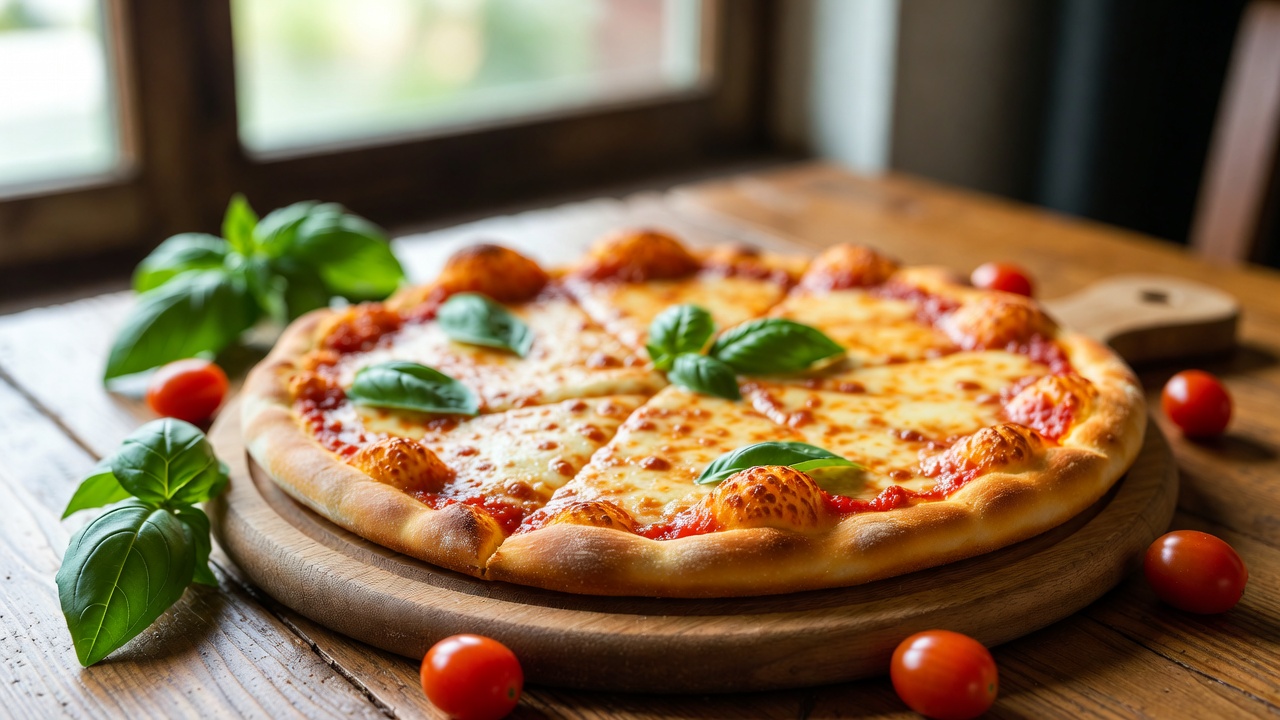
Pizza does not care about your diet. It does not care whether you count carbs, skip dairy, or avoid wheat. It simply sits there — golden, bubbling, fragrant — daring you to say no. And every February 9, on National Pizza Day, that dare gets louder than ever across America.
Here is the good news. In 2026, saying yes to pizza no longer means saying goodbye to your health goals. The world of keto pizza, vegan pizza, and gluten-free pizza has grown from a fringe curiosity into a full-blown culinary movement. Whether you are managing celiac disease, following a plant-based lifestyle, or keeping your carbs below 20 grams a day, there is a slice out there with your name on it.
I have spent the better part of two decades chasing festivals, customs, and street food across the globe. I have folded a New York slice at 2 a.m. on Bleecker Street. I have burned the roof of my mouth on deep-dish in Chicago. I have watched a pizzaiuolo in Naples spin dough like a second language. And I have eaten my way through pizza festivals in Phoenix, Cleveland, and Los Angeles. What I have learned is this: pizza is not a recipe. It is a cultural contract — a promise that bread, heat, and toppings can bring people together anywhere on earth. And nowhere is that contract honored more enthusiastically than in the United States.
This guide is for anyone who wants to honor that contract without breaking their body’s own rules. Let us dig in.
What Is National Pizza Day and Why Does It Matter in 2026?
Before we talk about crusts and cheese alternatives, let us set the table with some context.
National Pizza Day is celebrated on February 9 every year in the United States. In 2026, that falls on a Monday — the perfect excuse to kick off the week with a homemade pie or a trip to your favorite pizzeria. No one knows exactly who started the tradition, but records of the celebration can be traced back to the early 2000s. The reason seems obvious. Americans love pizza more than almost any other food on the planet.
The numbers back that up. According to the National Day Calendar, over 3 billion pizzas are sold in the U.S. every year, with another billion in frozen pizzas. Americans eat roughly 23 pounds of pizza per person per year, and approximately 350 slices of pizza are consumed every second across the country. Pepperoni remains the favorite topping at 36% of all pies ordered. In the United States alone, 17% of all restaurants are pizzerias.
The broader industry is massive. The worldwide pizza market reached USD 155.2 billion in 2024 and is projected to hit USD 226.2 billion by 2033, growing at a compound annual growth rate of 4.27%, according to IMARC Group. North America leads consumption. And that growth is no longer driven by pepperoni and mozzarella alone. Healthier product variants — including low-calorie, vegan, and gluten-free pizzas — are a major engine of expansion.
National Pizza Day is also part of a larger American pizza calendar. National Pizza Month covers all of October. There is National Deep Dish Pizza Day on April 5, National Cheese Pizza Day on September 5, and National Pizza with the Works Day on November 12. But February 9 remains the main event — the Super Bowl of pizza holidays, if you will.
Pizza’s place in American culture runs deep. The first American pizzeria, Gennaro Lombardi’s, opened in New York City in 1905. After World War II, returning soldiers who had tasted pizza in Italy brought the craving home, and the dish spread across the nation like wildfire. Today, pizza is woven into the fabric of everyday American life — from Little League celebrations to late-night college study sessions to office lunch orders.
So if you thought dietary-restriction pizza was a niche hobby, the numbers tell a very different story. It is a market force. And National Pizza Day 2026 is the perfect time to prove that a great slice does not have to break your diet.
The Rise of Dietary-Friendly Pizza: How Keto, Vegan, and Gluten-Free Became Mainstream
A decade ago, asking for gluten-free pizza at a restaurant earned you a blank stare and a sad pile of toppings on a plate. Times have changed.
Several forces pushed alternative pizza into the mainstream:
Health awareness. Celiac disease affects roughly 1% of the global population, according to a meta-analysis published in Gastroenterology. In the United States, Beyond Celiac estimates that the average person waits 6 to 10 years to receive a correct diagnosis. Beyond clinical celiac, an estimated 6% of Americans experience non-celiac gluten sensitivity. These are real medical conditions that demand real food solutions — especially on a holiday dedicated to a food built on wheat dough.
Ethical and environmental shifts. The plant-based movement has expanded far beyond strict vegans. Flexitarians — people who eat mostly plant-based but occasionally include animal products — now represent one of the fastest-growing dietary demographics in the United States. North America holds over 41% of the global vegan cheese market by revenue, according to Data Bridge Market Research.
Keto’s staying power. What began as a trendy diet has matured into a sustained lifestyle for millions. The ketogenic approach — high fat, moderate protein, very low carbohydrate — requires creative workarounds for bread-based foods. Pizza is the ultimate test case.
Food technology. The gap between “alternative” and “authentic” has narrowed dramatically. Vegan mozzarella now melts and stretches. Almond flour crusts crisp up in a way that would have seemed impossible five years ago. Cauliflower-based pizzas have moved from health food stores into mainstream freezer aisles.
| Dietary Approach | Primary Restriction | Key Pizza Challenge | 2026 Solution |
|---|---|---|---|
| Keto | Carbohydrates (under 20–50g/day) | Traditional wheat crust is carb-heavy | Fathead dough, almond flour crusts, chicken crust |
| Vegan | All animal products | Cheese is pizza’s core identity | Cashew mozzarella, coconut-based cheese, nutritional yeast |
| Gluten-Free | Wheat, barley, rye (gluten proteins) | Standard pizza dough contains gluten | Rice flour, chickpea flour, cauliflower crusts |
How to Make the Best Keto Pizza Crust at Home: A Low-Carb Guide
If you follow a ketogenic diet, you already know that a standard slice of pepperoni pizza can carry 30 to 40 grams of carbohydrates — most of it from the wheat flour crust. That is potentially your entire daily carb allowance in a single slice.
The keto community has responded with remarkable creativity. The most popular solution is fathead dough, a cheese-based crust that has become a staple in low-carb kitchens across America.
What Is Fathead Dough and Why Is It the Gold Standard for Keto Pizza?
Fathead dough gets its name from the documentary Fat Head, which popularized a low-carb, high-fat approach to eating. The recipe is beautifully simple. It relies on shredded mozzarella cheese as the primary structural ingredient, bound together with almond flour (or coconut flour), cream cheese, and eggs.
The result is a crust that is crispy on the outside, chewy on the inside, and clocks in at roughly 2 to 4 grams of net carbs per slice — depending on thickness and toppings.
Basic Fathead Pizza Crust Ingredients:
- 1½ cups shredded low-moisture mozzarella cheese
- ¾ cup almond flour (or ¼ cup coconut flour)
- 2 tablespoons cream cheese
- 1 large egg
- ½ teaspoon Italian seasoning
- Pinch of salt
Method:
- Preheat your oven to 400°F (200°C).
- Combine the mozzarella and cream cheese in a microwave-safe bowl. Heat in 30-second intervals, stirring between each, until the cheese is fully melted and smooth.
- Stir in the almond flour, egg, and seasonings until a cohesive dough forms. Work quickly — the dough stiffens as it cools.
- Place the dough between two sheets of parchment paper. Roll it into a circle (or rectangle) about ¼ inch thick.
- Remove the top parchment, transfer the bottom parchment with dough onto a baking sheet, and bake for 12 to 15 minutes until golden.
- Add your sauce, toppings, and a second layer of cheese. Return to the oven for 5 to 7 minutes until bubbly.
Pro tip: For a nut-free version, substitute the almond flour with coconut flour. You will need roughly one-third the amount, since coconut flour absorbs significantly more moisture. Some bakers also use lupin flour or sunflower seed flour for allergy-friendly alternatives.
Beyond Fathead: Other Keto Pizza Crust Options Worth Trying
Fathead dough is king, but it is not the only option.
Chicken crust pizza uses ground chicken breast mixed with parmesan and egg as the base. It is virtually zero-carb and surprisingly sturdy. The texture is closer to a thin flatbread than a traditional pizza, but it holds toppings well.
Cauliflower crust remains popular, though many keto veterans find it fussier to prepare. The cauliflower must be riced, cooked, and then squeezed thoroughly to remove moisture — skip this step and your crust will be soggy. When done right, it offers a lighter, more vegetable-forward base.
Egg-and-cheese crust (sometimes called a “chaffle” crust) uses just two ingredients — eggs and shredded cheese — blended and cooked in a waffle maker. The result is a crispy, grid-patterned disc that works as a personal pizza base.
| Keto Crust Type | Net Carbs per Serving | Difficulty Level | Best For |
|---|---|---|---|
| Fathead Dough | 2–4g | Easy | Closest to traditional texture |
| Chicken Crust | <1g | Medium | Ultra-low carb goals |
| Cauliflower Crust | 3–5g | Medium-Hard | Lighter, veggie-forward flavor |
| Chaffle Crust | 1–2g | Easy | Quick personal pizzas |
Best Vegan Pizza Recipes for Plant-Based Eaters on National Pizza Day
Vegan pizza faces a different challenge than keto. The crust is usually fine — most traditional pizza dough is already plant-based (flour, water, yeast, salt, olive oil). The real obstacle is cheese.
For decades, vegan cheese was widely considered the weakest link in plant-based cooking. Early versions were rubbery, flavorless, or refused to melt. That era is over.
The Vegan Cheese Revolution: How Plant-Based Mozzarella Changed American Pizza Forever
The global vegan cheese market was valued at approximately USD 3.0 billion in 2024 and is expected to reach USD 7.5 billion by 2033, growing at a CAGR of 10.23%, according to IMARC Group. North America dominates with over 41% of global revenue. Mozzarella-style vegan cheese leads the pack, holding roughly 32.7% of the market — driven overwhelmingly by its role in pizza.
The major brands today include Violife, Miyoko’s Creamery, Daiya, Follow Your Heart, and Kite Hill. Each takes a different approach to the base ingredient. Cashew-based cheeses tend to offer the creamiest texture. Coconut oil-based options melt well but can carry a subtle sweetness. Soy-based varieties provide good stretch. And newer entrants are experimenting with oat milk and even precision fermentation — using microorganisms to produce real casein protein without cows.
Key developments in the U.S. market, 2025–2026:
- Violife expanded its mozzarella shreds into major U.S. pizza chains and grocery stores.
- New Culture, a Bay Area startup, developed a stretchable, meltable vegan mozzarella using recombinant casein. The company secured funding from CJ CheilJedang, a Korean conglomerate with a significant share in the U.S. frozen pizza market.
- Major American chains like MOD Pizza, Blaze Pizza, and Papa Murphy’s now offer vegan cheese as a standard menu option.
- Flowers Foods acquired Simple Mills for USD 795 million in 2025 — a signal that traditional American baking companies see health-conscious, plant-friendly products as the future.
A Homemade Vegan Pizza Worth Making from Scratch
The best vegan pizza I have ever eaten was not at a restaurant. It was in a small kitchen in Brooklyn, made by a friend who had spent two years perfecting her cashew mozzarella recipe. Here is a simplified version that captures the spirit.
Vegan Cashew Mozzarella:
- 1 cup raw cashews (soaked 4 hours or boiled 15 minutes)
- 3 tablespoons tapioca starch
- 2 tablespoons nutritional yeast
- 1 tablespoon lemon juice
- 1 teaspoon garlic powder
- ½ teaspoon salt
- ¾ cup water
Blend all ingredients until completely smooth. Transfer to a saucepan over medium heat, stirring constantly. The mixture will thicken quickly and become stretchy. Remove from heat and let it cool slightly before spreading on your pizza.
For the dough, use any standard pizza dough recipe — most are naturally vegan. A simple combination of bread flour, warm water, yeast, olive oil, salt, and a pinch of sugar will do beautifully.
Top with: crushed San Marzano tomatoes, sliced mushrooms, roasted red peppers, caramelized onions, fresh basil, and a drizzle of good olive oil after baking.
Where to Find the Best Vegan Pizza at Restaurants and Chains
The restaurant landscape for vegan pizza has expanded enormously. According to PETA’s guide to vegan pizza at chains, dozens of national and regional chains now offer plant-based options.
Notable vegan-friendly pizza chains in the U.S. in 2026:
- MOD Pizza — Offers Daiya mozzarella and Plantly plant-based Italian sausage crumble. Both the original and gluten-free crusts are vegan.
- Blaze Pizza — Vegan Spicy Chorizo topping and Daiya cheese at no extra charge. Both traditional and gluten-free crusts are vegan.
- Papa Murphy’s — Violife vegan cheese available on all pies, including the Dairy-Free Cheese Garden Veggie, which is vegan as-is.
- Mellow Mushroom — Vegan pies made with Follow Your Heart cheese, plus tempeh hoagies and vegan pretzels.
- Toppers Pizza — Offers house vegan pizzas including the Vegan Buffalo Chicken-Less Topper and Vegan Korean BBQ Chicken-Less Topper, with plant-based crispy chicken and vegan ranch.
- Pieology — Offers several vegan meats, including Gardein vegan meatballs and chicken.
- Pizza Hut (U.S.) — Select locations offer plant-based toppings. Availability varies by region.
For independent restaurants, cities like New York, Los Angeles, Portland, Chicago, and Austin have become American hubs for artisanal vegan pizza. In New York alone, spots like Double Zero (now Plant Made) and Paulie Gee’s in Greenpoint have earned devoted followings for wood-fired vegan pies featuring house-made cashew ricotta and locally sourced toppings. In Fort Wayne, Indiana, spots like Three Fires Pizza host dedicated Vegan Pizza Sundays featuring rotating specialty pies.
Gluten-Free Pizza Crust Recipes That Actually Taste Good
Gluten-free pizza has come the longest distance. Fifteen years ago, it was a cardboard-flavored afterthought. Today, it is a USD 3.83 billion global market (as of 2025) projected to reach USD 4.96 billion by 2030, according to Mordor Intelligence. North America is the largest regional market, and the United States is the single biggest consumer of gluten-free pizza crusts. Growth is being driven by rising celiac disease awareness, clean-label demand, and a broader consumer shift toward functional food. Major American retailers like Walmart, Kroger, Target, and Whole Foods now stock dedicated gluten-free pizza sections.
Understanding Celiac Disease and Gluten Sensitivity: Why Gluten-Free Pizza Matters
It is important to distinguish between celiac disease and non-celiac gluten sensitivity (NCGS). They require the same dietary response — avoiding gluten — but they are fundamentally different conditions.
Celiac disease is an autoimmune disorder. When a person with celiac eats gluten, their immune system attacks the lining of the small intestine. This can lead to malabsorption of nutrients, chronic fatigue, anemia, bone loss, and a range of other complications. The only treatment is a strict, lifelong gluten-free diet.
Non-celiac gluten sensitivity produces symptoms like bloating, headaches, and brain fog after eating gluten, but without the autoimmune intestinal damage. It is less well understood, but no less real to the people who experience it.
Together, these conditions affect millions of Americans. A 2024 review in Gastroenterology noted that celiac disease prevalence ranges between 0.7% and 2.9% of the general population globally. In the United States specifically, approximately 1 in 133 people has celiac disease, according to the Celiac Disease Foundation. The U.S. Department of Health and Human Services estimates that 68% of people worldwide are lactose intolerant — a separate condition, but one that also drives demand for dairy-free pizza options.
For these individuals, pizza is not a casual indulgence. It is a minefield. Cross-contamination is a constant concern. A shared oven, a dusted countertop, or a careless hand can trigger a reaction.
Best Gluten-Free Flour Blends for Pizza Dough in 2026
The key to great gluten-free pizza is the flour blend. No single gluten-free flour replicates wheat’s elastic, chewy properties. The magic happens in combination.
Popular gluten-free pizza crust bases:
- Rice flour — Provides a neutral flavor and light, crispy texture. Brown rice flour adds more body than white.
- Tapioca starch — Creates chewiness and stretch. Essential for mimicking gluten’s elasticity.
- Almond flour — Adds richness and holds moisture well. Also works for keto-friendly gluten-free crusts.
- Chickpea flour — Brings protein and a slightly nutty flavor. Common in Mediterranean and Indian cooking traditions.
- Cassava flour — One of the closest single-flour substitutes for wheat. Produces a soft, pliable dough.
- Cauliflower base — Technically not a flour, but riced cauliflower combined with eggs and cheese makes a popular crust that serves both gluten-free and low-carb eaters.
A reliable gluten-free pizza dough recipe:
- 1 cup rice flour (or a gluten-free all-purpose blend)
- ½ cup tapioca starch
- 1 teaspoon xanthan gum (crucial — this replaces gluten’s binding role)
- 1 teaspoon active dry yeast
- ¾ cup warm water
- 1 tablespoon olive oil
- 1 teaspoon sugar
- ½ teaspoon salt
Combine the dry ingredients. Dissolve the yeast in warm water with the sugar. Mix the wet and dry ingredients, add the olive oil, and knead gently for 2 to 3 minutes. Let the dough rest for 30 minutes. Roll it out on a parchment-lined baking sheet dusted with rice flour. Pre-bake at 425°F (220°C) for 10 minutes before adding toppings.
Important note for celiac sufferers: If you have celiac disease, always verify that your ingredients are certified gluten-free. Some oat-based products, for example, can be cross-contaminated with wheat during processing. Look for labels from organizations like the Gluten-Free Certification Organization (GFCO) or the National Celiac Association.
How to Celebrate National Pizza Day 2026 on a Special Diet: A Complete Guide
National Pizza Day falls on Monday, February 9, 2026. Whether you are hosting a pizza party, ordering in, or making a solo pie at home, here are practical strategies for every dietary approach.
Pizza Party Planning Tips for Mixed Dietary Needs
The hardest scenario is not cooking for one diet. It is cooking for many diets at the same table. Here is how to handle it gracefully.
Step 1: Start with the crust. Make or buy multiple crust options. A standard wheat dough for the unrestricted eaters. A fathead dough for the keto folks. A gluten-free crust for those who need it. Most crusts can be pre-baked and frozen days in advance.
Step 2: Set up a topping bar. This is the great equalizer. Lay out small bowls of sauce, cheese (both dairy and vegan), vegetables, proteins, and herbs. Let each person build their own pie on their own pre-baked crust. This eliminates cross-contamination concerns and gives everyone agency over their plate.
Step 3: Mind the oven. If someone at your table has celiac disease, bake their pizza first — or on a dedicated, clean sheet pan. Shared baking surfaces can transfer gluten through residual flour dust.
Step 4: Label everything. It sounds fussy, but a small card next to each topping — “Vegan,” “Contains Dairy,” “Gluten-Free” — saves confusion and protects people with genuine allergies.
Best Store-Bought Options for Dietary-Friendly Pizza in 2026
Not everyone wants to make dough from scratch. Here are reliable store-bought options by dietary category.
| Category | Brand | Product | Where to Find It |
|---|---|---|---|
| Keto | Fattyhead Keto Crust | Pre-made fathead pizza crusts | Online, specialty stores |
| Keto | Real Good Foods | Chicken crust frozen pizza | Walmart, Target, Kroger |
| Vegan | Daiya | Frozen vegan cheese pizzas | Most major grocery chains |
| Vegan | Amy’s Kitchen | Vegan Margherita pizza | Whole Foods, natural grocery stores |
| Gluten-Free | Caulipower | Cauliflower crust frozen pizzas | Widespread national distribution |
| Gluten-Free | Schär | Gluten-free pizza crusts | Specialty stores, Amazon |
| Gluten-Free + Vegan | Banza | Chickpea crust pizza | Target, Whole Foods, Kroger |
National Pizza Day Across America: Regional Pizza Styles That Fit Every Diet
Pizza is universal in America, but it is never uniform. Every region has its own proud tradition. And many of those styles can be adapted to fit keto, vegan, and gluten-free diets.
New York Style: The Foldable Classic
The New York slice is thin, wide, and designed to be folded in half and eaten on the go. The crust is hand-tossed, slightly chewy, and charred on the bottom. It is the pizza that fueled generations of late-night subway riders and Wall Street lunch breaks.
Dietary adaptations: New York-style pizza is the easiest to replicate with alternative crusts because its thinness puts the focus on toppings. A well-rolled fathead dough or a thin gluten-free crust can capture the spirit of a New York slice. In the city itself, spots like Double Zero (now Plant Made) and Paulie Gee’s in Greenpoint offer outstanding vegan options with house-made cashew ricotta and locally sourced toppings. Scarr’s Pizza on the Lower East Side mills its own flour in-house and offers vegan slices that hold their own against any traditional pie.
Chicago Deep Dish: The Knife-and-Fork Pizza
Chicago deep dish is the opposite of New York. It is thick, built in a deep pan, and layered in reverse order — cheese on the bottom, then toppings, then a thick layer of crushed tomato sauce on top. Eating it requires a fork and a sense of commitment.
Dietary adaptations: Deep dish is trickier for keto eaters because the crust is thick and central to the experience. However, some home cooks have created “deep dish bowls” — baking keto-friendly toppings and cheese in a small cast-iron skillet with a thin fathead dough lining the sides. For gluten-free diners, several Chicago pizzerias now offer certified gluten-free deep dish, and brands like Caulipower sell frozen cauliflower deep-dish options.
Detroit Style: The Square Pan with the Golden Edges
Detroit-style pizza is baked in a blue steel pan, producing a square pie with thick, airy dough and caramelized cheese edges — the famous “frico” crust. The sauce is often applied in racing stripes on top of the cheese.
Dietary adaptations: The thick, airy crumb of Detroit-style is tough to replicate with low-carb dough, but gluten-free versions work well. A good gluten-free flour blend baked in a well-oiled pan can produce a satisfying facsimile. For vegan options, cities like Detroit itself now boast spots like Grandma Bob’s, which offers Violife mozzarella and creative vegan toppings on authentic Detroit-style pans.
California Style: Where Gourmet Meets Health-Conscious
California-style pizza is less about the crust and more about the toppings. Born in the 1980s at restaurants like Spago and California Pizza Kitchen, this style embraces unconventional ingredients — smoked salmon, goat cheese, arugula, Thai chicken, barbecue sauce.
Dietary adaptations: California style is the most naturally diet-friendly because its identity is rooted in innovation, not tradition. A keto crust topped with grilled chicken, avocado, and sun-dried tomatoes fits right in. A vegan pie with cashew ricotta, roasted beets, and balsamic glaze feels perfectly at home. Gluten-free crusts are standard at most California-style restaurants, reflecting the state’s broader health-conscious dining culture.
National Pizza Day Deals and Promotions to Watch in 2026
One of the best things about National Pizza Day is the deals. Major chains and local pizzerias across America typically offer discounts, freebies, and special menus on February 9. While exact offers vary year to year, here is what to look out for:
- Domino’s often runs buy-one-get-one deals or carryout specials.
- Pizza Hut frequently offers discounted large pizzas or free breadsticks with online orders.
- MOD Pizza and Blaze Pizza sometimes offer $5 or $6 one-topping pizzas — and both have vegan cheese and gluten-free crust options.
- Papa John’s often drops promo codes for discounted pies on social media.
- Local pizzerias may offer their best deals of the year, so check your neighborhood favorites.
Pro tip: Follow your favorite pizza spots on social media and sign up for their email lists in the days before February 9. Many chains announce their National Pizza Day promotions 24 to 48 hours early. And always ask whether their deals apply to alternative crusts and vegan cheese — some do, some charge a small upcharge.
Nutritional Comparison: Keto vs. Vegan vs. Gluten-Free Pizza Per Slice
Numbers matter. Here is how a typical slice from each dietary category stacks up against a standard cheese pizza slice.
| Nutrient | Traditional Cheese Pizza | Keto Fathead Pizza | Vegan Cheese Pizza | Gluten-Free Cheese Pizza |
|---|---|---|---|---|
| Calories | 250–300 | 200–250 | 180–250 | 220–280 |
| Total Carbs | 30–36g | 2–4g | 28–34g | 26–32g |
| Protein | 10–14g | 12–16g | 6–10g | 8–12g |
| Fat | 10–14g | 16–22g | 8–12g | 9–13g |
| Fiber | 1–2g | 1–2g | 2–3g | 2–4g |
| Sugar | 3–4g | <1g | 2–4g | 2–3g |
Values are approximate and vary by recipe, brand, and portion size.
Key takeaways:
- Keto pizza trades carbs for fat. It is the most dramatic departure from the standard nutritional profile. The high fat content comes primarily from cheese, which also delivers significant protein.
- Vegan pizza tends to be lower in total fat and saturated fat, but watch out for sodium — many commercial vegan cheeses are high in salt.
- Gluten-free pizza is nutritionally similar to traditional pizza. The calorie and carb counts do not drop significantly just because the flour is different. The benefit is the absence of gluten, not a lower calorie count.
Common Mistakes to Avoid When Making Diet-Friendly Pizza at Home
Even experienced home cooks trip up when working with alternative pizza ingredients. Here are the pitfalls I have seen most often — and how to dodge them.
Mistake 1: Using fresh mozzarella in fathead dough. Fresh mozzarella (the soft, white ball packed in liquid) is too wet for keto dough. Use low-moisture, part-skim shredded mozzarella instead. It melts cleanly and provides the right structure.
Mistake 2: Skipping the pre-bake. Almost every alternative pizza crust benefits from being par-baked before toppings go on. This step sets the structure and prevents the dreaded soggy middle. Five to twelve minutes in a hot oven is usually enough.
Mistake 3: Overloading toppings. Alternative crusts are generally more fragile than wheat-based dough. Go lighter on the toppings than you would on a regular pizza. Two or three toppings plus cheese is plenty. Too much weight and moisture will collapse the crust.
Mistake 4: Not squeezing cauliflower. If you are making cauliflower crust, the single most important step is removing excess water. After cooking the riced cauliflower, wrap it in a clean towel and wring it out firmly. You should be able to extract several tablespoons of liquid. This step is non-negotiable.
Mistake 5: Treating vegan cheese like dairy cheese. Vegan cheese behaves differently under heat. It often needs higher temperatures and less time to melt properly. Some brands brown better under a broiler for the last 60 to 90 seconds of cooking. Experiment with your specific brand.
Mistake 6: Ignoring cross-contamination. If you are cooking for someone with celiac disease, using the same cutting board, pizza stone, or rolling pin that touched wheat flour is not safe. Dedicate separate tools or clean them thoroughly.
Frequently Asked Questions About Keto, Vegan, and Gluten-Free Pizza
Is cauliflower pizza crust actually healthier than regular pizza crust?
It depends on what you mean by “healthier.” Cauliflower crust is lower in carbohydrates and higher in certain micronutrients than wheat crust. But many commercial cauliflower crusts add rice flour, tapioca starch, and other ingredients that bring the carb count back up. Always read the label. If you make it at home with cauliflower, eggs, and cheese only, it will be significantly lower in carbs.
Can pizza be keto and vegan at the same time?
Yes, but it requires more creativity. Traditional fathead dough relies on dairy cheese and eggs, which are not vegan. A keto-vegan crust can be built from almond flour, flax eggs (ground flaxseed mixed with water), and coconut oil. For cheese, use a nut-based vegan mozzarella. The macros can work — high fat from nuts and coconut, low carbs from the almond flour base — but the texture will differ from a standard fathead crust.
Is gluten-free pizza safe for people with celiac disease?
Not always. A pizza labeled “gluten-free” may still be prepared in an environment where wheat flour is used. Cross-contamination is a real risk. People with celiac disease should look for pizzas made in dedicated gluten-free facilities or with certified gluten-free ingredients. When eating out, ask specific questions about preparation practices.
What are the best pizza chains for people with food allergies in 2026?
Chains that have invested in allergy-friendly infrastructure include MOD Pizza, Blaze Pizza, and Toppers Pizza. These restaurants allow full customization and train staff on allergen awareness. However, most chain restaurants cannot guarantee a completely allergen-free environment due to shared kitchen equipment. If your allergy is severe, homemade pizza or restaurants with dedicated allergen-free kitchens are the safest options.
Does gluten-free pizza have fewer calories than regular pizza?
Generally, no. Gluten-free flour blends (rice flour, tapioca starch, potato starch) have similar calorie densities to wheat flour. The calorie savings, if any, are minimal. The purpose of gluten-free pizza is to avoid gluten — not to reduce calories.
The Future of Pizza: How Food Technology Is Changing What We Eat in 2026 and Beyond
The pizza of 2030 may look very different from the pizza of today. Several emerging technologies are reshaping the landscape.
Precision fermentation is the biggest game-changer for vegan cheese. Companies like New Culture and Formo are using microorganisms to produce real dairy proteins — particularly casein, which gives cheese its stretch and melt — without involving any animals. If these products scale successfully, the “vegan cheese does not taste like cheese” complaint may become obsolete within a few years.
Grain-free and ancient grain flours are gaining traction. Chickpea, cassava, tigernut, and teff flour are appearing in artisanal and commercial pizza crusts. These grains are naturally gluten-free and bring unique flavors and nutritional profiles — higher protein, more fiber, and a wider array of micronutrients.
3D food printing is still experimental, but several startups are developing printers capable of producing customized pizza dough with precise macronutrient ratios. Imagine ordering a pizza with a crust tailored to your exact dietary specifications — a specific carb target, a protein floor, a fat ceiling.
Functional toppings are also emerging. Pizzas topped with adaptogenic mushrooms, gut-health-friendly fermented vegetables, and anti-inflammatory turmeric-infused sauces reflect a broader trend toward food as medicine.
A Brief History of Pizza in America and How It Became the Nation’s Most Adaptable Food
No conversation about pizza’s dietary future is complete without understanding its past — and specifically, how a Neapolitan street food became America’s favorite meal. Pizza’s story is one of continuous adaptation, which is precisely why it has survived the keto revolution, the vegan movement, and the gluten-free wave.
Modern pizza as we recognize it — dough, tomato sauce, and cheese — was born in Naples, Italy, in the 18th century. At first, it was cheap street food for the working poor. The turning point came in 1889, when King Umberto I and Queen Margherita visited Naples. The queen fell in love with a simple pie topped with tomato, mozzarella, and basil — the colors of the Italian flag. The Pizza Margherita was named in her honor. In 2017, the UNESCO Intergovernmental Committee for the Safeguarding of the Intangible Cultural Heritage inscribed the Art of Neapolitan Pizzaiuolo on its Representative List — a testament to the enduring cultural importance of pizza-making.
But pizza’s American chapter is where the dish truly became a global phenomenon. It crossed the Atlantic with Italian immigrants in the late 19th century. Gennaro Lombardi opened what is widely considered the first American pizzeria in New York City in 1905. For decades, pizza remained largely confined to Italian-American neighborhoods in the Northeast.
World War II changed everything. American soldiers stationed in Italy discovered pizza and fell in love. When they came home, they brought the craving with them. Demand exploded, and pizza spread from New York and New Jersey to every corner of the country.
The first Pizza Hut opened in Wichita, Kansas, in 1958. Domino’s followed in 1960 in Ypsilanti, Michigan. Little Caesars and Papa John’s built empires. By the late 20th century, pizza was arguably America’s most popular food — and the country had developed a stunning range of regional styles.
Chicago gave us the deep dish in the 1940s. Detroit gave us the square pan pizza with its caramelized cheese edges. New Haven, Connecticut perfected the coal-fired apizza at legendary spots like Frank Pepe’s. California introduced gourmet toppings in the 1980s — goat cheese, smoked salmon, arugula. St. Louis contributed its cracker-thin crust with Provel cheese. And across the country, countless neighborhood pizzerias developed their own local traditions.
Each of these adaptations was, in its time, considered heretical by purists. And each of them proved that pizza’s greatest strength is its flexibility. A keto crust made from mozzarella and almond flour is just the latest chapter in a very long American story of pizza reinvention.
Your National Pizza Day 2026 Action Plan: Keto, Vegan, or Gluten-Free
Here is a simple checklist to make your celebration stress-free.
If you are keto:
- [ ] Stock up on shredded mozzarella and almond flour
- [ ] Pre-make fathead dough the day before (it refrigerates and freezes well)
- [ ] Choose low-sugar pizza sauce (many commercial sauces add sugar)
- [ ] Load up on high-fat toppings: pepperoni, Italian sausage, olives, roasted garlic
If you are vegan:
- [ ] Try a new vegan cheese brand — Violife, Miyoko’s, or Follow Your Heart
- [ ] Make cashew ricotta for a homemade touch
- [ ] Experiment with nutritional yeast as a parmesan substitute
- [ ] Explore your city’s vegan pizza options — many restaurants run specials on National Pizza Day
If you are gluten-free:
- [ ] Buy or make a reliable gluten-free crust blend
- [ ] Invest in xanthan gum — it is essential for binding gluten-free dough
- [ ] Pre-bake the crust before adding toppings
- [ ] If eating out, call ahead to confirm gluten-free preparation practices
If you are hosting a mixed group:
- [ ] Prepare two or three crust options
- [ ] Set up a build-your-own topping bar
- [ ] Label all items clearly
- [ ] Bake gluten-free and allergen-sensitive pizzas first on clean surfaces
Final Thoughts: Pizza Is for Everyone, Including You
Every February 9, pizza reminds us of something we already know but sometimes forget: food is a social act. It is meant to be shared. And no one should have to sit out a pizza night because of a medical condition, an ethical choice, or a health goal.
The art of the Neapolitan pizzaiuolo — the practice UNESCO inscribed as Intangible Cultural Heritage in 2017 — is built on the idea that preparing food for others is a form of care. It is a living link between generations and communities. When American home cooks and pizzerias adapt that tradition to include keto crusts, vegan cheese, and gluten-free dough, they are not diluting it. They are extending it — in the same spirit of innovation that turned a Neapolitan street food into the most beloved dish in the United States.
So this National Pizza Day, pull out your almond flour. Soak your cashews. Dust off your gluten-free blend. Make something that nourishes your body and feeds your soul. Share it with someone you love.
And if you are eating a New York slice, do not forget to fold it.
Have you tried making keto, vegan, or gluten-free pizza at home? What worked — and what spectacularly failed? Share your stories, swap recipes, and keep the pizza conversation going. After all, National Pizza Day may come once a year, but the love of pizza is a year-round American tradition.