Two of the most beautiful Chinese festivals share a common love for lanterns, full moons, and round foods — yet they fall in completely different seasons and carry very different meanings. The Lantern Festival (元宵节, Yuánxiāo Jié) lights up cold spring nights at the tail end of Chinese New Year. The Mid-Autumn Festival (中秋节, Zhōngqiū Jié) warms early autumn evenings with mooncakes and family reunions under the harvest moon.
If you have ever wondered, “Aren’t these the same holiday?” — you are not alone. Travelers, foodies, and culture enthusiasts around the world mix up these two celebrations. This guide breaks down every major difference — and surprising similarity — so you can plan, celebrate, and appreciate both festivals like an insider.
When Is the Lantern Festival and When Is the Mid-Autumn Festival in 2026?
The single biggest difference between the two festivals is when they happen on the calendar.
| Detail | Lantern Festival (元宵节) | Mid-Autumn Festival (中秋节) |
|---|---|---|
| Lunar date | 15th day of the 1st lunar month | 15th day of the 8th lunar month |
| 2026 date | Tuesday, March 3, 2026 | Friday, September 25, 2026 |
| Season | Late winter / early spring | Early-to-mid autumn |
| Moon phase | First full moon of the lunar year | Brightest full moon of the year |
| Public holiday in China? | No (falls within Spring Festival period) | Yes — 3-day holiday (Sep 25–27, 2026) |
Both festivals land on the 15th day of their respective lunar months. That means both always coincide with a full moon. This shared lunar timing is what causes much of the confusion. But the Lantern Festival arrives at the very start of the year, while the Mid-Autumn Festival sits squarely in the harvest season — roughly six months apart.
What Does the Lantern Festival Celebrate? Origin and Meaning Explained
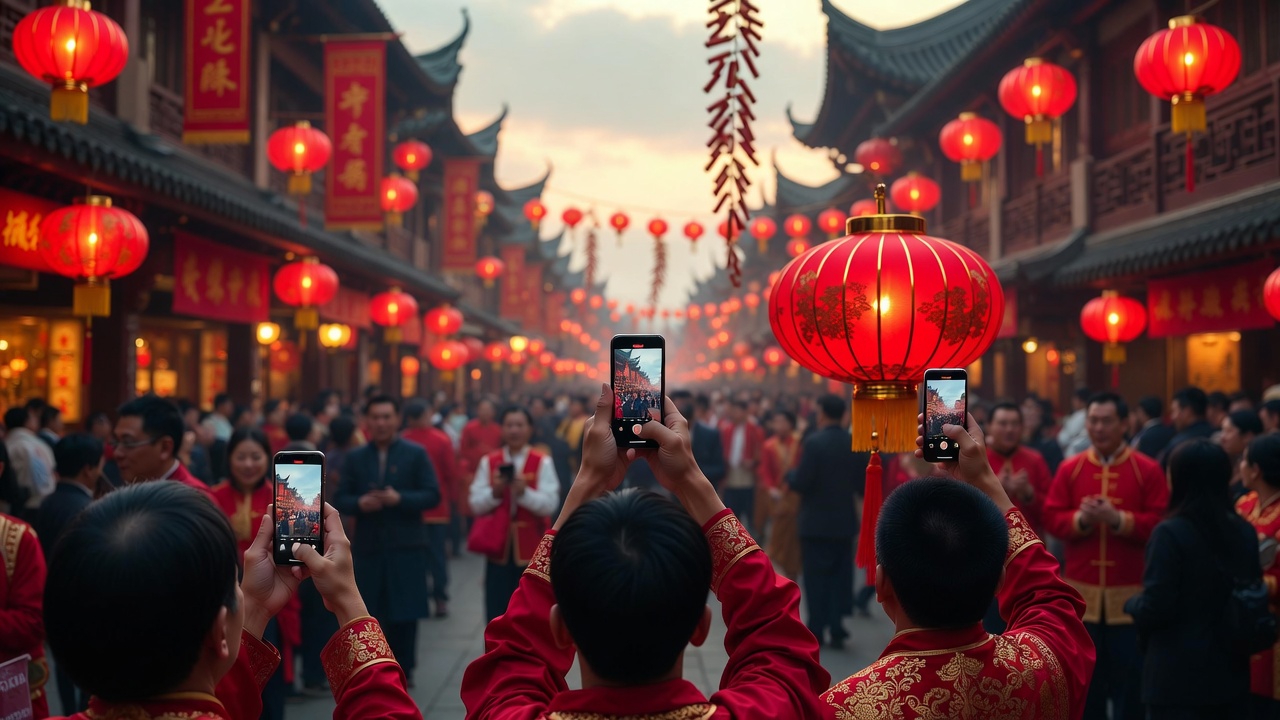
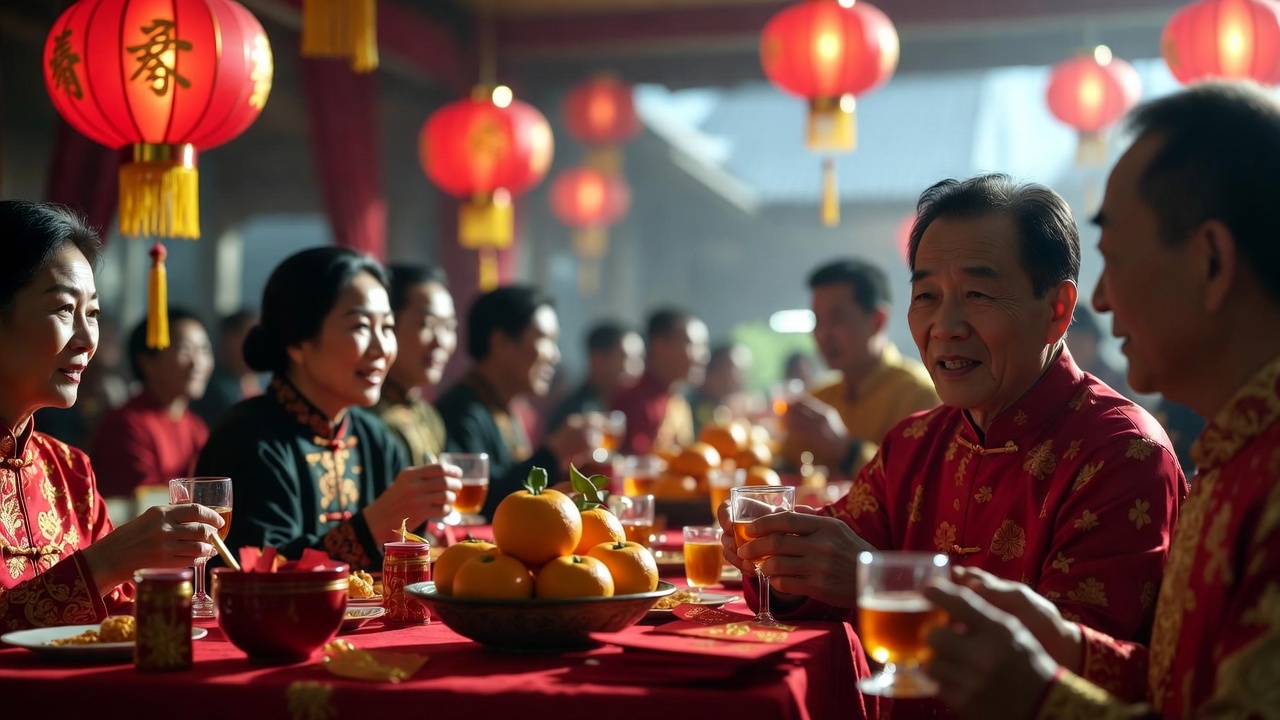
The Lantern Festival marks the final day of the Chinese New Year period. After fifteen days of Spring Festival celebrations — firecrackers, family banquets, red envelopes, and lion dances — the Lantern Festival serves as a joyful grand finale.
A History Stretching Back Over 2,000 Years
The roots of this festival reach into the Western Han Dynasty (206 BC – AD 25). One popular origin story credits Emperor Hanmingdi, an advocate of Buddhism, who noticed monks lighting lanterns in their temples on the fifteenth night of the first lunar month to honor Buddha. He ordered that every household, temple, and palace do the same. This Buddhist custom gradually grew into a massive public festival.
Another widely told legend involves the Jade Emperor, the supreme deity in Chinese folk religion. Furious after villagers killed his favorite crane, he planned to destroy their village with fire. A wise man advised the villagers to hang red lanterns and set off firecrackers to give the impression that the village was already ablaze. The trick worked. The Jade Emperor was fooled, the village survived, and the tradition of hanging lanterns on this night has continued ever since.
By the Song Dynasty (960–1279), the festival had expanded to five full days of celebration and had spread to major cities across China. Today, the Lantern Festival remains one of the most visually spectacular events on the Chinese calendar.
Core Themes
- Farewell to the old year — all New Year decorations come down after this night.
- Hope and renewal — lanterns symbolize letting go of the past and welcoming new fortune.
- Community and togetherness — riddle-solving and outdoor gatherings encourage social bonding.
What Does the Mid-Autumn Festival Celebrate? History and Cultural Significance
The Mid-Autumn Festival is all about family reunion, gratitude, and the harvest moon. Where the Lantern Festival closes one chapter, the Mid-Autumn Festival pauses life in the middle of a busy season to remind people of what matters most: being together.
Ancient Roots in Lunar Worship
The Chinese have celebrated the autumn harvest under a full moon since the Shang Dynasty (c. 1600–1046 BC). The term “mid-autumn” first appeared in the Rites of Zhou, a collection of rituals from the Western Zhou Dynasty (1046–771 BC). The celebration became a formal festival during the Tang Dynasty (618–907), and by the Ming and Qing Dynasties, it had become one of China’s most important holidays.
The Legend of Chang’e and Hou Yi
The most beloved story behind this festival is the tale of Chang’e, the Moon Goddess. According to legend, her husband Hou Yi was a skilled archer who shot down nine of the ten suns that were scorching the earth. As a reward, he received an elixir of immortality. Chang’e swallowed the elixir to keep it from a villain, and her body rose uncontrollably to the moon. Hou Yi and the villagers placed her favorite foods in their courtyards to honor her. Over time, this practice evolved into the Mid-Autumn Festival.
Core Themes
- Family reunion — the round full moon symbolizes completeness and togetherness.
- Gratitude for the harvest — giving thanks for a successful growing season.
- Longing and remembrance — gazing at the same moon that loved ones far away can also see.
Traditional Food: Tangyuan vs. Mooncakes — What’s the Difference?
Nothing separates the two festivals more clearly than what people eat. Each festival has its own signature food, and mixing them up is a cultural faux pas worth avoiding.
Tangyuan (汤圆) — The Sweet Rice Balls of the Lantern Festival
Tangyuan are soft, chewy balls made of glutinous rice flour, served in a warm sweet broth or syrup. They range in size from a marble to a ping-pong ball and come with a variety of fillings — black sesame paste, crushed peanuts, red bean paste, and, in modern versions, chocolate or custard.
The word tangyuan is a near-homophone for 团圆 (tuányuán), meaning “reunion.” So eating these round, warm dumplings on the first full moon of the year is a delicious way of wishing for family harmony.
In northern China, these rice balls are called yuanxiao (元宵) and are prepared differently. Yuanxiao is made by rolling solid fillings in dry glutinous rice flour until a ball forms — almost like making a snowball. Tangyuan, the southern style, wraps a sheet of rice dough around the filling, much like making dumplings.
Mooncakes (月饼) — The Rich Pastries of the Mid-Autumn Festival
Mooncakes are dense, round pastries with a thin, golden crust and rich fillings. The classic version contains lotus seed paste with salted egg yolk at the center — the yolk representing the full moon. Other traditional fillings include red bean paste, five-kernel (wuren), and ham (popular in Yunnan).
Today, there are four major regional styles of mooncakes across China:
- Cantonese — the most widely recognized, with soft, sweet fillings.
- Suzhou-style — flaky, layered pastry crust.
- Beijing-style — slightly drier, with a crisp exterior.
- Chaozhou-style — spiral-patterned crust, often with taro or mung bean filling.
Modern innovations have also introduced snow-skin mooncakes (no-bake, refrigerated, with fruit or ice cream fillings), matcha mooncakes, and even truffle-flavored luxury versions.
Side-by-Side Food Comparison
| Feature | Tangyuan (Lantern Festival) | Mooncakes (Mid-Autumn Festival) |
|---|---|---|
| Base ingredient | Glutinous rice flour | Wheat flour pastry crust |
| Texture | Soft, chewy, mochi-like | Dense, rich, crumbly or flaky |
| Served | Hot, in sweet soup or broth | Room temperature or chilled |
| Common fillings | Black sesame, peanut, red bean | Lotus seed paste, salted egg yolk, five-kernel |
| Shape | Small, smooth round balls | Larger, flat-round, often elaborately stamped |
| Symbolism | Family reunion, togetherness | Completeness, unity under the moon |
| Calories | Moderate (per serving) | High — a single mooncake can contain 800+ kcal |
How Do People Celebrate the Lantern Festival? Traditions and Activities
The Lantern Festival is, above all else, a visual spectacle. Here is what you can expect if you celebrate in person.
Lantern Displays and Parades
Cities across China transform into oceans of light. Parks, temples, and main streets are lined with lanterns of every shape and size — dragons, phoenixes, zodiac animals, and modern LED designs. In Chengdu’s Culture Park, the annual lantern fair features a famous Dragon Pole — a golden dragon spiraling up a 38-meter-high pole, shooting fireworks from its mouth.
Guessing Lantern Riddles (猜灯谜)
One of the most beloved Lantern Festival traditions is riddle-solving. Riddles are written on slips of paper and attached to lanterns. Passersby try to solve them for small prizes. This tradition dates back to the Song Dynasty and is still a highlight at temple fairs and community events across China.
Dragon and Lion Dances
Loud drums, clashing cymbals, and serpentine dragons weave through streets. Dragon dances can involve dozens of performers holding a single dragon aloft on poles. Lion dances feature two performers inside a costume, leaping between platforms to “bring good luck” to local shops.
Fireworks and Firecrackers
In many regions, the Lantern Festival is the last night for fireworks during the New Year season. The sky fills with color as communities say goodbye to the holiday period with a final bang.
Sky Lantern Releases — A Related but Separate Tradition
Releasing paper sky lanterns is commonly associated with lantern festivals. In Taiwan, the famous Pingxi Sky Lantern Festival attracts tens of thousands of visitors each year. In 2026, the main event takes place on March 3 in Shifen. Visitors write wishes on rice-paper lanterns and release them into the night sky — a breathtaking sight that National Geographic once named one of the world’s best winter experiences.
How Do People Celebrate the Mid-Autumn Festival? Customs and Rituals
The Mid-Autumn Festival is a more intimate, family-centered affair. While there are public events, the emotional heart of the holiday happens at home.
Moon Gazing and Moon Worship
As night falls, families gather outdoors — on balconies, in gardens, at parks — to gaze at the full moon. In many families, especially among older generations, a small altar is set up with offerings of mooncakes, fresh fruit, incense, and candles. Prayers are made for health, happiness, and reunion with distant loved ones.
In Hong Kong, popular moon-gazing spots include the harborfront parks where the city’s skyline forms a stunning backdrop against the glowing moon. In Guangzhou, it was traditionally believed that Mid-Autumn was actually Chang’e’s birthday, so grandmothers would bow to the full moon and tell the ancient story.
Sharing and Gifting Mooncakes
Mooncakes are not just food — they are social currency. In the weeks before the festival, people exchange beautifully packaged mooncake gift boxes with family, friends, colleagues, and business partners. In modern China, mooncake gift sets can range from modest boxes priced around ¥50–300 to luxury editions costing ¥800 or more with premium fillings like abalone or truffle.
Lantern Displays During Mid-Autumn
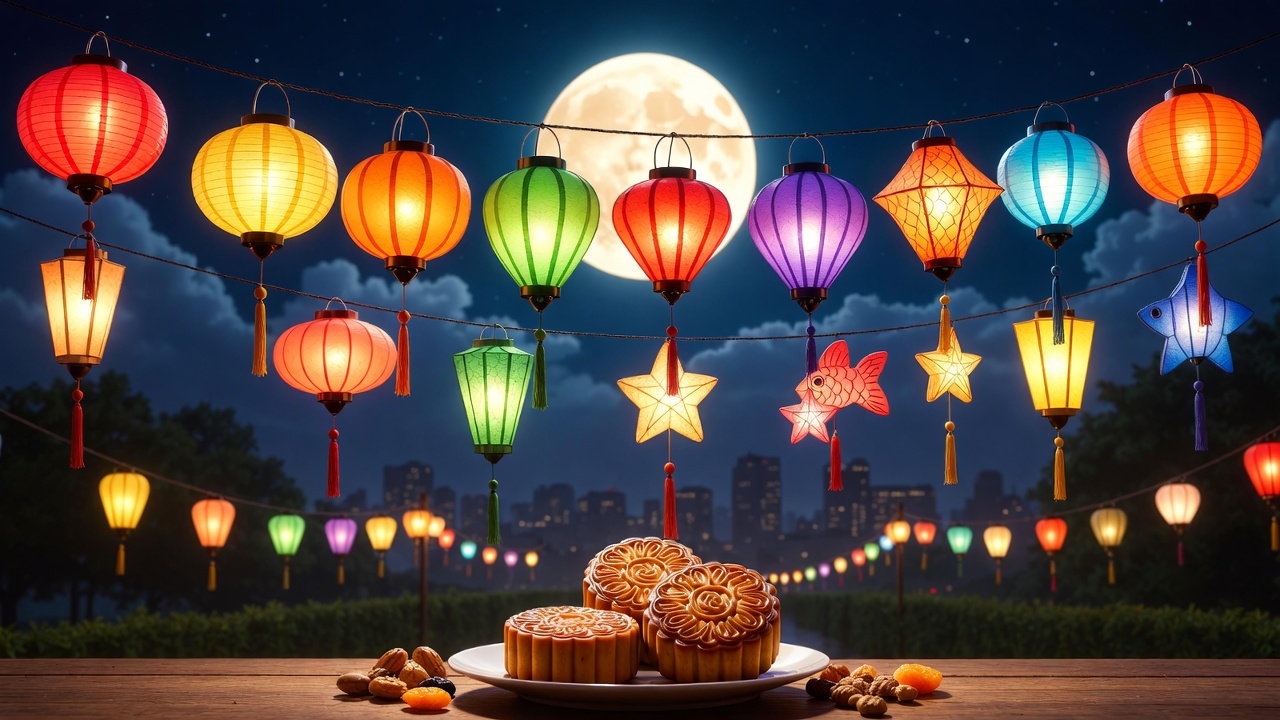
Yes — lanterns appear at both festivals. This is perhaps the biggest source of confusion. During the Mid-Autumn Festival, colorful lanterns decorate parks and streets, especially in Hong Kong, Macau, and Vietnam. Children carry lanterns shaped like rabbits, fish, and stars. In Hong Kong’s Victoria Park, an annual Lantern Carnival features spectacular themed lantern installations.
However, the style of lanterns differs. Lantern Festival lanterns tend to be large-scale public installations and parade floats. Mid-Autumn lanterns are often smaller, hand-held, and carried by children, with designs tied to the moon legend — rabbits, Chang’e, and lotus flowers.
The Tai Hang Fire Dragon Dance — A Hong Kong Exclusive
One of the most unique Mid-Autumn traditions takes place in Hong Kong’s Tai Hang neighborhood. A 67-meter-long dragon, covered in burning incense sticks and carried by some 300 performers, winds through the narrow streets. This tradition dates back over 100 years and is now recognized as part of China’s national intangible cultural heritage.
Lantern Festival vs. Mid-Autumn Festival: Key Differences at a Glance
| Category | Lantern Festival | Mid-Autumn Festival |
|---|---|---|
| Time of year | Late winter / early spring (Feb–Mar) | Early autumn (Sep–Oct) |
| 2026 date | March 3 | September 25 |
| Lunar calendar | 1st month, day 15 | 8th month, day 15 |
| Mood | Festive, public, celebratory | Intimate, family-oriented, reflective |
| Signature food | Tangyuan (sweet rice balls) | Mooncakes (dense pastries) |
| Lantern style | Large public displays, riddle lanterns | Hand-held children’s lanterns, decorative displays |
| Main activity | Lantern parades, riddle-solving, dragon dances | Moon gazing, family dinners, mooncake gifting |
| Public holiday (China) | No (but within Spring Festival period) | Yes — 3 days off |
| International reach | Taiwan, Singapore, Malaysia, diaspora communities | China, Hong Kong, Vietnam, Korea, Japan, worldwide |
| Legend | Jade Emperor and the burning village | Chang’e flying to the moon |
Do Other Countries Celebrate These Festivals Differently?
Both the Lantern Festival and the Mid-Autumn Festival have traveled far beyond mainland China. But they have evolved in unique ways across Asia.
The Mid-Autumn Festival Around the World
- Vietnam — Known as Tết Trung Thu, this is primarily a children’s festival. Kids parade through streets with star-shaped lanterns, watch lion dances, and enjoy mooncakes. In Hoi An, lanterns float on the Thu Bồn River, creating a magical scene.
- Japan — Called Tsukimi (月見, “moon viewing”), the Japanese version is quieter and more contemplative. Families display tsukimi dango (round white rice dumplings) and pampas grass, and simply enjoy the moon’s beauty.
- South Korea — Chuseok (추석) falls on the same lunar date but functions more like a Korean Thanksgiving. Families visit ancestral graves, prepare songpyeon (half-moon rice cakes), and share elaborate feasts.
- Hong Kong & Macau — The day after the festival is the official public holiday, since most celebrations happen at night.
The Lantern Festival Around the World
- Taiwan — The island hosts some of the world’s most spectacular lantern events. The Taiwan Lantern Festival (a government-organized tourism event) moves to a different city each year. In 2026, Chiayi hosts the national event from March 3–15, featuring enormous, high-tech zodiac lanterns — this year, the Horse. Meanwhile, the traditional Pingxi Sky Lantern Festival offers a more spiritual, community-driven experience.
- Malaysia & Singapore — Chinese communities celebrate with lantern displays, tangyuan, and chap goh mei (the Hokkien name for the 15th night). In a charming tradition, unmarried women toss mandarin oranges into the sea, hoping to find a good partner.
- South Korea — The Lotus Lantern Festival in Seoul celebrates Buddha’s birthday in spring with grand parades, though it is a separate event on a different date.
Which Festival Should You Visit? A Traveler’s Guide for 2026
Both festivals offer unforgettable experiences for visitors. Your choice depends on what kind of trip excites you.
Choose the Lantern Festival (March 3, 2026) If You Want:
- Visual spectacle — giant lantern installations, fireworks, sky lantern releases.
- Active participation — solve riddles, watch dragon dances, join street fairs.
- A winter getaway — pair it with Chinese New Year travel.
- Top destinations: Pingxi (Taiwan), Chengdu (Sichuan), Nanjing, or Quanzhou.
Choose the Mid-Autumn Festival (September 25, 2026) If You Want:
- Cultural depth — moon worship, family rituals, gift-giving etiquette.
- Culinary exploration — taste regional mooncakes, attend mooncake-making workshops.
- Pleasant weather — early autumn offers mild temperatures across most of China.
- Top destinations: Hong Kong (Tai Hang Fire Dragon Dance), Shanghai (Yuyuan Bazaar lantern show), Beijing (Jingshan Park moon gazing), Hoi An (Vietnam).
Travel Tip: In 2026, the Mid-Autumn Festival holiday (Sep 25–27) falls just days before China’s National Day Golden Week (Oct 1–7). If both holidays merge into an extended break, expect massive domestic travel demand. Book flights and hotels well in advance.
Frequently Asked Questions About the Lantern Festival and Mid-Autumn Festival
Q: Do both festivals involve lanterns? Yes. Lanterns play a role in both celebrations. But the Lantern Festival revolves entirely around lanterns — massive displays, riddle lanterns, sky lanterns, and parades. During the Mid-Autumn Festival, lanterns are more of a decorative element, often hand-held by children.
Q: Can you eat mooncakes during the Lantern Festival? Traditionally, no. Mooncakes belong to the Mid-Autumn Festival. Tangyuan (sweet glutinous rice balls) is the Lantern Festival food. While you can buy mooncakes year-round in some shops today, serving them at the Lantern Festival would be considered culturally unusual.
Q: Are these festivals public holidays in China? The Mid-Autumn Festival is an official public holiday — workers get three days off in 2026 (September 25–27). The Lantern Festival is not a separate public holiday, though it falls within the broader Spring Festival period when many people are still on vacation.
Q: Which festival is more popular internationally? The Mid-Autumn Festival has a broader international footprint. It is celebrated under different names in Vietnam, Japan, South Korea, Malaysia, Singapore, and by Chinese diaspora communities worldwide. The Lantern Festival is primarily celebrated in China, Taiwan, and Southeast Asian Chinese communities.
Q: Is the Lantern Festival the same as the Yi Peng Lantern Festival in Thailand? No. The Yi Peng Festival in Chiang Mai (November 24–25, 2026) is a separate Thai Buddhist celebration tied to the Lanna calendar. While both involve lantern releases, they belong to entirely different cultural traditions.
Final Thoughts: Two Full Moons, Two Beautiful Traditions
The Lantern Festival and the Mid-Autumn Festival are like bookends of the Chinese emotional calendar. The Lantern Festival sends you off into the new year with optimism, color, and collective joy. The Mid-Autumn Festival pulls you back home — to family, to gratitude, to quiet moments under a brilliant autumn moon.
They share the poetry of a full moon, the warmth of round foods, and the glow of lanterns. But they are distinct celebrations with their own histories, foods, customs, and moods. Understanding the difference is not just about getting the facts right. It is about respecting two of the world’s oldest living traditions and the millions of people who keep them alive each year.
Whether you find yourself solving lantern riddles on a chilly March night or sharing mooncakes under a golden September moon, you are participating in something ancient, meaningful, and deeply human. And that is worth celebrating — twice a year.