A comprehensive guide for expatriate families navigating heritage language preservation, cultural identity, and raising bilingual children in a foreign country.
Moving to a new country is one of life’s most transformative experiences. The excitement of new cultures, cuisines, and customs can be exhilarating. But for families with children, a pressing concern often emerges: How do we ensure our native language survives in the next generation?
This question haunts millions of expatriate parents worldwide. According to research from the Migration Policy Institute, approximately 281 million people live outside their country of origin. Many of these individuals are raising families in environments where their mother tongue is not spoken.
The stakes are high. Language is more than vocabulary and grammar. It is the vessel carrying ancestral wisdom, cultural identity, family bonds, and generational memory. When a heritage language fades, something irreplaceable is lost.
This guide offers practical strategies, expert insights, and proven methods to keep your mother language alive for your children and grandchildren—no matter where in the world you call home.
Why Is It Important to Teach Your Child Your Native Language While Living Abroad?
Heritage language maintenance is not merely about communication. It touches every aspect of a child’s development, identity formation, and future opportunities.
Cognitive Benefits of Bilingualism in Children
Research consistently demonstrates that bilingual children enjoy significant cognitive advantages. Studies published by the American Psychological Association show that bilingual individuals exhibit:
| Cognitive Benefit | Description |
|---|---|
| Enhanced Executive Function | Better ability to switch between tasks and filter distractions |
| Improved Problem-Solving | More flexible thinking and creative approaches |
| Delayed Cognitive Decline | Bilingualism may delay dementia symptoms by 4-5 years |
| Superior Memory | Enhanced working memory and recall abilities |
| Heightened Metalinguistic Awareness | Better understanding of language structure |
These benefits extend throughout life. The brain of a bilingual child develops differently, creating neural pathways that support lifelong learning.
Emotional and Cultural Identity Benefits
Beyond cognition, heritage language connects children to their roots. Children who speak their parents’ native language often report:
- Stronger bonds with extended family members
- Greater sense of cultural belonging
- Higher self-esteem related to cultural identity
- Deeper understanding of family traditions
- Better ability to navigate multiple cultural contexts
Dr. Lily Wong Fillmore, a linguist at the University of California, Berkeley, notes that language loss can create rifts between generations. When children cannot communicate with grandparents, they lose access to family stories, wisdom, and connection.
Economic and Professional Advantages
In our globalized economy, multilingual individuals have distinct advantages. The European Commission reports that multilingual employees often earn higher salaries and have access to broader job markets.
Key professional benefits include:
- Access to international career opportunities
- Ability to work across borders
- Enhanced cultural competence valued by employers
- Competitive edge in fields like diplomacy, translation, and international business
What Are the Best Ways to Teach Children Their Heritage Language at Home?
The home environment is the foundation of heritage language acquisition. Without intentional effort, the dominant community language will naturally overtake your native tongue.
The One Parent, One Language (OPOL) Method
OPOL is one of the most researched and recommended strategies for raising bilingual children. The concept is simple: each parent consistently speaks only one language to the child.
How OPOL works:
| Parent | Language Spoken | Context |
|---|---|---|
| Mother | Native heritage language (e.g., Japanese) | All interactions with child |
| Father | Community language (e.g., English) | All interactions with child |
This method provides clear linguistic boundaries and ensures meaningful exposure to both languages. However, it requires commitment. Studies from the Bilingualism Matters research center show that OPOL success depends on:
- Consistent application over time
- Sufficient quality input in each language
- Positive associations with both languages
- Support from both parents
The Minority Language at Home (mL@H) Strategy
For families where both parents share the same heritage language, the mL@H approach often works better. In this method, the heritage language is spoken exclusively at home, while the community language is learned outside.
Advantages of mL@H:
- Creates a protected space for the minority language
- Increases total exposure hours
- Reinforces family unity through shared language
- Simplifies language rules for young children
The challenge? Children may resist speaking the minority language as they grow older and the community language becomes dominant in their social lives.
Creating Daily Language Rituals
Consistency is the key to success. Establishing daily rituals in your native language creates predictable, meaningful opportunities for language use.
Effective daily rituals include:
- Morning routines conducted entirely in heritage language
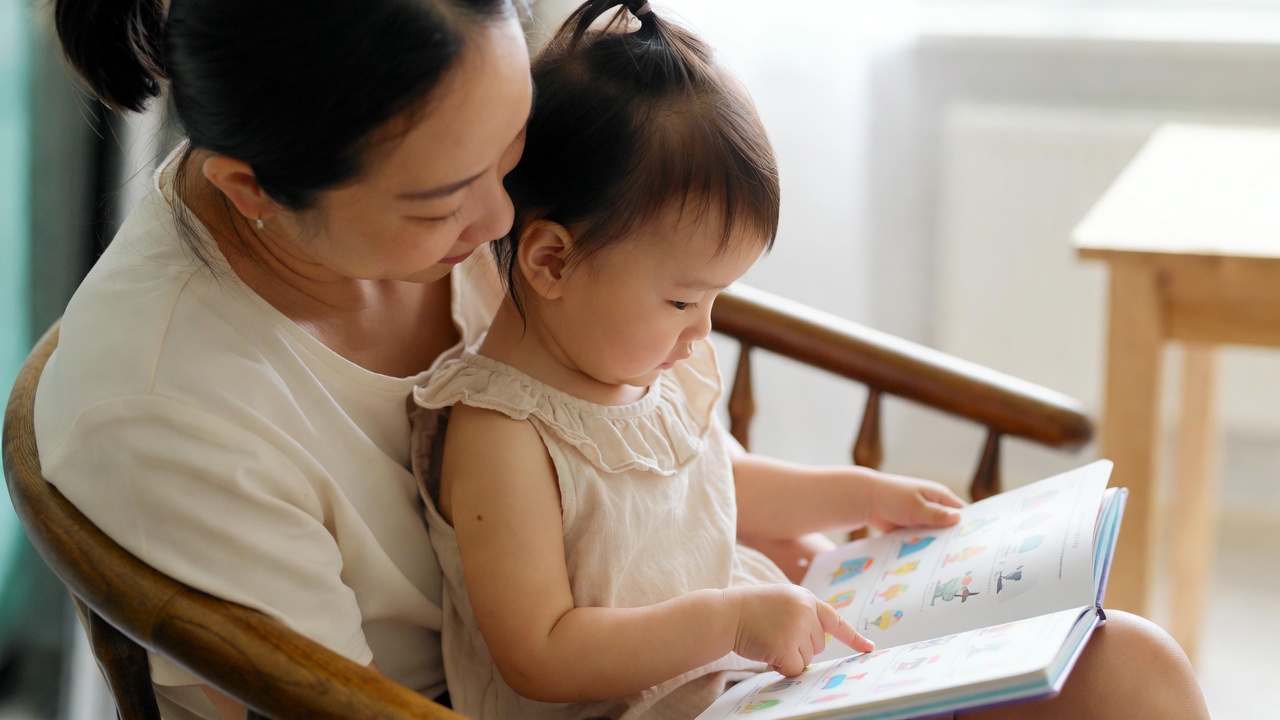
- Bedtime stories read in the native tongue
- Mealtime conversations with specific vocabulary themes
- Weekend “language days” dedicated to heritage language only
- Prayer or meditation in the family’s traditional language
These rituals become anchor points that children associate with comfort, family, and belonging.
How Can Parents Create a Language-Rich Environment for Bilingual Children?
Language acquisition requires immersion. Even in a foreign country, you can create pockets of linguistic richness that nurture your heritage language.
Surrounding Children with Heritage Language Media
Modern technology offers unprecedented access to heritage language content. Strategic use of media can dramatically increase exposure.
Recommended media sources:
| Media Type | Examples | Benefits |
|---|---|---|
| Television | Children’s shows, cartoons, documentaries | Visual context supports comprehension |
| Music | Nursery rhymes, pop music, folk songs | Rhythmic patterns aid memorization |
| Podcasts | Children’s stories, educational content | Develops listening skills |
| Audiobooks | Classic literature, modern fiction | Builds vocabulary and narrative understanding |
| YouTube Channels | Educational creators, native speakers | Authentic language models |
The Common Sense Media organization recommends limiting screen time while maximizing quality. Choose content that is:
- Age-appropriate
- Culturally relevant
- Engaging and enjoyable
- Produced by native speakers
Building a Heritage Language Library
Physical books in your native language are invaluable. They provide tactile learning experiences and visual reminders of linguistic heritage.
Tips for building your library:
- Request books as gifts from family abroad
- Purchase from international bookstores like Amazon’s foreign language sections
- Visit local ethnic bookshops
- Download e-books from international publishers
- Create handmade books featuring family stories
Aim for a diverse collection including picture books, chapter books, reference materials, and culturally significant texts.
Decorating with Language
Visual cues reinforce language learning. Consider incorporating your heritage language into your home décor.
Ideas for visual language reinforcement:
- Labels on household items in heritage language
- Posters with vocabulary words and images
- Cultural artwork with text
- Family photos with captions
- Maps of your home country with labeled cities
- Calendar displaying cultural holidays and traditions
These visual elements normalize the heritage language as part of daily life.
What Are the Benefits of Raising Bilingual Children in an Expat Family?
Understanding the full spectrum of benefits can motivate parents through challenging moments of heritage language maintenance.
Strengthened Family Bonds Across Generations
Grandparents, aunts, uncles, and cousins often remain in the home country. When children speak the heritage language, they can:
- Have meaningful conversations with elderly relatives
- Hear family stories directly from the source
- Participate in family gatherings without translation
- Build independent relationships with extended family
- Absorb cultural knowledge through direct interaction
This intergenerational connection is irreplaceable. Research from the Journal of Marriage and Family shows that children with strong extended family bonds demonstrate better emotional regulation and social skills.
Enhanced Cultural Competence and Adaptability
Bilingual children develop what researchers call “cultural intelligence” (CQ). They learn to:
| Skill | Description |
|---|---|
| Code-Switching | Adjusting language and behavior based on context |
| Perspective-Taking | Understanding different cultural viewpoints |
| Ambiguity Tolerance | Comfort with unclear or unfamiliar situations |
| Intercultural Communication | Bridging cultural differences effectively |
These skills are increasingly valuable in our interconnected world.
Preservation of Intangible Cultural Heritage
According to UNESCO, language is a critical component of intangible cultural heritage. When you maintain your heritage language, you preserve:
- Oral traditions and expressions
- Social practices and rituals
- Knowledge about nature and the universe
- Traditional craftsmanship vocabulary
- Performing arts terminology
You become a living link in the chain of cultural transmission.
How to Find Heritage Language Classes and Community Groups Abroad
You don’t have to do this alone. Community support dramatically increases the likelihood of successful heritage language maintenance.
Locating Heritage Language Schools Near You
Many diaspora communities establish weekend language schools or supplementary education programs. These institutions provide structured learning environments with qualified teachers.
How to find heritage language schools:
- Contact your home country’s embassy or consulate
- Search community Facebook groups and social media
- Visit local cultural centers and community organizations
- Ask at places of worship serving your community
- Connect with other expatriate families through expat forums
Organizations like the National Heritage Language Resource Center maintain databases of heritage language programs worldwide.
Joining Cultural Community Groups
Beyond formal schooling, cultural associations offer valuable language exposure and social support.
Types of community groups to seek:
| Group Type | Language Benefits |
|---|---|
| Cultural Associations | Events, celebrations, networking |
| Parent Groups | Playdates, shared resources, mutual support |
| Religious Communities | Services and gatherings in heritage language |
| Sports Clubs | Social interaction with heritage language speakers |
| Professional Networks | Adult role models who value heritage language |
These communities provide authentic contexts for language use beyond the family home.
Creating Your Own Heritage Language Playgroup
If organized groups don’t exist in your area, consider starting your own. Even a small group of families can make a significant impact.
Steps to launch a playgroup:
- Identify other families through social media or local networks
- Choose a regular meeting time and location
- Plan activities that encourage heritage language use
- Rotate hosting responsibilities among families
- Create a shared resources library
- Celebrate cultural holidays together
The social dimension is crucial. When children see peers speaking their heritage language, they perceive it as relevant and valuable.
What Role Does Cultural Immersion Play in Language Retention?
Language and culture are inseparable. Immersive cultural experiences reinforce language skills while building emotional connections to heritage.
Planning Heritage Country Visits with Children
Regular visits to your home country provide unparalleled language immersion. Even brief trips can reignite children’s motivation and skills.
Maximizing language learning during visits:
| Strategy | Implementation |
|---|---|
| Extended Stays | When possible, stay 3-4 weeks or longer |
| Local Experiences | Avoid tourist areas; engage with daily life |
| Family Immersion | Stay with relatives rather than hotels |
| Age-Appropriate Activities | Enroll children in local camps or classes |
| Social Connections | Arrange playdates with local children |
The International Journal of Bilingual Education and Bilingualism reports that heritage country visits are among the most effective interventions for language maintenance.
Celebrating Traditional Festivals and Holidays Abroad
As a world folklore expert, I can attest that festivals are powerful vehicles for cultural and linguistic transmission. Celebrating traditional holidays:
- Creates positive emotional associations with heritage culture
- Provides context for specialized vocabulary
- Connects children to ancestral traditions
- Offers opportunities for heritage language storytelling
- Builds anticipation and engagement throughout the year
Essential elements of festival celebrations:
- Traditional foods with heritage language naming
- Music and songs in the native language
- Stories about the festival’s origins
- Traditional clothing and decorations
- Rituals conducted in heritage language
- Inviting community members to share celebrations
Whether it’s Diwali, Lunar New Year, Nowruz, Día de los Muertos, or countless other celebrations, these occasions become annual touchstones for heritage language use.
Incorporating Cultural Practices into Daily Life
You don’t need to wait for special occasions. Everyday cultural practices reinforce language naturally.
Daily cultural integration ideas:
- Cooking traditional recipes while naming ingredients
- Practicing traditional crafts with heritage language instruction
- Playing traditional games with rules explained in native tongue
- Following traditional etiquette and explaining its significance
- Listening to heritage music during daily activities
- Sharing folk tales and legends at bedtime
These practices make heritage culture a living part of daily existence rather than an abstract concept.
How to Use Technology and Apps to Teach Kids Their Mother Tongue
Digital tools can supplement (but not replace) human interaction in heritage language learning.
Best Language Learning Apps for Heritage Language Speakers
Several applications cater specifically to heritage language learners who need different approaches than foreign language students.
Top recommended apps:
| App | Best For | Key Features |
|---|---|---|
| Duolingo | Basic vocabulary and grammar | Gamified learning, many languages |
| Gus on the Go | Young children (ages 2-6) | Interactive games, native speakers |
| LingoPie | Older children and teens | TV shows with subtitles |
| italki Kids | Conversational practice | Native-speaking tutors online |
| Drops | Visual vocabulary building | Short daily sessions |
The American Council on the Teaching of Foreign Languages emphasizes that apps work best when integrated with real conversation.
Using Video Calling to Connect with Family Abroad
Technology bridges geographic distance. Regular video calls with heritage language speakers provide authentic interaction.
Tips for effective video calls:
- Schedule regular, predictable call times
- Prepare discussion topics in advance
- Have children share recent activities in heritage language
- Ask relatives to read stories or sing songs
- Play simple games that require heritage language use
- Record calls (with permission) for later review
Platforms like Zoom, WhatsApp, FaceTime, and Skype make these connections accessible and often free.
Creating Digital Heritage Language Content Together
Involve children in content creation to increase engagement and ownership.
Creative digital projects:
- Recording heritage language podcasts
- Creating YouTube videos about cultural topics
- Writing blogs in heritage language
- Developing digital photo albums with heritage language captions
- Recording interviews with elderly relatives
- Building family history websites
These projects provide purposeful communication while creating valuable family archives.
What Are Common Challenges When Raising Multilingual Children Abroad?
Awareness of potential obstacles allows parents to prepare and respond effectively.
Children Refusing to Speak the Heritage Language
This is perhaps the most common challenge. As children enter school and expand social circles, they often resist the minority language.
Reasons for refusal include:
| Factor | Explanation |
|---|---|
| Peer Pressure | Desire to fit in with dominant language speakers |
| Efficiency | Community language becomes easier and faster |
| Identity Confusion | Uncertainty about cultural belonging |
| Limited Vocabulary | Frustration with heritage language limitations |
| Negative Associations | Heritage language feels like obligation, not pleasure |
Strategies to address refusal:
- Never shame or punish children for language choices
- Make heritage language fun and rewarding
- Connect with peers who speak the heritage language
- Travel to the home country
- Find compelling media content
- Address underlying identity concerns
According to Raising Bilingual Children, patience and positivity are essential during resistant phases.
Managing Different Proficiency Levels Among Siblings
Younger siblings often have less heritage language exposure as family patterns evolve.
Common sibling patterns:
- Oldest child has strongest heritage language skills
- Middle children may be caught between languages
- Youngest children often have weakest heritage language
- Siblings default to community language with each other
Solutions include:
- Establishing sibling heritage language time
- Older children reading to younger ones in heritage language
- Family activities requiring heritage language cooperation
- Individual heritage language tutoring as needed
- Different expectations based on each child’s exposure
Dealing with Limited Resources for Less Common Languages
Speakers of widely-spoken languages like Spanish, Mandarin, or Arabic have abundant resources. But what about Tagalog, Yoruba, Czech, or Amharic speakers?
Strategies for less common languages:
- Create your own materials
- Connect with diaspora communities online
- Commission translations of popular children’s books
- Use heritage country websites and media
- Hire online tutors from the home country
- Partner with universities studying your language
- Contribute to open-source language learning projects
The Endangered Languages Project supports communities working to preserve linguistic heritage.
How to Celebrate Cultural Festivals to Reinforce Heritage Language
Festivals are concentrated opportunities for heritage language immersion and cultural transmission.
Creating Festival Language Learning Units
Treat each major festival as a themed language learning opportunity.
Example: Lunar New Year Language Unit
| Week | Focus | Activities |
|---|---|---|
| Week 1 | Zodiac Animals | Learn animal names, zodiac characteristics |
| Week 2 | Festival Foods | Cooking vocabulary, recipe following |
| Week 3 | Customs & Traditions | Greeting phrases, lucky sayings |
| Week 4 | Stories & Legends | Origin myths, folk tales |
| Week 5 | Celebration | Full festival participation |
This structured approach maximizes linguistic and cultural learning.
Involving Children in Festival Preparations
Active participation creates deeper engagement than passive observation.
Age-appropriate festival tasks:
- Toddlers (1-3): Decorating, simple food prep, music and dancing
- Young children (4-7): Craft projects, helping cook, learning songs
- Older children (8-12): Recipe research, decoration design, storytelling
- Teenagers: Planning events, teaching younger children, documenting traditions
Each task provides authentic heritage language use in meaningful contexts.
Documenting Family Festival Traditions
Create family archives that preserve your unique celebrations for future generations.
Documentation ideas:
- Annual festival photo albums with heritage language captions
- Video recordings of family celebrations
- Recipe books with handwritten notes
- Children’s artwork and craft projects
- Audio recordings of elders sharing memories
- Written family festival histories
These materials become treasured heirlooms and language learning resources.
Expert Tips for Maintaining Your Native Language Across Generations
Drawing from research and real-world experience, here are advanced strategies for long-term heritage language maintenance.
Establishing Heritage Language Family Policies
Explicit family language policies provide structure and clarity.
Elements of an effective policy:
| Component | Description |
|---|---|
| Language Rules | When and where each language is used |
| Exceptions | Situations where rules may be relaxed |
| Enforcement | How rules are maintained without punishment |
| Review Process | Regular evaluation and adjustment |
| Family Commitment | All members understand and support goals |
Research from De Gruyter’s Journal of Multilingual Families shows that families with clear, consistently applied policies achieve better heritage language outcomes.
Cultivating Intrinsic Motivation in Children
External pressure rarely works long-term. Children must develop their own reasons for valuing heritage language.
Building intrinsic motivation:
- Connect heritage language to children’s interests (sports, music, gaming)
- Provide meaningful communication opportunities (pen pals, online friends)
- Share family stories and history that depend on heritage language
- Expose children to heritage language role models (celebrities, professionals)
- Frame bilingualism as a superpower, not a burden
- Allow children agency in how they use heritage language
The goal is for children to want to speak the heritage language, not merely comply with parental expectations.
Planning for Long-Term Language Maintenance
Heritage language maintenance is a marathon, not a sprint. Different life stages require different approaches.
Life stage considerations:
| Stage | Challenges | Strategies |
|---|---|---|
| Early Childhood (0-5) | Building foundation | Maximum exposure, routine, positive associations |
| Primary School (6-11) | Community language dominance | Heritage language school, cultural activities, visits |
| Adolescence (12-17) | Identity exploration, peer influence | Relevant content, heritage language peers, travel |
| Young Adulthood (18-25) | Independent choices | Supporting continued connection, heritage country opportunities |
| Parenthood | Passing language to next generation | Grandparent involvement, family traditions |
Planning ahead allows families to anticipate challenges and prepare responses.
Practical Resources for Heritage Language Families
Here is a collection of resources to support your heritage language journey.
Recommended Books for Parents
- Raising Bilingual Children by Barbara Zurer Pearson
- The Bilingual Family: A Handbook for Parents by Edith Harding-Esch
- Growing Up Bilingual by Ana Celia Zentella
- Bilingual: Life and Reality by François Grosjean
- 7 Steps to Raising a Bilingual Child by Naomi Steiner
Helpful Websites and Organizations
| Resource | Focus | Website |
|---|---|---|
| Bilingualism Matters | Research-based guidance | bilingualism-matters.org |
| Multilingual Living | Community support | multilingualliving.com |
| NHLRC | Heritage language education | nhlrc.ucla.edu |
| Omniglot | Language resources | omniglot.com |
| Ethnologue | Language data | ethnologue.com |
Professional Support Options
For families facing significant challenges, professional support may help:
- Speech-language pathologists specializing in bilingualism
- Educational psychologists familiar with multilingual development
- Heritage language tutors and teachers
- Family counselors experienced with cultural identity issues
- Bilingualism researchers offering consultations
Seeking help is a sign of commitment, not failure.
Conclusion: Your Heritage Language is a Gift to Future Generations
Maintaining your mother language while living abroad is challenging but profoundly worthwhile. Every conversation, bedtime story, and cultural celebration plants seeds that will grow across generations.
Remember these essential truths:
- Language is identity. Your heritage language connects children to who they are and where they come from.
- Consistency matters more than perfection. Regular, meaningful exposure trumps occasional intensive efforts.
- Community amplifies success. Connecting with other heritage language families multiplies your resources and motivation.
- Children need intrinsic motivation. Make heritage language a source of joy, connection, and pride—not obligation.
- The effort is worth it. Bilingual children enjoy cognitive, emotional, cultural, and economic benefits throughout life.
You are not just teaching vocabulary and grammar. You are transmitting culture, preserving history, and building bridges between generations and across continents.
The road is long, but you don’t walk it alone. Millions of families worldwide share your journey. Your heritage language is a treasure. Guard it fiercely. Share it generously. Pass it forward with love.
Do you have experience raising bilingual children abroad? Share your strategies and challenges in the comments below. And if this article helped you, please share it with other expatriate families who might benefit.