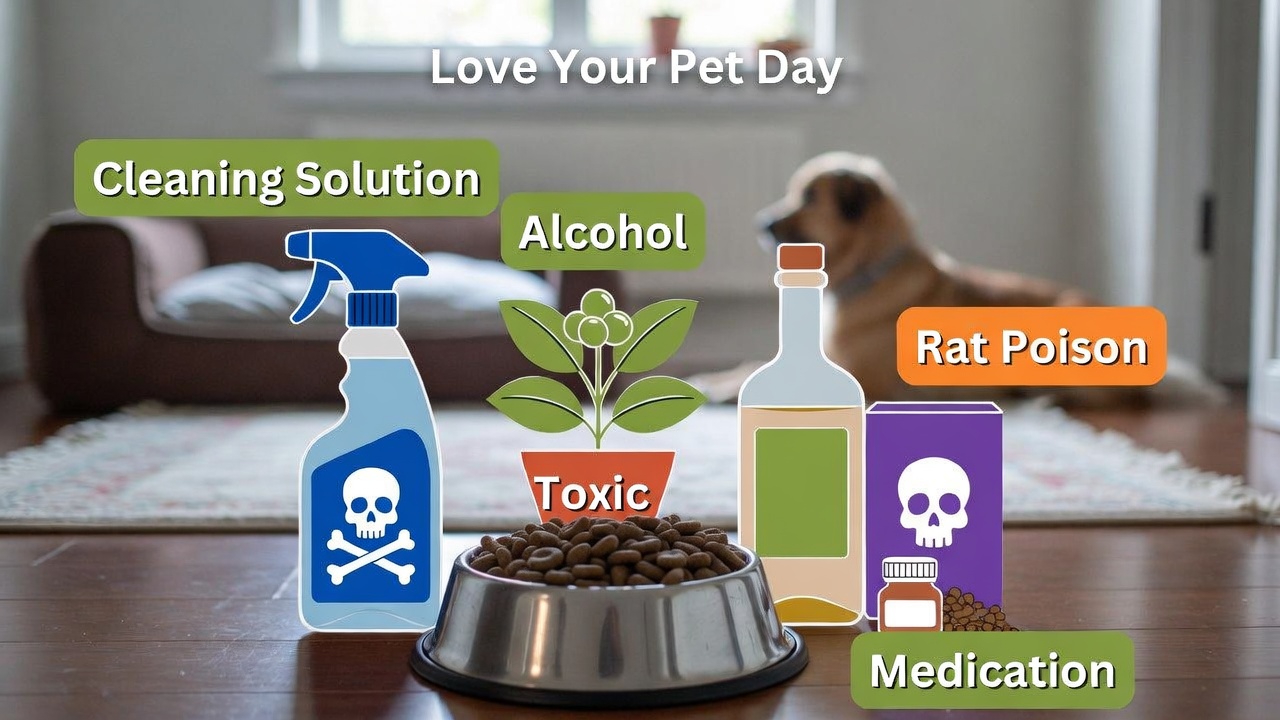
Celebrating our furry, feathered, and scaly companions means protecting them from hidden dangers in our homes
Every year on February 20th, pet lovers across the globe pause to honor a celebration that speaks to the very essence of our humanity: National Love Your Pet Day. This special occasion reminds us that the bond between humans and animals transcends cultural boundaries, weaving its way through the tapestry of traditions from ancient Egypt to modern-day America.
As a world folklore expert who has documented customs and celebrations across continents, I have witnessed countless expressions of love for animal companions. From the elaborate pet memorials of Victorian England to the sacred status of animals in Hindu traditions, the thread that connects these practices is universal: genuine love manifests through protection.
This Love Your Pet Day 2026, we explore a topic that every pet parent must understand—the common household toxins lurking in our homes that pose serious threats to our beloved companions. According to the ASPCA Animal Poison Control Center, veterinary professionals responded to more than 451,000 calls related to toxic substance exposures in animals in 2024 alone—representing a nearly 4% increase from the previous year.
What Is Love Your Pet Day and Why Pet Safety Should Be Your Priority
National Love Your Pet Day, observed annually on February 20th, encourages pet owners to shower their animal companions with extra affection and attention. Whether you share your home with a playful puppy, a curious cat, a chirping bird, or a slithering snake, this day celebrates the unique bond between humans and their pets.
According to National Today, approximately 57% of American households owned at least one pet as of recent surveys. This means millions of homes contain potential dangers that pet owners may not even realize exist.
True love for our pets extends beyond treats and toys—it means creating a safe environment where they can thrive. As Dr. Tina Wismer, Senior Director of Toxicology at the ASPCA Animal Poison Control Center, notes: “Every year, we notice an increase in the number of calls from concerned pet owners regarding potential toxin exposure. This trend shows a growing awareness of the potential risks faced by our beloved pets.”
Top 10 Most Dangerous Household Pet Toxins According to ASPCA Data
Understanding which substances pose the greatest threats allows pet owners to take proactive measures. The ASPCA’s 2024 toxin report reveals the following breakdown:
| Rank | Toxin Category | Percentage of Cases |
|---|---|---|
| 1 | Over-the-counter medications | 16.5% |
| 2 | Human food and drinks | 16.1% |
| 3 | Chocolate | 13.6% |
| 4 | Human prescription medications | 9.4% |
| 5 | Veterinary products | 8.6% |
| 6 | Plants and fungi | 8.1% |
| 7 | Rodenticides | 7.0% |
| 8 | Household products | 6.5% |
| 9 | Insecticides | 3.7% |
| 10 | Recreational drugs | 2.1% |
This data underscores a critical truth: the most dangerous toxins for pets are everyday items found in nearly every household.
Why Human Medications Are Extremely Dangerous for Dogs and Cats
Over-the-counter medications remain the number one cause of pet poisoning calls, accounting for 16.5% of all exposures reported to the ASPCA in 2024.
Medications That Can Kill Your Pet
Ibuprofen and Naproxen: These common pain relievers cause severe gastrointestinal ulcers and kidney failure in dogs and cats.
Acetaminophen (Tylenol): Especially deadly for cats, even small amounts can cause liver failure and damage to red blood cells.
Vitamins and Supplements: Iron supplements, vitamin D, and various dietary supplements have seen increased exposure rates.
How Medication Poisoning Happens
Pets encounter medications through various scenarios:
- Dropped pills on the floor
- Bottles left within reach on countertops
- Pills stored in backpacks or purses that pets can access
- Well-meaning owners giving human medications to treat pet ailments
Prevention Tips:
- Store all medications in closed cabinets
- Pick up dropped pills immediately
- Never give human medications to pets without veterinary approval
- Keep purses and bags containing medications out of reach
Dangerous Human Foods That Can Make Your Pet Sick or Cause Death
Human food and drinks account for 16.1% of all pet poisoning cases. While sharing food with pets may feel like an expression of love, many common foods pose serious health risks.
Xylitol Poisoning in Dogs: The Hidden Sugar Substitute Danger
Xylitol is an artificial sweetener found in sugar-free products that is extremely toxic to dogs. According to the FDA, xylitol poisoning can be fatal.
Products containing xylitol:
- Sugar-free gum and mints
- Sugar-free candy
- Some peanut butter brands
- Baked goods
- Toothpaste
- Medications and supplements
- Protein bars and drinks
Why Xylitol Is So Dangerous: According to the Merck Veterinary Manual, dogs metabolize xylitol differently than humans. When ingested, it causes a rapid release of insulin, leading to dangerous drops in blood sugar (hypoglycemia) within 30 minutes to 2 hours.
| Xylitol Dose | Potential Effects |
|---|---|
| >100 mg/kg | Hypoglycemia |
| >500 mg/kg | Acute liver failure |
Symptoms of Xylitol Poisoning:
- Vomiting
- Weakness and lethargy
- Difficulty standing or walking
- Tremors and seizures
- Collapse
Note: Cats are not at risk for xylitol-induced hypoglycemia, but it should still be kept away from all pets.
Grape and Raisin Toxicity in Dogs: A Potentially Fatal Snack
Grapes and raisins can cause acute kidney failure in dogs, often with devastating consequences. According to Cornell University College of Veterinary Medicine, recent research has identified tartaric acid as the most likely toxic compound.
Critical Facts:
- There is no safe amount—even a few grapes can be dangerous
- Raisins are more concentrated and therefore more dangerous than grapes
- All types (red, green, seeded, seedless) are toxic
- Grape juice, jelly, and wine do not appear to cause toxicity
Foods that may contain grapes or raisins:
- Trail mix
- Granola bars
- Baked goods (cookies, muffins, bread)
- Cereal
- Chocolate-covered raisins
Symptoms typically appear within 6-24 hours:
- Vomiting and diarrhea
- Lethargy and weakness
- Loss of appetite
- Abdominal pain
- Decreased or absent urination (a sign of kidney failure)
According to research, approximately 50% of dogs that ingest grapes or raisins may develop kidney failure.
Onion and Garlic Toxicity: Foods That Destroy Red Blood Cells
All members of the Allium family—including onions, garlic, chives, leeks, and shallots—are toxic to both dogs and cats. According to the Merck Veterinary Manual, garlic is 3-5 times more toxic than onion.
How Allium Toxicity Works: These plants contain compounds that cause oxidative damage to red blood cells, leading to Heinz body formation and hemolytic anemia.
| Species | Toxic Dose (Raw Onion) |
|---|---|
| Dogs | >15-30 g/kg body weight |
| Cats | More sensitive than dogs |
Symptoms (may take several days to appear):
- Weakness and lethargy
- Pale gums
- Rapid breathing
- Elevated heart rate
- Vomiting and diarrhea
- Dark-colored urine
Important: Cooking does not reduce toxicity. Powdered forms (garlic powder, onion powder) are more concentrated and therefore more dangerous.
Why Chocolate Is Poisonous to Dogs: Understanding Theobromine Toxicity
Chocolate poisoning accounts for 13.6% of all pet toxin exposures and remains one of the most common reasons for emergency veterinary visits.
The Science Behind Chocolate Toxicity
Chocolate contains theobromine and caffeine, both methylxanthines that dogs metabolize much more slowly than humans. According to the Merck Veterinary Manual, the half-life of theobromine in dogs is approximately 17.5 hours, compared to just 2-3 hours in humans.
Different Types of Chocolate and Their Danger Levels
| Chocolate Type | Theobromine Content | Danger Level |
|---|---|---|
| White chocolate | 0.1 mg/g | Lowest |
| Milk chocolate | 1.0-2.1 mg/g | Moderate |
| Semi-sweet chocolate | 4-8 mg/g | High |
| Dark/baking chocolate | 15+ mg/g | Very High |
| Cocoa powder | 20-38 mg/g | Extremely High |
Toxic Thresholds for Chocolate Ingestion
According to VCA Animal Hospitals:
| Theobromine Dose | Expected Effects |
|---|---|
| 20 mg/kg | Mild symptoms (vomiting, diarrhea) |
| 40-50 mg/kg | Cardiotoxic effects |
| 60+ mg/kg | Seizures |
| 100-500 mg/kg | Potentially lethal |
Example: For a 50-pound dog, eating just 5.5 ounces of dark chocolate could cause serious effects.
Symptoms of Chocolate Poisoning in Dogs
Symptoms typically appear within 2-12 hours:
- Vomiting and diarrhea
- Restlessness and hyperactivity
- Excessive urination
- Rapid breathing and heart rate
- Muscle tremors
- Seizures (in severe cases)
Cat owners note: While cats rarely eat enough chocolate to cause severe toxicity (they cannot taste sweetness), any ingestion should be treated seriously.
Toxic Houseplants for Cats and Dogs: Plants That Can Kill Your Pet
Plants and fungi account for 8.1% of pet poisoning cases. Many beautiful houseplants and garden flowers pose serious dangers to curious pets.
Lily Toxicity in Cats: A Potentially Fatal Flower
True lilies (Lilium species) and daylilies (Hemerocallis species) are lethally toxic to cats. According to UC Davis School of Veterinary Medicine, a cat can suffer fatal kidney failure just from biting into a leaf, licking pollen from their fur, or drinking water from a vase containing cut lilies.
Extremely Toxic Lilies for Cats:
- Easter lily
- Tiger lily
- Asiatic lily
- Stargazer lily
- Oriental lily
- Daylilies (Hemerocallis species)
Timeline of Lily Poisoning:
| Time After Ingestion | Symptoms |
|---|---|
| 1-3 hours | Vomiting, drooling, lethargy |
| 12-24 hours | Increased urination, dehydration |
| 24-72 hours | Kidney failure, death |
Critical Warning: According to the ASPCA, treatment delayed more than 18 hours after ingestion generally leads to irreversible kidney failure.
Dogs and Lilies: While true lilies are not renally toxic to dogs, they can still cause gastrointestinal upset. Lily of the valley, however, contains cardiac glycosides that are dangerous to both dogs and cats.
Other Common Toxic Plants for Pets
| Plant | Toxic To | Primary Danger |
|---|---|---|
| Sago palm | Dogs, cats | Liver failure |
| Tulips and daffodils | Dogs, cats | GI upset, cardiac issues |
| Azaleas/Rhododendrons | Dogs, cats | Cardiovascular collapse |
| Oleander | Dogs, cats | Cardiac arrest |
| Peace lily | Dogs, cats | Oral irritation (less severe) |
| Pothos | Dogs, cats | Oral irritation |
| Philodendron | Dogs, cats | Oral irritation |
Prevention Strategy:
- Check the ASPCA Toxic Plant List before bringing any plant into your home
- Keep all plants out of reach of cats (remember—they can climb!)
- Consider pet-safe alternatives like spider plants, Boston ferns, and African violets
Essential Oils and Pets: Are Diffusers Safe for Dogs and Cats?
The popularity of essential oils and aromatherapy has created new dangers for household pets. According to the ASPCA, essential oils in concentrated form can absolutely be dangerous to pets.
Why Cats Are Especially Sensitive to Essential Oils
According to the Merck Veterinary Manual, cats are more sensitive to essential oil toxicosis because they are deficient in the enzyme glucuronyl transferase. This enzymatic deficiency makes cats very sensitive to phenol and phenolic compounds, which many oils contain.
Cats’ natural grooming behavior places them at additional risk from both dermal and oral exposures when oil droplets land on their fur.
Essential Oils That Are Toxic to Cats
The following oils should be avoided around cats:
- Tea tree (melaleuca) oil
- Pennyroyal oil
- Cinnamon oil
- Citrus oils (lemon, orange, lime, grapefruit)
- Pine oil
- Eucalyptus oil
- Peppermint oil
- Wintergreen oil
- Ylang ylang oil
- Clove oil
- Thyme oil
- Oregano oil
Essential Oils That Are Toxic to Dogs
Dogs are also at risk, though they may be slightly more tolerant than cats. Dangerous oils include:
- Tea tree oil
- Pennyroyal oil
- Wintergreen oil
- Cinnamon oil
- Citrus oils
- Pine oil
- Peppermint oil
How Essential Oil Poisoning Occurs
Pets can be exposed through:
- Ingestion of concentrated oils
- Skin contact when oils are applied directly
- Inhalation from active diffusers (ultrasonic and nebulizing diffusers are particularly risky)
- Self-grooming after microdroplets land on fur
Symptoms of Essential Oil Toxicity
According to VCA Animal Hospitals, symptoms include:
- Drooling
- Vomiting
- Lethargy
- Difficulty breathing
- Weakness and wobbliness
- Muscle tremors
- Skin irritation or burns
- Low body temperature
- Liver damage (in severe cases)
Safe Use Guidelines for Essential Oils Around Pets
- Never apply concentrated essential oils directly to pets
- Keep diffusers in rooms pets cannot access
- Run diffusers for short periods (<30 minutes)
- Ensure proper ventilation
- Birds are at extremely high risk—never use diffusers in homes with birds
- Store all oils securely out of reach
Household Cleaning Products That Are Toxic to Pets
Household cleaning products account for 6.5% of pet poisoning cases. According to the ASPCA, many common cleaners contain ingredients that can harm pets.
Dangerous Ingredients in Cleaning Products
| Ingredient | Found In | Effects on Pets |
|---|---|---|
| Ammonia | Glass cleaners, floor cleaners | Respiratory irritation, burns |
| Chlorine/bleach | Disinfectants, bathroom cleaners | GI upset, chemical burns |
| Phenols | Disinfectants | Liver damage (especially cats) |
| Formaldehyde | Various cleaners | Carcinogenic, irritation |
| Isopropyl alcohol | Hand sanitizers, cleaners | CNS depression, vomiting |
| Quaternary ammonium | Fabric softeners, disinfectants | Oral ulcers, GI damage |
Products Requiring Extra Caution
Laundry Detergent Pods: These are highly concentrated and can cause serious problems if bitten or ingested.
Fabric Softener Sheets: Contain cationic detergents that can cause chemical burns to the mouth, esophagus, and stomach.
Toilet Bowl Cleaners: Can be corrosive if pets drink from the toilet.
Pet-Safe Cleaning Alternatives
- Diluted white vinegar (properly rinsed and dried)
- Baking soda
- Castile soap
- Pet-specific cleaning products
- Products with EPA Safer Choice certification
Cleaning Safety Tips for Pet Owners
- Keep pets out of the room while cleaning
- Ensure surfaces are completely dry before allowing pet access
- Store all cleaning products in locked cabinets
- Dispose of used cleaning supplies immediately
- Never mix bleach and ammonia—this creates toxic chlorine gas
Rodenticides and Insecticides: Hidden Dangers for Curious Pets
Rodenticides have increased to 7% of all pet poisoning cases, moving up in the rankings.
Why Rodent Poison Is Extremely Dangerous for Dogs and Cats
According to the ASPCA, rodenticides can cause:
- Bleeding disorders (anticoagulant rodenticides)
- Kidney failure (cholecalciferol-based products)
- Brain swelling (bromethalin-based products)
- Heart failure (some formulations)
The danger is twofold:
- Pets may directly consume rodent bait
- Rodents often move bait to new locations where pets can find it
- Pets may eat poisoned rodents (secondary poisoning)
Signs of Rodenticide Poisoning
| Type | Symptoms | Onset |
|---|---|---|
| Anticoagulant | Bleeding, weakness, pale gums | 3-5 days |
| Bromethalin | Tremors, seizures, paralysis | 1-5 days |
| Cholecalciferol | Vomiting, increased thirst, kidney failure | 1-3 days |
Insecticide Safety for Pets
Insecticides account for 3.7% of pet poisonings. Common sources include:
- Ant baits
- Bug sprays
- Flea and tick products (when misused)
- Yard treatments
Prevention Tips:
- Follow all label instructions precisely
- Keep pets away from treated areas until dry
- Store insecticides securely
- Consider pet-safe pest control alternatives
What to Do If Your Pet Ingests Something Toxic: Emergency Response Guide
Quick action can save your pet’s life. Here is what to do:
Immediate Steps
- Stay calm but act quickly
- Remove your pet from the source of poison
- Do not induce vomiting unless specifically directed by a veterinarian—some substances cause more harm coming back up
- Identify the toxin if possible—save packaging, take photos
- Note the time of exposure and estimated amount ingested
Emergency Contact Numbers
| Resource | Phone Number | Notes |
|---|---|---|
| ASPCA Animal Poison Control | (888) 426-4435 | 24/7, fee applies |
| Pet Poison Helpline | (855) 764-7661 | 24/7, fee applies |
| Your veterinarian | [Your vet’s number] | Keep posted prominently |
| Emergency vet clinic | [Local emergency number] | Know location in advance |
Information to Have Ready
When calling for help, provide:
- Your pet’s species, breed, age, weight, and sex
- The substance ingested
- The amount ingested (estimate if necessary)
- Time of ingestion
- Current symptoms
- Your pet’s medical history
Creating a Pet-Safe Home Checklist for Love Your Pet Day
Use this comprehensive checklist to pet-proof your home:
Kitchen Safety
- [ ] Store medications in closed cabinets
- [ ] Keep chocolate and candy out of reach
- [ ] Check all food products for xylitol
- [ ] Secure grapes, raisins, and products containing them
- [ ] Keep onions, garlic, and chives inaccessible
- [ ] Lock up cleaning supplies
- [ ] Never leave food unattended on counters
Bathroom Safety
- [ ] Store all medications in cabinets
- [ ] Keep toilet lids closed
- [ ] Secure cleaning products
- [ ] Check toothpaste for xylitol
Living Areas Safety
- [ ] Research all houseplants for toxicity
- [ ] Remove toxic plants or place completely out of reach
- [ ] Use essential oil diffusers safely (or not at all)
- [ ] Store batteries and small objects securely
- [ ] Keep purses and bags containing medications off the floor
Garage and Outdoor Safety
- [ ] Store antifreeze in sealed containers (pets are attracted to its sweet taste)
- [ ] Secure rodenticides and insecticides
- [ ] Check garden plants for toxicity
- [ ] Store fertilizers and lawn chemicals safely
Emergency Preparedness
- [ ] Post emergency numbers prominently
- [ ] Know the location of your nearest 24-hour emergency vet
- [ ] Keep a pet first aid kit stocked
- [ ] Have pet carrier accessible for quick transport
How to Celebrate Love Your Pet Day Safely
This February 20th, show your love through safety and care:
Safe Ways to Celebrate
Quality Time: Dedicate uninterrupted time to play and cuddle with your pet.
Pet-Safe Treats: Choose treats specifically made for pets, checking ingredient lists carefully.
New Toys: Select appropriate toys for your pet’s size and species.
Grooming Session: A spa day with pet-safe products can be a wonderful bonding experience.
Health Check: Schedule a veterinary wellness exam.
Pet-Proof Review: Walk through your home with fresh eyes, identifying potential hazards.
Education: Learn about your pet’s specific needs and potential dangers.
What NOT to Do
- Don’t share human food without researching safety
- Don’t use human products (shampoos, medications, essential oils) on pets
- Don’t assume “natural” means safe
- Don’t wait to seek help if you suspect poisoning
Final Thoughts: Love Your Pet Every Day Through Safety
As we celebrate Love Your Pet Day 2026, let us remember that the greatest expression of love is protection. Our companion animals depend on us entirely for their safety and wellbeing. They cannot read warning labels or understand that the beautiful lily on the table could be their last meal.
The statistics from the ASPCA are both sobering and hopeful. More than 451,000 calls in a single year tell us that poisoning incidents are frighteningly common. Yet the increase in calls also suggests that pet owners are becoming more aware and taking action to protect their beloved companions.
Knowledge is the most powerful tool we have. By understanding which common household items pose dangers—from the ibuprofen in our medicine cabinets to the xylitol in our sugar-free gum, from the lilies in our vases to the cleaning products under our sinks—we can take meaningful steps to create safer homes for our pets.
This Love Your Pet Day, commit to:
- Pet-proofing your home thoroughly
- Learning the signs of common poisonings
- Keeping emergency numbers readily accessible
- Spreading awareness to other pet owners
Because when we say “I love you” to our pets, the truest translation is “I will keep you safe.”
Emergency Resources:
- ASPCA Animal Poison Control Center: (888) 426-4435
- Pet Poison Helpline: (855) 764-7661
If you suspect your pet has been exposed to any toxic substance, do not wait for symptoms to appear. Contact your veterinarian or an animal poison control center immediately.
Happy Love Your Pet Day! May your celebration be filled with safe snuggles, appropriate treats, and the peace of mind that comes from knowing you’ve done everything possible to protect the four-legged (or winged, or scaled) family members who bring so much joy to your life.