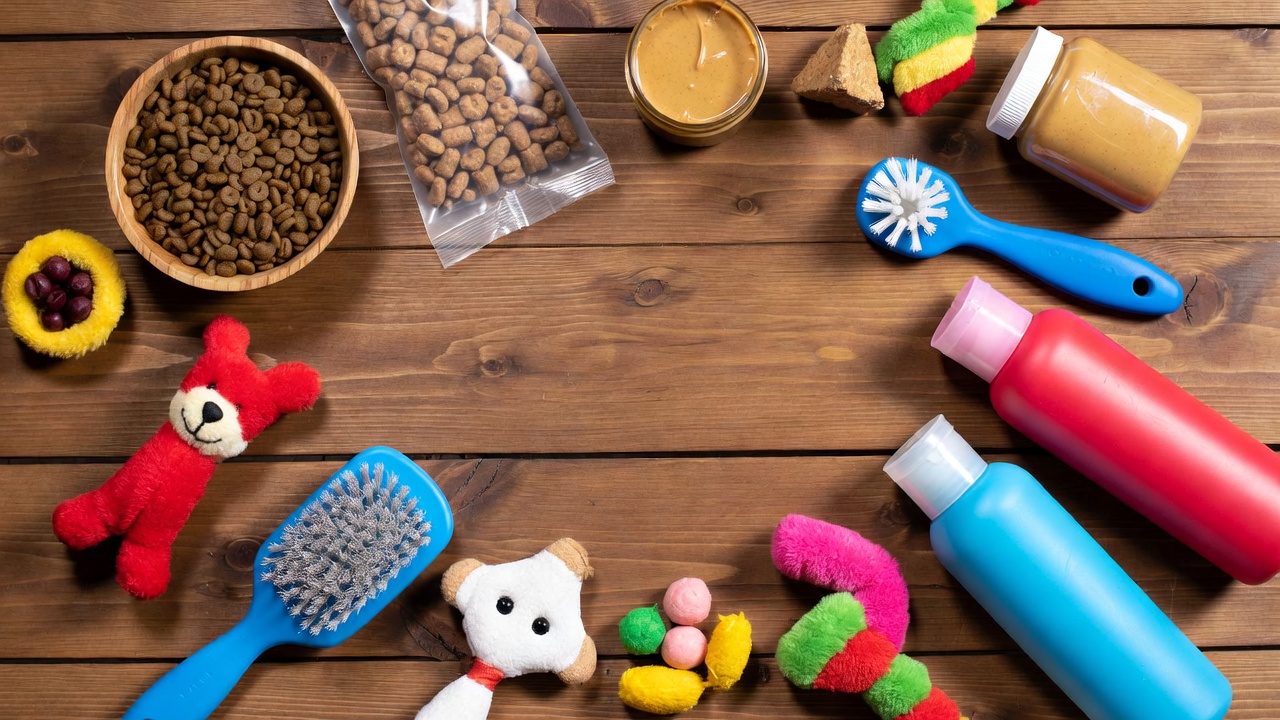
Celebrating your furry, feathered, or scaly companion doesn’t require emptying your wallet. Discover heartfelt, cost-free ways to honor the bond you share.
Introduction: What Is Love Your Pet Day and Why Does It Matter?
Love Your Pet Day falls on February 20th each year. This special occasion celebrates the unconditional love and companionship our pets bring into our lives. Unlike other pet-related holidays, this day focuses purely on appreciation—no commercial expectations, no mandatory gifts, just genuine affection.
The human-animal bond runs deep. According to the American Veterinary Medical Association, approximately 66% of U.S. households own a pet. That translates to roughly 86.9 million homes filled with wagging tails, purring companions, and chirping friends.
But here’s the truth many pet parents face: showing love shouldn’t require spending money. Economic pressures affect everyone. Yet the guilt of not “doing enough” for our pets can weigh heavily. This comprehensive guide proves that the most meaningful gestures often cost nothing at all.
The History of Love Your Pet Day: Origins and Cultural Significance
How Did National Love Your Pet Day Start?
The exact origins of Love Your Pet Day remain somewhat mysterious. No single organization officially claims credit for establishing February 20th as the designated date. However, the holiday gained traction through social media and grassroots pet communities during the early 2000s.
What we do know: the celebration emerged from a growing recognition of pets as family members. The American Pet Products Association reports that pet industry spending reached $136.8 billion in 2022. This astronomical figure reflects how deeply embedded pets have become in our cultural fabric.
Why February 20th for Celebrating Your Pet?
February sits strategically between major winter holidays and spring celebrations. The timing offers a perfect opportunity to refocus on our animal companions. After the commercial frenzy of Christmas and Valentine’s Day, Love Your Pet Day provides a refreshing, pressure-free occasion.
The date also falls during a period when many pets—and their owners—experience “cabin fever.” Winter months often mean less outdoor activity. This holiday encourages intentional bonding during an otherwise dreary season.
Understanding What Your Pet Actually Wants: Beyond Expensive Toys
Do Pets Really Need Expensive Gifts to Feel Loved?
The short answer: absolutely not. Research from Applied Animal Behaviour Science consistently shows that pets prioritize time and attention over material possessions.
Consider these facts:
| What Humans Think Pets Want | What Pets Actually Want |
|---|---|
| Expensive designer toys | Your undivided attention |
| Gourmet treats | Consistent routines |
| Fancy beds | Physical closeness |
| New accessories | Mental stimulation |
| Professional grooming | Gentle touch and grooming from you |
Dogs, for instance, release oxytocin—the “love hormone”—when making eye contact with their owners. This biological response doesn’t require a credit card.
The Science Behind Pet-Human Bonding
Pets respond to emotional availability, not price tags. A 2019 study published in the journal Anthrozoös found that dogs prefer social interaction with their owners over food rewards in many contexts.
Cats, often perceived as aloof, also form deep attachments. Research from Oregon State University demonstrated that cats show secure attachment behaviors similar to human infants with their caregivers.
The takeaway? Your presence matters more than presents.
Free Ways to Celebrate Love Your Pet Day with Dogs
Quality Time Activities That Cost Nothing for Dog Owners
Dogs thrive on engagement. Here are completely free activities to make February 20th memorable:
1. Extended Morning Walk Adventure
Transform your regular walk into an exploration. Let your dog lead the way. Allow extra sniffing time. Dogs experience the world through scent—giving them freedom to investigate enriches their mental landscape.
2. Backyard or Living Room Training Session
Teaching new tricks strengthens your bond. Dogs love the mental challenge. Try these free training exercises:
- “Touch” command (nose to hand)
- “Spin” or “twirl”
- “Find it” games with treats you already have
- “Place” or “bed” command
- “Shake” or “high five”
3. Homemade Obstacle Course
Use household items to create an agility course:
- Broomsticks balanced on books for jumps
- Blankets draped over chairs for tunnels
- Hula hoops for jumping through
- Cardboard boxes with holes cut out
4. Dedicated Cuddle Time
Simply sitting with your dog matters. Physical touch releases calming hormones in both species. Put away your phone. Make eye contact. Speak softly.
How to Give Your Dog a Spa Day at Home for Free
Professional grooming can cost $50-$100 or more. Create a spa experience at home instead.
Step-by-Step Free Dog Spa:
- Warm water bath (use lukewarm water, never hot)
- Gentle massage while washing
- Thorough brushing to remove loose fur
- Nail filing with an old emery board
- Ear cleaning with a damp cloth
- Teeth brushing with dog-safe paste (or plain water)
- Post-bath snuggle session
Pro tip: Play calming music during the spa experience. Studies show dogs respond positively to soft classical music.
Budget-Friendly Love Your Pet Day Ideas for Cat Parents
Indoor Enrichment Activities for Cats That Cost Zero Dollars
Cats need stimulation. Boredom leads to behavioral issues. Here’s how to engage your feline without spending:
1. Cardboard Box Paradise
Cats adore boxes. Collect several boxes of varying sizes. Cut holes for entry and exit. Connect them with tunnels made from paper bags (handles removed for safety).
2. Paper Ball Hockey
Crumple paper into balls. Watch your cat go wild. The unpredictable movement triggers hunting instincts.
3. Feather Wand from Found Materials
Create a toy using:
- A stick from your yard
- String or yarn
- Feathers (found outdoors or from an old craft project)
- Fabric scraps
4. Sunbeam Sessions
Position a comfortable spot in direct sunlight. Cats thermoregulate through sun-seeking behavior. A warm sunbeam equals feline bliss.
5. Window Bird Watching Station
Set up a perch by a window with bird activity. This provides hours of entertainment. Consider placing a bird feeder outside (many can be made from recycled materials).
Creating a DIY Cat Puzzle Feeder from Household Items
Mental stimulation prevents feline obesity and depression. Puzzle feeders slow eating and engage problem-solving skills.
Easy Puzzle Feeder Ideas:
| Household Item | How to Use It |
|---|---|
| Egg carton | Place kibble in compartments |
| Muffin tin | Cover cups with tennis balls |
| Toilet paper tubes | Fold ends, cut holes, fill with treats |
| Water bottle (plastic) | Cut holes, insert treats |
| Ice cube tray | Hide treats in sections |
Safety note: Always supervise your cat with DIY toys and remove any that become damaged.
Celebrating Love Your Pet Day with Small Animals and Exotic Pets
Free Enrichment Ideas for Rabbits, Guinea Pigs, and Hamsters
Small animals often get overlooked during pet holidays. They deserve celebration too.
For Rabbits:
- Create a digging box with shredded paper
- Build a cardboard castle
- Offer supervised “free roam” time in a bunny-proofed room
- Provide fresh herbs from your garden (parsley, cilantro, basil)
For Guinea Pigs:
- Set up a floor time play area
- Create paper bag hideouts
- Offer vegetable scraps from your kitchen (bell pepper ends, carrot tops)
- Build tunnels from cardboard tubes
For Hamsters:
- Create a maze from cardboard
- Offer toilet paper tubes for chewing
- Set up a sand bath with chinchilla sand (if you have some) or fine play sand
- Provide extra bedding for burrowing
How to Bond with Pet Birds Without Buying New Toys
Birds are highly intelligent. They require mental engagement to thrive.
Free Bird Enrichment:
- Talk and sing to them regularly (birds are social creatures)
- Training sessions for tricks like step-up, wave, or turn around
- Safe household items like paper cups, wooden spoons, or plastic bottle caps
- Foraging opportunities by hiding treats in paper
- Supervised out-of-cage time in a bird-safe room
- Mirror time (with supervision)
According to the Association of Avian Veterinarians, social interaction is the single most important factor in avian mental health.
Love Your Pet Day Activities for Fish, Reptiles, and Amphibians
Do Fish and Reptiles Recognize Their Owners?
Yes, many do. Research suggests fish can recognize human faces and respond to their caretakers differently than strangers.
Reptiles, while not cuddly in the traditional sense, form associations with their owners. Consistent, gentle handling builds trust over time.
Free Ways to Enrich Your Aquarium or Terrarium
For Fish:
- Rearrange decorations (provides novel environment)
- Add smooth river rocks from your yard (cleaned and boiled)
- Create hiding spots with ceramic mugs
- Change the water (routine care = showing love)
- Sit by the tank and watch (they notice you)
For Reptiles:
- Offer supervised exploration time
- Create a new basking arrangement
- Provide new textures with found natural items (sanitized)
- Spend quiet time near their enclosure
- Handle gently if your species tolerates it
The Power of Routine: Why Consistency Shows Love
How Daily Routines Make Your Pet Feel Secure and Loved
Pets thrive on predictability. The ASPCA emphasizes that consistent routines reduce anxiety in animals.
Consider maintaining or enhancing these daily rituals:
| Time of Day | Routine Activity | Benefit to Pet |
|---|---|---|
| Morning | Feeding at same time | Reduces food anxiety |
| Mid-morning | Brief play session | Burns energy, prevents boredom |
| Afternoon | Rest/quiet time together | Builds security |
| Evening | Walk or exercise | Physical health, mental stimulation |
| Night | Bedtime routine | Promotes healthy sleep patterns |
Love Your Pet Day presents an opportunity to evaluate and improve your routines. Are you consistent? Where could you add more intentional connection?
Capturing Memories: Free Ways to Document Your Bond
How to Take Professional-Looking Pet Photos at Home
Photographs preserve memories without costing anything.
Tips for Better Pet Photos:
- Use natural lighting (position near windows)
- Get down to their level (eye-level shots are more engaging)
- Use burst mode to capture movement
- Hold a treat above your camera to get their attention
- Shoot against simple backgrounds for cleaner images
- Capture candid moments rather than forced poses
Free editing apps like Snapseed or VSCO can enhance your images afterward.
Creating a Pet Scrapbook or Memory Journal
Document your journey together. Use supplies you already have:
- Old magazines for collaging
- Printed photos
- Handwritten notes about funny moments
- Paw print art (non-toxic paint on paper)
- Lists of favorite things
- Milestone records (adoption anniversary, training achievements)
Community Involvement: Spreading Love Beyond Your Own Pet
Volunteer Opportunities for Animal Lovers on Love Your Pet Day
Extending love to animals in need embodies the holiday’s spirit.
Free ways to help:
- Walk dogs at local shelters (most shelters welcome volunteers)
- Socialize cats awaiting adoption
- Foster an animal temporarily
- Share adoptable pets on social media
- Donate old towels, blankets, or toys to shelters
- Write positive reviews for local rescues
The Humane Society of the United States maintains a database of volunteer opportunities nationwide.
Teaching Children About Pet Care and Compassion
Love Your Pet Day offers educational opportunities for families.
Age-appropriate activities:
- Reading books about animal care together
- Involving children in feeding and grooming routines
- Discussing the responsibilities of pet ownership
- Watching nature documentaries as a family
- Creating art projects featuring family pets
Health and Wellness: Free Preventive Care Tips
At-Home Health Checks Every Pet Owner Should Know
Preventive observation catches problems early. Learn to perform basic health assessments:
Weekly Check-Up Routine:
| Body Part | What to Look For | Action if Abnormal |
|---|---|---|
| Eyes | Clarity, discharge, redness | Note changes, consult vet if persistent |
| Ears | Odor, discharge, redness | Clean gently, monitor |
| Mouth | Tooth color, gum health, breath | Note changes |
| Coat | Shine, bare patches, parasites | Increase grooming, monitor |
| Weight | Ribs palpable but not prominent | Adjust diet if needed |
| Behavior | Energy levels, appetite, mood | Note any changes |
This free practice demonstrates responsible love.
Mental Health Matters: Recognizing Stress in Your Pet
The American Kennel Club identifies these stress signals in dogs:
- Excessive licking or yawning
- Whale eye (showing whites of eyes)
- Tucked tail
- Pacing or restlessness
- Loss of appetite
For cats, the International Cat Care organization notes:
- Hiding more than usual
- Over-grooming or under-grooming
- Changes in litter box habits
- Aggression or withdrawal
- Decreased appetite
Addressing these signs shows deep care and attention.
Nutritional Love: Homemade Treats Using Kitchen Staples
Safe Human Foods You Can Share with Your Dog
Many kitchen ingredients double as healthy dog treats.
| Safe Foods | Serving Suggestions |
|---|---|
| Carrots | Raw or cooked, cut into appropriate sizes |
| Apples | Sliced, seeds removed |
| Blueberries | Fresh or frozen |
| Watermelon | Seedless, rind removed |
| Plain cooked chicken | Shredded, no seasonings |
| Plain pumpkin | Canned (not pie filling) or fresh cooked |
| Green beans | Raw or cooked, no salt |
| Banana | Small pieces as occasional treat |
Always research before sharing new foods. The ASPCA Animal Poison Control Center maintains a comprehensive toxic food database.
Simple Homemade Cat Treats from Pantry Items
Cats have more specific dietary needs. Safe homemade options include:
- Plain cooked fish (salmon, tuna in water)
- Cooked egg (small amounts)
- Plain cooked chicken or turkey
- Cantaloupe (some cats love it)
- Cooked pumpkin (aids digestion)
Important: Cats are obligate carnivores. Treat proteins should dominate homemade offerings.
Creating a Pet-Safe Environment: Free Safety Improvements
How to Pet-Proof Your Home Without Spending Money
A safe home equals a loved pet. Conduct a safety audit:
Free Safety Measures:
- Secure loose cords (tuck behind furniture)
- Move toxic plants out of reach
- Store chemicals properly (cleaning supplies, medications)
- Check fence integrity for outdoor pets
- Remove small objects that could be swallowed
- Secure trash cans with heavy lids
- Close toilet lids (drowning hazard for small animals)
- Store food securely (prevent counter-surfing access)
Seasonal Safety Considerations for Pet Owners
Love means protection year-round.
| Season | Hazards | Free Prevention |
|---|---|---|
| Winter | Antifreeze, ice melt, cold exposure | Wipe paws after walks, limit outdoor time |
| Spring | Fertilizers, mulch, open windows | Supervise outdoor time, secure screens |
| Summer | Heat stroke, hot pavement, dehydration | Walk early/late, always provide water |
| Fall | Mushrooms, rodenticides, holiday foods | Clear yard debris, secure food |
Digital Ways to Celebrate: Free Online Resources
Best Free Apps and Websites for Pet Owners
Technology enhances pet care without cost.
- Pet First Aid by Red Cross – Free emergency guidance
- Petcube – Community features available free
- Rover – Pet parent community and resources
- BarkHappy – Find dog-friendly locations
- Chewy’s Pet Care section – Free articles and advice
Online Communities for Pet Parents to Connect
Connection enriches the human experience of pet ownership.
- Reddit communities (r/dogs, r/cats, r/pets)
- Facebook groups for specific breeds or pet types
- Instagram hashtag communities (#dogsofinstagram, #catsofinstagram)
- Local Nextdoor pet groups
- Breed-specific forums and websites
Reflecting on Your Pet Journey: A Love Your Pet Day Exercise
Gratitude Practices for Pet Owners
Intentional gratitude deepens bonds.
On Love Your Pet Day, consider:
- Write a letter to your pet (expressing thanks for specific moments)
- Create a list of 10 things your pet has taught you
- Recall your first day together
- Identify three ways your pet has improved your life
- Share your pet’s story on social media to inspire others
Research from UC Berkeley’s Greater Good Science Center shows gratitude practices improve human wellbeing—which, in turn, benefits our pets.
Setting Intentions for the Year Ahead
Use this day to plan meaningful pet experiences:
- Monthly adventure goals (new parks, trails, or pet-friendly locations)
- Training objectives (one new trick per month)
- Health commitments (daily teeth brushing, weekly ear checks)
- Quality time scheduling (dedicated phone-free pet time daily)
- Community involvement plans (volunteering, fostering)
Why Free Gestures Matter Most: The Philosophy of Simple Love
Minimalism and Pet Ownership: Less Stuff, More Connection
The pet industry promotes consumption. But minimalist pet ownership benefits everyone.
Consider this: The average American dog owner spends $1,480 annually on their pet according to the American Kennel Club. Much of this spending goes toward items pets don’t actually need.
Your pet doesn’t care about brand names. They don’t compare their toys to the neighbor dog’s toys. They measure love in moments, not merchandise.
The Environmental Impact of Thoughtful Pet Care
Free alternatives often prove more sustainable.
- DIY toys reduce plastic waste
- Homemade treats eliminate packaging
- Upcycled beds save landfill space
- Walking instead of driving to dog parks cuts emissions
According to UCLA’s Institute of the Environment and Sustainability, pet ownership does carry environmental impacts. Mindful, minimalist care mitigates these effects.
Planning Your Love Your Pet Day: A Complete Free Celebration Schedule
Sample Love Your Pet Day Itinerary (Zero Cost)
Create a full day of celebration without spending:
| Time | Activity | Duration |
|---|---|---|
| 7:00 AM | Special morning greeting, extra cuddles | 15 minutes |
| 7:30 AM | Breakfast served with fanfare | 10 minutes |
| 8:00 AM | Extended walk with exploration time | 45 minutes |
| 10:00 AM | Training session with existing treats | 20 minutes |
| 12:00 PM | Grooming/spa session | 30 minutes |
| 2:00 PM | Nap time together | 1 hour |
| 4:00 PM | Play session with DIY toys | 30 minutes |
| 6:00 PM | Photo session capturing memories | 20 minutes |
| 7:00 PM | Movie time with pet beside you | 2 hours |
| 9:00 PM | Bedtime routine with extra affection | 15 minutes |
Adjust based on your pet’s species, age, and preferences.
Conclusion: Every Day Can Be Love Your Pet Day
The Lasting Impact of Intentional Pet Care
Love Your Pet Day on February 20th serves as a reminder. But the truth is, every single day offers opportunities to show our pets we care.
The best things in life truly are free:
- Your time is irreplaceable
- Your attention is priceless
- Your touch is healing
- Your voice is comforting
- Your presence is everything
Pets live entirely in the present moment. They don’t anticipate future gifts or remember past purchases. They experience love in the now.
This February 20th, resist the urge to rush to the pet store. Instead, sit on the floor with your dog. Dangle a string for your cat. Watch your fish swim. Hold your hamster gently. Speak kindly to your bird.
These free gestures communicate love more powerfully than any expensive product ever could.
Additional Resources for Budget-Conscious Pet Parents
Free and Low-Cost Pet Care Resources
- ASPCA Free and Low-Cost Spay/Neuter Database
- Humane Society’s Pet Helpline
- Pet Food Pantries (for families in need)
- Pets of the Homeless (veterinary care assistance)
- Local animal control agencies (often offer free microchipping events)
Financial constraints should never prevent someone from loving their pet well.
Happy Love Your Pet Day! May your celebration be rich in love and light on spending.
Author’s Note: As a folklore expert specializing in global celebrations, I find Love Your Pet Day fascinating in its simplicity. Unlike ancient festivals tied to harvest cycles or astronomical events, this modern holiday emerged organically from our collective recognition that pets are family. The absence of commercial mandate makes it pure—a celebration of love for love’s sake. In my travels across six continents, I’ve witnessed how every culture honors the human-animal bond differently. Yet the underlying truth remains universal: the best way to love any creature is through presence, patience, and genuine care. These things, thankfully, cost nothing at all.