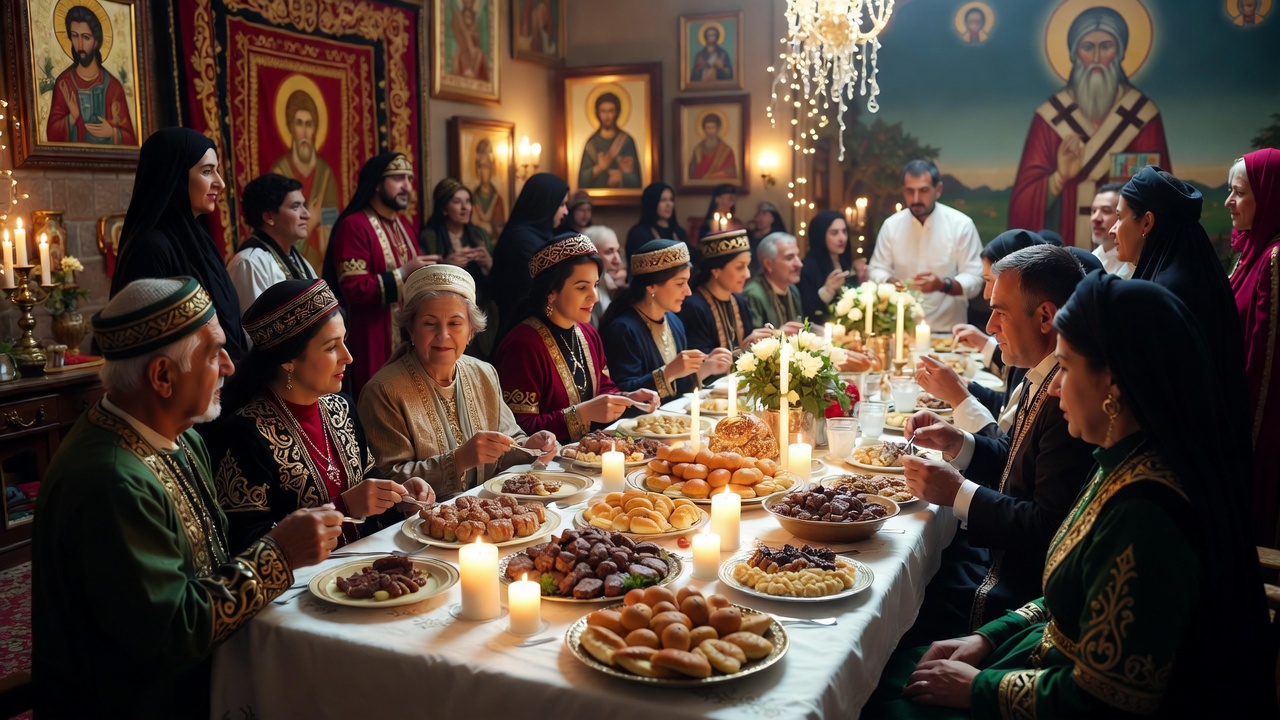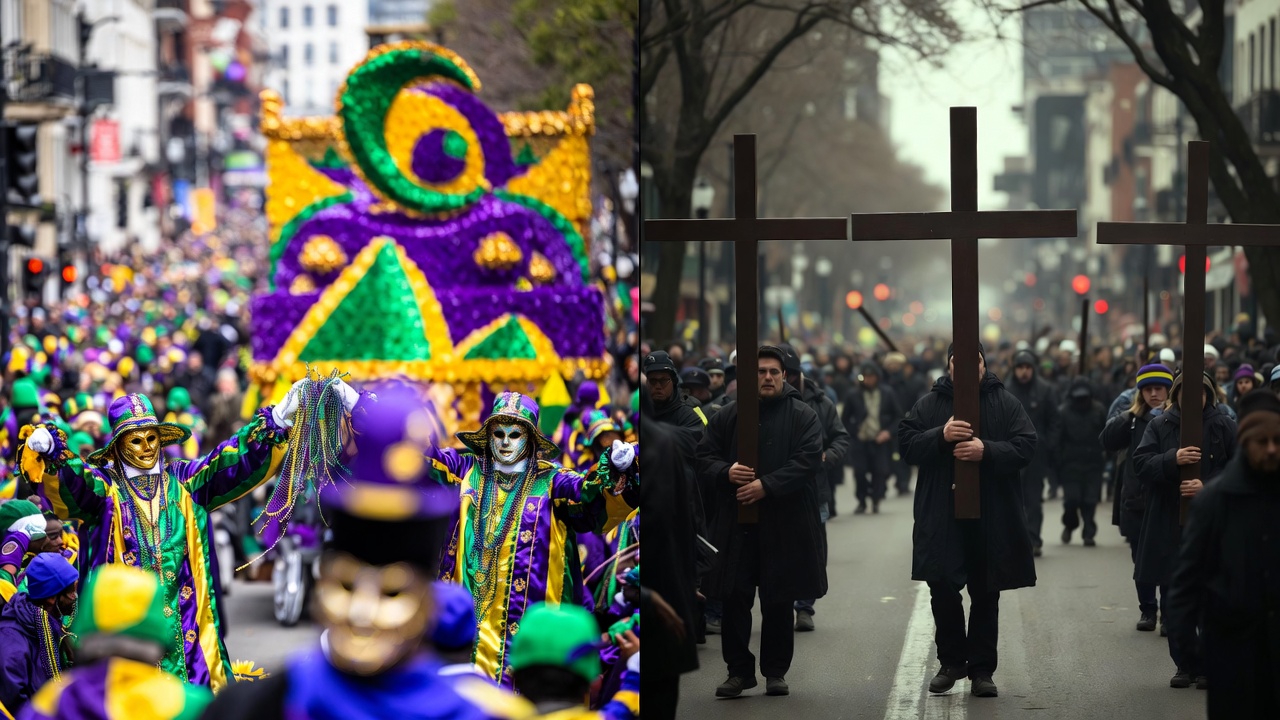
Unraveling the colorful history, traditions, and cultural significance behind America’s most festive celebration
If you’ve ever found yourself standing on a crowded New Orleans street corner, plastic cup in hand, watching floats roll by while someone nearby shouts “Laissez les bons temps rouler!” you’ve probably wondered: Is Mardi Gras the same as Fat Tuesday? It’s a question that confuses visitors, sparks debates among historians, and even trips up locals who’ve spent their entire lives throwing beads from parade floats.
Here’s the truth that most travel guides won’t tell you: Mardi Gras and Fat Tuesday are technically the same day—but they represent vastly different experiences, traditions, and cultural expressions. Understanding this distinction isn’t just academic trivia. It’s the key to unlocking the deeper meaning behind one of the world’s most spectacular celebrations.
Whether you’re planning your first trip to the Gulf Coast, researching the religious roots of pre-Lenten festivities, or simply trying to settle a bar bet, this comprehensive guide will walk you through everything you need to know. We’ll explore the ancient origins, trace the celebration across continents, and reveal why this single Tuesday on the calendar means so many different things to so many different people.
What Is Mardi Gras and Why Is It Called Fat Tuesday?
The simplest answer first: Mardi Gras is French for “Fat Tuesday.” The term translates directly—mardi means Tuesday, and gras means fat or fatty. But this straightforward translation masks centuries of religious practice, cultural evolution, and regional adaptation.
The name originates from the Catholic tradition of feasting before the Lenten season of fasting and penance. In centuries past, the Lenten fast was far more rigorous than what most Christians observe today. Believers were required to abstain from all meat, eggs, dairy products, and animal fats for the forty days leading up to Easter. The practical problem? All those perishable items needed to be consumed before Ash Wednesday arrived.
The solution was both practical and celebratory. Households would use up their stores of butter, eggs, milk, cheese, and meat in one final feast. Pancakes became popular in England—giving rise to the tradition of “Pancake Day”—while French Catholics developed rich pastries and indulgent meals that gave the day its name.
But Fat Tuesday represents more than just a dietary deadline. According to Catholic Answers Magazine, the day has traditionally been called Shrove Tuesday in English-speaking countries. The word “shrove” comes from “shrive,” meaning to hear a confession and assign penance. This was the day when faithful Catholics would confess their sins before beginning the somber Lenten journey toward Easter.
The deeper meaning combines three elements:
- Feasting on rich foods before the fast
- Confession and spiritual preparation for Lent
- Celebration as a final opportunity for merriment
This triple purpose explains why Fat Tuesday can mean both a quiet pancake dinner with family and the wild street parties of New Orleans. Both expressions honor the same tradition—just in vastly different ways.
The Ancient Origins of Carnival Season: From Pagan Rome to Christian Europe
Understanding the Mardi Gras vs. Fat Tuesday distinction requires stepping back to examine the broader Carnival season that precedes it. Carnival doesn’t refer to Ferris wheels and cotton candy—it’s a period of feasting and celebration that begins after Christmas and culminates on Fat Tuesday.
The word Carnival itself reveals its purpose. It derives from the Latin carne vale or carnem levare, meaning “farewell to meat” or “to remove flesh.” This etymological root connects directly to the Lenten prohibition on consuming meat.
However, historians believe the celebration has even older roots. According to Catholic Online, many scholars trace elements of Mardi Gras back to the Roman festival of Lupercalia, a February celebration honoring the god of fertility. This festival involved feasting, drinking, and behaviors that would later cause tension with Christian moral teachings.
As Christianity spread throughout Europe during the first millennium, church leaders faced a dilemma. Pagan festivals were deeply embedded in local cultures, and outright suppression often proved counterproductive. Instead, the church adopted a strategy of blending and adapting—allowing existing festivals to continue while infusing them with Christian meaning.
This explains why Carnival traditions vary so dramatically across Europe:
| Country | Local Name | Distinctive Tradition |
|---|---|---|
| France | Mardi Gras | King Cake (Galette des Rois) |
| Germany | Fasching/Karneval | “Fifth Season” beginning 11/11 at 11:11 |
| Italy | Carnevale | Venetian masked balls |
| United Kingdom | Shrove Tuesday/Pancake Day | Pancake races |
| Sweden | Fettisdagen | Semla cream buns |
| Poland | Tłusty Czwartek (Fat Thursday) | Pączki doughnuts |
The genius of this adaptation was allowing each culture to express the pre-Lenten celebration through its own customs, foods, and traditions. A Swedish family eating semla buns and an Italian aristocrat attending a Venetian masquerade ball were participating in the same religious cycle—just through radically different cultural lenses.
How Carnival Season Differs from Fat Tuesday Celebrations
One of the most common misconceptions about Mardi Gras concerns timing. Many visitors arrive in New Orleans expecting a single day of celebration, only to discover weeks of parades, balls, and festivities already in progress.
The distinction matters:
Carnival Season begins on January 6th—Epiphany or Twelfth Night—and extends until midnight on Fat Tuesday. This period can last anywhere from four to nine weeks depending on when Easter falls. During this time, krewes (the social organizations that sponsor parades and balls) hold events throughout the region.
Fat Tuesday (Mardi Gras day) is specifically the final day of Carnival, falling the day before Ash Wednesday. It’s always a Tuesday, and it moves each year based on the Easter calendar.
In New Orleans, this distinction creates a unique rhythm. According to the Tulane University economic impact study, Mardi Gras generates nearly $891 million in economic activity for the city. But that economic impact spreads across the entire Carnival season—not just a single day.
The Carnival season timeline typically includes:
- January 6 (Twelfth Night): King Cake season officially begins
- Weeks 1-4: Krewe balls and smaller neighborhood parades
- Two weeks before Fat Tuesday: Major parades begin rolling
- Final weekend: Largest parades including Endymion and Bacchus
- Lundi Gras (Fat Monday): King and Queen of Rex arrive by riverboat
- Mardi Gras Day: Final parades roll until midnight
At the stroke of midnight on Fat Tuesday, the celebration ends abruptly. Police on horseback literally sweep revelers out of the French Quarter. Street cleaning crews move in immediately. The transformation is stark and deliberate—a physical reminder that Lent has begun.
This structured ending reflects the religious roots that many secular revelers have forgotten. The party must end so the fasting can begin. The feasting gives way to penance. Fat Tuesday exists precisely because Ash Wednesday follows.
Where Did Mardi Gras Start in America: The Mobile vs. New Orleans Debate
Ask someone where American Mardi Gras began, and most will answer “New Orleans” without hesitation. But Mobile, Alabama has a legitimate—and well-documented—claim to being the birthplace of American Carnival.
According to History.com, the historical record supports Mobile’s claim. When French explorers Pierre Le Moyne d’Iberville and Jean-Baptiste Le Moyne de Bienville established the first permanent French settlement in the Louisiana territory, they did so at Mobile in 1702—not New Orleans.
“Apparently, as early as 1703, the French held a type of Mardi Gras celebration in Mobile,” explains Donnelly Lancaster Walton, archivist with the W.S. Hoole Special Collections Library at the University of Alabama. “New Orleans wasn’t founded until 1718. Therefore, strictly speaking, Mobile had the earliest celebration of the two cities.“
The historical timeline reveals Mobile’s priority:
| Year | Event | Location |
|---|---|---|
| 1699 | French explorers name “Pointe du Mardi Gras” | Mississippi River delta |
| 1702 | Fort Louis de La Louisiane established | Mobile, Alabama |
| 1703 | First American Mardi Gras celebration | Mobile, Alabama |
| 1704 | First masquerade ball (Masque de la Mobile) | Mobile, Alabama |
| 1711 | First recorded parade with papier-mâché float | Mobile, Alabama |
| 1718 | New Orleans founded | Louisiana |
| 1730s | Mardi Gras celebrations become common | New Orleans |
| 1837 | First recorded street parade | New Orleans |
Mobile also claims credit for establishing the first mystic society in America. In 1830, a cotton broker named Michael Krafft led a group of revelers through downtown Mobile carrying rakes and cowbells on New Year’s Eve. When questioned about their purpose, Krafft wryly declared they were the Cowbellion de Rakin Society. This impromptu organization became the model for all subsequent Mardi Gras krewes.
According to Mobile County’s official tourism website, this 320-year tradition makes Mobile “the birthplace of Mardi Gras” in North America. The city’s celebrations continue today with more than 20 parades and a distinctly family-friendly atmosphere.
Cart Blackwell, curator of the Mobile Carnival Museum, puts it plainly: “The first documented celebration of modern-day carnival, what people think of as carnival in the United States, is historically without a doubt began in Mobile.”
The friendly rivalry between Mobile and New Orleans continues to this day. Each year, Mobile’s mayor issues a tongue-in-cheek “proclamation” granting New Orleans “permission” to celebrate Mardi Gras. It’s a playful acknowledgment of history that both cities seem to enjoy.
Why New Orleans Became the Mardi Gras Capital of the World
If Mobile hosted the first American Mardi Gras, why did New Orleans become synonymous with the celebration? The answer involves geography, demographics, cultural fusion, and deliberate civic investment.
Geography played the first role. When Mobile fell under British control in 1763, restrictions on free Black citizens and increased racial segregation caused many Creoles to migrate west toward New Orleans. They brought their Carnival traditions with them, transplanting Mobile’s celebrations to Louisiana soil.
New Orleans also benefited from its position as a major port city. The diverse population—French, Spanish, African, Caribbean, and American—created a cultural mixing pot unlike anywhere else in North America. This fusion generated the unique blend of music, food, and tradition that distinguishes New Orleans Mardi Gras today.
The krewe system evolved differently in New Orleans, becoming more elaborate and competitive. While Mobile’s mystic societies maintained exclusivity and tradition, New Orleans krewes expanded, innovated, and sought publicity. The result was increasingly spectacular parades designed to attract visitors and generate economic activity.
According to the New Orleans & Company economic study, modern Mardi Gras represents 3.07% of the city’s entire GDP. The celebration generates $14.3 million in state tax revenue and returns $2.64 for every $1.00 the city invests.
“Carnival in New Orleans is one of the most remarkable and influential events on the planet,” declared Walt Leger III, President and CEO of New Orleans & Company. “Only the people of New Orleans could dream of and execute such a technically complex, creative, and innovative celebration.”
The scale difference between the two cities is significant:
- New Orleans: Approximately 1.4 million visitors during Carnival season
- Mobile: Approximately 1 million visitors
- New Orleans tourism: $10.4 billion annually (2024)
- Mobile Carnival impact: Over $400 million to Mobile County
Both celebrations have value, but New Orleans’ larger population, international airport, and cultural infrastructure have made it the destination most travelers associate with American Mardi Gras.
The Sacred Traditions Behind King Cake and Mardi Gras Colors
No exploration of Mardi Gras traditions would be complete without understanding two iconic elements: the King Cake and the purple, green, and gold colors that define the celebration.
The History and Meaning of King Cake
The King Cake tradition connects directly to the religious calendar. According to Britannica, these cakes are associated with Epiphany—January 6—which commemorates the arrival of the Biblical Magi (Three Wise Men) in Bethlehem twelve days after Christmas.
The cake’s circular or oval shape carries symbolic meaning. According to New Orleans tradition, the ring represents the circular route the Magi took to find the Christ Child, deliberately chosen to confuse King Herod who sought to follow them and kill the infant Jesus.
Early King Cakes contained a fava bean hidden inside. Whoever found the bean received good luck for the coming year—and the responsibility of hosting the next King Cake party. This tradition evolved over time:
- 15th-16th Century Europe: Fava bean or dried pea hidden inside
- France: Porcelain figurine (fève) replaced the bean
- 1940s New Orleans: Donald Entringer Sr. of McKenzie’s Pastry Shoppes introduced the plastic baby
- Modern Era: Baby symbolizes the Christ Child and brings good fortune
The person who finds the baby today traditionally must provide the next King Cake—ensuring an unending round of parties throughout Carnival season. As New Orleans & Company notes, “King cake is a gift that keeps on giving throughout the Mardi Gras season.”
The Meaning Behind Mardi Gras Colors
The distinctive purple, green, and gold of Mardi Gras weren’t always the celebration’s official colors. According to multiple historical sources, these colors were introduced in 1872 by the Rex krewe—specifically to honor visiting Russian Grand Duke Alexis Romanoff Alexandrovitch.
Each color carries traditional symbolic meaning:
| Color | Meaning | Origin |
|---|---|---|
| Purple | Justice | Liturgical color of Lent; European royalty |
| Green | Faith | Eternal life; spiritual growth |
| Gold | Power | Earthly wealth; divine glory |
Interestingly, Mobile originally used only two colors—purple and gold—for their Carnival celebrations. The addition of green to create the familiar tricolor came from New Orleans and has since spread to become universal Mardi Gras iconography.
Today, these colors appear everywhere during Carnival season: on King Cakes decorated with colored sugar, on floats draped in bunting, on costumes worn by revelers, and even on temporary hair dye sold to tourists in the French Quarter.
How Fat Tuesday Is Celebrated Around the World: Global Carnival Traditions
While New Orleans and Mobile dominate American perceptions of Mardi Gras, the Fat Tuesday celebration takes dramatically different forms across the globe. Understanding these variations reveals how a single religious observance has spawned countless cultural expressions.
Rio de Janeiro, Brazil: The World’s Largest Carnival
Brazil’s Carnival draws over 6 million participants in Rio alone, making it the largest Carnival celebration on Earth according to the Guinness World Records. Unlike New Orleans’ street parades where revelers catch throws, Rio’s main attraction is the competitive Samba parade at the Sambódromo.
Professional samba schools—community organizations that spend the entire year preparing—compete in elaborate performances featuring thousands of dancers, massive floats, and stunning costumes. A panel of 40 judges scores each school’s 80-minute performance, and winning brings enormous prestige.
According to National Geographic, the key differences include:
- New Orleans: Throws (beads, doubloons, toys) from floats to crowds
- Rio: Competitive performances for judges; audience watches
- New Orleans: Multiple parades by different krewes
- Rio: Centralized competition at purpose-built stadium
Venice, Italy: Elegance and Masquerade
The Carnival of Venice represents the opposite aesthetic from New Orleans’ boisterous street party. Dating back nearly 900 years, Venice’s celebration emphasizes elegance, mystery, and historical costume.
The iconic Venetian masks—once banned for centuries after King Frances II outlawed Carnival in 1797—have become central to the celebration. Elaborate masquerade balls recall the Renaissance period when aristocrats could mingle anonymously behind ornate disguises.
The Flight of the Angel (Volo dell’Angelo) is one of Venice’s most spectacular traditions. A costumed guest descends on a zipline from the bell tower of St. Mark’s Basilica to the square below—a theatrical opening to the festival.
Quebec City, Canada: Winter Carnival
Not all Carnival celebrations happen in warm climates. Quebec Winter Carnival embraces the Canadian winter with ice sculptures, snow baths, and toboggan races. The celebration, held in February, features Bonhomme Carnaval—a giant snowman mascot who “rules” the festivities.
Other Notable Global Celebrations
| Location | Distinctive Feature | Attendance |
|---|---|---|
| Nice, France | Flower battles and elaborate floats | 1+ million |
| Cologne, Germany | “Fifth Season” beginning November 11 | 1.5 million |
| Trinidad & Tobago | Calypso and soca music; elaborate costumes | 40,000+ |
| Binche, Belgium | Gilles performers in traditional costumes; UNESCO heritage | 100,000+ |
| Oruro, Bolivia | Indigenous and Christian fusion; UNESCO heritage | 400,000+ |
The common thread connecting all these celebrations? They occur before Lent and involve feasting, costume, music, and community celebration. The specific expression varies enormously, but the underlying purpose—enjoying life’s pleasures before a season of sacrifice—remains constant.
Understanding Mardi Gras Krewes and Mystic Societies: The Organizations Behind the Magic
The organizational backbone of American Mardi Gras consists of krewes (in New Orleans) and mystic societies (in Mobile). These private social organizations sponsor parades, host balls, select royalty, and maintain traditions that sometimes stretch back more than a century.
How Krewes Work
A krewe functions as a private club whose members pay dues, participate in planning, and ride on floats during parades. According to Mardi Gras historians, the organizational structure typically includes:
- Captain: Overall leader responsible for parade organization
- Royal Court: King, Queen, and court members selected annually
- Float Lieutenants: Members responsible for individual float themes
- General Membership: Dues-paying members who ride and throw
Membership can range from a few dozen people to thousands. The Krewe of Endymion, one of New Orleans’ largest, has over 3,000 members. Smaller krewes maintain exclusivity and tradition, while mega-krewes emphasize spectacle and public entertainment.
The cost of membership varies dramatically:
| Krewe Type | Estimated Annual Dues | Characteristics |
|---|---|---|
| Neighborhood/New | $500-$1,500 | Smaller parades; more accessible |
| Established | $2,000-$5,000 | Longer parade routes; better throws |
| Super Krewe | $5,000-$15,000+ | Massive floats; celebrity appearances |
| Old-Line | Invitation only | Exclusive balls; historic traditions |
The Throw Economy
Perhaps nothing distinguishes New Orleans Mardi Gras more than throws—the trinkets, beads, and treasures tossed from floats to eager crowds below. This tradition has created an entire economy around Mardi Gras merchandise.
According to local reports, krewe members collectively spend millions on throws each year. The most common items include:
- Beads: The iconic strands in various colors and lengths
- Doubloons: Commemorative coins featuring krewe logos
- Cups: Plastic drinking cups with krewe designs
- Plush toys: Stuffed animals in various sizes
- Specialty throws: Krewe-specific items like Zulu coconuts
Mobile has its own throw tradition featuring MoonPies—the chocolate-covered marshmallow treats that became associated with the celebration in 1952. According to Visit Mobile, approximately 3 million MoonPies are thrown during Mobile’s Carnival season.
The economics of throws deserve attention. Krewe members typically spend $1,000-$5,000 personally on throws for a single parade. Multiply this across thousands of riders and dozens of parades, and the throw industry represents tens of millions of dollars circulating through the regional economy.
Fat Tuesday Food Traditions: What to Eat During Mardi Gras Season
The “fat” in Fat Tuesday refers to rich foods consumed before Lenten fasting begins. This culinary tradition has produced distinctive dishes across cultures—and nowhere more spectacularly than in New Orleans.
New Orleans Mardi Gras Cuisine
New Orleans’ unique Creole and Cajun heritage creates a food culture found nowhere else in America. During Carnival season, certain dishes take on special significance:
King Cake remains the season’s signature dessert. Traditional versions feature cinnamon-flavored brioche dough twisted into a ring, topped with icing and purple, green, and gold sugar. Modern variations include fillings like cream cheese, praline, strawberry, and even savory options like crawfish and boudin.
Classic Mardi Gras dishes include:
- Gumbo: Rich stew with okra, proteins, and holy trinity vegetables
- Jambalaya: Rice-based dish with meat and vegetables
- Étouffée: Shellfish smothered in rich roux-based sauce
- Red beans and rice: Monday tradition adopted for Carnival
- Beignets: Fried dough squares dusted with powdered sugar
- Po’boys: Stuffed French bread sandwiches with various fillings
The emphasis on rich, heavy foods reflects the original purpose of Fat Tuesday—using up ingredients that would be forbidden during Lent.
Global Fat Tuesday Foods
Different cultures developed their own pre-Lenten specialties:
| Country | Traditional Food | Key Ingredients |
|---|---|---|
| England | Pancakes | Eggs, butter, milk, flour |
| Poland | Pączki | Fried dough, fruit filling, sugar |
| Germany | Fasnachts | Raised doughnuts with various toppings |
| Sweden | Semla | Cardamom buns with cream and marzipan |
| France | Galette des Rois | Puff pastry with almond cream |
| Portugal/Brazil | Malasadas | Fried dough without holes |
According to Franciscan Media, the custom of making pancakes specifically “comes from the need to use up fat, eggs and dairy before the fasting and abstinence begins.”
Planning Your Trip: When Is Mardi Gras 2026 and How to Experience It
For travelers hoping to experience Mardi Gras firsthand, timing and planning are essential. The celebration’s moveable date means each year requires fresh research.
Mardi Gras 2026 Date and Calendar
Fat Tuesday 2026 falls on February 17. This date is calculated based on Easter, which always falls on the first Sunday after the first full moon following the spring equinox. Count backward 47 days from Easter Sunday to find Fat Tuesday.
Key dates for the 2026 New Orleans Carnival season:
- January 6: Twelfth Night; King Cake season begins
- January 30: Major parades begin rolling
- February 15 (Sunday): Major parades including Bacchus
- February 16 (Lundi Gras): Zulu and Rex royalty arrive
- February 17 (Fat Tuesday): Final parades until midnight
- February 18 (Ash Wednesday): Lent begins
Where to Experience Different Mardi Gras Traditions
Your ideal Mardi Gras destination depends on what experience you seek:
For family-friendly celebrations:
- Mobile, Alabama: Safer, more traditional atmosphere
- Lafayette, Louisiana: Cajun country traditions
- Rural Louisiana: Courir de Mardi Gras (traditional Cajun runs)
For spectacular parades:
- New Orleans, Louisiana: Largest American parades
- Rio de Janeiro, Brazil: World’s largest Carnival
For elegant costume traditions:
- Venice, Italy: Historic masquerade balls
- Nice, France: Sophisticated French Riviera celebration
For cultural immersion:
- Oruro, Bolivia: Indigenous and Catholic fusion (UNESCO)
- Trinidad & Tobago: Caribbean music and culture
- Salvador, Brazil: Afro-Brazilian traditions
Practical Tips for New Orleans Visitors
Accommodations: Book months in advance. Hotels raise rates significantly during Carnival, and many require minimum stays. Consider staying outside the immediate parade routes and using rideshares.
Transportation: Parking becomes nearly impossible near parade routes. Public transportation, walking, and rideshares work best. The historic streetcar lines offer a quintessentially New Orleans experience.
Safety: Stay aware of your surroundings, particularly at night. Keep valuables secured, drink responsibly, and travel in groups when possible.
Best viewing spots: St. Charles Avenue offers more family-friendly viewing. Magazine Street provides a local neighborhood feel. The French Quarter concentrates adult-oriented entertainment.
What to bring: Comfortable walking shoes, layers for variable weather, a bag for catching throws, cash for vendors, and sunscreen for daytime parades.
The Spiritual Significance: Why Fat Tuesday Still Matters to Catholics
Amid the revelry and commercial spectacle, the religious foundation of Fat Tuesday remains meaningful to millions of practicing Catholics and other Christians worldwide.
According to Dynamic Catholic, Fat Tuesday serves multiple spiritual purposes:
“The deeper meaning for Fat Tuesday actually comes from its traditional name, Shrove Tuesday. The word ‘shrove’ means to give absolution—to be forgiven! Shrove Tuesday is an invitation to reflect on your life, seek forgiveness and peace, and get ready for 40 days of spiritual renewal during Lent.”
The spiritual rhythm of the season follows this pattern:
- Epiphany (January 6): Commemorating the Magi’s visit; beginning of Carnival
- Carnival Season: Celebrating God’s gifts before voluntary sacrifice
- Shrove Tuesday/Fat Tuesday: Final feast; confession of sins
- Ash Wednesday: Beginning of Lent; receiving ashes as reminder of mortality
- 40 Days of Lent: Prayer, fasting, almsgiving
- Holy Week: Commemorating Christ’s passion and death
- Easter Sunday: Celebrating the Resurrection
This cycle represents the Christian understanding of life’s rhythm—periods of celebration balanced with periods of reflection and penance. The “fat” days make sense only in contrast to the “lean” days that follow.
For many believers, the secular excesses of modern Mardi Gras celebrations have strayed far from this spiritual foundation. Yet the calendar itself—ending celebrations precisely at midnight before Ash Wednesday—preserves the connection to religious practice that gave the celebration meaning.
As Catholic Answers explains: “The day embodies the joy and gratitude for God’s gifts, reminding us to reflect on our spiritual journey and prepare our hearts for the renewal and repentance of Lent.”
Mardi Gras vs. Fat Tuesday: A Summary of Key Differences
After exploring the history, traditions, and cultural expressions of this celebration, we can now summarize the relationship between these two terms:
When They Mean the Same Thing
Mardi Gras and Fat Tuesday refer to the identical calendar day—the Tuesday before Ash Wednesday, falling 47 days before Easter. The terms are direct translations: “Mardi” (Tuesday) + “Gras” (Fat) = “Fat Tuesday.”
When They Mean Different Things
| Aspect | Fat Tuesday | Mardi Gras (Broader Usage) |
|---|---|---|
| Time Frame | Single day | Entire Carnival season |
| Cultural Emphasis | Religious preparation for Lent | Cultural celebration and tourism |
| Geographic Association | Universal Christian tradition | New Orleans and Gulf Coast specifically |
| Activity Focus | Confession, feasting, final celebration | Parades, balls, public parties |
| Economic Scope | Family dinners, church events | Multi-million dollar tourism industry |
Regional Language Preferences
Different regions prefer different terminology:
- New Orleans/Louisiana: “Mardi Gras” for everything
- Mobile/Alabama: “Carnival” or “Mardi Gras”
- United Kingdom: “Shrove Tuesday” or “Pancake Day”
- Poland: “Fat Thursday” (Tłusty Czwartek) emphasized over Tuesday
- Germany: “Fasching” or “Karneval” for entire season
- France: “Mardi Gras” for the day; “Carnaval” for season
- Brazil: “Carnaval” exclusively
The Economic and Cultural Impact: Why Mardi Gras Matters Beyond the Party
The celebration’s economic footprint extends far beyond hotel bookings and restaurant tabs. According to the Tulane University study commissioned by the Mayor’s Mardi Gras Advisory Council, the celebration’s impact permeates New Orleans’ identity year-round.
Key economic findings:
- Total economic impact: $891,202,780 annually
- Percentage of city GDP: 3.07%
- Return on city investment: $2.64 for every $1.00 spent
- State tax revenue generated: $14.3 million
- Growth since 2009: Over 300%
But Professor Toni Weiss, who conducted the study, notes that simple economics miss the larger picture:
“Walk through the French Quarter or ride a streetcar any time of year, and you’ll see visitors wearing Mardi Gras beads. Even during a large medical conference, you might encounter a mini parade through the Central Business District to the convention center. Bakeries make king cakes to ship nationwide to give people a little taste of America’s most famous party.”
This brand value—the year-round association between New Orleans and celebration—represents economic activity impossible to quantify precisely but undeniably significant.
Employment and Industry
The celebration supports thousands of jobs beyond the obvious hospitality sector:
- Float builders: Year-round employment designing and constructing parade floats
- Costume designers: Creating elaborate outfits for royalty and riders
- Bakeries: King cake production ships nationwide
- Throw manufacturers: Producing millions of beads, cups, and doubloons
- Musicians: Brass bands, DJs, and performers throughout Carnival
- Security and sanitation: Essential city services during celebrations
Cultural Preservation
Beyond economics, Mardi Gras serves vital cultural functions. The krewe system preserves social traditions, the Mardi Gras Indians maintain African American cultural practices, and the celebration as a whole keeps alive the unique Franco-African-Caribbean-American fusion that defines New Orleans.
For Mobile, the celebration represents civic identity dating back more than three centuries. As the Encyclopedia of Alabama notes, “Mardi Gras remains an integral part of the cultural celebration of French tradition along the Gulf Coast.”
Frequently Asked Questions About Mardi Gras and Fat Tuesday
Is Mardi Gras always on the same date?
No. Fat Tuesday/Mardi Gras is a moveable feast based on Easter. It can fall anywhere between February 3 and March 9, always occurring 47 days before Easter Sunday.
Why do people show body parts for beads?
This practice, largely confined to Bourbon Street in New Orleans’ French Quarter, represents a modern—and controversial—development that has little to do with traditional Mardi Gras celebrations. Most parades, particularly on St. Charles Avenue and in residential neighborhoods, are family-friendly events.
Can anyone participate in Mardi Gras parades?
Spectators can watch any public parade for free. To ride in a parade, you typically must join a krewe, which involves membership fees, dues, and purchasing your own throws. Some walking krewes and smaller neighborhood parades have more accessible membership requirements.
What happens if I find the baby in the King Cake?
Traditionally, finding the baby brings good luck—and the obligation to provide the next King Cake or host the next party. This creates a self-sustaining cycle of celebrations throughout Carnival season.
Is Mardi Gras a religious holiday?
Fat Tuesday itself is a cultural preparation for the religious observance of Lent, which begins on Ash Wednesday. While not a liturgical holiday, it has deep roots in Catholic tradition. Many Catholics attend confession on Shrove Tuesday and use the day for spiritual preparation.
Which city has the best Mardi Gras celebration?
This depends entirely on what you seek:
- Best parades: New Orleans
- Most family-friendly: Mobile
- Best music: Rio de Janeiro
- Most elegant: Venice
- Most authentic Cajun: Lafayette, Louisiana
Conclusion: Embracing Both Fat Tuesday and Mardi Gras
The question “What’s the difference between Mardi Gras and Fat Tuesday?” ultimately reveals something profound about how cultures adapt and transform shared traditions.
At the linguistic level, there’s no difference—just a French phrase and its English translation describing the same calendar day. But in practice, Fat Tuesday evokes pancake dinners, confession, and spiritual preparation, while Mardi Gras conjures images of parades, beads, jazz, and celebration on a massive scale.
Both expressions are valid. Both are valuable. And both connect to the same fundamental human impulse—marking time’s passage through feast and fast, celebration and reflection.
Whether you observe Fat Tuesday with a quiet family dinner of pancakes, a parish pancake supper before Ash Wednesday Mass, or a wild week in New Orleans catching throws and dancing to brass bands, you’re participating in a tradition stretching back centuries. You’re connecting with Medieval Catholics using up their butter before Lent, with French colonists celebrating in the Louisiana wilderness, with generations of New Orleanians keeping the good times rolling.
The celebration’s resilience—surviving wars, epidemics, economic crashes, and cultural shifts—testifies to its deep significance in human experience. We need these moments of excess and joy precisely because we also need the contrasting moments of discipline and reflection.
Laissez les bons temps rouler. Let the good times roll. But remember—they roll toward something. Fat Tuesday exists because Ash Wednesday follows. The feast matters because the fast approaches.
And that rhythm, that cycle of celebration and sacrifice, joy and solemnity, fat days and lean days—that’s not just Mardi Gras tradition. That’s life itself.
Have you experienced Mardi Gras in New Orleans, Mobile, or elsewhere? Share your stories and questions in the comments below. And if you’re planning your first trip to Carnival, bookmark this guide—you’ll need it when the parades start rolling.