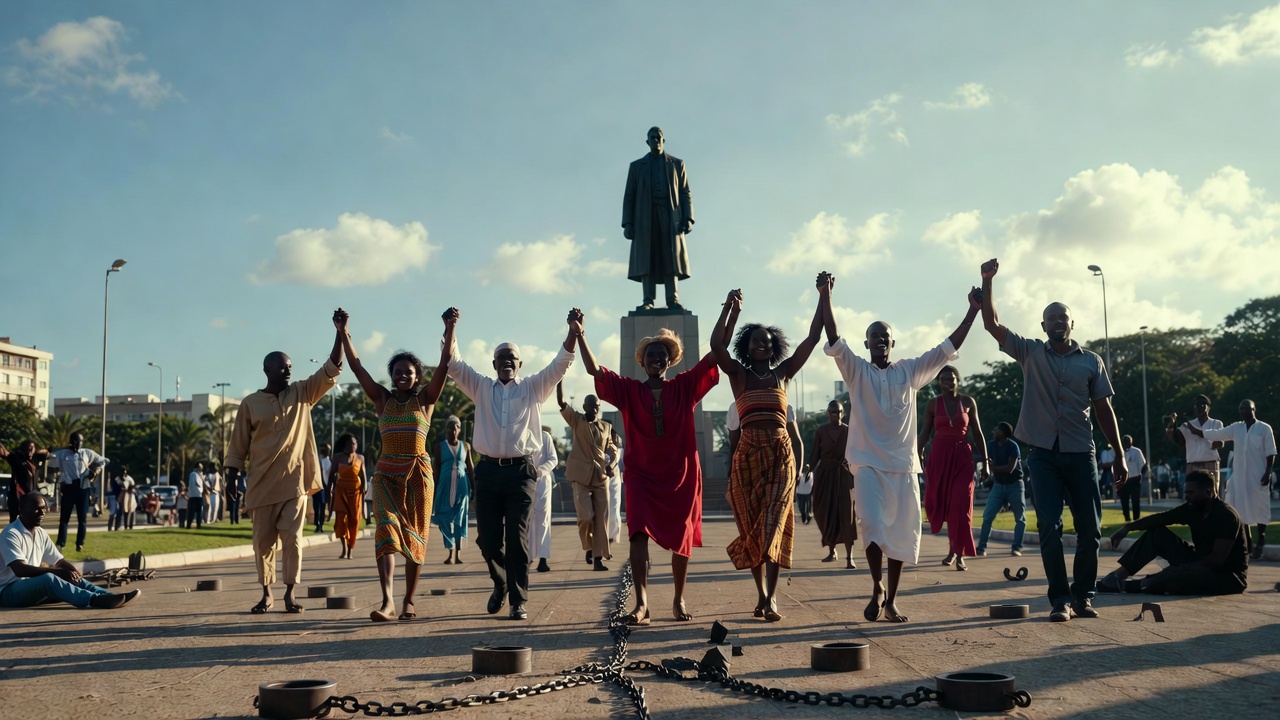
February 1, 2026 marks a deeply significant day in the Indian Ocean island nation of Mauritius—the annual commemoration of the Abolition of Slavery. This powerful public holiday offers travelers a rare opportunity to witness how a nation honors its past, celebrates its cultural identity, and transforms historical trauma into collective remembrance. If you’re planning to experience Mauritius Abolition of Slavery Day celebrations in 2026, this comprehensive guide will provide everything you need to know about the history, cultural events, travel logistics, and transformative experiences awaiting you.
What Is Abolition of Slavery Day in Mauritius and Why Is It Important?
The Abolition of Slavery Day in Mauritius, observed annually on February 1, commemorates the official end of slavery on the island in 1835. This public holiday is more than a historical marker—it represents the resilience, suffering, and ultimate triumph of hundreds of thousands of enslaved people who were forcibly brought to Mauritius to work on colonial sugar plantations.
On this day, Mauritians of all backgrounds gather to remember those who endured unimaginable hardship and those who fought for freedom. The commemoration is particularly significant for the Creole community, descendants of African and Malagasy slaves who now form an integral part of Mauritian society.
Key facts about Mauritius Abolition of Slavery Day:
| Aspect | Details |
|---|---|
| Date | February 1 (annually) |
| Type | National Public Holiday |
| Year Established | 1835 (abolition); 1987 (official commemoration began) |
| 2026 Day of Week | Sunday |
| Main Commemoration Site | Le Morne Brabant (UNESCO World Heritage Site) |
| Cultural Expression | Sega music, traditional dance, memorial services |
In 2026, Mauritius will mark the 191st anniversary of the abolition of slavery—a milestone that will draw both domestic pilgrims and international travelers seeking to understand this pivotal moment in world history.
The History of Slavery in Mauritius: Understanding the Island’s Colonial Past
Dutch Colonial Period and the Beginning of Slavery (1638-1710)
The history of slavery in Mauritius began when the Dutch East India Company established the first European settlement on the island in 1638. Commander Adriaan van der Stel brought approximately 100 Malagasy slaves to Mauritius in the 1640s to work on emerging plantations. During Dutch colonization, enslaved people from Madagascar, Africa, India, and Java were subjected to brutal conditions. The Dutch eventually abandoned Mauritius in 1710, unable to develop the island’s potential.
French Colonial Rule and the Expansion of the Slave Trade (1715-1810)
When France took control of Mauritius (then called Île de France) in 1715, the island’s slave population expanded dramatically. The French focused intensively on sugar cane production, which required massive labor. Tens of thousands of enslaved Africans and Malagasy were brought to the island under horrific conditions. By the time the British captured Mauritius in 1810, an estimated 80% of the population were enslaved people.
British Rule and the Path to Abolition (1810-1835)
Following the Treaty of Paris in 1814, Mauritius became a permanent British colony. The Slavery Abolition Act of 1833, passed by the British Parliament, officially abolished slavery throughout the British Empire, taking effect on August 1, 1834. However, Mauritius was the last British colony to implement abolition, finally doing so on February 1, 1835.
The delay occurred because local plantation owners resisted the changes, and an “apprenticeship system” was introduced to convince slave owners to comply. When abolition finally came, planters received compensation of two million pounds sterling for their “loss”—while the formerly enslaved received nothing.
Le Morne Brabant: The Sacred Heart of Mauritius Abolition Commemoration
Why Le Morne Is Central to Abolition of Slavery Day Celebrations
No visit to Mauritius during Abolition of Slavery Day is complete without understanding the profound significance of Le Morne Brabant. This dramatic basaltic monolith, rising 556 meters above the Indian Ocean on the island’s southwestern peninsula, served as a sanctuary for runaway slaves—known as maroons—throughout the 18th and early 19th centuries.
Protected by the mountain’s isolated, wooded, and nearly inaccessible cliffs, escaped slaves formed small settlements in caves and on the summit. The oral traditions associated with the maroons have made Le Morne a universal symbol of the fight for freedom, suffering, and sacrifice.
Le Morne UNESCO World Heritage Site: A Symbol of Resistance
In July 2008, UNESCO inscribed Le Morne Cultural Landscape on the World Heritage List, recognizing its outstanding universal value. According to UNESCO, Le Morne represents:
- Exceptional testimony to maroonage (resistance to slavery)
- A symbol of the slaves’ fight for freedom across the African mainland, Madagascar, India, and Southeast Asia
- The shared memories and oral traditions of the Creole people of Mauritius
The mountain is sometimes called the “Maroon Republic” because of the large number of escaped slaves who once lived there. Mauritius was an important stopover in the eastern slave trade, making Le Morne’s role as a refuge all the more significant.
The Legend of Le Morne: A Tragic Misunderstanding
One of the most poignant stories associated with Le Morne involves the very day of abolition. According to legend, when police were dispatched to the mountain on February 1, 1835—ostensibly to inform the maroons that they were legally free—the escaped slaves misinterpreted their arrival. Fearing recapture and re-enslavement, many chose to leap to their deaths from the cliffs rather than surrender their freedom.
This tragic tale is memorialized in the poem “Le Morne Territoire Marron” by Mauritian poet Richard Sedley Assonne:
“There were hundreds of them, but my people the maroons chose the kiss of death over the chains of slavery.”
The International Slave Route Monument at Le Morne Peninsula
A Powerful Memorial for Visitors to Mauritius
Located at the foot of Le Morne mountain, the International Slave Route Monument opened on February 1, 2009, as part of UNESCO’s Slave Route Project. This profound memorial serves as a tangible symbol of the history of slavery in Mauritius and around the world.
Features of the International Slave Route Monument:
| Element | Description |
|---|---|
| Central Sculpture | Created by Mauritian artist, symbolizing the struggle for freedom |
| Nine Surrounding Sculptures | Crafted by artists from Réunion Island, Madagascar, Mozambique, China, India, and Malaysia |
| Liberation Sculpture | By Haitian sculptor Fritz Laratte, depicting a slave whose hands are freed from chains during prayer |
| Garden Setting | Contemplative space for reflection and remembrance |
The monument represents the diverse origins of enslaved people brought to Mauritius and serves as a powerful starting point for understanding the island’s complex history.
What to Expect When Visiting the Slave Route Monument
When visiting the Slave Route Monument in Mauritius, travelers should:
- Allow 1-2 hours for a meaningful visit
- Read the informational panels that provide context about the site’s significance
- Visit early morning or late afternoon for the best lighting and fewer crowds
- Combine with a hike in the surrounding Le Morne area for a complete experience
- Approach with respect—this is a place of solemn remembrance
Traditional Sega Music and Dance: The Soul of Mauritius Abolition Celebrations
What Is Sega Music and How Did It Emerge from Slavery?
Sega music is the heart and soul of Mauritian culture, and nowhere is its connection to the island’s history more apparent than during Abolition of Slavery Day celebrations. This vibrant performing art—encompassing music, storytelling, and dance—was born from the creative expression of enslaved Africans and Malagasy people.
According to UNESCO’s Intangible Cultural Heritage listing, Traditional Mauritian Sega Tipik is:
“A vibrant performing art, emblematic of the Creole community and performed at informal private family events or in public spaces. Songs sung in a minor key gradually increase in tempo, as dancers move their hips and hands to a percussive beat.”
Sega represented a moment of relaxation and consolation for enslaved people after grueling days in the sugar cane fields. It served as both an expression of joy and a vehicle for lamentation, allowing those in bondage to maintain their cultural identity and human dignity.
Traditional Sega Instruments You’ll Hear During Celebrations
| Instrument | Description | Origin |
|---|---|---|
| Ravanne | Circular goat-skin frame drum | The heartbeat of Sega music |
| Maravanne | Box rattle filled with seeds | Provides rhythmic accompaniment |
| Triangle | Metal percussion instrument | Adds melodic texture |
| Bobre | Long wooden bow with gourd | Traditional instrument (now rare) |
Where to Experience Authentic Sega During Abolition of Slavery Day
Key locations for Sega performances on February 1, 2026:
- Le Morne Brabant — The main celebration site with large-scale performances
- Port Louis — The capital city hosts cultural events throughout the day
- Beach Hotels — Many resorts organize special Sega evenings
- Local Villages — Authentic community celebrations throughout the island
The turning point for Sega’s acceptance came on October 30, 1964, when the legendary Ti Frère (Jean Alphonse Ravaton)—known as the “King of Sega”—performed at the historic “Night of the Sega” at Le Morne mountain. His famous song “Anita” became the first recorded Sega track and helped transform this once-marginalized art form into a beloved national treasure.
How Mauritius Celebrates Abolition of Slavery Day: Events and Activities in 2026
Official Government Commemorations
Each year, the Government of Mauritius organizes official ceremonies to mark Abolition of Slavery Day. These typically include:
- Wreath-laying ceremonies at the International Slave Route Monument
- Speeches by government officials honoring the memory of enslaved people
- Cultural performances featuring Sega music and traditional dance
- Academic symposiums on slavery’s historical impact and contemporary relevance
In 2025, Mauritius commemorated the 190th anniversary of abolition with a special international conference on “Resistance, Liberty, Heritage in the Western Indian Ocean”, organized in partnership with UNESCO. Similar commemorative events may be planned for 2026.
Community Celebrations at Le Morne
The most powerful Abolition of Slavery Day celebrations in Mauritius take place at Le Morne, where thousands gather to honor those who fought for freedom. Activities typically include:
- Dawn ceremonies at the foot of the mountain
- Traditional Sega performances throughout the day
- Creole food stalls serving authentic dishes
- Art exhibitions celebrating Afro-Mauritian heritage
- Storytelling sessions sharing oral histories of slavery and resistance
- Religious services honoring ancestors
Cultural Events Throughout the Island
Beyond Le Morne, celebrations extend across Mauritius:
| Location | Type of Event | What to Expect |
|---|---|---|
| Port Louis | Urban celebrations | Street performances, museum exhibitions, food markets |
| Mahebourg | Coastal commemoration | Naval history exhibitions, beach celebrations |
| Chamarel | Village festivals | Traditional crafts, local music, community gatherings |
| Various Hotels | Cultural shows | Special Sega evenings, historical presentations |
Planning Your Trip: Best Time to Visit Mauritius for Abolition of Slavery Day
Mauritius Weather in February: What Travelers Should Expect
February falls within Mauritius’s summer season, which brings warm temperatures, high humidity, and occasional rainfall. While this period is part of the cyclone season, severe storms are relatively rare.
February weather overview for Mauritius:
| Weather Factor | Conditions |
|---|---|
| Average Temperature | 25-30°C (77-86°F) |
| Sea Temperature | 28°C (82°F) — warmest of the year |
| Humidity | 80%+ |
| Rainfall | Occasional afternoon showers |
| Sunshine | Plenty of sunny periods between showers |
| Cyclone Risk | Moderate — monitor forecasts |
Advantages of Visiting Mauritius in February
Despite being part of the wet season, February offers several advantages for travelers:
- Lower tourist numbers compared to December-January peak season
- Lush, green landscapes thanks to the rainy season
- Warm ocean temperatures perfect for snorkeling and diving
- Cultural richness with Abolition Day and other celebrations
- Better hotel rates outside the Christmas/New Year rush
Packing Essentials for Mauritius in February
- Light, breathable clothing in natural fabrics
- Rain jacket or umbrella for sudden showers
- Reef-safe sunscreen (SPF 50+)
- Comfortable walking shoes for Le Morne hiking
- Respectful attire for memorial sites (covered shoulders, modest dress)
- Hat and sunglasses for sun protection
Mauritius Visa Requirements for International Travelers in 2026
Visa-Free Entry for Most Nationalities
Good news for travelers: Mauritius has generous visa policies that allow citizens of most countries to enter without obtaining a visa in advance.
Visa-free entry (up to 60-180 days) applies to citizens of:
- United States, Canada, United Kingdom
- European Union member states
- Australia, New Zealand
- Most African, Asian, and South American countries
According to the Mauritius Passport and Immigration Office, visitors may stay for a cumulative period of up to 180 days per calendar year for tourism, with extensions possible on a case-by-case basis.
Entry Requirements for Mauritius
| Requirement | Details |
|---|---|
| Valid Passport | Must be valid for duration of stay |
| Return/Onward Ticket | Proof of departure required |
| Proof of Funds | Minimum US$100 per day recommended |
| Accommodation Confirmation | Hotel reservation or host details |
| Health Requirements | Yellow Fever vaccination required if arriving from endemic areas |
| Travel Form | Complete “Mauritius All-In-One Travel Form” online or upon arrival |
Countries Requiring Advance Visa
Citizens of approximately 16 countries must obtain a visa before traveling to Mauritius. Check with the nearest Mauritian embassy or consulate if you’re unsure about your nationality’s requirements.
How to Get to Mauritius: Flights and Airport Information
International Flights to Mauritius
Sir Seewoosagur Ramgoolam International Airport (MRU), located near Mahebourg in the southeast, is Mauritius’s sole international airport. Major airlines serving Mauritius include:
- Air Mauritius (national carrier)
- Emirates (via Dubai)
- Air France (via Paris)
- British Airways (via London)
- South African Airways (via Johannesburg)
- Singapore Airlines (via Singapore)
Flight times from major cities:
| Departure City | Approximate Flight Time |
|---|---|
| London | 11-12 hours |
| Paris | 11 hours |
| Dubai | 6 hours |
| Johannesburg | 4 hours |
| Mumbai | 5.5 hours |
| Singapore | 7.5 hours |
| Sydney | 14-15 hours (with stopover) |
Getting from the Airport to Le Morne
The journey from the airport to Le Morne takes approximately 1 hour 15 minutes by car (about 57 km). Transportation options include:
- Hotel transfers — Most resorts offer airport pickup (often included or available for a fee)
- Private taxi — Approximately MUR 2,000-2,500 (USD 45-55)
- Rental car — Available at the airport; driving is on the left side
- Public bus — Budget option but time-consuming with connections
Where to Stay Near Le Morne: Accommodation Guide for Abolition Day Travelers
Luxury Resorts at Le Morne Peninsula
For those seeking 5-star accommodation near the UNESCO World Heritage Site, Le Morne offers some of Mauritius’s finest resorts:
Top Luxury Hotels at Le Morne:
| Resort | Rating | Key Features |
|---|---|---|
| The St. Regis Le Morne | 5-star | All-suite, all-butler service, dramatic mountain backdrop |
| LUX* Le Morne | 5-star | Boutique resort, mindful luxury, UNESCO site views |
| Dinarobin Beachcomber Golf Resort & Spa | 5-star | Adult-friendly, spa excellence, golf access |
| Paradis Beachcomber Golf Resort & Spa | 5-star | Family-friendly, 18-hole golf course, water sports |
| Hotel RIU Palace Mauritius | 5-star | All-inclusive, beachfront location |
Mid-Range and Budget Options Near Le Morne
Travelers on moderate budgets can find excellent value at:
- Heritage Awali Golf & Spa Resort — All-inclusive option with strong reviews
- Boutik Le Morne Holiday Apartments — Self-catering for independent travelers
- Happy Days Guest House — Family-run with cultural immersion experiences
- Guesthouses in nearby Tamarin or Flic-en-Flac — 15-30 minutes from Le Morne
Booking Tips for Abolition of Slavery Day 2026
Since February 1, 2026 falls on a Sunday, many Mauritians will have an extended weekend for celebrations. Book accommodation well in advance (at least 3-6 months) to secure your preferred option, especially at Le Morne resorts.
Exploring Aapravasi Ghat: Mauritius’s Other UNESCO World Heritage Site
Understanding the Post-Slavery Indentured Labor System
While Le Morne represents the struggle against slavery, Aapravasi Ghat in Port Louis tells the story of what came next: the indentured labor system that brought nearly half a million workers from India, China, and other regions to Mauritius between 1834 and 1920.
This UNESCO World Heritage Site, inscribed in 2006, is located in the heart of Port Louis and represents the birthplace of the modern indentured labor diaspora. According to UNESCO:
“Between 1834 and 1920, over 462,000 migrants passed through Aapravasi Ghat, heading to work on sugar plantations in Mauritius and beyond.”
What to See at Aapravasi Ghat
Key features of the Aapravasi Ghat World Heritage Site:
| Feature | Description |
|---|---|
| The Sixteen Steps | Symbolic stairs climbed by every arriving indentured worker |
| Hospital Block | Only complete surviving structure from the original depot |
| Bath Area | Where new arrivals were required to wash upon arrival |
| Beekrumsing Ramlallah Interpretation Centre | Modern museum with artifacts and testimonials |
Visiting Information for Aapravasi Ghat
| Detail | Information |
|---|---|
| Location | Quay Street, Port Louis (near Caudan Waterfront) |
| Opening Hours | Monday-Friday: 9:00-16:00; Saturday: 9:00-12:00 |
| Closed | Sundays and public holidays |
| Admission | Free |
| Guided Tours | Free and highly recommended |
Connecting Slavery and Indenture: A Complete Historical Experience
Visiting both Le Morne and Aapravasi Ghat provides a comprehensive understanding of Mauritius’s labor history:
- Le Morne — The era of slavery (1638-1835)
- Aapravasi Ghat — The transition to indentured labor (1834-1920)
Together, these sites explain why Mauritius today is such a remarkably multicultural society, with descendants of African slaves, Indian laborers, Chinese merchants, and European colonizers living side by side.
Traditional Mauritian Creole Cuisine: What to Eat During Your Visit
The Multicultural Flavors of Mauritius
Mauritian cuisine is a delicious reflection of the island’s diverse heritage, blending African, Indian, Chinese, and French influences into a unique culinary tradition. During Abolition of Slavery Day celebrations, traditional Creole dishes take center stage.
Must-Try Creole Dishes in Mauritius
| Dish | Description | Origin |
|---|---|---|
| Rougaille | Spicy tomato-based sauce with fish, sausage, or chicken | French-Creole fusion |
| Cari (Curry) | Fragrant Mauritian curry with meat or seafood | Indian-Creole adaptation |
| Dholl Puri | Flatbread stuffed with ground yellow split peas | Indo-Mauritian creation |
| Boulettes | Steamed dumplings in chili broth | Chinese-Mauritian specialty |
| Mine Frites | Fried noodles with vegetables and meat | Sino-Mauritian street food |
| Bol Renversé | “Upside-down bowl” — rice, vegetables, fried egg | Chinese-Mauritian comfort food |
| Vindaye Poisson | Pickled fried fish with mustard and turmeric | Portuguese-Creole heritage |
| Achard Légumes | Pickled vegetables with mustard and spices | Universal Mauritian accompaniment |
Where to Find Authentic Creole Food
Best places to experience traditional Mauritius cuisine:
- Port Louis Central Market — Street food paradise with authentic local dishes
- Le Morne Village Stalls — Especially during Abolition Day celebrations
- Escale Creole (Central Mauritius) — Renowned for home-style cooking
- Chez Rosy (Souillac) — Famous for octopus curry
- Food Tours in Port Louis — Local Spirit Mauritius offers guided culinary experiences
Food Tips for Visitors
- Spice level — Mauritian food can be quite spicy. Say “pah for” (Creole for “not hot”) if you prefer milder dishes
- Street food safety — Generally safe and delicious; choose busy stalls with high turnover
- Vegetarian options — Widely available due to the large Hindu population
- Halal food — Common throughout the island
Activities and Experiences Beyond Abolition Day: Making the Most of Your Mauritius Trip
Hiking Le Morne Brabant Mountain
One of the most meaningful activities during an Abolition of Slavery Day trip is hiking the sacred Le Morne Brabant mountain itself. Since 2016, guided tours have been mandatory for safety and cultural preservation.
Le Morne Hike Essential Information:
| Detail | Information |
|---|---|
| Duration | 3-4 hours round trip |
| Difficulty | Moderate to challenging (some hand-climbing required) |
| Guide Requirement | Mandatory |
| Best Time | Early morning (avoid midday heat) |
| What You’ll See | Slave cave shelters, endemic plants, 360° panoramic views |
| Fitness Level | Good physical condition required |
Water Sports at Le Morne Beach
Le Morne is world-renowned for water sports, particularly:
- Kitesurfing — One Eye spot is internationally famous
- Windsurfing — Excellent conditions year-round
- Stand-up Paddleboarding — Calm lagoon areas
- Snorkeling — Crystal-clear waters with coral reefs
- Diving — Professional dive centers at nearby resorts
The Underwater Waterfall Illusion
Near Le Morne, visitors can witness one of Mauritius’s most spectacular natural phenomena: the “underwater waterfall.” This optical illusion, created by sand and silt cascading down the ocean floor, is best viewed from a helicopter or seaplane tour.
Other Cultural and Historical Sites to Visit
| Site | Location | Significance |
|---|---|---|
| Chamarel Seven Colored Earth | Southwest | Unique geological formation |
| Black River Gorges National Park | Southwest | Endemic wildlife, hiking trails |
| Eureka House (La Maison Créole) | Moka | Colonial-era plantation house |
| L’Aventure du Sucre | Pamplemousses | Sugar industry museum |
| Blue Penny Museum | Port Louis | Rare stamps and colonial history |
Practical Travel Tips for Mauritius in 2026
Currency and Money Matters
| Topic | Information |
|---|---|
| Currency | Mauritian Rupee (MUR) |
| Exchange Rate | Approximately 45-50 MUR = 1 USD (check current rates) |
| ATMs | Available at airport and tourist areas |
| Credit Cards | Widely accepted at hotels and restaurants |
| Cash | Recommended for markets and small vendors |
Language and Communication
Mauritius is a multilingual society:
- English — Official language; widely spoken in tourist areas
- French — Widely spoken; common in media and business
- Mauritian Creole (Kreol) — Native language of most Mauritians
- Hindi, Bhojpuri, Tamil — Spoken by Indo-Mauritian communities
- Mandarin — Spoken by Sino-Mauritian community
Useful Kreol phrases:
| English | Kreol |
|---|---|
| Hello | Bonzour |
| Thank you | Mersi |
| How are you? | Ki manyer? |
| Beautiful | Zoli |
| Delicious | Gou |
Health and Safety
- Medical facilities — Good quality hospitals in urban areas
- Travel insurance — Highly recommended, including medical evacuation coverage
- Sun protection — Essential year-round
- Swimming safety — Be aware of currents; swim in lagoon areas
- Crime — Generally very safe; take normal precautions against petty theft
Electricity and Connectivity
| Utility | Details |
|---|---|
| Plug Type | Type C and G (UK-style) |
| Voltage | 230V |
| WiFi | Widely available at hotels and restaurants |
| SIM Cards | Tourist SIMs available at airport |
Creating a Meaningful Abolition of Slavery Day Experience: Etiquette and Respect
How to Be a Respectful Visitor During Commemorations
When participating in Abolition of Slavery Day events in Mauritius, travelers should:
- Approach with solemnity — Remember this is a day of remembrance, not just celebration
- Dress appropriately — Modest, respectful attire at memorial sites
- Ask permission before photographing — Especially during ceremonies or of individuals
- Listen and learn — Engage with local perspectives on history and heritage
- Support local communities — Buy from local artisans and eat at local restaurants
- Avoid appropriation — Appreciate Sega culture respectfully without trivializing it
Understanding the Creole Community’s Perspective
For Mauritian Creoles, Abolition of Slavery Day holds profound personal significance. Many are direct descendants of enslaved people, and the day represents:
- Acknowledgment of ancestral suffering
- Celebration of cultural resilience
- Assertion of identity in a multicultural society
- Opportunity to educate younger generations
Travelers who approach the day with genuine curiosity and respect will find Mauritians warm, welcoming, and eager to share their heritage.
Sample 5-Day Itinerary: Mauritius Abolition of Slavery Day Trip 2026
Day 1 (January 30): Arrival and Acclimatization
- Morning/Afternoon: Arrive at Sir Seewoosagur Ramgoolam International Airport
- Transfer: To Le Morne accommodation (approximately 1 hour 15 minutes)
- Evening: Settle in, enjoy resort dinner, early rest to adjust
Day 2 (January 31): Port Louis and Aapravasi Ghat
- Morning: Drive to Port Louis (1 hour from Le Morne)
- Mid-Morning: Visit Aapravasi Ghat World Heritage Site (guided tour)
- Lunch: Street food tour at Port Louis Central Market
- Afternoon: Explore Blue Penny Museum and Caudan Waterfront
- Evening: Return to Le Morne, dinner at hotel
Day 3 (February 1): Abolition of Slavery Day Celebrations
- Early Morning: Attend dawn ceremony at Le Morne (if available)
- Morning: Visit International Slave Route Monument
- Midday: Experience Sega performances and cultural celebrations
- Lunch: Traditional Creole food at celebration stalls
- Afternoon: Participate in community events, art exhibitions
- Evening: Special commemorative Sega evening at resort
Day 4 (February 2): Le Morne Mountain Hike and Nature
- Early Morning: Guided hike up Le Morne Brabant (3-4 hours)
- Lunch: Light meal at hotel after hike
- Afternoon: Beach relaxation or water sports at Le Morne Beach
- Evening: Sunset dinner overlooking the lagoon
Day 5 (February 3): Southwest Exploration and Departure
- Morning: Visit Chamarel Seven Colored Earth and waterfall
- Optional: Helicopter tour to see underwater waterfall illusion
- Lunch: Restaurant in Chamarel area
- Afternoon: Transfer to airport for evening departure (or extend your stay!)
Frequently Asked Questions About Mauritius Abolition of Slavery Day 2026
Is Mauritius Abolition of Slavery Day a Public Holiday?
Yes. February 1 is an official public holiday in Mauritius. Banks, government offices, and many businesses will be closed. However, tourist facilities, restaurants, and attractions typically remain open, especially those catering to the celebrations.
What Day of the Week Does Abolition of Slavery Day Fall on in 2026?
In 2026, February 1 falls on a Sunday. This means many Mauritians will enjoy an extended weekend, and celebrations may be particularly vibrant.
Can Tourists Participate in Abolition Day Celebrations?
Absolutely. Visitors are warmly welcomed to participate in public commemorations at Le Morne and throughout the island. Approach with respect, and you’ll find locals eager to share their heritage.
Is Le Morne Brabant Safe to Hike?
Yes, with a mandatory certified guide, Le Morne is safe for hikers in good physical condition. The final summit section requires some hand-climbing but is manageable for most fit adults. Guides ensure safety while sharing the mountain’s profound history.
How Far in Advance Should I Book Accommodation?
For travel during Abolition of Slavery Day 2026, book 3-6 months in advance, especially for Le Morne resorts. The combination of the holiday and ideal weather conditions makes this a popular time.
What Is the Best Way to Get Around Mauritius?
Rental cars offer the most flexibility and are reasonably priced. Driving is on the left side (British-style). Alternatively, many hotels arrange private drivers or group tours to major attractions.
Conclusion: Why Mauritius Abolition of Slavery Day 2026 Should Be on Your Travel List
Traveling to Mauritius for Abolition of Slavery Day 2026 offers something rare in modern tourism: the opportunity to witness a nation grappling honestly with its past while celebrating the resilience and culture that emerged from unimaginable hardship.
Standing at the foot of Le Morne Brabant—where enslaved people once risked everything for freedom—and hearing the rhythms of Sega music that their descendants created, travelers gain a profound understanding of how history shapes identity. The experience is at once sobering and uplifting, educational and celebratory.
Whether you’re drawn by interest in world history, passion for cultural immersion, love of stunning natural beauty, or simply the desire to understand how humanity processes collective trauma, Mauritius on February 1 delivers an unforgettable experience.
As you plan your journey, remember:
- Book accommodation early at Le Morne for the best experience
- Visit both UNESCO sites — Le Morne and Aapravasi Ghat — for the complete story
- Participate respectfully in commemorations with openness and humility
- Taste Creole cuisine as a delicious gateway to understanding the culture
- Allow time for reflection at the Slave Route Monument
The Abolition of Slavery Day in Mauritius reminds us that freedom is precious, that culture endures, and that even the darkest chapters of history can give rise to extraordinary beauty and resilience.
We hope this guide helps you plan a meaningful, respectful, and transformative journey to Mauritius in 2026.
Safe travels, and may your experience at Le Morne and beyond deepen your appreciation for the enduring human spirit.
Additional Resources and References
Official Tourism Information:
UNESCO World Heritage Sites:
Travel Planning:
The 191st Anniversary: Why 2026 Is a Meaningful Year to Visit
Connecting Past and Present: The Ongoing Relevance of Abolition Day
The 191st anniversary of abolition in 2026 comes at a time when conversations about historical justice, cultural heritage preservation, and the legacies of colonialism continue to resonate globally. Visiting Mauritius during this commemoration connects travelers to broader discussions about:
- Memory and reconciliation — How nations honor difficult pasts
- Cultural preservation — The role of UNESCO and communities in protecting heritage
- Identity formation — How descendants of enslaved and indentured people define themselves
- Sustainable tourism — Respectful engagement with historical trauma sites
The UNESCO Routes of Enslaved Peoples Project
In 2025, UNESCO celebrated the 30th anniversary of its groundbreaking “Routes of Enslaved Peoples: Resistance, Liberty and Heritage” program. This initiative, which Mauritius officially joined in 2005, has been instrumental in:
- Producing innovative research on slavery’s global impact
- Developing international networks of scholars and memory sites
- Supporting heritage initiatives like the International Slave Route Monument
- Breaking the silence surrounding difficult historical narratives
Mauritius’s participation demonstrates the island’s commitment to confronting its past honestly while celebrating the resilience of those who survived enslavement.
Photography and Documentation: Capturing Your Experience Respectfully
For travelers who wish to photograph during Abolition of Slavery Day, consider these guidelines:
| Do | Don’t |
|---|---|
| Ask permission before photographing individuals | Photograph people without consent |
| Capture the landscape and monuments respectfully | Treat solemn moments as tourist spectacles |
| Focus on the beauty and meaning of cultural performances | Interrupt ceremonies for better shots |
| Share images that educate and inspire | Misrepresent or sensationalize the history |
| Credit local guides and storytellers when sharing | Appropriate cultural expressions without context |
Final Thoughts: The Transformative Power of Cultural Travel
Traveling to Mauritius for Abolition of Slavery Day 2026 represents more than a vacation—it’s an opportunity for meaningful cultural exchange and personal growth. The experience of standing where enslaved people once sought freedom, of hearing music born from suffering transformed into celebration, and of tasting cuisine that reflects centuries of cultural fusion, offers travelers something increasingly rare: authentic connection to human history.
As you prepare for your journey, remember that responsible cultural tourism benefits everyone. Your presence supports local economies, encourages heritage preservation, and helps ensure that stories of resistance and resilience continue to be told for generations to come.
The Creole community of Mauritius has transformed unimaginable trauma into vibrant culture, and they welcome visitors who approach with genuine respect and curiosity. In return, they offer something precious: the opportunity to understand how humanity endures, adapts, and ultimately triumphs.
May your journey to Mauritius in 2026 be filled with wonder, learning, and profound appreciation for the indomitable human spirit.