Discover the profound history, moving memorials, and living heritage that make February 1st one of Mauritius’s most significant cultural experiences
Introduction: Why Mauritius Abolition of Slavery Day Matters for Cultural Travelers
Every year on February 1st, the tropical island nation of Mauritius pauses to remember a pivotal moment in its history. Abolition of Slavery Day commemorates the liberation of 66,343 enslaved people on this date in 1835. This public holiday offers travelers a rare opportunity to witness history come alive.
Mauritius is often celebrated for its pristine beaches and luxury resorts. But beneath this paradise lies a profound cultural tapestry woven from centuries of colonial rule, forced labor, and ultimate liberation. For the discerning cultural traveler, Abolition of Slavery Day provides an unparalleled window into the island’s soul.
The island’s history is uniquely complex. Dutch colonizers first brought enslaved people from Madagascar in the 1640s. French rule expanded the slave trade dramatically. By the time Britain seized control in 1810, approximately 80% of the population were enslaved. This makes Mauritius one of the most important sites in the Indian Ocean slave trade.
Today, the descendants of those enslaved people—known as Creole Mauritians—make up a significant portion of the population. Their ancestors’ suffering, resistance, and ultimate triumph are commemorated through powerful monuments, living traditions, and UNESCO-recognized heritage sites.
This comprehensive guide will take you through five essential cultural sites that every visitor should explore during Mauritius Abolition of Slavery celebrations. Each location tells a different chapter of this compelling human story. Together, they offer a complete picture of Mauritius’s journey from bondage to freedom.
Understanding the Historical Significance of Slavery Abolition in Mauritius
The Dark History of the Mauritian Slave Trade
Before exploring the sites themselves, it’s essential to understand the historical context. Mauritius occupied a strategic position in the Indian Ocean slave trade. The island served as both a destination and a transit point for enslaved people from across three continents.
| Colonial Period | Years | Impact on Slavery |
|---|---|---|
| Dutch Rule | 1638-1710 | First slaves brought from Madagascar (~100 people) |
| French Rule | 1715-1810 | Massive expansion of slave trade for sugar plantations |
| British Rule | 1810-1968 | Abolition in 1835; transition to indentured labor |
The Dutch East India Company established the first settlement in 1638. They brought approximately 100 enslaved Malagasy people to work cutting ebony trees. Conditions were brutal. Many escaped into the island’s mountainous interior, becoming what were known as “maroons.”
When the French took control in 1715, they transformed Mauritius into a major sugar-producing colony. This required a massive workforce. Between the 1720s and 1820s, over 200,000 enslaved people arrived from East African and Malagasy ports, according to historian Pier Larson. Many died during the brutal Middle Passage.
By the early 19th century, 60,000 enslaved people toiled on the island’s sugar plantations. They came from diverse regions:
- Madagascar (the largest source)
- Mozambique
- East Africa
- India
- Southeast Asia
The Path to Abolition: February 1, 1835
Britain abolished the slave trade throughout its empire with the Slavery Abolition Act of 1833. However, Mauritius was among the last British colonies to implement the law. The apprenticeship system—a transition period designed to ease plantation owners into using paid labor—delayed full emancipation.
On February 1, 1835, slavery was officially abolished in Mauritius. It was a bittersweet liberation. Plantation owners received £2,112,632 in compensation (equivalent to approximately £1.5 billion today). The enslaved people themselves received nothing.
To finance compensation across all British slave colonies, the government borrowed £15 million from financiers Nathan Mayer Rothschild and Moïse Montefiore. Remarkably, this debt was not fully repaid until 2015—nearly two centuries later.
Site 1: Le Morne Cultural Landscape – UNESCO World Heritage Symbol of Freedom in Mauritius
Why Le Morne Mountain is the Most Important Slave Heritage Site in Mauritius
If you visit only one site during Abolition of Slavery Day in Mauritius, make it Le Morne Cultural Landscape. This dramatic basaltic mountain, rising 556 meters above the Indian Ocean, stands as an internationally recognized symbol of slave resistance.
Le Morne Brabant peninsula juts into the sea at Mauritius’s southwestern tip. Its name translates to “the mournful one” in French—a poignant reference to the suffering it witnessed. The mountain was designated a UNESCO World Heritage Site in 2008, recognizing its global significance.
According to UNESCO’s official designation, Le Morne represents “an exceptional testimony to maroonage or resistance to slavery.” The mountain’s steep cliffs, dense vegetation, and numerous caves made it a natural fortress for escaped slaves.
The Legendary History of Maroon Resistance at Le Morne
Throughout the 18th and early 19th centuries, escaped slaves (maroons) found refuge on Le Morne’s virtually inaccessible slopes. They established small communities in caves and on the summit. Protected by the mountain’s fortress-like terrain, they created a society free from their oppressors.
The maroon population was significant. Historians estimate that at the height of the maroon movement, up to 10-13% of Mauritius’s enslaved population had escaped. Many made their way to Le Morne, which became known as the “Maroon Republic.”
Key features that made Le Morne an ideal refuge:
- Vertical cliffs surrounding most of the mountain
- Steep slopes intersected by ravines and valleys
- Dense vegetation providing cover
- Numerous caves for shelter
- A flat plateau at the summit for settlement
- The V-Gap, a narrow gorge that was the only access point
Maroon communities were not merely hiding—they were actively resisting. Leaders with names like “Barbe Blanche” (White Beard) and “Sans Souci” (Without Worry) organized raids on nearby plantations. They freed other enslaved people and gathered supplies. Settlers who attempted to build near Le Morne’s base were reportedly attacked and forced to relocate.
The Tragic Legend of Le Morne: Why Escaped Slaves Chose Death Over Recapture
The most haunting aspect of Le Morne’s history is its tragic legend. According to oral traditions passed down through generations, this story unfolded on February 1, 1835—the very day of abolition.
When slavery was officially abolished, British authorities dispatched a police expedition to Le Morne. Their mission was to inform the maroon communities that they were finally free. However, the arrival of these uniformed officials was catastrophically misinterpreted.
The maroons, seeing the police approach, believed they were about to be recaptured and re-enslaved. Rather than face that horror, hundreds chose to leap from the mountain’s cliffs into what became known as the “Valley of Bones.”
A poem inscribed at Le Morne, written by Mauritian poet Richard Sedley Assonne, captures this tragedy:
“There were hundreds of them, but my people the maroons chose the kiss of death over the chains of slavery.”
While archaeological evidence for this specific event remains limited, the oral traditions are powerful. They have been deemed so significant that they formed part of UNESCO’s justification for Le Morne’s World Heritage status.
Visiting Le Morne During Abolition of Slavery Day Celebrations
February 1st transforms Le Morne into the epicenter of Mauritius’s abolition commemorations. Since 2005, this has been the official site for national ceremonies honoring the abolition of slavery. Thousands gather at the mountain’s foot for:
- Official government ceremonies attended by the Prime Minister and dignitaries
- Wreath-laying at the International Slave Route Monument
- Cultural performances including traditional Sega music and dance
- Community gatherings by Creole Mauritians and Rastafarian groups
- Spiritual ceremonies at the Venerated Place of Resistance
The Le Morne Heritage Trust Fund, established by the Mauritian government in 2006, manages the site and organizes these commemorations. Their work ensures that the memories and traditions associated with maroonage continue to be honored.
Hiking Le Morne Mountain: A Profound Cultural Experience
Until 2016, the summit of Le Morne was inaccessible to the public. The opening of hiking trails marked a significant moment in Mauritius’s heritage management. Today, visitors can experience the same terrain that sheltered escaped slaves centuries ago.
| Hike Details | Information |
|---|---|
| Duration | 3-4 hours (round trip) |
| Difficulty | Moderate to challenging |
| Requirement | Certified guide mandatory |
| Best Season | April to November (austral winter) |
| Summit Area | 12 hectares (30 acres) |
According to UNESCO, since the trails opened, “the site has attracted more than 7,500 visitors, over 70% of which are Mauritians who claim a strong emotional attachment to the history and heritage of their country.”
The hike reveals:
- Caves where maroons sheltered
- Endemic plants including the rare Trochetia Boutoniana (Mauritius’s national flower)
- Spectacular views of the lagoon and Indian Ocean
- Archaeological sites confirming historical occupation
- The “underwater waterfall” optical illusion visible from above
Practical Information for Visiting Le Morne Cultural Landscape
Location: Southwestern tip of Mauritius, Le Morne Peninsula
Access: Hiking requires a certified guide (mandatory for conservation)
Best time to visit: During Abolition Day (February 1) for ceremonies; April-November for hiking
Nearby attractions: Le Morne Beach, International Slave Route Monument
Accommodation: Several luxury resorts located at the mountain’s base
Site 2: International Slave Route Monument – Mauritius Memorial Honoring African Slave Heritage
The Powerful Sculpture Garden at the Foot of Le Morne
At the very base of Le Morne mountain lies another essential stop on your Mauritius slavery heritage tour. The International Slave Route Monument opened on February 1, 2009—exactly 174 years after abolition. It serves as a tangible symbol of the history of slavery in Mauritius and worldwide.
This outdoor monument is part of the broader UNESCO Slave Route Project, officially launched in Benin in 1994. Mauritius joined the project in 2005, creating a Slave Route National Committee under the Ministry of Arts and Culture. The monument materializes the island’s commitment to remembering this history.
Understanding the Sculptures: Art from Multiple Nations
The monument consists of ten powerful sculptures arranged in a contemplative garden setting. One central sculpture created by a Mauritian artist is surrounded by nine works from artists representing nations connected to the slave trade.
| Country | Significance |
|---|---|
| Mauritius | Central sculpture; destination and transit point |
| Madagascar | Major source of enslaved people |
| Mozambique | East African source country |
| India | Source of enslaved people and later indentured laborers |
| China | Source of enslaved and indentured workers |
| Malaysia | Southeast Asian source region |
| Réunion Island | Neighboring French colony with shared history |
| Haiti | Caribbean nation with parallel slave history |
| France | Colonial power |
| Senegal | West African source country |
One particularly moving sculpture deserves special attention. “Prayer to Break the Chains” by Haitian sculptor Fritz Laratte depicts a slave whose hands are suddenly freed during prayer. It symbolizes the spiritual dimension of the liberation struggle.
The Monument’s Setting: Views of Caves and Cliffs
The International Slave Route Monument is strategically positioned to offer clear views of Le Morne’s cliff faces. From here, visitors can see the numerous caves where escaped slaves reportedly hid. The visual connection between the monument and the mountain creates a powerful emotional experience.
The surrounding garden features native vegetation and provides a peaceful atmosphere for reflection. According to visitors on TripAdvisor, many describe feeling “an eerie force” and “a shiver down your spine” when contemplating the mountain’s tragic history.
Why You Should Visit During Abolition of Slavery Day
On February 1st, the International Slave Route Monument becomes a focal point for commemorations. Official ceremonies include:
- Wreath-laying by government officials
- Speeches reflecting on slavery’s legacy
- Musical performances of traditional Sega
- Community gatherings by Creole cultural groups
- Rastafarian spiritual observances
The monument also hosts events for UNESCO’s International Day for the Remembrance of the Slave Trade and its Abolition on August 23rd. Both dates offer opportunities to experience Mauritius’s living cultural heritage.
Practical Information for Visiting the International Slave Route Monument
Location: At the foot of Le Morne Brabant, opposite the public beach
Entry: Free
Duration: 15-30 minutes for a thoughtful visit
Accessibility: Wheelchair accessible garden paths
Nearby: Le Morne Public Beach, luxury resorts (Lux Le Morne, Dinarobin)
Site 3: Aapravasi Ghat – UNESCO World Heritage Immigration Depot in Port Louis
Where the “Great Experiment” Changed World History
The story of slavery in Mauritius doesn’t end with abolition. Understanding what came next is crucial—and that brings us to Aapravasi Ghat in the capital city of Port Louis. This UNESCO World Heritage Site (inscribed in 2006) marks where indentured labor replaced slavery.
The name “Aapravasi Ghat” comes from Hindi: “Aapravasi” means immigrant, and “Ghat” refers to a landing place or steps leading to water. It perfectly describes this site’s function as the gateway for nearly half a million workers who came to Mauritius after abolition.
According to UNESCO’s official designation, Aapravasi Ghat represents “one of the earliest explicit manifestations of what was to become a global economic system and one of the greatest migrations in history.”
The “Great Experiment”: Britain’s Alternative to Slave Labor
After abolition, sugar plantation owners faced a labor crisis. Their solution, supported by the British government, was indentured labor—a system where workers signed contracts to work for a set period, usually five years, in exchange for passage, housing, and wages.
Mauritius was chosen as the testing ground for this system. The British called it “The Great Experiment.” If it succeeded in Mauritius, it would be expanded throughout the empire. It did succeed—from the perspective of plantation owners, at least.
| Period | Statistics |
|---|---|
| Years of Operation | 1834-1920 |
| Total Arrivals | Over 462,000 indentured laborers |
| Primary Origin | India (97.5% of arrivals) |
| Other Origins | China, Madagascar, Mozambique, Southeast Asia |
| Permanent Settlers | Two-thirds remained in Mauritius |
| Modern Legacy | ~70% of Mauritians are descendants of indentured laborers |
What Happened at the Immigration Depot
The Immigration Depot was constructed in 1849 to process newly arrived indentured laborers. Every worker who arrived had to climb the depot’s symbolic fourteen stone steps before being registered, bathed, and allocated to sugar estates.
The site included several facilities:
- Arrival steps (the symbolic entrance point)
- Registration offices (Office of the Protector of Immigrants)
- Bathing areas (workers cleaned after weeks at sea)
- Dormitory sheds (temporary accommodation)
- Kitchen facilities (communal cooking)
- Hospital block (medical processing)
From Mauritius, the indentured labor model spread worldwide. Workers were sent to:
- Caribbean islands (Trinidad, Guyana, Jamaica)
- South Africa
- Australia
- Fiji and Pacific islands
- East Africa
Over two million people globally were moved through this system. Aapravasi Ghat was ground zero.
Visiting Aapravasi Ghat: The Beekrumsing Ramlallah Interpretation Centre
Today, only about 15-25% of the original Immigration Depot survives. Urban development in the mid-20th century destroyed much of the complex. However, the remaining structures are powerful witnesses to history.
The Beekrumsing Ramlallah Interpretation Centre (BRIC), opened in 2014, enhances the visitor experience. Named after journalist and parliamentarian Beekrumsing Ramlallah (1915-2000), who championed the site’s recognition, the museum offers:
- Archaeological artifacts found during excavations
- Historical documents and photographs
- A replica ship similar to those that transported workers
- Multimedia presentations telling workers’ stories
- Personal testimonials from descendants
According to Vikram Mugon, Heritage Interpretation Manager at Aapravasi Ghat: “This is where it all started. A great human experiment began here—one that changed the world.“
Connecting Slavery and Indenture: Understanding the Full Picture
Visiting Aapravasi Ghat provides essential context for understanding Abolition of Slavery Day. The transition from slavery to indentured labor was not a clean break—it was a continuation of exploitation under new terms.
Indentured workers faced:
- Dangerous voyages lasting weeks
- Harsh working conditions on plantations
- Limited freedom during contract periods
- Debt bondage for those who couldn’t repay advances
- Cultural displacement from their homelands
However, there were differences from slavery:
- Contracts (theoretically) guaranteed wages and duration
- Workers could not be sold like property
- Families could eventually reunite
- Return passage was promised (though many couldn’t afford it)
Mauritius commemorates the Arrival of Indentured Labourers on November 2nd as another public holiday. Together with Abolition of Slavery Day, these two holidays honor the complex heritage of all Mauritians.
Practical Information for Visiting Aapravasi Ghat
Location: Quay Street, Port Louis (Bay of Trou Fanfaron)
Hours: Generally 9:00 AM – 4:00 PM
Entry: Free
Duration: 1-2 hours for thorough visit
Accessibility: Wheelchair accessible with good facilities
Contact: Tel: 217 7770
Parking: Available at Le Caudan Waterfront or the Granary
Site 4: Intercontinental Slavery Museum – The Newest Mauritius Slavery Heritage Attraction
A New Museum Dedicated to Slave History in Port Louis
Opened in September 2023, the Intercontinental Slavery Museum represents Mauritius’s newest commitment to preserving and sharing its slave heritage. Located in Port Louis, this museum fills a crucial gap in the island’s cultural landscape.
The museum is housed in a building with its own significant history—a former military hospital constructed in 1740 under Mahé de Labourdonnais, the French Governor of what was then called “Île de France.” The building itself witnessed the era of slavery.
What Makes This Museum Unique
The Intercontinental Slavery Museum differs from other heritage sites by focusing specifically on the experience of enslaved people—not the broader colonial period or the sugar industry. It emerged from the work of the Truth and Justice Commission, established to help Mauritius reconcile with its painful past.
Key exhibits include:
- Archaeological finds from the old cemetery at Albion (2021-2022 excavations)
- Personal artifacts belonging to enslaved people: buttons, bone tools, earrings, rosaries
- An original copy of the Code Noir (Black Code) on loan from Carnegie Library in Curepipe
- 63 ethnographic busts created by Eugène de Froberville in 1846
The Froberville busts are particularly significant and moving. These plaster casts were made from the faces of enslaved people from Mauritius, Tanzania, and the Comoros. They represent one of the few direct visual records of these individuals. The busts belong to the town of Blois in France, and an agreement has been signed to eventually display them in Port Louis.
Visitor Experience and Community Engagement
According to reviews on TripAdvisor, visitors praise the museum’s passionate and engaged staff. The research assistants demonstrate deep commitment to sharing this history.
One visitor noted: “The intelligent, articulate and fully engaged women operating this museum are extremely passionate about the project—actually, the best part of my trip was the long and fascinating conversations I had with Flossie and the team.“
Important note for visitors: Most written content is in French or Creole. Some garden signage includes English. Non-French speakers should consider using a translation app to fully appreciate the exhibits.
Practical Information for Visiting the Intercontinental Slavery Museum
Location: Port Louis (former military hospital)
Status: Recently opened (September 2023); exhibits still developing
Languages: Primarily French and Creole; some English
Recommendation: Allow 1-2 hours; combine with Aapravasi Ghat nearby
Site 5: Eureka House – Creole Colonial Plantation Mansion Revealing Mauritius Sugar History
Step Inside a Perfectly Preserved 19th-Century Creole Mansion
To fully understand the context of slavery and abolition in Mauritius, you need to see where enslaved people worked and how their labor enriched others. Eureka House (also known as Maison Créole or Maison Eureka) provides this essential perspective.
Located in the village of Moka, this stunning colonial mansion was built in 1836—just one year after abolition. It represents the transition period when Mauritius shifted from slave labor to indentured labor. The mansion’s wealth came directly from the sugar industry that both systems supported.
According to Lonely Planet, “If you’re only going to visit one attraction related to Mauritius’ rich colonial history, choose Eureka.“
The Architecture: A Masterpiece of Tropical Colonial Design
Eureka House is renowned for one remarkable feature: its 109 doors and windows. This wasn’t mere extravagance—it was brilliant tropical architecture designed to keep the interior cool during Mauritius’s sweltering summers.
| Feature | Details |
|---|---|
| Construction Year | 1836 |
| Material | Local ebony and mahogany wood |
| Doors and Windows | 109 |
| Original Owner | Mr. Carr (British aristocrat) |
| Historic Owners | Le Clézio family (120+ years) |
| Museum Since | 1986 |
| Location | Banks of the Moka River, beneath Mount Ory |
The house was originally built by Mr. Carr, a British aristocrat who wanted to be near “Le Réduit“—the Governor’s residence (now the President’s house). It was later purchased by Eugène Le Clézio, who reportedly exclaimed “Eureka!” upon discovering it—giving the house its name.
What You’ll See Inside Eureka House
The museum preserves an impeccable collection of period furniture imported by the French East India Company. Walking through its rooms is like stepping back into the 19th century.
Interior highlights include:
- Antique maps of Mauritius and the Indian Ocean
- A concert piano with original ivory keys
- French porcelain painted in China (representing cultural fusion)
- A colonial-era shower contraption (revolutionary for its time)
- Photographs documenting daily life on the plantation
- Chinese living room reflecting Asian cultural influences
The courtyard behind the mansion reveals a crucial aspect of plantation life: the former servants’ quarters and kitchen. These stone cottages remind visitors that the mansion’s elegance depended on the labor of others.
The Gardens: A Window into Plantation Life
The extensive grounds of Eureka House offer more than scenic beauty. They represent the botanical interests of colonial-era landowners and the agricultural wealth of Mauritius.
Garden features include:
- Natural Mauritian flora: mango trees, palms
- Exotic plants: azaleas, camellias
- Endemic species: Bois pipe, Bois colophane, Bois de Fer
- Four small waterfalls along the Moka River
- The gigantic Damaras tree (Agathis robusta)—one of Mauritius’s most spectacular
- English-style formal gardens
The river banks support rich ecosystems including water lilies, tilapia, carp, and eels. Guides share stories of daily life during the plantation era as you walk the grounds.
Dining at La Maison Créole Restaurant
A visit to Eureka House isn’t complete without experiencing traditional Mauritian cuisine at the on-site restaurant. Meals are served under the veranda, overlooking the gardens.
The menu features authentic Creole dishes including:
- Rougaille: tomato-based stew
- Fresh seafood preparations
- Coconut-based desserts
- Mauritian tea from local plantations
This culinary experience connects directly to the island’s cultural heritage. Many dishes reflect the fusion of African, Indian, and European influences brought by slaves, indentured workers, and colonizers.
Practical Information for Visiting Eureka House
Location: Mount Ory Road, Moka (12 km south of Port Louis)
Hours: Monday-Friday 9:00 AM – 5:00 PM; Saturday 9:00 AM – 3:30 PM; Sunday 9:00 AM – 3:30 PM
Entry: Approximately €10 adults; €6 children (3-12 years)
Lunch: Approximately €24 per person
Duration: 2-3 hours (including lunch)
Getting There: From Port Louis, take Bagatelle exit toward Moka; look for “Eureka” signs
Bonus Cultural Experience: Traditional Mauritian Sega Music and Dance Heritage
The Sound of Freedom: How Slaves Created Mauritius’s National Music
No cultural journey through Mauritius’s slavery heritage is complete without experiencing Sega—the island’s most beloved musical tradition. This vibrant art form was born directly from the experience of enslaved people.
Sega has been inscribed on UNESCO’s Intangible Cultural Heritage of Humanity list. The inscription recognizes Traditional Mauritian Sega (Sega Typik), Sega Tambour Chagos, and Sega Tambour of Rodrigues Island. All share roots in slavery.
The Origins of Sega: Music Born from Suffering
In the 18th century, enslaved Africans and Malagasy people on Mauritius’s sugar plantations developed their own musical traditions. After brutal days of forced labor, they gathered to sing, dance, and play handmade instruments.
Sega served multiple purposes:
- Entertainment and emotional release after hard labor
- Communication between enslaved communities
- Spiritual connection with ancestors and spirits
- Resistance through preserving cultural identity
- Mourning rituals honoring the dead
The Catholic Church and colonial authorities initially suppressed Sega because of its associations with African spirituality and sexuality. It was considered dangerous and subversive. Enslaved people were “forced to forget their language” and origins—but Sega helped them remember.
Traditional Sega Instruments: Made from Available Materials
Enslaved people created instruments from whatever they could find. These handmade creations remain central to traditional Sega:
| Instrument | Description |
|---|---|
| Ravanne | Circular drum with goat skin—the most important Sega instrument |
| Triyang | Metal triangle struck from the side |
| Maravanne | Box filled with seeds, creating a shaker sound |
| Bobre | Stringed instrument similar to a musical bow |
The Revival of Sega: From Shame to National Pride
For generations after abolition, Sega remained associated with poverty and the lower classes. Many Mauritians were ashamed of it. This changed dramatically on October 30, 1964.
That night, at the foot of Le Morne Mountain, a legendary performance called “La Nuit du Sega” (Night of the Sega) took place. The performer Ti Frère (the “father of Mauritian Sega”) debuted his famous song “Anita“—the first Sega recording.
This event transformed Sega from a marginalized tradition into a national treasure. The location at Le Morne was profoundly symbolic, connecting the music directly to the history of maroon resistance.
Experiencing Sega During Abolition of Slavery Day
On February 1st, Sega performances are central to abolition commemorations. At Le Morne, you’ll witness:
- Traditional Sega Typik with authentic instruments
- Modern Seggae (Sega-reggae fusion)
- Community dancing around bonfires
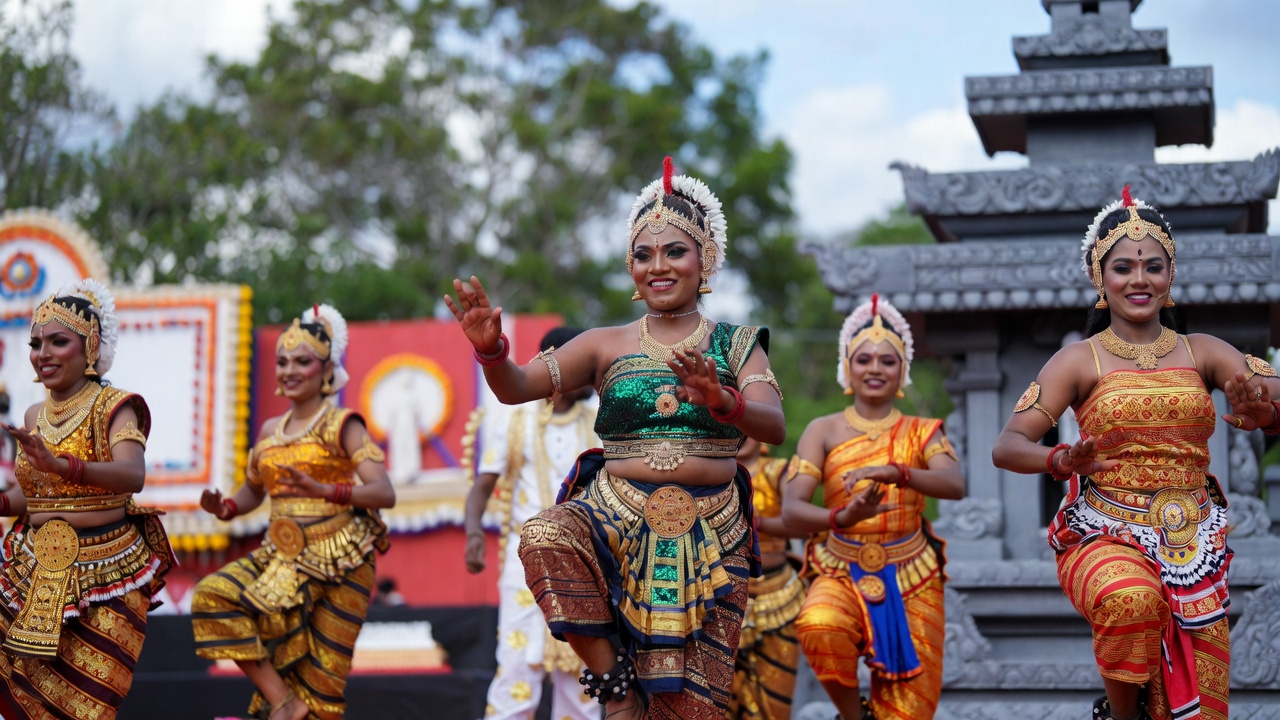
- Colorful costumes with flowing skirts
Most resort hotels also offer weekly Sega shows. While these are less authentic than community performances, they provide opportunities to:
- Learn basic Sega dance movements
- See the traditional instruments up close
- Hear songs about Mauritian history
The Famous “Le Morne Sega” Song
In 2001, the band Cassiya released “Le Morne Sega“—voted song of the year on Mauritian radio. Written by poet Sedley Richard Assonne, the lyrics directly address the history of maroon slaves on Le Morne.
According to Assonne: “The text was born at a time when there was a great public debate, mostly through the press, between two historians; one argued that no runaway slaves ever sought shelter and lived on Le Morne mountain, while the other stood for what was common knowledge and sensible logic.“
The song became an anthem connecting music, history, and identity. It represents how Sega continues to evolve while honoring its origins.
Planning Your Mauritius Abolition of Slavery Day Cultural Trip
Best Time to Visit Mauritius for Cultural Heritage Tourism
While February 1st offers the most immersive Abolition Day experience, Mauritius’s slavery heritage sites are open year-round. Consider these factors when planning:
| Season | Months | Considerations |
|---|---|---|
| Summer (Wet) | November – April | Hot, humid; occasional cyclones; February 1st falls here |
| Winter (Dry) | May – October | Cooler, less humid; best for hiking Le Morne |
| Shoulder | April, October-November | Good weather; fewer tourists |
February 1st is a public holiday. Many businesses close, but all heritage sites hold special programs. Book accommodation well in advance if visiting during this period.
Suggested Cultural Itinerary for Mauritius Slavery Heritage Sites
Day 1: Le Morne Peninsula
- Morning: Hike Le Morne Mountain (with certified guide)
- Afternoon: International Slave Route Monument
- Evening: Sega performance at local hotel or community event
Day 2: Port Louis
- Morning: Aapravasi Ghat and Interpretation Centre
- Lunch: Local Creole food at Central Market
- Afternoon: Intercontinental Slavery Museum
- Optional: Blue Penny Museum for broader colonial history
Day 3: Moka Region
- Morning: Eureka House tour and gardens
- Lunch: La Maison Créole restaurant
- Afternoon: Explore Moka valley; visit nearby Le Réduit (exterior only)
Cultural Etiquette and Respectful Tourism
When visiting slavery heritage sites, remember that this history remains deeply personal for many Mauritians. Follow these guidelines:
- Dress respectfully at monuments and museums
- Listen more than speak during commemorations
- Ask permission before photographing people
- Support local guides and community-run initiatives
- Learn some Creole phrases as a sign of respect
- Avoid treating painful history as entertainment
Additional Cultural Resources
To deepen your understanding before visiting, explore these resources:
Official Organizations:
Recommended Reading:
- “Slavery and Anti-Slavery in Mauritius” by A.J. Barker
- “The History of Mauritius” by various historians
- Works by J.M.G. Le Clézio (Nobel Prize-winning author with Mauritian connections)
Conclusion: Why Mauritius Abolition of Slavery Day Deserves a Place on Your Travel Bucket List
Mauritius offers something rare in today’s tourism landscape: an honest confrontation with difficult history combined with celebration of human resilience. Abolition of Slavery Day on February 1st brings this duality into sharp focus.
The five sites explored in this guide—Le Morne Cultural Landscape, the International Slave Route Monument, Aapravasi Ghat, the Intercontinental Slavery Museum, and Eureka House—together tell a complete story. From the suffering of enslaved people to the resistance of maroons, from the “Great Experiment” of indenture to the wealth of colonial mansions, each site adds essential context.
But Mauritius’s slavery heritage is not frozen in museum displays. It lives in:
- The Sega music played at celebrations and funerals
- The Creole language spoken daily by most Mauritians
- The diverse population descended from African, Malagasy, Indian, and European ancestors
- The national holidays that pause the island to remember
As the descendants of enslaved people continue to seek recognition and reconciliation, these sites take on new significance. UNESCO’s inscription of Le Morne and Aapravasi Ghat signals global acknowledgment. The opening of the Intercontinental Slavery Museum in 2023 shows ongoing commitment. Community-led commemorations ensure traditions endure.
For the cultural traveler, few experiences compare to standing at Le Morne on February 1st. Watching thousands gather to honor ancestors who chose death over chains. Hearing the drums of Sega echo against the mountain that sheltered freedom seekers. Understanding that this history shaped not just Mauritius, but global patterns of labor and migration that continue today.
Mauritius’s beaches will always attract visitors seeking paradise. But those who venture to Le Morne, who walk the steps of Aapravasi Ghat, who reflect at the Slave Route Monument—they discover something more profound. They find an island that remembers. An island that honors. An island that teaches.
That is the true gift of Mauritius’s Abolition of Slavery Day.
Frequently Asked Questions About Mauritius Abolition of Slavery Day
When is Abolition of Slavery Day celebrated in Mauritius?
Abolition of Slavery Day is celebrated annually on February 1st in Mauritius. This date marks the official abolition of slavery on the island in 1835, when approximately 66,343 enslaved people were freed.
Is February 1st a public holiday in Mauritius?
Yes, February 1st is a public holiday in Mauritius. Banks, government offices, and most businesses are closed. However, heritage sites typically remain open with special commemorative programs.
What happens at Le Morne on Abolition of Slavery Day?
Le Morne hosts the official national commemorations including government ceremonies, wreath-laying at the International Slave Route Monument, traditional Sega music performances, community gatherings, and spiritual observances by Creole and Rastafarian groups.
Can I hike Le Morne Mountain on my own?
No, hiking Le Morne Mountain requires a certified guide. This is mandatory for conservation purposes and visitor safety. Several tour operators offer guided hikes.
What is the connection between Aapravasi Ghat and slavery?
Aapravasi Ghat was the immigration depot where indentured laborers arrived after slavery was abolished. The British “Great Experiment” used indentured labor to replace slave labor on sugar plantations. While technically different from slavery, the system perpetuated exploitation.
Is the Intercontinental Slavery Museum worth visiting?
The museum, opened in September 2023, offers a focused exploration of the enslaved experience with powerful artifacts and passionate staff. Note that most content is in French or Creole, so non-French speakers may want to use translation tools.
What is Sega music and why is it important?
Sega is traditional Mauritian music and dance created by enslaved people in the 18th century. It’s recognized by UNESCO as Intangible Cultural Heritage. Sega represents survival, resistance, and cultural preservation through the darkest period of Mauritian history.
How many UNESCO World Heritage Sites related to slavery does Mauritius have?
Mauritius has two UNESCO World Heritage Sites connected to its colonial labor history: Le Morne Cultural Landscape (inscribed 2008) representing slave resistance, and Aapravasi Ghat (inscribed 2006) representing indentured labor.
Have you visited Mauritius during Abolition of Slavery Day? Share your experiences in the comments below. For more cultural travel guides, subscribe to our newsletter and follow us on social media.