A comprehensive guide to experiencing the vibrant traditional dances, music, and ceremonies that define Sri Lanka’s most patriotic celebration
Introduction: Why Sri Lanka’s Independence Day Is a Cultural Treasure
Sri Lanka’s Independence Day falls on February 4th each year. This national holiday commemorates freedom from British colonial rule in 1948. For travelers seeking authentic Sri Lankan cultural experiences, this celebration offers unparalleled access to the island’s living heritage.
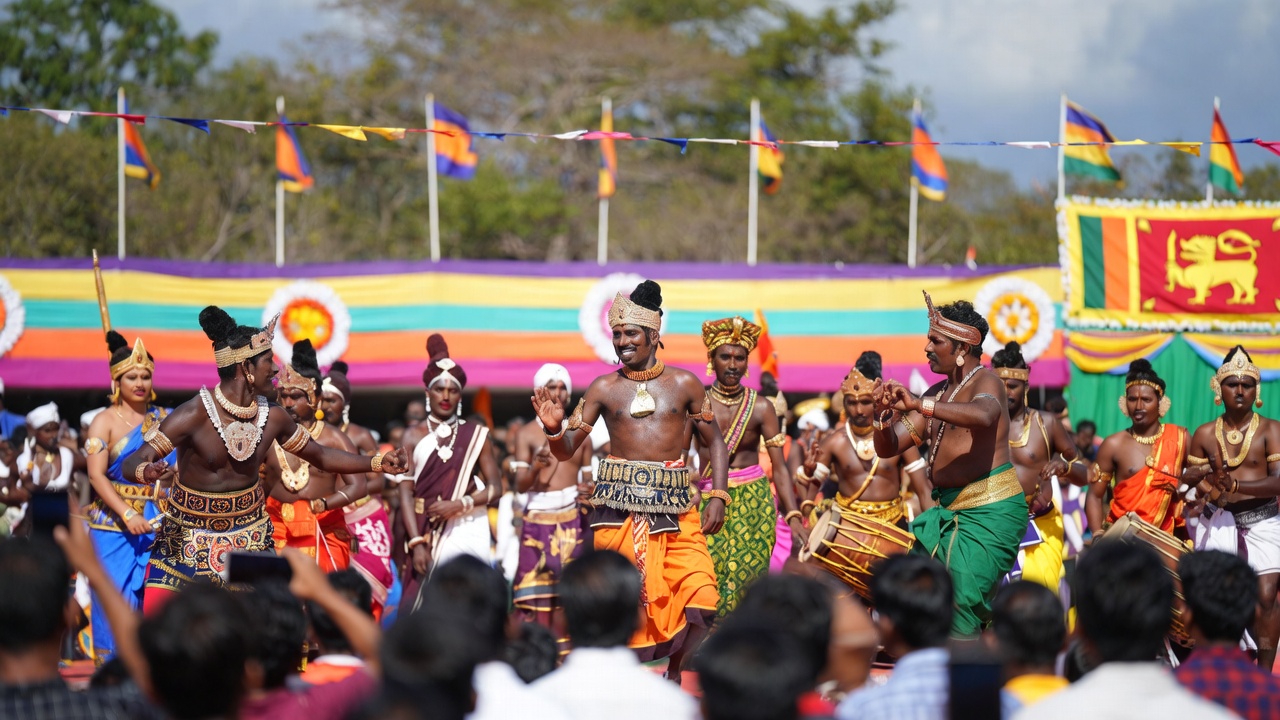
The day transforms cities and villages across the nation. Streets fill with color, rhythm, and ancient traditions. Independence Day celebrations in Sri Lanka showcase performances passed down through generations of master artists.
This guide explores the best traditional dances to see in Sri Lanka during Independence Day. You will discover where to watch these performances. You will learn the stories behind each art form. Most importantly, you will understand how to experience this celebration like a local.
The Significance of Cultural Performances on Sri Lanka’s Independence Day
A Living Connection to the Past
Independence Day performances serve a deeper purpose than entertainment. They represent Sri Lankan intangible cultural heritage at its finest. Each dance, drumbeat, and costume connects modern Sri Lankans to their ancestors.
The government deliberately showcases traditional arts on this day. The goal is to preserve cultural identity. Young Sri Lankans learn their heritage through these annual displays. Foreign visitors gain rare access to ceremonies normally reserved for temples and village festivals.
What Makes Independence Day Performances Special
| Feature | Regular Tourism | Independence Day |
|---|---|---|
| Performance authenticity | Often modified for tourists | Full traditional format |
| Number of performers | Small troupes | Massive ensembles |
| Costume quality | Standard attire | Ceremonial regalia |
| Religious elements | Often omitted | Fully incorporated |
| Community participation | Limited | Island-wide involvement |
| Cost to attend | Variable | Free public events |
Kandyan Dance: The Crown Jewel of Sri Lankan Performing Arts
Understanding the Uda Rata Natum Tradition
Kandyan dance, known locally as Uda Rata Natum, originated in the central highlands. It developed in the ancient Kingdom of Kandy. This dance form represents the pinnacle of classical Sri Lankan dance traditions.
The style emerged from temple rituals. Dancers originally performed exclusively for the Sacred Tooth Relic. Today, Kandyan dance remains the most prestigious dance form on the island.
Key Characteristics of Kandyan Dance
Kandyan dance features several distinctive elements:
- Elaborate silver regalia: Dancers wear ornate chest plates, anklets, and headpieces
- White flowing costumes: The traditional attire symbolizes purity and spirituality
- Dynamic footwork: Complex rhythmic patterns synchronize with drum beats
- Acrobatic movements: Jumps, spins, and floor work demonstrate athletic prowess
- Sacred symbolism: Every gesture carries religious or cultural meaning
Types of Kandyan Dances Performed on Independence Day
Ves Dance (Ves Netuma)
The Ves dance represents the highest form of Kandyan classical dance. Male dancers wear the sacred ves costume, traditionally restricted to temple ceremonies. Independence Day offers rare public performances of this revered art.
The costume includes:
| Component | Description | Symbolic Meaning |
|---|---|---|
| Ves headdress | Elaborate silver crown | Connection to divine beings |
| Neck plates | Multiple silver ornaments | Protection and status |
| Arm bands | Decorative silver pieces | Warrior strength |
| Chest plate | Intricate metalwork | Royal authority |
| White skirt | Layered fabric | Spiritual purity |
| Anklets | Bells and silver | Rhythmic precision |
Pantheru Dance
The Pantheru dance features performers wielding tambourine-like instruments. This dance originally celebrated military victories. On Independence Day, it commemorates the nation’s freedom.
Characteristics include:
- Fast-paced, energetic movements
- Synchronized group choreography
- Rhythmic clashing of pantheru instruments
- Dramatic formations and patterns
Naiyandi Dance
Naiyandi dance serves as an introductory ritual form. Dancers wear simpler costumes than Ves performers. This dance often opens Independence Day cultural programs.
Low Country Dance: The Dramatic Coastal Tradition
Origins of Pahatharata Natum
Low Country dance, or Pahatharata Natum, developed along Sri Lanka’s southern coast. This tradition differs dramatically from Kandyan dance. It emphasizes theatrical storytelling and spirit appeasement.
The dance emerged from healing rituals. Coastal communities performed these dances to cure illness. They believed performances could communicate with supernatural forces.
Distinctive Features of Low Country Dance
Low Country dance is immediately recognizable by:
- Vibrant masks: Colorful carved masks represent deities and demons
- Elaborate costumes: Bright colors and distinctive designs
- Narrative structure: Dances tell complete stories
- Comic elements: Humor balances intense spiritual themes
- Audience interaction: Performers engage directly with spectators
Essential Low Country Dances at Independence Day Celebrations
Kolam Dance (Kolam Natima)
Kolam performances are among the best mask dances in Sri Lanka. Performers wear carved wooden masks representing various characters. The dance satirizes social classes and human behaviors.
Traditional kolam characters include:
| Character | Mask Features | Role in Performance |
|---|---|---|
| King | Crown, regal features | Authority figure |
| Queen | Ornate headdress | Royal companion |
| Policeman | Distinctive cap | Colonial-era satire |
| Old couple | Aged features | Comic relief |
| Demons | Fierce expressions | Supernatural threat |
| Deities | Serene features | Divine protection |
Sanni Yakuma (Demon Dance)
Sanni Yakuma represents Sri Lanka’s most powerful healing ritual. Eighteen demons associated with different illnesses appear in sequence. Dancers embody these spirits through masked performances.
This ceremony rarely appears in public contexts. Independence Day provides exceptional opportunities to witness abbreviated versions.
Devol Maduwa
This ceremony honors the deity Devol Deviyo. It features elaborate altar constructions and overnight rituals. Independence Day celebrations often include processional elements from this tradition.
Sabaragamuwa Dance: The Bridge Between Traditions
The Hidden Gem of Sri Lankan Dance
Sabaragamuwa dance developed in south-central Sri Lanka. This regional style blends elements of Kandyan and Low Country traditions. It remains less known internationally than its counterparts.
The province of Sabaragamuwa historically served as a cultural crossroads. Trade routes connected highland and coastal communities. Dance traditions merged and evolved uniquely in this region.
Characteristics That Define Sabaragamuwa Dance
This dance form features:
- Moderate tempo: Neither as fast as Low Country nor as stately as Kandyan
- Combined aesthetics: Costume elements from both traditions
- Agricultural themes: Harvest and fertility celebrations
- Local deity worship: Regional gods feature prominently
- Community focus: Village participation emphasized
Important Sabaragamuwa Performances
Mayura Wannama (Peacock Dance)
This graceful performance imitates peacock movements. Dancers replicate the bird’s strut, display, and flight. The peacock holds sacred significance in Sri Lankan Buddhism.
Gajaga Wannama (Elephant Dance)
This powerful dance mimics elephant behavior. Performers capture the animal’s majesty and strength. Sri Lanka’s cultural connection to elephants makes this dance particularly meaningful.
Traditional Drumming: The Heartbeat of Sri Lankan Dance
Why Drums Matter in Sri Lankan Performance
No discussion of Sri Lankan traditional music and dance is complete without drums. These instruments provide more than accompaniment. They form the spiritual foundation of every performance.
Traditional drummers undergo years of apprenticeship. They learn sacred rhythms passed through family lineages. On Independence Day, master drummers demonstrate their art publicly.
Essential Sri Lankan Drum Types
| Drum Type | Region | Primary Use | Construction |
|---|---|---|---|
| Geta Bera | Kandyan | Temple rituals, Ves dance | Wood, animal hide |
| Yak Bera | Low Country | Demon ceremonies | Large, deep-toned |
| Dawula | All regions | Processions, celebrations | Barrel-shaped |
| Tammattama | All regions | Time-keeping | Double-headed |
| Udakkiya | Buddhist ceremonies | Temple rituals | Hourglass-shaped |
The Hewisi Ensemble
The hewisi orchestra accompanies Kandyan dance performances. This ensemble combines multiple drum types with wind instruments. Independence Day parades feature lengthy hewisi processions.
Hewisi ensemble components include:
- Multiple geta bera drums of varying sizes
- Dawula drums for rhythmic foundation
- Tammattama for complex patterns
- Horanewa (oboe-like wind instrument) for melody
Where to Watch Independence Day Performances in Sri Lanka
Colombo: The Grand National Celebration
Colombo Independence Day celebrations center on Independence Square in Colombo 7. This historic site hosted the original 1948 independence ceremony. Today, it remains the focal point of national festivities.
Independence Square Event Details
| Aspect | Information |
|---|---|
| Location | Independence Square, Colombo 7 |
| Date | February 4th annually |
| Start time | Early morning (around 8:00 AM) |
| Duration | 3-4 hours main ceremony |
| Cost | Free public attendance |
| Seating | Limited VIP seating; general public stands |
| Best viewing | Arrive 1-2 hours early |
What to expect at the Colombo celebration:
- Presidential address and flag hoisting
- Military parades and bands
- Multicultural dance performances
- Traditional music ensembles
- Aerobatic displays by the Air Force
- School children’s performances
Kandy: The Cultural Capital’s Celebrations
Kandy Independence Day events offer more intimate cultural experiences. The city’s status as the cultural capital ensures high-quality traditional performances.
Key Kandy locations include:
- Temple of the Tooth Relic: Special religious ceremonies
- Kandy Lake Promenade: Cultural processions
- Dalada Maligawa grounds: Traditional dance performances
- Kandy Town Hall: Community celebrations
Regional Celebrations Worth Visiting
Galle
The historic fort city hosts unique celebrations. Dutch colonial architecture provides stunning backdrops. Galle Independence Day cultural shows blend coastal traditions with urban sophistication.
Anuradhapura
This ancient capital offers spiritually significant celebrations. Buddhist ceremonies accompany cultural performances. Pilgrims and tourists gather at sacred sites.
Jaffna
Northern celebrations showcase Tamil cultural traditions. This region’s Independence Day events highlight Sri Lanka’s multicultural heritage.
Devil Dancing and Fire Walking: Dramatic Ritual Performances
Understanding Tovil Ceremonies
Tovil refers to a category of healing and exorcism rituals. These ceremonies combine dance, music, drama, and spiritual invocation. Independence Day celebrations sometimes feature theatrical tovil elements.
Authentic tovil ceremonies serve medical purposes. Practitioners believe spirit possession causes certain illnesses. The ceremonies appease or expel these supernatural entities.
The Bali Ritual Tradition
Bali ceremonies represent Sri Lanka’s astrological healing tradition. Dancers create elaborate floor paintings using colored powders. Performances invoke planetary deities to counteract malign influences.
Bali ritual elements include:
- Geometric mandala designs on the ground
- Offerings to planetary gods
- Specific dances for each celestial body
- Elaborate altar constructions
- All-night performances in traditional settings
Fire Walking Ceremonies
Fire walking in Sri Lanka occurs during specific religious festivals. Hindu temples throughout the island conduct these ceremonies. Independence Day occasionally coincides with fire walking events at major temples.
Fire walking participants undergo extensive preparation:
| Stage | Duration | Activities |
|---|---|---|
| Preparation | 7-21 days | Fasting, prayer, purification |
| Eve ceremony | All night | Chanting, ritual bathing |
| Fire preparation | Several hours | Building and blessing the fire pit |
| Walking | Minutes | Crossing hot coals barefoot |
| Recovery | Immediate | Ritual cleansing, blessings |
Perahera Processions: Moving Pageants of Faith and Culture
What Is a Perahera?
A perahera is a traditional Sri Lankan procession. These events combine religious devotion with cultural spectacle. Independence Day celebrations incorporate perahera elements throughout the country.
The most famous perahera occurs in Kandy during July/August. However, smaller processions accompany Independence Day events. These offer accessible introductions to this tradition.
Elements of Traditional Perahera
Every perahera includes standard components:
- Elephants: Decorated temple elephants lead processions
- Dancers: Multiple dance troupes perform throughout
- Drummers: Hewisi ensembles create continuous rhythm
- Torch bearers: Fire illuminates nighttime events
- Whip crackers: Performers create dramatic sounds
- Religious relics: Sacred objects travel in procession
- Costumed participants: Historical and mythological figures appear
Independence Day Mini-Peraheras
Several cities organize small peraheras for Independence Day. These Independence Day parades in Sri Lanka offer concentrated cultural experiences.
Typical Independence Day procession features:
- Decorated elephants from local temples
- School dance troupes representing traditional styles
- Military bands and marching units
- Cultural organizations with regional dances
- Community groups in traditional dress
- Float displays depicting national history
Traditional Costumes and Attire at Independence Day Celebrations
The Significance of Traditional Dress
Clothing plays a crucial role in Independence Day celebrations. Sri Lankans wear traditional attire to honor their heritage. Understanding these garments enriches the viewing experience.
Women’s Traditional Dress
The Osariya (Kandyan Saree)
The Osariya represents traditional Kandyan women’s dress. This distinctive saree style differs from Indian draping methods. A pleated front portion creates the signature silhouette.
Osariya characteristics:
- Heavily pleated front section
- Tucked into a potiya (underskirt)
- Often features traditional Kandyan prints
- Paired with elaborate jewelry
- Reserved for formal and ceremonial occasions
The Standard Saree
Most Sri Lankan women wear Indian-style sarees for Independence Day. Colors often reflect patriotic themes:
- Maroon and gold (national colors)
- White (peace and purity)
- Saffron (Buddhist significance)
Men’s Traditional Dress
The National Costume
Sri Lankan men’s national dress consists of:
| Component | Description |
|---|---|
| Nilame costume | Full formal attire with draped lower garment |
| Banian | High-collared white shirt |
| Sarama | Draped cloth resembling a long skirt |
| Sash | Decorative waist cloth |
| Traditional shoes | Leather sandals or bare feet |
Regional Variations
- Kandyan style: More elaborate draping, often with gold trim
- Coastal style: Simpler construction, lighter fabrics
- Tamil style: Distinctive draping patterns, specific color combinations
Music Beyond Drums: Other Traditional Instruments
Wind Instruments in Sri Lankan Performance
The Horanewa
The horanewa produces the distinctive melodic sound of Kandyan music. This double-reed instrument resembles an oboe. Players use circular breathing for continuous sound.
The Hakgediya
This conch shell trumpet signals ceremonial beginnings. Temple rituals and processions use this instrument. Its sound carries spiritual significance.
String Instruments
The Rabana
The rabana is a large, flat drum played during celebrations. Groups of women play rabanas at weddings and festivals. Independence Day events feature rabana ensembles.
The Ravanahatha
This ancient bowed instrument claims connections to the Ramayana epic. Performances are rare but occasionally featured at cultural showcases.
Best Times and Tips for Experiencing Independence Day
Planning Your Independence Day Visit
The best time to visit Sri Lanka for cultural festivals depends on your interests. Independence Day offers guaranteed access to traditional performances.
Weather Considerations
| Month | Weather | Crowd Level | Recommendation |
|---|---|---|---|
| Late January | Dry season continues | Building | Good time to arrive early |
| Early February | Generally dry | Peak | Book accommodation in advance |
| February 4th | Variable | Maximum | Expect large crowds |
| Post-holiday | Dry season | Decreasing | Cultural venues remain active |
Practical Tips for Independence Day Visitors
Accommodation
- Book Colombo hotels 2-3 months in advance
- Consider Kandy as an alternative base
- Expect higher prices around February 4th
- Check for special cultural packages at heritage hotels
Transportation
- Public transport becomes extremely crowded
- Hire private vehicles for flexibility
- Expect road closures near celebration venues
- Plan extra time for all movements
Photography Guidelines
- Ask permission before photographing performers
- Avoid flash during religious segments
- Respect restricted areas at temples
- Purchase official programs when available
Cultural Etiquette
Essential behaviors for respectful attendance:
- Dress modestly (shoulders and knees covered)
- Remove shoes when entering temple areas
- Stand during the national anthem
- Avoid pointing feet at performers or religious objects
- Refrain from eating during formal ceremonies
The Role of Religion in Independence Day Performances
Buddhism and Cultural Performance
Buddhism profoundly shapes Sri Lankan performing arts. Most traditional dances originated as temple rituals. Independence Day celebrations honor this religious heritage.
Buddhist elements in performances include:
- Invocations to the Buddha before shows
- Dances honoring Buddhist deities
- Costumes reflecting religious iconography
- Performances near stupas and temples
- Offerings integrated into choreography
Hindu Contributions
Sri Lanka’s Tamil population contributes distinct performance traditions. Hindu temple dances appear at multicultural Independence Day events.
Bharatanatyam and Odissi styles influence Tamil Sri Lankan dance. These classical forms feature:
- Precise hand gestures (mudras)
- Elaborate facial expressions
- Complex rhythmic footwork
- Mythological storytelling
Christian and Muslim Participation
Independence Day celebrates national unity across religions. Christian and Muslim communities participate in celebrations. Their involvement demonstrates Sri Lanka’s multicultural character.
Supporting Sri Lankan Traditional Arts
The Importance of Cultural Preservation
Traditional arts face challenges in modern Sri Lanka. Economic pressures affect artist families. Young people increasingly seek alternative careers.
Your attendance at Independence Day events supports preservation:
- Demonstrates demand for traditional performances
- Provides income for artist communities
- Encourages government cultural investment
- Creates international awareness
How Visitors Can Contribute
Beyond attendance, visitors can support Sri Lankan arts:
| Action | Impact |
|---|---|
| Purchase authentic crafts | Direct income to artisans |
| Attend ticketed performances | Funds professional companies |
| Hire local guides | Supports cultural knowledge transfer |
| Share experiences online | Increases global awareness |
| Donate to cultural foundations | Enables youth training programs |
Learning Opportunities
Several institutions offer visitor programs:
- Kandy Dance Schools: Short-term workshops for tourists
- Colombo Cultural Centers: Regular demonstration classes
- Village homestays: Immersive cultural experiences
- University programs: Intensive study options
Beyond Independence Day: Year-Round Cultural Experiences
Major Festivals Featuring Traditional Performances
Independence Day provides one opportunity among many. Other festivals offer similar cultural richness.
| Festival | Month | Location | Highlight |
|---|---|---|---|
| Esala Perahera | July/August | Kandy | Grand procession with elephants |
| Vesak | May | Nationwide | Buddhist illuminations and dances |
| Thai Pongal | January | Northern/Eastern | Tamil harvest celebrations |
| Sinhala New Year | April | Nationwide | Traditional games and music |
| Kataragama Festival | July | Kataragama | Fire walking and kavadi |
| Vel Festival | July | Colombo | Hindu chariot procession |
Cultural Centers for Regular Performances
Visitors outside festival seasons can still experience traditional arts:
- Kandyan Cultural Centre: Daily dance shows
- YMBA Colombo: Regular cultural programs
- Nelum Pokuna Theatre: Major productions
- Village Cultural Centres: Regional performances
Conclusion: Experience Sri Lanka’s Living Heritage
Sri Lanka’s Independence Day offers more than patriotic celebration. It provides a window into one of Asia’s richest cultural traditions. The performances, costumes, music, and rituals connect visitors to centuries of artistic development.
Traditional Sri Lankan dance performances represent living art forms. Each generation of dancers adds to traditions stretching back millennia. By attending Independence Day events, you witness this ongoing cultural conversation.
Plan your visit thoughtfully. Respect the traditions you observe. Engage with performers and community members when appropriate. Your presence supports the continuation of these remarkable art forms.
The drums will sound. Dancers will leap and spin. Ancient stories will come alive through movement and music. On Sri Lanka’s Independence Day, culture takes center stage in the most spectacular fashion.
Quick Reference: Independence Day Cultural Performances
Must-See Performances Checklist
- [ ] Kandyan Ves Dance
- [ ] Low Country Kolam performances
- [ ] Sabaragamuwa regional dances
- [ ] Hewisi drumming ensemble
- [ ] Perahera procession elements
- [ ] Fire dancing displays
- [ ] Traditional music performances
- [ ] Military band displays
Essential Viewing Locations
| City | Venue | Performance Type |
|---|---|---|
| Colombo | Independence Square | Full national ceremony |
| Kandy | Temple of the Tooth area | Religious and cultural |
| Galle | Fort grounds | Coastal traditions |
| Anuradhapura | Sacred city | Buddhist ceremonies |
| Jaffna | Cultural centres | Tamil traditions |
Packing List for Independence Day Events
Essential Items:
- Modest clothing covering shoulders and knees
- Comfortable walking shoes (removable for temples)
- Sun protection (hat, sunscreen)
- Water bottle
- Camera with charged batteries
- Cash in small denominations
- Printed event schedule
Optional Items:
- Binoculars for distant viewing
- Small cushion for seated areas
- Light rain jacket
- Snacks for long events
- Notebook for cultural notes
Experience the magic of Sri Lanka’s Independence Day cultural performances. Book your February visit today and witness traditions that have captivated audiences for generations.