The rhythmic thunder of drums echoes across the Chao Phraya River. Golden dragons twist and writhe through streets painted crimson with lanterns. Incense smoke curls upward from ancient shrines while thousands of revelers feast on traditional delicacies. This is Nakhon Sawan during Chinese New Year—Thailand’s most authentic and spectacular Lunar New Year celebration outside Bangkok.
While tourists flock to Yaowarat Road in Bangkok’s Chinatown, seasoned travelers and culture enthusiasts make the three-hour journey north to discover something extraordinary. The Pak Nam Pho Chinese New Year Festival offers an immersive, deeply traditional experience that many consider the finest in all of Thailand. In 2026, this legendary celebration returns with its signature 12-day extravaganza of parades, performances, and sacred rituals.
This comprehensive guide covers everything you need to plan your visit. We explore the festival schedule, provide detailed maps of key locations, and share insider tips gathered from locals and frequent visitors. Whether you are a first-time traveler or a returning devotee of this remarkable celebration, this guide will help you experience the best of Nakhon Sawan Chinese New Year 2026.
When is Chinese New Year 2026 in Nakhon Sawan Thailand?
Chinese New Year 2026 falls on Tuesday, February 17. This marks the beginning of the Year of the Snake according to the Chinese zodiac calendar. The Lunar New Year celebration spans 15 days, concluding with the Lantern Festival on March 3, 2026.
However, Nakhon Sawan’s Pak Nam Pho Festival operates on its own traditional schedule. The celebration typically runs for 12 consecutive days and nights. Based on previous years and local announcements, the 2026 festival is expected to take place approximately between February 6-17, 2026.
Key Dates for Your Calendar
| Event | Expected Date | Time |
|---|---|---|
| Festival Opening Ceremony | February 6, 2026 | Evening |
| Night Parade (Chiew Sa) | February 16, 2026 | 7:00 PM onwards |
| Day Parade (Chiew Si) | February 17, 2026 | 6:00 AM |
| Chinese New Year’s Day | February 17, 2026 | All day |
| Lantern Festival | March 3, 2026 | Evening |
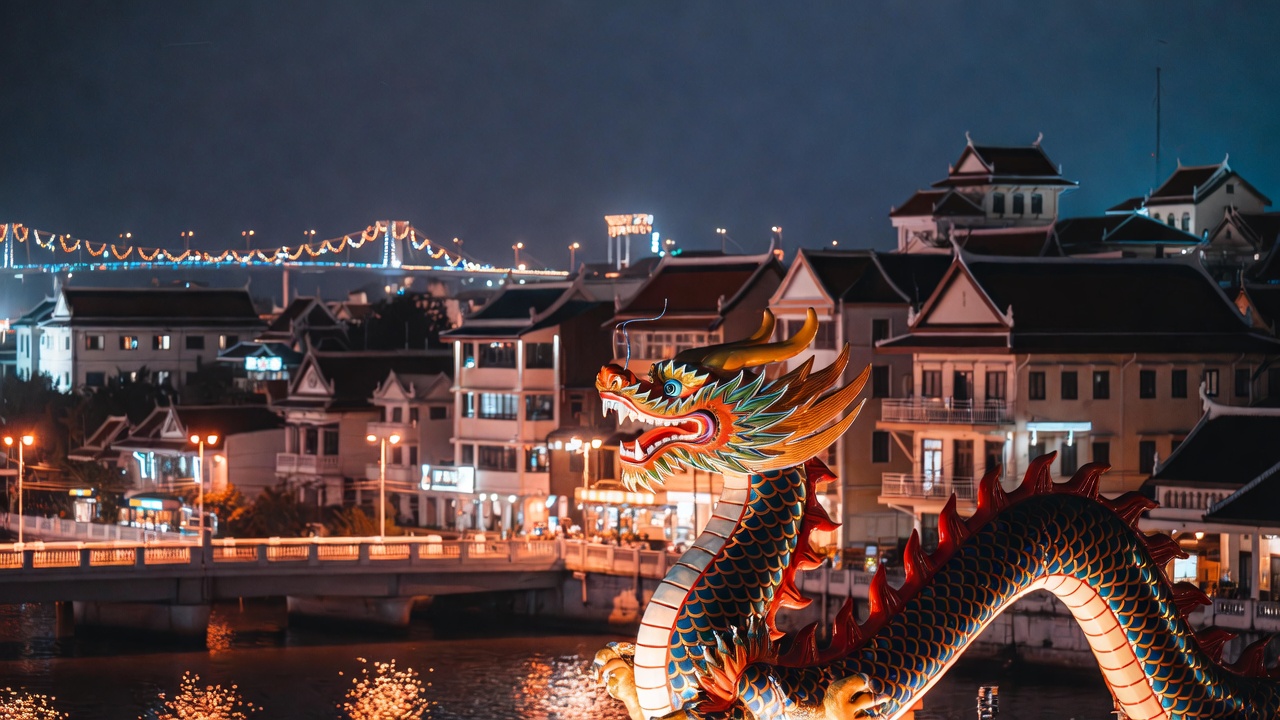
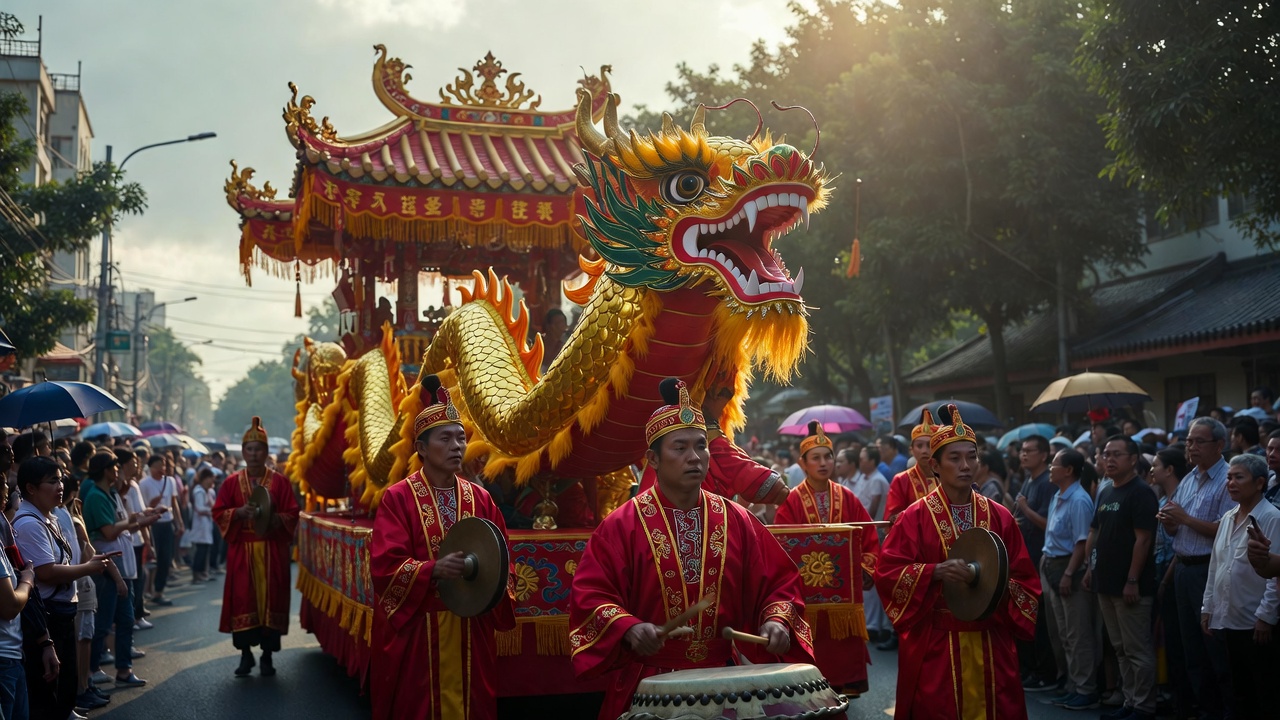
The two grand processions represent the festival’s climax. The Night Parade (locally called “Chiew Sa”) features the famous Golden Dragons of Nakhon Sawan illuminated against the evening sky. The following morning, the Day Parade (known as “Chiew Si”) offers a different atmosphere—spiritual and contemplative as the city awakens.
Note: Festival dates may shift slightly based on lunar calendar calculations. Check the official Tourism Authority of Thailand website for confirmed 2026 dates as they are announced.
History of the Pak Nam Pho Chinese New Year Festival Nakhon Sawan
The Pak Nam Pho Chinese New Year Festival dates back to 1914, making the 2026 celebration approximately its 112th year of continuous tradition. This remarkable longevity stems from Nakhon Sawan’s unique geographic and cultural position in Thai history.
Why Nakhon Sawan Became Thailand’s Chinese New Year Capital
Nakhon Sawan occupies a position of profound significance in Thailand’s geography and cultural landscape. The city sits at the confluence of four rivers—the Ping, Wang, Yom, and Nan—which merge to form the mighty Chao Phraya River. This location made Pak Nam Pho (as the area is traditionally known) a crucial trading hub for centuries.
Chinese merchants began settling in Nakhon Sawan during the Ayutthaya period. They established trading routes along the river networks, bringing goods from the north and south of the kingdom. These early settlers, predominantly from Hainan, Teochew, and Fujian provinces of southern China, brought their traditions, religious practices, and festival customs with them.
The name “Nakhon Sawan” itself means “Heavenly City” in Thai—a fitting title for a place that would become home to one of Southeast Asia’s most magnificent Chinese New Year celebrations.
The Birth of the Festival in 1914
The organized festival began in 1914 when local Chinese community leaders formalized the annual celebration around the worship of Chao Pho Theparak and Chao Mae Thapthim—the patron deities of the Pak Nam Pho shrines. What started as community religious observances grew into a major cultural event that now draws visitors from across Thailand and beyond.
The festival’s growth mirrors the prosperity and integration of the Thai-Chinese community in Nakhon Sawan. Unlike some celebrations that have become primarily tourist attractions, the Pak Nam Pho Festival has retained its deeply religious and community-centered character. Local families still participate actively in shrine ceremonies, traditional offerings, and community feasts.
Year of the Snake 2026: What It Means for Festival Celebrations
The Year of the Snake carries special significance in Chinese astrology and culture. The Snake is the sixth animal in the 12-year Chinese zodiac cycle. According to Chinese tradition, people born under this sign possess qualities of wisdom, intuition, elegance, and transformation.
Snake Symbolism in Chinese New Year Celebrations
In Chinese mythology, the snake holds a complex and honored position. Unlike Western associations with danger or evil, Chinese culture views the snake as:
- A symbol of wisdom and intelligence
- Connected to renewal through the shedding of skin
- Associated with the goddess Nüwa, who created humanity and had a snake’s body
- Closely related to the dragon, sometimes called the “little dragon”
During the 2026 celebrations in Nakhon Sawan, you will notice snake motifs incorporated into decorations, performances, and artistic displays. Traditional Chinese opera performances may feature stories highlighting snake-related legends. Local artisans create snake-themed crafts and souvenirs specific to the zodiac year.
Auspicious Activities for the Year of the Snake
Visitors born in previous Snake years (2013, 2001, 1989, 1977, 1965, 1953) should be aware that 2026 represents their Ben Ming Nian (zodiac birth year). Chinese tradition considers this year one requiring extra caution. Wearing red clothing, accessories, or jewelry is believed to ward off misfortune during one’s zodiac year.
At the shrines in Nakhon Sawan, many visitors participate in traditional practices believed to bring good fortune:
- Releasing fish into the Chao Phraya River for merit and prosperity
- Touching dragon scales on parade dragons for blessing
- Making offerings at ancestral altars within the shrines
- Receiving red envelopes (hongbao) from shrine elders
Complete Nakhon Sawan Chinese New Year Festival Schedule 2026
The 12-day festival follows a structured program that builds toward the climactic parades on the final two days. Understanding this schedule helps visitors plan their trip to experience specific events.
Week One: Opening Ceremonies and Daily Activities (February 6-12)
The festival opens with traditional ceremonies at the main shrines. Throughout the first week, visitors can experience:
Daily Events:
- Morning shrine rituals (6:00 AM – 9:00 AM): Devotees make offerings and prayers at the North Shrine (Chao Pho Theparak-Chao Mae Thapthim) and South Shrine (Chao Pho Mangkon Thong)
- Cultural performances (2:00 PM – 5:00 PM): Traditional Chinese opera, music, and dance at designated stages
- Night market activities (5:00 PM – 11:00 PM): Food stalls, games, and shopping along the festival zone
Special Features:
- Chinese opera performances at multiple stages throughout the city
- Fortune-telling booths offering traditional Chinese divination
- Art and calligraphy demonstrations by local masters
- Traditional costume photography opportunities
Week Two: Intensified Celebrations (February 13-15)
As the main celebration approaches, activities intensify:
February 13-15:
- Increased ceremonial activities at shrines
- Rehearsals for the grand parades visible in late afternoons
- Peak night market hours with maximum vendor participation
- Live entertainment featuring Thai and Chinese popular artists
Festival Climax: The Grand Parades (February 16-17)
February 16 – Night Parade (Chiew Sa):
- Time: Typically begins around 7:00 PM
- Route: Starts from major shrines, proceeds through the city center
- Highlights: The famous Golden Dragons of Nakhon Sawan, lion dance troupes, acrobats, local Chinese community representatives, and religious floats
- Atmosphere: Energetic, colorful, accompanied by drums, gongs, and firecrackers
February 17 – Day Parade (Chiew Si):
- Time: Begins at dawn, approximately 6:00 AM
- Character: More solemn and spiritual than the night parade
- Significance: Represents the formal procession of the deities
- Recommendation: Arrive before 5:30 AM to secure a good viewing position
Post-Parade Celebrations (February 17 and Beyond)
The festivities continue after the parades with:
- Temple fairs throughout the city
- Family reunion celebrations (many businesses close for family time)
- Red envelope distribution at shrines
- Special merit-making ceremonies
Where to Watch the Golden Dragon Parade in Nakhon Sawan
The Golden Dragons of Nakhon Sawan represent the festival’s most iconic attraction. These magnificent creations, some exceeding 100 meters in length, require dozens of performers to animate. Choosing the right viewing location dramatically affects your experience.
Best Parade Viewing Locations
1. Near the Chao Pho Theparak-Chao Mae Thapthim Shrine
This is the starting point for many parade elements. Located on Nakhon Sawan-Chum Saeng Road along the Chao Phraya River, this spot offers:
- Close-up views as performers prepare
- Opportunity to witness ceremonial starts
- Access to shrine activities before and after
- Excellent photography angles with the river as backdrop
Downside: Extremely crowded; arrive 2-3 hours early
2. Dechatiwong Bridge Area
The iconic Dechatiwong Bridge serves as a natural amphitheater for parade viewing. The bridge itself is decorated with spectacular dragon-shaped lighting sculptures during the festival. Benefits include:
- Elevated views of approaching parade
- Striking photo opportunities with bridge decorations
- Less crowded than shrine-adjacent areas
- Easy access from city center hotels
3. Along Sawanvithi Road
This main commercial street provides good viewing with practical advantages:
- Multiple food vendors and rest facilities nearby
- Wider sidewalks for standing
- Good lighting for photography
- Escape routes if crowds become overwhelming
4. Near Wat Photharam
The area around this important temple offers:
- Cultural context with temple backdrop
- Less tourist-focused crowd
- Good access to post-parade activities
- Parking availability
Parade Photography Tips
Capturing the Golden Dragon parade requires specific preparation:
| Challenge | Solution |
|---|---|
| Low light (night parade) | Use ISO 1600-3200, aperture f/2.8-4.0 |
| Fast movement | Shutter speed minimum 1/200s |
| Crowded conditions | Bring a monopod (tripods impractical) |
| Dust and confetti | Protect camera with rain cover |
| Limited battery access | Bring 3+ fully charged batteries |
Complete Map of Nakhon Sawan Chinese New Year Festival Locations
Understanding the festival’s geography helps visitors navigate efficiently between key sites.
Primary Festival Zone
The main celebration area centers around the Pak Nam Pho district along the Chao Phraya River. Key landmarks include:
1. Chao Pho Theparak-Chao Mae Thapthim Shrine
- Location: Nakhon Sawan-Chum Saeng Road, east bank of Chao Phraya River
- Significance: The oldest and largest Chinese shrine in Nakhon Sawan Province
- Features: Houses Theparak God, Guan Yu, and Goddess Thapthim
- Festival role: Primary ceremonial site, parade origin point
- Hours during festival: 8:00 AM – 9:00 PM (extended)
2. Chao Pho Mangkon Thong Shrine (Golden Dragon God Shrine)
- Location: Sawan Withi Road
- Significance: Home of Leng Bua Aia (Golden Dragon God)
- Architecture: Traditional Teochew-style design
- Festival role: Second major worship site
- Hours: Open until 9:00 PM during festival
3. Chao Por Chao Mae Na Pha Shrine
- Location: Approximately 3 km from the main shrine
- History: According to local legend, established after residents dreamed of a goddess floating down from Ayutthaya in 1947
- Festival role: Important secondary pilgrimage site
4. The Pasan Building (Origin of Chao Phraya River)
- Location: Edge of Koh Yom community
- Opened: 2016
- Features: Modern structure honoring the confluence of four rivers
- Festival role: Popular gathering spot, photo location
Getting Around the Festival Zone
The festival zone spans approximately 3-4 kilometers along the river. Options for moving between sites include:
- Walking: Most practical for distances under 1 km; expect crowds
- Motorcycle taxi: Available throughout; negotiate price in advance (30-50 baht for short trips)
- Boat: Small ferry services cross the river for 20 baht per person
- Private car: Not recommended during peak festival hours due to road closures
How to Get to Nakhon Sawan from Bangkok for Chinese New Year 2026
Nakhon Sawan is located approximately 250 kilometers north of Bangkok. Several transportation options serve travelers during the festival period.
By Train from Bangkok
The State Railway of Thailand operates regular services from Bangkok to Nakhon Sawan:
- Departure: Krung Thep Aphiwat Central Terminal (the new Bangkok station)
- Arrival: Pak Nam Pho Railway Station
- Journey time: 3.5 – 4.5 hours
- Frequency: Approximately 6 trains daily
- Price range: 100-1,000 THB depending on class
| Class | Approximate Price | Features |
|---|---|---|
| Third Class | 100-150 THB | Basic seating, no AC |
| Second Class | 200-400 THB | AC, reclining seats |
| First Class | 600-1,000 THB | AC, sleeping berths |
Booking: Reserve tickets through the State Railway of Thailand website or booking platforms like 12Go Asia.
Festival Note: Trains fill quickly during Chinese New Year. Book at least one week in advance for guaranteed seats.
By Bus from Bangkok
Several bus companies operate the Bangkok-Nakhon Sawan route:
- Departure: Mo Chit Bus Terminal (Northern Bus Terminal) in Bangkok
- Arrival: Nakhon Sawan Bus Terminal
- Journey time: 3.5 – 4 hours
- Frequency: Multiple departures throughout the day
- Price range: 200-400 THB
Major operators include:
- Sombat Tour (twice daily service)
- Thai Sriram (double-deck coaches)
- Kamphaeng Phet Tour
- Transport Co (บขส)
Booking: Walk-in tickets available at Mo Chit Terminal or book online through Baolau or 12Go Asia.
By Private Car or Taxi
For maximum flexibility:
- Route: Highway 1 (Phahonyothin Road) north, then Highway 32
- Distance: 238 km via the direct route
- Journey time: 2.5 – 3.5 hours depending on traffic
- Private car hire: 3,500-5,500 THB one way
- Fuel cost (own car): Approximately 800-1,200 THB round trip
Parking: Hotels typically offer parking. During the festival, central area parking becomes extremely limited. Consider parking at your hotel and using other transportation to the festival zone.
By Minivan
Private minivans offer a middle-ground option:
- Departure: Mo Chit New Van Terminal
- Journey time: 3 – 3.5 hours
- Price: 250-350 THB per person
- Operators: Paknam Pho Minibus, Budsarakham Tour
Advantage: Often faster than buses, more frequent departures Disadvantage: Less comfortable for taller passengers, limited luggage space
Best Hotels Near Nakhon Sawan Chinese New Year Festival 2026
Accommodation in Nakhon Sawan ranges from budget guesthouses to comfortable resort hotels. During Chinese New Year, all hotels in the city fill to capacity. Booking 2-4 weeks in advance is essential.
Top Recommended Hotels for Festival Visitors
Luxury/Comfort Category (2,000+ THB/night):
| Hotel | Distance to Festival Zone | Key Features |
|---|---|---|
| 42C The Chic Hotel | 3.3 km | Pool, spa, restaurant, modern design |
| Grand Hill Resort & Spa | 5 km | Pool, spa, mountain views |
| The Paradiso JK Design Hotel | 3 km | Boutique design, bar |
| Bonito Chinos Hotel | Central | Restaurant, shuttle service, lounge |
Mid-Range Category (800-2,000 THB/night):
| Hotel | Distance to Festival Zone | Key Features |
|---|---|---|
| P.A. Thani Hotel | 2 km | Restaurant, good location, reliable |
| Aramis Hotel | 2.5 km | Pool, lounge, ATM on-site |
| Tamsabai Hotel | 4 km | Garden, restaurant, Thai breakfast |
| P.A. Place Hotel | 2 km | Terrace, free WiFi, parking |
Budget Category (Under 800 THB/night):
| Hotel | Distance to Festival Zone | Key Features |
|---|---|---|
| HOP INN Nakhon Sawan | 4 km | Clean, reliable chain, 79 rooms |
| B2 Nakhonsawan Premier Hotel | 1.4 km | Central, budget-friendly |
| Ezyinn | Central | Basic, 24-hour front desk |
Booking Tips for Chinese New Year Period
- Book early: Properties fill 2-3 weeks before the festival
- Consider location: Hotels within 3 km of the river offer walking access
- Check cancellation policies: Flexible bookings recommended given potential date shifts
- Read recent reviews: Service quality may vary during peak periods
- Confirm breakfast: Many hotels include Thai breakfast; Chinese options less common
What to Eat at Nakhon Sawan Chinese New Year Festival
Food forms the heart of Chinese New Year celebrations. Nakhon Sawan’s festival features over 100 food stalls offering both traditional Chinese dishes and Thai-Chinese fusion specialties.
Traditional Chinese New Year Foods and Their Meanings
| Dish | Thai Name | Symbolism |
|---|---|---|
| Whole Fish | ปลาทั้งตัว | Abundance and surplus |
| Longevity Noodles | บะหมี่ยืนยาว | Long life |
| Dumplings | เกี๊ยว | Wealth (resembles ancient currency) |
| Sticky Rice Cake (Nian Gao) | ขนมเข่ง | Progress and advancement |
| Spring Rolls | ปอเปี๊ยะ | Wealth (resembles gold bars) |
| Roasted Duck | เป็ดย่าง | Family unity and loyalty |
| Oranges/Tangerines | ส้มมงคล | Good fortune and prosperity |
Must-Try Street Foods at the Festival
Kanom Kheng (ขนมเข่ง): Thailand’s version of nian gao, served in small banana leaf boats. The glutinous rice cake symbolizes family togetherness. Look for versions with a red dot on top—this auspicious color counterbalances the white (associated with mourning).
Kanom Tian (ขนมเทียน): Pyramid-shaped rice cakes wrapped in banana leaves, filled with sweet or savory fillings. Often served alongside kanom kheng during Chinese New Year.
Kanom Pui Fai (ขนมปุยฝ้าย): Steamed rice flour cakes symbolizing prosperity and rising fortune. The light, airy texture represents life “rising up.”
Salapao (ซาลาเปา): Chinese steamed buns filled with various ingredients. During Chinese New Year, look for specialty shapes—one shop in Nakhon Sawan has become famous for creating dragon-shaped salapao.
Recommended Restaurants Near the Festival
Hia Kiaw Restaurant: Famous for roasted duck and traditional Thai-Chinese dishes. A local institution.
Rim Nam Restaurant: Offers Thai seafood with scenic river views. Good for a sit-down meal between festival activities.
Dee Na Café & Restaurant: Serves both Thai and Western cuisine in a casual setting. Useful for travelers seeking familiar options.
Sawan Park Night Market: The main festival night market location. Perfect for street food grazing with grilled meats, noodle dishes, and local snacks.
Food Safety Tips
- Choose stalls with visible cooking: Watch food being prepared fresh
- Avoid pre-cut fruit: Higher contamination risk in crowds
- Carry water: Stay hydrated in warm, crowded conditions
- Note allergies: Many dishes contain peanuts, shellfish, or soy
- Have backup options: Keep packaged snacks for late-night hunger when stalls close
Insider Tips for Attending Nakhon Sawan Chinese New Year Festival
Experienced festival-goers have developed strategies for maximizing enjoyment while minimizing common frustrations.
Timing Your Visit Strategically
Best days to visit:
- Final 2-3 days (February 15-17): Maximum activity, parades, peak atmosphere
- Early festival days (February 6-8): Calmer, easier shrine access, authentic local feel
Best times of day:
- Early morning (6:00-9:00 AM): Shrine rituals, cooler temperatures, fewer crowds
- Late afternoon (4:00-5:00 PM): Good light for photography, pre-dinner exploration
- Evening (7:00-10:00 PM): Night market peak, entertainment, parade viewing
What to Wear
- Red clothing: Considered auspicious; blends with festival atmosphere
- Comfortable walking shoes: You will cover significant distances
- Light, breathable fabrics: February temperatures reach 30-35°C
- Layers for evening: Temperatures drop after sunset
- Hat and sunglasses: Protection from daytime sun
Etiquette at Chinese Shrines
Visitors to the shrines should observe respectful practices:
- Remove shoes before entering inner shrine areas
- Dress modestly: Cover shoulders and knees
- Ask permission before photographing worshippers
- Do not touch religious statues or artifacts
- Follow ritual directions provided by shrine attendants
- Donations welcome but never required
Money and Payments
- Cash is essential: Many vendors do not accept cards
- Bring small bills: 20 and 100 baht notes most practical
- ATMs available: But expect queues during peak times
- Budget approximately: 500-1,500 THB daily for food and small purchases
Crowd Management Strategies
The festival attracts massive crowds, particularly during parades. Strategies for managing the situation:
- Arrive early: 2-3 hours before major events
- Identify exit routes: Know how to leave your viewing area
- Establish meeting points: If traveling in groups
- Protect valuables: Pickpockets operate in dense crowds
- Stay hydrated: Carry water at all times
- Know your limits: Rest when needed; the festival runs for 12 days
Other Attractions to Visit in Nakhon Sawan During Chinese New Year
While the festival provides abundant activities, Nakhon Sawan offers additional attractions for visitors with extended stays.
Wat Khiriwong: The Golden Temple on the Mountain
Perched atop Dawa Dung Mountain, Wat Khiriwong offers panoramic views of Nakhon Sawan and the surrounding plains. The temple features the stunning Phra Chulamanee Chedi—a gilded stupa that gleams brilliantly in sunlight.
- Location: Central Nakhon Sawan, visible from most parts of the city
- Access: Vehicle or climb approximately 600 steps
- Observation Tower: 20 THB admission
- Best time: Early morning or late afternoon for photography
Bueng Boraphet: Thailand’s Largest Freshwater Lake
Located approximately 10-15 kilometers east of the city, Bueng Boraphet covers an impressive 224 km². This vast wetland offers:
- Bird watching: Over 148 species, including rare Queen Sirindhorn Bird
- Lotus viewing: Beautiful displays during early morning visits
- Boat tours: 600-1,500 THB depending on duration
- Aquarium: Features 100+ freshwater fish species, fish tunnel display
- Crocodile shows: Scheduled performances
Best visiting months: November to February when migratory birds arrive
Access: Take Highway 225 approximately 9 km north, then follow signs
Nakhon Sawan Tower
The city’s observation tower provides 360-degree views of the region:
- Location: Dawa Dung Mountain area
- Hours: Generally 8:00 AM – 5:00 PM
- Admission: 20 THB
- Features: Air-conditioned interior, educational displays
Origin of the Chao Phraya River (Pasan Building)
This modern structure commemorates the confluence of four rivers:
- Opened: 2016
- Investment: 117 million THB
- Location: Koh Yom community, riverfront
- Features: Viewing platforms, interpretive displays
- Significance: Marks the birthplace of Thailand’s most important river
Day Trip Possibility: Red Lotus Season
February coincides with the red lotus blooming season in parts of Nakhon Sawan. While the most famous displays occur in Udon Thani, local lakes and waterways also feature beautiful lotus flowers. Early morning visits (6:00-8:00 AM) offer the best viewing as flowers open with sunrise.
Nakhon Sawan Chinese New Year Festival vs Bangkok Chinatown: Which Is Better?
Many travelers debate between attending Chinese New Year celebrations in Bangkok’s Yaowarat district or making the journey to Nakhon Sawan. Each offers distinct experiences.
Nakhon Sawan Advantages
| Factor | Nakhon Sawan |
|---|---|
| Authenticity | Deeply traditional, community-centered |
| Parade Quality | Famous Golden Dragons, elaborate processions |
| Tourist Density | Fewer international tourists |
| Cultural Depth | 112-year festival history |
| Local Experience | Thai-Chinese community still leads celebrations |
| Duration | 12-day comprehensive festival |
| Photography | Less crowded, better access to subjects |
Bangkok Yaowarat Advantages
| Factor | Bangkok Chinatown |
|---|---|
| Accessibility | No travel required for Bangkok visitors |
| Infrastructure | Metro access, international hotels nearby |
| Dining Options | More restaurant variety |
| Shopping | Extensive retail options |
| Evening Activities | Vibrant nightlife surroundings |
| Language | More English spoken |
The Verdict
For travelers seeking the most authentic Chinese New Year experience in Thailand, Nakhon Sawan offers unmatched cultural depth. The Pak Nam Pho Festival maintains traditions that have become diluted in more commercialized celebrations.
Bangkok’s Yaowarat provides convenience and a festive atmosphere but increasingly caters to tourist expectations rather than traditional practices. In 2026, reports indicate that Yaowarat’s usual central event location may see reduced activity, making provincial celebrations like Nakhon Sawan even more appealing.
Recommendation: If time permits, visit both. Spend 2-3 days in Nakhon Sawan for the parades and shrine ceremonies, then return to Bangkok for the urban celebration experience.
Practical Travel Information for Nakhon Sawan Chinese New Year 2026
Weather Conditions in February
February represents the end of Thailand’s cool season, offering generally pleasant conditions:
| Condition | Typical Range |
|---|---|
| Daytime Temperature | 28-35°C (82-95°F) |
| Evening Temperature | 20-25°C (68-77°F) |
| Humidity | Moderate (50-70%) |
| Rainfall | Very low probability |
| Air Quality | Variable; check current conditions |
Health and Safety
General precautions:
- Carry sunscreen and reapply regularly
- Drink bottled water exclusively
- Have basic first aid supplies (bandages, antiseptic, pain relievers)
- Know location of nearest hospital (Nakhon Sawan Hospital or Sawan Pracharak Hospital)
COVID-19 and respiratory concerns:
- Check current health advisories before travel
- Consider masks in extremely crowded situations
- Carry hand sanitizer
Communication
- Mobile coverage: Excellent throughout Nakhon Sawan
- WiFi: Available at most hotels; limited in festival zone
- English speakers: Limited outside hotels; download translation apps
- Important phrase: “Chai Yo!” (ไชโย) means “Cheers!” or “Hooray!” and will earn smiles from locals
Emergency Contacts
| Service | Number |
|---|---|
| Tourist Police | 1155 |
| Police Emergency | 191 |
| Medical Emergency | 1669 |
| Fire | 199 |
Currency and Costs
Daily budget estimates:
| Style | Approximate Daily Cost |
|---|---|
| Budget | 800-1,200 THB |
| Moderate | 1,500-2,500 THB |
| Comfortable | 3,000-5,000 THB |
Includes accommodation, food, and transportation
Frequently Asked Questions About Nakhon Sawan Chinese New Year Festival
Is Nakhon Sawan Chinese New Year Festival worth visiting?
Absolutely. The Pak Nam Pho Festival offers Thailand’s most authentic provincial Chinese New Year celebration. The Golden Dragons of Nakhon Sawan have achieved legendary status. For travelers interested in cultural immersion rather than tourist-oriented spectacles, Nakhon Sawan delivers an unmatched experience.
How crowded is Nakhon Sawan during Chinese New Year?
The festival attracts significant crowds, particularly during the final days. However, density remains lower than Bangkok’s Yaowarat. Locals predominate, creating a more authentic atmosphere than heavily touristed events.
Can I do a day trip from Bangkok to Nakhon Sawan for Chinese New Year?
While technically possible, a day trip is not recommended. The 3-4 hour journey each way leaves limited time for exploration. The best experiences—shrine ceremonies at dawn, night parade viewing, traditional meals—require overnight stays.
What languages are spoken at the festival?
Thai predominates, with Teochew and other Chinese dialects common among older community members. English is limited. Downloading offline translation apps is strongly recommended.
Is the festival suitable for children?
Yes, with appropriate planning. Families should:
- Avoid the densest parade viewing areas
- Plan for early departures (events run late)
- Bring snacks and water
- Identify quiet rest areas
The festival’s family-friendly atmosphere and visual spectacle appeal to children, though noise levels from drums and firecrackers may startle very young visitors.
What photography equipment should I bring?
Essential:
- Camera with good low-light performance
- Fast lens (f/2.8 or wider)
- Extra batteries (3+ recommended)
- Memory cards with ample capacity
Useful:
- Monopod (tripods impractical in crowds)
- Camera rain cover (dust and confetti protection)
- External flash for indoor shrine photography
Leave at hotel:
- Drone (restricted airspace during festivals)
- Heavy telephoto lenses (impractical in crowds)
Conclusion: Experience Thailand’s Most Authentic Chinese New Year Celebration
The Nakhon Sawan Chinese New Year Festival 2026 represents an extraordinary opportunity to witness living cultural traditions. As the celebration marks its 112th year, the community commitment that has sustained this festival remains strong.
The Golden Dragons, the sacred shrines, the traditional foods, and the genuine warmth of the Thai-Chinese community combine to create an experience unavailable elsewhere. While Bangkok and international destinations offer their versions of Lunar New Year festivities, Nakhon Sawan preserves something increasingly rare—authenticity rooted in over a century of continuous tradition.
Plan your visit carefully. Book accommodation early. Arrive before the major parades. Take time to explore the shrines and engage with local customs. Stay for multiple days to absorb the festival’s full rhythm.
When you stand along the Chao Phraya River watching the Golden Dragons of Nakhon Sawan dance through streets lit by red lanterns, you will understand why this celebration has endured for generations. The Year of the Snake brings promises of wisdom and transformation. What better way to welcome it than in Thailand’s Heavenly City?
For the latest festival updates and official schedules, visit the Tourism Authority of Thailand or contact the TAT Call Center at 1672.
Related Articles:
- Chinese New Year 2026 in Bangkok Yaowarat: Complete Guide
- Best Chinese Shrines to Visit in Thailand
- Year of the Snake 2026: Zodiac Predictions and Lucky Charms
- Thai-Chinese Culture: Understanding the Fusion Heritage
Understanding Thai-Chinese Cultural Fusion in Nakhon Sawan
The celebration in Nakhon Sawan exemplifies Thailand’s unique cultural synthesis. Unlike Chinese New Year celebrations in China, Singapore, or Malaysia, the Thai version incorporates distinctly local elements while preserving core traditions.
The Role of Teochew Heritage
Most Thai-Chinese in Nakhon Sawan trace their ancestry to Teochew-speaking communities of Guangdong Province. This heritage manifests in:
Language: Teochew dialect remains common among older generations, particularly during religious ceremonies. Shrine chants and traditional songs often use Teochew pronunciation rather than Mandarin.
Cuisine: Teochew cooking influences festival foods. Braised dishes, rice porridge (jok), and specific preparations of duck and seafood reflect this regional origin.
Religious practices: The deities worshipped at Nakhon Sawan shrines—particularly those associated with maritime protection—align with Teochew spiritual traditions brought by merchant settlers.
Buddhist-Taoist-Animist Integration
Thai-Chinese religious practice seamlessly blends multiple traditions. Visitors to Nakhon Sawan shrines will observe:
- Buddhist monks invited to perform ceremonies at Chinese shrines
- Taoist deities worshipped alongside Buddhist images
- Thai spirit traditions incorporated into offerings and rituals
- Ancestor veneration practiced within both Buddhist and Chinese frameworks
This integration reflects centuries of cultural exchange. Rather than conflict, Thai-Chinese communities developed syncretic practices that honor multiple traditions simultaneously.
The Concept of “Nam Jai” in Festival Celebrations
Thai culture emphasizes nam jai (น้ำใจ)—literally “water of the heart”—representing generosity, compassion, and genuine kindness. This concept permeates the Pak Nam Pho Festival:
- Community feasting: Wealthy families sponsor food distribution to all attendees
- Shrine donations: Believers contribute regardless of economic status
- Charitable activities: Organizations distribute goods to less fortunate community members
- Welcoming spirit: Visitors receive genuine warmth from local residents
Understanding nam jai helps visitors appreciate the festival’s atmosphere. The celebration succeeds not through commercial investment but through authentic community participation motivated by generosity.
Planning Your Complete Nakhon Sawan Chinese New Year Itinerary
For visitors seeking a structured approach, here are suggested itineraries for different trip lengths.
Two-Day Express Visit (Festival Final Days)
Day 1 (Parade Eve):
- 10:00 AM: Arrive in Nakhon Sawan
- 11:00 AM: Check into hotel, rest
- 2:00 PM: Visit Chao Pho Theparak-Chao Mae Thapthim Shrine
- 4:00 PM: Explore Pasan Building, river confluence
- 6:00 PM: Early dinner near festival zone
- 7:00 PM: Secure parade viewing position
- 7:30 PM – 10:00 PM: Night Parade viewing
- 10:30 PM: Return to hotel
Day 2 (Chinese New Year’s Day):
- 5:00 AM: Depart hotel for Day Parade
- 6:00 AM: Day Parade viewing
- 8:00 AM: Breakfast at local restaurant
- 9:30 AM: Visit Chao Pho Mangkon Thong Shrine
- 11:00 AM: Wat Khiriwong temple visit
- 1:00 PM: Lunch, depart for Bangkok
Four-Day Comprehensive Experience
Day 1:
- Arrive Nakhon Sawan, settle into accommodation
- Evening shrine visits, night market exploration
- Light dinner, early rest
Day 2:
- Early morning Bueng Boraphet boat tour (6:00 AM departure)
- Midday return to city
- Afternoon shrine visits and cultural performances
- Evening festival activities
Day 3 (Parade Eve):
- Morning Wat Khiriwong visit
- Lunch at Hia Kiaw Restaurant
- Afternoon rest at hotel
- Evening Night Parade
Day 4 (Chinese New Year’s Day):
- Dawn Day Parade
- Morning shrine ceremonies and merit-making
- Brunch celebrating completion
- Afternoon departure
One-Week Deep Immersion
For travelers with extended time, consider:
- Days 1-3: Arrival, Bueng Boraphet, surrounding temple visits
- Days 4-5: Early festival activities, cultural performances, food exploration
- Days 6-7: Parade days and Chinese New Year celebrations
- Include day trips to nearby Kamphaeng Phet or Sukhothai historical parks
Souvenirs and Shopping at Nakhon Sawan Chinese New Year
The festival offers unique shopping opportunities unavailable elsewhere.
Traditional Items Worth Purchasing
Fortune Charms and Amulets: Shrines sell blessed amulets specific to the year and festival. The 2026 Year of the Snake will feature snake-motif items believed to carry protective power.
Handcrafted Decorations: Local artisans create Chinese New Year decorations using traditional techniques. Red paper cutouts, lanterns, and calligraphy scrolls make meaningful souvenirs.
Festival Foods: Certain items travel well—dried fruits, preserved meats, packaged sweets. Many visitors bring gifts back for friends and family.
Chinese Tea: The region’s Chinese merchants stock quality teas unavailable in typical Thai markets.
Shopping Tips
- Bargain respectfully: Gentle negotiation expected; aggressive haggling unwelcome
- Cash only: Most festival vendors do not accept cards
- Early shopping: Best selection available early in festival
- Support locals: Prioritize family-run stalls over commercial vendors