A Deep Dive into Japan’s Most Significant February Celebrations, Their History, Cultural Significance, and How to Experience Them Like a Local
February in Japan offers travelers a unique opportunity to experience two of the country’s most culturally significant national holidays within just 12 days of each other. National Foundation Day (February 11) and the Emperor’s Birthday (February 23) represent different aspects of Japanese identity—one rooted in ancient mythology and national pride, the other celebrating the living embodiment of Japan’s imperial continuity. Understanding these holidays provides a profound window into the Japanese soul.
As a folklore expert who has spent decades researching global festivals and customs, I’ve found that Japan’s February holidays offer one of the most fascinating studies in how a nation balances reverence for its mythological past with modern constitutional monarchy. Whether you’re planning a winter trip to Japan or simply curious about Japanese culture, this comprehensive guide will help you understand everything about these important Japanese public holidays.
What is National Foundation Day in Japan: History and Significance
National Foundation Day (建国記念の日, Kenkoku Kinen no Hi) is celebrated annually on February 11 and commemorates the mythical founding of Japan and the accession of its legendary first emperor. This holiday holds deep significance in Japanese culture, though its history is complex and somewhat controversial.
According to Japan’s oldest historical chronicles—the Kojiki (712 CE) and Nihon Shoki (720 CE)—Emperor Jimmu ascended to the throne on February 11, 660 BCE, thereby establishing the Japanese imperial line and unifying the nation. While historians widely regard this date as legendary rather than historical, it remains a powerful symbol of Japan’s cultural continuity and national identity.
The modern incarnation of National Foundation Day has roots in the Meiji Era (1868-1912), when the government sought to strengthen national unity around the emperor. Originally called Kigensetsu (紀元節, “Empire Day”), the holiday was celebrated with tremendous patriotic fervor before World War II. However, following Japan’s defeat in 1945, the Allied occupation forces abolished the holiday due to its associations with nationalism and emperor worship.
After Japan regained sovereignty in 1952, there was significant public demand to restore the holiday. Following nine legislative attempts, countless amendments, and a national survey, the holiday was finally reinstated in 1966 under its current name and first observed on February 11, 1967. The name change from “Empire Day” to “National Foundation Day” reflects a more neutral, constitutional interpretation of Japan’s national identity.
The Legend of Emperor Jimmu: Japan’s Mythological Origins Explained
Understanding National Foundation Day requires delving into the fascinating mythology of Emperor Jimmu, Japan’s legendary first emperor. According to the ancient chronicles, Jimmu was a direct descendant of the sun goddess Amaterasu through her grandson Ninigi, connecting the imperial line to the divine.
The Divine Lineage of Japan’s First Emperor
The mythology tells us that Amaterasu sent her grandson Ninigi to pacify the Japanese islands. Ninigi carried with him what became the Three Imperial Regalia—a sacred mirror, sword, and jewel—which remain symbols of imperial authority to this day. Through several generations, the divine lineage eventually produced Jimmu, whose name literally means “divine might” or “god-warrior.”
Jimmu’s Legendary Eastern Expedition
According to the Nihon Shoki, Jimmu and his brothers were born in Takachiho in present-day Miyazaki Prefecture on the island of Kyushu. Recognizing that their remote location was unsuitable for governing a unified nation, they embarked on an eastward expedition through the Seto Inland Sea.
The journey was fraught with challenges. When they reached Naniwa (modern-day Osaka), they encountered the local chieftain Nagasunehiko (“the long-legged man”) and suffered defeat. Jimmu’s older brother Itsuse was killed in this battle. Learning from this setback, Jimmu realized they had been defeated because they fought eastward against the sun—a symbolic acknowledgment of his solar ancestry.
Jimmu then led his forces around the Kii Peninsula to attack from the east. According to legend, during a crucial battle, a golden kite (kinki) landed on Jimmu’s bow and emitted dazzling rays of light, blinding his enemies and securing victory. He was also guided by the Yatagarasu, a mythical three-legged crow that served as a divine messenger. This creature remains an important symbol in Japanese culture and is the emblem of the Japan Football Association.
The Founding of Yamato and the Birth of Japan
After subduing all opposition, Jimmu established his capital in the region of Yamato (modern-day Nara Prefecture). On what the ancient calendar recorded as the first day of spring in 660 BCE—later calculated as February 11 in the Gregorian calendar—Jimmu ascended to the throne at Kashihara, proclaiming that his imperial line would “last ten thousand generations.”
While historians agree that Jimmu is likely a legendary figure rather than a historical person, and the 660 BCE date is almost certainly mythical, the narrative serves as Japan’s national creation story. It establishes the divine origins of the imperial house and symbolizes the unification of the Japanese people under a single sovereign.
How Do Japanese People Celebrate National Foundation Day Today
Unlike many national day celebrations around the world that feature fireworks, parades, and massive public demonstrations, National Foundation Day in Japan is notably understated. This subdued approach reflects the holiday’s controversial history and its pre-war associations with nationalism.
Modern Celebrations and Public Events
The official purpose of National Foundation Day, as stated in Japan’s Public Holiday Law, is to “commemorate the founding of the nation and nourish a love for the country.” However, the way this is interpreted varies significantly among Japanese citizens.
For many Japanese people, National Foundation Day is simply a welcome day off—a mid-week break to spend with family or enjoy leisure activities. There are no prescribed customs, traditional foods, or mandatory observances associated with the holiday.
That said, certain organized events do take place:
| Event | Location | Description |
|---|---|---|
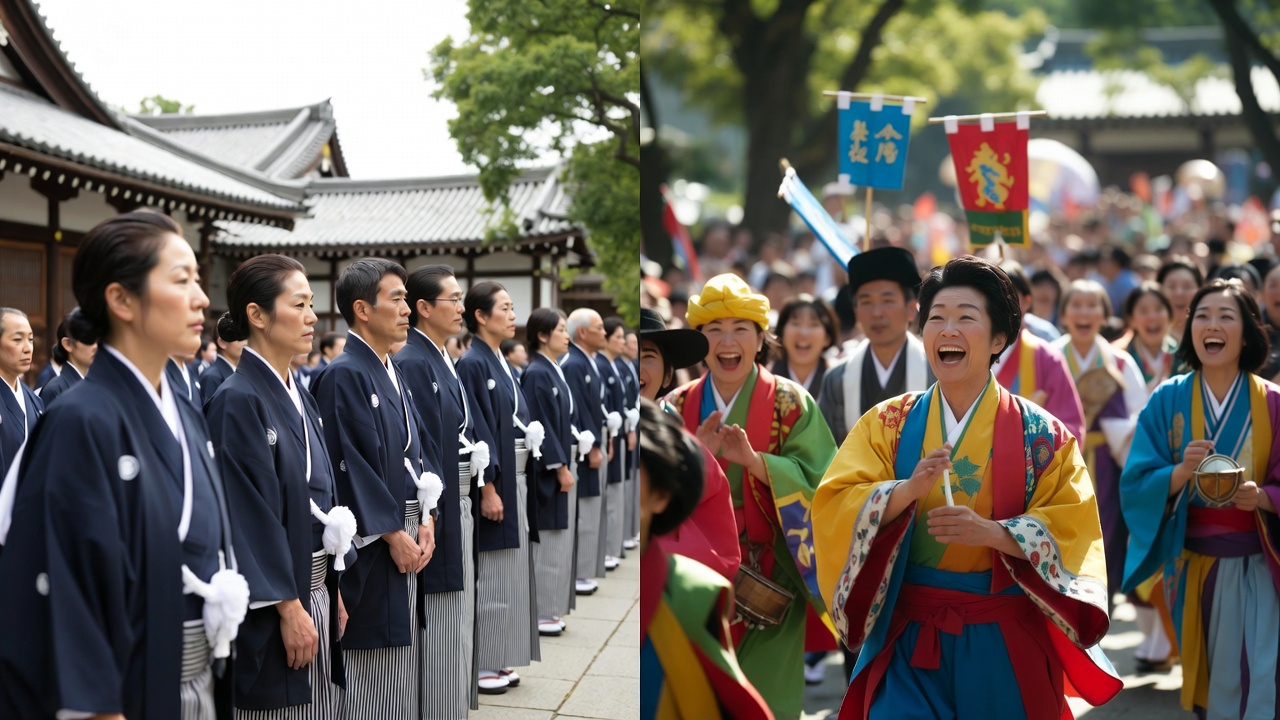
| National Foundation Day Celebration Parade | Tokyo (Meiji Jingu area) | Annual parade from Jingu Gaien to Meiji Shrine, featuring flag-waving and mikoshi (portable shrines) |
| Kigen-sai Festival | Kashihara Shrine, Nara | Special ceremonies at the shrine built on the legendary site of Emperor Jimmu’s enthronement |
| Flag-raising ceremonies | Various shrines nationwide | Small-scale patriotic observances |
The Kashihara Shrine: Where Japan Began
For those seeking a more profound National Foundation Day experience, the Kashihara Shrine (橿原神宮) in Nara Prefecture is the most significant destination. Built in 1890 on the site where Emperor Jimmu allegedly ascended to the throne, this magnificent shrine draws particularly large crowds on February 11.
The shrine was established after Emperor Meiji granted buildings from the Kyoto Imperial Palace to honor the legendary first emperor. In 1940, to mark the 2,600th anniversary of Jimmu’s enthronement, major expansions were funded by donations from across Japan.
Visiting Kashihara Shrine on National Foundation Day allows travelers to witness the Kigen-sai festival, observe traditional ceremonies, and walk the same grounds where Japan’s national creation story is said to have unfolded. The shrine is easily accessible via the Kintetsu Line, with Kashiharajingu-mae Station located just a 10-minute walk away.
Understanding the Controversy
It’s important for visitors to understand that National Foundation Day remains somewhat controversial in Japan. Some citizens feel the holiday still carries associations with pre-war nationalism and emperor worship. Conservative groups and right-wing nationalists (uyoku) hold rallies and parades, which can make foreign tourists feel uncertain about the holiday’s true nature.
However, the vast majority of modern Japanese treat it as a peaceful public holiday rather than an occasion for intense patriotic demonstration. As one Japanese Cabinet Office spokesperson noted: “Each citizen may observe national holidays in accordance with their own position and condition.”
When is the Emperor’s Birthday in Japan: Date and Background
The Emperor’s Birthday (天皇誕生日, Tennō Tanjōbi) is one of Japan’s most personally meaningful national holidays, celebrating the birth of the reigning monarch. Currently, this holiday falls on February 23, the birthday of Emperor Naruhito, Japan’s 126th emperor.
A Moveable Holiday
Unlike National Foundation Day, which has a fixed date rooted in mythology, the Emperor’s Birthday is a moveable holiday that changes with each imperial succession. When a new emperor ascends the Chrysanthemum Throne, the date shifts to honor the current monarch’s birthday.
| Emperor | Era Name | Birthday | Holiday Period |
|---|---|---|---|
| Emperor Meiji | Meiji | November 3 | 1868-1912 |
| Emperor Taisho | Taisho | August 31 | 1912-1926 |
| Emperor Showa (Hirohito) | Showa | April 29 | 1926-1989 |
| Emperor Akihito | Heisei | December 23 | 1989-2019 |
| Emperor Naruhito | Reiwa | February 23 | 2019-present |
The 2019 Transition: A Year Without an Emperor’s Birthday
A unique situation occurred in 2019 when Emperor Akihito abdicated on April 30—becoming the first living Japanese monarch to relinquish the throne in nearly 200 years. Because the abdication happened after February 23 (Naruhito’s birthday) but before December 23 (Akihito’s birthday), 2019 was the first year since 1948 without an Emperor’s Birthday celebration.
Emperor Naruhito officially ascended to the throne on May 1, 2019, ushering in the Reiwa Era (meaning “beautiful harmony”). The first Emperor’s Birthday celebration for Naruhito was scheduled for February 23, 2020, but public celebrations were cancelled due to the COVID-19 pandemic. Full celebrations didn’t resume until 2023.
Emperor Naruhito: The 126th Emperor of Japan
To truly appreciate the Emperor’s Birthday, it helps to understand the man being honored. Emperor Naruhito was born on February 23, 1960, as the eldest son of then-Crown Prince Akihito and Crown Princess Michiko.
Education and Personal Background
Unlike previous emperors raised in isolation, Naruhito grew up alongside his parents and siblings—a deliberate break from tradition initiated by his grandmother, Empress Kojun, and continued by his parents. He attended the Gakushuin school system from elementary through university, later becoming the first member of the Japanese imperial family to study abroad when he attended Merton College, Oxford from 1983 to 1985.
At Oxford, Naruhito studied the history of Thames River transportation in the 18th century, developing a lifelong interest in water issues and environmental conservation. This academic focus has shaped his imperial identity, and he has become known internationally for his involvement in water-related humanitarian efforts and environmental causes.
Marriage and Family
In 1993, Naruhito married Masako Owada, a Harvard and Oxford-educated diplomat. Their union was celebrated throughout Japan, though Empress Masako later struggled with the pressures of court life, leading to a prolonged period of reduced public appearances.
The couple has one daughter, Princess Aiko, born in 2001. Under the current Imperial House Law of 1947, only males in the paternal line can ascend to the throne, meaning Aiko is not an heir. The current heir apparent is Naruhito’s younger brother, Crown Prince Akishino.
Naruhito’s Vision as Emperor
Since his enthronement, Emperor Naruhito has emphasized his commitment to being “close to the people”—continuing his father’s legacy of connecting with ordinary Japanese citizens. He has expressed particular concern for disaster victims, environmental issues, and maintaining peace. His reign’s era name, Reiwa, was chosen to symbolize hope for a harmonious future.
How to Visit the Imperial Palace on the Emperor’s Birthday
The Emperor’s Birthday offers one of only two annual opportunities for the public to enter the inner grounds of the Tokyo Imperial Palace (the other being New Year’s Greeting on January 2). This is an extraordinary chance to see members of the Imperial Family in person.
The Public Greeting Ceremony: What to Expect
On February 23, the main gate (Nijubashi) of the Imperial Palace opens at 9:30 AM. Visitors stream through security and gather in the Totei (East Court) in front of the Chowaden Reception Hall.
The Imperial Family typically makes three appearances throughout the morning:
| Appearance | Time | Location |
|---|---|---|
| First | Around 10:20 AM | Chowaden Hall balcony |
| Second | Around 11:00 AM | Chowaden Hall balcony |
| Third | Around 11:40 AM | Chowaden Hall balcony |
During each appearance, Emperor Naruhito, accompanied by Empress Masako, Crown Prince and Crown Princess Akishino, Princess Aiko, and other imperial family members, steps onto a bulletproof glass-enclosed balcony. The Emperor delivers a brief address thanking the people for their birthday wishes, while the crowd waves small Japanese flags and chants “Banzai!” (literally “ten thousand years,” expressing wishes for longevity).
Each appearance lasts approximately three minutes, after which the group retires and a new batch of visitors is guided in. The process repeats to accommodate as many people as possible.
Signing the Greeting Book
If you miss the morning appearances or prefer a quieter experience, visitors can also participate in signing the Greeting Book in the afternoon. From approximately 12:30 PM to 3:30 PM, you can enter through Sakashita-mon Gate and leave your name, prefecture (or country of origin for foreigners), and well-wishes in a book that will be presented to the Emperor.
Practical Tips for Visiting
Planning your visit:
- Arrive early: Lines can be extremely long. It may take more than one hour to reach the Main Gate from the Imperial Palace Plaza.
- Entry is free: No tickets or reservations are required.
- Security screening: All bags are inspected, so travel light. Leave large luggage at your hotel.
- Dress comfortably: The courtyard is graveled with slopes. Avoid high heels or difficult footwear.
- Flags are provided: Police traditionally distribute small Japanese flags at the gate.
- Gate closes at 11:20 AM for morning appearances, so don’t cut it close.
- Photography rules: Personal photos are allowed, but no selfie sticks, tripods, or commercial photography.
Getting there:
- Tokyo Station (Marunouchi exit): 20-minute walk
- Nijubashimae Station (Chiyoda Line): 10-minute walk
- Otemachi Station (multiple lines): 15-minute walk
Recent Emperor’s Birthday celebrations have attracted between 15,000 and 20,000 visitors, making this a truly communal experience of Japanese culture.
National Foundation Day vs Emperor’s Birthday: Key Differences Explained
While both holidays fall in February and relate to Japan’s imperial heritage, they represent fundamentally different aspects of Japanese identity. Understanding these differences enriches your appreciation of Japanese culture.
Comparison Table: Japan’s February National Holidays
| Aspect | National Foundation Day | Emperor’s Birthday |
|---|---|---|
| Date | February 11 (fixed) | February 23 (current; changes with emperor) |
| Japanese Name | 建国記念の日 (Kenkoku Kinen no Hi) | 天皇誕生日 (Tennō Tanjōbi) |
| Origin | Mythological (660 BCE legend) | Historical (Naruhito born 1960) |
| Established | 1967 (reinstated) | 1948 (law); 2020 (current date) |
| Focus | National identity, founding mythology | Living emperor, imperial continuity |
| Main Location | Kashihara Shrine (Nara) | Imperial Palace (Tokyo) |
| Public Access | Normal (shrine always accessible) | Special (inner palace opens) |
| Atmosphere | Subdued, contemplative | Celebratory, communal |
| Controversy Level | Moderate (pre-war associations) | Minimal |
| Tourist Appeal | Cultural/historical interest | Unique ceremonial experience |
Symbolic Significance
National Foundation Day looks backward to Japan’s legendary origins, asking citizens to reflect on their nation’s mythological founding and cultivate patriotic feeling. It connects Japanese people to an ancient story of divine ancestry and national unification.
The Emperor’s Birthday looks forward and present, celebrating the living symbol of Japan’s constitutional democracy. It represents the continuity of the world’s oldest hereditary monarchy while acknowledging the emperor’s modern role as a unifying figure without political power.
Together, these holidays illustrate how Japan honors both its mythical past and its constitutional present—maintaining reverence for tradition while adapting to democratic values.
Best Places to Visit in Japan During February Holidays
Visiting Japan during these February holidays offers unique opportunities to experience Japanese culture during the winter season. Here are the top destinations to consider:
Tokyo: The Heart of Modern Japan
The capital city offers the most accessible Emperor’s Birthday experience at the Imperial Palace. Beyond the palace, February in Tokyo features:
- Clear winter skies perfect for photography of Tokyo Tower and Mt. Fuji
- Fewer tourists compared to spring cherry blossom season
- Winter illuminations still visible at some locations
- Plum blossom viewing begins late February at shrines like Yushima Tenjin
Nara: Japan’s Ancient Capital
For National Foundation Day, Nara Prefecture is the premier destination:
- Kashihara Shrine: Site of Emperor Jimmu’s legendary enthronement
- Emperor Jimmu’s Mausoleum: Located near the shrine
- Todai-ji Temple: Home to Japan’s largest bronze Buddha
- Nara Park: Famous for friendly, bow-giving deer
Kyoto: Cultural Treasures Without the Crowds
February is an excellent time to explore Kyoto’s temples and shrines:
- Kitano Tenmangu Shrine: Famous for early plum blossoms
- Fushimi Inari Shrine: Smaller crowds than peak season
- Traditional machiya townhouses: Cozy winter atmosphere
- Kaiseki cuisine: Seasonal winter ingredients at their peak
Hokkaido: Winter Wonderland
For snow lovers, Hokkaido offers unforgettable February experiences:
- Sapporo Snow Festival (early February): Massive ice and snow sculptures
- World-class skiing: Niseko, Furano, and other resorts
- Onsen hot springs: Nothing beats a hot soak on a snowy day
- Snow monkeys: Though Nagano’s Jigokudani is closer to Tokyo
Japan February Weather: What to Expect During Your Holiday Visit
Understanding Japan’s winter weather in February is essential for planning your trip around these holidays. Conditions vary dramatically across the country’s length.
Regional Temperature Guide
| Region | Average High | Average Low | Conditions |
|---|---|---|---|
| Hokkaido (Sapporo) | -1°C (30°F) | -7°C (19°F) | Heavy snow, coldest month |
| Tokyo | 10°C (50°F) | 2°C (36°F) | Dry, occasionally snowy |
| Kyoto/Osaka | 9°C (48°F) | 1°C (34°F) | Cool, dry, possible snow |
| Hiroshima | 10°C (50°F) | 2°C (36°F) | Mild, occasional rain |
| Okinawa | 19°C (66°F) | 14°C (57°F) | Warm, early cherry blossoms |
Packing Essentials for February Japan Travel
Must-pack items:
- Layered clothing: Temperature varies between heated indoors and cold outdoors
- Warm winter coat: Essential for most of Japan
- Waterproof shoes: For possible snow or rain
- Gloves and scarf: Especially for northern regions
- Heat packs (kairo): Available at convenience stores, but useful to have
February travel advantages:
- Fewer tourists = shorter lines at attractions
- Lower hotel prices (except Hokkaido ski areas)
- Clear winter skies for Mt. Fuji views
- Seasonal cuisine at peak quality
Understanding Japanese National Holidays: How the System Works
Japan has 16 national holidays (shukujitsu) throughout the year, including National Foundation Day and the Emperor’s Birthday. Understanding how the holiday system works helps travelers plan effectively.
The Substitute Holiday Rule
A unique aspect of Japan’s holiday system is the substitute holiday rule (furikae kyūjitsu). When a national holiday falls on a Sunday, the following Monday becomes a substitute holiday. This doesn’t apply when holidays fall on other days of the week.
For 2026:
- National Foundation Day (February 11): Falls on Wednesday—no long weekend
- Emperor’s Birthday (February 23): Falls on Monday—creates a three-day weekend
What Closes on National Holidays
Typically closed:
- Banks and financial institutions
- Government offices (including immigration)
- Post offices (central branches may offer limited services)
- Schools
Usually open:
- Convenience stores (24/7)
- Major department stores and malls
- Most restaurants
- Tourist attractions
- Supermarkets
- Public transportation
Variable:
- Medical facilities (emergency services available; check clinic websites)
- Private businesses (depends on company policy)
Cultural Etiquette: How to Respectfully Observe Japanese Holidays
As a visitor participating in Japanese holiday observances, understanding proper etiquette ensures you have a meaningful experience while showing respect for local customs.
At Shrines and Temples
Basic visiting protocol:
- Bow slightly before entering through the torii gate
- Walk along the sides of the approach path (the center is for the gods)
- Purify yourself at the temizuya (water basin)—rinse left hand, then right, then mouth
- At the offering hall, throw a coin, bow twice, clap twice, pray, then bow once
- Exit while facing the main hall
Photography:
- Generally permitted in outdoor areas
- Ask before photographing inside buildings
- Never photograph people without permission
- Be especially discreet during ceremonies
At the Imperial Palace
During the Emperor’s Birthday greeting:
- Follow all instructions from police and palace staff
- Don’t shout during the Emperor’s address—wait for the appropriate moment for “Banzai”
- Maintain orderly lines and don’t stop moving when directed
- Treat the occasion with appropriate dignity
General Holiday Behavior
- Dress modestly when visiting shrines or the Imperial Palace
- Avoid loud behavior in public spaces
- Remove hats and sunglasses during ceremonies
- Don’t eat while walking (considered impolite in Japan)
- Queue patiently—line-cutting is severely frowned upon
Planning Your February Japan Trip: Practical Travel Tips
Making the most of your winter Japan holiday requires careful planning. Here’s how to prepare:
Booking Considerations
Flights:
- Mid-January to February offers some of the year’s lowest international airfares to Japan
- Exception: Sapporo/Hokkaido is expensive during ski season and the Snow Festival
- Book well in advance for travel around the Emperor’s Birthday long weekend (2026)
Accommodations:
- Tokyo: Generally available and reasonably priced in February
- Kyoto/Osaka: Good availability outside major holidays
- Hokkaido: Book months ahead for ski resorts and Snow Festival
- Nara area: Consider for National Foundation Day; close to Kashihara Shrine
Transportation:
- JR Pass: Consider for multi-city itineraries
- IC Cards (Suica/Pasmo): Essential for convenience
- Trains run on holiday schedules (slightly reduced frequency)
- The Shinkansen (bullet train) operates reliably even in winter
Suggested February Itineraries
7-Day Highlights Itinerary:
| Day | Location | Activities |
|---|---|---|
| 1-2 | Tokyo | Explore city; include Asakusa, Shibuya |
| 3 | Day trip | Hakone hot springs with Mt. Fuji views |
| 4-5 | Kyoto | Temples, geisha district, plum blossoms |
| 6 | Nara | Day trip for deer park, temples, Kashihara Shrine |
| 7 | Osaka | Food culture, castle, departure |
National Foundation Day Focus (Feb 10-12):
- Base yourself in Nara or nearby
- February 11: Attend Kigen-sai at Kashihara Shrine
- Visit Emperor Jimmu’s mausoleum
- Explore ancient Asuka area
Emperor’s Birthday Focus (Feb 22-24, 2026):
- Base yourself in Tokyo
- February 23: Attend public greeting at Imperial Palace
- Combine with Imperial Palace East Gardens (usually open)
- Explore Tokyo’s winter attractions
The Future of Japan’s Imperial Holidays: Succession and Tradition
As one of the world’s oldest continuous monarchies, Japan’s imperial system continues to evolve while maintaining its traditions. Understanding current issues helps appreciate the holidays’ ongoing significance.
The Succession Question
Japan faces a succession crisis due to the 1947 Imperial House Law, which restricts succession to males in the paternal line. Currently, there are only three male heirs:
- Crown Prince Akishino (Emperor Naruhito’s younger brother)
- Prince Hisahito (Akishino’s son, born 2006)
- Emperor Emeritus Akihito (retired, cannot resume throne)
Princess Aiko, despite being Emperor Naruhito’s only child, cannot inherit the throne under current law. Debates about revising the law to allow female succession continue, but no changes have been enacted.
Preserving Past Emperors’ Birthdays
Interestingly, Japan has a tradition of preserving deceased emperors’ birthdays as national holidays under new names:
| Original Holiday | Current Name | Date |
|---|---|---|
| Emperor Meiji’s Birthday | Culture Day (文化の日) | November 3 |
| Emperor Showa’s Birthday | Showa Day (昭和の日) | April 29 |
When Emperor Akihito abdicated, his birthday (December 23) was not retained as a holiday—a notable departure from precedent. This decision remains a topic of discussion in Japanese society.
Modern Relevance
Despite—or perhaps because of—these evolving issues, Japan’s imperial holidays maintain their relevance. They serve as:
- Touchstones of national identity in an increasingly globalized world
- Opportunities for reflection on Japan’s history and values
- Rare occasions for public connection with the normally private Imperial Family
- Windows into Japanese culture for international visitors
Conclusion: Experiencing Japan’s February Holidays as a Cultural Journey
Japan’s February holidays—National Foundation Day and the Emperor’s Birthday—offer travelers far more than just days off. They provide windows into Japan’s complex relationship with its past, its mythology, its monarchy, and its modern democratic identity.
National Foundation Day on February 11 invites contemplation of Japan’s legendary origins, the mythical Emperor Jimmu, and the ancient stories that have shaped Japanese identity for millennia. Whether you attend the solemn Kigen-sai at Kashihara Shrine or simply observe a quiet day of reflection, you’ll connect with the deep currents of Japanese cultural consciousness.
The Emperor’s Birthday on February 23 offers something entirely different—a rare opportunity to participate in a living tradition, to witness the Imperial Family at one of their few public appearances, and to join thousands of Japanese citizens in wishing their emperor long life and prosperity.
Together, these holidays illuminate the fascinating duality at the heart of modern Japan: a nation that honors its mythological ancestry while embracing democratic governance, that maintains the world’s oldest continuous monarchy while defining the emperor’s role as purely symbolic.
For the cultural traveler seeking authentic experiences, for the student of Japanese history and society, or simply for anyone wanting to understand what makes Japan unique, experiencing these February holidays provides insights that no guidebook can fully convey.
As you plan your winter trip to Japan, consider timing your visit around these significant dates. The cold weather may require extra layers, but the cultural warmth you’ll experience makes February one of the most rewarding times to explore the Land of the Rising Sun.
Frequently Asked Questions About Japan’s February Holidays
Is National Foundation Day a good time to visit Japan?
Yes, February 11 is an excellent time to visit Japan. You’ll experience a significant cultural holiday without the massive crowds of cherry blossom season. Most tourist attractions, shops, and restaurants remain open, and you can witness unique ceremonies at shrines like Kashihara.
Can foreigners attend the Emperor’s Birthday greeting at the Imperial Palace?
Absolutely. The event is open to everyone regardless of nationality. Entry is free, no tickets are required, and the atmosphere is welcoming. Simply join the line at the Main Gate (Nijubashi) and follow instructions from staff.
What happens if the Emperor’s Birthday falls on a Sunday?
Under Japan’s substitute holiday rule, the following Monday becomes a holiday. However, February 23, 2026, falls on a Monday, naturally creating a three-day weekend.
Are banks and government offices closed on these holidays?
Yes, banks, post offices, and government offices (including immigration) are closed on both National Foundation Day and the Emperor’s Birthday. Plan any official business for other days.
What is the best way to experience National Foundation Day?
For the most immersive experience, visit Kashihara Shrine in Nara Prefecture, where Emperor Jimmu is said to have ascended to the throne. The shrine holds the Kigen-sai festival with traditional ceremonies. Alternatively, observe the National Foundation Day Parade in Tokyo near Meiji Shrine.
How early should I arrive for the Emperor’s Birthday palace visit?
Very early. Lines can be extremely long, and it may take over an hour to reach the Main Gate from the Imperial Palace Plaza. The gate closes at 11:20 AM for morning appearances, so arriving by 8:00 AM is advisable if you want the best chance of seeing all appearances.
Is Japan expensive to visit in February?
February is actually one of the more affordable times to visit Japan. It’s considered low season (except for Hokkaido ski areas), so flights and accommodations tend to be cheaper than during cherry blossom season or Golden Week. The main exception is Sapporo during the Snow Festival.
The Role of Shinto in Japan’s National Holidays: Religious and Cultural Connections
Understanding Japan’s February holidays requires appreciation of Shinto, the indigenous spiritual tradition that underpins much of Japanese culture. Both National Foundation Day and the Emperor’s Birthday have deep connections to Shinto beliefs and practices.
Shinto and the Imperial Line
At the heart of Shinto mythology lies the belief that Japan’s emperors descend from Amaterasu Ōmikami, the sun goddess who is considered the supreme deity of the Shinto pantheon. This divine ancestry, while no longer officially promoted by the government, remains culturally significant and informs how many Japanese people understand their national identity.
The Imperial Regalia of Japan (三種の神器, Sanshu no Jingi)—the sacred mirror, sword, and jewel—are Shinto religious objects believed to have been passed down from Amaterasu herself. These treasures are central to imperial enthronement ceremonies and symbolize the legitimate authority of the emperor.
Sacred Spaces and National Foundation Day
When you visit Kashihara Shrine on National Foundation Day, you’re entering a space designed to honor the Shinto belief in Japan’s divine origins. The shrine’s architecture, the placement of its buildings against Mount Unebi, and the ritual procedures all reflect Shinto aesthetic and spiritual principles.
Key Shinto elements you’ll observe include:
- Torii gates marking the transition from secular to sacred space
- Shimenawa (sacred ropes) designating spiritually significant objects
- Offering boxes where visitors throw coins and pray
- Temizuya (purification fountains) for ritual cleansing
- Ema (wooden plaques) where visitors write prayers and wishes
The Emperor as Spiritual Figure
While the post-war constitution defines the emperor as a “symbol of the state and of the unity of the people” without political power, he retains important ceremonial roles connected to Shinto. The emperor performs numerous rituals throughout the year, including ceremonies for planting and harvesting rice—a sacred crop in Shinto tradition.
During the Emperor’s Birthday celebration, this spiritual dimension manifests in the solemn atmosphere, the reverence shown by attendees, and the ritualized nature of the public greeting. The crowd’s chanting of “Banzai” (literally “ten thousand years”) echoes ancient prayers for the longevity and prosperity of the imperial line.
Japanese Food Culture During February Holidays: Seasonal Cuisine to Try
No exploration of Japanese holidays is complete without understanding the seasonal food culture (shun) that makes each time of year special. February offers unique culinary experiences that enhance your holiday visit.
Winter Comfort Foods
February in Japan brings some of the year’s most warming and satisfying dishes:
| Dish | Description | Where to Try |
|---|---|---|
| Oden | Hot pot with fish cakes, eggs, and vegetables in dashi broth | Convenience stores, izakaya |
| Nabe | Various hot pot dishes shared family-style | Restaurants, ryokan |
| Ramen | Hot noodle soup—especially satisfying in winter | Ramen shops nationwide |
| Udon | Thick wheat noodles, often served in hot broth | Sanuki-udon shops |
| Fugu (pufferfish) | Winter delicacy—peak season December-February | Licensed specialty restaurants |
Setsubun Foods (Around February 3)
If your trip coincides with Setsubun (the day before the traditional start of spring), you can experience unique food customs:
- Ehomaki: Long sushi rolls eaten in silence while facing the year’s lucky direction
- Roasted soybeans (fuku-mame): Thrown to drive out evil spirits; eat one for each year of your age
- Sardines: Displayed at doorways (with holly) to ward off demons
Regional February Specialties
Different regions offer seasonal treats during your holiday visit:
Tokyo/Kanto:
- Fresh strawberries at peak sweetness
- Anko (sweet red bean paste) treats
- Winter citrus like mikan and iyokan
Kyoto/Kansai:
- Yudofu (hot tofu) at temple restaurants
- Namafu (fresh wheat gluten) dishes
- Winter-harvest vegetables like Kyoto turnips
Hokkaido:
- Fresh crab (king crab, snow crab, horsehair crab)
- Jingisukan (lamb barbecue)
- Rich miso ramen with butter and corn
Photography Tips: Capturing Japan’s February Holiday Moments
For travel photographers and social media enthusiasts, Japan’s February holidays offer unique opportunities. Here’s how to capture memorable images:
Best Photo Opportunities
Imperial Palace on Emperor’s Birthday:
- The Nijubashi Bridge makes a classic foreground element
- Crowds with Japanese flags create vibrant, colorful scenes
- The palace architecture against clear winter skies
- Note: No tripods or selfie sticks allowed inside
Kashihara Shrine on National Foundation Day:
- Giant torii gate frames beautiful entrance shots
- Traditional ceremonies with participants in formal attire
- The shrine against snow-dusted Mount Unebi (weather permitting)
- Atmospheric shots of incense smoke and worshippers
Winter Light Conditions:
- February’s clear skies provide excellent golden hour light
- Low winter sun creates dramatic shadows
- Snow (if present) offers stunning contrast opportunities
Camera Settings for Winter Japan
| Situation | Recommended Settings |
|---|---|
| Shrine ceremonies | ISO 400-800, f/4-5.6, fast shutter for movement |
| Palace crowds | Wide angle (24-35mm), f/8 for depth, ISO 200-400 |
| Snowy landscapes | Exposure compensation +1 to +2, polarizing filter |
| Night illuminations | Tripod (where allowed), low ISO, long exposure |
Etiquette Reminders for Photographers
- Always ask permission before photographing individuals up close
- Never use flash during ceremonies or inside shrine buildings
- Be mindful of crowds—don’t block pathways for the perfect shot
- Respect restricted areas—some sacred spaces prohibit photography
- At the Imperial Palace, follow all staff instructions regarding cameras
Learning Japanese Holiday Vocabulary: Essential Phrases for Travelers
Enhance your holiday experience by learning key Japanese terms related to these celebrations:
National Foundation Day Vocabulary
| Japanese | Romaji | English |
|---|---|---|
| 建国記念の日 | Kenkoku Kinen no Hi | National Foundation Day |
| 神武天皇 | Jimmu Tennō | Emperor Jimmu |
| 紀元節 | Kigensetsu | Empire Day (historical name) |
| 神社 | Jinja | Shinto shrine |
| 参拝 | Sanpai | Shrine visit/worship |
| 祭り | Matsuri | Festival |
Emperor’s Birthday Vocabulary
| Japanese | Romaji | English |
|---|---|---|
| 天皇誕生日 | Tennō Tanjōbi | Emperor’s Birthday |
| 皇居 | Kōkyo | Imperial Palace |
| 天皇陛下 | Tennō Heika | His Majesty the Emperor |
| 皇后陛下 | Kōgō Heika | Her Majesty the Empress |
| 万歳 | Banzai | “Ten thousand years” (cheer) |
| 一般参賀 | Ippan Sanga | General public visit to palace |
Useful Phrases
- お誕生日おめでとうございます (Otanjōbi omedetō gozaimasu): “Happy Birthday” (formal)
- 日本の祝日 (Nihon no shukujitsu): “Japanese national holiday”
- 何時に開きますか? (Nanji ni akimasu ka?): “What time does it open?”
- 写真を撮ってもいいですか? (Shashin wo totte mo ii desu ka?): “May I take a photo?”
Combining Your Holiday Visit with Other February Events in Japan
Maximize your February trip by combining the main holidays with other seasonal events and attractions.
Sapporo Snow Festival (Early February)
If your travel dates are flexible, consider starting your trip in Hokkaido for the world-famous Sapporo Snow Festival (雪まつり, Yuki Matsuri), typically held from late January to early February. Then travel south for National Foundation Day celebrations.
Highlights include:
- Massive snow and ice sculptures at Odori Park
- International snow statue competition
- Illuminated displays at night
- Food stalls featuring Hokkaido specialties
Plum Blossom Viewing (Late February)
If you’re visiting for the Emperor’s Birthday (February 23), you’ll catch the beginning of plum blossom season (ume), which precedes cherry blossoms by about a month.
Best plum blossom spots:
- Yushima Tenjin Shrine (Tokyo)
- Kitano Tenmangu Shrine (Kyoto)
- Kairakuen Garden (Mito, Ibaraki)
- Atami Plum Garden (near Tokyo)
Valentine’s Day in Japan (February 14)
Experience Japan’s unique take on Valentine’s Day, when women give chocolate to men (the reverse happens on White Day, March 14):
- Department store chocolate displays are spectacular
- Try Japan-exclusive chocolate varieties
- Observe the distinct categories of honmei-choco (true love) vs. giri-choco (obligation)
Planning your February trip to Japan? Share your questions and experiences in the comments below. Safe travels and happy holidays!