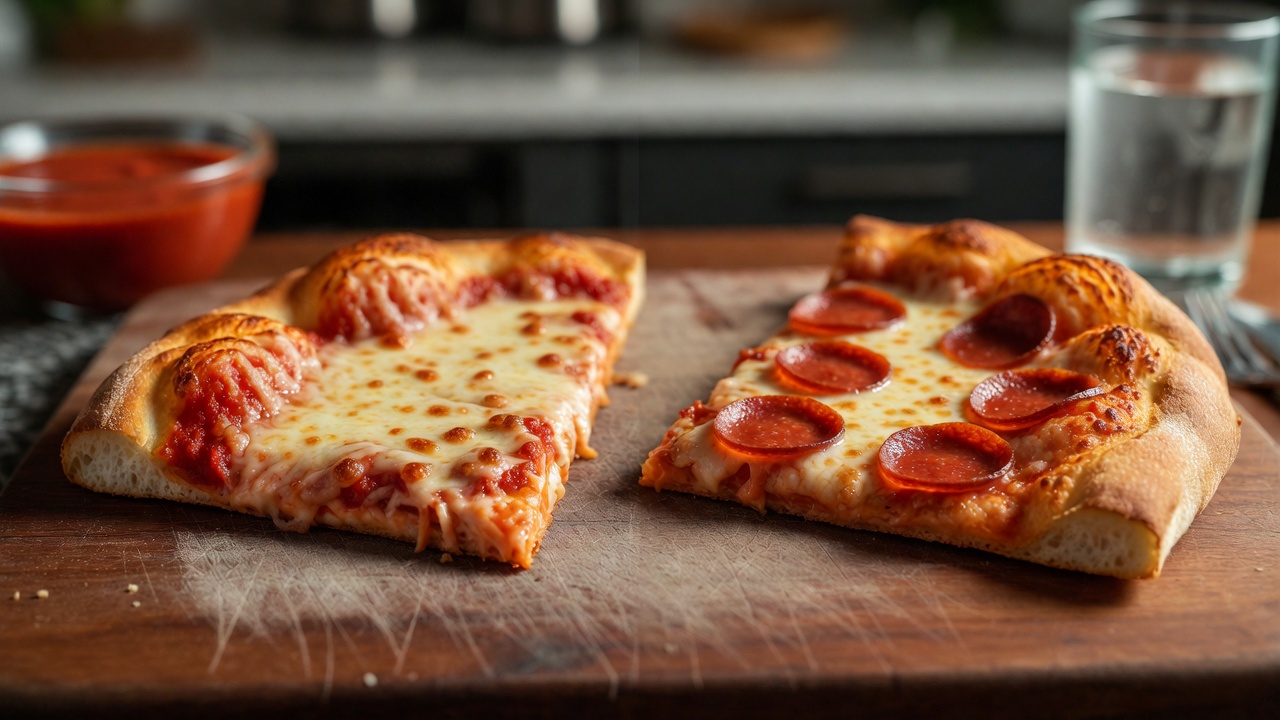
Every year, pizza lovers across the United States find themselves celebrating not one but two major pizza holidays. National Pizza Day falls on February 9. National Pepperoni Pizza Day lands on September 20. They sound similar, right? But these two food holidays honor very different things. One celebrates the entire world of pizza. The other pays tribute to America’s single most popular topping.
If you have ever wondered why there are multiple pizza holidays, what sets them apart, or how to make the most of each celebration, this guide breaks it all down. From the ancient roots of flatbread in Naples to the fiery, cured salami that Italian immigrants created in New York City, we will cover the full story behind both holidays — and every pizza-related celebration in between.
When Is National Pizza Day 2026 and Why Do We Celebrate It?
National Pizza Day is celebrated on February 9 every year. In 2026, that date falls on a Monday. This unofficial food holiday gives Americans a full day to honor their favorite comfort food — no matter the style, topping, or crust.
The exact origins of National Pizza Day remain unknown. According to the National Day Calendar, records of the holiday can be traced back to the early 2000s. Nobody knows who started it. But the reason behind it is obvious: pizza is one of the most beloved foods on Earth.
What makes National Pizza Day special is its all-inclusive nature. It does not favor one style over another. Whether you love a foldable New York slice, a thick Chicago deep dish, a crispy Detroit-style pan pizza, or a classic Neapolitan Margherita, February 9 is your day. The holiday honors pizza in every shape, size, and flavor.
In 2025, National Pizza Day famously landed on the same day as Super Bowl LIX, creating one of the biggest pizza sales days in American history. The Super Bowl alone drives massive pizza orders — Pizza Hut reportedly sells more than 2 million pizzas during the big game. When those two events collided, the result was extraordinary.
For 2026, National Pizza Day (Monday, February 9) arrives the day after Super Bowl LX (Sunday, February 8). That back-to-back pairing means the first full week of February will be a major stretch for pizza sales once again.
When Is National Pepperoni Pizza Day 2026 and What Does It Honor?
National Pepperoni Pizza Day falls on September 20 every year. In 2026, that’s a Sunday. Unlike the broad celebration of National Pizza Day, this holiday zeroes in on one specific creation: the pepperoni pizza.
The holiday honors the pizza topped with the spicy, cured salami that has dominated American pizza menus for decades. According to Pizza Today’s 2025 Pizza Industry Trends Report, pizzeria operators across the country once again confirmed that pepperoni is the number one selling pizza topping in America.
The exact origins of National Pepperoni Pizza Day are also a mystery. The National Day Calendar continues researching the source of this holiday. But the reason it exists needs no explanation. Pepperoni appears on roughly 36% of all pizzas produced in the United States, according to industry data. When one topping commands that much market share, it earns its own holiday.
September 20 is a day to celebrate the simple pleasure of biting into a slice covered with those slightly smoky, slightly spicy, bright red rounds of cured meat. It is also a day when major pizza chains — from Pizza Hut to Papa John’s to Domino’s — roll out special promotions and discounts.
National Pizza Day vs. National Pepperoni Pizza Day: Key Differences Explained
At first glance, these two holidays seem interchangeable. Both involve eating pizza. Both generate social media buzz. Both bring deals from major chains. But they differ in meaningful ways.
Here is a side-by-side comparison:
| Feature | National Pizza Day | National Pepperoni Pizza Day |
|---|---|---|
| Date | February 9 | September 20 |
| Day in 2026 | Monday | Sunday |
| What It Celebrates | All pizza styles and toppings | Pepperoni pizza specifically |
| First Recorded | Early 2000s | Unknown (similar era) |
| Scope | Universal — every type of pizza | Narrow — one topping only |
| Common Hashtag | #NationalPizzaDay | #PepperoniPizzaDay |
| Biggest Sales Overlap | Super Bowl Sunday (some years) | Typically standalone |
| Promotional Activity | Very high (all chains participate) | High (pepperoni-focused deals) |
| Cultural Tone | Celebrates pizza as a global food | Celebrates an American invention |
The most important distinction is scope. National Pizza Day is an umbrella holiday. It covers Margherita, veggie, meat lovers, Hawaiian, white pizza, Neapolitan, and every other variety. National Pepperoni Pizza Day, by contrast, shines a spotlight on one topping and one topping only.
There is also a cultural difference worth noting. Pizza itself traces back to Naples, Italy, in the 18th century. It is a global food with deep Italian roots. Pepperoni, however, is an American creation. It was invented by Italian immigrants in New York City in the early 20th century. So while National Pizza Day nods to Italy and the world, National Pepperoni Pizza Day is a distinctly American celebration.
The History of Pizza: From Ancient Flatbreads to a Global Phenomenon
To fully understand these holidays, we need to trace the remarkable journey of pizza itself.
Ancient Roots: Flatbreads with Toppings
The concept of putting toppings on flatbread is ancient. The Greeks, Egyptians, and Romans all made variations of flatbread topped with oil, herbs, and cheese. These were simple, affordable meals for ordinary people. They were not called “pizza” at the time, but they laid the groundwork for what was to come.
The Birth of Modern Pizza in Naples
Modern pizza as we know it was born in Naples, Italy, in the late 18th and early 19th centuries. Naples was a busy port city with a large population of working poor called the lazzaroni. These workers needed cheap, fast food they could eat on the go. Flatbreads with simple toppings — tomatoes, cheese, oil, garlic, anchovies — filled that need perfectly.
The word “pizza” was first documented in A.D. 997 in the town of Gaeta and other parts of Central and Southern Italy.
The Legend of Pizza Margherita
One of the most famous moments in pizza history came in 1889. King Umberto I and Queen Margherita of Italy visited Naples. According to legend, the queen grew tired of the elaborate French cuisine she had been eating. She asked for local fare.
A pizzaiolo named Raffaele Esposito from Pizzeria Brandi prepared several pizzas for the royal couple. The queen’s favorite was one topped with tomatoes, mozzarella cheese, and fresh basil — ingredients that mirrored the red, white, and green of the Italian flag. This pizza was named Pizza Margherita in her honor.
Whether or not this story is entirely accurate, it cemented the Margherita pizza as an icon of Italian cuisine. National Margherita Pizza Day is now celebrated on June 11 each year.
Pizza Crosses the Atlantic
Italian immigrants brought pizza to the United States in the late 19th century. The dish took root in cities with large Italian-American communities, especially New York City. In 1905, Lombardi’s opened on Spring Street in Manhattan’s Little Italy neighborhood. It is widely recognized as the first pizzeria in the United States.
For decades, pizza remained a niche ethnic food. That changed dramatically after World War II. American soldiers who had been stationed in Italy returned home with a craving for the cheesy, saucy flatbread they had discovered overseas. Their demand sparked a nationwide pizza boom.
By the late 1950s and 1960s, pizza chains began to emerge. Pizza Hut opened in Wichita, Kansas, in 1958. Domino’s followed in 1960 in Ypsilanti, Michigan. Little Caesars started in 1959 in Garden City, Michigan. These chains transformed pizza from a regional delicacy into a coast-to-coast staple.
The Surprising American Origin of Pepperoni
Here is a fact that surprises many people: pepperoni is not Italian. It is an American invention with Italian roots.
What Exactly Is Pepperoni?
According to Britannica, pepperoni is a cured, dry sausage made from a blend of beef and pork, seasoned with paprika, chili peppers, garlic, black pepper, and cayenne pepper. It is then smoked or air-dried. The result is a fine-grained, slightly smoky, bright red meat with a distinctly spicy flavor.
The word “pepperoni” is borrowed from the Italian peperoni — the plural of peperone, which means bell pepper. In Italy, if you order a “pizza ai peperoni,” you will receive a pizza topped with bell peppers, not cured meat. This linguistic mix-up is one of the great quirks of Italian-American food culture.
How Italian Immigrants Created Pepperoni
In the late 19th and early 20th centuries, Italian immigrants arrived in the United States in massive numbers. They brought their culinary traditions with them, including a deep knowledge of curing and smoking meats.
However, the ingredients available in America differed from those in Italy. Traditional southern Italian salami used dried chili peppers (peperoncino) that were hard to source in the States. Italian-American butchers adapted. They substituted paprika, which was widely available, for the familiar heat. They also blended beef and pork together, rather than using pork alone as in traditional Italian salami.
The first recorded mention of pepperoni in the United States dates to 1919 in New York City. It appeared in Italian-American delis and butcher shops in Lower Manhattan. At that point, it was viewed as an ethnic Italian-American specialty — not yet a pizza topping.
How Pepperoni Became America’s Favorite Pizza Topping
Pepperoni did not become a standard pizza topping immediately. According to Rosati’s Pizza, the first pizzeria to feature pepperoni as a topping was allegedly The Spot in New Haven, Connecticut, around 1950.
The real explosion came in the 1960s, when pizza chains like Pizza Hut and Domino’s were expanding rapidly. These chains needed toppings that were inexpensive to produce, easy to ship, and had a long shelf life. Pepperoni fit every requirement perfectly. It was cured, so it would not spoil easily. It was cheap to manufacture. And customers loved the salty, smoky, spicy flavor.
Food writer and historian John Mariani famously described pepperoni as a creation that is “purely Italian-American, like chicken Parmesan.” By the 1970s, pepperoni had secured its place as the number one pizza topping in the United States — a position it has never relinquished.
Today, Americans consume more than 250 million pounds of pepperoni each year, according to Convenience Store Decisions. The vast majority of that pepperoni ends up on pizza.
How Big Is the U.S. Pizza Industry in 2026?
To understand the cultural weight behind these pizza holidays, consider the numbers.
The United States pizza market was valued at approximately $39 billion in 2025, according to IMARC Group. The market is projected to reach $50.7 billion by 2034, growing at a compound annual growth rate of 2.95%.
Globally, the pizza market is even more staggering. Fortune Business Insights estimates the worldwide pizza market at approximately $282.91 billion in 2025, with projections reaching $409.50 billion by 2032. North America held about 38.83% of the global market share in 2024.
Here are some other jaw-dropping statistics:
- Over 3 billion pizzas are sold in the U.S. each year.
- Americans eat roughly 350 slices of pizza per second.
- About 13% of Americans consume pizza on any given day, according to the USDA. That equals roughly 1 in 8 people.
- There are more than 70,000 pizzerias operating in the United States.
- 17% of all restaurants in the U.S. are pizzerias.
- The average American eats about 23 pounds of pizza each year.
These numbers explain why pizza has not just one holiday, but an entire calendar of celebrations throughout the year.
Every Pizza Holiday You Need to Know About in 2026
National Pizza Day and National Pepperoni Pizza Day are just two pieces of a much larger puzzle. The United States celebrates pizza in numerous ways throughout the year. Here is the full calendar of major pizza-related holidays in 2026:
| Date | Holiday | What It Celebrates |
|---|---|---|
| January 11–17 | National Pizza Week | A full week of pizza appreciation |
| January 17 | World Pizza Day | Italy’s celebration of pizza (UNESCO heritage) |
| February 9 | National Pizza Day | All pizza, every style |
| March 14 | Pi Day (Pizza Connection) | Math holiday; pizzerias offer “pi” deals |
| April 5 | National Deep Dish Pizza Day | Chicago-style deep dish |
| May 15 (3rd Fri) | National Pizza Party Day | Pizza as a communal, social food |
| June 11 | National Margherita Pizza Day | The classic Margherita pizza |
| September 5 | National Cheese Pizza Day | Plain cheese pizza |
| September 20 | National Pepperoni Pizza Day | Pepperoni-topped pizza |
| October (all month) | National Pizza Month | Entire month dedicated to pizza |
| October 11 | National Sausage Pizza Day | Sausage-topped pizza |
| November 12 | National Pizza with the Works Day | Fully loaded pizza (except anchovies) |
As you can see, pizza lovers are never far from their next celebration. But the two biggest single-day events remain February 9 and September 20.
Why Italy Celebrates World Pizza Day on January 17
It is worth noting that Italy celebrates its own pizza day separately. World Pizza Day falls on January 17, which coincides with the Catholic feast day of Saint Anthony the Great (also known as Anthony the Abbot). Saint Anthony is considered the patron saint of pizzerias.
The date also holds special significance because in 2017, UNESCO recognized the art of Neapolitan pizzaiuolo (pizza-making) as an Intangible Cultural Heritage of Humanity. This designation elevated traditional Neapolitan pizza-making from a culinary craft to an internationally protected cultural tradition.
National Pizza Month: The October Mega-Celebration
If a single day is not enough, there is an entire month. National Pizza Month is observed throughout October. It was created in 1984 by Gerry Durnell, the publisher of Pizza Today magazine. In 1987, the U.S. Congress officially designated October as National Pizza Month.
During October, pizzerias nationwide run special promotions, introduce limited-time offerings, and host community events. It is the industry’s biggest sustained marketing period of the year.
How to Celebrate National Pizza Day on February 9, 2026
National Pizza Day is straightforward: eat pizza. But there are ways to make the most of the holiday.
Find the Best National Pizza Day Deals and Discounts
Every year, major chains and local pizzerias roll out special promotions for February 9. Based on historical patterns, here are the kinds of deals you can expect in 2026:
- Domino’s: Mix-and-match deals where two menu items are offered at a discounted price.
- Pizza Hut: Discounts on large pizzas, plus carryout specials.
- Papa John’s: Percentage-off deals, especially for rewards members.
- Little Caesars: Value bundles and limited-time pricing.
- Chuck E. Cheese: BOGO offers on large one-topping pizzas.
- Local pizzerias: Many independent shops offer freebies, buy-one-get-one deals, or special menu items.
Keep an eye on each chain’s app and social media pages as February 9 approaches. Many deals require promo codes or rewards memberships to unlock.
Host a Pizza-Making Party at Home
One of the best ways to celebrate National Pizza Day is to make your own pizza from scratch. Gather friends or family and set up a DIY pizza bar with various crusts, sauces, cheeses, and toppings. Let each person build their own creation. It is an affordable, interactive way to celebrate.
Try a Pizza Style You Have Never Had Before
National Pizza Day is the perfect excuse to step outside your comfort zone. If you always order pepperoni, try a white pizza with ricotta and garlic. If you are a thin-crust loyalist, try a Detroit-style pan pizza with its distinctive crispy, cheesy edges. Here are some styles worth exploring:
- Neapolitan: Thin, soft, wood-fired. The original.
- New York Style: Large, foldable slices with a thin, crispy crust.
- Chicago Deep Dish: Thick, pie-like, loaded with cheese and chunky tomato sauce.
- Detroit Style: Rectangular, pan-baked, with cheese that extends to the edges and caramelizes.
- Sicilian: Thick, spongy square slices with a heavy tomato sauce.
- New Haven (Apizza): Charred, thin crust. Often served without mozzarella.
- Roman (Pizza al Taglio): Rectangular, sold by weight. Light, airy crust.
- Grandma Style: Thin, square, baked in an oiled pan. A Long Island tradition.
Support a Local Pizzeria
National Pizza Day is not just about big chains. It is also a chance to support your neighborhood pizzeria. Independent pizza shops make up an estimated 40 to 60 percent of the overall U.S. pizzeria market, according to Pizza Today. These family-owned businesses are the backbone of pizza culture. Order from your local favorite and help keep the tradition alive.
How to Celebrate National Pepperoni Pizza Day on September 20, 2026
National Pepperoni Pizza Day calls for a more specific celebration. This is a day to honor the king of pizza toppings.
Order Your Favorite Pepperoni Pizza
The simplest celebration is the best one. Head to your go-to pizza spot and order a pepperoni pie. Whether you like your pepperoni flat and classic or curled into crispy “cups,” September 20 is the day to indulge without reservation.
Explore Different Types of Pepperoni
Not all pepperoni is created equal. Here are the main varieties you might encounter:
- Traditional (American-style) pepperoni: Uses synthetic casings. The slices lay flat on the pizza. This is the standard you find at most chain restaurants.
- Old-world (cup-and-char) pepperoni: Uses natural casings. The slices curl into little cups and get crispy at the edges during baking. This style has experienced a resurgence in popularity, especially in the Midwest and at craft pizzerias.
- Bold pepperoni: A spicier, more intensely flavored version. Some chains like Jet’s Pizza offer this as a premium option.
Old-world pepperoni, with its signature curling and charring, has become a major trend. Many pizzerias now offer it as a specialty or premium topping. The “cup and char” style creates little pools of flavorful, rendered fat in each curl — a textural and flavor experience that flat pepperoni cannot replicate.
Take Advantage of September 20 Deals
Just like National Pizza Day, September 20 brings its own wave of promotions. In 2025, for example, Papa John’s offered 30% off their Ultimate Pepperoni Pizza for rewards members. Pizza Hut ran multi-deal promotions. Hungry Howie’s gave away free pizza. Expect similar deals in 2026.
Make Pepperoni Pizza at Home with a Twist
If you want to get creative at home, try combining pepperoni with unexpected ingredients. Some popular combinations include:
- Pepperoni + honey drizzle: The sweet-spicy contrast is remarkable.
- Pepperoni + jalapeños + pineapple: A bold, divisive, and delicious trio.
- Pepperoni + fresh arugula + shaved Parmesan: Added after baking for a gourmet touch.
- Pepperoni + ricotta dollops + chili flakes: A white pizza variation.
- Pepperoni + pickled peppers + garlic oil: A nod to pepperoni’s Italian-American roots.
Why Pepperoni Is Still the Most Popular Pizza Topping in America
Despite the explosion of gourmet and specialty toppings in recent years, pepperoni continues to reign supreme. Here is why.
Affordability and Shelf Life
Pepperoni is a cured meat. It does not spoil quickly. It ships well over long distances. And it is relatively inexpensive to produce compared to fresh meats or specialty ingredients. For pizza operators, this makes it a reliable, low-cost topping with consistent quality.
Flavor Profile
Pepperoni delivers a powerful combination of salty, smoky, and spicy flavors. When heated in a pizza oven, the fat inside the pepperoni renders and releases concentrated flavor into the surrounding cheese and sauce. No other common topping provides this exact combination.
Universal Appeal
Pepperoni appeals to nearly every demographic. Children love it. Adults love it. It works on thin crust, thick crust, deep dish, and pan pizza. It pairs well with virtually every type of cheese and sauce. This universal appeal is why it appears on more than one-third of all pizzas sold in America.
Cultural Momentum
Pepperoni has been the top-selling pizza topping in the United States for over 50 years. That kind of momentum is self-reinforcing. When people think “pizza,” they think pepperoni. When chains design their value menus, they lead with pepperoni. When frozen pizza brands stock supermarket shelves, pepperoni varieties dominate.
Pizza Trends Shaping National Pizza Day and Beyond in 2026
The pizza industry never stands still. Here are some of the key trends influencing how Americans celebrate pizza holidays in 2026.
The Rise of Multiple Pizza Styles on One Menu
According to Pizza Today’s 2025 Industry Trends Report, over 64% of pizzeria operators now offer more than one pizza style on their menu. The days of offering only one type of crust are fading. More than 55% of operators expressed interest in adding a new pizza style.
The top trending styles to watch include Detroit-style, New York-style, Grandma-style, Sicilian, Chicago thin, deep dish, and Roman. This diversity means National Pizza Day celebrations are more varied than ever.
Online Ordering and Delivery Growth
The digital transformation of pizza ordering continues. More than 78% of operators use online ordering systems, with nearly 44% of those reporting that 28% or more of their total sales come through digital channels. Third-party delivery services remain controversial — over 53% of operators do not use them — but the overall digital pie keeps growing.
Health-Conscious and Dietary Options
Plant-based toppings, gluten-free crusts, cauliflower bases, and vegan cheese options are no longer fringe offerings. They are mainstream menu items at many pizzerias. National Pizza Day now includes celebrations for people with dietary restrictions who once felt left out.
Catering as a Revenue Driver
Catering has emerged as the top additional revenue source for pizzerias, according to 48% of operators surveyed by Pizza Today. Weddings, office events, and private parties are fueling growth beyond the traditional dine-in and delivery model.
Frequently Asked Questions About National Pizza Day and National Pepperoni Pizza Day
Is National Pizza Day a Real Holiday?
National Pizza Day is an unofficial food holiday. It is not recognized by the federal government and does not involve a day off work. However, it is widely celebrated by the food industry, social media users, and pizza fans across the country. The hashtag #NationalPizzaDay has been used hundreds of thousands of times on Instagram alone.
Can You Celebrate Both Holidays?
Absolutely. These holidays are seven months apart. February 9 celebrates all pizza. September 20 celebrates pepperoni pizza. There is no conflict. Many pizza lovers mark both dates on their calendars.
What Is the Most Popular Day to Eat Pizza in America?
Super Bowl Sunday is consistently the biggest pizza sales day of the year. Halloween ranks second. National Pizza Day is also among the top sales days, especially in years when it coincides with the Super Bowl (as it did in 2025).
Are There International Pizza Holidays?
Yes. World Pizza Day is celebrated on January 17, particularly in Italy. This date marks the anniversary of UNESCO recognizing Neapolitan pizza-making as an Intangible Cultural Heritage. Many countries also participate in National Pizza Day on February 9, though its origins are American.
How Many Pizza Holidays Are There?
There are more than a dozen pizza-related food holidays in the United States, ranging from National Pizza Week in January to National Pizza with the Works Day in November. October is designated as National Pizza Month. Additionally, specific toppings and styles each have their own days.
The Cultural Significance of Pizza Holidays in American Life
Food holidays might seem trivial at first. But pizza holidays carry real cultural weight in the United States.
Pizza is not just a food in America. It is a social ritual. Think about the moments in your life that involved pizza: childhood birthday parties, late-night study sessions in college, the first meal in a new apartment, family movie nights, office lunch meetings, Super Bowl gatherings. Pizza is woven into the fabric of American communal life.
National Pizza Day and National Pepperoni Pizza Day are expressions of that bond. They give people a shared reason to pause, gather, and enjoy something together. In a country with deep political and cultural divides, pizza remains one of the few things that almost everyone can agree on.
The holidays also carry economic significance. According to IMARC Group, the U.S. pizza market reached $39 billion in 2025. Pizza holidays drive a measurable spike in sales. They give small pizzerias a marketing opportunity that does not require a large advertising budget. A single Instagram post with the right hashtag on February 9 can bring a small shop a rush of new customers.
For the pizza industry, these holidays are also a chance to showcase innovation. New styles, new toppings, new crust options, and new delivery technologies all get their moment in the spotlight on pizza holidays.
Tips for Getting the Best Pizza Deals on National Pizza Day and National Pepperoni Pizza Day
Here are practical strategies for maximizing your pizza holiday experience:
- Sign up for rewards programs early. Many of the best deals from Domino’s, Pizza Hut, Papa John’s, and others are exclusive to app users and loyalty members.
- Check social media the morning of. Chains and local shops often announce surprise deals on Instagram, X (formerly Twitter), and Facebook.
- Order early for delivery. Pizza holidays are among the busiest days for delivery drivers. If you wait until dinner time, expect long waits. Ordering by mid-afternoon gives you a better chance of timely delivery.
- Support local. Chain deals are great, but local pizzerias often offer creative specials that you will not find anywhere else.
- Use coupon aggregator sites. Websites like The Krazy Coupon Lady compile comprehensive lists of pizza deals every year.
- Stack deals when possible. Some chains allow you to combine app-exclusive offers with promo codes for maximum savings.
Why Italians Do Not Eat Pepperoni on Their Pizza
One of the most interesting cultural footnotes in this story is the fact that Italians do not eat pepperoni pizza. The topping that dominates American pizza culture is virtually unknown in Italy.
As Ooni explains, the main reason is simple: Italians do not need it. Italy has an incredibly rich tradition of regional cured meats — spianata, ventricina, soppressata, crespone, Napoletano, salame di Norcia — each produced locally with centuries of craft behind it. Italian pizzaioli already have more cured meat options than they could ever use.
There is also the linguistic confusion. The word “pepperoni” sounds like peperoni to Italian ears, which means bell peppers. If you ordered a “pizza con peperoni” in Naples, you would receive a pizza topped with roasted peppers — not the spicy salami Americans know.
However, things are slowly changing. In 2021, a Neapolitan pizzaiolo named Mauro Espedito opened OWAP (One World, All Pizzas) in Naples. He tracked down a Calabrian producer that makes the cured meat exported around the world and added it to his menu. His customers — curious about American pizza culture — embraced it. Whether this is the beginning of a broader trend in Italy remains to be seen.
This cultural difference makes the distinction between National Pizza Day and National Pepperoni Pizza Day even more meaningful. February 9 connects us to the Italian origins of pizza. September 20 celebrates the uniquely American chapter of the pizza story.
How Pizza Holidays Drive the U.S. Economy and Support Small Businesses
Pizza holidays are not just about eating. They are significant economic events for communities across America.
Independent pizzerias, which make up a large portion of the industry, rely on holidays like National Pizza Day for a sales boost during the traditionally slower winter months. February can be a tough time for restaurants. National Pizza Day gives small shops a reason to run promotions, engage on social media, and attract new customers.
On National Pepperoni Pizza Day in September, the story is similar. Late summer and early fall represent a transition period for many restaurants. A dedicated food holiday creates buzz and foot traffic during a time that might otherwise be quiet.
The economic impact extends beyond the pizzerias themselves. Pizza holidays drive sales for cheese producers (the U.S. produces over 2 billion pounds of cheese for pizza annually), pepperoni manufacturers (over 250 million pounds consumed per year), flour mills, tomato sauce companies, delivery drivers, and the entire supply chain that supports America’s favorite food.
Major delivery platforms like DoorDash, Uber Eats, and Grubhub also see significant order spikes on pizza holidays. In 2025, Grubhub offered $7 off orders of $30 or more at participating Pizza Hut locations during the National Pizza Day and Super Bowl overlap.
For the pizza industry as a whole, these holidays serve as a unifying marketing moment — a time when every pizzeria, from a single-oven neighborhood shop to a global chain, shares the same stage.
Final Thoughts: Which Pizza Holiday Is Right for You?
If you can only pick one pizza holiday (though why would you?), here is a simple guide:
Choose National Pizza Day (February 9) if you…
- Love all types of pizza equally
- Enjoy exploring new styles and flavors
- Want the widest range of deals and promotions
- Appreciate pizza as a global culinary tradition
Choose National Pepperoni Pizza Day (September 20) if you…
- Know exactly what you like and stick to it
- Believe pepperoni is the one true topping
- Appreciate the Italian-American immigrant story behind the topping
- Want deals focused specifically on pepperoni pies
Of course, the best answer is to celebrate both. February 9 and September 20 are two of the most delicious days on the American food calendar. Mark them, plan for them, and enjoy every slice.
Happy National Pizza Day and Happy National Pepperoni Pizza Day — whenever you are reading this, there is always a pizza holiday just around the corner. 🍕