As the Olympic flame journeys through Italy’s ancient provinces—from the Eternal City to the snow-capped peaks of the Dolomites—a new chapter unfolds in Winter Olympic history. The Milano Cortina 2026 Games mark the debut of ski mountaineering as an official Olympic sport and introduce dual moguls to the freestyle skiing program. For travelers, sports enthusiasts, and cultural explorers alike, these additions represent more than athletic competition; they embody centuries of Alpine tradition meeting modern sporting innovation.
What Are the New Winter Olympic Sports for 2026 Milano Cortina Games?
The XXV Olympic Winter Games, running from February 6 to 22, 2026, will feature 116 medal events across northern Italy—the most geographically sprawling Winter Olympics ever staged. Among these competitions, eight new events will make their debut, with ski mountaineering standing alone as the only entirely new sport added to the Olympic program.
The International Olympic Committee (IOC) approved these additions at the 138th IOC Session on July 20, 2021, responding to shifting viewer interests and the sport’s deep cultural roots in the host region. As IOC President Thomas Bach stated when announcing the new categories:
“We have made significant progress to close the gender gap at the Olympic Winter Games. We are moving from 40 percent female participation at Sochi 2014 to 47 percent in Milano Cortina.”
Here’s a quick overview of what’s new at Milano Cortina 2026:
| New Event | Sport Category | Events | Venue |
|---|---|---|---|
| Ski Mountaineering | New Sport | Men’s Sprint, Women’s Sprint, Mixed Relay | Bormio (Stelvio) |
| Dual Moguls | Freestyle Skiing | Men’s, Women’s | Livigno |
| Women’s Large Hill | Ski Jumping | Women’s Individual | Predazzo |
| Team Combined | Alpine Skiing | Men’s, Women’s | Cortina d’Ampezzo |
| Women’s Doubles | Luge | Women’s Teams | Cortina Sliding Centre |
| Mixed Team | Skeleton | Mixed Relay | Cortina Sliding Centre |
For those planning to witness history unfold, the convergence of fashion-forward Milan, UNESCO-listed Dolomite peaks, and legendary Alpine villages creates an unforgettable backdrop for these sporting debuts.
Ski Mountaineering Olympic Debut 2026: The Ultimate Alpine Endurance Challenge
What Is Ski Mountaineering and How Does Skimo Work in the Olympics?
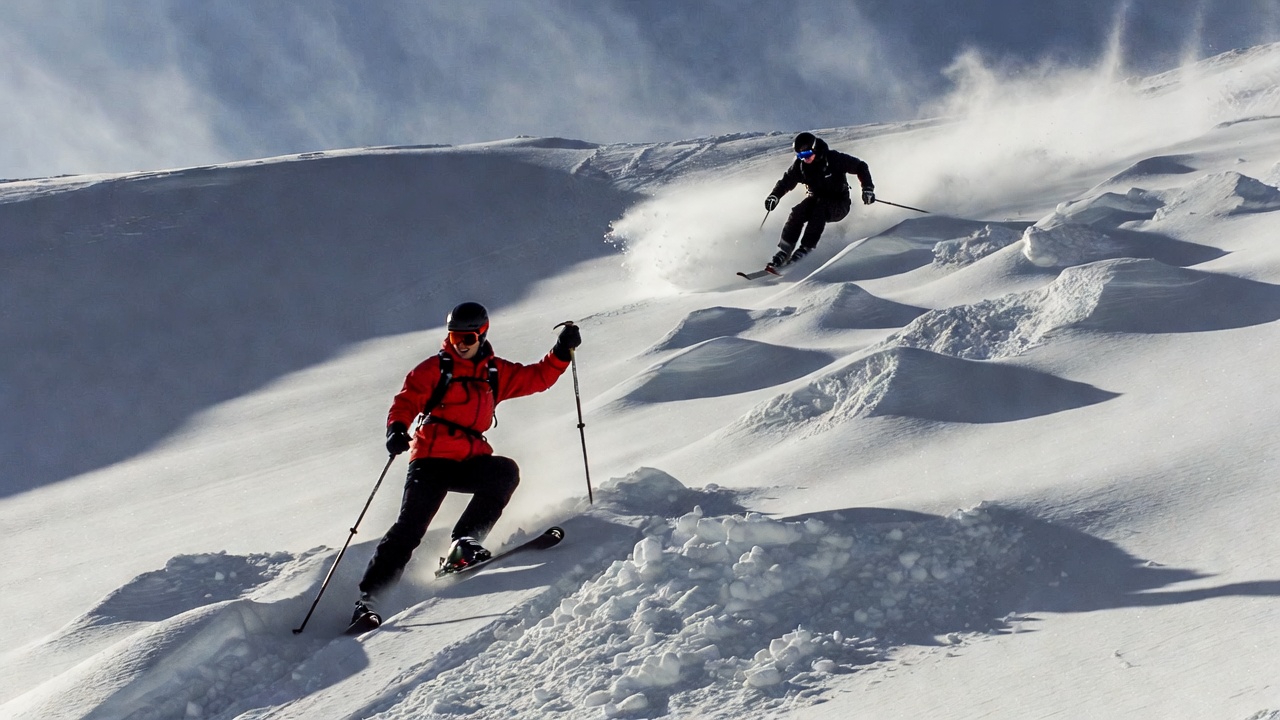
Ski mountaineering, affectionately called “skimo” by its devoted practitioners, represents the purest form of human-powered mountain travel transformed into competitive sport. At its essence, skimo requires athletes to climb a mountain course on skis or foot, then descend at breakneck speed—all while racing against the clock and their competitors.
The sport seamlessly weaves together:
- Cross-country skiing endurance for sustained uphill effort
- Alpine skiing precision for technical descents
- Mountaineering athleticism for boot-packing steep sections
- Lightning-fast transitions between climbing and skiing modes
What makes ski mountaineering unique among Olympic winter sports is its celebration of the complete mountain athlete. Unlike alpine skiing, where gravity does the work, or cross-country skiing, where terrain remains relatively flat, skimo demands absolute mastery of both ascent and descent.
The sprint race format at Milano Cortina 2026 consists of:
- Initial Ascent with Skins — Athletes start with specialized “skins” attached to their ultra-lightweight skis. These synthetic strips (originally made from seal pelts) grip the snow, allowing upward movement without sliding backward.
- Boot-Packing Section — At a designated point, competitors must remove their skis, strap them to their backpacks, and climb on foot through the steepest terrain.
- Final Skinning Ascent — Back on skis for a final push to the summit, with a total vertical gain of approximately 230 feet (70 meters).
- Transition Zone — Athletes enter a marked area to strip skins from their skis and adjust equipment for descent. The best competitors complete this in under six seconds.
- Descent to Finish — A set course back down the mountain, where any remaining energy translates directly into finishing position.
The normal duration of each heat is approximately 3.5 minutes—an eternity of maximal effort that leaves even elite athletes gasping at the finish line.
History of Ski Mountaineering: From Alpine Survival to Olympic Glory
The story of ski mountaineering stretches back far beyond modern competition to the very origins of skiing itself. In the late 19th century, skiing reached the European Alps through Norwegian immigrants and British mountaineers seeking efficient ways to access high peaks during winter months.
Arnold Lunn, the British mountaineer who helped establish alpine skiing as a sport in the 1910s and 1920s, regularly employed ski mountaineering techniques to pioneer new routes through the Alps. His legacy reminds us that, for generations, skiing wasn’t about groomed pistes or lift tickets—it was about self-reliant mountain travel.
The competitive dimension emerged surprisingly early. Military patrol, considered the predecessor of modern ski mountaineering racing, appeared as an official event at the 1924 Winter Olympics in Chamonix. This discipline combined ski travel through challenging terrain with rifle marksmanship—skills essential for Alpine troops. After demonstration events in 1928, 1936, and 1948, the format evolved into biathlon while ski mountaineering continued developing separately.
Key milestones in ski mountaineering’s competitive history:
| Year | Milestone |
|---|---|
| 1924 | Military patrol debuts at Chamonix Olympics |
| 1933 | First Mezzalama Trophy in Italy |
| 1943 | Patrouille des Glaciers established (Switzerland) |
| 1986 | First Pierra Menta in France |
| 2002 | First Ski Mountaineering World Championships (France) |
| 2007 | International Council for Ski Mountaineering Competitions formed |
| 2008 | International Ski Mountaineering Federation (ISMF) established |
| 2020 | Ski mountaineering featured at Lausanne Youth Olympics |
| 2021 | IOC approves ski mountaineering for Milano Cortina 2026 |
The ISMF now governs 38 affiliated national federations worldwide, testament to the sport’s remarkable growth from regional Alpine tradition to global phenomenon.
Ski Mountaineering Equipment Guide: What Gear Do Olympic Skimo Athletes Use?
The equipment revolution in ski mountaineering represents one of the most dramatic transformations in winter sports technology. Where recreational ski tourers might use gear weighing several kilograms per ski, Olympic-level competitors use setups that would seem impossibly light to casual observers.
Essential ski mountaineering equipment includes:
Skis
- Width: 60–90mm underfoot (balancing flotation and weight)
- Weight: Racing skis weigh as little as 600–800 grams per ski
- Length: Typically shorter than alpine skis for easier handling on technical terrain
Bindings The pin binding revolution, pioneered by Italian company Dynafit, transformed the sport. These bindings:
- Use a minimalist metal-pin locking system
- Weigh as little as 150–200 grams per binding
- Provide exceptional uphill mobility
- Lock securely for aggressive descents
Boots Modern skimo boots represent engineering excellence:
- Constructed from carbon or fiber-carbon composites
- Racing models weigh under one kilogram per pair
- Feature cuff mobility up to 60 degrees for natural walking
- Include fast ski/walk switching mechanisms
Skins These adhesive strips attach to ski bases for climbing:
- Modern versions use synthetic materials (historically seal pelts)
- Must be quickly removable during transitions
- Athletes must carry skins throughout the race—losing them results in penalties
Backpack
- Ultra-light design for carrying skis during boot-packing
- Must accommodate all mandatory safety equipment
Safety Equipment (often required in non-Olympic events)
- Avalanche transceiver
- Probe
- Shovel
- Ice axe
At the Olympic level, the Stelvio course at Bormio will be meticulously prepared and controlled, reducing certain safety requirements while maintaining the sport’s fundamental character.
Where Will Ski Mountaineering Be Held at the 2026 Winter Olympics?
The Stelvio Ski Centre in Bormio will host ski mountaineering’s Olympic debut—a fitting choice given the region’s profound connection to mountain culture. Bormio, nestled deep in the Italian Alps near the Swiss border, has been a destination for those seeking Alpine experiences for centuries.
About Bormio as an Olympic venue:
The Stelvio piste is legendary among alpine ski racing aficionados as one of the world’s most demanding downhill courses. With a vertical drop exceeding 3,300 feet (1,000 meters) and gradients that have humbled even the greatest racers, it provides a dramatic canvas for ski mountaineering’s Olympic introduction.
Beyond athletics, Bormio offers visitors:
- 2,000-year-old thermal baths fed by natural hot springs
- A medieval village center with charming Piazza del Kuerc
- The 14th-century Torre delle Ore (Clock Tower)
- Family-run rifugi (mountain huts) serving traditional Lombard cuisine
- Access to spectacular backcountry terrain in Parco Nazionale dello Stelvio
The choice of Bormio for ski mountaineering’s debut carries deep symbolism. As noted on the official Milano Cortina 2026 website:
“Ski mountaineering is an exciting, intense and adrenaline-filled sport that allows those who participate to connect with nature and pristine landscapes. It is particularly popular in Italy, with deep historical and sporting roots in the Alpine regions.”
Ski mountaineering competition schedule at Milano Cortina 2026:
| Date | Event |
|---|---|
| Thursday, February 19, 2026 | Men’s Sprint, Women’s Sprint |
| Friday, February 20, 2026 | Mixed Relay |
Top Ski Mountaineering Athletes to Watch at Milano Cortina 2026
The ski mountaineering field at Milano Cortina 2026 will showcase athletes who have dedicated their lives to conquering mountains under their own power. While quota spots limit each country to a maximum of 2 male and 2 female competitors, the assembled field represents the sport’s absolute elite.
Athletes to Watch in Men’s Ski Mountaineering:
Robert Antonioli (Italy) — The hometown hero from near Bormio, Antonioli has captured seven gold medals at the Ski Mountaineering World Championships. Competing on familiar terrain, he carries the hopes of a nation that considers skimo part of its Alpine heritage.
Oriol Cardona Coll (Spain) — The reigning Bormio World Cup sprint winner, Cardona brings explosive speed and tactical intelligence. His assessment of the Olympic course:
“It’s a race that allows you to push hard until the end. That means there can be many position changes. You can get to the top and overtake, or be overtaken.”
Thibault Anselmet (France) — A dominant force in mixed relay events with multiple World Cup victories.
Athletes to Watch in Women’s Ski Mountaineering:
Emily Harrop (France) — The undisputed queen of ski mountaineering enters Milano Cortina on an unprecedented run of success:
- Four consecutive overall World Cup crystal globes
- Seven consecutive World Cup sprint victories in 2024/25
- World champion in mixed relay (2023, 2025) with Anselmet
- Won the Bormio test event on the actual Olympic course
As the Olympics.com profile notes, Harrop “became the queen of ski mountaineering” after being named Breakthrough Athlete of the Season in 2021/22.
Axelle Gachet-Mollaret (France) — A true legend of the sport with multiple world titles, Gachet-Mollaret remains among the elite even as younger competitors have emerged.
Athletes to Watch for Team USA:
Cameron Smith and Anna Gibson made history by winning the World Cup mixed relay in Salt Lake City on December 7, 2025, earning the United States’ only quota spots in ski mountaineering. Smith’s journey is particularly compelling—he’s carried the phone password “2626” for years in anticipation of this moment, having dreamed of Olympic competition since watching the 2002 Salt Lake City Games at age six.
Gibson’s path is even more remarkable: a former junior national champion in cross-country skiing who pivoted to track running (competing in the 1500m at the 2024 Olympic Track and Field Trials), she picked up ski mountaineering just six months before qualifying for the Winter Olympics.
Dual Moguls Olympic Debut 2026: Head-to-Head Freestyle Skiing Battles
What Is Dual Moguls and How Is It Different from Traditional Moguls Skiing?
While traditional moguls has been an Olympic staple since freestyle skiing’s medal-sport debut at Albertville 1992, dual moguls brings an entirely new dimension to competition: direct head-to-head confrontation.
In dual moguls, two athletes compete simultaneously on adjacent mogul courses. Rather than each competitor skiing alone and awaiting scores, they race side-by-side in elimination brackets, with the winner advancing to the next round and the loser eliminated.
Key differences between moguls and dual moguls:
| Aspect | Traditional Moguls | Dual Moguls |
|---|---|---|
| Format | Time-trial style, scored individually | Head-to-head bracket elimination |
| Competitors per run | One | Two (side-by-side) |
| How winner is determined | Highest score advances | Most judge votes wins |
| Dramatic tension | Delayed (waiting for scores) | Immediate (direct competition) |
| Number of runs to medal | Multiple qualifying rounds + final | Single-elimination bracket |
How dual moguls scoring works:
The dual moguls judging system creates immediate, dramatic decisions:
- Seven judges evaluate each run
- Each judge receives five votes they can distribute between the two athletes
- Vote splits can be: 5-0, 4-1, 3-2, 2-3, 1-4, or 0-5
- Combining all judges creates a maximum of 35 votes per matchup
- A 35-0 victory represents a perfect, unanimous win
- The athlete with more total votes wins the matchup and advances
Judging criteria remain consistent with traditional moguls:
- Turns (60%) — Technical evaluation of carving technique, rhythm, and control through the mogul field
- Air (20%) — Quality and difficulty of two mandatory aerial maneuvers
- Speed (20%) — Raw time from start to finish
However, the visual nature of head-to-head competition means viewers can immediately see who’s skiing faster, executing cleaner tricks, and commanding the course with greater authority.
Moguls Skiing History: From Hot-Dogging to Olympic Gold
The journey from recreational “hot-dogging” to Olympic podiums spans half a century of cultural transformation. Moguls as a discipline emerged from the American freestyle skiing movement of the 1960s and 1970s, when daredevil skiers began incorporating acrobatic moves into their runs purely for entertainment and self-expression.
The term “mogul” derives from the Bavarian/Austrian German word “Mugel,” meaning mound or hillock. These bumps form naturally as skiers carve similar paths down slopes, pushing snow into regular patterns. What started as obstacles to avoid became the canvas for an art form.
Key dates in moguls history:
| Year | Milestone |
|---|---|
| 1960s-70s | “Hot-dogging” culture emerges in American ski resorts |
| 1971 | First moguls competition held |
| 1979 | International Ski Federation (FIS) officially recognizes freestyle skiing |
| 1988 | Freestyle skiing (including moguls) appears as demonstration sport at Calgary Olympics |
| 1992 | Moguls becomes Olympic medal event at Albertville—French skier Edgar Grospiron wins inaugural men’s gold |
| 1995 | First World Cup dual moguls event held in Tignes, France |
| 2026 | Dual moguls added to Olympic program at Milano Cortina |
The addition of dual moguls to the Olympic program creates the first new freestyle skiing discipline at the Winter Games since Vancouver 2010 introduced ski cross. For athletes who have long dominated World Cup dual moguls competitions, Olympic gold represents the ultimate missing trophy.
Dual Moguls Competition Format: Understanding the 2026 Olympic Bracket
At Milano Cortina 2026, dual moguls will follow a 32-skier elimination bracket format designed to maximize dramatic confrontations while rewarding the most consistent performers.
Competition structure:
- Seeding — Athletes are seeded based on their performance in the individual moguls competition earlier in the Games
- First Round — With only 30 qualifiers, the top two seeds receive byes and enter directly in the second round
- Bracket Placement — Seeds 1 and 2 are placed on opposite sides of the bracket, ensuring they cannot meet before the final
- Elimination Rounds — Single elimination continues until two athletes remain
- Finals — Bronze medal match followed by gold medal final
The dual moguls course at Livigno:
The Livigno Aerials & Moguls Park will host both moguls disciplines. The course features:
- A steep, heavily moguled slope
- Two aerial jumps positioned for maximum visibility
- Adjacent parallel courses for head-to-head racing
- Precise markings ensuring competitors ski equivalent terrain
Dual moguls schedule at Milano Cortina 2026:
| Date | Event |
|---|---|
| Saturday, February 14, 2026 | Women’s Dual Moguls |
| Sunday, February 15, 2026 | Men’s Dual Moguls |
The placement of dual moguls on Valentine’s Day weekend seems fitting for an event that promises heart-pounding confrontations and dramatic finishes.
Who Are the Best Dual Moguls Skiers Competing at the 2026 Winter Olympics?
The dual moguls field at Milano Cortina 2026 features athletes who have dominated World Cup competition for years, finally given the chance to compete for Olympic gold in their specialty.
Men’s Dual Moguls Gold Medal Contenders:
Mikaël Kingsbury (Canada) — Simply put, Kingsbury is the greatest moguls skier in history. His credentials defy superlatives:
- 99+ career World Cup victories (approaching historic 100-win milestone)
- Three Olympic medals (gold in PyeongChang 2018, silver in Sochi 2014 and Beijing 2022)
- Four World Championship titles in moguls (more than any other man)
- Multiple Crystal Globes in both moguls and dual moguls
Entering what will likely be his farewell Olympics, the 33-year-old Canadian has stated his goal clearly:
“My goal right now is to peak at the Olympics. I want to win the singles at the Olympics, obviously, and the duals.”
With dual moguls making its Olympic debut, Kingsbury has the chance to complete his legacy with a medal no one else in history has ever won.
Ikuma Horishima (Japan) — The 2025 World Champion who dethroned Kingsbury, Horishima combines massive aerial amplitude with refined technical skiing. The 27-year-old has consistently pushed Kingsbury harder than any other competitor.
Walter Wallberg (Sweden) — The reigning Olympic moguls champion from Beijing 2022, Wallberg proved he can deliver on the biggest stage when it matters most.
Women’s Dual Moguls Gold Medal Contenders:
Jaelin Kauf (United States) — The 29-year-old from Alta, Wyoming, enters Milano Cortina as the 2025 World Champion in dual moguls and reigning triple Crystal Globe winner (moguls, dual moguls, and overall). Her breakthrough 2024/25 season established her as the athlete to beat:
“I’m definitely going for the gold both days,” Kauf declared, referencing both moguls and dual moguls.
At just 5’4″, Kauf generates remarkable speed through the mogul field—her trademark competitive advantage.
Perrine Laffont (France) — The 2018 Olympic champion and six-time World Champion returned from a year-long break to reclaim her position among the sport’s elite. Her rivalry with Kauf has defined women’s moguls in recent years.
Jakara Anthony (Australia) — The Beijing 2022 Olympic champion missed most of the 2024/25 season with a broken collarbone but dominated the previous year with 14 victories in 16 starts. Her return adds explosive uncertainty to the women’s competition.
The convergence of these three exceptional talents—Kauf’s speed, Laffont’s experience, Anthony’s explosiveness—promises women’s dual moguls as one of the most unpredictable events at the entire Games.
Milano Cortina 2026 Olympic Venues: A Cultural Journey Through the Italian Alps
Bormio Ski Resort: Home of Olympic Ski Mountaineering
Bormio exists at the intersection of athletic excellence and Alpine authenticity. While the world’s greatest downhill racers have long feared the Stelvio’s icy faces, the town itself offers warmth that transcends its winter temperatures.
What makes Bormio special for visitors:
Thermal Tradition — Long before Bormio hosted World Cup races, it was renowned for its therapeutic thermal waters. Natural hot springs have attracted visitors since Roman times, and today’s Bagni di Bormio complex allows visitors to soak in 40°C (104°F) mineral waters while gazing at snow-covered peaks—the perfect recovery after a day watching Olympic competition.
Medieval Architecture — The pedestrian-friendly historic center features:
- Piazza del Kuerc — The main square, surrounded by cafes and local shops
- Torre delle Ore — A 14th-century bell tower that has witnessed centuries of Alpine life
- Ancient churches with frescoes dating to the Middle Ages
Culinary Heritage — Bormio’s cuisine reflects its Alpine setting:
- Pizzoccheri — Buckwheat pasta with potatoes, cabbage, and local cheese
- Bresaola — Air-dried beef, a Valtellina specialty with protected designation of origin
- Bràuli — A local bitter liqueur with secret herbal recipes
Practical information for visitors:
- Distance from Milan: Approximately 200 km (3.5 hours by car)
- Elevation: 1,225 meters (4,020 feet)
- Winter temperatures: Typically -10°C to 0°C (14°F to 32°F)
- Recommended gear: Warm layers, waterproof boots, and thermal accessories
Livigno Italy: Where Dual Moguls and Freestyle Skiing Shine
If Bormio represents Alpine tradition, Livigno embodies mountain energy. Known as “Little Tibet” for its high-altitude setting and distinctive character, this duty-free enclave in the upper Valtellina valley will host 26 medal events across freestyle skiing and snowboarding.
What makes Livigno unique:
Duty-Free Shopping — Due to its historical isolation and special customs status, Livigno offers tax-free purchases on everything from ski gear to perfumes. This quirk of geography has shaped the town’s character, attracting visitors seeking value alongside adventure.
Freestyle Culture — The Mottolino Snowpark ranks among Europe’s finest terrain parks, drawing professional and amateur freestyle athletes year-round. This existing infrastructure made Livigno the natural choice for Olympic freestyle events.
Après-Ski Scene — Livigno’s relatively young, energetic atmosphere means:
- Lively bars like Bivio Club and Miky’s Pub
- A pedestrian-friendly village center
- Restaurants serving both traditional Lombard dishes and international cuisine
The Livigno Aerials & Moguls Park:
Purpose-built for Milano Cortina 2026, this facility offers:
- World-class moguls courses for both singles and dual competition
- State-of-the-art aerials ramps
- Spectator areas with clear sightlines
- A lasting legacy for future competitions and training
Practical information for visitors:
- Distance from Milan: Approximately 230 km (4 hours by car)
- Elevation: 1,816 meters (5,958 feet) — one of Europe’s highest resort towns
- Winter temperatures: Regularly below -10°C (14°F)
- Note: Livigno is relatively remote; plan travel accordingly
How to Watch the 2026 Winter Olympics New Sports: Complete Viewing Guide
Ski Mountaineering and Dual Moguls TV Schedule and Broadcast Information
For those unable to attend in person, comprehensive broadcast coverage will bring ski mountaineering and dual moguls into homes worldwide.
Key broadcast partners:
| Region | Primary Broadcaster |
|---|---|
| United States | NBC, Peacock, NBC Olympics digital platforms |
| Canada | CBC Sports |
| Europe | Warner Bros. Discovery platforms, Eurosport, Discovery+ |
| United Kingdom | BBC, discovery+ |
| Italy | RAI |
| Japan | NHK |
| Australia | Nine Network |
What to expect from coverage:
Ski mountaineering presents unique broadcast challenges and opportunities:
- Cameras positioned at transition zones will capture athletes’ six-second skin removals
- Aerial footage will showcase the course’s vertical gain
- Heart-rate monitors may display athletes’ cardiovascular effort
- The sprint format’s 3.5-minute heats create concentrated drama
Dual moguls offers exceptional television:
- Split-screen viewing allows comparison of head-to-head competitors
- Real-time vote displays create immediate tension
- Slow-motion replays of aerial maneuvers
- Bracket graphics showing tournament progression
Why New Olympic Sports Matter: The Evolution of Winter Games Competition
How Does the IOC Decide to Add New Winter Olympic Sports?
The process of adding sports to the Olympic program involves rigorous evaluation, political negotiation, and strategic vision. Understanding this process illuminates why ski mountaineering and dual moguls emerged as Milano Cortina additions.
IOC criteria for new sports include:
- International Federation Recognition — The sport must be governed by an IOC-recognized international federation (ISMF for ski mountaineering, FIS for dual moguls)
- Global Participation — Evidence of worldwide practice and competitive structure
- Venue Compatibility — Events must fit within existing or planned venue infrastructure
- Cost Considerations — The IOC has emphasized controlling Olympic budgets since public backlash over the 2022 bidding cycle
- Audience Appeal — Sports must attract viewership, particularly among younger demographics
- Gender Equality — New additions should advance the IOC’s goal of 50-50 gender participation
Why ski mountaineering succeeded:
- Deep Alpine roots in the host region made it culturally appropriate
- Successful test at the 2020 Lausanne Youth Olympics proved competitive viability
- The sport offers dramatic visual elements (steep ascents, fast descents, furious transitions)
- It requires minimal new infrastructure while utilizing existing Alpine terrain
- Strong national federation support from Italy, France, Switzerland, and other Alpine nations
Why dual moguls succeeded:
- Already a well-established World Cup discipline since 1995
- Head-to-head format creates immediate drama ideal for television
- Utilizes existing moguls infrastructure without additional venue construction
- Provides additional medal opportunities for athletes already at the Games
- Appeals to viewers seeking direct competitive confrontation
Planning Your Trip to Milano Cortina 2026: Practical Travel Tips for Olympic Visitors
How to Get Tickets for Ski Mountaineering and Dual Moguls at the 2026 Winter Olympics
Official ticket information:
Tickets for Milano Cortina 2026 are available exclusively through the official Olympics website. Key details:
- Sales opened in April 2025 on a first-come, first-served basis
- Maximum purchase: 25 tickets total per person
- Per session limit: 10 tickets (4 for high-demand events like ceremonies)
- Tickets are nominative — purchased in specific individuals’ names
- Name changes are free if plans shift
- Official resale platform launched in December 2025
For ski mountaineering and dual moguls specifically, ticket demand may be lower than flagship events like figure skating or hockey finals, potentially offering better availability for travelers with flexible schedules.
Best Places to Stay Near Bormio and Livigno for the 2026 Olympics
Accommodation strategies:
In Bormio (for ski mountaineering):
- Book early—the Olympic Village will occupy several hotels, reducing available inventory
- Consider nearby Santa Caterina (40 minutes away) for a quieter, more traditional experience
- Cima Piazzi offers small-village charm and easier access than central Bormio
In Livigno (for dual moguls):
- The town offers extensive accommodation due to its established tourism infrastructure
- Duty-free shopping means more competitive gear prices
- Book restaurants in advance—popular spots fill quickly during peak weeks
Alternative bases:
- Milan — Central transportation hub with extensive hotel options; 3-4 hours to mountain venues
- Cortina d’Ampezzo — Host of alpine events; scenic but distant from Bormio/Livigno
- Val di Fiemme (Predazzo/Tesero) — Quieter Nordic skiing hub; 2-3 hours to freestyle venues
What to Pack for Winter Olympic Travel in the Italian Alps
Essential items:
| Category | Recommendations |
|---|---|
| Outerwear | Windproof, waterproof jacket; insulated layers |
| Footwear | Waterproof boots with good traction; warm socks |
| Accessories | Hat, gloves, scarf, hand warmers |
| Sun protection | Sunglasses, sunscreen (Alpine sun is intense) |
| Electronics | Portable chargers (cold drains batteries); camera |
| Documents | Passport, printed tickets, health insurance info |
Cultural considerations:
- Learn basic Italian phrases — While English is widely spoken in tourist areas, locals appreciate effort
- Embrace la pausa — Shops may close midday; plan accordingly
- Respect local dining customs — Dinner typically begins at 7:30 PM or later
- Tip appropriately — Service is often included; round up for exceptional service
The Future of Winter Olympic Sports: What Ski Mountaineering and Dual Moguls Mean for the Games
How Milano Cortina 2026 Sets the Stage for Future Winter Olympics
The addition of ski mountaineering and dual moguls to Milano Cortina 2026 reflects broader trends reshaping the Olympic movement:
1. Return to Authentic Mountain Culture
Ski mountaineering represents a deliberate pivot toward sports with deep cultural roots. Unlike recent additions driven primarily by youth appeal (snowboarding, freestyle skiing), skimo connects to centuries of Alpine heritage—the way mountain communities have actually traveled and survived in winter environments.
2. Television-Friendly Formats
Dual moguls’ head-to-head elimination format mirrors successful models from other sports:
- March Madness-style bracket drama
- Immediate winner/loser determination
- Built-in storylines as favorites face elimination
Expect future Olympic additions to emphasize similar competitive structures.
3. Infrastructure Sustainability
Both new events utilize existing or minimal new infrastructure—a priority after criticism of costly purpose-built venues at recent Games. Ski mountaineering uses the already-famous Stelvio course; dual moguls shares facilities with traditional moguls.
4. Gender Equity Progress
Milano Cortina 2026 will feature the highest percentage of women’s participation in Winter Olympic history at 47%. New events with equal men’s and women’s competitions advance IOC goals.
5. Regional Pride and Tourism
By showcasing Italian Alpine culture to global audiences, these additions serve as both sporting competition and destination marketing. The imagery of athletes ascending legendary peaks and competing in picturesque villages creates lasting impressions.
Final Thoughts: Embracing New Olympic Sports at Milano Cortina 2026
As the Olympic flame completes its journey through Italy’s 110 provinces—stopping at World Heritage Sites, commemorating the 1956 Cortina Games, and honoring fallen athletes like Matilde Lorenzi—the stage is set for historic competition.
Ski mountaineering invites us to remember that, before lifts and groomed runs, skiing meant self-reliance, endurance, and deep connection to mountain environments. When Emily Harrop or Robert Antonioli charges up the Stelvio slope, we witness athletes channeling generations of Alpine tradition into modern excellence.
Dual moguls reminds us that sport thrives on direct confrontation, immediate drama, and human rivalry. When Mikaël Kingsbury faces Ikuma Horishima or Jaelin Kauf battles Perrine Laffont, we experience the irreducible essence of competition: two athletes, same course, only one advances.
Whether you’re planning to attend in person—soaking in Bormio’s thermal waters after watching skimo, shopping duty-free in Livigno before dual moguls finals—or following from home via NBC, Eurosport, or your local broadcaster, these new sports offer fresh reasons to engage with the Winter Olympics.
The Games begin February 6, 2026. History awaits.
Frequently Asked Questions About New Sports at the 2026 Winter Olympics
Q: Is ski mountaineering dangerous?
A: While recreational ski mountaineering involves avalanche risk and backcountry hazards, Olympic competition takes place on controlled, prepared courses with safety personnel throughout. Athletes still face extreme cardiovascular demands and the possibility of falls, but risks associated with backcountry travel are minimized.
Q: How fast do dual moguls skiers go?
A: Elite moguls skiers reach speeds exceeding 11.8 m/s for men and 10.3 m/s for women (approximately 25-27 mph). However, navigating moguls at speed requires constant deceleration and acceleration through turns, making perceived speed even more dramatic.
Q: Can I try ski mountaineering or moguls skiing?
A: Both sports offer recreational pathways:
- Ski mountaineering courses are offered at many Alpine resorts and through organizations like AIARE (US) and national mountaineering clubs
- Mogul skiing can be practiced wherever natural or constructed mogul fields exist—many resorts maintain designated mogul runs
Q: Will these sports continue at future Winter Olympics?
A: While the IOC evaluates sports continuously, both ski mountaineering and dual moguls have strong prospects for continuation:
- Ski mountaineering has already been confirmed for future consideration
- Dual moguls utilizes existing infrastructure and has proven World Cup appeal
- The IOC’s focus on sustainability favors sports requiring minimal new construction
Q: How can I learn more about the athletes competing?
A: The official Olympics.com website provides athlete profiles, qualification standings, and competition schedules. National Olympic Committee websites offer team-specific coverage.
This guide was researched and written in January 2026 to provide comprehensive, culturally respectful coverage of the new sports debuting at the Milano Cortina 2026 Winter Olympics. Information reflects the latest available schedules, athlete qualifications, and venue details. For official ticketing and broadcast information, always refer to primary sources.