A Complete Travel Guide for Foreign Tourists Exploring China’s Winter Festival Season
Introduction: Why Experience Chinese New Year as an International Visitor in 2026
China transforms during Chinese New Year. The world’s largest annual human migration brings the country alive with celebrations spanning 16 days. In 2025, the Ministry of Culture and Tourism recorded 501 million domestic trips during the eight-day Spring Festival holiday. Tourism spending reached 677 billion yuan ($93 billion). These numbers tell a story: Chinese New Year offers unmatched cultural immersion.
For international visitors, this festival presents a unique opportunity. UNESCO inscribed Chinese New Year on its Intangible Cultural Heritage List in 2024. This recognition elevated the festival’s global significance. Nearly 20 countries now recognize it as an official holiday.
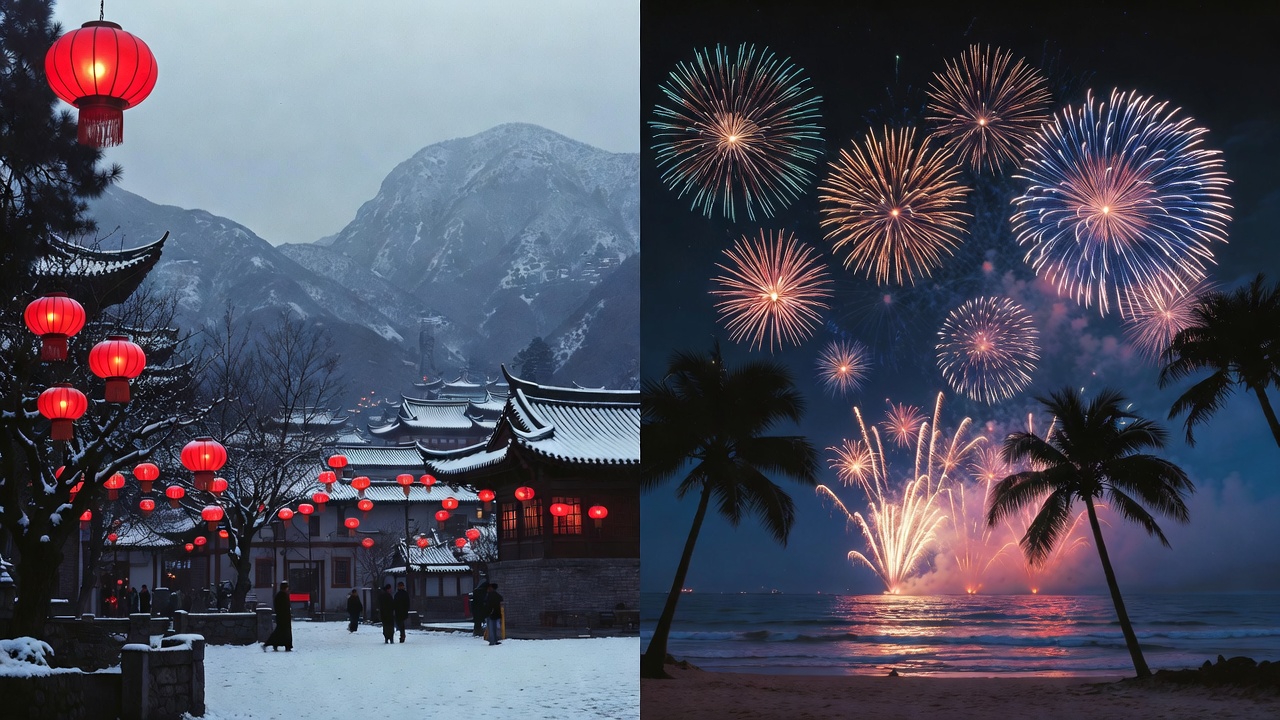
The contrast between China’s north and south during this season creates remarkable travel possibilities. Harbin’s temperatures plunge to -25°C (-13°F). Meanwhile, Sanya’s beaches bask in 22°C (72°F) warmth. This guide helps you navigate both extremes. You will learn how to experience ice sculptures in the morning and tropical sunsets days later.
China’s visa policies have evolved dramatically. The 240-hour visa-free transit program now covers 60 ports across 24 provinces. Citizens of 45 countries can enjoy 30-day visa-free stays. These changes make “China Travel” more accessible than ever.
Let this guide be your companion through the frozen wonderlands of Heilongjiang and the palm-lined shores of Hainan. Together, we will explore how to make your Chinese New Year journey unforgettable.
Understanding Chinese New Year: When to Visit China for Spring Festival Celebrations
The Chinese Lunar Calendar and Festival Dates
Chinese New Year follows the traditional lunisolar calendar. The date shifts each year, falling between January 21 and February 20 on the Gregorian calendar. Chinese New Year 2026 falls on Tuesday, February 17. The Year of the Horse begins on this date.
The festival spans specific phases:
| Phase | Timing | Activities |
|---|---|---|
| Pre-Festival | 2-3 weeks before | House cleaning, shopping, travel to hometowns |
| New Year’s Eve | Day before | Family reunion dinner, staying up late |
| New Year’s Day | First day | Offerings, greetings, red envelopes |
| Main Festival | Days 1-7 | Visiting relatives, temple fairs |
| Lantern Festival | Day 15 | Lantern displays, sweet rice balls |
Peak Travel Periods to Avoid and Embrace
The eight-day public holiday creates massive travel waves. In 2025, the holiday ran from January 28 to February 4. Train tickets sell out within hours of release. Hotel prices increase three to ten times in popular destinations.
Strategic timing matters:
- Before the holiday (1-2 weeks early): Cities empty as residents return to hometowns. Tourist sites become quieter. Prices remain reasonable.
- During the holiday: Cities like Beijing and Shanghai feel deserted. Rural areas and tourist destinations become crowded. Experience authentic celebrations but prepare for crowds.
- After the holiday (1-2 weeks later): Workers return to cities. Tourist sites normalize. Weather in the north remains cold enough for ice festivals.
For Harbin Ice Festival visitors, mid-January to early February offers the best balance. The sculptures remain pristine. Crowds are smaller than during the actual holiday.
For Hainan beach seekers, arriving before January 28 or after February 10 reduces costs significantly. Flight prices from Beijing to Sanya can drop from $700 during peak times to $350 outside the holiday window.
How to Visit Harbin Ice Festival 2026: Complete International Tourist Guide
The World’s Largest Ice and Snow Sculpture Festival
Harbin, capital of Heilongjiang Province, transforms into a frozen wonderland each winter. The 42nd Harbin International Ice and Snow Sculpture Festival will open around January 5, 2026. The festival runs until late February, weather permitting.
Why Harbin matters for winter tourism:
- The festival ranks among the world’s top four ice and snow festivals
- Sculptures reach heights of multi-story buildings
- Artists harvest ice from the frozen Songhua River
- Illuminated structures glow in rainbow colors after dark
- Activities range from ice slides to dog sledding
The festival began in 1963 as a simple ice lantern display in Zhaolin Park. The Cultural Revolution interrupted celebrations. The modern festival resumed in 1985. Today, it rivals Japan’s Sapporo Snow Festival and Canada’s Quebec Winter Carnival.
Main Venues and Ticket Information for International Tourists
Harbin Ice and Snow World serves as the festival’s crown jewel. This theme park features:
- Massive ice buildings and castles
- A giant Ferris wheel made of ice
- Multiple ice slides for all ages
- Evening light shows and performances
- VR experiences and ice biking
Ticket prices (2025 reference, subject to change):
| Venue | Standard Ticket (RMB) | Approximate USD |
|---|---|---|
| Ice and Snow World | 330 | $45 |
| Sun Island Snow Sculpture Expo | 330 | $45 |
| Zhaolin Park Ice Lantern Fair | Free | Free |
| Songhua River Carnival | 288 | $40 |
| Wanda Ice Lantern World | 260 | $36 |
VIP tickets for Ice and Snow World cost 800 RMB ($113). These allow skip-the-line access for popular attractions including ice slides, the Ferris wheel, and ice ballet shows.
The Sun Island International Snow Sculpture Art Expo displays massive snow creations. Artists from around the world compete here. Unlike the illuminated ice sculptures, snow sculptures are best viewed during daylight hours. Visit in the morning when sunlight creates dramatic shadows.
Surviving Extreme Cold: What to Wear in Harbin Winter
Temperatures in Harbin during January average -17°C (1°F). They frequently plunge below -30°C (-22°F) at night. Without proper clothing, your visit will be miserable.
Essential clothing layers:
- Base layer: Thermal underwear (merino wool preferred)
- Middle layer: Fleece jacket or down vest
- Outer layer: Waterproof, insulated winter jacket reaching below the waist
- Head: Fur-lined hat covering ears
- Face: Balaclava or face mask
- Hands: Insulated waterproof gloves (two pairs recommended)
- Feet: Insulated waterproof boots with thick wool socks
- Accessories: Hand warmers, foot warmers, sunglasses for snow glare
Critical advice for electronics:
- Batteries drain rapidly in extreme cold
- Bring portable power banks (keep them inside your jacket)
- Cameras may malfunction; let them acclimate slowly to indoor temperatures
- Phone screens may respond sluggishly; touchscreen gloves help
A local tradition: Harbin residents eat ice cream outdoors even at -20°C. Join them for an authentic experience. The frozen treats taste different when the air is colder than the dessert.
Best Harbin Ice Festival Itinerary: 3 to 5 Days for Visitors
Day 1: Arrival and City Orientation
Fly into Harbin Taiping International Airport. Direct flights connect from Beijing (2 hours), Shanghai (3 hours), and international cities including Seoul and Tokyo. The 144-hour visa-free transit policy applies here.
Check into your hotel in Daoli District. This central location puts you near major attractions. Explore Central Street (Zhongyang Dajie) on foot. This cobblestone pedestrian street features Russian-influenced architecture. Sample Harbin sausages and Russian bread.
Day 2: Ice and Snow World
Arrive at Ice and Snow World around 3 PM. The park opens at 11 AM, but the magic happens after dark when lights illuminate the structures. Stay until closing (around 9 PM in peak season).
Tips for the visit:
- Bring snacks; food options inside are limited
- Use the bathroom before entering (facilities are basic)
- The super slides have long lines; try them early
- Photography works best during “blue hour” (4-5 PM)
Day 3: Sun Island and Zhaolin Park
Start early at Sun Island International Snow Sculpture Art Expo (opens 8 AM). The morning light at 10 AM creates ideal photography conditions. Allow 2-3 hours for exploration.
After lunch, visit Saint Sophia Cathedral. This Russian Orthodox church, built in 1903, showcases Byzantine architecture. It operates as a museum.
Evening: Explore Zhaolin Park Ice Lantern Fair. This free venue offers intimate ice lantern displays. The park where the festival originated in 1963 maintains a nostalgic atmosphere.
Day 4: Extended Experiences (Optional)
- Siberian Tiger Park: Observe wild Amur tigers from protected vehicles
- Harbin Polarland: Meet penguins, polar bears, and performing whales
- Songhua River Ice Carnival: Try ice biking, sledding, and ice fishing
- Hot springs: Warm up at nearby thermal springs after days in the cold
Day 5: Day Trip to Snow Town (Optional)
China Snow Town (Xuexiang) lies about 5 hours from Harbin. This remote village features naturally accumulated snow reaching extraordinary depths. The landscape resembles scenes from a fairy tale. Mushroom-shaped snow caps cover every surface.
Many tour companies offer overnight trips. The journey is long but rewarding for photography enthusiasts.
Tropical Paradise: Sanya and Hainan Island Beach Vacation During Chinese New Year
Why Hainan Offers the Perfect Winter Escape for Foreign Tourists
While northern China freezes, Hainan Island basks in perpetual warmth. Average winter temperatures hover around 22°C (72°F). Locals call it “China’s Hawaii” for good reason.
Hainan’s appeal for Chinese New Year:
- Year-round beach weather when much of China is cold
- Less crowded than summer months (Chinese prefer cold regions during CNY)
- Tropical rainforests and marine activities
- Duty-free shopping opportunities
- Increasingly foreigner-friendly infrastructure
The Hainan Free Trade Port welcomes international visitors with expanded visa-free policies. Since February 2024, citizens from 59 countries can stay up to 30 days without a visa. The island launched special customs operations in December 2025, welcoming 186,000 foreign travelers in the first month alone—a 46% year-on-year increase.
Sanya Beaches and Resorts: Where to Stay and What to Experience
Sanya, on Hainan’s southern tip, serves as the island’s premier beach destination. The city welcomed 319,800 overnight international visitors in the first half of 2024—a 264.98% increase from the previous year.
Major beach areas:
| Beach | Character | Best For |
|---|---|---|
| Yalong Bay | Upscale resorts, pristine sand | Luxury seekers, families |
| Dadonghai Bay | Lively, accessible, budget options | Young travelers, nightlife |
| Sanya Bay | Long stretch, city views | Sunset watching, jogging |
| Haitang Bay | New development, duty-free mall | Shopping, high-end stays |
| Tianya Haijiao | Iconic rock formations | Photography, cultural sites |
Yalong Bay consistently ranks as China’s finest beach. Crystal-clear water and powdery white sand attract discerning travelers. International hotel brands including St. Regis, Ritz-Carlton, and Park Hyatt operate here.
Dadonghai Bay offers a more casual atmosphere. Budget accommodations, seafood restaurants, and beach bars line the shore. Russian signage reflects the area’s popularity with Eastern European visitors.
Activities Beyond the Beach: Rainforests and Cultural Sites
Nanshan Cultural Tourism Zone houses the iconic 108-meter Guanyin statue standing in the sea. This Buddhist complex combines temples, gardens, and coastal views. The temple’s vegetarian restaurant serves excellent meals.
Yanoda Rainforest Cultural Tourism Zone reveals Hainan’s tropical interior. Walking paths wind through ancient trees and waterfall cascades. Adventure options include zip-lines and glass-bottom bridges.
Traditional Chinese Medicine experiences have attracted international visitors for years. Sanya Hospital of Traditional Chinese Medicine pioneered wellness tourism in 2002. Over 100,000 international visitors have participated in TCM programs.
Water sports in Sanya:
- Scuba diving at Wuzhizhou Island (China’s best dive sites)
- Surfing at Riyue Bay (consistent swells, international competitions)
- Snorkeling along coral reefs
- Parasailing and jet skiing at major beaches
Sanya Practical Information for International Tourists
Getting to Sanya:
Sanya Phoenix International Airport (SYX) receives flights from:
- Domestic: Beijing, Shanghai, Guangzhou, Chengdu, Shenzhen
- International: Seoul, Jakarta, Bangkok, Singapore, Moscow, London
The airport operates 16 international routes connecting 14 cities.
Visa requirements:
Most international visitors qualify for:
- 30-day visa-free entry (59 eligible countries)
- 240-hour visa-free transit (55 eligible countries)
- 144-hour visa-free transit for Hong Kong/Macau tour groups
Payment and currency:
International credit cards work at major hotels and shops. Alipay recorded a 56% increase in spending transactions in Singapore and 40% increase in Japan during Chinese New Year 2025. The Hainan Trust Pay app facilitates payments for foreign tourists.
Accommodation costs during Chinese New Year:
Prices spike dramatically during the Spring Festival week. A room that costs $150 normally may reach $500-1500 during peak dates. Booking 6-8 weeks in advance is essential.
Complete North-South China Travel Itinerary: From Ice Festival to Tropical Beach
Sample 10-Day China Winter Journey for International Visitors
This itinerary maximizes China’s north-south contrast. You experience ancient winter traditions in Harbin before escaping to Hainan’s tropical shores.
Day 1-2: Arrival in Beijing
Begin in the capital. Beijing serves as a logical gateway for international travelers. Spend two days exploring:
- The Great Wall at Badaling: Inbound visitors surged past 500,000 in 2025, a 33% year-on-year increase
- Forbidden City: Book tickets online in advance
- Temple of Heaven: Watch locals practice tai chi at dawn
- Hutong neighborhoods: Explore by rickshaw
The Great Wall now offers dawn and night tourism experiences. These provide fresh perspectives on the ancient structure.
Day 3-4: High-Speed Train to Harbin
The Beijing-Harbin high-speed rail journey takes approximately 7-8 hours. Seven daily trains connect the cities. Book tickets through the 12306 app or China Railway website.
Alternatively, flights take 2 hours. Approximately 15-20 daily flights operate the route.
Upon arrival, check into a Daoli District hotel. Explore Central Street and sample local cuisine including Harbin red sausage and dumplings.
Day 5: Harbin Ice Festival Full Day
Morning: Sun Island Snow Sculpture Expo Afternoon: Siberian Tiger Park Evening: Harbin Ice and Snow World (arrive 3 PM, stay until closing)
Day 6: Fly South to Hainan
Morning flight from Harbin to Sanya (approximately 5 hours with connection in Shanghai or Guangzhou). Arrive by afternoon.
Check into your beach resort at Yalong Bay or Dadonghai. Allow your body to acclimate from -20°C to +22°C.
Day 7-8: Sanya Beach Days
Day 7: Relax at the beach. Try water sports. Explore Dadonghai’s restaurants and bars in the evening.
Day 8: Day trip to Wuzhizhou Island for snorkeling and diving. This coral island offers China’s clearest waters.
Day 9: Cultural Exploration
Morning: Nanshan Cultural Tourism Zone and Guanyin statue Afternoon: Tianya Haijiao scenic area Evening: Seafood dinner at a local market
Day 10: Departure
Morning beach time before afternoon departure. Fly from Sanya to your next destination or directly home.
Transportation Between North and South China
Flight options:
| Route | Airlines | Duration | Approximate Cost |
|---|---|---|---|
| Harbin to Sanya | China Southern, Hainan Airlines | 5-6 hours (1 stop) | $150-400 |
| Beijing to Sanya | Multiple carriers | 4 hours direct | $100-350 |
| Shanghai to Harbin | Multiple carriers | 2.5 hours | $80-200 |
| Shanghai to Sanya | Multiple carriers | 3 hours | $80-250 |
Prices fluctuate dramatically during Chinese New Year. Book 4-6 weeks in advance during peak season.
High-speed rail:
China’s rail network doesn’t connect Harbin to Sanya directly. However, you can travel:
- Beijing to Harbin: 7-8 hours
- Beijing to Sanya: Not recommended (30+ hours)
For north-south journeys, flying remains the practical choice.
Chinese New Year Visa Guide for International Tourists: Entry Requirements 2026
240-Hour Visa-Free Transit Policy Explained
China’s visa policies have become remarkably traveler-friendly. The 240-hour (10-day) visa-free transit program allows extensive exploration.
Key requirements:
- Citizenship: 55 eligible countries including USA, UK, EU members, Canada, Australia
- Transit purpose: You must be traveling to a third country (not returning home)
- Confirmed tickets: Onward travel booked within 240 hours
- Valid passport: Minimum 3 months validity from entry date
Coverage:
The program covers 65 ports across 24 provinces as of November 2025. Newly added ports include Guangzhou Pazhou, Hengqin, and the Hong Kong-Zhuhai-Macao Bridge.
Critical detail: The 240-hour period begins at midnight the day after arrival, not upon landing. A traveler arriving at 7 PM on March 1 can stay until midnight on March 12.
30-Day Visa-Free Entry for 45 Countries
Citizens of 45 countries enjoy 30-day visa-free stays until December 31, 2026. This list includes:
- Europe: France, Germany, Italy, Spain, Netherlands, Belgium, Austria, Switzerland, Poland, Ireland, and others
- Asia-Pacific: Malaysia, Australia, New Zealand, South Korea, Japan, Brunei
- Americas: Currently limited to bilateral agreements
Permitted purposes:
- Tourism
- Business and trade
- Family visits
- Exchange programs
- Transit
This policy does not require confirmed onward tickets. You can enter and depart through any port.
Visa Application Tips for Peak Travel Season
If your country doesn’t qualify for visa-free entry, apply early:
- Submit applications 4-6 weeks before travel during Chinese New Year season
- Standard processing: 4 business days
- Expedited processing: 2-3 days (additional fee)
- Rush processing: 1 day (available at consulate discretion)
US citizens: Tourist visas cost $185 standard, $210 expedited, or $222 rush. The 10-year multiple-entry visa allows 60-day stays per visit.
Chinese New Year Traditions and Customs: What International Visitors Should Know
Essential Spring Festival Etiquette for Foreign Tourists
Understanding local customs enhances your experience. Chinese New Year carries deep cultural significance. Respect for traditions earns local appreciation.
The color red dominates:
Red symbolizes good fortune and wards off evil spirits. You will see:
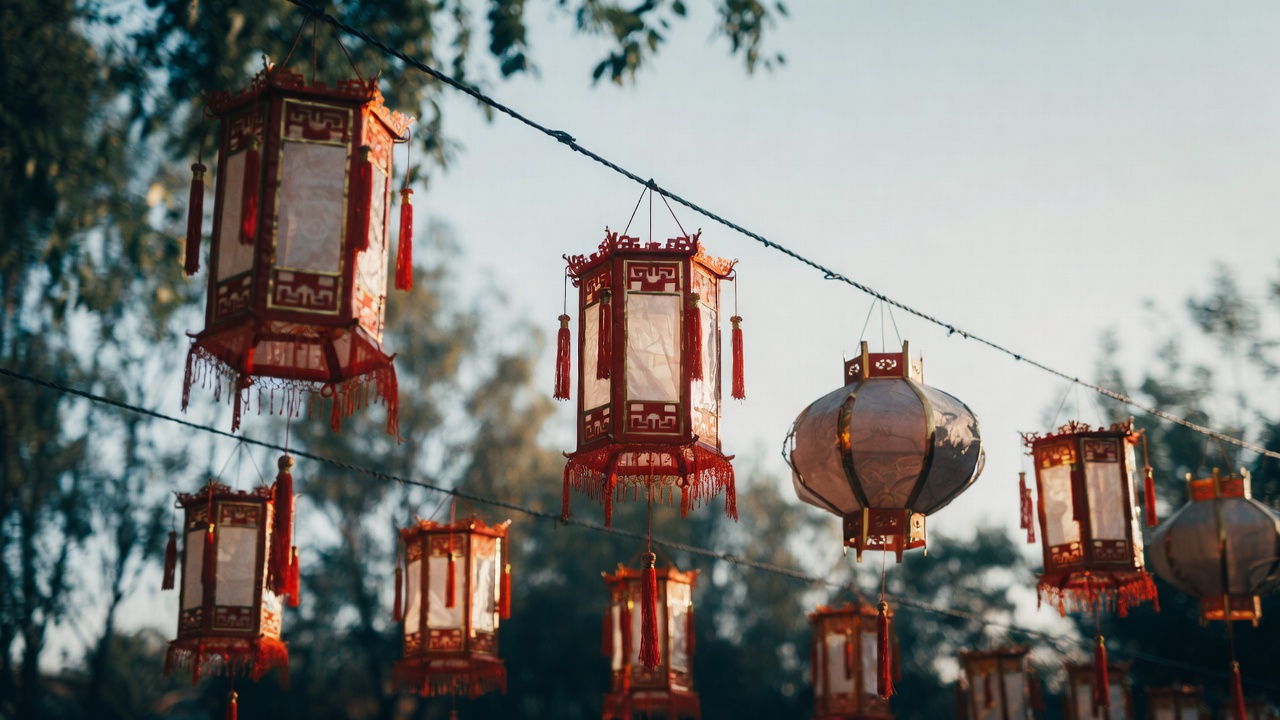
- Red lanterns hanging everywhere
- Red paper decorations (couplets) on doorframes
- Red envelopes exchanged between people
- Red clothing (especially underwear for your zodiac year)
The Fu character (福):
This character means “blessing” or “good fortune.” You’ll notice it displayed upside down on doors. This is intentional. In Mandarin, “upside down” (倒, dào) sounds like “arrive” (到, dào). An inverted Fu suggests fortune is arriving.
Firecrackers and fireworks:
Traditional celebrations include loud pyrotechnics. These sounds scare away the mythical beast “Nian.” Major cities have restricted fireworks for safety reasons. Smaller cities and rural areas maintain the tradition. Expect loud celebrations at midnight on New Year’s Eve.
Chinese New Year Foods and Their Meanings
Food carries symbolic weight during Spring Festival. Each dish represents specific wishes:
| Food | Chinese Name | Symbolism | Region |
|---|---|---|---|
| Dumplings | 饺子 (jiǎozi) | Wealth (shape resembles ancient money) | North |
| Rice cake | 年糕 (niángāo) | Higher achievements each year | South |
| Fish | 鱼 (yú) | Surplus and prosperity | Nationwide |
| Spring rolls | 春卷 (chūnjuǎn) | Wealth (gold bar shape) | South |
| Tangyuan | 汤圆 | Family reunion and harmony | South |
| Whole chicken | 鸡 (jī) | Family unity | Nationwide |
On New Year’s Eve, families gather for reunion dinner (年夜饭, niányèfàn). This meal represents the year’s most important gathering. Restaurants fill weeks in advance. Many close entirely so staff can reunite with their families.
Red Envelopes and Gift-Giving Culture
Red envelopes (红包, hóngbāo) containing money are given during Chinese New Year. Traditionally:
- Elders give to younger family members
- Employers give to employees
- Married couples give to unmarried friends
As a tourist, you likely won’t exchange red envelopes. However, understanding the custom helps interpret what you observe.
If you visit Chinese friends or business contacts:
- Bring gifts (fruit, sweets, quality tea, alcohol)
- Present gifts with both hands
- Avoid wrapping gifts in white paper (associated with funerals)
- Gifts in sets of eight bring good fortune
Temple Fairs and Festival Events to Experience
Temple fairs (庙会, miàohuì) transform public spaces into celebration zones. Activities include:
- Traditional performances (lion dances, dragon dances)
- Street food vendors
- Artisan crafts and goods
- Lantern displays
- Folk games
Major cities host temple fairs during the festival:
- Beijing: Ditan Park, Longtan Park
- Shanghai: Yu Garden
- Xi’an: Datang Everbright City
- Chengdu: Wuhou Shrine
According to Trip.com data, international tourist bookings for lantern fairs, temple fairs, and traditional operas increased 750% during Chinese New Year 2025.
Budget Planning for Chinese New Year China Trip: Costs and Money-Saving Tips
Expected Expenses for International Visitors
Chinese New Year represents peak travel season. Prices increase across all categories. Budget accordingly:
Accommodation (per night):
| Category | Normal Season | CNY Peak | Notes |
|---|---|---|---|
| Hostel | $15-30 | $30-60 | Limited availability |
| Budget hotel | $40-80 | $100-200 | Book 6+ weeks early |
| Mid-range hotel | $80-150 | $200-400 | Popular with families |
| Luxury resort (Sanya) | $200-500 | $500-1500 | Premium increases most |
| Harbin hotels | $60-150 | $150-350 | Daoli District preferred |
Daily expenses estimate (moderate comfort):
| Category | Budget | Mid-range | Comfort |
|---|---|---|---|
| Accommodation | $60 | $150 | $300+ |
| Food | $20 | $40 | $80 |
| Transportation | $15 | $30 | $60 |
| Activities/tickets | $20 | $50 | $100 |
| Daily total | $115 | $270 | $540+ |
Money-Saving Strategies for Peak Season Travel
Book accommodations early:
Prices are determined by availability. Booking 8 weeks before Chinese New Year secures better rates. Last-minute bookings often fail entirely—rooms sell out.
Travel before or after the official holiday:
Shifting your trip by just one week dramatically reduces costs. Harbin Ice Festival runs through February. Sanya remains warm year-round.
Choose secondary destinations:
Instead of Harbin city center, consider Yabuli Ski Resort (less crowded, ski-focused). Instead of Sanya, try Haikou (Hainan’s capital, lower prices, authentic culture).
Eat where locals eat:
Tourist area restaurants charge premium prices. Street food and local canteens offer the same dishes for 30-50% less. Use translation apps to navigate menus.
Book attraction tickets online:
Major attractions offer discounted online tickets. This also helps you skip ticket counter lines. WeChat and Alipay apps provide access to booking platforms.
Digital Survival Guide: Navigating China Without Chinese Language Skills
Payment Methods for International Tourists in China
China’s digital payment ecosystem has adapted for international visitors. Alipay and WeChat Pay now cover over 95% of key shopping areas and tourist attractions.
Setting up mobile payments:
- Download Alipay International or WeChat before arrival
- Link your international credit card
- Verify your account using passport details
- Load balance for small purchases where cards aren’t accepted
Alipay reported 30% year-on-year growth in outbound travel transactions during Chinese New Year 2025. The system works seamlessly for:
- Restaurant bills
- Attraction tickets
- Public transportation
- Street vendors
- Hotel payments
Cash remains useful for:
- Small vendors in rural areas
- Tips (though not culturally expected)
- Emergency backup
ATMs: International cards work at Bank of China, ICBC, and China Construction Bank ATMs. Withdraw RMB in major cities before traveling to remote areas.
Essential Apps for Foreign Travelers in China
| App | Purpose | Notes |
|---|---|---|
| Alipay | Payments, transport, services | Essential; includes DiDi integration |
| Messaging, payments, mini-programs | Dominant social platform | |
| DiDi | Ride-hailing | Chinese Uber equivalent |
| Apple Maps | Navigation | Works without VPN |
| Trip.com/Ctrip | Bookings | English-friendly |
| Translate | Real-time translation | Camera translation helpful |
| 12306 | Train tickets | Official China Railway app |
| Baidu Maps | Navigation | More accurate than Google |
VPN note: Google services, including Maps and Translate, are blocked in China. Apple Maps works natively. Consider downloading offline maps before arrival.
Language Tips for Non-Chinese Speakers
Major tourist sites provide English services. Signage, audio guides, and staff support English at:
- Harbin Ice and Snow World
- Major Sanya resorts and attractions
- Beijing and Shanghai landmarks
- International airports
Off the beaten path, English becomes scarce. Prepare by:
- Learning basic phrases:
- Hello: 你好 (nǐ hǎo)
- Thank you: 谢谢 (xiè xie)
- How much?: 多少钱? (duō shǎo qián?)
- I don’t understand: 我不懂 (wǒ bù dǒng)
- Using translation apps:
- Google Translate’s camera function reads Chinese characters
- Pleco dictionary works offline
- Show written text to locals when verbal communication fails
- Carrying visual aids:
- Save hotel addresses in Chinese characters
- Screenshot important locations
- Keep a card with your hotel’s address
Health and Safety Considerations for Winter and Tropical Travel
Protecting Yourself in Extreme Cold
Harbin’s temperatures pose genuine risks. Frostbite and hypothermia are real concerns for unprepared visitors.
Cold weather safety:
- Limit exposure: Don’t stay outdoors longer than 2 hours without warming breaks
- Watch for warning signs: Numbness in extremities, confusion, shivering
- Stay dry: Sweat trapped inside clothing accelerates heat loss
- Protect skin: Apply barrier cream to prevent windburn
- Stay hydrated: Cold air is dry; dehydration occurs without awareness
Emergency resources:
- Harbin emergency services: 120 (ambulance), 110 (police)
- Major hotels have English-speaking medical contacts
- Travel insurance covering extreme cold exposure is recommended
Tropical Travel Health Precautions
Sanya presents different considerations:
- Sun protection: Tropical sun intensity surprises visitors from northern latitudes
- Hydration: Humidity requires increased fluid intake
- Food safety: Stick to reputable restaurants; cooked food is safest
- Mosquitoes: Dengue risk exists; use repellent containing DEET
- Water activities: Follow safety guidelines; rip currents occur
No special vaccinations are required for travel to Hainan. Standard travel precautions apply.
Travel Insurance Recommendations
Coverage priorities:
- Medical evacuation: Essential for remote areas
- Trip cancellation: Protects against schedule changes
- Extreme weather/climate coverage: Verify cold exposure is covered
- COVID-related disruption: Some policies still exclude pandemic-related claims
- Adventure activities: Skiing, diving require specific coverage
Beyond Tourism: Experiencing Authentic Chinese New Year Cultural Immersion
Homestays and Local Experiences
During Chinese New Year 2025, homestay bookings by foreign passport holders increased 3.7 times year-on-year according to Tujia.com. International visitors increasingly seek authentic experiences over standard tourism.
Options for cultural immersion:
- Rural homestays: Live with Chinese families celebrating traditionally
- Cooking classes: Learn to make dumplings with local families
- Craft workshops: Try paper cutting, calligraphy, lantern making
- Temple visits: Observe traditional New Year prayers and offerings
- Market tours: Explore Spring Festival shopping traditions
Small cities and villages offer richer folk culture than major cities. According to Qunar data, ten smaller cities emerged as surprise inbound destinations during Chinese New Year 2025:
- Baotou, Inner Mongolia
- Dali, Yunnan
- Nantong, Jiangsu
- And seven others
Finding Less-Crowded Alternatives
Northern alternatives to Harbin:
| Destination | Experience | Why Consider |
|---|---|---|
| Jilin City | Rime ice on Songhua River | Natural phenomenon, fewer tourists |
| Changbai Mountain | Volcanic crater lake in winter | UNESCO Biosphere Reserve |
| Mohe | China’s northernmost point, aurora viewing | Extreme cold, unique experience |
| Yabuli | Ski resort near Harbin | Sports-focused, less crowded |
Southern alternatives to Sanya:
| Destination | Experience | Why Consider |
|---|---|---|
| Haikou | Hainan’s capital, Old Town district | Local culture, lower prices |
| Wanning | Surfing destination | Active travelers, authentic vibe |
| Xishuangbanna | Tropical Yunnan, ethnic minorities | Distinct culture, rainforests |
| Xiamen | Fujian coast, Gulangyu Island | Historical architecture, mild weather |
Frequently Asked Questions About Chinese New Year Travel to China
Is Chinese New Year a Good Time to Visit China as a Tourist?
Yes, with preparation. The festival offers unmatched cultural experiences unavailable at other times. However, expect crowds at tourist sites, higher prices, and transportation challenges.
Best for: Travelers seeking cultural immersion, festival atmosphere, and once-in-a-lifetime experiences.
Not ideal for: Budget travelers, those avoiding crowds, visitors with inflexible schedules.
How Far in Advance Should I Book?
| Component | Recommended Lead Time |
|---|---|
| Flights | 6-8 weeks |
| Hotels (popular areas) | 6-8 weeks |
| Train tickets | 3-4 weeks (tickets release 15 days before travel) |
| Attraction tickets | 1-2 weeks |
| Tours and guides | 2-4 weeks |
Can I Celebrate Chinese New Year with Local Families?
Organized programs exist through cultural exchange organizations and tour companies. Spontaneous invitations are rare but possible if you’ve made Chinese friends.
Homestay platforms like Tujia and Airbnb connect travelers with local hosts. Specify your interest in cultural experiences when booking.
What If I Don’t Speak Chinese?
Major tourist infrastructure supports English. Challenges increase in smaller cities and rural areas. Translation apps, visual communication, and patience bridge most gaps.
During Chinese New Year 2025, inbound travel orders to Xi’an increased 97%. The ancient capital demonstrates how major destinations accommodate international visitors effectively.
Conclusion: Planning Your Ultimate North-South Chinese New Year Adventure
China’s extremes define the Chinese New Year experience for adventurous travelers. Harbin’s frozen sculptures and Sanya’s tropical beaches represent two faces of the same celebration. Both reveal China’s diversity, hospitality, and cultural depth.
The numbers tell a compelling story. 501 million domestic trips during Spring Festival 2025 demonstrate the festival’s importance. 958,000 cross-border trips by foreign visitors—a 22.9% increase—show growing international interest.
Visa policies have never been more favorable. The 240-hour transit program and 30-day visa-free entries for 45 countries open doors that remained closed for decades.
Practical planning ensures success:
- Book accommodations 6-8 weeks ahead
- Prepare for extreme temperatures (both cold and hot)
- Download essential apps before arrival
- Learn basic cultural customs
- Build flexibility into your schedule
Whether you choose the north, the south, or both, Chinese New Year in China offers experiences impossible to replicate elsewhere. The ice palaces of Harbin glow against frozen nights. The beaches of Sanya welcome you to tropical warmth. Between them lies a country celebrating its most important festival.
Your journey awaits. The ice is forming on the Songhua River. The palm trees of Hainan sway in warm breezes. China’s north-south contrast has never been more accessible to international visitors.
欢迎来中国过年 (Huānyíng lái Zhōngguó guònián)—Welcome to celebrate the New Year in China.
Last updated: February 2026. Travel policies and conditions may change. Verify current visa requirements and travel advisories before booking.
Quick Reference: Chinese New Year 2026 Travel Checklist
Pre-Trip Essentials
- [ ] Verify visa requirements for your nationality
- [ ] Book flights 6-8 weeks in advance
- [ ] Reserve accommodations early (especially CNY week)
- [ ] Purchase travel insurance with appropriate coverage
- [ ] Download essential apps (Alipay, WeChat, translation apps)
- [ ] Set up mobile payment accounts
- [ ] Research current COVID protocols (if any)
Northern China (Harbin) Packing
- [ ] Thermal base layers (2-3 sets)
- [ ] Down/insulated jacket (-30°C rated)
- [ ] Waterproof snow boots
- [ ] Fur-lined hat covering ears
- [ ] Insulated waterproof gloves (2 pairs)
- [ ] Face mask/balaclava
- [ ] Hand and toe warmers
- [ ] Power banks (cold drains batteries)
- [ ] Sunglasses for snow glare
Southern China (Hainan) Packing
- [ ] Light, breathable clothing
- [ ] Swimwear
- [ ] Sunscreen (SPF 50+)
- [ ] Sunglasses
- [ ] Insect repellent
- [ ] Waterproof phone case
- [ ] Comfortable sandals and walking shoes
Cultural Preparation
- [ ] Learn basic Mandarin phrases
- [ ] Understand red envelope traditions
- [ ] Research local dining customs
- [ ] Know food symbolism meanings
- [ ] Save key addresses in Chinese characters