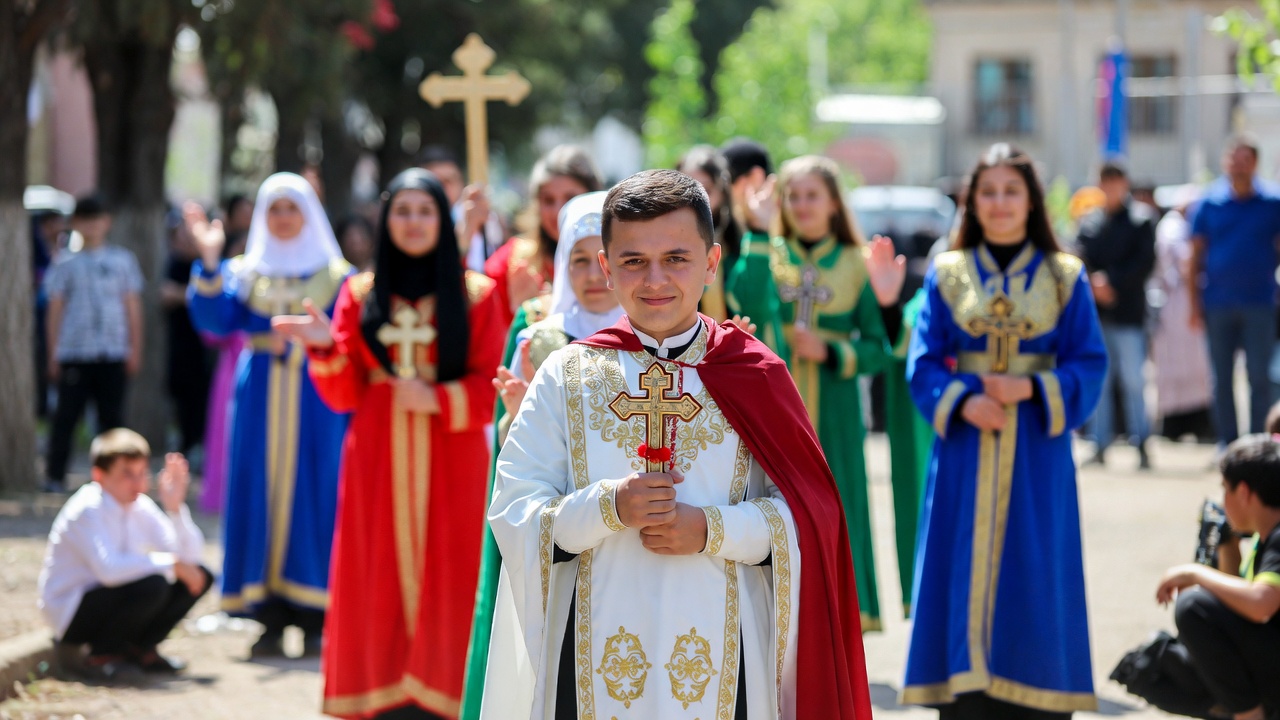
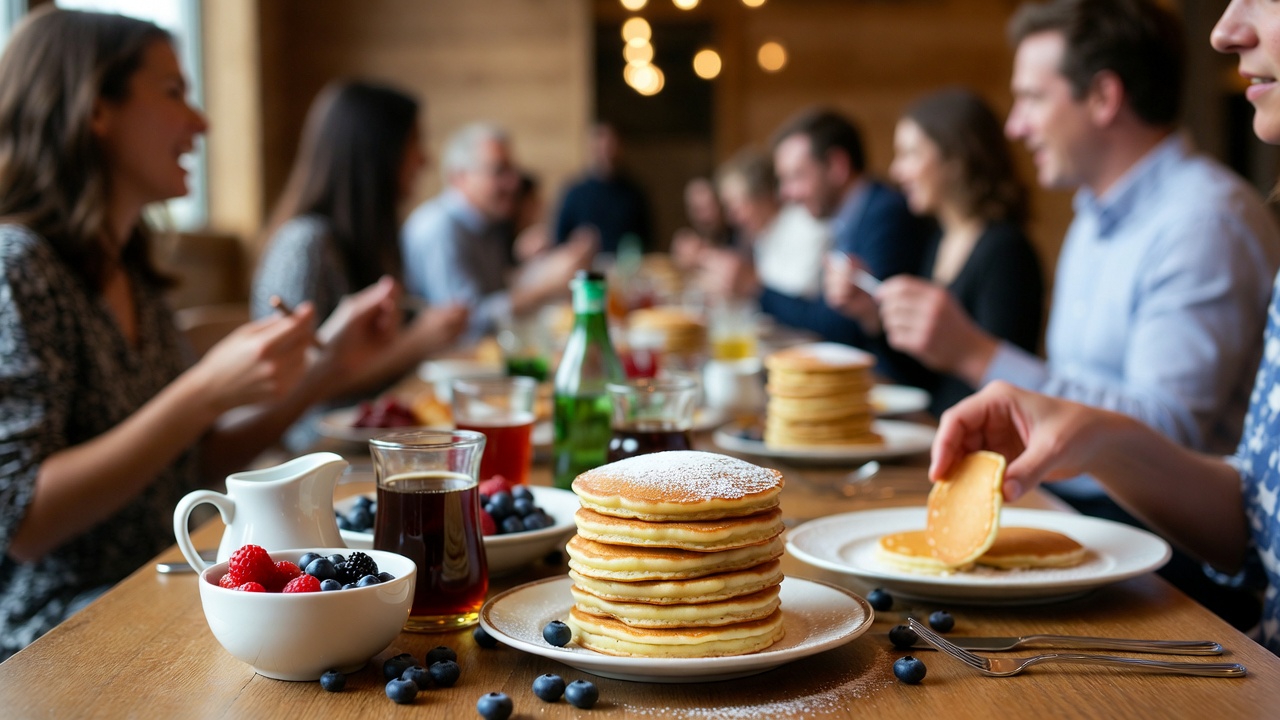
Discover the rich history behind Britain’s beloved Pancake Day tradition, from medieval confession rituals to modern-day pancake races. Learn when Shrove Tuesday falls in 2026 and why this delicious custom has endured for centuries.
When Is Pancake Day 2026 and Why Does the Date Change Every Year?
Pancake Day 2026 falls on Tuesday, 17 February. Mark your calendars now because this beloved tradition arrives earlier than usual next year.
The date shifts annually because Shrove Tuesday is tied to Easter. Easter is a moveable feast determined by the lunar calendar. Shrove Tuesday always falls exactly 47 days before Easter Sunday. Since Easter 2026 lands on 5 April, we count back 47 days to reach 17 February.
This calculation method dates back over 1,300 years. In AD 664, religious leaders gathered at Whitby Abbey in Yorkshire for the Synod of Whitby. They decided that the Roman method of calculating Easter would become the standard across England. This same calculation determines our Pancake Day dates today.
The date can fall anywhere between 3 February and 9 March. In 2025, Pancake Day arrived on 4 March. In 2026, it comes over two weeks earlier. This variability keeps us on our toes and makes checking the calendar essential each year.
| Year | Pancake Day Date | Easter Sunday |
|---|---|---|
| 2025 | 4 March | 20 April |
| 2026 | 17 February | 5 April |
| 2027 | 9 February | 28 March |
| 2028 | 29 February | 16 April |
| 2029 | 13 February | 1 April |
| 2030 | 5 March | 21 April |
Understanding this timing helps you plan ahead. You can stock up on eggs, flour, and lemons well in advance. Supermarkets typically see 200-300% increases in pancake ingredient sales during the week before Shrove Tuesday.
What Is Shrove Tuesday and What Does “Shrove” Mean?
The word “shrove” comes from the Old English verb “shrive,” meaning to confess sins and receive absolution. In medieval England, Shrove Tuesday was the final day for Christians to confess their sins before the solemn season of Lent began.
The term “Shrovetide” refers to the period immediately before Lent. It served as both a spiritual and practical preparation time. Spiritually, Christians would visit their parish church to be “shriven” by a priest. They would confess their wrongdoings and receive forgiveness.
Practically, families used this time to clear their pantries of forbidden foods. During the 40-day Lenten fast, Christians traditionally abstained from eggs, butter, milk, cheese, sugar, and fats. Wasting these precious ingredients was unthinkable. The solution was simple and delicious: make pancakes.
A church bell would ring at approximately 11 o’clock in the morning on Shrove Tuesday. This became known as the “Pancake Bell” or “Shriving Bell.” It served two purposes: calling the faithful to confession and reminding households to start cooking their pancakes.
The practice of confession on this day dates back to Anglo-Saxon England. Christians believed they should enter the fasting season with a clean conscience and an empty larder. This dual preparation of soul and kitchen created the perfect conditions for Pancake Day to flourish.
Today, only about 5% of British people observe the Lenten fast. Yet approximately 50% of the population still eats pancakes on Shrove Tuesday. The religious significance has faded for many, but the culinary tradition remains stronger than ever.
Why Do We Eat Pancakes on Shrove Tuesday: The Religious Origins
The connection between pancakes and Shrove Tuesday is both practical and symbolic. Understanding this link reveals why this particular food became so central to the celebration.
The Practical Reason: Using Up Forbidden Ingredients
During Lent, Pope Gregory standardised food restrictions in the 6th century. Christians were expected to avoid meat, eggs, cheese, butter, and milk for 40 days. Before the 6th century, the even stricter “Black Fast” was common, allowing only one vegetarian meal after sunset.
These restrictions posed a real problem for medieval households. Eggs would spoil within weeks. Butter would go rancid. Milk could not be preserved. Rather than waste these valuable foods, families developed recipes to use everything up on the final day before fasting began.
Pancakes proved ideal because they require the exact ingredients that would be forbidden:
- Eggs – provide structure and richness
- Milk – creates the smooth batter
- Butter or Fat – greases the pan and adds flavour
- Sugar – sweetens the final product
A simple pancake used all four restricted ingredients efficiently. Families could make batch after batch until nothing remained.
The Symbolic Meaning: Four Sacred Elements
Over time, the pancake ingredients took on symbolic significance. Each component came to represent an important aspect of the Christian faith:
| Ingredient | Symbolic Meaning |
|---|---|
| Eggs | Creation and new life |
| Flour | The staff of life (bread) |
| Salt | Wholesomeness and preservation |
| Milk | Purity and innocence |
This symbolism transformed a practical kitchen task into a meaningful ritual. Making pancakes became an act of faith, not just survival.
The Monday Before: Collop Monday
Shrove Tuesday was not the only pre-Lenten food day. Collop Monday came the day before. A “collop” is a thin slice of meat, typically bacon. Families would consume their remaining meat on Monday, then use the leftover bacon fat to fry pancakes on Tuesday.
This two-day sequence ensured nothing went to waste. The bacon drippings from Monday provided the perfect cooking fat for Tuesday’s pancakes. Every forbidden ingredient found its way into a meal before the fast began.
The History of Pancakes: From Ancient Greece to Modern Britain
Pancakes are among humanity’s oldest prepared foods. Their simplicity and versatility have made them popular across cultures and centuries. Understanding this history puts Britain’s Pancake Day into a broader context.
Ancient Origins: The First Pancakes
The ancient Greeks and Romans ate pancakes for breakfast. Their version was remarkably simple: wheat flour mixed with water and a pinch of salt, fried in olive oil. They topped these flat cakes with honey, sesame seeds, or dates.
Archaeological evidence suggests pancakes predate written history. Any culture with access to ground grain and a flat cooking surface developed some version of the pancake. The concept is universal because the technique is basic.
Medieval England: Pancakes Enter the Calendar
The earliest written English pancake recipe appears in cookery books from 1439. By this time, pancakes were already well established as a Shrove Tuesday tradition. The association between this food and this day had solidified centuries earlier.
Medieval pancakes were thinner than today’s American-style versions. They resembled what we now call crêpes. The batter was poured thin, cooked quickly, and served immediately. This style remains the traditional British pancake.
The tradition of flipping pancakes developed alongside the recipes. One early verse captures this nicely: “And every man and maide doe take their turne, And tosse their Pancakes up for feare they burne.” Flipping prevented burning and became a test of culinary skill.
Regional Variations Across Britain
Different regions developed their own pancake traditions. In Wales, Welsh cakes or “light cakes” became the preferred Shrove Tuesday treat. These are cooked on a bakestone rather than in a frying pan.
In Gloucester, pancakes were often made with suet – a hard white fat from beef or mutton. This gave them a richer, heavier texture suited to the cold February weather.
Scotland developed its own variations as well. Drop scones, also called Scotch pancakes, became a beloved alternative. They are thicker and smaller than traditional English pancakes.
The Famous Olney Pancake Race: A Tradition Since 1445
No discussion of Pancake Day would be complete without the legendary Olney Pancake Race. This quirky tradition has captured imaginations for nearly 600 years.
The Legend of the Olney Housewife
According to local legend, the race began in 1445 in the small market town of Olney, Buckinghamshire. The story goes like this: A busy housewife was making pancakes when she heard the church bells ringing, calling everyone to the shriving service.
Not wanting to be late for confession, she grabbed her headscarf (required for women in church at the time) and ran. In her haste, she forgot to put down her frying pan. She arrived at the church still clutching the pan, pancake inside, her apron still tied around her waist.
Whether this tale is historically accurate remains unknown. What matters is that it inspired a tradition that continues to this day.
Modern Race Rules and Requirements
The Olney Pancake Race follows strict traditional rules:
- Course length: 415 yards (approximately 379 metres)
- Starting point: Market Place
- Finish line: Outside St Peter and St Paul’s Church
- Participants: Local women who are “housewives” or perform household duties
- Required dress: Skirt, apron, and headscarf
- Equipment: Frying pan with a cooked pancake
- Flipping requirement: Pancake must be flipped at both start and finish
The winner receives the traditional prize: a “Kiss of Peace” from the church verger (bell-ringer). This echoes the original purpose of Shrove Tuesday – seeking absolution before Lent.
The International Competition with Liberal, Kansas
In 1950, a man named R.J. Leete from Liberal, Kansas, read about the Olney race in a magazine. He wrote to Reverend Ronald Collins, Vicar of Olney, proposing a friendly international competition.
The challenge was accepted with only 40 days to prepare. Since then, women in both towns have raced simultaneously at 11:55 a.m. on Shrove Tuesday. They compare times by video call to determine the international champion.
Competition standings as of 2024:
- Liberal, Kansas: 38 wins
- Olney, England: 31 wins
The 2024 race was the closest in recent memory. Pamela Bolivar of Liberal won with a time of 1:03.03. Kaisa Larkas of Olney finished in 1:03.37 – a difference of just one-third of a second.
This transatlantic rivalry has created lasting bonds between the two communities. The International Pancake Day Hall of Fame in Liberal commemorates over 75 years of friendly competition.
Traditional Pancake Races Across the United Kingdom
While Olney claims the oldest continuous race, pancake races now take place throughout Britain. Each community adds its own twist to the tradition.
The Westminster School Pancake Grease
One of London’s most unusual Pancake Day traditions occurs at Westminster School. The annual “Pancake Grease” dates back centuries and maintains its peculiar rules.
A verger from Westminster Abbey leads a procession of schoolboys into the playground. The school cook then tosses a huge pancake over a five-metre high bar. The boys scramble to grab a piece of the pancake as it falls.
The student who emerges with the largest piece wins a financial reward from the Dean. Originally this was a guinea or sovereign. The event is called a “grease” because of the scrambling melee that follows the toss.
The Parliamentary Pancake Race
Since 2007, the Rehab Parliamentary Pancake Race has taken place in London on Shrove Tuesday. Teams from the House of Commons, House of Lords, and the Fourth Estate (journalists) compete.
This fun relay race raises awareness for Rehab, a charity providing health and social care services for disabled people. Politicians and journalists set aside their usual roles to flip pancakes and sprint down the course.
Scarborough Skipping Day
In Scarborough, Yorkshire, Shrove Tuesday brings an entirely different tradition: skipping. The town closes the foreshore to all traffic. Schools let out early. Everyone gathers on the promenade with long ropes stretched across the road.
Ten or more people might skip on a single rope simultaneously. The origins remain unclear, though skipping was once associated with agricultural rituals connected to sowing seeds in spring.
Ashbourne Royal Shrovetide Football
Perhaps the most extraordinary Shrove Tuesday tradition is the Royal Shrovetide Football match in Ashbourne, Derbyshire. This “medieval football” game has been played for over 900 years.
The entire town participates. Shops board up their windows. Businesses close. The match lasts 16 hours over Shrove Tuesday and Ash Wednesday. Teams represent two sides of the town, competing to move a ball to goals located three miles apart.
The game uses few rules and involves hundreds of players. Property damage is common. Yet the tradition persists because of deep community ties and historical pride.
Pancake Day Statistics: How Britain Celebrates in Numbers
The scale of Pancake Day celebrations might surprise you. Behind the cosy kitchen scenes lies an enormous national phenomenon.
Egg Consumption Soars on Pancake Day
On an average day, Britons consume approximately 30 million eggs. On Pancake Day, this figure jumps to 52 million eggs – an increase of over 73%.
This represents an additional 22 million eggs consumed in just 24 hours. Poultry farmers and retailers prepare for months to meet this surge in demand.
The Pancake Tally
The British public consumes an estimated 117 million pancakes on Shrove Tuesday alone. With a population of approximately 67 million, this works out to nearly two pancakes per person.
Of course, consumption is not evenly distributed. Many people eat three, four, or more pancakes. Others skip the tradition entirely. Families with children tend to consume the most.
Milk Consumption and Other Ingredients
The milk used on Pancake Day would fill more than 93 Olympic swimming pools. This staggering figure demonstrates just how seriously Britons take their batter.
Supermarket sales data reveals interesting patterns:
| Ingredient | Pre-Pancake Day Sales Increase |
|---|---|
| Pancake mix | 200-300% |
| Eggs | 73% |
| Lemons | 150%+ |
| Golden syrup | 120%+ |
| Chocolate spread | 180%+ |
Waste Reduction Potential
Despite Pancake Day’s origins in preventing food waste, modern celebrations sometimes create excess. Research suggests:
- One in five people make too much pancake batter
- 38% throw away failed pancakes
- 29% still eat the failed attempts
- 11% feed failures to pets
The eggs and milk thrown away in UK households annually could make approximately four million additional pancakes. Planning recipes carefully can reduce this waste significantly.
Traditional British Pancake Recipe and Perfect Batter Tips
A traditional British pancake differs significantly from its American cousin. British pancakes are thin, flexible, and meant to be rolled or folded around fillings.
Classic British Pancake Recipe
This recipe makes approximately 8-10 thin pancakes, perfect for a family celebration.
Ingredients:
- 225g (8oz) plain flour
- 2 large eggs
- 600ml (1 pint) semi-skimmed milk
- Pinch of salt
- Butter or vegetable oil for cooking
Method:
- Sift the flour and salt into a large mixing bowl
- Make a well in the centre
- Crack the eggs into the well
- Gradually whisk in the milk, working from the centre outward
- Continue whisking until the batter is smooth with no lumps
- Rest the batter for 30 minutes – this is essential for tender pancakes
- Heat a frying pan over medium-high heat
- Add a small knob of butter or drop of oil
- Pour in enough batter to thinly coat the base (about 2-3 tablespoons)
- Swirl the pan immediately to spread the batter evenly
- Cook for approximately 45-60 seconds until the edges curl
- Flip or toss the pancake
- Cook for another 30-45 seconds
- Serve immediately
The Art of the Perfect Flip
Flipping a pancake requires confidence more than skill. The technique involves:
- Loosen the pancake by shaking the pan gently
- Tilt the pan slightly away from you
- Flick your wrist sharply upward and toward you
- Catch the pancake as it falls back into the pan
Practice makes perfect. If you are nervous, a spatula works just as well. There is no shame in playing it safe when dinner depends on it.
Why Resting the Batter Matters
The 30-minute rest period allows the flour to fully hydrate. The gluten strands relax, making the batter easier to work with and producing more tender pancakes.
Rushed batter produces chewier, less delicate pancakes. If you are short on time, even 10-15 minutes of resting improves the result noticeably.
Classic and Creative Pancake Toppings: From Lemon and Sugar to Nutella
The topping defines the pancake experience. British tradition favours simplicity, but modern tastes have expanded the possibilities enormously.
The Classic: Lemon and Caster Sugar
The most traditional British topping remains lemon juice and caster sugar. This combination has been popular for centuries and remains the nation’s favourite.
The method is simple:
- Sprinkle caster sugar generously across the hot pancake
- Squeeze fresh lemon juice over the sugar
- Roll the pancake tightly
- Eat immediately while the sugar remains slightly gritty
The sharp lemon cuts through the rich batter. The sugar adds sweetness without overwhelming. It is simple, elegant, and perfect.
Golden Syrup: A British Staple
Lyle’s Golden Syrup is another beloved traditional topping. This thick, amber syrup has a distinctive caramel flavour that pairs beautifully with pancakes.
Drizzle it generously before rolling, or pour it over a stack. The syrup soaks into the pancake, creating pockets of sweetness throughout.
Modern Favourites and International Influences
Contemporary Pancake Day celebrations feature a wider variety of toppings:
Sweet Options:
- Nutella and sliced banana
- Fresh strawberries and whipped cream
- Blueberries and honey
- Maple syrup (Canadian influence)
- Chocolate sauce
- Ice cream
- Toffee sauce
- Fresh raspberries
Savoury Options:
- Cheese and spinach
- Ham and mushroom
- Bacon and egg (breakfast pancakes)
- Smoked salmon and cream cheese
The savoury pancake, while less traditional on Shrove Tuesday, has gained popularity. It transforms the pancake from a sweet treat into a complete meal.
How Different Countries Celebrate Fat Tuesday Around the World
Shrove Tuesday goes by many names across the globe. Each culture has developed unique traditions around this pre-Lenten celebration.
France: Mardi Gras and Crêpes
The French call this day Mardi Gras, meaning “Fat Tuesday.” The name refers to eating fatty foods before the fast begins.
French celebrations centre on crêpes – thin pancakes similar to British versions. Tradition says you should hold a coin in one hand while flipping a crêpe with the other. If you catch the crêpe successfully, your family will enjoy prosperity throughout the year.
Germany: Fastnacht and Karneval
Germany calls the celebration Fastnacht (Eve of the Fast) or Karneval. Celebrations begin on Fetter Donnerstag (Fat Thursday) and continue through Shrove Tuesday.
Jam-filled doughnuts called Krapfen, Berliner, or Fastnachtküchelchen are the traditional treat. These deep-fried pastries use up the sugar and fat before Lent.
In North Rhine Westphalia, women traditionally “take over” town halls in a ritual that reverses gender roles. It is a day when normal rules are suspended.
Sweden: Fettisdagen and Semla
Sweden celebrates Fettisdagen (Fat Tuesday) with semlor (singular: semla). These cream-filled cardamom buns are consumed in enormous quantities.
Approximately six million semlor are eaten on Fat Tuesday in Sweden – remarkable for a country with a population of only 10 million. That is more than half a bun per person.
The semla consists of a sweet wheat bun filled with almond paste and whipped cream. It is typically served in a bowl of warm milk.
Italy: Martedì Grasso and Carnival
Italy calls the day Martedì Grasso and celebrates it as the climax of Carnevale. Venice hosts the most famous celebrations, featuring elaborate masquerade balls.
Traditional foods include cannoli and other rich pastries. Frappe or chiacchiere – crispy fried dough strips dusted with powdered sugar – are particularly popular.
The Venice Carnival dates back to the 13th century. Masks became traditional because they allowed social barriers to temporarily dissolve. Everyone, regardless of class, could participate equally.
Brazil: Carnaval and Street Parties
Brazil’s Carnaval is the largest celebration of its kind worldwide. Rio de Janeiro’s festivities draw millions of visitors annually.
The traditional Carnaval food is feijoada – a hearty stew of black beans, pork, and beef. This rich, protein-heavy dish provides energy for days of dancing and celebration.
Samba schools parade through the streets with elaborate floats and costumes. The celebration represents a massive expenditure of energy and resources before the Lenten calm.
United States: New Orleans Mardi Gras
The first American Mardi Gras celebration occurred on 3 March 1699 when French explorers landed near present-day New Orleans. They named their landing spot Point du Mardi Gras.
New Orleans Mardi Gras is now legendary. Krewes (social organisations) stage elaborate parades. Participants throw beads and trinkets to crowds lining the streets.
The King Cake is essential to New Orleans Mardi Gras. This iced ring-shaped pastry contains a small plastic baby figurine. Whoever finds the baby must host the next King Cake party.
Louisiana is the only US state where Mardi Gras is an official holiday. Purple, green, and gold – the official Mardi Gras colours established by the Rex krewe in 1872 – decorate the entire city.
Poland and Pączki Day
Polish communities celebrate with pączki – deep-fried doughnuts filled with jam, custard, or rose hip. In cities with large Polish populations, like Chicago, pączki practically become a civic obsession.
The day is known as Pączki Day (pronounced “poonch-kee”). Polish bakeries sell thousands of these rich pastries. The tradition ensures no fat or sugar goes to waste before the fast.
Russia, Ukraine, and Belarus: Maslenitsa
Eastern Slavic countries celebrate Maslenitsa during the week before Lent. The focus is on blini – thin pancakes that represent the sun and the coming spring.
Maslenitsa celebrations include folk games, burning straw effigies of winter, and consuming massive quantities of blini with various toppings including sour cream, caviar, and smoked salmon.
The Religious Significance of Shrove Tuesday for Christians Today
While many celebrate Pancake Day purely as a secular tradition, the day retains deep spiritual meaning for practising Christians.
Confession and Absolution Before Lent
For Catholics, Anglicans, Lutherans, Methodists, and Orthodox Christians, Shrove Tuesday remains a day of spiritual preparation. Many churches hold special services focused on confession and repentance.
The traditional practice involved visiting a priest to confess sins and receive absolution. This “shriving” cleansed the soul before the serious Lenten season began. Some parishes still observe this tradition.
Burning the Palms
Many churches use Shrove Tuesday to burn the previous year’s Palm Sunday palm branches. The ashes created are then used in Ash Wednesday services the following day.
When a priest marks a cross on a person’s forehead with ashes, those ashes often come from the palms burned on Shrove Tuesday. This creates a meaningful continuity between the two days.
Preparing for Lenten Sacrifice
Shrove Tuesday is traditionally the day when Christians decide what to “give up” for Lent. Common sacrifices include:
- Chocolate
- Alcohol
- Social media
- Meat
- Sweets
- Television
The idea is to create space for spiritual growth through self-denial. By giving up something pleasurable, believers hope to focus more attention on prayer and faith.
Modern Church Celebrations
Many churches now host Pancake Breakfasts or Pancake Suppers on Shrove Tuesday. These events bring congregations together before Lent’s solemnity begins.
The gatherings serve multiple purposes: fellowship, fundraising, and teaching children about church traditions. Pancakes become a vehicle for community building rather than merely a food item.
Planning Your Perfect Pancake Day 2026 Celebration
With Pancake Day 2026 arriving on 17 February, now is the time to plan your celebration. Here are practical tips for making the day memorable.
Stock Up Early on Essential Ingredients
Supermarkets experience enormous demand in the days before Shrove Tuesday. Shopping early ensures you get everything you need.
Essential shopping list:
- Plain flour (225g per batch)
- Eggs (2 per batch, plus extras for practice)
- Milk (600ml per batch)
- Lemons (at least 2)
- Caster sugar
- Butter or cooking oil
- Your favourite toppings
Consider buying extra eggs and milk. These items often sell out locally as Pancake Day approaches.
Practice Your Flipping Technique
If you want to impress family and friends with your flipping skills, practice beforehand. A few trial runs will build your confidence.
Use a cold pan with a practice pancake (or even a small cloth) to get the wrist motion right. Once you have the technique, flipping hot pancakes becomes much less intimidating.
Involve the Whole Family
Pancake Day is perfect for family participation. Children can help with:
- Measuring ingredients
- Whisking the batter
- Choosing toppings
- Attempting (supervised) flips
- Creating pancake art shapes
The activity creates lasting memories. Many adults fondly remember making pancakes with parents and grandparents as children.
Host a Pancake Party
Consider inviting friends or neighbours for a Pancake Day gathering. Set up a topping station with multiple options so everyone can customise their pancakes.
A pancake flipping competition adds entertainment. Award prizes for the best flip, highest flip, or most creative recovery from a dropped pancake.
Try Something New
While tradition is important, Pancake Day also offers an opportunity for culinary experimentation. Consider trying:
- A new topping combination
- Savoury pancakes alongside sweet ones
- Pancakes from another culture (blini, crêpes, or Dutch poffertjes)
- A pancake cake (layered pancakes with filling between each layer)
Variety keeps the tradition fresh and exciting year after year.
Fun Activities and Games for Pancake Day With Children
Pancake Day offers excellent opportunities for entertaining children while teaching them about tradition and culture.
Pancake Races at Home or School
Organise a simple pancake race in your garden, living room, or school playground. You do not need a real pancake – a beanbag or paper plate works safely for young children.
Simple race rules:
- Mark a start and finish line
- Give each racer a frying pan and “pancake”
- Racers must flip the pancake at least twice during the race
- First to cross the finish line with pancake still in pan wins
Adjust rules based on age. Younger children might simply carry the pan without flipping.
Pancake Art Challenge
Encourage creativity by having children design pancake shapes. Pour batter into squeeze bottles for easier control. Simple shapes to try include:
- Hearts
- Stars
- Initials
- Simple animals (snakes, fish, butterflies)
- Emoji faces
The results may not be perfect, but children love seeing their designs come to life.
Guess the Topping Blindfold Game
Blindfold participants and have them taste different pancake toppings. Can they identify:
- Lemon juice vs lime juice
- Maple syrup vs golden syrup
- Different fruit jams
- Chocolate spread vs hazelnut spread
This game develops palate awareness while providing plenty of laughs.
Pancake Day Quiz
Test family knowledge with a Pancake Day quiz. Sample questions:
- What year did the Olney Pancake Race supposedly begin? (1445)
- How many days before Easter does Pancake Day fall? (47)
- What does “shrove” mean? (To confess and receive absolution)
- What bell calls people to church on Shrove Tuesday? (The Pancake Bell or Shriving Bell)
- Which US town competes with Olney in an international pancake race? (Liberal, Kansas)
Children enjoy learning facts they can share with friends at school.
The Environmental Impact of Pancake Day and How to Celebrate Sustainably
Modern Pancake Day celebrations have environmental implications worth considering. Simple changes can reduce your celebration’s footprint.
Reducing Food Waste
The original purpose of Pancake Day was to prevent food waste. Ironically, modern celebrations sometimes create excess. Combat this by:
- Measuring carefully – follow recipes exactly to avoid excess batter
- Making smaller batches – you can always mix more
- Freezing leftovers – cooked pancakes freeze well for up to two months
- Composting eggshells – crush them and add to garden compost
- Using overripe bananas – perfect timing for banana pancakes
If you make too much batter, refrigerate it overnight. It will be slightly thicker in the morning but still usable.
Choosing Sustainable Ingredients
When shopping for Pancake Day ingredients, consider:
- Free-range or organic eggs – better animal welfare standards
- Locally sourced milk – reduces transportation emissions
- British flour – supports domestic agriculture
- Organic lemons – avoid pesticide residues you will consume
These choices may cost slightly more but support sustainable food systems.
Reducing Packaging Waste
- Recycle plastic milk bottles and margarine tubs
- Compost paper flour and sugar bags (remove as much residue as possible)
- Choose toppings with recyclable packaging
- Consider bulk buying from zero-waste shops
Every small choice adds up when millions of households celebrate simultaneously.
Frequently Asked Questions About Pancake Day and Shrove Tuesday
Is Pancake Day a Public Holiday in the UK?
No. Shrove Tuesday is not a bank holiday in the United Kingdom. Businesses operate normally, and schools remain open. However, many workplaces and schools hold pancake-related events.
Can I Make Pancake Batter the Night Before?
Yes. Pancake batter can be refrigerated overnight. It may thicken slightly, so you might need to add a splash of milk before cooking. Give it a good whisk to reincorporate any separated ingredients.
What Is the Difference Between British and American Pancakes?
British pancakes are thin, flexible, and similar to French crêpes. They are meant to be rolled or folded around fillings.
American pancakes are thick, fluffy, and contain baking powder or bicarbonate of soda as raising agents. They are served stacked with toppings on top.
Both are delicious but serve different purposes and have different textures.
Why Do Some People Call It “Fat Tuesday”?
“Fat Tuesday” is the English translation of the French “Mardi Gras.” The name refers to eating rich, fatty foods before the Lenten fast begins. In many countries, the term “Fat Tuesday” is more common than “Pancake Day.”
Do Vegetarians and Vegans Celebrate Pancake Day?
Absolutely. Vegan pancakes are easy to make using:
- Plant-based milk (oat, almond, or soy)
- Egg replacements (mashed banana, flax eggs, or commercial egg replacers)
- Dairy-free butter or oil for cooking
The tradition adapts easily to dietary requirements.
What Is the World Record for Pancake Flipping?
The record for the most pancake flips in one minute is 140 flips. Various other pancake-related records exist, including largest pancake, longest pancake relay, and most pancakes made simultaneously.
Conclusion: Embracing the Tradition of Pancake Day 2026
Pancake Day connects us to centuries of tradition. What began as a practical solution to food restrictions evolved into a beloved national celebration. The simple act of mixing flour, eggs, and milk links modern families to generations past.
On 17 February 2026, millions of Britons will gather in kitchens. They will whisk batter, heat pans, and attempt flips with varying degrees of success. Children will squeal with delight. Toppings will be debated. Failed pancakes will be eaten anyway.
This is what tradition looks like in action. Not solemn or distant, but alive and messy and delicious.
Whether you observe Lent or simply enjoy a good pancake, Shrove Tuesday offers a moment to pause. It reminds us that some things are worth preserving. That community matters. That the simplest foods often bring the greatest joy.
So mark your calendar for 17 February 2026. Stock up on eggs and lemons. Practice your flip. And join a celebration that has united British kitchens for over 500 years.
Happy Pancake Day.
This article provides information about Pancake Day traditions and history. For specific religious guidance, please consult your local faith community. Recipe measurements should be adjusted based on individual needs and preferences.