Discover the rich history, meaningful customs, and joyful celebrations of Nowruz—the ancient Persian festival that marks the arrival of spring and is celebrated by over 300 million people worldwide.
The first light of spring carries a special magic for those who celebrate Nowruz. As the sun crosses the celestial equator and day equals night, an ancient celebration unfolds across continents. Nowruz, literally meaning “new day” in Persian, represents far more than a calendar change. It embodies renewal, hope, and the eternal triumph of light over darkness.
This comprehensive guide explores everything you need to know about the Persian New Year. From the 3,000-year-old origins rooted in Zoroastrianism to modern celebrations spanning from Tehran to Los Angeles, we delve into the traditions that make Nowruz one of humanity’s most enduring festivals. Whether you’re preparing to celebrate for the first time or seeking to deepen your understanding of this cultural treasure, this guide will serve as your complete resource.
What Is Nowruz and Why Do People Celebrate the Persian New Year?
Nowruz (also spelled Norouz, Nawruz, Nauryz, or Nevruz) is the traditional Iranian New Year celebration that coincides with the spring equinox. The word combines two Persian terms: “now” meaning “new” and “ruz” meaning “day.” Together, they signify a fresh beginning—a concept that resonates deeply with human experience.
Unlike many holidays tied to religious calendars, Nowruz follows astronomical precision. The celebration begins at the exact moment when the sun crosses the celestial equator. In 2025, this occurred on Thursday, March 20, at 12:31:30 PM Iran Standard Time (9:01:30 GMT), according to Al Jazeera’s coverage of Nowruz traditions.
The celebration holds significance on multiple levels:
Seasonal renewal: Nowruz marks the end of winter’s dormancy and the beginning of spring’s vitality. Nature awakens, and people embrace this transformation in their own lives.
Cultural continuity: For over three millennia, Nowruz has connected generations. Grandparents share traditions with grandchildren, preserving customs that have survived empires, conquests, and modernization.
Spiritual meaning: Though celebrated as a secular holiday by most people today, Nowruz retains profound spiritual significance for Zoroastrians, Bahá’ís, and Ismaili Muslims. For Zoroastrians, it represents the most important celebration in their religious calendar—symbolizing the victory of good (Asha) over evil (Druj).
Universal themes: The festival celebrates concepts that transcend cultural boundaries—family unity, respect for nature, generosity, and optimism for the future.
The Ancient History and Origins of Persian New Year Traditions
The roots of Nowruz stretch back to the mists of antiquity. Understanding this history reveals why the celebration has maintained such remarkable staying power across centuries and civilizations.
Zoroastrian Foundations
Nowruz emerged from Zoroastrianism, one of the world’s oldest monotheistic religions, founded in ancient Persia. The faith revered fire as a symbol of divine light and wisdom. Spring’s arrival—when light overcomes winter’s darkness—held profound theological significance.
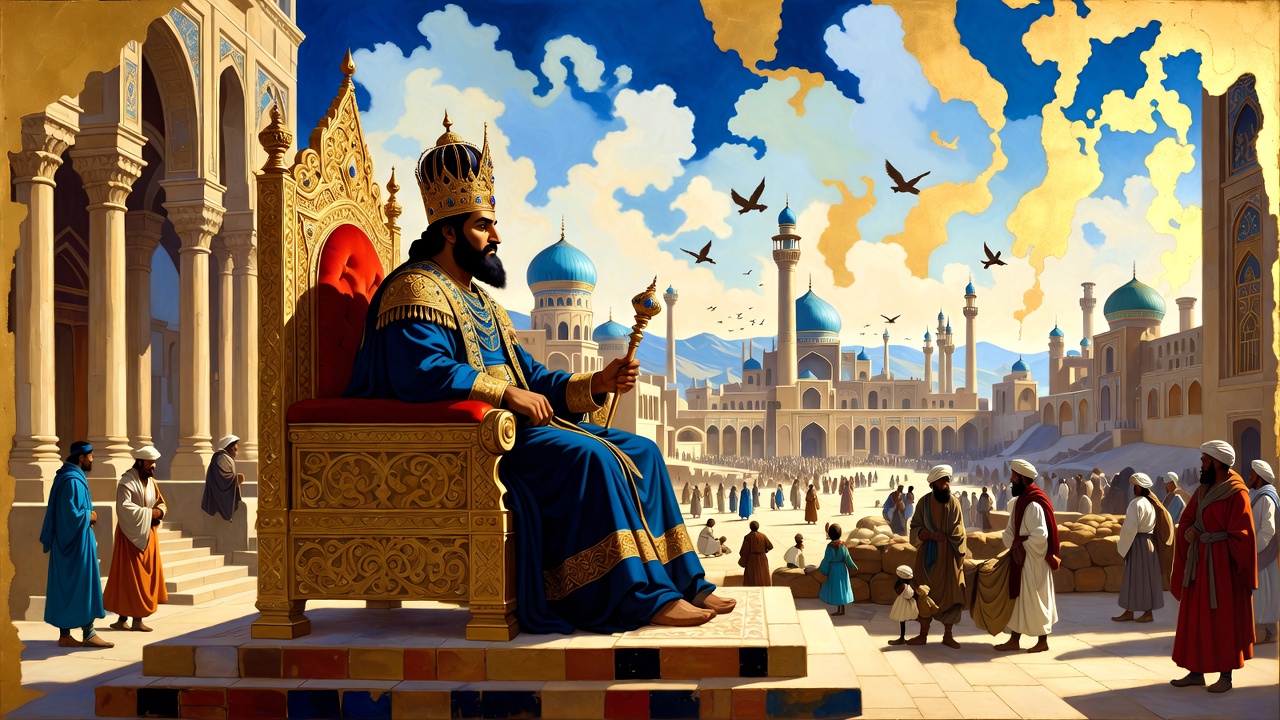
According to ancient texts, including the epic Shahnameh (Book of Kings) by the Persian poet Ferdowsi, the mythological King Jamshid established Nowruz after ascending to his throne on a jewel-studded throne carried by demons. The light reflecting from the throne was so brilliant that people declared it “a new day” (Nowruz), and celebrations commenced.
Archaeological evidence suggests organized Nowruz celebrations date back to the Achaemenid Empire (550–330 BCE). The grand palace complex at Persepolis in present-day Iran features elaborate stone carvings depicting dignitaries from across the empire bringing gifts during what scholars believe were Nowruz ceremonies. These reliefs show delegations from dozens of conquered peoples—each bringing tribute to the Persian king during the New Year festivities.
Survival Through Conquest
One of Nowruz’s most remarkable qualities is its resilience. When Alexander the Great conquered the Persian Empire, Nowruz survived. When Arab armies brought Islam to Persia in the 7th century, Nowruz adapted but endured. Despite some religious authorities viewing it as incompatible with Islamic practice, the celebration became too deeply woven into Persian identity to disappear.
The festival spread along the Silk Road, carried by traders, scholars, and migrating peoples. It took root wherever Persian culture touched—from the Balkans to Central Asia, from the Caucasus to South Asia.
UNESCO Recognition and Global Significance
In 2009, UNESCO inscribed Nowruz on its Representative List of the Intangible Cultural Heritage of Humanity. The recognition came through joint nominations from Afghanistan, Azerbaijan, India, Iran, Iraq, Kazakhstan, Kyrgyzstan, Pakistan, Tajikistan, Turkey, Turkmenistan, and Uzbekistan. This list expanded in 2016 and again in 2024 when Mongolia joined the participating nations.
In 2010, the United Nations General Assembly proclaimed March 21 as the International Day of Nowruz through resolution A/RES/64/253. This global recognition celebrates the festival’s promotion of peace, solidarity, and cultural diversity.
Today, an estimated 300 million people celebrate Nowruz worldwide, making it one of humanity’s largest and most ancient continuously observed festivals.
How Is Nowruz Celebrated? A Complete Timeline of the Two-Week Festival
Nowruz celebrations extend far beyond a single day. The festival encompasses a full two weeks of rituals, gatherings, and joyful activities. Understanding this timeline helps appreciate the depth of the celebration.
Pre-Nowruz Preparations: Khouneh Tekouni (House Shaking)
Weeks before Nowruz arrives, preparation begins with khouneh tekouni—literally “shaking the house.” This Persian tradition of spring cleaning goes beyond ordinary tidying. Families scrub every corner, wash curtains and carpets, polish silverware, and remove any unnecessary clutter.
The practice carries symbolic weight. Just as nature sheds winter’s dormancy, people purge their homes of the old year’s accumulated dust and stagnation. Many families believe that starting the New Year in a clean home invites blessings and good fortune.
During this period, people also shop for new clothes to wear during Nowruz. The emphasis on newness—new garments, new household items, new beginnings—permeates the preparation phase.
Chaharshanbe Suri: The Fire Festival Before Nowruz
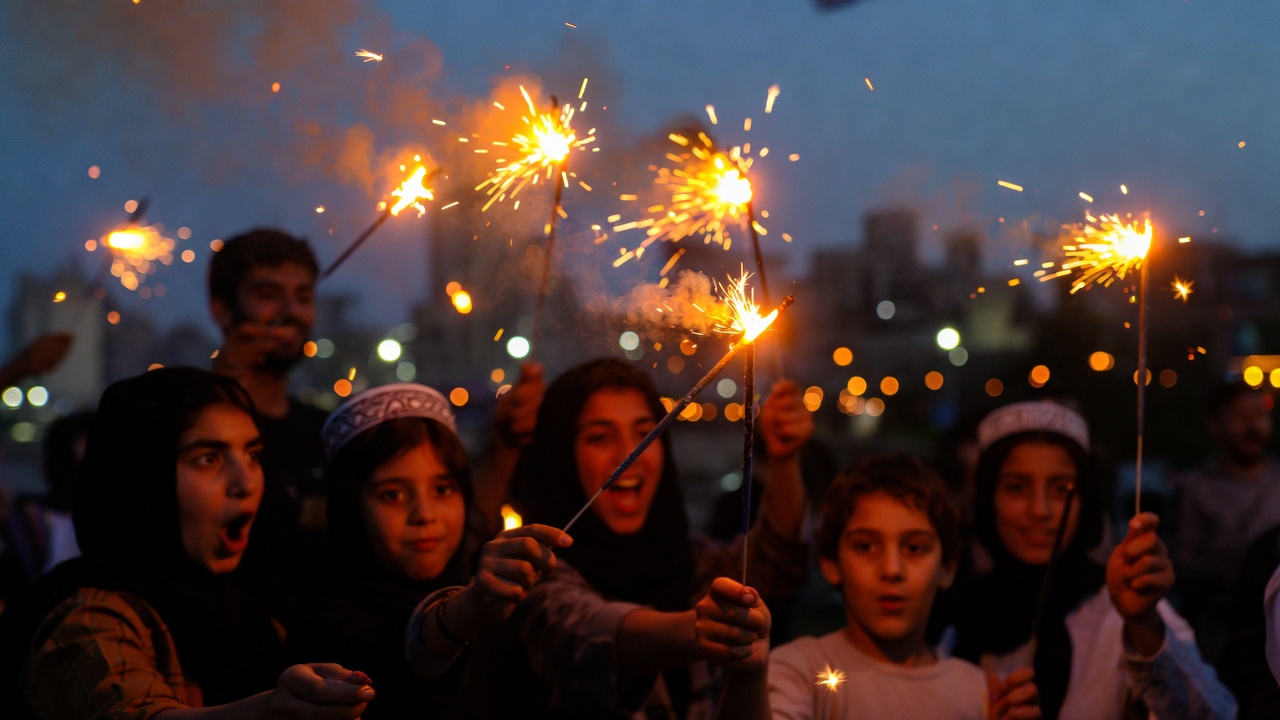
The celebrations officially begin with Chaharshanbe Suri (چهارشنبهسوری), the ancient fire festival celebrated on the eve of the last Wednesday before Nowruz. The name translates roughly to “Festive Wednesday” or “Scarlet Wednesday,” referring to the reddish glow of flames.
Jumping over bonfires forms the festival’s central ritual. People gather in streets, courtyards, and open spaces at sunset. They build bonfires from dry brushwood and take turns leaping over the flames while chanting:
“Zardi-ye man az to, sorkhi-ye to az man”
This Persian phrase means: “Give me your redness, take my paleness.” The fire symbolically absorbs one’s sickness, weakness, and misfortune while imparting its vitality and warmth. This purification ritual prepares celebrants to enter the New Year renewed and energized.
Additional Chaharshanbe Suri customs include:
| Tradition | Description |
|---|---|
| Qashoq-zani (Spoon Banging) | Similar to trick-or-treating, people—especially children and young adults—disguise themselves, go door to door, and bang spoons against pots or bowls. Neighbors respond by filling their bowls with nuts, sweets, and treats. |
| Kuze Shekani (Pot Smashing) | Families fill old pottery with salt, charcoal, and coins—representing the evil eye, illness, and poverty—then throw the pots from rooftops to shatter on the street below, symbolically destroying misfortune. |
| Shal Andazi (Scarf Dropping) | In some regions, young unmarried people lower scarves or fabric from rooftops, hoping neighbors will tie gifts to them. In traditional practice, young women might indicate interest in a suitor by the gifts they attach. |
| Fortune Telling | Young women sometimes listen at neighbors’ doors, believing the first conversation they overhear will foretell their marriage prospects. |
The evening includes feasting on special foods. Ajil-e Chaharshanbe Suri—a mixture of nuts and dried fruits including pistachios, almonds, hazelnuts, chickpeas, apricots, and raisins—is believed to make wishes come true. Different regions serve distinctive dishes: in Tehran, many families prepare sabzi polo (herbed rice) with fish; in Khorasan, multiple rice dishes with lentils and herbs appear on tables.
Nowruz Eve and the Moment of Transition
On the eve of Nowruz itself, families gather around the Haft-sin table (described in detail below). Everyone dresses in their finest new clothes. The atmosphere combines anticipation with reverence.
At the precise moment of the vernal equinox—calculated to the second—the New Year arrives. Families embrace, exchange well-wishes, and the eldest members typically give money or gifts (often crisp new banknotes) to younger relatives. This cash gift is called eidi.
The first meal of the New Year traditionally features sabzi polo ba mahi (herbed rice with fish), symbolizing fertility, growth, and life.
The Thirteen Days of Nowruz
The first four days of Nowruz are official public holidays in Iran. During this period, the customary activity is did o bazdid—visiting family and friends. Strict protocol governs these visits: younger people visit elders first, and the elders return the visits later. This practice reinforces respect for age while strengthening family bonds.
Visitors are served tea, pastries, fresh and dried fruits, nuts, and sweets. The Haft-sin table remains displayed throughout the holiday period, serving as a centerpiece for these gatherings.
Many families visit the graves of deceased relatives during Nowruz, bringing flowers and sweets to honor their memory. This practice connects past and present, acknowledging that the New Year includes those who have passed on.
Understanding the Haft-Sin Table: The Seven Sacred Symbols of Nowruz
The Haft-sin (هفت سین)—literally “seven S’s”—stands as the most recognizable symbol of Nowruz celebrations. This ceremonial table arrangement features seven items whose names begin with the Persian letter “sin” (س), each carrying deep symbolic meaning.
The Seven Essential Items
| Item | Persian Name | Symbolism |
|---|---|---|
| Sprouts (wheat, barley, or lentil) | Sabzeh (سبزه) | Rebirth, renewal, and the triumph of life |
| Sweet Wheat Pudding | Samanu (سمنو) | Patience, abundance, and the sweetness of life |
| Dried Oleaster Fruit | Senjed (سنجد) | Love, wisdom, and affection in relationships |
| Garlic | Sir (سیر) | Health, protection from illness and evil |
| Apple | Sib (سیب) | Beauty, good health, and youthfulness |
| Vinegar | Serkeh (سرکه) | Age, patience, and the wisdom that comes with time |
| Sumac (crushed red berries) | Somaq (سماق) | Sunrise, the victory of light over darkness |
Growing the sabzeh (sprouts) begins roughly two weeks before Nowruz. Families place wheat, barley, lentil, or mung bean seeds on a dish with water. By Nowruz, green sprouts emerge—a living representation of spring’s arrival. The sabzeh remains on the Haft-sin table throughout the thirteen-day celebration before being ceremonially disposed of on Sizdah Bedar.
Samanu requires considerable effort to prepare. This sweet pudding is made from germinated wheat, slowly cooked for many hours. The lengthy preparation symbolizes that good things come to those who wait. Many families consider making samanu a communal activity, with multiple generations participating.
Additional Items on the Haft-Sin Table
Beyond the seven essential items, families commonly add other symbolic objects:
Mirror (Ayeneh): Represents reflection on the past year and self-examination for the future.
Candles (Sham): Symbolize light, happiness, and the sacred fire of Zoroastrian tradition. Many families light one candle for each child in the household.
Painted Eggs (Tokhme Morgh): Represent fertility and new life—a tradition that may share common ancestry with Easter eggs.
Goldfish (Mahi Ghermez): Symbolize life, movement, and good fortune. The fish swim in a bowl on or near the Haft-sin table. (Note: Some families now use artificial fish due to animal welfare concerns.)
Coins (Sekeh): Represent prosperity and wealth in the coming year.
Hyacinth flowers (Sonbol): Their fragrance represents the arrival of spring.
Sacred book: Religious families might place the Quran on the table; secular families often include the Shahnameh or poetry collections by Hafez, the beloved 14th-century Persian poet.
Somaq-colored eggs and nuts add color to the display.
Regional Variations in the Haft-Sin
While the seven-sin format prevails in Iran, other regions have variations. In Afghanistan, families often prepare Haft Mewa (seven fruits)—a fruit salad containing seven dried fruits and nuts soaked in syrup. In some Central Asian countries, families focus on preparing Sumalak (similar to samanu) in large community gatherings where neighbors take turns stirring enormous cauldrons through the night.
The flexibility of these traditions demonstrates how Nowruz adapts to local customs while maintaining core themes of renewal, abundance, and hope.
Traditional Nowruz Food: What to Eat During the Persian New Year Celebration
Food occupies a central place in Nowruz celebrations. Each dish carries symbolic meaning, and the feast brings families together in shared enjoyment.
Sabzi Polo Ba Mahi: The Essential New Year Dish
Sabzi polo ba mahi (herbed rice with fish) stands as the quintessential Nowruz meal. The dish appears on virtually every Iranian table as the first meal of the New Year.
Sabzi polo combines fluffy basmati rice with an abundance of fresh herbs—typically parsley, dill, cilantro, chives, and fenugreek. The brilliant green color represents spring’s arrival and nature’s renewal. The fish (mahi) symbolizes life and abundance.
Traditional preparation requires considerable skill. The rice must achieve perfect texture—each grain separate and fluffy. The herb mixture must be finely chopped and evenly distributed. The coveted tahdig (crispy rice crust at the pot’s bottom) requires careful heat management.
Fish preparation varies by region and family tradition. Some marinate and pan-fry white fish. Others prefer salmon or baked fish with saffron, lemon, and garlic. In Iran, the Caspian kutum (white fish from the Caspian Sea) represents the traditional choice.
Kookoo Sabzi: The Herbed Frittata
Kookoo sabzi accompanies sabzi polo on many New Year tables. This Persian herb frittata packs a dense mixture of fresh herbs—the same ones used in sabzi polo—with eggs, walnuts, and sometimes barberries.
The dish’s round shape represents life’s continuous cycle. Its deep green color reinforces themes of renewal and growth. Kookoo sabzi can be served warm or at room temperature, making it practical for feeding many visitors during the holiday period.
Ash Reshteh: The Noodle Soup of Good Fortune
Ash reshteh (آش رشته) is a hearty soup featuring noodles, legumes, and herbs. The noodles symbolize life’s intertwined paths—its twists, turns, and connections.
Traditionally, ash reshteh is prepared before significant journeys or life changes. Eating it during Nowruz represents hope for smooth passages through the coming year’s challenges. The soup contains multiple legumes (chickpeas, kidney beans, lentils), spinach, herbs, and is topped with kashk (fermented whey), fried onions, and dried mint.
Reshteh Polo: Rice with Noodles
Reshteh polo features rice cooked with reshteh noodles, symbolizing taking control of one’s destiny. The noodles represent life’s threads, and eating them expresses hope for weaving a positive future.
Additional Nowruz Foods
| Dish | Description |
|---|---|
| Zeytoon Parvardeh | Marinated olives with walnuts, pomegranate molasses, and herbs—a flavorful appetizer |
| Dolmeh | Rice-stuffed grape leaves or vegetables, popular throughout the region |
| Mast-o Khiar | Yogurt with cucumber, herbs, and sometimes walnuts—a refreshing side dish |
| Sekanjabin | A sweet-and-sour mint syrup diluted with water—the traditional Nowruz beverage |
| Shirini Nokhodchi | Persian chickpea flour cookies, delicate and aromatic |
| Baklava | Layered pastry with nuts and syrup, enjoyed throughout the holiday |
| Nan-e Berenji | Persian rice cookies flavored with rose water and cardamom |
The Significance of Sweets and Nuts
No Nowruz table is complete without platters of ajil (mixed nuts and dried fruits) and shirini (sweets). These represent wishes for a sweet year ahead and hospitality toward guests.
Ajil-e Moshkel Gosha (“problem-solving nuts”) is a specific mixture believed to help solve life’s difficulties. It typically contains roasted almonds, pistachios, hazelnuts, dried chickpeas, raisins, and other dried fruits.
Sizdah Bedar: How Iranians Celebrate Nature Day on the 13th Day of Nowruz
The Sizdah Bedar (سیزده بدر)—literally “thirteen outdoors”—marks the final day of Nowruz celebrations. Falling on the thirteenth day of Farvardin (the first month of the Iranian calendar), this festival takes people out of their homes and into nature.
The Significance of the Thirteenth Day
The number thirteen carries associations with bad luck in many cultures, including Persian tradition. By spending the day outdoors, Iranians believe they ward off any misfortune the number might bring. The custom transforms a potentially unlucky day into one of joy and connection with nature.
Sizdah Bedar is also known as Nature Day (روز طبیعت) in modern Iran, emphasizing environmental appreciation and outdoor recreation.
Traditions and Activities on Sizdah Bedar
Outdoor picnics define the day. Families pack elaborate spreads and head to parks, riversides, gardens, and countryside areas. The gatherings include multiple generations—grandparents, parents, children, aunts, uncles, and cousins creating a festive atmosphere.
Disposing of the sabzeh is a key ritual. The sprouted greens that have decorated the Haft-sin table are carried outdoors and thrown into running water—a stream, river, or canal. This act symbolizes returning the absorbed negative energies to nature and allowing the flowing water to carry them away.
Tying knots in grass (sabzeh gereh zadan) represents a distinctive Sizdah Bedar custom. Young unmarried people, especially women, tie blades of grass together while making wishes—often hoping for love, marriage, or good fortune in relationships. The knotted grass symbolizes the binding together of hopes with nature’s vitality.
Traditional games and sports fill the day. Families play volleyball, badminton, soccer, and traditional games. Children run and play while adults relax, share food, and enjoy conversation.
Special foods for Sizdah Bedar include:
- Lettuce with sekanjabin (kahoo sekanjabin): Crisp lettuce leaves dipped in the sweet-sour mint syrup—symbolizing health and vitality
- Ash-e doogh: A yogurt-based soup popular in northwestern Iran
- Kebabs and grilled meats: Often prepared on portable grills at picnic sites
- Fresh herbs and greens: Emphasizing the connection to nature
Dorugh-e Sizdah: The Persian April Fools
Interestingly, Dorugh-e Sizdah (“Lie of the Thirteenth”) bears similarities to April Fools’ Day. On Sizdah Bedar, people play harmless pranks and tell white lies, testing whether friends and family will believe them. This tradition adds playfulness to the day’s celebrations.
Sizdah Bedar in the Modern Era
Despite Iran’s urbanization, Sizdah Bedar remains remarkably popular. Parks and green spaces overflow with families. Traffic jams form as city dwellers head toward nature. The tradition persists because it fulfills a fundamental human need—connection with the natural world and with loved ones.
Environmental organizations have increasingly used Sizdah Bedar to promote ecological awareness. Campaigns encourage people to clean up after their picnics and respect natural habitats, adding contemporary environmental ethics to ancient tradition.
Countries That Celebrate Nowruz: A Global Festival Across Continents
While Nowruz originated in ancient Persia, the celebration has spread across continents. Today, people observe the festival from the Balkans to Central Asia, from the Middle East to diaspora communities worldwide.
Countries with Official Nowruz Holidays
| Country | Local Name | Key Traditions |
|---|---|---|
| Iran | Nowruz | Most elaborate celebrations; Haft-sin table; 13-day observance |
| Afghanistan | Nawroz | Gul-i-Surkh (Red Flower Festival) in Mazar-i-Sharif; Haft Mewa |
| Azerbaijan | Novruz | Four pre-Nowruz Tuesdays dedicated to elements; large-scale public celebrations |
| Tajikistan | Navruz | Sumalak preparation; poetry recitals; theatrical performances |
| Uzbekistan | Navruz | Communal sumalak cooking; horse games; festive concerts |
| Kazakhstan | Nauryz | Kozhe soup preparation; horse riding competitions; wrestling |
| Kyrgyzstan | Nooruz | Nomadic heritage celebrations; traditional sports |
| Turkmenistan | Nawruz | Public festivities; traditional music; carpet exhibitions |
| Turkey | Nevruz | Particularly significant for Kurdish communities; bonfires |
| Iraq | Newroz | Major Kurdish celebration symbolizing freedom and resistance |
Regional Variations in Celebrations
Iran hosts the most elaborate Nowruz celebrations globally. The thirteen-day festival encompasses Chaharshanbe Suri, the meticulously arranged Haft-sin table, extensive family visits, and culminates in Sizdah Bedar. UNESCO recognizes Iran as the heartland of Nowruz traditions.
Afghanistan’s celebrations center on Mazar-i-Sharif, where the famous Gul-i-Surkh (Red Flower Festival) draws thousands during the first forty days of the year. Wild red tulips bloom across the green plains surrounding the city, creating a spectacular natural display. The Afghan Haft Mewa (seven fruits) differs from Iran’s Haft-sin, featuring a fruit salad of seven dried fruits and nuts.
Kurdish communities throughout Turkey, Iraq, Syria, and Iran celebrate Nowruz with particular intensity. For Kurds, Nowruz represents not only the New Year but also cultural identity and—historically—resistance against oppression. Bonfires blaze on hillsides, and traditional clothing in bright colors fills the streets.
Azerbaijan celebrates with distinctive pre-Nowruz traditions. The four Tuesdays before Nowruz each honor one of the classical elements—water, fire, earth, and wind. Large public celebrations feature fireworks, music performances, and street festivals.
Central Asian nations—Uzbekistan, Tajikistan, Kazakhstan, and Kyrgyzstan—incorporate their nomadic heritage into celebrations. Traditional horse games, wrestling competitions, and epic poetry recitals feature prominently. Communities gather to prepare sumalak (similar to samanu) in enormous cauldrons, stirring through the night in shifts.
Nowruz in the Indian Subcontinent
India’s Parsi community—descendants of Zoroastrians who fled Persia following the Arab conquest—celebrates Jamshedi Navroz. Named after the legendary King Jamshid, the festival features prayers at fire temples, charity to the less fortunate, and festive family meals. Approximately 60,000 Parsis in India maintain these traditions, primarily in western states.
Pakistan’s Kalash people in the Chitral district celebrate with distinctive local customs, while Zoroastrian communities in Karachi and other cities observe traditional Nowruz practices.
Nowruz in Western Countries
Diaspora communities have brought Nowruz to Europe, North America, and Australia. The United States hosts large Iranian, Afghan, and Kurdish communities that maintain elaborate Nowruz traditions.
California has the largest Persian-speaking community in the United States. In 2024, Governor Gavin Newsom issued a proclamation declaring March 19 as Nowruz Day, according to Wikipedia’s documentation. Los Angeles’ “Tehrangeles” community celebrates with public festivals, concerts, and family gatherings. Because of strict fire codes due to devastating wildfires, many Southern California Iranians travel to beaches—where bonfires are permitted—for Chaharshanbe Suri.
Phoenix, Arizona hosts the Persian New Year Festival, while major cities including New York, Washington D.C., Toronto, London, and Sydney feature Nowruz celebrations ranging from intimate family gatherings to large public events.
How to Celebrate Nowruz at Home: A Step-by-Step Guide for Beginners
Whether you have Persian heritage or simply wish to participate in this beautiful celebration, you can create meaningful Nowruz observances at home.
Two Weeks Before Nowruz
Begin your spring cleaning. The tradition of khouneh tekouni invites you to deep clean your home—wash windows, organize closets, remove clutter, and create a fresh, welcoming space for the New Year.
Start growing your sabzeh. Purchase wheat, barley, or lentil seeds. Spread them on a plate or shallow dish. Moisten with water and place near sunlight. Keep the seeds damp but not waterlogged. Within days, green sprouts will emerge. By Nowruz, you’ll have a lush display of greenery.
Shop for new items. Traditional practice calls for wearing something new on Nowruz. Purchase a new outfit, new household item, or fresh flowers to mark the occasion.
The Week Before Nowruz
Prepare for Chaharshanbe Suri (if observing). Gather materials for a small bonfire if you have outdoor space and local regulations permit. Otherwise, consider candles as a safer, symbolic alternative. Purchase ajil (mixed nuts and dried fruits) to enjoy during the evening.
Gather Haft-sin items. Collect the seven symbolic items—or as many as you can find. Western grocery stores may not stock senjed (dried oleaster), but you can substitute other items beginning with “s” or focus on the items you can obtain. Persian markets in larger cities stock traditional Haft-sin items.
Plan your menu. Decide which traditional dishes you’ll prepare. Sabzi polo requires significant time for proper preparation. Consider which dishes are feasible given your cooking experience and available ingredients.
Nowruz Eve and Day
Arrange your Haft-sin table. Create a beautiful display on a tablecloth or fabric. Arrange the seven items artistically along with additional symbols—candles, mirror, coins, hyacinth flowers, painted eggs, and any sacred or meaningful books.
Prepare sabzi polo ba mahi. If you’re new to Persian cooking, many excellent online resources and YouTube videos offer step-by-step guidance. The dish requires patience but rewards you with extraordinary flavor.
Dress in your finest. Don your new clothes or dress elegantly to mark the special occasion.
Gather at the moment of the equinox. Have your family gather around the Haft-sin table as the New Year arrives. Embrace, exchange well-wishes, and enjoy your first meal of the year together.
Give eidi to children. Crisp new banknotes tucked into envelopes or handed directly to young family members continue this beloved tradition.
During the Thirteen Days
Visit family and friends. The tradition of did o bazdid emphasizes connection. Make time to visit relatives, especially elders, and welcome visitors to your home.
Serve guests with hospitality. Keep trays of nuts, dried fruits, pastries, and sweets ready for visitors. Offer tea, and share the warmth of the season.
On Sizdah Bedar
Go outdoors. Pack a picnic and spend the day in a park, garden, or natural area. Bring your sabzeh to release into water (if a stream or river is accessible) or simply dispose of it outdoors respectfully.
Tie knots in grass while making wishes for the year ahead.
Enjoy the final celebrations before returning to ordinary life, carrying the renewal of Nowruz forward.
Nowruz Greetings and Phrases: How to Wish Someone a Happy Persian New Year
Learning a few Persian phrases allows you to participate more fully in Nowruz celebrations and connect with those who observe the festival.
Common Nowruz Greetings
| Persian | Pronunciation | Meaning |
|---|---|---|
| نوروز مبارک | Nowruz Mobarak | Happy Nowruz / Blessed Nowruz |
| عید مبارک | Eid Mobarak | Happy Festival / Blessed Holiday |
| سال نو مبارک | Sal-e No Mobarak | Happy New Year |
| عیدتان مبارک | Eidetan Mobarak | May your festival be blessed (more formal) |
| نوروزتان پیروز | Nowruzetan Pirouz | May your Nowruz be victorious |
Extended Wishes and Responses
“Nowruz mobarak! Sal-e no mobarak!” combines the most common greetings—”Happy Nowruz! Happy New Year!”
“Omidvaram sal-e khobi dashte bashid” means “I hope you have a good year.”
“Be omid-e didar” means “Hope to see you again”—appropriate when parting after a Nowruz visit.
When someone wishes you “Nowruz mobarak,” you can respond with “Shoma ham mobarak” (You too, blessed) or simply echo the greeting back.
Greetings in Other Languages
Kurdish: “Newroz pîroz be!” (Happy Nowruz!)
Azerbaijani: “Novruz bayramınız mübarək!” (Happy Nowruz holiday!)
Dari (Afghanistan): “Nawroz Mobarak!” (Same as Persian)
Tajik: “Navruz muborak!” (Happy Navruz!)
The Cultural Significance of Nowruz in Modern Times
In an era of rapid change and globalization, Nowruz serves crucial cultural functions that extend far beyond mere celebration.
Preservation of Cultural Identity
For millions of people in diaspora communities, Nowruz provides a powerful connection to ancestral heritage. Iranian-Americans in Los Angeles, Afghan refugees in Europe, and Kurdish families scattered across continents maintain identity through Nowruz observances. The festival passes cultural knowledge to new generations who may never visit their parents’ homelands.
Promotion of Peace and Understanding
The United Nations recognizes Nowruz specifically for its promotion of peace, solidarity, and understanding between peoples. The festival’s themes—renewal, hope, and celebration of nature—transcend religious, ethnic, and political divisions. People of all faiths and backgrounds can appreciate and participate in Nowruz’s universal message.
Environmental Consciousness
Nowruz inherently connects people to nature and seasonal cycles. The tradition of Sizdah Bedar encourages appreciation of natural environments. Growing sabzeh provides a tangible connection to plant life and the rhythms of growth. Modern environmental movements have found natural allies in Nowruz traditions.
Economic and Tourism Impact
In countries that officially observe Nowruz, the holiday generates significant economic activity. Travel for family visits, purchases of new clothes and gifts, and elaborate food preparation stimulate commerce. Tourism to historic sites like Persepolis in Iran, Mazar-i-Sharif in Afghanistan, and Baku in Azerbaijan peaks during the Nowruz season.
Challenges and Controversies
Nowruz has not been without controversy. Following the 1979 Iranian Revolution, some authorities attempted to suppress Nowruz as a “pagan” or “Zoroastrian” practice incompatible with Islamic values. These efforts largely failed—the celebration proved too deeply embedded in Iranian identity.
In 2025, economic challenges have impacted celebrations in Iran. According to Wikipedia’s documentation, during the Iranian economic crisis, many families have struggled to afford traditional Haft-sin items and Nowruz foods due to skyrocketing inflation. Despite these difficulties, the spirit of Nowruz persists.
Kurdish communities have sometimes faced restrictions on public Nowruz celebrations, particularly in countries where Kurdish identity has been politically sensitive. The festival’s association with Kurdish nationalism has led to confrontations with authorities in various periods. In 2025, Syrian leader Bashar al-Shara recognized Kurdish citizenship, language, and the Nowruz festival in a presidential decree—a significant acknowledgment.
Planning Your Trip: Best Places to Experience Nowruz Celebrations
For travelers seeking authentic cultural experiences, Nowruz offers extraordinary opportunities. The festival’s scale, beauty, and warmth create unforgettable memories.
Iran: The Heart of Nowruz
Tehran pulses with energy during Nowruz. The capital’s bazaars overflow with Haft-sin supplies, new clothes, and specialty foods. Public spaces feature elaborate decorations, and the city’s large parks fill with families during Sizdah Bedar.
Isfahan—renowned for its stunning Islamic architecture—provides a magnificent backdrop for Nowruz. The Naqsh-e Jahan Square, one of the world’s largest public squares, hosts festive gatherings.
Shiraz, city of poets and gardens, celebrates with particular cultural emphasis. Visits to the tombs of Hafez and Saadi draw crowds seeking poetic inspiration for the New Year.
Persepolis, the ancient Achaemenid capital near Shiraz, holds special significance. The stone reliefs depicting ancient Nowruz celebrations connect modern visitors to 2,500 years of history.
Afghanistan: The Red Flower Festival
Mazar-i-Sharif in northern Afghanistan hosts the country’s most famous Nowruz celebration—the Gul-i-Surkh (Red Flower Festival). The blue-tiled Shrine of Hazrat Ali serves as the centerpiece. Wild red tulips bloom across surrounding plains during the forty-day festival. Though security concerns have complicated travel to Afghanistan, the celebration remains extraordinary for those able to attend safely.
Central Asia: Nomadic Heritage
Uzbekistan offers accessible Central Asian Nowruz experiences. Samarkand, with its stunning Registan square, and Bukhara, with ancient architecture, provide magnificent settings. Public celebrations feature music, dance, and traditional horse games.
Kazakhstan and Kyrgyzstan emphasize nomadic traditions—yurt ceremonies, horsemanship displays, and traditional competitions add distinctive elements.
Azerbaijan: Fiery Celebrations
Baku, Azerbaijan’s capital, hosts grand public celebrations. The flame-shaped towers dominating the skyline seem particularly appropriate for a festival with fire at its heart. Public concerts, fireworks, and street festivities create an exciting atmosphere.
Turkey and Iraqi Kurdistan: Kurdish Celebrations
Diyarbakır in southeastern Turkey and Erbil in Iraqi Kurdistan host large Kurdish Newroz celebrations. Bonfires blaze on hillsides, traditional clothing fills the streets, and folk dancing continues through the night. These celebrations carry particular cultural and political significance for Kurdish communities.
Travel Tips for Nowruz
Book accommodations early. Hotels fill quickly during the Nowruz season, especially in major cities.
Expect closures. Government offices, banks, and many businesses close during the first days of Nowruz. Plan accordingly for banking and administrative needs.
Join in respectfully. Locals generally welcome foreigners’ interest in their traditions. Ask permission before photographing people or religious sites.
Try the food. Nowruz offers extraordinary culinary experiences. Accept invitations to share meals—hospitality is central to the celebration.
Learn basic greetings. Even simple phrases like “Nowruz mobarak” demonstrate respect and generate warm responses.
Frequently Asked Questions About Persian New Year and Nowruz Traditions
When is Nowruz celebrated?
Nowruz occurs at the exact moment of the vernal equinox—when the sun crosses the celestial equator, marking the first day of spring in the Northern Hemisphere. This typically falls on March 20 or 21 on the Gregorian calendar. The precise time varies each year based on astronomical calculations.
Is Nowruz a religious holiday?
Nowruz has Zoroastrian origins but is celebrated as a secular holiday by most people today. People of all faiths—Muslims, Christians, Jews, and those with no religious affiliation—observe Nowruz as a cultural celebration. However, it remains a holy day for Zoroastrians, Bahá’ís, and Ismaili Muslims.
How long do Nowruz celebrations last?
The full Nowruz celebration spans thirteen days, beginning on the day of the vernal equinox and ending with Sizdah Bedar on the thirteenth day of Farvardin (the first month of the Iranian calendar). In Iran, the first four days are official public holidays.
What does “Nowruz Mobarak” mean?
“Nowruz Mobarak” (نوروز مبارک) means “Happy Nowruz” or “Blessed Nowruz” in Persian. It’s the most common greeting exchanged during the festival.
Can non-Iranians celebrate Nowruz?
Absolutely. Nowruz celebrates universal themes of renewal, hope, and the return of spring. People from any background can participate in the traditions, prepare the foods, and embrace the spirit of new beginnings. Many interfaith and multicultural events welcome people of all backgrounds to learn about and celebrate Nowruz.
What is the significance of the Haft-sin table?
The Haft-sin (seven S’s) table displays seven symbolic items beginning with the Persian letter “sin.” Each item represents wishes for the New Year—rebirth, wisdom, health, beauty, patience, prosperity, and the triumph of light. The arrangement serves as the visual and symbolic centerpiece of Nowruz celebrations.
Why do people jump over fire during Chaharshanbe Suri?
Jumping over bonfires during Chaharshanbe Suri represents purification and renewal. Participants chant phrases asking the fire to take their sickness and weakness (“paleness”) and give them vitality and health (“redness”). This pre-Nowruz ritual cleanses participants before entering the New Year.
What food is traditionally eaten on Nowruz?
Sabzi polo ba mahi (herbed rice with fish) is the traditional first meal of the New Year. Other common Nowruz foods include kookoo sabzi (herb frittata), ash reshteh (noodle soup), and various sweets and nuts. The green herbs symbolize spring’s renewal, while fish represents life and abundance.
Conclusion: Embracing the Spirit of Renewal
Nowruz endures because it speaks to something fundamental in human experience—the longing for renewal, the celebration of light’s triumph over darkness, and the deep bonds of family and community.
For over three thousand years, people have gathered around the Haft-sin table, leaped over bonfires, and welcomed spring with hope and gratitude. Empires have risen and fallen. Religions have spread and transformed. Technologies have revolutionized human life. Yet Nowruz persists—adapting to new circumstances while preserving its essential spirit.
Whether you’re Iranian, Afghan, Kurdish, Azerbaijani, Central Asian, or simply someone drawn to this beautiful tradition, Nowruz offers an invitation. It invites you to pause, to clean and renew your space, to gather with loved ones, and to embrace the returning light of spring.
Nowruz Mobarak! May your new year bring health, happiness, prosperity, and peace.