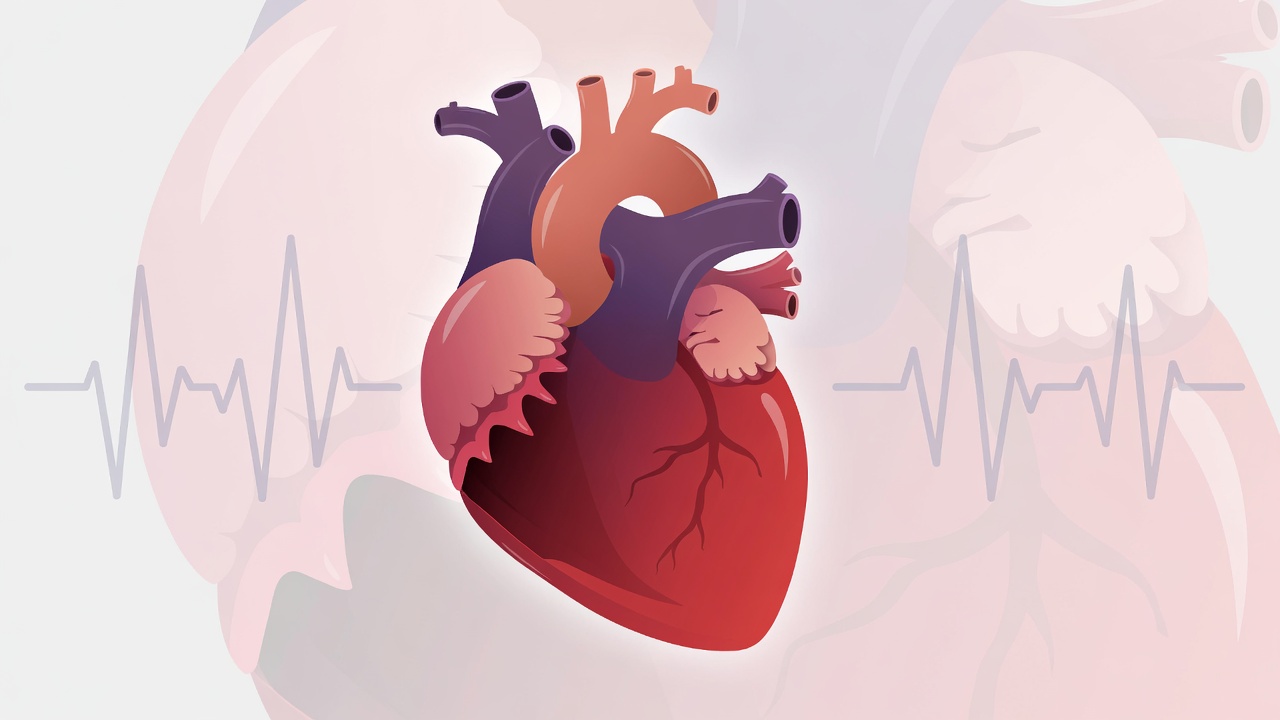
Every February, communities across the United States and around the world pause to honor a cause that touches millions of families. Congenital Heart Defect (CHD) Awareness Week, observed annually from February 7 through February 14, shines a light on the most common birth defect in the world. It falls within American Heart Month, making February a season of heart-focused solidarity, education, and hope.
This year’s observance carries extra weight. In December 2025, the American College of Cardiology (ACC) and the American Heart Association (AHA) released sweeping new clinical guidelines for managing adults with congenital heart disease — the first major update since 2018. New research on prevention, genetics, and mental health support is also reshaping the conversation. If you or someone you love has been touched by CHD, there has never been a better time to get informed.
Let us walk through the risk factors, the science of prevention, and the cultural traditions that make this awareness week so meaningful.
What Is Congenital Heart Disease and Why Does It Matter in 2026?
Congenital heart disease refers to structural problems with the heart that are present at birth. These defects can affect the heart’s walls, valves, or blood vessels. Some are mild — a small hole that may close on its own. Others are life-threatening and require surgery within the first hours or days of life.
Here are the numbers that tell the story:
| Statistic | Detail |
|---|---|
| Global birth prevalence | Roughly 1 in every 100–110 live births |
| U.S. births affected each year | Approximately 40,000 babies |
| Global annual diagnoses | An estimated 1.2 million babies per year — about one every 26 seconds |
| Americans living with CHD | Roughly 2.4 million children and adults |
| Critical CHDs requiring first-year intervention | About 1 in 4 babies born with a heart defect |
| Survival to age 18 (non-critical CHD) | 95% of babies now survive, thanks to medical advances |
The most common single defect is ventricular septal defect (VSD) — a hole in the wall between the heart’s two lower chambers. Other frequent types include atrial septal defect (ASD), patent ductus arteriosus (PDA), tetralogy of Fallot, and pulmonary stenosis.
Thanks to surgical breakthroughs, over 90% of babies born with heart defects in the U.S. now survive well into adulthood, according to the 2025 ACC/AHA guideline. But survival is not the end of the story. Adults with CHD face lifelong risks of heart failure, arrhythmias, and other complications. That is why awareness — and prevention where possible — remains so critical.
Known Risk Factors for Congenital Heart Defects in Babies
Understanding what raises the risk of CHD is the first step toward reducing it. The science is clear on some factors, while others are still being studied. The Centers for Disease Control and Prevention (CDC) notes that a combination of genes, behaviors, and environmental exposures may work together to increase risk — though we do not fully understand how all these factors interact.
Here is a summary of the best-established risk factors, drawn from major health organizations and peer-reviewed research.
Maternal Health Conditions That Increase CHD Risk
Certain medical conditions in the mother before or during pregnancy have a strong link to heart defects in babies:
- Pre-existing diabetes (Type 1 or Type 2): This is one of the most well-documented risk factors. Poorly controlled blood sugar during the early weeks of pregnancy — when the heart is forming — can disrupt normal cardiac development. The National Heart, Lung, and Blood Institute (NHLBI) lists pre-existing diabetes as a leading modifiable risk factor.
- Obesity: Maternal obesity before and during pregnancy is associated with higher odds of CHD in offspring. The Children’s Heart Foundation identifies it as a recognized contributor.
- Phenylketonuria (PKU): When this metabolic condition is not well managed during pregnancy, it can lead to heart defects and other birth abnormalities.
- Rubella (German measles) infection: Contracting rubella during pregnancy carries a very high chance of birth defects, including CHD. Stanford Children’s Health notes that most Americans are protected by the MMR vaccine, but unvaccinated individuals remain at risk.
- Febrile illness during pregnancy: Fever-causing infections in the first trimester have been linked to increased CHD risk, with one study finding an odds ratio of 4.12 for mothers who experienced antenatal febrile illness.
Genetic and Family History Risk Factors for Heart Defects
Genetics play a major role in CHD, though the picture is complex:
- Family history of CHD: A baby’s risk increases approximately three-fold if a mother, father, or sibling has a congenital heart defect. The American Heart Association notes that there is generally a 2% to 15% chance of a defect recurring in a family, depending on the type.
- Chromosomal conditions: Genetic syndromes such as Down syndrome (Trisomy 21), Turner syndrome, and DiGeorge syndrome (22q11.2 deletion) are associated with much higher rates of CHD.
- Single-gene mutations: In some families, a specific gene change causes heart defects with autosomal-dominant inheritance. This means a parent with the defect has a 50% chance of passing it to each child.
Environmental and Lifestyle Exposures Linked to Congenital Heart Defects
Several modifiable exposures have been tied to increased risk:
- Smoking during pregnancy or secondhand smoke exposure: The NHLBI lists this among established risk factors.
- Alcohol consumption: Excessive alcohol intake during pregnancy can cause fetal alcohol spectrum disorders, which often include heart defects.
- Certain medications in the first trimester: ACE inhibitors (used for high blood pressure), retinoic acids (used for acne), lithium, and some anti-seizure medications have been associated with cardiac malformations.
- Endocrine-disrupting chemicals: Emerging research, including a 2025 pooled analysis published in Pediatric Cardiology, has linked prenatal exposure to certain industrial chemicals with elevated CHD risk.
- Advanced parental age: Both advanced maternal and paternal age have been identified as independent risk factors in multiple studies.
How to Reduce the Risk of Congenital Heart Disease During Pregnancy
While not all congenital heart defects can be prevented — many arise from complex genetic factors beyond anyone’s control — research has identified practical steps that can lower the odds. The New York State Department of Health recommends that anyone planning a pregnancy discuss family medical history, diseases, and medications with their healthcare provider as early as possible.
Take Folic Acid Before and During Early Pregnancy
Folic acid supplementation is among the most important preventive measures. Originally recommended to prevent neural tube defects such as spina bifida, folic acid has also shown promise in reducing CHD risk.
A large meta-analysis published in Nutrition Journal found that folic acid supplementation immediately before and during early pregnancy reduced the risk of various types of congenital heart defects by approximately 21%. A separate case-control study published in the Journal of the American Heart Association found even stronger protective effects for severe heart defects when supplementation began in the first trimester.
Here is what major health authorities recommend:
| Guideline | Folic Acid Dose | Timing |
|---|---|---|
| U.S. MedlinePlus | At least 400 micrograms (µg) daily | Before conception and through early pregnancy |
| Standard prenatal vitamins | 800–1,000 µg | Throughout pregnancy |
| Women with prior neural tube defect pregnancy | Up to 5 mg daily | Before and during early pregnancy |
The key takeaway: Because the heart forms very early — within the first few weeks after conception, often before a woman knows she is pregnant — folic acid should ideally be started at least 2 to 3 months before conception. This is especially true since roughly half of all pregnancies are unplanned.
Manage Chronic Conditions Before Becoming Pregnant
For women with diabetes, achieving tight blood sugar control before conception is essential. Guidelines from the American Diabetes Association stress that pre-pregnancy glycemic management significantly reduces the risk of all birth defects, including CHD.
Similarly, managing obesity, hypertension, and phenylketonuria before pregnancy helps create the healthiest environment for early fetal heart development.
Avoid Harmful Substances During the First Trimester
The first trimester is the critical window for heart formation. During this period:
- Stop smoking and avoid secondhand smoke.
- Avoid alcohol entirely.
- Review all medications with a physician — some common prescriptions are harmful to fetal heart development.
- Minimize exposure to known environmental toxins and endocrine-disrupting chemicals.
Get Vaccinated Against Rubella Before Pregnancy
Rubella infection during pregnancy is one of the few fully preventable causes of CHD. The MMR (measles, mumps, and rubella) vaccine is safe and effective. Any woman of childbearing age who has not been vaccinated or who lacks rubella immunity should receive the vaccine before becoming pregnant — not during pregnancy.
Seek Genetic Counseling if You Have a Family History of Heart Defects
The 2025 ACC/AHA guideline emphasizes that individuals with CHD who are considering pregnancy should receive preconception counseling with a congenital heart disease cardiologist. Topics should include genetic testing, maternal health risks, fetal risks, and safe delivery planning. A fetal echocardiogram, typically performed around 16 to 22 weeks of pregnancy, can detect many major heart defects before birth.
Early Detection and Newborn Screening for Critical Congenital Heart Defects
Even with the best prevention efforts, many heart defects still occur. Early detection saves lives.
Prenatal Screening: Fetal Echocardiography
A specialized ultrasound called a fetal echocardiogram can identify many structural heart problems during the second trimester. This test is especially recommended when:
- Either parent has a congenital heart defect.
- A sibling was born with CHD.
- The mother has diabetes or another high-risk condition.
- A routine ultrasound suggests a possible heart abnormality.
Pulse Oximetry Screening for Newborns
After birth, pulse oximetry — a painless, bedside test that measures blood oxygen levels — is now standard practice in many countries. Low oxygen levels can be an early sign of a critical heart defect that was not detected prenatally. The CDC notes that this simple screening enables earlier treatment and can prevent deaths.
Living with Congenital Heart Disease: What the 2025 Guidelines Say About Lifelong Care
The December 2025 joint guideline from ACC, AHA, and partner organizations represents a landmark update for the growing population of adults living with CHD. Here are the key messages:
Specialized care matters. Adults with moderate or complex CHD should receive routine care at specialized ACHD (Adult Congenital Heart Disease) centers. Evidence shows that outcomes — including survival — are better when patients are managed by specialists trained in congenital heart physiology.
Physical activity is encouraged. The new guideline states that adults with CHD are not merely “allowed” to exercise — they are actively encouraged to participate in physical activity, including competitive sports, after proper evaluation by an ACHD specialist.
Mental health screening is now recommended. Adults with CHD have high rates of depression, anxiety, and post-traumatic stress. The 2025 guideline formally recommends routine mental health screening for this population, a significant step forward in holistic care.
Pregnancy requires specialized planning. The guideline includes detailed recommendations on contraception, preconception counseling, and safe delivery for people with CHD. Most pregnant patients with CHD can deliver safely with proper monitoring and risk assessment.
How Communities Celebrate and Observe CHD Awareness Week Around the World
CHD Awareness Week is more than a medical observance. It has grown into a global cultural movement that brings families, hospitals, advocacy groups, and lawmakers together.
Wearing Red and Lighting Up Landmarks
In the United States, CHD Awareness Week falls within American Heart Month. The first Friday of February is National Wear Red Day, when millions don red clothing to show solidarity with all heart disease survivors. During CHD Awareness Week, families and hospitals often light landmarks in red or blue — blue being the color specifically associated with congenital heart defects.
Sharing Heart Warrior Stories
One of the most powerful traditions is the sharing of “heart warrior” stories — personal accounts from families who have lived through CHD surgeries, hospital stays, and ongoing care. Organizations like Children’s Healthcare of Atlanta and Mended Little Hearts encourage families to post photos, write letters, and participate in social media campaigns throughout the week.
Legislative Advocacy and Proclamations
Every year, advocacy groups work with state governors, mayors, and federal legislators to issue official proclamations declaring February 7–14 as CHD Awareness Week. Organizations like Mended Little Hearts co-host CHD Lobby Days in Washington, D.C., to push for increased research funding and improved data tracking through legislation like the Congenital Heart Futures Act.
Hospital-Based Events and Family Gatherings
Many pediatric heart centers host events during the week. Children’s Healthcare of Atlanta, for example, runs a full calendar of activities: family support dinners, community carnivals, “Lights of Love” ceremonies to honor heart warriors and remember those lost, and social media challenges that unite families across the country.
The “Always in Our Hearts” Memorial Tradition
February 11 is often observed as a day of remembrance — “Always in Our Hearts” — when communities honor children and adults who died from congenital heart defects. Families post photos and memories, creating a moving public tribute to lives cut short and the research still needed.
Congenital Heart Disease Prevention Checklist for Expecting Parents
To make this guidance practical, here is a summary checklist that expecting or prospective parents can follow:
| Action | When | Why |
|---|---|---|
| Start folic acid (400+ µg daily) | 2–3 months before conception | Supports healthy heart and neural tube development |
| Achieve blood sugar control | Before conception | Reduces CHD risk from maternal diabetes |
| Get MMR vaccination if needed | Before pregnancy (not during) | Prevents rubella-related birth defects |
| Review all medications with your doctor | Before conception | Some drugs harm fetal heart development |
| Stop smoking and avoid alcohol | Before and during pregnancy | Both are linked to higher CHD risk |
| Discuss family CHD history with a provider | At preconception visit | May prompt genetic counseling and fetal echocardiography |
| Maintain a healthy weight | Before and during pregnancy | Maternal obesity is a recognized CHD risk factor |
| Attend all prenatal screenings | Throughout pregnancy | Enables early detection and treatment planning |
The Future of Congenital Heart Disease Research and Prevention
The field is evolving rapidly. Several areas of active research in 2025 and 2026 hold real promise:
Genetic screening advances. The 2025 ACC/AHA guideline includes new sections on genetic screening for CHD. As whole-genome sequencing becomes more affordable, doctors will be able to identify more families at risk before a child is ever conceived.
Artificial intelligence in risk prediction. Researchers are exploring AI-driven tools for clinical risk stratification in CHD patients. These tools may eventually help predict which pregnancies are at highest risk and which patients need closer long-term monitoring.
Environmental risk factor research. A growing body of studies is examining how specific chemicals — including perfluoroalkyl substances (PFAS) and other endocrine disruptors — affect fetal heart development. This research could inform future public health regulations.
Global equity in CHD care. Data from the Global Burden of Disease Study have shown that CHD mortality remains disproportionately high in low- and middle-income countries, where access to pediatric cardiac surgery is limited. International organizations are working to build sustainable heart surgery programs in underserved regions.
Frequently Asked Questions About Congenital Heart Disease Prevention
Can congenital heart disease be completely prevented? No. Because many CHDs result from complex interactions between genetics and environment, complete prevention is not currently possible. However, certain steps — particularly folic acid supplementation, managing diabetes, and avoiding harmful substances — can meaningfully reduce risk.
Is congenital heart disease hereditary? It can be. A family history of CHD increases risk, and some defects follow specific genetic inheritance patterns. However, most cases occur in families with no prior history of heart defects.
When does a baby’s heart form during pregnancy? The heart begins forming very early — within the first few weeks after conception. By about 8 weeks of pregnancy, the basic heart structure is in place. This is why preconception health is so important.
What should I do if my baby is diagnosed with a heart defect? Seek care at a specialized pediatric heart center. Many defects are treatable with surgery or catheter-based procedures. Early intervention dramatically improves outcomes.
How can I support CHD Awareness Week? Share information with friends and family. Wear red or blue. Donate to research organizations like the Children’s Heart Foundation. Attend local events. And most importantly — talk about it. Awareness saves lives.
Final Thoughts: Every Heartbeat Counts During CHD Awareness Week 2026
Congenital Heart Defect Awareness Week is a time for remembrance, celebration, and action. It honors the “heart warriors” who have fought through surgeries and hospital stays. It comforts families who have lost children to these conditions. And it pushes all of us — parents, doctors, legislators, and communities — to keep fighting for better prevention, earlier detection, and more equitable care.
The science is clear: simple steps like taking folic acid, managing chronic health conditions, and avoiding harmful exposures during pregnancy can make a real difference. And when heart defects do occur, early screening and specialized care give children and adults the best chance at a full life.
This February, let your awareness become action. Learn the risk factors. Share what you know. And join the millions of people around the world who believe that every heartbeat — from the very first — is worth protecting.