National Sorry Day, held every year on 26 May in Australia, is far more than a calendar date. It is a reckoning. A mirror held up to the nation. A day when hundreds of thousands of Australians — Aboriginal, Torres Strait Islander, and non-Indigenous alike — pause to remember one of the most painful chapters in the country’s modern history: the Stolen Generations.
But here is the tension that keeps Sorry Day burning in the national conversation year after year. The day was born from truth-telling, yet nearly three decades on, much of that truth has still not produced change. Only 6 per cent of the original Bringing Them Home report recommendations have been fully carried out. Survivors are ageing. Children are still being removed from Indigenous families at staggering rates. And the defeat of the 2023 Voice to Parliament referendum has left deep wounds in the reconciliation movement.
This is the story of Sorry Day in 2026 — its origins, its protests, its progress, and the fierce debates still unfolding across a nation struggling to turn apology into action.
What Is National Sorry Day and Why Is It Observed on 26 May?
National Sorry Day — officially renamed the National Day of Healing in 2005 — falls on 26 May every year. The date was chosen because it marks the anniversary of the tabling of the Bringing Them Home report in the Australian Parliament on 26 May 1997.
That landmark report was the result of a national inquiry led by the Human Rights and Equal Opportunity Commission (now the Australian Human Rights Commission). Over two years, the inquiry heard testimony from more than 535 Aboriginal and Torres Strait Islander people about their experiences of forced removal from their families. The findings were devastating.
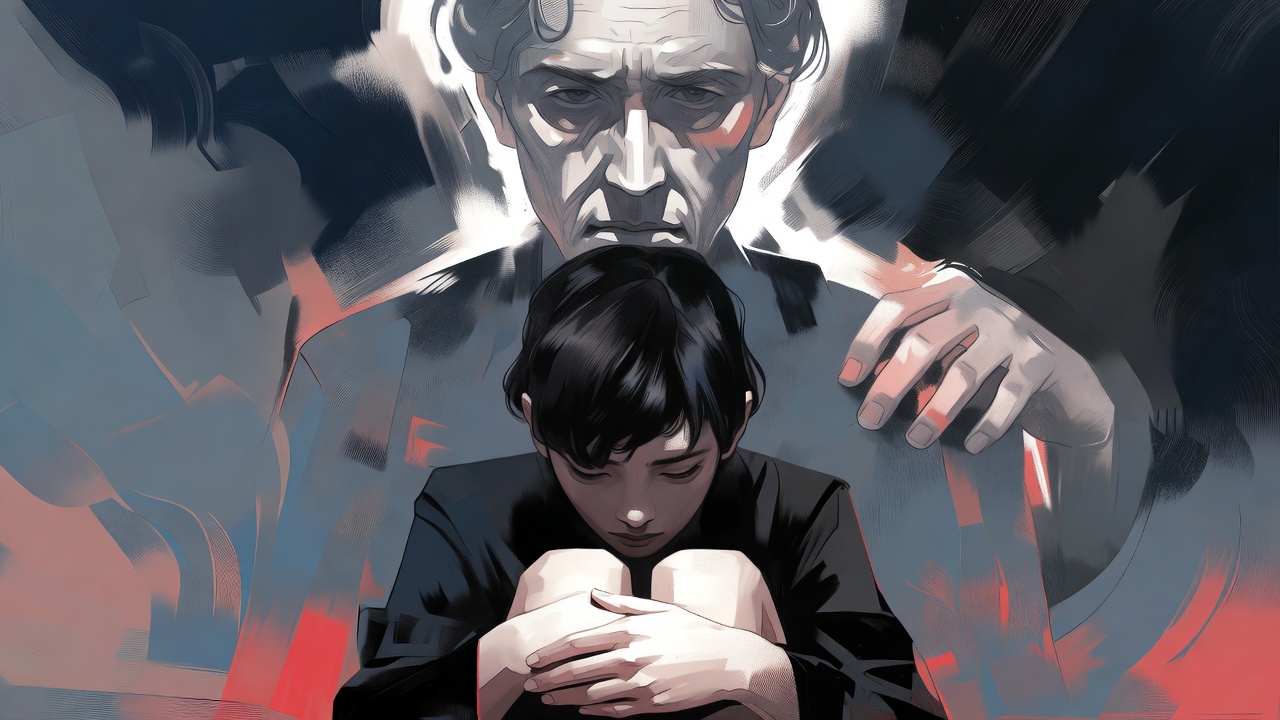
From the late 1800s until as recently as the 1970s, federal and state government policies authorised the systematic removal of Indigenous children from their parents. These children were placed in missions, church-run institutions, or non-Indigenous foster homes. The stated aim was “assimilation” — a belief that Aboriginal culture should be absorbed into white Australian society. The children taken under these policies became known as the Stolen Generations.
The first National Sorry Day was held on 26 May 1998, exactly one year after the report was tabled. It was organised by a coalition of community groups determined to keep the findings in the public eye. Among the performers at that first event were “Uncle Bob” Randall and his daughter Dorothea, whose presence underscored the deeply personal nature of the day.
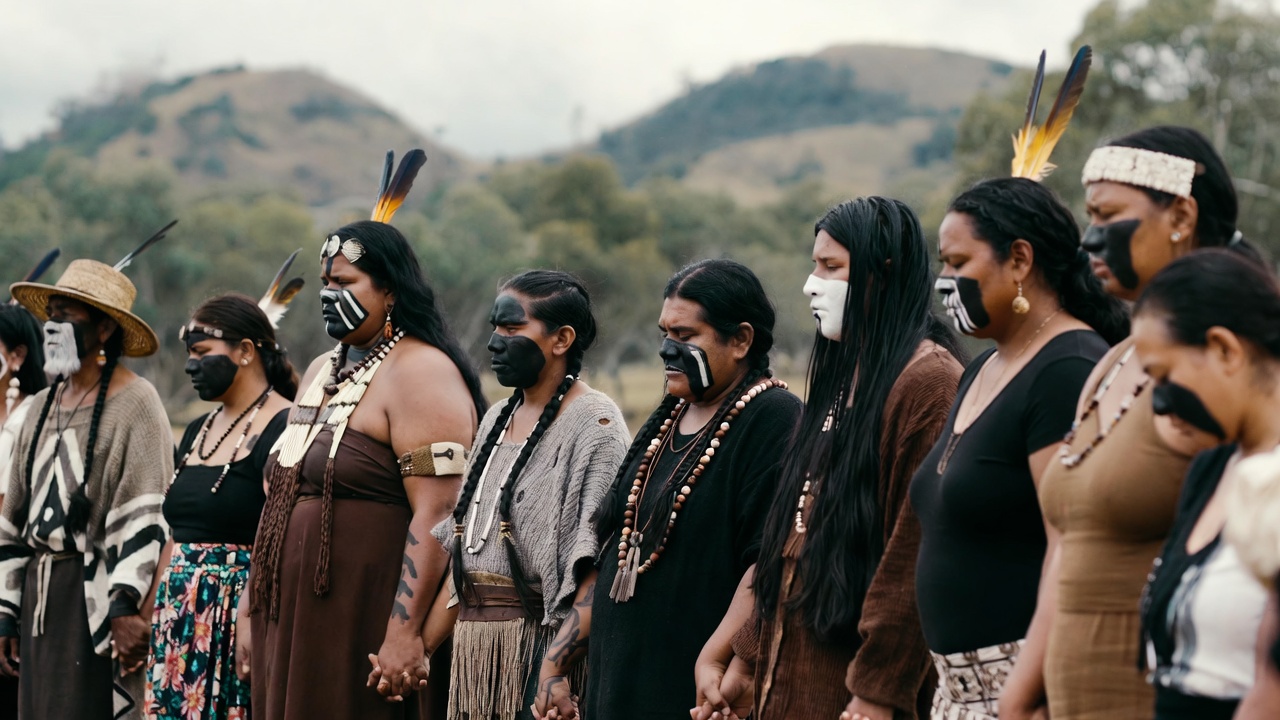
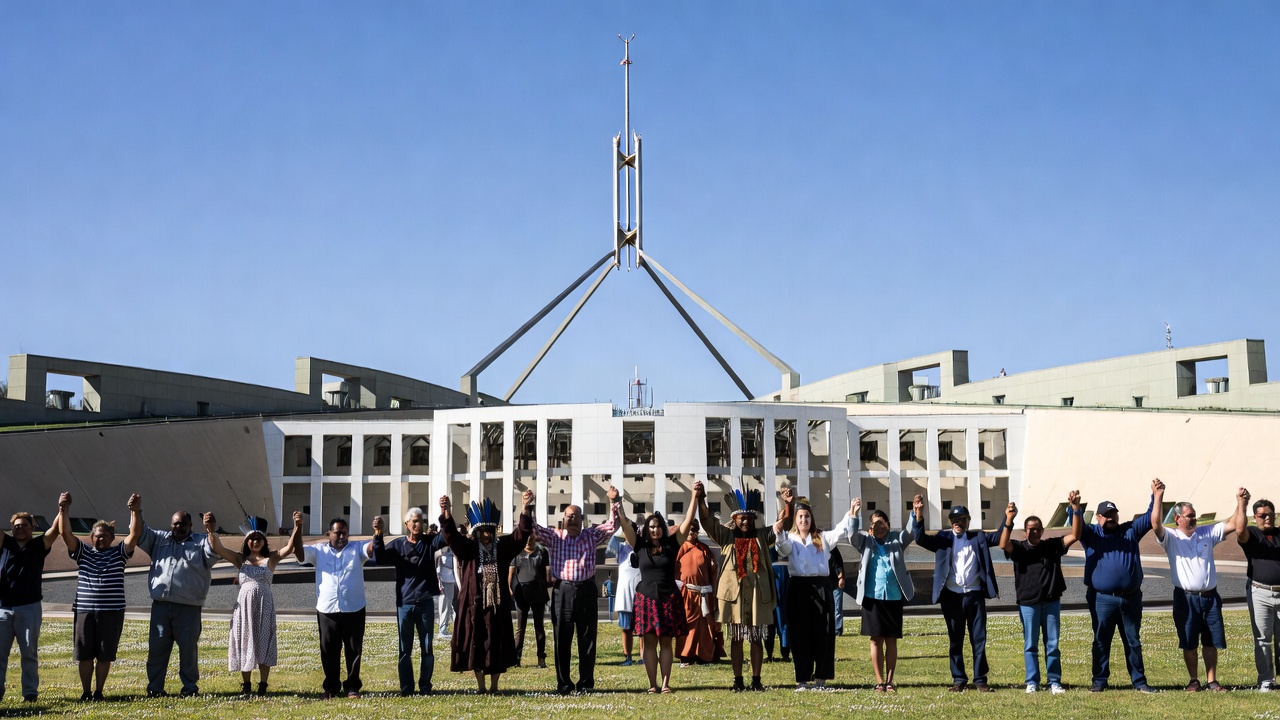
Since then, Sorry Day has grown into a nationwide observance. Events include reconciliation walks, flag-raising ceremonies, morning teas, school assemblies, the signing of “sorry books,” and speeches by community leaders, Elders, and politicians.
Key facts at a glance:
| Detail | Information |
|---|---|
| Date | 26 May (annually) |
| 2026 date | Tuesday, 26 May 2026 |
| Official name | National Day of Healing (since 2005) |
| First observed | 26 May 1998 |
| Origin | Anniversary of the Bringing Them Home report (1997) |
| Public holiday? | No — it is a national observance, not a gazetted public holiday |
| Who observes? | Australians nationwide; events in schools, workplaces, councils, and communities |
The History of the Stolen Generations and How It Shaped Sorry Day Australia
To understand why Sorry Day still provokes such raw emotion, you have to understand the scale of what happened.
Aboriginal and Torres Strait Islander peoples have inhabited the Australian continent for at least 60,000 years. They represent the oldest continuous civilisation on Earth. When British colonisation began in 1788, it set in motion centuries of dispossession, displacement, and deliberate cultural destruction.
By the late 19th century, so-called “protection” legislation had been passed in every Australian colony. These laws gave government-appointed “protectors” extraordinary powers over Indigenous peoples, including the authority to remove children from their families without parental consent.
The policies reached their peak during the mid-20th century. In the 1950s and 1960s, large numbers of Aboriginal children were taken and placed with non-Indigenous families or institutions. The thinking behind these removals was explicit. A. O. Neville, the Chief Protector of Aborigines in Western Australia from 1915 to 1940, famously declared that the goal was to “breed out” Aboriginal characteristics over successive generations.
The Bringing Them Home report found that these policies could “properly be labelled ‘genocidal'” in their intent to eliminate Indigenous cultures as distinct entities. Anywhere from 1 in 10 to 1 in 3 Indigenous children were removed, depending on the community. Not a single Aboriginal or Torres Strait Islander community was left unaffected.
The consequences were profound and intergenerational. Children who were removed suffered:
- Loss of family bonds. Many never saw their parents or siblings again.
- Loss of cultural identity. They were forbidden from speaking their languages, practising their traditions, or identifying as Aboriginal.
- Physical and emotional abuse. Many experienced mistreatment in institutions and foster placements.
- Lifelong trauma. Separation produced grief, mental health issues, substance abuse, and fractured relationships that rippled down through generations.
Research published by the Australian Institute of Health and Welfare (AIHW) confirmed these lasting effects. Stolen Generations descendants are twice as likely to have experienced discrimination, 1.9 times as likely to have experienced violence, 1.6 times as likely to be in poor health, and 1.5 times as likely to have been arrested by police compared to First Nations people who were not removed.
This is the backdrop against which Sorry Day exists. It is not simply about remembering what happened. It is about acknowledging that what happened is still happening — in different forms, through different systems, but with painfully similar outcomes.
The 2008 National Apology to the Stolen Generations and What Changed After
For years after the Bringing Them Home report was released, the question of a formal government apology became the defining issue of Indigenous affairs in Australia.
Prime Minister John Howard refused to apologise. He expressed “deep and sincere regret” through a 1999 Motion of Reconciliation in Parliament, but his government argued it could not be held responsible for the actions of past administrations. There was also concern that an apology would expose the government to compensation claims.
That refusal became a lightning rod for protest. On 28 May 2000, more than 250,000 people walked across the Sydney Harbour Bridge in one of the largest demonstrations in Australian history. Organised by the Council for Aboriginal Reconciliation, the walk demanded a formal apology and showed the strength of public support for reconciliation. A skywriter even spelled out the word “SORRY” above the bridge that same day.
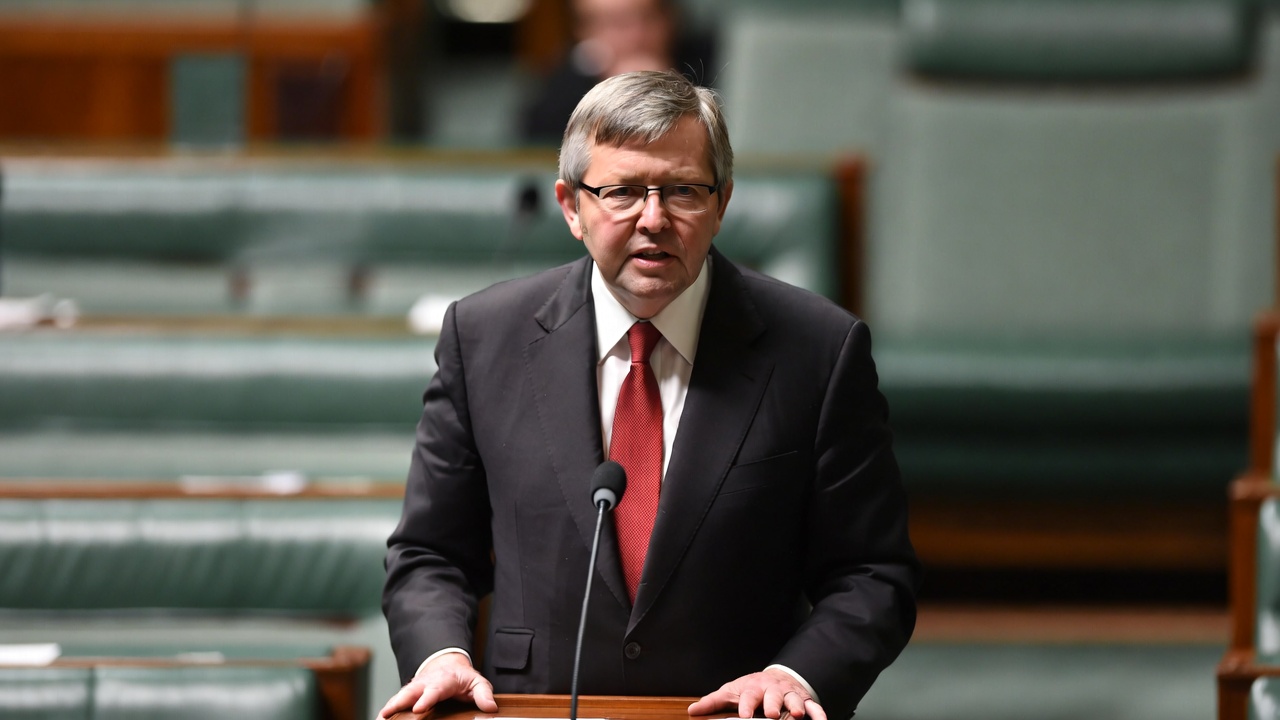
The breakthrough came on 13 February 2008, when newly elected Prime Minister Kevin Rudd stood in the House of Representatives and delivered a formal apology on behalf of the Australian Parliament.
“We apologise for the laws and policies of successive Parliaments and governments that have inflicted profound grief, suffering and loss on these our fellow Australians.” — Kevin Rudd, 13 February 2008
Crowds gathered in city centres and public parks across Australia to watch the speech on large screens. The moment was charged with emotion — tears, relief, applause, and for many Stolen Generations survivors, a long-awaited sense of being heard.
The Apology was also accompanied by a commitment to “Closing the Gap” between Indigenous and non-Indigenous Australians in areas such as life expectancy, education, and employment. This policy framework — known as Closing the Gap — has since been revised and expanded.
But here is the painful truth. The Apology, for all its emotional power, did not come with reparations. It did not immediately translate into the systemic changes the Bringing Them Home report had recommended. And in the years since, many of those recommendations have continued to gather dust.
How Many Bringing Them Home Report Recommendations Have Been Implemented?
This is one of the most important — and most damning — questions in the entire Sorry Day debate.
In February 2025, the Healing Foundation released a landmark report titled “Are You Waiting for Us to Die?” The Unfinished Business of Bringing Them Home. The report, which included commissioned analysis by researchers at the University of Canberra, assessed the status of every recommendation from the original 1997 report.
The findings were stark:
| Status | Number of Recommendations | Percentage |
|---|---|---|
| Clearly implemented | 5 | 6% |
| Qualified pass | 11 | 13% |
| Partial failure | 10 | 12% |
| Failed to be implemented | 45 | 54% |
| Status unclear | 10 | 12% |
| No longer applicable | 1 | 1% |
| Total | 83* | 100% |
Note: The original report contained 54 numbered recommendations, but many had multiple parts. The Healing Foundation’s analysis assessed 83 distinct recommendation components.
Only five out of 83 recommendation components have been clearly implemented. That is 6 per cent — after nearly 30 years.
The report’s title, “Are You Waiting for Us to Die?”, was not chosen lightly. It reflects the repeated testimony of ageing survivors who fear they will pass away before the promises made to them are fulfilled.
Healing Foundation CEO Shannan Dodson (Yawuru) put it bluntly: “We have already lost too many survivors, even in the last few weeks. Immediate and prioritised action is needed to provide equitable redress for all survivors.”
The report made 19 new recommendations as part of a proposed National Healing Package, spanning six areas: reparations, rehabilitation and research, records access, family tracing and reunions, acknowledgements and apologies, and education and training.
Indigenous Children in Out-of-Home Care: Why the Stolen Generations Are Not Over
Perhaps the most confronting aspect of the Sorry Day debate is the argument — backed by data — that the removal of Indigenous children from their families has not stopped. It has simply changed form.
Under the current child protection system, Aboriginal and Torres Strait Islander children are removed from their families at rates that exceed those of the Stolen Generations era. The Australian Human Rights Commission has noted this explicitly.
The numbers tell a damning story. According to the Productivity Commission’s Closing the Gap dashboard, the rate of Aboriginal and Torres Strait Islander children in out-of-home care in 2024 was 50.3 per 1,000 children — compared to just 5.1 per 1,000 for non-Indigenous children. That means First Nations children are approximately 10 times more likely to be in out-of-home care than their non-Indigenous peers.
The total number of Indigenous children in out-of-home care has more than doubled since the 2008 Apology. According to data cited in the Wikipedia entry on National Sorry Day, the figure rose from 9,070 in 2008 to about 18,900 in 2022.
The Family Matters Report 2025, produced by SNAICC — National Voice for Our Children, delivered further alarming findings. Aboriginal and Torres Strait Islander children are 5.6 times more likely than non-Indigenous children to be subject to a child protection notification, and 10.8 times more likely to be in out-of-home care. The rate has climbed from 54.2 per 1,000 in 2019 to 57.2 per 1,000 — with projections estimating it could reach 63 per 1,000 by 2031 if trends continue.
This trajectory completely undermines Target 12 of the National Agreement on Closing the Gap, which aims to reduce the overrepresentation rate by 45 per cent by 2031.
In March 2025, Human Rights Watch published an 86-page report on the situation in Western Australia, where the problem is most severe. The report, titled “All I Know Is I Want Them Home,” found that:
- Aboriginal children in Western Australia are more than 20 times more likely to be in out-of-home care than non-Indigenous children.
- The number of Aboriginal children in out-of-home care in WA grew from 570 in 2003 to 3,068 in 2023.
- WA spends less than 5 per cent of its child protection budget on family support programs — compared to a national average of 15 per cent.
- Child protection authorities have been removing children from mothers who sought help for domestic violence and from families experiencing homelessness, rather than providing them with support.
Many of the families interviewed by Human Rights Watch were descendants of Stolen Generations survivors. One grandmother revealed her family had endured six generations of child removals.
These are the facts that fuel the protests on Sorry Day. For many Indigenous Australians, the day is not about history. It is about the present.
The Voice Referendum Failure and Its Impact on Sorry Day and Reconciliation
The 14 October 2023 Voice to Parliament referendum was meant to be a turning point. Instead, it became a wound.
The proposal asked Australians to amend the Constitution to recognise Aboriginal and Torres Strait Islander peoples and establish a permanent advisory body — the Voice — empowered to make representations to Parliament on matters affecting Indigenous communities. The idea came directly from the 2017 Uluru Statement from the Heart, a consensus document produced by Aboriginal and Torres Strait Islander leaders.
The referendum failed decisively. Only 39.9 per cent of voters supported it. It was rejected nationally and by majorities in every state. The Australian Capital Territory was the sole jurisdiction with a majority “Yes” vote.
Academic Marcia Langton declared that the result made it “very clear that Reconciliation is dead.” Indigenous leaders called for a “week of silence” to grieve and reflect.
Research from the Australian National University found that the vote did not signal opposition to reconciliation itself. Support for constitutional recognition exceeded opposition by a ratio of nearly five to one when voters were asked about recognition alone. Rather, voters were divided over how to implement the proposal, and the absence of bipartisan support — the Liberal Party and National Party both campaigned against the Voice — led many to prioritise the safety of the status quo over the risk of change.
But the political fallout was severe. In Queensland, the incoming Liberal National Party government repealed the Path to Treaty Act 2023 and abolished the state’s Truth-Telling and Healing Inquiry. In New South Wales, treaty discussions were slowed. Nationally, the Albanese Labor Government — despite being re-elected in May 2025 — confirmed it would not hold another referendum and would not pursue major new policy changes on Indigenous affairs.
The Australian Human Rights Commission’s Aboriginal and Torres Strait Islander Social Justice Commissioner reflected on the anniversary of the vote: “Instead of being marked by misinformation, disinformation and racism… The Voice was an opportunity to unite the country.” He called for a national truth-telling body to be established and warned that without national political leadership, the harm from the referendum campaign would continue.
For Sorry Day 2026, this is the political landscape. The defeat of the Voice hangs over every commemoration. It has emboldened those who argue that symbolic gestures — apologies, days of observance, constitutional amendments — are not enough. And it has deepened the grief of those who gave their stories, their time, and their hope to a process that was rejected.
State-by-State Stolen Generations Redress Schemes in Australia: Where Things Stand in 2026
One area where there has been tangible, if uneven, progress is compensation for Stolen Generations survivors. Across Australia, state and territory governments have at various times introduced redress schemes. But the patchwork nature of these schemes is itself a source of frustration.
Here is the current status of Stolen Generations redress schemes across Australia as of early 2026:
| Jurisdiction | Scheme Status | Payment Amount | Application Status |
|---|---|---|---|
| New South Wales | Closed | $75,000 | No longer accepting applications |
| Victoria | Open | Up to $100,000 | Applications open until March 2027 |
| Queensland | No scheme | N/A | Queensland remains the only state without a redress scheme |
| Western Australia | Newly announced | $85,000 | Announced 27 May 2025; registrations opening late 2025, payments from late 2025 |
| South Australia | Closed | $50,000 | Scheme closed |
| Tasmania | Closed | $58,333 | Scheme closed |
| Northern Territory | Open (Territories scheme) | Up to $75,000 + $7,000 healing payment | Applications open until February 2026 via Territories Redress |
| ACT | Open (Territories scheme) | Up to $75,000 + $7,000 healing payment | Applications open until August 2027 |
The most significant recent development was Western Australia’s announcement on 27 May 2025 — the day after National Sorry Day — of an $85,000 individual redress payment for surviving members of the Stolen Generations. Given that WA historically had the highest rate of child removals during the Stolen Generations era, the announcement was welcomed by survivor organisations.
Tony Hansen, survivor and co-chair of Bringing Them Home WA, called it “a powerful moment of truth-telling.” Aunty Jenny Day of Sister Kate’s Home Kids Aboriginal Corporation said it was “an acknowledgement that we exist.”
Yet the absence of any scheme in Queensland remains a glaring gap. As Healing Foundation CEO Shannan Dodson told journalists after the WA announcement: “We hope this does shine a light on the fact that Queensland is the only state left.”
There is also no national redress scheme specifically for the Stolen Generations, despite the Bringing Them Home report recommending one in 1997. The Territories Stolen Generations Redress Scheme covers removals in the Northern Territory, ACT, and Jervis Bay Territory, but it is scheduled to close for applications on 28 February 2026.
Writing for The Conversation, Professor Bronwyn Carlson has noted that many Stolen Generations survivors have died before being compensated. And under many schemes, compensation cannot be passed on to their families after death.
National Reconciliation Week 2026 and How It Connects to Sorry Day Events
Sorry Day on 26 May also serves as the gateway to National Reconciliation Week, which runs from 27 May to 3 June every year. These two dates bookend a critical period in Australia’s Indigenous affairs calendar:
- 27 May: Anniversary of the 1967 referendum, when over 90 per cent of Australians voted to allow the federal government to make laws for Aboriginal people and to include them in the national census.
- 3 June: Anniversary of the High Court’s 1992 Mabo decision, which recognised native title rights for the first time, overturning the legal fiction of terra nullius (that Australia was “land belonging to no one” before European arrival).
Together, Sorry Day and Reconciliation Week form a period of national reflection that stretches across community events, educational programs, workplace activities, and political statements.
In 2025, the Sorry Day theme set by the Healing Foundation was “We Cannot Wait Another Generation” — a direct reference to the urgency of implementing the Bringing Them Home recommendations. The theme emphasised that survivors are elderly and that the window for meaningful action is closing rapidly.
For 2026, as Sorry Day marks the 29th anniversary of the tabling of the Bringing Them Home report, the stakes remain just as high. Advocacy organisations are expected to continue pushing for a comprehensive national response, including:
- A National Healing Package for elderly survivors.
- Culturally safe, trauma-informed aged care services.
- Improved access to personal records for survivors seeking to reconnect with their families.
- Fair and equitable redress in every jurisdiction, particularly in Queensland.
Closing the Gap Targets and Why Most Are Not on Track in 2026
The Closing the Gap framework is the main policy mechanism through which Australian governments aim to reduce inequality between Indigenous and non-Indigenous Australians. The National Agreement on Closing the Gap, signed in July 2020, sets 19 socio-economic targets with deadlines ranging from 2025 to 2031.
But the scorecard is sobering.
The Productivity Commission’s 2025 Annual Data Compilation Report — released in July 2025 — found that only four of 19 targets are on track to be met: preschool enrolment, employment, and land and sea rights.
Multiple targets are actively worsening, including:
- Target 1: Female life expectancy
- Target 10: Adult imprisonment rates
- Target 11: Youth detention rates
- Target 12: Children in out-of-home care
Commissioner Selwyn Button noted that the outcomes “can’t easily be reduced to a number” and emphasised that the primary issue is the “limited progress of governments in collectively acting on the Priority Reforms.”
The AIHW’s analysis reinforced these findings, warning that the drivers of change are “multi-dimensional” and require coordinated action across all levels of government.
SNAICC CEO Catherine Liddle (Arrernte and Luritja) was unequivocal: “These are not the failings of our children, our families or our organisations. It’s clear the ‘business-as-usual approach’ is not hitting the mark.”
This is not just a matter of statistics. These targets represent real lives. Every worsening number in child protection, imprisonment, and health means more Indigenous families facing systems that were supposed to help them but are instead pulling them apart.
Sorry Day Protests: Why Indigenous Australians Continue to March and Demonstrate
Sorry Day has always been a day of dual character. It is solemn. It is also angry. From the very beginning, it has been a day of protest as much as a day of mourning.
The most iconic protest remains the 2000 Sydney Harbour Bridge walk. More than a quarter of a million people crossed the bridge to demand a formal government apology. A plane wrote the word “SORRY” in the sky above. At the time, it was the largest single demonstration in Australian history.
But Sorry Day protests have continued long after the Apology was delivered in 2008. The central argument of contemporary protesters is this: the Apology was a beginning, not an ending — and the beginning has stalled.
Protesters point to:
- The continued removal of Indigenous children from their families at rates exceeding the Stolen Generations era.
- The failure to implement the vast majority of the Bringing Them Home recommendations.
- The absence of national reparations. There is no national compensation fund for the Stolen Generations, despite this being a key recommendation from 1997.
- The collapse of the Voice referendum and the perception that political will for reconciliation has evaporated.
- Rising incarceration rates for both Indigenous adults and youth, including the ongoing scandal of Indigenous deaths in custody.
ABC News has reported that some non-Indigenous Australians have expressed hostility toward Sorry Day, questioning why they should apologise for events they did not personally cause. This resistance adds a layer of tension to the observance.
Yet for Indigenous communities, Sorry Day is not about assigning personal guilt. It is about collective acknowledgement — the recognition that the policies of the past have produced consequences that persist today and that every Australian has a role in addressing them.
How Schools and Communities Across Australia Commemorate National Sorry Day
One of the most powerful aspects of Sorry Day is its grassroots nature. The day is not driven by government directives. It is driven by communities, schools, councils, and workplaces.
Typical Sorry Day events include:
- Reconciliation walks and street marches. Communities gather to walk together through their local areas, symbolising the journey toward healing.
- Flag-raising ceremonies. The Aboriginal flag (black, red, and yellow) and the Torres Strait Islander flag (blue, green, and white with a dhari headdress) are raised at schools, council buildings, and public spaces.
- Sorry books. Since 1998, thousands of Australians have signed sorry books to express their commitment to reconciliation. These books are often displayed at public libraries and community centres.
- Speeches and ceremonies. Local Indigenous Elders, councillors, teachers, and community leaders share stories and reflect on the significance of the day.
- Smoking ceremonies. Traditional Welcome to Country and smoking ceremonies are conducted at many events to honour Aboriginal cultural practices.
- School programs. Students participate in essay competitions, candle-lighting ceremonies, documentary screenings, and discussions with local Elders. Films about the Stolen Generations — such as Rabbit-Proof Fence (2002) and Stolen (ABC documentary) — are commonly screened in classrooms.
- Morning teas and community lunches. Shared meals bring people together in an informal setting to talk, listen, and connect.
In 2025, the Healing Foundation distributed a social media kit with downloadable tiles and captions, held a national webinar featuring survivors, and compiled a national directory of community events.
The emphasis is always on listening. Non-Indigenous Australians are encouraged to hear the stories of survivors, learn about the history of the Stolen Generations, and reflect on the ongoing impacts of colonisation.
Debates on Whether Sorry Day Should Become a Public Holiday in Australia
Sorry Day is a national observance. It is not a public holiday. Businesses operate on normal schedules. Schools remain open (though many hold special assemblies and programs). Traffic may be disrupted in areas where reconciliation walks take place, but there is no legislative requirement for anyone to stop work.
This has led to an ongoing debate about whether Sorry Day should be elevated to full public holiday status, similar to Anzac Day (25 April) or Australia Day (26 January).
Arguments in favour of a public holiday:
- It would signal that Australia takes its colonial history seriously and values the healing process.
- It would give all Australians time and space to attend events, reflect, and engage with the day’s significance.
- It would place the experiences of Aboriginal and Torres Strait Islander peoples on the same footing as other commemorated moments in Australian history.
Arguments against:
- Some believe a public holiday would become commercialised or trivialised, reducing its meaning to a day off work.
- Others argue that the day’s power lies in its voluntary, community-driven nature, and that mandating it could dilute grassroots engagement.
- There is also political resistance to creating new public holidays, particularly on a topic as contested as Indigenous affairs.
This debate intersects with the broader controversy around Australia Day on 26 January — a date many Aboriginal and Torres Strait Islander people refer to as “Invasion Day” because it marks the beginning of British colonisation. Some advocates have proposed moving Australia Day or merging national commemorations in a way that centres Indigenous perspectives.
For now, Sorry Day remains an observance rather than a holiday. But the question of how Australia formally recognises the Stolen Generations — in its calendar, its Constitution, and its daily life — is far from settled.
What the 2025 Sorry Day Theme Tells Us About the Future of Reconciliation
The 2025 Sorry Day theme — “We Cannot Wait Another Generation” — was not a slogan. It was a warning.
It came from the Healing Foundation and was directly tied to the release of the “Are You Waiting for Us to Die?” report. The theme reflected a simple, urgent fact: Stolen Generations survivors are elderly. Many are now in their 70s, 80s, and 90s. They are in need of aged care, health services, and the dignity of having their experiences acknowledged before they die.
One of the most powerful voices in the 2025 Sorry Day webinar was Aunty Yvonne Mills (Kokatha/Mirning), a Stolen Generations survivor and member of the Healing Foundation’s Stolen Generations Reference Group. She spoke at the National Apology Anniversary breakfast on Ngunnawal/Ngambri Country, representing the generation of survivors who have spent decades fighting for justice.
The theme also drew attention to the intergenerational dimension of the Stolen Generations. The trauma of removal did not end with the people who were taken. It cascaded down through families. Children of survivors are more likely to face poverty, poor health, contact with the criminal justice system, and — in a bitter cycle — the removal of their own children by child protection authorities.
For 2026, advocacy organisations are expected to maintain the pressure. The focus will likely centre on:
- Implementing the National Healing Package recommended by the Healing Foundation.
- Ensuring Queensland establishes a redress scheme — making it the final piece in a national patchwork.
- Protecting truth-telling processes from political rollback, particularly after the Queensland government’s dismantling of its inquiry.
- Reforming the child protection system to reduce the removal of Indigenous children and increase investment in family support.
South Australia’s First Nations Voice to Parliament: A Beacon After the Referendum
While the national Voice referendum failed, one state-level Voice has provided a model of what Indigenous representation might look like in practice.
South Australia passed the First Nations Voice Act 2023, establishing an elected advisory body that allows Aboriginal people to make representations to the South Australian Parliament. In 2024, 46 members were elected to this body.
Major “Moogy” Sumner, a Kaurna and Ngarrindjeri Elder and long-time cultural and environmental rights activist, was among those elected. He told Equal Times: “We’re having meetings, then our spokespersons go to Parliament and talk up for us.” He expressed hope the Voice would deliver “more rights” for Aboriginal people in the state.
April Lawrie, another elected member, said the benefits of the advisory body were already being felt one year into its operation.
South Australia’s Voice is not constitutionally enshrined — it is a legislative body that could, in theory, be repealed by a future government. But it represents a tangible experiment in what structural self-determination might look like for Indigenous communities.
For Sorry Day observers, the South Australian model is a point of cautious hope. It demonstrates that progress is possible even after national setbacks — but also that such progress remains fragile and politically vulnerable.
How to Participate in Sorry Day 2026: A Guide for Australians and Visitors
Whether you are an Australian resident, a first-time visitor, or someone following Indigenous affairs from abroad, there are meaningful ways to engage with Sorry Day on 26 May 2026.
1. Attend a local event. Councils, community organisations, and schools across Australia hold Sorry Day events. Check the Healing Foundation’s event directory or your local council website for listings.
2. Learn the history. Read the Bringing Them Home report (available online), watch films like Rabbit-Proof Fence or the SBS documentary The Stolen Generations, and visit resources at the Australian Institute of Aboriginal and Torres Strait Islander Studies (AIATSIS).
3. Listen to survivors. If you attend an event where survivors are speaking, listen with respect. Their stories are acts of extraordinary courage. Do not interrupt, challenge, or compare.
4. Sign a sorry book. Many libraries and community centres make sorry books available during Sorry Day and Reconciliation Week. Writing a message of acknowledgement is a simple but powerful gesture.
5. Support Indigenous-led organisations. The Healing Foundation, SNAICC, Link-Up, and numerous Aboriginal Community Controlled Organisations (ACCOs) work year-round to support Stolen Generations survivors and their families. Consider donating, volunteering, or amplifying their work.
6. Educate yourself on current issues. Sorry Day is not just about the past. Read the latest Closing the Gap reports, the Human Rights Watch report on child removals in Western Australia, and the Healing Foundation’s “Are You Waiting for Us to Die?” report.
7. Reflect on your own role. Reconciliation is not a spectator sport. Every Australian — whether they are Indigenous, a descendant of settlers, or a recent migrant — has a part to play in building a more just society. Sorry Day invites you to ask: What can I do?
Frequently Asked Questions About National Sorry Day in Australia
Is Sorry Day the same as Australia Day? No. Australia Day is held on 26 January and marks the arrival of the First Fleet in 1788. Sorry Day is held on 26 May and commemorates the Bringing Them Home report on the Stolen Generations. The two days are very different in nature and significance.
Is Sorry Day a public holiday? No. It is a national observance, but businesses, schools, and government offices remain open. Many workplaces hold internal events or acknowledge the day.
Who are the Stolen Generations? The Stolen Generations are Aboriginal and Torres Strait Islander children who were forcibly removed from their families by government and church authorities between approximately the 1890s and 1970s as part of assimilation policies.
Has the Australian government apologised? Yes. Prime Minister Kevin Rudd delivered a formal apology on behalf of the Australian Parliament on 13 February 2008.
How many recommendations from the Bringing Them Home report have been implemented? As of the Healing Foundation’s 2025 report, only 5 out of 83 recommendation components (6 per cent) have been clearly implemented.
Are Indigenous children still being removed from their families? Yes. Aboriginal and Torres Strait Islander children are approximately 10 times more likely to be in out-of-home care than non-Indigenous children, and the rate has worsened since 2019.
The Road Ahead: What Sorry Day 2026 Means for the Future of Indigenous Justice
When thousands of Australians gather on 26 May 2026 — at the Sorry Day Rock in Wagga Wagga, at ceremonies in Alice Springs, at walks through Sydney, Melbourne, Perth, Brisbane, and hundreds of regional towns — they will carry the weight of 29 years of promises.
Some of those promises have been kept. The Apology was delivered. Redress schemes have been established in most jurisdictions. State-level treaty and truth-telling processes are underway in several states. The South Australian Voice is functioning.
But the larger picture remains bleak. The Bringing Them Home recommendations are overwhelmingly unimplemented. More Indigenous children are in out-of-home care than at any point in Australian history. The Closing the Gap targets are mostly off track. The Voice referendum’s failure has weakened the political momentum for reconciliation. And ageing survivors continue to pass away without receiving the support or acknowledgement they were promised.
Sorry Day in 2026 is both a memorial and a demand. It says: We remember what was done. We see what is still happening. And we will not stop asking for justice.
The question for Australia — for its governments, its institutions, and its people — is whether it will respond with action or with silence.
If history is any guide, the answer will depend not on the words spoken on 26 May, but on what happens on all the other days of the year.
If this topic raises feelings of sadness or distress, support is available. Call 13 YARN (13 92 76) to connect with crisis support run by Aboriginal and Torres Strait Islander people. You can also contact Lifeline on 13 11 14, available 24 hours a day, 7 days a week.