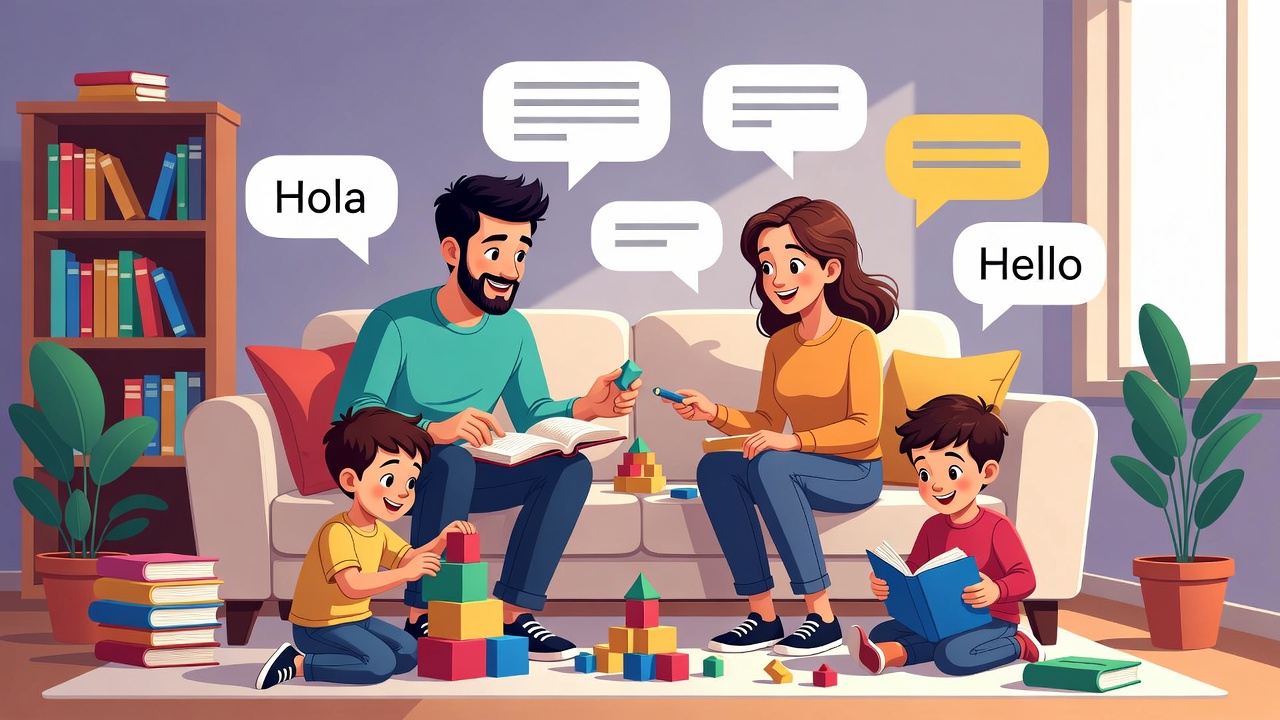
A Comprehensive Guide to Multilingual Parenting, Heritage Language Preservation, and Family Language Activities
Every February 21st, the world pauses to honor something profoundly intimate yet universally significant: our mother tongues. International Mother Language Day is not merely a date on the calendar—it is a global celebration of linguistic diversity, cultural identity, and the irreplaceable bond between language and heritage. For parents raising bilingual or multilingual children, this day offers a beautiful opportunity to reinforce language learning while celebrating family roots.
As someone who has spent decades traveling the globe documenting festivals and cultural traditions, I can tell you that language sits at the heart of every celebration I have ever witnessed. From the rhythmic Bangla poetry recited in Dhaka’s Shaheed Minar to the melodic French lullabies sung in Quebec’s winter festivals, mother language preservation shapes how communities connect across generations.
In this comprehensive guide, we will explore 10 practical tips for raising bilingual children at home while meaningfully celebrating International Mother Language Day. Whether you are a heritage language speaker hoping to pass your linguistic treasure to the next generation, or a monolingual parent eager to give your child the gift of bilingualism, this article will provide actionable strategies backed by research and real-world experience.
What Is International Mother Language Day and Why Does It Matter for Families?
International Mother Language Day, celebrated annually on February 21st, was first proclaimed by UNESCO on November 17, 1999. The day holds deep historical significance. It commemorates the 1952 Language Movement in Bangladesh, when students sacrificed their lives advocating for the recognition of Bengali (Bangla) as an official language. Their courage sparked a global movement recognizing that language is not merely a communication tool—it is identity itself.
According to UNESCO, there are approximately 8,324 languages spoken or signed worldwide, with around 7,000 still in active use. Yet this rich tapestry of human expression faces an alarming threat: every two weeks, a language disappears, taking with it an entire cultural and intellectual heritage.
For families, these statistics carry profound implications. When we raise children to speak our heritage languages, we are not simply teaching vocabulary and grammar. We are preserving culture, maintaining family bonds across generations, and giving our children cognitive advantages that will serve them throughout their lives.
The 2025 Silver Jubilee Celebration
The year 2025 marked a special milestone: the 25th anniversary of International Mother Language Day, celebrated with the theme “Languages matter: Silver Jubilee Celebration”. UNESCO’s anniversary events highlighted the importance of linguistic diversity and multilingualism in fostering dignity, peace, and understanding.
This quarter-century milestone serves as both celebration and call to action for families worldwide. Now is the time to embrace multilingual education in our homes.
The Science Behind Bilingual Child Development: What Research Tells Us
Before diving into practical tips, let’s examine why raising bilingual children is worth the effort. The cognitive benefits of bilingualism have been extensively studied, and the findings are remarkable.
Cognitive Advantages of Bilingual Children
Research published in the Proceedings of the National Academy of Sciences reveals that the bilingual brain can have better attention and task-switching capacities than the monolingual brain, thanks to its developed ability to inhibit one language while using another. This mental workout strengthens cognitive muscles in ways that extend far beyond language skills.
| Cognitive Benefit | Description | Research Finding |
|---|---|---|
| Enhanced Executive Function | Improved planning, problem-solving, and multitasking | Bilinguals show smaller global switch costs on cognitive tasks |
| Better Attention Control | Superior ability to focus and filter distractions | Benefits appear as early as 7 months of age |
| Improved Memory | Stronger working memory capacity | Managing two languages strengthens information storage and retrieval |
| Delayed Cognitive Decline | Protection against dementia and Alzheimer’s | Bilingualism can delay onset by several years |
| Increased Neural Plasticity | Greater brain flexibility and adaptability | Higher gray matter volume in key brain regions |
The benefits extend across the lifespan. Bilingualism has positive effects at both ends of the age spectrum: bilingual children as young as seven months can better adjust to environmental changes, while bilingual seniors experience less cognitive decline.
Social and Emotional Benefits
Beyond cognition, bilingualism offers profound social advantages. Research indicates that bilingual preschoolers seem to have somewhat better skills than monolinguals in understanding others’ perspectives, thoughts, desires, and intentions. This enhanced social understanding makes sense—bilingual children must navigate a complex world where different people speak different languages.
Young bilingual children also have enhanced sensitivity to certain features of communication such as tone of voice. This heightened awareness translates into stronger interpersonal skills and cultural competence.
How to Create a Bilingual Learning Environment at Home
Creating a supportive environment is foundational to successful bilingual parenting. The good news? You do not need expensive language lessons or immersion schools. With consistency and creativity, you can cultivate a multilingual household right in your living room.
Understanding Language Learning Strategies for Families
Several proven approaches exist for raising bilingual children. Choose the one that best fits your family’s circumstances:
1. One Parent, One Language (OPOL)
This classic approach works beautifully when each parent speaks a different native language. Each caregiver speaks one language consistently with the child, creating clear linguistic boundaries.
2. Minority Language at Home (ML@H)
When the community language dominates outside the home, families speak only the heritage language within the household. This protects the minority language from being overwhelmed by the majority tongue.
3. Mixed Languages at Home
Caregivers and kids all speak all languages simultaneously at home. It may sound confusing, but it works well in practice. Children are able to decipher very quickly what each language is.
4. Time and Place Strategy
Designate specific times (mornings, weekends) or locations (kitchen, grandparents’ house) for each language.
| Strategy | Best For | Considerations |
|---|---|---|
| OPOL | Families with bilingual parents | Requires consistency from each parent |
| ML@H | Heritage language preservation | Community language learned outside home |
| Mixed Languages | Highly bilingual families | Children naturally code-switch |
| Time/Place | Structured learners | Requires planning and routine |
10 Tips for Raising Bilingual Kids to Celebrate International Mother Language Day
Now let’s explore ten actionable strategies to celebrate International Mother Language Day while strengthening your child’s bilingual development. These tips combine cultural celebration with practical language learning.
Tip 1: Host a Heritage Language Storytelling Night for Children
Stories carry the soul of every language. On International Mother Language Day—and throughout the year—dedicate time to reading and telling stories in your heritage language.
Folk tales, fairy tales, and family stories passed down through generations contain vocabulary, cultural values, and emotional connections that textbooks cannot replicate. When you read Thakurmar Jhuli in Bengali, Cuentos de los Hermanos Grimm in Spanish, or Contes de Perrault in French, you are transmitting not just words but entire worldviews.
How to implement:
- Establish a weekly “story night” in your heritage language
- Use dress-ups and props to bring tales alive
- Encourage older children to read to younger siblings
- Record grandparents telling stories for repeated listening
- Create a family storybook with contributions from multiple generations
Read and tell stories in your heritage language, and encourage your child to join in. Use dress-ups and be creative!
Pro tip: Many libraries now offer books in multiple languages. Explore digital resources like the International Children’s Digital Library for free access to stories from around the world.
Tip 2: Cook Traditional Recipes Together in Your Mother Tongue
The kitchen serves as one of the most natural language learning environments. Cooking traditional family recipes while speaking your heritage language engages multiple senses and creates lasting memories associated with the language.
When you teach your child to make pierogi, samosas, tamales, or dumplings, you are teaching far more than cooking. You are passing down family history, cultural identity, and specialized vocabulary that might otherwise be lost.
Language learning through cooking activities:
- Name ingredients in the heritage language
- Give cooking instructions exclusively in the minority language
- Discuss family memories connected to each dish
- Learn measurement terms and cooking verbs
- Talk about the dish’s cultural significance
This approach works because everyday activities such as mealtimes, getting dressed, bath time, and playtime are all opportunities for talking, teaching, and providing quality language exposure.
International Mother Language Day activity idea: Create a “family recipe book” written entirely in your heritage language, with children illustrating their favorite dishes and writing ingredient lists as they develop literacy.
Tip 3: Create a Family Music Playlist in Multiple Languages
Music bypasses resistance to language learning in magical ways. A melody helps children memorize words and phrases that they wouldn’t otherwise be able to, and lyrics help to broaden vocabulary.
Build a multilingual music library including:
- Traditional children’s songs and nursery rhymes
- Contemporary pop music from heritage countries
- Folk songs that tell cultural stories
- Lullabies that grandparents sang
- Educational songs teaching colors, numbers, and concepts
Practical implementation:
- Create streaming playlists for each language
- Play heritage language music during car rides
- Learn songs together as a family activity
- Attend cultural concerts and music festivals
- Explore musical instruments from your heritage culture
For International Mother Language Day, host a “family karaoke night” featuring songs in your heritage language. Even teenagers who resist speaking the minority language often enjoy singing it.
Tip 4: Establish Video Call Traditions with Relatives Who Speak the Heritage Language
Technology has revolutionized heritage language maintenance. Regular video calls with grandparents, aunts, uncles, and cousins who speak your heritage language provide authentic, meaningful interaction that reinforces why the language matters.
“Being able to FaceTime a grandparent, sibling or cousin and have that back and forth with them in another language is so important.”
Making video calls effective for language learning:
- Schedule regular calls (weekly works well)
- Have relatives share stories from their childhood
- Let grandparents teach traditional songs or games
- Celebrate holidays together virtually
- Have children show-and-tell in the heritage language
International Mother Language Day celebration idea: Organize a virtual family gathering on February 21st where relatives from different countries share poems, songs, or stories in your mother tongue. Record the session to create a lasting family archive.
Tip 5: Transform Screen Time into Bilingual Learning Time
Many parents feel guilty about screen time. But if you allow screen-time for your bilingual child, use it to your advantage. Let your child watch programs and play games in the minority language to give them more exposure.
Strategies for productive bilingual screen time:
| Media Type | Language Learning Benefit | Examples |
|---|---|---|
| Cartoons | Natural speech patterns, vocabulary | Peppa Pig in Spanish, Masha and the Bear in Russian |
| Educational Apps | Interactive vocabulary building | Duolingo Kids, Gus on the Go |
| YouTube Channels | Songs, stories, cultural content | Super Simple Songs (multiple languages) |
| Streaming Services | Audio track switching | Netflix, Disney+ with heritage language audio |
| Video Games | Reading comprehension, problem-solving | Games with language setting options |
Pro tip: Change device language settings to your heritage language. This provides constant passive exposure and normalizes seeing the language in everyday contexts.
For International Mother Language Day, watch a beloved family film dubbed in your heritage language. Discuss the differences in expression and cultural nuances afterward.
Tip 6: Organize Heritage Language Playdates and Community Connections
Children learn language best through authentic social interaction. Look for schools, child care centres, playgroups and multilingual or bilingual programs where your child can use their heritage language. Organise playdates with other children who speak your child’s heritage language.
Building a bilingual community:
- Join or create heritage language playgroups
- Connect through cultural community centers
- Find weekend heritage language schools
- Attend cultural festivals and events
- Participate in religious services in your heritage language
Where to find bilingual community resources:
- Local cultural associations and community centers
- Heritage language churches, temples, or mosques
- Ethnic grocery stores (often have community boards)
- Social media groups for bilingual families
- Meetup.com groups for specific language communities
International Mother Language Day community event: Organize a neighborhood potluck where each family shares dishes and teaches phrases from their mother tongue. Celebrate the linguistic diversity in your own community.
Tip 7: Create a Heritage Language Learning Corner at Home
Physical environment matters for language learning. Designate a special space in your home dedicated to your heritage language filled with books, games, music, and cultural artifacts.
Elements of an effective heritage language corner:
- Books in the heritage language at various reading levels
- Posters with alphabet, numbers, common phrases
- Cultural items like dolls, puppets, or traditional crafts
- Music player for heritage language songs
- Games and puzzles in the heritage language
- Art supplies for creating bilingual projects
This dedicated space signals to children that the heritage language holds value and importance. It creates an immersive micro-environment where the minority language becomes the default.
International Mother Language Day decoration idea: Create a “language wall” featuring:
- The heritage language alphabet
- Family photos with captions in the heritage language
- A world map marking where the language is spoken
- Children’s artwork depicting cultural traditions
- Quotes from famous authors who wrote in that language
Tip 8: Practice Daily Routines and Activities in Your Heritage Language
Consistency trumps perfection in bilingual parenting. “Whether that’s listening to music in the car, watching cartoons on TV, going on playdates or reading,” aim for “consistency, not perfection.”
Integrating heritage language into daily routines:
| Daily Activity | Language Opportunity | Vocabulary Focus |
|---|---|---|
| Morning routine | Getting dressed | Clothing, body parts |
| Breakfast | Mealtime conversation | Foods, utensils |
| Car/Transit time | Music, audiobooks | Varied vocabulary |
| Bath time | Playful interaction | Body parts, water words |
| Bedtime | Stories, lullabies | Emotions, daily recap |
| Weekend activities | Extended conversations | Hobbies, nature |
Be intentional about ongoing verbal interactions about things, routines and events in your child’s life.
Pro tip: Use “language islands”—specific activities that always happen in the heritage language. This might be bath time, cooking dinner, or Saturday morning activities.
Tip 9: Celebrate Cultural Holidays and Traditions in Your Mother Tongue
Cultural celebrations provide powerful motivation for language learning. When children associate their heritage language with joyful celebrations, festive foods, and family togetherness, they develop positive emotional connections that sustain language learning through challenging periods.
Ideas for multilingual cultural celebration:
- Lunar New Year with Mandarin or Cantonese greetings and traditions
- Diwali with Hindi or Tamil prayers and stories
- Día de los Muertos with Spanish remembrances and foods
- Hanukkah with Hebrew blessings and songs
- Eid celebrations with Arabic or Urdu traditions
- Carnival with Portuguese or Spanish music and dance
These celebrations provide natural context for vocabulary that might otherwise seem abstract: religious terms, traditional foods, ceremonial objects, and family relationships.
International Mother Language Day as annual tradition: Make February 21st a family holiday dedicated to your mother tongue. Establish annual traditions such as:
- Reading a specific story or poem in the heritage language
- Preparing a special traditional meal together
- Video calling relatives in the home country
- Creating heritage language art projects
- Learning something new about the language’s history
Tip 10: Lead by Example and Stay Positive About Bilingual Parenting
The final and perhaps most important tip: your attitude shapes your child’s attitude toward the heritage language.
“The bilingualism of children should be a source of joy, both for parents and children, even if there are occasional moments of difficulties.” This perspective from renowned linguist François Grosjean captures the essence of successful bilingual parenting.
Maintaining positivity through challenges:
| Challenge | Positive Response |
|---|---|
| Child responds in dominant language | Continue speaking heritage language naturally |
| Vocabulary gaps in heritage language | Celebrate what they know, gently expand |
| Peer pressure to speak only majority language | Discuss bilingualism as a superpower |
| Feeling alone in the journey | Connect with other bilingual families |
| Frustration with slow progress | Remember language learning is a marathon |
Don’t lose heart or give up even if your child’s language proficiency or skills seem to fluctuate over time in their two languages. Some fluctuation is normal as children learn to navigate between both languages.
Leading by example:
- Let children see you enjoying books, music, and media in the heritage language
- Share your own language learning journey and struggles
- Express pride in your linguistic heritage openly
- Connect language to positive experiences consistently
- Celebrate bilingual achievements, no matter how small
Common Myths About Raising Bilingual Children Debunked
As you embark on your bilingual parenting journey, you will likely encounter well-meaning but misguided advice. Let’s address common myths with facts:
Myth 1: “Two Languages Will Confuse Your Child”
Reality: The notion that associating each language with a different person was the only way to prevent bilingual children from “confusion and intellectual fatigue” has been proven false. There is no evidence that bilingual children are confused by early bilingualism.
What observers sometimes perceive as confusion is actually code-mixing—switching between languages mid-sentence. This is a normal part of bilingual development and even a sign of bilingual children’s ingenuity.
Myth 2: “Bilingual Children Will Fall Behind in School”
Reality: While bilingual children may have smaller vocabularies in each individual language initially, they often have larger total vocabularies across both languages. More importantly, bilingual children showed smaller global switch costs than monolingual children on cognitive tasks, demonstrating enhanced executive function that supports academic success.
Myth 3: “It’s Too Late if You Didn’t Start from Birth”
Reality: While the brains of young children between ages 0-3 are uniquely suited to learn a second language as the brain is in its most flexible stage, language learning remains possible at any age. Children between four and seven represent the second optimal window, and meaningful benefits continue throughout childhood and beyond.
Myth 4: “You Need Perfect Fluency to Teach Your Child”
Reality: Even if you don’t speak the language your child is learning you can still help in multiple ways. One of the most important steps is to read to and with your child in the language that you do speak: strong literacy foundation in one language will have a powerful transfer effect on the acquisition of another.
Overcoming Challenges in Heritage Language Preservation
Despite best intentions, many families face obstacles in maintaining heritage languages. Understanding these challenges helps you prepare and persevere.
When Children Resist the Heritage Language
Resistance is common, especially when children enter school and realize the majority language dominates social life. Your child might be less willing to use their heritage language or languages as they get older. If this happens, try to keep using their heritage language with them, especially at home. Even if they start responding more in English, they’ll still benefit in the short and long term from hearing the language.
Strategies for resistance:
- Avoid turning language into a battlefield
- Create positive associations through fun activities
- Connect heritage language to things the child loves
- Arrange visits to countries where the language is spoken
- Celebrate cultural pride and identity
Balancing Multiple Languages
For families with more than two languages, balance becomes even more complex. Research suggests children need approximately 25-30 hours of exposure weekly to develop fluency in a minority language. When multiple minority languages compete, strategic planning becomes essential.
Tips for trilingual or multilingual families:
- Prioritize based on family circumstances
- Use different strategies for different languages
- Accept that proficiency levels may vary across languages
- Consider which languages have outside support (school, community)
- Remember: any language knowledge is valuable
International Mother Language Day Activities for Every Age
Celebrating International Mother Language Day works best when activities match developmental stages. Here are age-appropriate ideas:
For Babies and Toddlers (0-3 years)
- Sing lullabies and nursery rhymes in heritage language
- Read simple picture books daily
- Play peek-a-boo and patty-cake with heritage language words
- Name objects throughout the day
- Dance to heritage language music
For Preschoolers (3-5 years)
- Create heritage language alphabet art
- Cook simple traditional recipes together
- Watch age-appropriate cartoons in heritage language
- Attend cultural story time at library or community center
- Dress up in traditional clothing
For Elementary School Children (6-10 years)
- Research the history of International Mother Language Day together
- Write letters to relatives in heritage language
- Create a family newsletter in the heritage language
- Learn folk dances from your culture
- Start a heritage language journal or diary
For Tweens and Teens (11-17 years)
- Explore contemporary music and pop culture from heritage countries
- Connect with same-age relatives through social media in heritage language
- Read age-appropriate novels in heritage language
- Attend cultural events and performances
- Travel to heritage country if possible
Resources for Bilingual Families and Heritage Language Learning
Online Resources
| Resource Type | Examples | Languages |
|---|---|---|
| Streaming Services | Netflix, Disney+, YouTube Kids | Audio tracks in 30+ languages |
| Language Apps | Duolingo, Babbel, Gus on the Go | 40+ languages |
| Digital Libraries | International Children’s Digital Library | 60+ languages |
| Podcasts | Story Pirates translations, Little Stories for Tiny People | Growing selections |
| Online Classes | Outschool, italki Kids | Numerous languages |
Community Resources
- Cultural centers and community organizations
- Heritage language weekend schools
- Religious institutions offering services in heritage languages
- Public library foreign language collections
- Cultural festivals and events
Books About Bilingual Parenting
- Bilingualism in Development by Ellen Bialystok
- Raising Bilingual Children by Carey Myles
- The Bilingual Revolution by Fabrice Jaumont
- Growing Up with Two Languages by Una Cunningham-Andersson
The Future of Language Diversity: Why Your Efforts Matter
Your decision to raise bilingual children contributes to something far larger than your family. UNESCO believes in the importance of cultural and linguistic diversity for sustainable societies. It works to preserve the differences in cultures and languages that foster tolerance and respect for others.
When you teach your child your mother tongue, you are:
- Preserving cultural heritage for future generations
- Strengthening family bonds across borders
- Contributing to global linguistic diversity
- Giving your child cognitive and social advantages
- Building bridges between cultures
Languages are essential to education and sustainable development, serving as the primary means through which knowledge is transferred and cultures are preserved. Your home becomes a sanctuary where endangered linguistic traditions can thrive.
Final Thoughts: Celebrating Language as Living Heritage
International Mother Language Day reminds us that language is never merely a communication tool. It is the vessel carrying our ancestors’ wisdom, our cultural identity, and our connection to communities spanning the globe. When you raise bilingual children, you give them keys to multiple worlds.
The journey will have challenges. There will be days when your child responds only in English despite your persistent heritage language use. There will be moments of doubt about whether the effort is worthwhile. In those moments, remember: every word in the heritage language plants a seed that may flourish for generations.
As we celebrate International Mother Language Day, let us commit to nurturing the linguistic treasures in our homes. Let us cook traditional meals while chatting in our mother tongues, sing lullabies that our grandmothers sang to us, and read stories that have been told for centuries in languages that deserve to live for centuries more.
Your child’s bilingualism is not just a skill—it is a bridge connecting past to future, family to community, and culture to culture. That bridge is worth building, one word at a time.
Happy International Mother Language Day to bilingual families everywhere. May your mother tongues flourish in the hearts and voices of the next generation.
Frequently Asked Questions About Raising Bilingual Children
Q: At what age should I start teaching my child a second language?
A: The earlier, the better. Bilingually exposed infants excelled in detecting a switch in language as early as 6 months old. However, it is never too late to start—children can successfully learn languages at any age.
Q: How much exposure does my child need to become fluent in the heritage language?
A: Research suggests approximately 25-30 hours per week of meaningful exposure for strong fluency development. This includes conversation, media, reading, and community interaction.
Q: What if I’m not fluent in my heritage language?
A: You can still support your child’s bilingual development through cultural activities, connecting them with fluent speakers, and learning alongside them. Strong literacy in any language transfers benefits to additional language learning.
Q: Should I correct my child’s language mistakes?
A: When your child uses incorrect words or grammar, simply model the correct vocabulary and/or sentence structure in response to the child’s utterance. Avoid constant correction, which can discourage language use.
Q: Is code-mixing (switching between languages) a problem?
A: No. Code-mixing is normal and demonstrates sophisticated linguistic knowledge. Bilingual children learn to code-switch appropriately based on context.
Share this post with other bilingual families and help celebrate International Mother Language Day!