As the winter months give way to early spring, nearly two billion Muslims around the world prepare their hearts and homes for the most sacred month in the Islamic calendar. Ramadan 2026 approaches with its promise of spiritual renewal, communal bonds, and divine blessings. Whether you’re observing the holy month, planning travel, or simply seeking to understand this beautiful tradition, this comprehensive guide covers everything you need to know about the Ramadan 2026 calendar, including the expected start date, Eid al-Fitr celebrations, public holidays, and much more.
When Does Ramadan 2026 Start? Expected Start Date and Moon Sighting
The question on every Muslim’s mind as the Islamic month of Sha’ban draws to a close is simple yet profound: When does Ramadan 2026 begin?
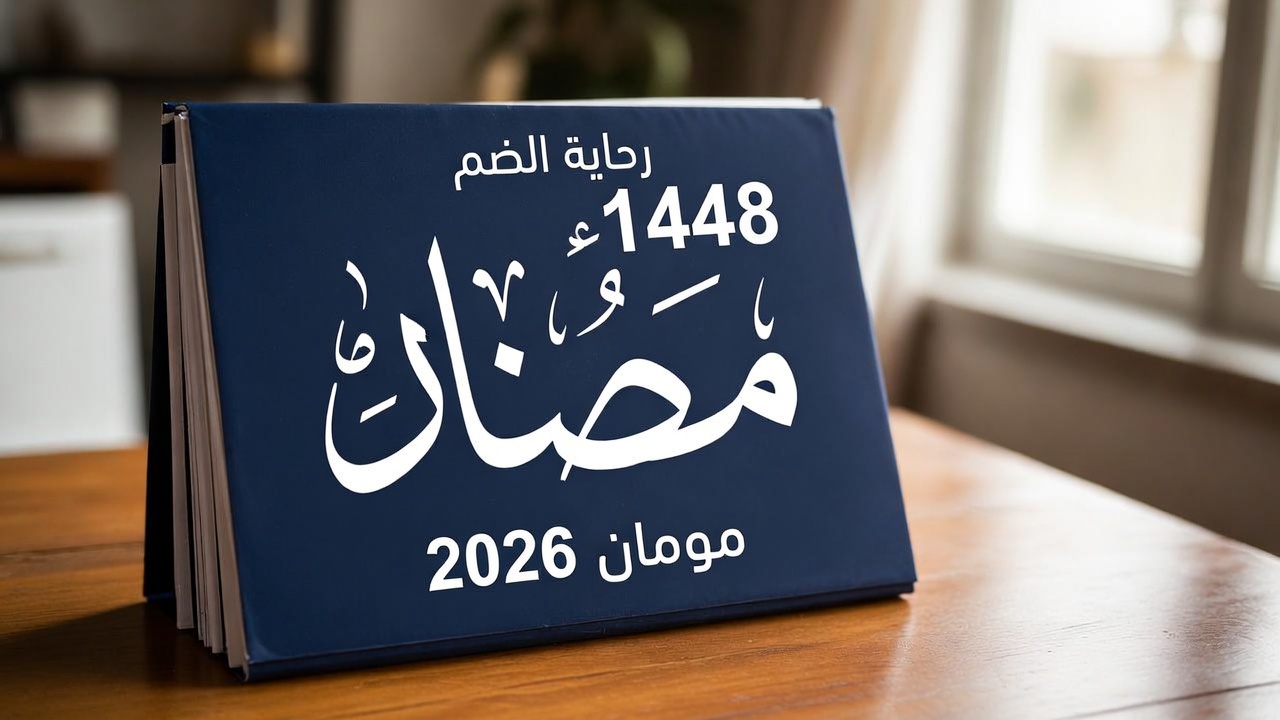
According to astronomical predictions and Islamic calendar calculations, Ramadan 2026 is expected to begin on the evening of Tuesday, February 17, 2026, with the first day of fasting falling on Wednesday, February 18, 2026. However, this date remains tentative until the official sighting of the crescent moon (hilal) confirms the start of the holy month.
The Islamic calendar follows the lunar cycle, which means each month begins with the sighting of the new moon. This practice traces back to the time of Prophet Muhammad (peace be upon him), who instructed his followers with these words that continue to guide Muslims today: “Fast when you see it (the new moon) and break your fast when you see it.”
Why Ramadan Dates Vary Each Year
If you’ve noticed that Ramadan seems to arrive earlier each year on the Gregorian calendar, you’re absolutely right. The Islamic lunar calendar is approximately 10 to 11 days shorter than the solar Gregorian calendar. This means Ramadan rotates through all seasons over a cycle of roughly 33 years, offering Muslims the experience of fasting during different times of the year—from the long summer days to the shorter winter hours.
Key dates to mark on your calendar:
| Event | Expected Date (2026) | Day of Week |
|---|---|---|
| First Taraweeh prayers | Evening of Feb 17 | Tuesday |
| First day of fasting | February 18 | Wednesday |
| Mid-Ramadan | Early March | — |
| Last 10 nights begin | March 9-10 | Monday/Tuesday |
| Laylat al-Qadr (27th night) | March 16 | Monday |
| Last day of Ramadan | March 19 | Thursday |
| Eid al-Fitr | March 20 | Friday |
Note: All dates are subject to moon sighting and may vary by one or two days depending on your location and local religious authority.
Ramadan 2026 Start Date by Country: Regional Variations Explained
One of the beautiful aspects of Ramadan is how it unites Muslims globally while respecting local traditions and astronomical observations. Due to geographical differences in moon visibility, Ramadan start dates can vary by country—sometimes by a day or two.
When Does Ramadan 2026 Start in Saudi Arabia and the Gulf States?
The United Arab Emirates has already confirmed that the Islamic month of Sha’ban began on January 20, 2026, setting the stage for Ramadan to commence around February 17-18, 2026. Dubai’s Islamic Affairs and Charitable Activities Department (IACAD) indicates the first fasting day will likely fall on February 18, 2026.
In Saudi Arabia, home to Islam’s two holiest cities—Mecca and Medina—Ramadan typically begins on the same date or a day earlier than other regions due to its geographical position. The Ministry of Islamic Affairs has already issued comprehensive mosque guidelines in preparation for the holy month.
Gulf Cooperation Council (GCC) countries generally coordinate their Ramadan schedules, though minor one-day variations remain possible:
| Country | Expected First Fast | Notes |
|---|---|---|
| Saudi Arabia | Feb 17-18, 2026 | Official moon committee decision |
| UAE | Feb 18, 2026 | IACAD confirmed |
| Qatar | Feb 17-18, 2026 | Follows regional coordination |
| Kuwait | Feb 17-18, 2026 | — |
| Bahrain | Feb 17-18, 2026 | — |
| Oman | Feb 17-18, 2026 | — |
Ramadan 2026 UK Start Date and Prayer Times
For Muslims living in the United Kingdom, Ramadan 2026 is expected to begin on Wednesday, February 18, 2026 or Thursday, February 19, 2026, depending on local mosque announcements and moon sighting confirmations.
The timing of Ramadan in the UK during late February and March brings relatively moderate fasting hours compared to summer months. Muslims will fast for approximately 11 to 13 hours daily, with fasting duration gradually increasing as the month progresses and days grow longer toward spring.
Sample fasting times for major UK cities (early Ramadan):
| City | Suhoor Ends | Iftar Begins | Approx. Fast Duration |
|---|---|---|---|
| London | ~5:45 AM | ~5:45 PM | 12 hours |
| Birmingham | ~5:50 AM | ~5:50 PM | 12 hours |
| Manchester | ~5:55 AM | ~5:55 PM | 12 hours |
| Glasgow | ~6:10 AM | ~5:35 PM | 11.5 hours |
| Cardiff | ~5:55 AM | ~5:55 PM | 12 hours |
Times are approximate and change daily. Consult your local mosque for precise timetables.
When Does Ramadan Start 2026 in USA and Canada
Muslims across North America can expect Ramadan 2026 to begin around February 17-18, 2026. Given the vast geographical span of the United States and Canada, fasting hours will vary significantly:
- New York: Approximately 11-12 hours of fasting
- Los Angeles: Approximately 11-12 hours of fasting
- Toronto: Approximately 11.5-12.5 hours of fasting
- Chicago: Approximately 11-12 hours of fasting
The February-March timing means North American Muslims will experience shorter, more manageable fasting hours compared to recent summer Ramadans.
Ramadan 2026 in Pakistan, India, and Bangladesh
The South Asian subcontinent, home to hundreds of millions of Muslims, typically observes Ramadan a day after Saudi Arabia due to moon visibility patterns:
- Pakistan: Expected start February 18, 2026
- India: Expected start February 18-19, 2026
- Bangladesh: Expected start February 18-19, 2026
In these regions, Ramadan transforms daily life. Bazaars fill with special foods, mosques overflow with worshippers, and the nights come alive with prayers and community gatherings.
Eid al-Fitr 2026 Date: When Is Eid ul-Fitr This Year?
After 29 or 30 days of fasting, prayer, and spiritual devotion, Muslims around the world celebrate Eid al-Fitr—the “Festival of Breaking the Fast.” This joyous occasion marks the end of Ramadan and the beginning of Shawwal, the tenth month of the Islamic calendar.
Eid al-Fitr 2026 is expected to fall on Friday, March 20, 2026, though this date may vary by a day depending on the length of Ramadan (29 or 30 days) and local moon sighting.
What Makes Eid al-Fitr Special?
Eid al-Fitr is one of only two major holidays (Eid) in the Islamic calendar, the other being Eid al-Adha. The festival carries profound significance:
Spiritual renewal: Eid represents the completion of a month-long spiritual journey. Muslims celebrate having fulfilled their obligation of fasting while thanking Allah for the strength and patience to do so.
Zakat al-Fitr: Before the Eid prayer, every Muslim who has the means must pay Zakat al-Fitr—a special charity that ensures even the poorest members of society can partake in the Eid celebrations. This typically amounts to the cost of one meal multiplied by each family member.
Community and family: Eid is fundamentally about togetherness. Families gather, new clothes are worn, gifts (Eidi) are exchanged, and special meals are shared.
Forbidden to fast: Unlike any other day of the year, fasting is actually prohibited on Eid al-Fitr. It’s a day divinely ordained for celebration and joy.
How Eid al-Fitr Is Celebrated Around the World
The essence of Eid remains the same globally, yet each culture adds its unique flavors and traditions:
In the Arab world, families visit one another, exchange greetings of “Eid Mubarak” (Blessed Eid), and enjoy sweet treats like ma’amoul (date-filled cookies) and kahk (Egyptian cookies). In the Gulf states, elaborate Eid breakfasts feature dishes like harees and thareed.
In South Asia, the morning begins with a special sheer khurma—a sweet vermicelli pudding made with milk, dates, and dried fruits. Children eagerly await Eidi (money gifts) from elders, and families visit ancestral graves to pay respects.
In Turkey, Eid al-Fitr is called Şeker Bayramı (Sugar Festival), emphasizing the sweet treats shared during the holiday. Baklava and Turkish delight grace every table.
In Indonesia and Malaysia, known as Hari Raya Aidilfitri, the celebration includes asking forgiveness from elders, wearing traditional attire (baju kurung and baju Melayu), and serving dishes like ketupat and rendang.
In the United States and Europe, Muslim communities gather in mosques, community centers, or rented venues for large Eid prayers, often followed by carnivals and food festivals.
Ramadan 2026 Public Holidays: Official Holiday Dates by Country
For those planning travel, business meetings, or simply trying to understand workplace dynamics during Ramadan and Eid, knowing the official public holidays is essential.
Ramadan and Eid Public Holidays in the UAE 2026
The United Arab Emirates designates the first three days of Shawwal (Eid al-Fitr) as public holidays:
| Holiday | Expected Dates | Days Off |
|---|---|---|
| Eid al-Fitr | March 20-22, 2026 | 3 days (Friday-Sunday) |
If Ramadan lasts 30 days rather than 29, the holiday may extend by an additional day. The timing creates a natural long weekend, perfect for travel and family gatherings.
During Ramadan itself, working hours are typically reduced:
- Public sector: Approximately 5 working hours per day
- Private sector: Maximum 6 working hours per day for Muslim employees
- Banks and government offices: Reduced operating hours
Saudi Arabia Public Holidays for Ramadan and Eid 2026
Saudi Arabia offers generous public holidays around Eid:
| Holiday | Expected Dates | Notes |
|---|---|---|
| Founding Day | Feb 22, 2026 | Coincides with early Ramadan |
| Eid al-Fitr | March 20-22, 2026 | Official 3-day holiday |
Workers who strategically use annual leave can extend the Eid al-Fitr break to five days or more.
Eid al-Fitr 2026 Holidays in Qatar, Kuwait, and Oman
Qatar: Eid al-Fitr holidays expected March 20-22, 2026
Kuwait: Eid al-Fitr holidays expected March 20-22, 2026
Oman: Extended 4-day break expected March 20-23, 2026
UK and US Observances
While Eid al-Fitr is not a federal public holiday in the United Kingdom or the United States, many employers accommodate Muslim employees with time off. Schools with significant Muslim populations often observe the holiday, and major cities host large community celebrations.
In the UK, calls for Eid to be recognized as an official bank holiday continue to grow as the Muslim population increases.
Laylat al-Qadr 2026: The Night of Power Explained
Within the sacred month of Ramadan lies a night so magnificent that the Quran dedicates an entire chapter to it. Laylat al-Qadr—the Night of Power, Night of Decree, or Night of Destiny—is considered the holiest night in the Islamic calendar.
When Is Laylat al-Qadr 2026?
The exact date of Laylat al-Qadr is not specified in Islamic texts. Instead, Muslims are encouraged to seek it during the odd-numbered nights of the last ten days of Ramadan: the 21st, 23rd, 25th, 27th, or 29th nights.
Many scholars consider the 27th night of Ramadan as the most likely date, which in 2026 would fall on the evening of Monday, March 16, 2026 (the night leading into March 17).
Expected odd nights of the last 10 days in 2026:
| Night | Expected Evening Date |
|---|---|
| 21st night | March 10, 2026 |
| 23rd night | March 12, 2026 |
| 25th night | March 14, 2026 |
| 27th night | March 16, 2026 |
| 29th night | March 18, 2026 |
Why Is Laylat al-Qadr So Significant?
The Quran declares this night “better than a thousand months” (Quran 97:3). To put this in perspective: sincere worship on this single night carries more reward than worshipping for over 83 years.
Several momentous events mark this night’s significance:
The Quran was revealed: On this blessed night in 610 CE, the Angel Jibreel (Gabriel) descended to the cave of Hira and delivered the first verses of the Quran to Prophet Muhammad (peace be upon him), beginning with “Iqra” (Read).
Divine decrees are determined: Islamic tradition holds that on this night, Allah determines the events of the coming year—provisions, lifespans, and destinies are written.
Angels descend: The Quran states that angels descend in such multitude on this night that they outnumber the pebbles on Earth, bringing peace until the break of dawn.
Past sins are forgiven: Prophet Muhammad (peace be upon him) said, “Whoever stands (in prayer) during Laylat al-Qadr with faith and seeking reward, his previous sins will be forgiven.”
How to Observe Laylat al-Qadr
Devout Muslims maximize their worship during the last ten nights through several practices:
I’tikaf (spiritual retreat): Many Muslims, following the Prophet’s example, spend the entire last ten days in the mosque, devoting themselves entirely to worship.
Extended night prayers: Beyond the regular Taraweeh prayers, Muslims perform additional voluntary prayers (tahajjud), sometimes praying throughout the entire night.
Quran recitation: The connection between Laylat al-Qadr and the Quran makes this an ideal time for intensive Quran reading and reflection.
Supplication (du’a): The Prophet (peace be upon him) taught his wife Aisha a special supplication for this night: “Allahumma innaka ‘afuwwun tuhibbul ‘afwa fa’fu ‘anni” (O Allah, You are Forgiving and love forgiveness, so forgive me).
Charitable giving: Since rewards are multiplied on this night, many Muslims choose to give their Zakat and Sadaqah during the last ten nights.
Signs of Laylat al-Qadr
Islamic tradition mentions subtle signs that may indicate Laylat al-Qadr:
- The night is calm and peaceful, neither excessively hot nor cold
- The following morning, the sun rises gently without strong rays, appearing almost like a brass plate
- A sense of tranquility and spiritual presence pervades the atmosphere
Ramadan Fasting Times 2026: Suhoor and Iftar Schedule
Understanding the daily fasting schedule is crucial for anyone observing Ramadan. The fast begins at Fajr (dawn) and ends at Maghrib (sunset), with two essential meals bookending the fast.
What Is Suhoor? The Pre-Dawn Meal Explained
Suhoor (also spelled Sehri or Sahur) is the pre-dawn meal eaten before the Fajr prayer. This meal is highly recommended in Islam, as the Prophet (peace be upon him) said, “Take suhoor, for in suhoor there is blessing.”
Tips for a nutritious Suhoor:
- Include complex carbohydrates (oats, whole grain bread) for sustained energy
- Add protein (eggs, yogurt, cheese) to stay fuller longer
- Include fresh fruits and vegetables for vitamins and hydration
- Drink plenty of water to stay hydrated throughout the day
- Avoid overly salty or fried foods that increase thirst
What Is Iftar? Breaking the Fast
Iftar is the evening meal that breaks the fast at sunset. Following the Sunnah, Muslims traditionally break their fast with dates and water before performing the Maghrib prayer, then enjoying a fuller meal afterward.
The moment of Iftar holds special spiritual significance. It’s considered a time when supplications are particularly likely to be accepted.
Traditional Iftar practices:
- Recite the du’a for breaking fast: “Dhahaba al-zama’ wa abtalat al-‘urooq wa thabata al-ajr in sha Allah” (Thirst has gone, the veins are moistened, and the reward is certain if Allah wills)
- Break the fast with an odd number of dates (preferably 3)
- Drink water or laban (buttermilk)
- Pray Maghrib
- Enjoy the main Iftar meal
Ramadan 2026 Fasting Hours by Location
Because Ramadan 2026 falls in late February and March, fasting hours will be relatively moderate for Muslims in the Northern Hemisphere:
| Location | Early Ramadan | Late Ramadan | Trend |
|---|---|---|---|
| London, UK | ~11 hours | ~13 hours | Increasing |
| New York, USA | ~11 hours | ~12.5 hours | Increasing |
| Dubai, UAE | ~12 hours | ~13 hours | Increasing |
| Karachi, Pakistan | ~12.5 hours | ~13.5 hours | Increasing |
| Jakarta, Indonesia | ~13 hours | ~13 hours | Stable |
| Sydney, Australia | ~14 hours | ~12.5 hours | Decreasing |
Muslims in the Southern Hemisphere will experience the opposite pattern, with fasting hours decreasing as autumn progresses.
The Five Pillars of Islam: Understanding Ramadan’s Place
To truly appreciate Ramadan, one must understand its position within the broader framework of Islamic practice. Ramadan fasting is one of the Five Pillars of Islam—the foundational acts of worship that define Muslim life.
The Five Pillars Explained
1. Shahada (Declaration of Faith) The testimony that “There is no god but Allah, and Muhammad is His Messenger.” This declaration marks one’s entry into Islam.
2. Salah (Prayer) The five daily prayers performed at specific times—Fajr (dawn), Dhuhr (midday), Asr (afternoon), Maghrib (sunset), and Isha (night).
3. Zakat (Almsgiving) The obligatory charity of 2.5% of one’s wealth, given annually to those in need.
4. Sawm (Fasting) Fasting during the month of Ramadan, from dawn to sunset.
5. Hajj (Pilgrimage) The pilgrimage to Mecca, required once in a lifetime for those physically and financially able.
Why Fasting Matters in Islam
Fasting during Ramadan serves multiple purposes:
Spiritual purification: By abstaining from physical needs, Muslims focus on spiritual nourishment and draw closer to Allah.
Self-discipline: Fasting strengthens willpower and self-control—qualities that extend beyond Ramadan into daily life.
Empathy for the less fortunate: Experiencing hunger creates genuine understanding of what the poor endure daily.
Gratitude: Going without reminds Muslims to appreciate the blessings they often take for granted.
Community bonding: Shared fasting creates a powerful sense of unity among Muslims worldwide.
Who Is Exempt from Fasting During Ramadan 2026?
Islam is a religion of mercy, and not everyone is required to fast. The following groups are exempt:
Children: Those who have not reached puberty are not obligated to fast, though many children practice partial fasting.
The elderly: Those who are too frail to fast safely.
Pregnant and breastfeeding women: If fasting poses a risk to mother or child. They should make up the fasts later or pay fidya (compensation).
Menstruating women: Women are exempt during their period and must make up the missed days afterward.
Travelers: Those on long journeys may postpone fasting and make up the days later.
The ill: Anyone whose health would be endangered by fasting. This includes chronic conditions like diabetes that require regular medication or food intake.
Ramadan Travel Guide 2026: Best Destinations to Experience the Holy Month
For those seeking to experience the spiritual atmosphere of Ramadan in its fullest expression, certain destinations offer particularly memorable experiences.
Experiencing Ramadan in Mecca and Medina
There is no holier place to observe Ramadan than Saudi Arabia’s sacred cities. The spiritual atmosphere in Mecca and Medina during Ramadan is unparalleled—millions gather for Taraweeh prayers in the Grand Mosque and the Prophet’s Mosque, and the air itself seems to shimmer with devotion.
What to expect:
- Massive iftar gatherings in the mosque courtyards
- The sound of the Quran echoing through the nights
- Shorter working hours and a slower pace of life
- Umrah pilgrimages combined with Ramadan observance
Dubai and the UAE During Ramadan
The United Arab Emirates offers a unique blend of tradition and modernity during Ramadan. Dubai’s “Season of Wulfa” (spirit of togetherness) transforms the city:
Ramadan tents: Elaborate iftar tents pop up across the city, from luxury hotels to community centers.
Cultural events: Museums, galleries, and cultural centers host special Ramadan programming.
Charitable initiatives: Large-scale iftar distributions feed thousands of workers and less fortunate residents.
Shopping festivals: Special Ramadan sales and extended evening shopping hours.
Istanbul: Where East Meets West
Turkey’s Ramadan traditions (called Ramazan) are steeped in Ottoman heritage. Istanbul’s historic mosques—especially the Blue Mosque and Süleymaniye—come alive with special prayers and traditions.
Turkish Ramadan highlights:
- Mahya: Illuminated messages strung between minarets
- Davul drummers waking neighborhoods for suhoor
- Special güllaç and pide breads
- Iftar cannons that traditionally signal sunset
Morocco: North African Traditions
Morocco offers an enchanting Ramadan experience. The medinas of Fez and Marrakech transform as the call to prayer echoes through ancient streets and the scent of harira (traditional soup) wafts from every home.
Ramadan Recipes and Food Traditions Around the World
Food plays a central role in Ramadan’s daily rhythm. While the essence of fasting emphasizes spiritual nourishment over physical, the meals that bookend each day carry their own significance and cultural richness.
Popular Iftar Foods by Region
Middle East:
- Dates and water (universally traditional)
- Sambousek (savory pastries)
- Fattoush and tabbouleh salads
- Hummus and falafel
- Grilled meats and rice dishes
South Asia:
- Pakoras and samosas (fried snacks)
- Dahi vada (lentil dumplings in yogurt)
- Chana chaat (chickpea salad)
- Haleem (slow-cooked wheat and meat)
- Rooh Afza (rose-flavored drink)
Southeast Asia:
- Kolak (sweet coconut dessert – Indonesia)
- Bubur lambuk (savory rice porridge – Malaysia)
- Kurma (fried rice noodles – Singapore)
- Fresh tropical fruits
North Africa:
- Harira (hearty soup – Morocco)
- Chorba (spiced soup – Algeria)
- Brik (stuffed pastries – Tunisia)
- Tagine dishes
Sweet Treats for Eid al-Fitr
Eid celebrations are synonymous with sweets:
- Sheer khurma (vermicelli pudding) – South Asia
- Ma’amoul (date-filled cookies) – Arab world
- Baklava – Turkey and the Levant
- Kahk – Egypt
- Gulab jamun – South Asia
- Kunafa – Middle East
How Non-Muslims Can Respectfully Engage During Ramadan
Ramadan offers beautiful opportunities for interfaith understanding and respect. If you’re a non-Muslim living in a Muslim-majority country or working alongside Muslim colleagues, here’s how to show respect:
In the Workplace
- Avoid eating or drinking openly in front of fasting colleagues when possible
- Be understanding of altered energy levels, especially in the afternoon
- Schedule important meetings for morning hours when energy is highest
- Wish colleagues “Ramadan Mubarak” (Blessed Ramadan) at the start of the month
In Public Spaces
In Muslim-majority countries, public eating, drinking, and smoking during daylight hours are often restricted by law during Ramadan:
- The UAE: Eating in public is prohibited and can result in fines
- Saudi Arabia: Strict restrictions apply; restaurants remain closed until iftar
- Malaysia and Indonesia: While laws vary, discretion is appreciated
Attending Iftar Invitations
If invited to an iftar gathering:
- Consider it an honor—such invitations reflect trust and friendship
- You’re not expected to fast, but arriving hungry shows solidarity
- Dress modestly and respectfully
- Observe others before eating; there’s usually a prayer before breaking fast
- Compliment the food and express gratitude
Ramadan 2026 Technology: Apps and Tools for Observing Muslims
Modern technology offers numerous tools to enhance the Ramadan experience:
Prayer Time and Fasting Apps
- Muslim Pro: Comprehensive app with prayer times, Quran, qibla direction
- Islamic Finder: Accurate prayer times based on location
- Athan: Prayer time notifications and Ramadan timetables
Quran Apps
- Quran.com: Clean interface with multiple translations
- iQuran: Offline Quran with audio recitation
- Tarteel: AI-powered Quran recitation helper
Charitable Giving Platforms
- LaunchGood: Muslim crowdfunding platform
- Islamic Relief: International humanitarian charity
- Muslim Aid: Global development organization
Preparing for Ramadan 2026: A Pre-Ramadan Checklist
The best Ramadan begins with preparation. Here’s how to ready yourself:
Spiritual Preparation
☐ Increase Quran reading in Sha’ban
☐ Practice voluntary fasts on Mondays and Thursdays
☐ Seek forgiveness and mend relationships
☐ Set specific spiritual goals for the month
☐ Create a du’a list of supplications
Practical Preparation
☐ Stock up on dates, dried fruits, and staples
☐ Plan iftar and suhoor menus
☐ Download prayer time apps and timetables
☐ Adjust sleep schedule gradually
☐ Clear your social calendar for evening prayers
Financial Preparation
☐ Calculate Zakat obligations
☐ Budget for Zakat al-Fitr
☐ Identify charitable causes to support
☐ Plan Eid gifts and expenses
Common Questions About Ramadan 2026
How long is Ramadan 2026?
Ramadan 2026 will last either 29 or 30 days, depending on the moon sighting. It is expected to run from approximately February 18 to March 19, 2026.
Can you drink water during Ramadan?
No. The fast requires abstaining from all food and drink, including water, from dawn (Fajr) until sunset (Maghrib).
What happens if you accidentally eat during Ramadan?
If a fasting person genuinely forgets they are fasting and eats or drinks, their fast remains valid according to most scholars. They should stop eating immediately upon remembering and continue the fast.
Is Ramadan only about fasting?
While fasting is the most visible aspect, Ramadan encompasses much more: increased prayer, Quran recitation, charity, self-reflection, and community building. The goal is comprehensive spiritual renewal.
Can you brush your teeth while fasting?
Yes, according to most scholars. However, one should be careful not to swallow water or toothpaste. Many Muslims prefer to brush teeth before Fajr and after iftar to avoid complications.
What if Ramadan falls during exams or important work?
Islam does not provide exemption from fasting for exams or work. However, the flexibility to make up missed fasts exists for travelers and the ill. Many students and professionals find that the discipline of fasting actually enhances focus and performance.
Looking Ahead: Ramadan 2027 Preview
For those already planning ahead, Ramadan 2027 is expected to begin in early February—around February 7-8, 2027—continuing the pattern of arriving roughly 10-11 days earlier each year. By 2027, Ramadan will firmly be a winter month in the Northern Hemisphere, bringing even shorter fasting hours.
Taraweeh Prayers During Ramadan 2026: A Spiritual Highlight
One of the most distinctive features of Ramadan is the nightly Taraweeh prayer—special congregational prayers performed after Isha (the night prayer) throughout the holy month. These prayers transform mosques into vibrant centers of community worship, with the melodious recitation of the Quran echoing into the night.
What Are Taraweeh Prayers?
Taraweeh comes from the Arabic word tarwiha, meaning “to rest and relax.” The prayer consists of multiple cycles (rakats), with brief pauses between every four rakats. While the number of rakats varies by tradition—ranging from 8 to 20 rakats—the spiritual essence remains constant: standing in prayer and listening to the beautiful recitation of Allah’s word.
When Do Taraweeh Prayers Begin in 2026?
Taraweeh prayers begin on the first night of Ramadan, which in 2026 is expected to be the evening of Tuesday, February 17, 2026. They continue every night until the eve of Eid al-Fitr.
Typical Taraweeh schedule:
- Isha prayer: Approximately 8:00-9:00 PM (varies by location)
- Taraweeh begins: Immediately after Isha
- Duration: 1-2 hours depending on the mosque
- Completion: Before midnight in most communities
The Khatm-ul-Quran Tradition
Many mosques aim to complete the entire recitation of the Quran during Taraweeh prayers over the course of Ramadan—a practice known as Khatm-ul-Quran. The Quran is divided into 30 parts (juz), with approximately one part recited each night. On the 27th or 29th night, when the recitation is completed, many communities hold special celebrations.
In Mecca’s Grand Mosque and Medina’s Prophet’s Mosque, these prayers draw millions of worshippers, creating one of the most spiritually charged atmospheres on Earth.
The Economics of Ramadan 2026: Business and Commerce
Ramadan significantly impacts economic patterns across Muslim-majority countries and communities worldwide. Understanding these dynamics is essential for businesses, travelers, and anyone engaging with these markets.
Retail and Shopping Trends
Consumer spending typically increases by 20-30% during Ramadan in Muslim-majority countries, despite the reduced working hours. This paradox stems from several factors:
Pre-Ramadan preparations: Families stock up on food, household items, and new clothing in the weeks leading up to Ramadan.
Eid shopping: The anticipation of Eid al-Fitr drives significant spending on gifts, new clothes, decorations, and specialty foods.
Evening economy: After iftar, shopping malls and markets in many countries remain open late into the night, sometimes until 2:00 or 3:00 AM.
Online shopping surge: E-commerce platforms report significant upticks in orders during Ramadan, particularly for food delivery and gift items.
Workplace Adjustments During Ramadan
Across the Gulf states and other Muslim-majority countries, labor laws mandate reduced working hours during Ramadan:
| Country | Public Sector Hours | Private Sector Hours |
|---|---|---|
| UAE | 5 hours/day | 6 hours maximum |
| Saudi Arabia | 5 hours/day | 6 hours maximum |
| Qatar | 6 hours/day | 6 hours maximum |
| Kuwait | 5 hours/day | 5-6 hours |
| Egypt | 6 hours/day | Flexible arrangements |
Business implications:
- Schedule important meetings for morning hours (typically 9:00-11:00 AM)
- Avoid afternoon meetings when energy levels are lowest
- Allow flexibility for employees performing religious duties
- Plan project timelines accounting for reduced productivity
Banking and Financial Services
Banks in Muslim countries typically operate reduced hours during Ramadan, though digital services continue 24/7. Many Muslims use this month to fulfill their Zakat obligations, leading to:
- Increased charitable fund transfers
- Higher activity on Islamic banking platforms
- Special Ramadan financial products and services
Health and Wellness During Ramadan 2026
Fasting from dawn to sunset requires thoughtful attention to health and nutrition. Medical research has shown that Ramadan fasting can offer health benefits when practiced mindfully, but it also requires certain precautions.
Hydration Strategies for Fasting
With only a limited window for hydration between iftar and suhoor, maintaining adequate fluid intake is crucial:
Recommended practices:
- Drink at least 8-10 glasses of water between iftar and suhoor
- Break your fast with water before any food
- Avoid excessive caffeine, which acts as a diuretic
- Include hydrating foods like watermelon, cucumbers, and soups
- Avoid very salty foods that increase thirst
Managing Common Fasting Challenges
Headaches: Common in the first few days, often due to caffeine withdrawal or dehydration. Gradually reduce caffeine intake before Ramadan and stay hydrated.
Fatigue: Normal, especially in the afternoon. If possible, take a short nap after Dhuhr prayer. The Prophet (peace be upon him) recommended afternoon rest (qailula).
Digestive issues: Avoid overeating at iftar, which can cause bloating and discomfort. Break the fast slowly and eat mindfully.
Blood sugar management: Diabetics should consult their healthcare provider before fasting. Islam explicitly exempts those whose health would be endangered.
Exercise During Ramadan
Physical activity can continue during Ramadan with adjustments:
- Best times: 1-2 hours after iftar or just before suhoor
- Intensity: Moderate rather than intense workouts
- Hydration: Extra attention to fluid intake post-exercise
- Type: Light cardio, walking, and stretching are ideal
Ramadan 2026 for Muslim Students and Professionals
Balancing the demands of fasting with academic or professional responsibilities requires strategy and planning. Here’s how Muslim students and working professionals can thrive during Ramadan 2026.
Tips for Students Fasting During Exams
February and March may coincide with exam periods for many students:
Academic strategies:
- Study during your peak energy hours (usually morning)
- Take breaks for prayer to refresh your mind
- Use the spiritual discipline of fasting to enhance focus
- Prepare healthy suhoor meals that support cognitive function
- Get adequate sleep even if adjusting your schedule
Foods that support brain function:
- Eggs and nuts (protein and healthy fats)
- Whole grains (sustained energy)
- Blueberries and other fruits (antioxidants)
- Fish (omega-3 fatty acids)
Professional Success During Ramadan
For working Muslims, Ramadan presents unique challenges and opportunities:
Time management tips:
- Front-load demanding tasks to morning hours
- Use prayer breaks strategically for mental refreshment
- Batch administrative tasks for lower-energy periods
- Communicate your schedule to colleagues and clients
Workplace communication:
- Brief supervisors about any accommodation needs
- Offer to adjust schedules (earlier starts, working through lunch)
- Be proactive about meeting deadlines despite shorter days
- Use Ramadan’s discipline to enhance productivity
Children and Ramadan 2026: Teaching the Next Generation
Introducing children to Ramadan creates lasting memories and instills important values. While fasting is not obligatory until puberty, many families gradually introduce children to the practice.
Age-Appropriate Participation
Ages 4-6:
- Teach the meaning and importance of Ramadan
- Include them in iftar and suhoor meals
- Involve them in decorating the home
- Read children’s books about Ramadan
Ages 7-9:
- Encourage partial fasting (half days or skipping lunch)
- Include them in meal preparation
- Teach simple Quran verses and duas
- Involve them in charitable activities
Ages 10-12:
- Support full-day fasting if they’re ready
- Introduce Taraweeh prayers (partial participation)
- Discuss the deeper spiritual significance
- Encourage reading about Islamic history
Creating Ramadan Traditions for Families
Meaningful family activities:
- Ramadan calendars with daily activities or treats
- Family Quran reading circles
- Cooking iftar together
- Making charitable donations as a family
- Creating Eid crafts and decorations
- Writing gratitude journals
Ramadan 2026 and Interfaith Dialogue
Ramadan presents unique opportunities for interfaith understanding and dialogue. Non-Muslim communities often engage positively with Muslim neighbors during this time.
Interfaith Iftar Gatherings
Many mosques and community centers host open iftar events welcoming non-Muslim guests. These gatherings promote understanding and build bridges between communities.
What to expect at an interfaith iftar:
- Brief explanation of Ramadan’s significance
- The call to prayer (adhan) at sunset
- Breaking the fast with dates and water
- A communal meal with traditional foods
- Opportunity for questions and dialogue
Common Ground Between Faiths
Ramadan’s themes resonate across religious traditions:
- Fasting: Present in Christianity (Lent), Judaism (Yom Kippur), and many other traditions
- Charity: A universal spiritual principle
- Self-discipline: Emphasized in virtually all spiritual paths
- Community: The importance of gathering in worship
- Compassion for the less fortunate: A shared value across faiths
Environmental Considerations During Ramadan 2026
An emerging conversation in Muslim communities addresses the environmental impact of Ramadan practices, with many advocating for more sustainable approaches.
Reducing Food Waste
Studies show that food waste increases significantly during Ramadan—a paradox given the month’s emphasis on appreciating sustenance. Solutions include:
- Plan meals carefully to avoid over-cooking
- Donate excess food to those in need
- Use leftovers creatively for subsequent meals
- Compost food scraps when possible
Sustainable Ramadan Practices
Environmentally conscious approaches:
- Choose reusable plates and utensils for large iftars
- Reduce plastic water bottle usage
- Support local and sustainable food sources
- Consider the environmental impact of Eid gifts
- Donate to environmental charities as part of Zakat
Final Thoughts: Embracing the Spirit of Ramadan 2026
As Ramadan 2026 approaches, Muslims worldwide prepare not merely for a month of fasting, but for a transformative spiritual journey. The hunger and thirst experienced during daylight hours serve as constant reminders of life’s fleeting nature and the importance of gratitude, compassion, and faith.
Whether you’re a Muslim preparing for this sacred month, a non-Muslim seeking to understand and respect your neighbors and colleagues, or simply someone curious about one of humanity’s great spiritual traditions, may this guide serve you well.
The beauty of Ramadan lies not in any single aspect but in the holistic transformation it offers—body, mind, and soul coming together in devotion, community united in purpose, and hearts opened to divine mercy.
Ramadan Mubarak—May you have a blessed Ramadan.
This article was carefully researched using information from Islamic Relief, Muslim Aid, IslamicFinder, and other authoritative sources. Dates are subject to official moon sighting confirmations. Always consult your local mosque or Islamic center for the most accurate information specific to your community.