Your Complete Guide to the Islamic Calendar, Moon Sighting, Fasting Rules, and Cultural Celebrations
The anticipation is building across the global Muslim community. Over 2 billion Muslims worldwide are preparing for one of the most sacred periods in the Islamic calendar. The question on everyone’s mind: When does Ramadan 2026 start?
In this comprehensive guide, we’ll explore everything you need to know about Ramadan 2026 dates, from the expected start and end times to the profound spiritual significance of this holy month. Whether you’re a Muslim preparing for fasting, a traveler planning to visit Muslim-majority countries, or simply curious about Islamic traditions, this guide will provide you with all the essential information.
When Does Ramadan 2026 Start and End?
The Ramadan 2026 start date is expected to fall on the evening of Tuesday, February 17, 2026, with the first day of fasting beginning on Wednesday, February 18, 2026. According to the Fiqh Council of North America, the astronomical new moon will be born on the evening of February 17, 2026, marking the beginning of this sacred month.
However, it’s crucial to understand that exact dates may vary slightly depending on the official moon sighting in different regions.
Key Ramadan 2026 Dates at a Glance
| Event | Expected Date | Notes |
|---|---|---|
| First Day of Ramadan | February 17-19, 2026 | Depends on regional moon sighting |
| Saudi Arabia Start | February 18, 2026 | Based on astronomical calculations |
| India/Pakistan Start | February 19, 2026 | May differ by one day |
| Laylat al-Qadr (27th night) | March 16-17, 2026 | Most likely date |
| Last Day of Ramadan | March 18-20, 2026 | Subject to moon sighting |
| Eid al-Fitr | March 19-21, 2026 | Varies by region |
This year, Ramadan falls in the Islamic year 1447 AH (Anno Hegirae), which translates to “in the year of the Hijrah,” referring to the Prophet Muhammad’s historic migration from Makkah to Madinah.
Why Do Ramadan Dates Change Every Year?
One of the most common questions people ask is: Why does Ramadan move earlier each year on the Gregorian calendar?
The answer lies in the Islamic lunar calendar system. Unlike the solar-based Gregorian calendar we use today, the Islamic (Hijri) calendar consists of twelve lunar months within a year of approximately 354 or 355 days. This makes the Islamic year about 10-11 days shorter than the solar year.
Understanding the Lunar Calendar System
According to National Geographic, each Islamic month begins with the sighting of a new crescent moon. The moon completes its cycle in approximately 29.5 days, which means some Islamic months will have 29 days while others will have 30 days.
Key features of the Islamic calendar:
- 12 lunar months per year
- Each month begins with the crescent moon sighting
- Months alternate between 29 and 30 days
- The calendar rotates through all seasons over a 33-year cycle
- Significant dates shift approximately 11 days earlier each Gregorian year
This rotation means that Muslims experience Ramadan in different seasons throughout their lives. A Muslim born today will fast during summer, winter, spring, and fall Ramadans over the course of their lifetime.
The Sacred Significance of Moon Sighting in Ramadan
The tradition of moon sighting for Ramadan (known as hilal in Arabic) is deeply rooted in Islamic practice and has profound spiritual significance.
Traditional Moon Sighting Methods
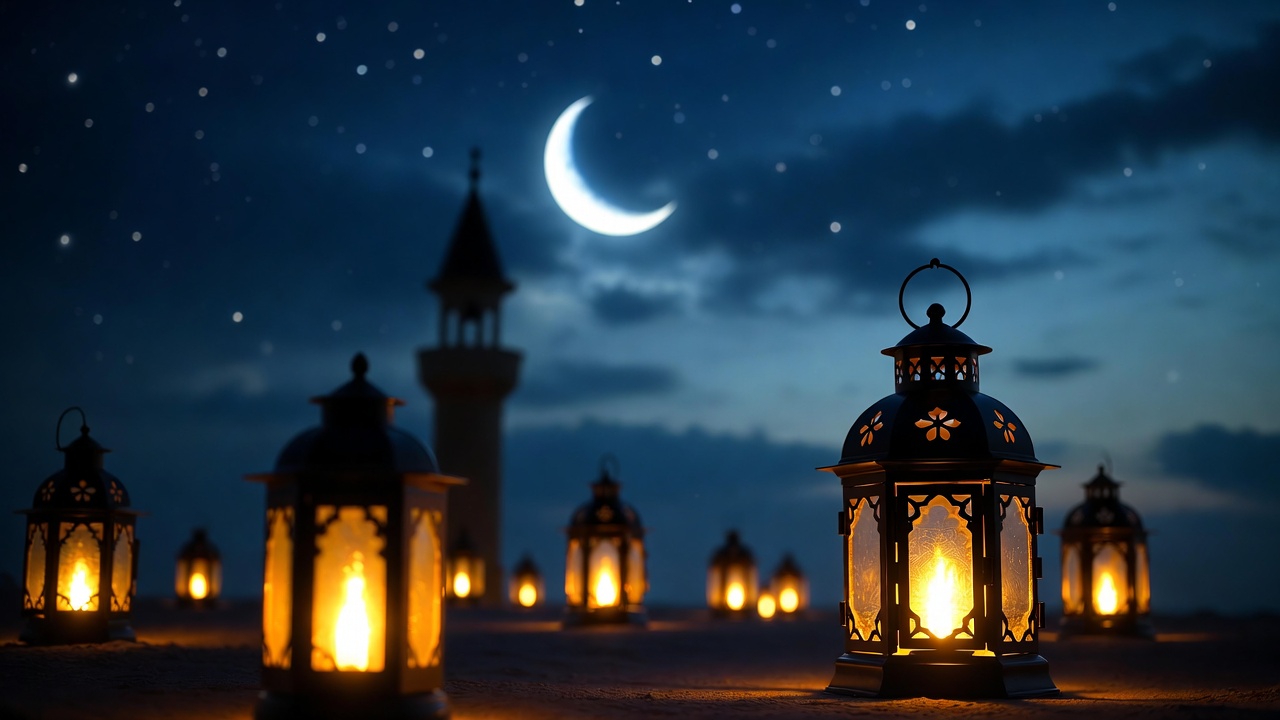
On the 29th day of Sha’ban (the month preceding Ramadan), astronomers and observers around the world search the evening skies. The thin sliver of the waxing crescent moon typically appears near the horizon, within 20-30 minutes of sunset.
If the crescent is sighted:
- The next day marks the first day of Ramadan
- Tarawih prayers begin that evening
If the moon is not visible:
- The following day becomes the 30th of Sha’ban
- Ramadan begins the day after
According to the International Astronomy Centre, astronomers in the UAE recently captured detailed images of the Sha’ban crescent moon, using advanced astronomical imaging techniques to help determine the start of lunar months.
Modern Approaches to Determining Ramadan Start Date
Today, Muslim communities use different methods to determine when Ramadan begins:
| Method | Description | Used By |
|---|---|---|
| Local Moon Sighting | Physical observation of crescent in local area | Traditional communities, UK New Crescent Society |
| Saudi Arabia Sighting | Following the Saudi Supreme Court announcement | Many countries globally |
| Astronomical Calculation | Using mathematical predictions of moon position | Turkey, Malaysia, Fiqh Council of North America |
| Global Moon Sighting | Accepting sighting from anywhere in the world | Some Islamic scholars |
This diversity explains why Ramadan may begin on different days in different countries. A Muslim family in New York might begin fasting on a different day than relatives in Karachi or Cairo.
What Is Ramadan and Why Is It Important?
Ramadan is the ninth month of the Islamic calendar and holds immense spiritual significance for Muslims worldwide. According to Britannica, it is the month in which the Quran was first revealed to the Prophet Muhammad (peace be upon him).
The Five Pillars of Islam Connection
Fasting during Ramadan (Sawm) is one of the Five Pillars of Islam, the fundamental acts of worship that form the foundation of Muslim life:
- Shahada – Declaration of faith
- Salah – Five daily prayers
- Zakat – Obligatory charity
- Sawm – Fasting during Ramadan
- Hajj – Pilgrimage to Makkah
As stated in the Quran (Surah Al-Baqarah 2:183): “O you who believe! Fasting is prescribed to you as it was prescribed to those before you, that you may (learn) self-restraint.”
Spiritual Goals of Ramadan Fasting
The purpose of Ramadan extends far beyond abstaining from food and drink. Muslims use this holy month to:
- Strengthen their connection with Allah
- Practice self-discipline and self-control
- Develop empathy for those less fortunate
- Engage in increased prayer and Quran recitation
- Give generously to charity
- Seek forgiveness for past sins
- Build community through shared meals and prayers
Ramadan Fasting Rules and Requirements
Understanding the rules of fasting during Ramadan is essential for those observing this sacred practice.
What Does Fasting Entail?
According to Islamic Relief UK, fasting during Ramadan means abstaining from the following from dawn (Fajr) to sunset (Maghrib):
- Food of any kind
- Liquids including water
- Smoking and tobacco products
- Sexual relations
- Immoral behavior such as lying, gossip, and anger
Fasting is considered an act of deeply personal worship that brings Muslims closer to God. According to Wikipedia’s article on Ramadan fasting, it helps acknowledge Allah as the source of all sustenance.
Who Is Exempt from Fasting?
Islam recognizes that fasting can be challenging for certain individuals. The following groups are exempted from obligatory fasting:
| Category | Requirement |
|---|---|
| Children who haven’t reached puberty | No fasting required |
| Elderly who cannot fast safely | Pay Fidya (feed one poor person per day missed) |
| Pregnant or breastfeeding women | Make up fasts later or pay Fidya |
| Menstruating women | Make up missed days after Ramadan |
| Travelers on long journeys | Make up fasts later |
| Those who are ill | Make up fasts when healthy, or pay Fidya if chronic |
| People with mental health conditions | Exempt based on severity |
As the Quran states (2:185): “Allah intends ease for you, not hardship.”
Suhoor and Iftar: The Two Sacred Meals of Ramadan
The daily routine during Ramadan revolves around two important meals that bookend each day of fasting.
Understanding Suhoor (Pre-Dawn Meal)
Suhoor (also spelled Sehri, Sahur, or Sahari) is the pre-dawn meal consumed before the Fajr (dawn) prayer. This meal is highly recommended in Islamic tradition and carries significant spiritual merit.
Best practices for Suhoor:
- Eat during the last half hour before dawn
- Choose high-fiber foods for sustained energy
- Stay well-hydrated with plenty of water
- Include protein and complex carbohydrates
- Avoid overly salty or sugary foods
The Prophet Muhammad (peace be upon him) said: “Take Suhoor, for there is blessing in it” (Bukhari).
Breaking Fast with Iftar
Iftar is the evening meal that breaks the daily fast immediately after sunset. According to Brandeis University’s guide on Ramadan, it is traditional to break the fast with dates and water, following the Sunnah (practice) of the Prophet Muhammad.
Traditional Iftar practices:
- Break fast with an odd number of dates (typically 3)
- Drink water or milk
- Perform the Maghrib prayer
- Enjoy a larger meal after prayer
- Gather with family and community
Popular Iftar Foods Around the World
Different cultures celebrate Iftar with unique culinary traditions:
| Region | Popular Iftar Foods |
|---|---|
| Middle East | Dates, hummus, falafel, lamb dishes, baklava |
| South Asia | Samosas, pakoras, fruit chaat, biryani |
| Southeast Asia | Nasi lemak, satay, kuih, bubur |
| North Africa | Harira soup, tajine, couscous, msemen |
| Turkey | Pide bread, lentil soup, kebabs, güllaç |
Tarawih Prayers: Special Nightly Worship
One of the most distinctive aspects of Ramadan is the Tarawih prayer, a special voluntary prayer performed every night during the holy month.
What Are Tarawih Prayers?
Tarawih comes from the Arabic word meaning “to rest and relax.” These prayers are performed in congregation at mosques after the Isha (night) prayer, typically consisting of 8 to 20 rakats (units of prayer).
Key aspects of Tarawih:
- Performed every night of Ramadan
- Usually includes recitation of the entire Quran over the month
- Takes approximately 1-2 hours depending on the mosque
- Creates a powerful sense of community
- Considered Sunnah (strongly recommended) but not obligatory
According to IslamicFinder, the Prophet Muhammad said: “Whoever established prayers on the night of Qadr out of sincere faith and hoping for a reward from Allah, then all his previous sins will be forgiven.”
Laylat al-Qadr 2026: The Most Powerful Night
Among all the blessed nights of Ramadan, Laylat al-Qadr (the Night of Power) holds unparalleled significance. According to the Quran, this single night is “better than a thousand months” (Surah Al-Qadr 97:3).
When Is Laylat al-Qadr in 2026?
Laylat al-Qadr 2026 is expected to fall on one of the odd-numbered nights in the last ten days of Ramadan. The most widely accepted date is the 27th night of Ramadan, which in 2026 is expected to be the evening of March 16-17, 2026.
According to Islamic Relief UK, Muslims should focus on the last ten nights of Ramadan, especially the odd nights:
| Ramadan Night | Expected 2026 Date |
|---|---|
| 21st Night | March 10, 2026 |
| 23rd Night | March 12, 2026 |
| 25th Night | March 14, 2026 |
| 27th Night | March 16, 2026 (most likely) |
| 29th Night | March 18, 2026 |
The Significance of the Night of Power
Laylat al-Qadr commemorates the night when the Quran was first revealed to Prophet Muhammad in the Cave of Hira. According to Wikipedia, this night marks when the angel Gabriel (Jibreel) descended with the first verses of divine revelation.
Why is this night so special?
- Worship on this night is rewarded more than 83 years of worship
- Angels descend to Earth in great numbers
- It is a night of peace until dawn
- Sins are forgiven for those who pray sincerely
- Divine decrees for the coming year are determined
Signs of Laylat al-Qadr
The Prophet Muhammad (peace be upon him) described several signs that may indicate Laylat al-Qadr:
- The sun rises without rays the following morning, appearing like a brass dish
- The night is calm and pleasant, neither hot nor cold
- There is a sense of profound peace and tranquility
- The moon may have a distinctive appearance
Health Benefits of Ramadan Fasting
Modern scientific research has begun to validate what Muslims have practiced for over 1,400 years. Ramadan fasting offers numerous health benefits when practiced correctly.
Scientific Studies on Ramadan Fasting
According to research published in the National Institutes of Health, Ramadan fasting has shown several health-protective effects:
Metabolic Benefits:
| Benefit | Description |
|---|---|
| Weight reduction | Studies show decreased body weight during Ramadan |
| Improved lipid profile | Reduced total cholesterol and triglycerides |
| Better glucose homeostasis | Improved insulin sensitivity |
| Cardiovascular improvements | Lower blood pressure and improved heart health markers |
Ramadan Fasting and Chronic Disease Risk
A 2024 metabolomics study reported by News Medical found that Ramadan fasting is associated with favorable metabolic changes concerning the risk of some chronic diseases, including potential reduced risk of certain cancers.
Additional health benefits documented include:
- Reduced inflammation markers
- Lower oxidative stress
- Improved liver function
- Positive effects on gut microbiota
- Beneficial impact on autophagy (cellular cleaning process)
According to the Open Access Macedonian Journal of Medical Sciences, Ramadan fasting is beneficial for the growth of gut microbiota and gene expression and is believed to impact the body’s autophagy process.
Important Health Considerations
While fasting is generally safe for healthy individuals, certain people should consult healthcare providers before fasting:
- Those with diabetes (especially insulin-dependent)
- People with cardiovascular conditions
- Those taking time-sensitive medications
- Pregnant or breastfeeding women
- Athletes with intensive training schedules
Zakat and Charity During Ramadan
Charitable giving is deeply intertwined with the spirit of Ramadan. Muslims are encouraged to be especially generous during this holy month.
Understanding Zakat (Obligatory Charity)
Zakat is one of the Five Pillars of Islam and requires Muslims who meet a minimum threshold of wealth (nisab) to donate 2.5% of their savings annually.
Key aspects of Zakat:
- Obligatory for all qualifying Muslims
- Typically calculated on savings held for one lunar year
- Often paid during Ramadan for multiplied rewards
- Benefits eight categories of recipients defined in the Quran
Zakat al-Fitr: The Special Ramadan Charity
Zakat al-Fitr (also called Fitrana) is a special charitable donation that must be paid before Eid prayer. According to IslamicFinder, this charity enables underprivileged Muslims to celebrate Eid al-Fitr.
Key features of Zakat al-Fitr:
- Due from every Muslim (head of household pays for dependents)
- Must be paid before the Eid prayer
- Amount typically equals the cost of one meal per person
- Purpose is to purify the fast and help the poor celebrate
Sadaqah: Voluntary Charity
Beyond obligatory giving, Muslims are encouraged to give Sadaqah (voluntary charity) throughout Ramadan. The Prophet Muhammad (peace be upon him) was described as being “more generous than the blowing wind” during Ramadan.
Eid al-Fitr 2026: Celebrating the End of Ramadan
The conclusion of Ramadan is marked by one of Islam’s most joyous celebrations: Eid al-Fitr, the “Festival of Breaking the Fast.”
When Is Eid al-Fitr 2026?
Eid al-Fitr 2026 is expected to begin on Friday, March 20, 2026, with celebrations extending through March 21-22, depending on moon sighting in different regions. According to Islamic Relief UK, Eid officially begins after the crescent moon of Shawwal is sighted.
How Muslims Celebrate Eid al-Fitr
Eid celebrations typically include:
- Performing Ghusl (ritual bath) in the morning
- Wearing new or best clothes
- Eating something sweet before prayer (often dates)
- Attending Eid prayer at the mosque or outdoor prayer ground
- Exchanging “Eid Mubarak” greetings (meaning “Blessed Eid”)
- Visiting family and friends
- Sharing festive meals
- Giving gifts (especially to children, called Eidi)
Eid Traditions Around the World
According to Wikipedia, Eid celebrations vary beautifully across cultures:
| Region | Unique Traditions |
|---|---|
| Indonesia | Mudik (homecoming journey), ketupat rice cakes |
| Turkey | Şeker Bayramı (Sugar Festival), baklava and Turkish delight |
| Egypt | Kahk cookies, fanoos lanterns |
| South Asia | Sheer khurma pudding, henna designs, Eidi money |
| Morocco | Eid es-Seghir, new clothes for children |
| UAE | Majlis gatherings, dates with Arabic coffee |
| Nigeria | Egungun masquerades, suya grilled meat |
Traveling During Ramadan 2026: Best Destinations
For many travelers, experiencing Ramadan in a Muslim-majority country offers a unique cultural and spiritual opportunity.
Top Destinations for Ramadan 2026
According to various travel sources including Almosafer and Drift Travel, these destinations offer exceptional Ramadan experiences:
1. Turkey – Istanbul
Why visit: Historic mosques like the Blue Mosque and Süleymaniye host nightly Tarawih prayers. Evening iftars beneath traditional Turkish lanterns create magical atmospheres.
Unique experience: Traditional drummers (davulcu) walk through neighborhoods before dawn to wake people for Suhoor.
2. Egypt – Cairo
Why visit: The historic Al-Azhar Mosque offers profound spiritual experiences. The Khan el-Khalili bazaar comes alive after iftar with communal meals and traditional entertainment.
Unique experience: Beautiful Ramadan lanterns (fanoos) decorate streets and homes throughout the city.
3. Malaysia – Kuala Lumpur
Why visit: Famous Ramadan bazaars serve incredible variety of local foods. The blend of Islamic culture with Southeast Asian traditions creates a unique atmosphere.
Unique experience: Visit the stunning Masjid Negara (National Mosque) for Tarawih prayers.
4. Morocco – Marrakesh
Why visit: Less crowded than usual, with beautiful decorations and evening festivities. Traditional Harira soup and mint tea after iftar.
Unique experience: Breaking fast in the Jemaa el-Fnaa square as the call to prayer echoes across the medina.
5. United Arab Emirates
Why visit: Luxury iftar experiences at world-class hotels. Modern amenities combined with traditional Arabian hospitality.
Unique experience: Ramadan tents offering traditional meals and shisha after sunset.
Tips for Non-Muslim Travelers During Ramadan
If you’re traveling to Muslim countries during Ramadan, consider these guidelines:
- Dress modestly and respectfully
- Avoid eating, drinking, or smoking in public during fasting hours
- Be patient with adjusted business hours
- Accept iftar invitations if offered – it’s a special honor
- Experience the night markets and evening atmosphere
- Wish everyone “Ramadan Mubarak” or “Ramadan Kareem”
The Global Muslim Population Observing Ramadan
The scale of Ramadan observance is truly remarkable. According to Time Prayer statistics, approximately 2.06 billion Muslims around the world will observe Ramadan in 2026, representing over 25% of the world’s population.
Countries with the Largest Muslim Populations
Based on data from World Population Review, the countries with the highest Muslim populations are:
| Rank | Country | Muslim Population | % of Population |
|---|---|---|---|
| 1 | Indonesia | 242 million | 87% |
| 2 | Pakistan | 235 million | 97% |
| 3 | India | 213 million | 15% |
| 4 | Bangladesh | 150 million | 90% |
| 5 | Nigeria | 124 million | 50% |
| 6 | Egypt | 87.5 million | 90% |
| 7 | Iran | 82.5 million | 99% |
| 8 | Turkey | 79.9 million | 98% |
| 9 | Algeria | 41.2 million | 99% |
| 10 | Sudan | 39.6 million | 91% |
Islam: The Fastest-Growing Religion
According to Pew Research Center, Islam is the world’s fastest-growing religion. The Muslim population is projected to reach approximately 2.8 billion by 2050, comprising about 30% of the world’s population.
Preparing for Ramadan 2026: A Comprehensive Checklist
As the holy month approaches, here’s how Muslims can prepare spiritually, physically, and practically:
Spiritual Preparation
- [ ] Increase Quran recitation in the weeks before Ramadan
- [ ] Make sincere repentance (Tawbah) for past sins
- [ ] Set spiritual goals for the month
- [ ] Learn new duas (supplications)
- [ ] Mend relationships and seek forgiveness from others
- [ ] Research local mosque schedules for Tarawih
Physical Preparation
- [ ] Gradually adjust sleep schedule a week before Ramadan
- [ ] Reduce caffeine intake to minimize withdrawal headaches
- [ ] Stock up on healthy foods for Suhoor and Iftar
- [ ] Schedule any necessary medical appointments before the month
- [ ] Consult healthcare provider if you have health conditions
Practical Preparation
- [ ] Calculate and plan Zakat payments
- [ ] Prepare Zakat al-Fitr amount
- [ ] Plan Eid celebrations and gifts in advance
- [ ] Clear major work obligations where possible
- [ ] Download helpful apps for prayer times and Quran recitation
Ramadan 2026 Prayer Timetable Considerations
Prayer times during Ramadan are crucial for knowing exactly when to begin and end the daily fast.
Understanding Fasting Hours
The length of the fasting day varies significantly based on geographic location and season. In 2026, with Ramadan falling in February-March, fasting hours will be:
| Location | Approximate Fasting Hours |
|---|---|
| London, UK | 12-13 hours |
| New York, USA | 12-13 hours |
| Dubai, UAE | 13-14 hours |
| Jakarta, Indonesia | 13 hours |
| Sydney, Australia | 13-14 hours |
| Oslo, Norway | 13-15 hours |
| Cape Town, South Africa | 13 hours |
Finding Accurate Prayer Times
For accurate prayer times in your location, use reliable sources such as:
- AlAdhan.com – Ramadan Calendar
- IslamicFinder.org – Islamic Calendar
- Local mosque websites and community calendars
- Muslim prayer time apps like Muslim Pro or Athan
Common Questions About Ramadan 2026
Is the Ramadan 2026 date confirmed?
The predicted date for Ramadan 2026 is February 17-18, 2026, based on astronomical calculations. However, the exact date will be confirmed through official moon sighting committees closer to the time. Different countries may begin on slightly different days based on local moon sighting practices.
How many days will Ramadan 2026 last?
Ramadan typically lasts 29 or 30 days, depending on the lunar cycle. In 2026, Ramadan is expected to last approximately 30 days, ending around March 18-19, 2026.
What if I accidentally eat or drink during fasting hours?
According to Islamic scholars, if someone unintentionally eats or drinks while fasting (genuinely forgetting they were fasting), the fast remains valid. They should stop eating/drinking immediately upon remembering and continue their fast.
Can I brush my teeth while fasting?
Yes, Muslims can brush their teeth while fasting. However, it’s recommended to be careful not to swallow any water or toothpaste. Many scholars advise using a miswak (traditional tooth stick) or brushing without toothpaste to be on the safe side.
What invalidates a fast?
A fast becomes invalid through:
- Intentional eating or drinking
- Sexual intercourse
- Intentional vomiting
- Menstruation or postnatal bleeding
- Taking medication or injections that provide nutrition
The Deeper Meaning of Ramadan 2026
As we approach Ramadan 1447 AH, it’s worth reflecting on the profound spiritual opportunity this month represents. Beyond the physical discipline of fasting, Ramadan invites Muslims to:
Transform from within: The fast is not merely about abstaining from food but about elevating the soul. As the Prophet Muhammad (peace be upon him) said: “Whoever does not give up false speech and false actions, Allah has no need of his giving up his food and drink.”
Build empathy and compassion: Experiencing hunger helps Muslims understand the daily reality of the poor and hungry, inspiring greater generosity and social consciousness.
Strengthen community bonds: From communal iftars to Tarawih prayers to Eid celebrations, Ramadan brings families, neighbors, and entire communities together.
Seek divine forgiveness: The month offers countless opportunities for repentance and spiritual renewal, with the promise that sincere worship can lead to the forgiveness of all previous sins.
Itikaf: The Spiritual Retreat During Ramadan
One of the most profound acts of worship during Ramadan is Itikaf, a spiritual retreat typically observed during the last ten days of the holy month.
What Is Itikaf and Why Is It Important?
Itikaf involves secluding oneself in a mosque for an extended period of worship, disconnecting from worldly affairs to focus entirely on devotion to Allah. According to Wikipedia, devout Muslims practice this spiritual retreat during the last ten days of Ramadan, staying at a mosque throughout the period, fasting and praying, and abstaining from worldly matters.
Key aspects of Itikaf:
- Duration: Typically the last 10 days of Ramadan
- Location: Must be performed in a mosque
- Activities: Prayer, Quran recitation, dhikr (remembrance of Allah), reflection
- Restrictions: Leaving the mosque only for necessities (bathroom, illness)
- Goal: Seeking Laylat al-Qadr and maximizing spiritual connection
Benefits of Observing Itikaf
Those who observe Itikaf report experiencing:
- Deep spiritual renewal and connection with Allah
- Freedom from worldly distractions and daily stress
- Increased focus on worship and self-improvement
- Community bonding with fellow worshippers
- Higher likelihood of experiencing Laylat al-Qadr
The Prophet Muhammad (peace be upon him) regularly observed Itikaf during the last ten days of Ramadan, and this practice remains highly recommended (Sunnah Mu’akkadah) for Muslims today.
Ramadan and the Quran: A Month of Revelation
The connection between Ramadan and the Holy Quran is inseparable. This is the month when the divine scripture was first revealed, and Muslims around the world dedicate themselves to its recitation and study.
The Revelation of the Quran
According to Islamic tradition, the Quran was revealed to Prophet Muhammad (peace be upon him) in two stages:
- The immediate revelation: On Laylat al-Qadr in 610 CE, the angel Jibreel (Gabriel) descended to the Cave of Hira and revealed the first verses: “Read in the name of your Lord who created.” (Surah Al-Alaq 96:1)
- The gradual revelation: Over the following 23 years, the Quran was revealed verse by verse, chapter by chapter, in response to circumstances and questions faced by the early Muslim community.
Completing the Quran During Ramadan
Many Muslims strive to complete the entire Quran (known as Khatm al-Quran) during Ramadan. The Quran is divided into 30 equal parts (juz), making it convenient to read one part per day throughout the month.
Ways to engage with the Quran during Ramadan:
| Method | Description |
|---|---|
| Personal recitation | Reading independently at home |
| Tarawih prayers | Listening during nightly congregational prayers |
| Study circles | Joining group discussions on meaning and interpretation |
| Memorization | Learning new verses or chapters by heart |
| Reflection | Contemplating the meanings and applying them to daily life |
According to the Al Jazeera guide on Ramadan, the Quran was revealed in Arabic and comprises 30 sections, 114 chapters, 6,236 verses, and 77,432 words.
Children and Ramadan: Teaching the Next Generation
Ramadan provides invaluable opportunities for parents to instill Islamic values and practices in their children. While fasting is not obligatory for children who haven’t reached puberty, many families gradually introduce their children to the experience.
Introducing Children to Fasting
Parents often use a gradual approach:
- Ages 5-7: Explain the meaning of Ramadan; let children “fast” for a few hours
- Ages 8-10: Encourage half-day fasts; involve them in Suhoor and Iftar preparations
- Ages 11-13: Support full-day fasts on weekends or select days
- Puberty: Fasting becomes obligatory; full participation in Ramadan
Making Ramadan Special for Children
Creative ways to engage children:
- Ramadan calendars with daily activities or treats
- Decorating the home with lanterns, lights, and Islamic art
- Cooking together for Suhoor and Iftar
- Reading Islamic stories about the Prophet and companions
- Involving them in charity projects
- Planning special Eid gifts and celebrations
- Teaching duas and short Quran chapters
The Educational Value of Ramadan
Ramadan teaches children important life lessons:
- Self-discipline and delayed gratification
- Empathy for those who are hungry
- Gratitude for blessings often taken for granted
- Time management around prayer and meal times
- Community belonging and family traditions
Ramadan in the Workplace: Practical Guidance
For Muslims working in diverse environments, balancing Ramadan observance with professional responsibilities requires planning and communication.
Tips for Muslim Employees
Managing energy levels:
- Take brief rest periods when possible
- Schedule demanding tasks during morning hours when energy is higher
- Stay hydrated properly during non-fasting hours
- Maintain a healthy Suhoor to sustain energy
Communication with colleagues:
- Inform supervisors and team members about Ramadan
- Explain any schedule adjustments needed (e.g., leaving early on Fridays)
- Politely decline lunch meetings while offering alternatives
- Be patient when explaining fasting to curious colleagues
Tips for Employers and Colleagues
How to support fasting colleagues:
- Flexible scheduling: Allow adjusted hours where possible
- Meeting times: Schedule important meetings away from late afternoon
- Understanding: Recognize that fasting employees may have lower energy
- Inclusive events: Plan team gatherings that don’t center on food during the day
- Eid consideration: Allow time off for Eid al-Fitr celebrations
According to Duke University’s Ramadan resources, many educational and workplace institutions provide accommodations for students and employees during Ramadan, including flexible exam scheduling and work arrangements.
Technology and Ramadan: Digital Tools for a Spiritual Month
The digital age has brought new tools and resources that can enhance the Ramadan experience when used mindfully.
Essential Ramadan Apps and Tools
Prayer and fasting apps:
| App Category | Purpose | Popular Options |
|---|---|---|
| Prayer times | Accurate Fajr/Maghrib alerts | Muslim Pro, Athan, AlAdhan |
| Quran apps | Reading, listening, translation | Quran.com, iQuran, Tarteel |
| Habit trackers | Track prayers, Quran reading, charity | Ramadan Legacy, Muslim365 |
| Zakat calculators | Calculate obligatory charity | Various banking and Islamic apps |
| Meal planners | Healthy Suhoor/Iftar recipes | Tasty, Pinterest |
Using Social Media Mindfully
While technology can enhance worship, mindful usage is essential:
Positive uses:
- Sharing inspirational content
- Connecting with family and community
- Learning from Islamic scholars
- Coordinating charity efforts
Practices to avoid:
- Excessive scrolling that wastes time
- Arguments or negative interactions
- Comparing oneself to others’ Ramadan posts
- Content that nullifies the spiritual benefits of fasting
The Spiritual Psychology of Fasting
Beyond the physical dimensions, Ramadan fasting works on deeper psychological and spiritual levels that modern research is beginning to understand.
Mental Health Benefits of Ramadan
According to research published by MDPI, studies highlight several positive effects of Ramadan fasting on mental well-being:
Psychological benefits:
- Enhanced self-discipline: The daily practice of restraint strengthens willpower
- Emotional resilience: Overcoming hunger and thirst builds mental toughness
- Spiritual fulfillment: Connection to faith provides meaning and purpose
- Community support: Shared experience creates belonging
- Gratitude cultivation: Appreciating blessings previously taken for granted
- Mindfulness practice: Awareness of eating patterns and habits
Breaking Unhealthy Habits During Ramadan
Ramadan offers a unique opportunity to reset unhealthy patterns:
- Reducing caffeine dependency
- Cutting back on smoking (many smokers quit during Ramadan)
- Establishing better sleep routines
- Developing healthier eating habits
- Limiting screen time and digital consumption
- Increasing physical activity (moderate exercise after iftar)
The 30-day period provides enough time to form new habits that can extend beyond Ramadan with conscious effort.
Regional Ramadan Traditions and Customs
Ramadan celebrations vary beautifully across different Muslim cultures while maintaining the core spiritual practices.
Middle Eastern Traditions
In the Arab Gulf countries:
- Majlis gatherings: Communal iftar tents welcoming strangers
- Traditional dishes: Harees (wheat porridge), tharid (bread soup), luqaimat (sweet dumplings)
- Generosity competitions: Families compete to host the most guests
- Night markets: Souks come alive after Maghrib prayer
In Egypt:
- Fanoos lanterns: Colorful decorations throughout cities
- Mesaharati: Traditional drummer waking people for Suhoor
- Kunafa and qatayef: Special Ramadan sweets
- Television specials: Unique programming during the holy month
South Asian Traditions
In Pakistan, India, and Bangladesh:
- Rooh Afza: Popular rose-flavored drink at iftar
- Fruit chaat: Refreshing mixed fruit salad
- Pakoras and samosas: Fried snacks breaking the fast
- Shab-e-Qadr: Special night prayers with thousands gathering
- Chand Raat: Moon-sighting night celebrations before Eid
Southeast Asian Traditions
In Indonesia and Malaysia:
- Mudik: Mass homecoming for Ramadan and Eid
- Bazaars: Ramadan markets selling traditional foods
- Takbir parades: Processions on Eid eve with drums and chanting
- Rendang: Special slow-cooked meat dish for Eid
- Ketupat: Rice cakes wrapped in palm leaves
African Traditions
In Morocco and North Africa:
- Harira soup: Traditional tomato-based soup for iftar
- Shebbakia: Honey-coated sesame cookies
- Hammam visits: Ritual baths preparing for Eid
- Laylat al-Qadr vigils: All-night worship in mosques
In Nigeria and West Africa:
- Communal cooking: Neighborhoods prepare food together
- Zakat distribution: Organized charity to the poor
- Koranic schools: Intensive Quran study for children
Environmental Consciousness During Ramadan
An emerging conversation in Muslim communities centers on eco-friendly Ramadan practices that align with Islamic principles of environmental stewardship.
Reducing Food Waste
The Prophet Muhammad (peace be upon him) said: “The son of Adam does not fill any vessel worse than his stomach.”
Practical steps:
- Plan meals carefully to avoid excess cooking
- Share extra food with neighbors and the needy
- Use leftover ingredients creatively
- Compost food scraps where possible
- Choose sustainable packaging for iftar gatherings
Sustainable Ramadan Practices
| Area | Eco-Friendly Approach |
|---|---|
| Decorations | Reusable lanterns and fabric, LED lights |
| Gift-giving | Experiences over things, sustainable products |
| Charity | Support environmental causes alongside traditional giving |
| Transportation | Walk or carpool to mosque for Tarawih |
| Packaging | Avoid single-use plastics at iftar gatherings |
Conclusion: Embracing the Blessings of Ramadan 2026
The Ramadan 2026 start date, expected around February 17-19, 2026, marks the beginning of an extraordinary spiritual journey for over 2 billion Muslims worldwide. This sacred month offers unparalleled opportunities for worship, self-improvement, community building, and divine connection.
Whether you’re a Muslim preparing for fasting, a non-Muslim seeking to understand and support friends or colleagues, or a traveler looking to experience the rich cultural celebrations of Ramadan, this holy month offers something meaningful for everyone.
Key takeaways:
- Ramadan 2026 begins around February 17-19, 2026 (depending on moon sighting)
- Eid al-Fitr 2026 is expected around March 19-21, 2026
- Laylat al-Qadr likely falls on March 16-17, 2026 (27th night)
- Fasting hours will be approximately 12-14 hours depending on location
- Over 2 billion Muslims will observe this sacred month
As the blessed month approaches, may it bring spiritual growth, inner peace, good health, and abundant blessings to all those who observe it.
Ramadan Mubarak! 🌙