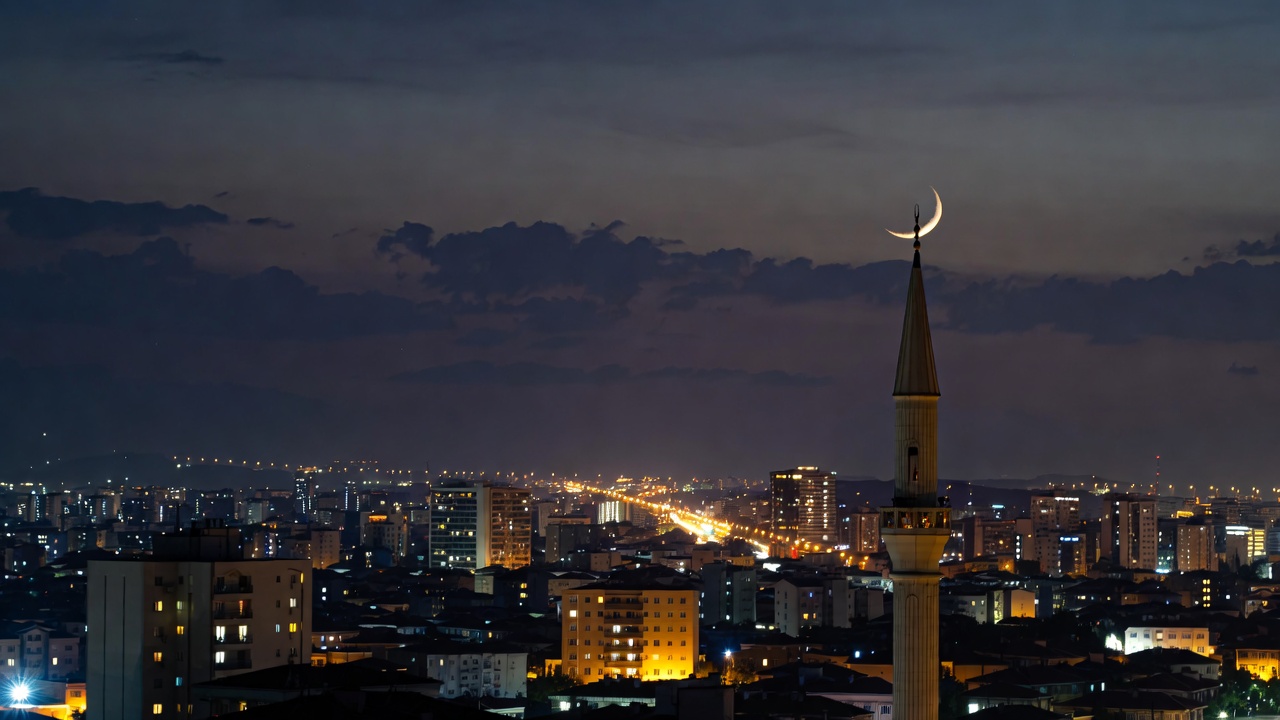
The crescent moon has appeared. Across rooftops in Cairo, in the minarets of Istanbul, through the loudspeakers of Lahore’s old quarter, and in quiet suburban mosques from London to Los Angeles, one announcement echoes: Ramadan has begun.
For more than two billion Muslims worldwide, Ramadan is the most sacred month of the year. It is a time of fasting from dawn to sunset, deep prayer, charity, and community. But if you are new to Islam, supporting a fasting friend, or simply curious about one of humanity’s oldest living traditions, the rituals and vocabulary can feel overwhelming at first.
This guide is here to change that. Whether you are a first-time faster, a non-Muslim neighbor, or a traveler visiting a Muslim-majority country this month, consider this your friendly, fact-based companion to understanding everything about Ramadan 2026 — from the spiritual roots to the dinner table.
When Does Ramadan 2026 Start and End? Key Dates You Need to Know
Ramadan follows the Islamic lunar calendar (Hijri calendar), which is roughly 10 to 11 days shorter than the Gregorian solar calendar. This means Ramadan shifts earlier each year and rotates through all four seasons over a 33-year cycle.
In 2026, Ramadan corresponds to the year 1447 AH (After Hijra) in the Islamic calendar.
| Detail | Date (2026) |
|---|---|
| Ramadan begins | Evening of Tuesday, February 17 (first day of fasting: Wednesday, February 18) |
| Ramadan ends | Evening of approximately Wednesday, March 18 |
| Eid al-Fitr (celebration marking end of Ramadan) | Expected around Thursday, March 19–21 |
| Laylat al-Qadr (Night of Power, estimated) | One of the last 10 odd nights, often observed on the 27th night (~March 15–16) |
Important note: These dates are based on astronomical calculations. The confirmed start and end of Ramadan depend on the physical sighting of the crescent moon in each country. Saudi Arabia, for instance, commenced fasting on February 18, while India began a day later on February 19 after local moon sighting was confirmed. Dates may therefore vary by one or two days depending on your region. Always check with your local mosque or national Islamic authority for final confirmation.
According to Al Jazeera’s Ramadan 2026 coverage, because Ramadan falls in late winter this year, fasting hours in the Northern Hemisphere are among the shortest they have been in years — roughly 12 to 13 hours per day. For those in the Southern Hemisphere, fasting hours are longer, around 14 to 15 hours. This pattern will continue to shorten for Northern Hemisphere observers until 2031, when Ramadan will coincide with the winter solstice.
What Is Ramadan and Why Do Muslims Fast for 30 Days?
Ramadan is the ninth month of the Islamic lunar calendar. Muslims believe it was during this month, more than 1,400 years ago, that the first verses of the Quran — Islam’s holy book — were revealed to the Prophet Muhammad (peace be upon him) through the Angel Jibril (Gabriel).
Fasting during Ramadan is called Sawm (also spelled Siyam). It is not optional. It is one of the Five Pillars of Islam — the five core practices that form the foundation of a Muslim’s faith and life:
- Shahada — Declaration of faith
- Salah — Five daily prayers
- Zakat — Obligatory charity
- Sawm — Fasting during Ramadan
- Hajj — Pilgrimage to Mecca
Fasting in Ramadan is therefore not a personal choice or diet trend. It is a religious obligation for every adult Muslim who is physically and mentally able. The purpose runs far deeper than hunger. Sawm cultivates taqwa — an Arabic word meaning God-consciousness, mindfulness of the Divine, and self-discipline.
By abstaining from food, drink, and other physical needs during daylight hours, Muslims practice patience, gratitude, and empathy for those who go without. It is also a month of spiritual reset — a time to mend relationships, increase acts of worship, and purify the heart.
As the Quran states in Surah Al-Baqarah (2:183): “O you who believe, fasting is prescribed for you, as it was prescribed for those before you, so that you may be mindful of God.”
How Does Ramadan Fasting Work from Dawn to Sunset?
The daily rhythm of Ramadan fasting revolves around two meals and five prayers. Here is what a typical fasting day looks like:
Suhoor (Pre-Dawn Meal)
Before the first light of dawn — and before the Fajr (dawn) prayer — Muslims eat a meal called Suhoor (also spelled Sehri or Sahur). This is the last food and water a fasting person consumes until sunset.
A good Suhoor focuses on slow-release energy: whole grains, eggs, oats, yogurt, fruits, and plenty of water. The Prophet Muhammad (peace be upon him) emphasized the value of this meal, saying: “Eat Suhoor, for in Suhoor there is blessing” (Sahih al-Bukhari, 1923).
The Fasting Hours
Once the Fajr prayer begins, the fast is active. From this moment until sunset, a fasting Muslim abstains from:
- All food and drink (including water)
- Smoking
- Sexual relations
- Sinful speech and behavior (lying, gossip, anger, profanity)
The fast is not just physical. It is equally about controlling one’s words, thoughts, and actions. A person who fasts but engages in dishonesty or cruelty has, in the spiritual sense, missed the point entirely.
Iftar (Breaking the Fast at Sunset)
When the Maghrib (sunset) prayer is called, the fast is broken. This meal is called Iftar. It is tradition — following the practice (Sunnah) of the Prophet — to break the fast with dates and water first. Dates provide a quick, natural source of energy and are gentle on the stomach after a full day without food.
After dates, families gather for a fuller meal. The dishes vary widely by culture, but the spirit is the same everywhere: gratitude, togetherness, and generosity.
A Typical Ramadan Day at a Glance
| Time | Activity |
|---|---|
| ~4:30–5:30 AM | Suhoor — Pre-dawn meal |
| ~5:30–6:00 AM | Fajr prayer — Fast officially begins |
| Daytime | Fasting, work, prayer, Quran recitation |
| ~5:30–6:30 PM | Maghrib prayer — Fast broken with Iftar |
| ~8:00–10:00 PM | Isha prayer followed by Tarawih (special Ramadan night prayers) |
(Times shown are approximate for Northern Hemisphere locations in February–March 2026. Exact times depend on your city’s sunrise and sunset.)
Who Is Exempt from Fasting During Ramadan?
Islam is a practical faith. It does not require fasting from those who would be harmed by it. The following groups are exempt from the obligation to fast:
- Children who have not reached puberty
- Elderly individuals who are too frail to fast safely
- People who are ill (whether temporarily or chronically)
- Pregnant or nursing women if fasting poses a risk to their health or their child’s health
- Women who are menstruating (they make up missed days later)
- Travelers on long journeys
- Those with mental health conditions that prevent them from fasting safely
For those who miss fasts due to a temporary condition (like illness or travel), they are expected to make up the missed days later in the year. For those who cannot fast at all — such as the elderly or people with chronic illness — they may pay Fidya, a charitable donation that covers the cost of feeding a person in need for each missed day.
This flexibility reflects a core principle in Islam: faith should not cause harm. The Quran itself states in Surah Al-Baqarah (2:185): “God intends for you ease and does not intend for you hardship.”
What Are the Five Daily Prayers During Ramadan?
Prayer (Salah) is the second pillar of Islam, and it is observed year-round — not just in Ramadan. Muslims pray five times a day, each at a specific time linked to the position of the sun:
| Prayer | Time | Significance in Ramadan |
|---|---|---|
| Fajr | Dawn (before sunrise) | Marks the start of the daily fast |
| Dhuhr | Midday | Midpoint of the fasting day |
| Asr | Afternoon | Encourages patience as the fast nears its end |
| Maghrib | Sunset | Signals that the fast is broken — time for Iftar |
| Isha | Night | Followed by the special Ramadan prayer, Tarawih |
What Is Tarawih Prayer and Why Is It Special?
Tarawih is an additional voluntary prayer performed only during Ramadan, after the Isha (night) prayer. It is performed in congregation at the mosque and can last anywhere from 30 minutes to over two hours, depending on the community.
During Tarawih, the imam (prayer leader) recites long passages of the Quran aloud. Many mosques aim to complete a full recitation of the entire Quran — all 30 parts (juz) — over the course of the month. This nightly recitation gives Ramadan its distinctive spiritual atmosphere: the sound of Quranic verses filling the mosque late into the night, with rows of worshippers standing shoulder to shoulder in devotion.
Tarawih is not obligatory (fard), but it is highly encouraged (Sunnah Mu’akkadah). Attending Tarawih prayers is one of the most beloved and communal aspects of Ramadan for Muslims worldwide.
What Is Laylat al-Qadr? The Night of Power Explained
Among the most spiritually significant nights in Islam is Laylat al-Qadr (Arabic: لَيْلَةُ الْقَدْرِ), often translated as the Night of Power or Night of Decree. The Quran describes this single night as being “better than a thousand months” (Surah Al-Qadr, 97:3). This means that worship performed on this one night carries more reward than worship done over an entire lifetime of approximately 83 years.
Muslims believe that Laylat al-Qadr was the night when the Quran was first revealed. Its exact date is not specified, but it falls on one of the odd-numbered nights during the last ten days of Ramadan — the 21st, 23rd, 25th, 27th, or 29th night. Many scholars and communities give special emphasis to the 27th night, though devout Muslims strive to worship on all of the final ten nights to ensure they do not miss it.
On these nights, mosques are packed. Many Muslims spend the entire night in prayer, Quran recitation, and supplication (dua). Some practice Itikaf — a spiritual retreat where they stay in the mosque for the final ten days of Ramadan, devoting themselves entirely to worship and reflection.
Ramadan Iftar Traditions Around the World: What People Eat to Break the Fast
One of the most beautiful aspects of Ramadan is how food traditions reflect local culture while sharing a common spirit of generosity and gratitude. While every Iftar begins with dates and water — a universal practice rooted in Prophetic tradition — the dishes that follow vary widely from country to country.
A Taste of Iftar Around the Globe
| Country / Region | Popular Iftar Foods |
|---|---|
| Egypt | Khoshaf (dried fruit compote), qatayef (stuffed sweet pancakes), ful medames (stewed fava beans) |
| Türkiye | Ramazan pidesi (special flatbread), lentil soup, baklava, Turkish coffee |
| South Asia (Pakistan, India, Bangladesh) | Samosas, pakoras (fried fritters), haleem (slow-cooked meat and lentil stew), fruit chaat, sheer khurma (vermicelli milk pudding) |
| Morocco | Harira (tomato and lentil soup), chebakia (sesame cookies), boiled eggs, msemen (layered flatbread) |
| Indonesia | Kolak (banana and sweet potato in coconut milk), es buah (iced fruit cocktail), fried rice |
| Gulf States (UAE, Saudi Arabia, Qatar) | Harees (wheat and meat porridge), luqaimat (fried dough balls in date syrup), kunafa (cheese pastry in syrup) |
| Uzbekistan | Patır (crispy tandoor-baked bread), shurpa (meat and vegetable soup), plov (pilaf) |
In many cities, Iftar is not a private affair. Community Iftars are held in mosques, parks, and public spaces, where anyone — Muslim or not — is welcome to share the meal. In Dubai alone, according to Travel and Tour World, over 150 restaurants and cafés offer special Iftar menus during Ramadan 2026, ranging from budget-friendly options to lavish buffets.
Unique Ramadan Customs and Cultural Traditions You Should Know
Beyond fasting and prayer, Ramadan is woven with local customs that give each community its own flavor. Here are some of the most distinctive traditions observed around the world:
The Iftar Cannon
In countries like Syria, Egypt, the UAE, and Bosnia-Herzegovina, a cannon is fired at sunset to signal that the fast may be broken. This tradition dates back centuries to the Ottoman era. In 2026, cities like Dubai and Sarajevo continue this beloved practice, with cannons placed at strategic points across the city.
The Ramadan Drummer (Musaharati)
In Türkiye, Egypt, and parts of the Balkans, a traditional drummer walks through neighborhoods before dawn, beating a drum to wake people for Suhoor. In Türkiye, these drummers wear Ottoman-style costumes complete with a fez and vest. It is one of the most charming and nostalgic Ramadan customs still alive today.
Garangao (Children’s Night)
In Gulf countries including Iraq, Bahrain, Kuwait, Qatar, and Saudi Arabia, children celebrate Garangao on the 15th night of Ramadan. Dressed in traditional clothing, they go door to door singing songs and collecting sweets and nuts — a tradition often compared to a Ramadan version of Halloween.
Ramadan Lanterns (Fanous)
In Egypt, the Ramadan lantern — called a Fanous — is a beloved symbol of the month. Colorful lanterns are hung in homes, shops, and streets, creating a warm, festive glow. Children carry small lanterns through neighborhoods, singing Ramadan songs.
London’s Ramadan Lights
In a sign of how Ramadan’s cultural reach has grown globally, London now installs special Ramadan lights along Coventry Street throughout the month. As reported by Euronews, the city also hosts open Iftar events at landmarks like The National Gallery and Trafalgar Square. Berlin is hosting a halal food festival on March 6–7, 2026, featuring food stalls, a mocktail bar, and a traditional souq.
Charity and Giving During Ramadan: Zakat, Sadaqah, and Zakat al-Fitr
Generosity is not a side note in Ramadan — it is at the very heart of the month. Muslims believe that the rewards for charitable deeds are multiplied many times over during Ramadan. There are three main forms of giving:
Zakat (Obligatory Charity)
Zakat is one of the Five Pillars of Islam. It requires every Muslim who meets a minimum threshold of wealth (nisab) to give 2.5% of their total savings to those in need each year. Many Muslims choose to pay their annual Zakat during Ramadan to maximize spiritual reward.
Sadaqah (Voluntary Charity)
Sadaqah refers to any voluntary act of giving — whether money, food, time, or even a kind word. During Ramadan, acts of Sadaqah increase greatly. Families prepare extra food for neighbors. Mosques distribute free Iftar meals. Businesses donate to local shelters.
Zakat al-Fitr (End-of-Ramadan Charity)
Before Eid al-Fitr prayers, every Muslim household must pay Zakat al-Fitr — a small obligatory charity meant to ensure that even the poorest families can celebrate Eid with dignity. It is typically the equivalent of one meal per person in the household and must be given before the Eid prayer.
How Fasting Hours Vary by Country During Ramadan 2026
Because Ramadan 2026 falls in late February to mid-March, fasting hours depend heavily on your latitude. Here is a snapshot of how long Muslims fast in different cities this year:
| City | Country | Approximate Fasting Hours (First Day) |
|---|---|---|
| Reykjavik | Iceland | ~11 hours |
| London | United Kingdom | ~12 hours |
| New York | United States | ~12 hours |
| Istanbul | Türkiye | ~12.5 hours |
| Dubai | UAE | ~13 hours |
| New Delhi | India | ~12.5 hours |
| Jakarta | Indonesia | ~13.5 hours |
| Cape Town | South Africa | ~14 hours |
| Auckland | New Zealand | ~14.5 hours |
| Santiago | Chile | ~14 hours |
For the Northern Hemisphere, this is one of the easiest Ramadans in recent years in terms of fasting duration, since the month falls close to the spring equinox. In contrast, Southern Hemisphere cities will experience longer fasting hours as they approach autumn.
According to Al Jazeera, fasting hours in the Northern Hemisphere will continue to shorten until 2031, when Ramadan will coincide with the winter solstice.
How to Support a Friend or Colleague Who Is Fasting in Ramadan
If someone in your life is observing Ramadan, here are thoughtful, practical ways to show respect and support:
- Don’t feel guilty eating around them. Most fasting Muslims are completely comfortable with others eating nearby. You don’t need to hide your lunch.
- Say “Ramadan Mubarak” (Blessed Ramadan) or “Ramadan Kareem” (Generous Ramadan). Either greeting is warmly received.
- Be understanding about energy levels. Fasting can affect concentration, especially in the afternoons. Flexibility with scheduling goes a long way.
- Accept an Iftar invitation if offered. Sharing Iftar is one of the most generous things a Muslim can offer a guest. It is a true act of hospitality and friendship.
- Avoid scheduling food-centered meetings during fasting hours if possible. It is courteous, though most fasting colleagues will not expect the entire office to adjust.
- Ask questions respectfully. Most Muslims are happy to explain their practices. Genuine curiosity is always welcome.
What to Know If You Are Traveling During Ramadan 2026
Visiting a Muslim-majority country during Ramadan is a unique and rewarding experience — but it comes with some practical adjustments:
Eating and drinking in public: In many countries, eating, drinking, or smoking in public during fasting hours is considered disrespectful and, in some places (like the UAE and Saudi Arabia), may be restricted by law. Restaurants may close during the day or serve food only in screened-off areas for non-fasting guests.
Dress modestly. While modesty norms exist year-round in many Muslim countries, dressing conservatively during Ramadan is especially appreciated. Cover your shoulders and knees as a baseline.
Expect schedule changes. Work hours, museum times, and shop openings may shift. Many businesses close in the late afternoon and reopen after Iftar. Friday prayers remain the most important weekly observance, so expect closures until early afternoon on Fridays.
Experience the nightlife — Ramadan style. Cities come alive after sunset. Streets fill with people. Restaurants and cafés stay open late. Night markets buzz with energy. The festive, communal atmosphere after Iftar is something that no visitor forgets easily.
How Eid al-Fitr Marks the End of Ramadan Fasting
When the last fast is completed and the crescent moon of the month of Shawwal is sighted, the celebration of Eid al-Fitr begins. Eid al-Fitr (Arabic for “Festival of Breaking the Fast”) is one of the two major holidays in Islam.
Here is what the day typically includes:
- Eid prayer (Salat al-Eid): A special congregational prayer held in mosques or open fields in the morning
- New clothes and grooming: It is traditional to dress in your finest clothing
- Zakat al-Fitr: Must be given before the Eid prayer so that everyone can celebrate
- Visiting family and friends: Eid is a deeply social occasion filled with hugs, well-wishes, and laughter
- Feasting: After a month of fasting, tables are filled with the best dishes the family can prepare
- Gifts for children: In many cultures, children receive money, sweets, or small presents
The greeting exchanged is “Eid Mubarak” — meaning “Blessed Eid.”
In 2026, Eid al-Fitr is expected around March 19–21, depending on local moon sighting. As with the start of Ramadan, the exact date will be confirmed by Islamic authorities in each country.
Frequently Asked Questions About Ramadan for Beginners
Can you drink water during Ramadan fasting hours? No. The fast includes abstaining from all food and drink, including water, from dawn to sunset.
What happens if you accidentally eat or drink while fasting? If you eat or drink by mistake — out of genuine forgetfulness — your fast is still valid. You simply stop as soon as you remember and continue fasting. This ruling reflects the mercy built into Islamic law.
Do children fast during Ramadan? Children who have not reached puberty are not required to fast. However, many families encourage older children to practice with partial fasting days (for example, fasting until noon) to build the habit gradually.
Is Ramadan only about fasting from food? Not at all. Fasting is the most visible practice, but Ramadan is equally about prayer, Quran recitation, charity, self-reflection, and kindness. Controlling anger, speaking truthfully, and helping others are just as central to the spirit of the month.
What is the difference between Ramadan and Eid? Ramadan is the month of fasting. Eid al-Fitr is the celebration that marks its end. Think of Ramadan as the season and Eid as the culmination.
Can non-Muslims wish someone a happy Ramadan? Absolutely. Saying “Ramadan Mubarak” or “Ramadan Kareem” to a Muslim friend, neighbor, or colleague is always a kind and welcome gesture.
Final Thoughts: Why Ramadan Matters Beyond the Muslim World
Ramadan is observed by roughly one in every four people on Earth. It touches every continent, every major city, and every walk of life. At its core, it is an invitation to slow down, reflect, and reconnect — with faith, with community, and with the most vulnerable among us.
You do not need to be Muslim to appreciate what Ramadan offers. The values at its heart — discipline, empathy, generosity, gratitude, and togetherness — are universal. In a world that often moves too fast, Ramadan asks everyone within earshot of the Maghrib call to prayer to pause, share a meal, and remember what matters.
Ramadan Mubarak. May this month bring peace, understanding, and blessings to all.
Sources consulted for this article include Islamic Relief, Al Jazeera, Muslim Aid, Muslim Hands USA, IslamicFinder, Euronews Travel, and Pew Research Center. All facts have been cross-referenced for accuracy. Dates are subject to official moon sighting confirmation.