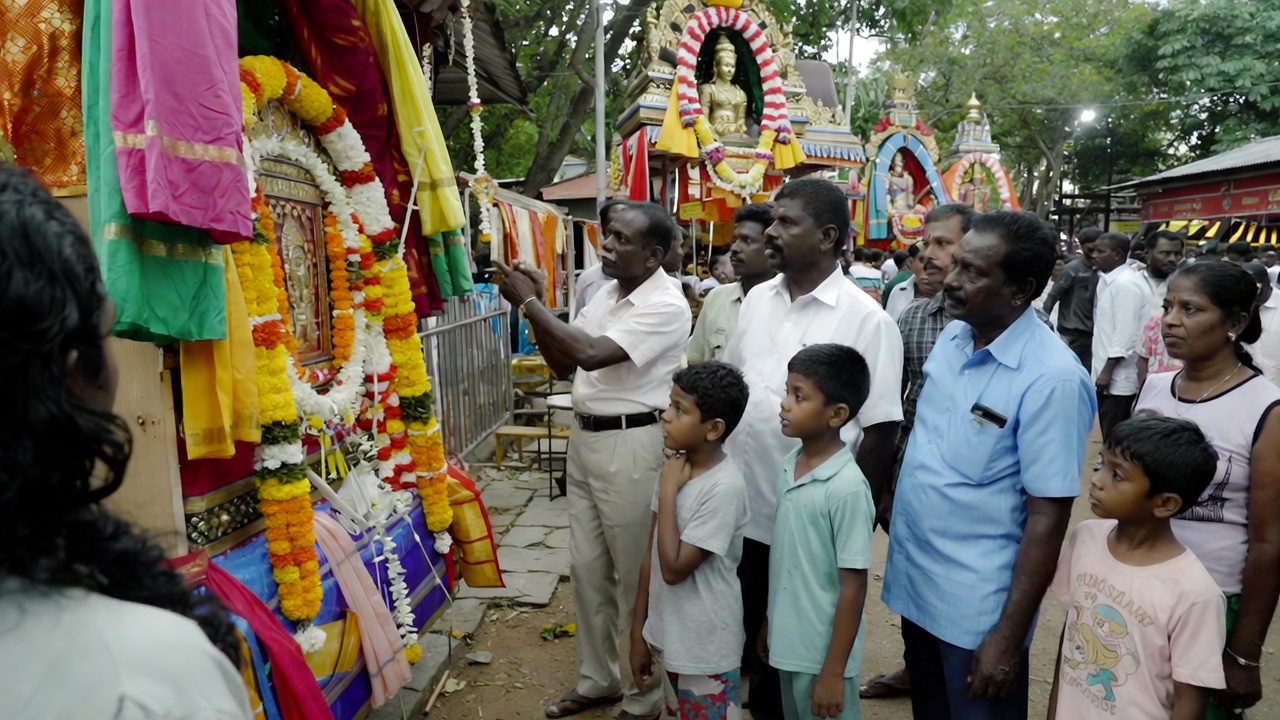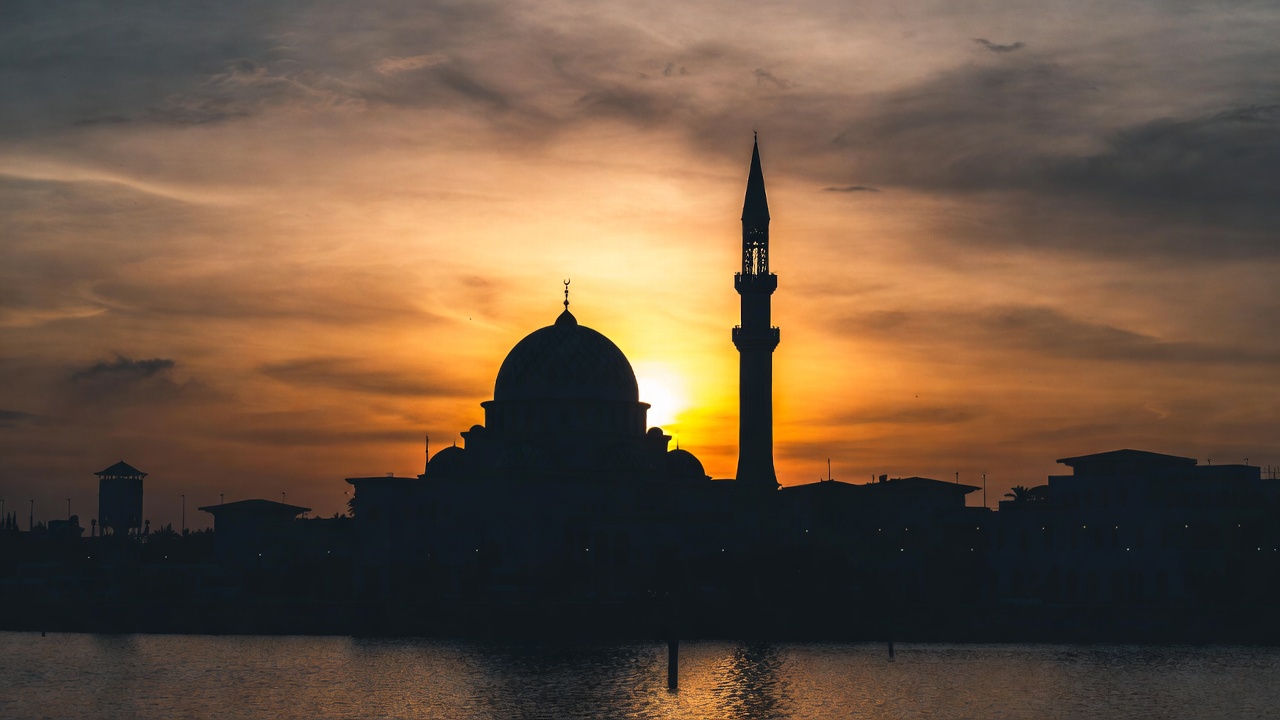
The call to prayer echoes across Jakarta. Lanterns light up the streets of Cairo. Families in Istanbul gather around tables laden with dates and warm soup. From Marrakech to Mecca, from London to Lagos, over two billion Muslims worldwide have entered the most sacred month on the Islamic calendar — Ramadan 2026.
Whether you are a Muslim preparing for this blessed month, a non-Muslim colleague wondering why your coworker skipped lunch, or a traveler planning a trip to a Muslim-majority country, this guide covers everything you need to know. We will walk through the fasting rules of Ramadan, clarify who is exempt from fasting, break down what invalidates a fast, and answer the most frequently asked questions — all with the most up-to-date information for the 1447 Hijri year.
When Does Ramadan 2026 Start and End? Key Dates for the Holy Month
Ramadan does not follow the Gregorian calendar. It follows the Islamic lunar (Hijri) calendar, which is based on the sighting of the crescent moon. Because a lunar year is about 10 to 11 days shorter than a solar year, Ramadan shifts earlier each year. It takes roughly 33 years for Ramadan to rotate through all four seasons.
In 2026, the holy month corresponds to Ramadan 1447 AH (Anno Hegirae). Here are the key dates:
| Event | Expected Date (2026) | Notes |
|---|---|---|
| Moon sighting for Ramadan | Evening of Feb 17 | Subject to local crescent moon sighting |
| First day of fasting | Feb 18 (most countries) | Some countries began Feb 19 based on local sighting |
| Laylat al-Qadr (Night of Power) | Approx. March 15–17 | Observed on odd nights of the last 10 days |
| Last day of Ramadan | March 18 or 19 | Depends on 29- or 30-day month |
| Eid al-Fitr | March 19 or 20 | Celebrated after final moon sighting of Shawwal |
Important: These dates can vary by one or two days depending on your country and the method of moon sighting used. Saudi Arabia, for instance, often relies on a combination of astronomical calculations and physical sighting, while countries like India began fasting on February 19 after local confirmation. Turkey and Egypt also started on February 19. Always check with your local mosque or Islamic authority for the confirmed dates in your area.
What Is Ramadan and Why Do Muslims Fast for 30 Days?
Ramadan is the ninth month of the Islamic calendar. Muslims believe this is the month in which the Quran was first revealed to the Prophet Muhammad (peace be upon him) through the Angel Jibril (Gabriel). This revelation is commemorated on Laylat al-Qadr (the Night of Power), which the Quran describes as being better than a thousand months.
Fasting during Ramadan is called Sawm (صوم) in Arabic. It is one of the Five Pillars of Islam — the core practices that form the foundation of Muslim life:
- Shahada — Declaration of faith
- Salah — Five daily prayers
- Zakat — Obligatory charity
- Sawm — Fasting during Ramadan
- Hajj — Pilgrimage to Mecca
The Quran states clearly: “O you who have believed, fasting is prescribed for you, as it was prescribed for those before you, so that you may become righteous” (Surah Al-Baqarah, 2:183).
Fasting is not simply about going hungry. It is a spiritual discipline. Muslims fast to strengthen their relationship with God, practice self-control, develop empathy for those who are less fortunate, and purify the heart. The month is also a time for increased prayer, charity, recitation of the Quran, and community gathering.
Ramadan Fasting Rules: What You Can and Cannot Do from Dawn to Sunset
The fasting rules of Ramadan are straightforward but must be followed carefully. Each day’s fast begins at Fajr (the first light of dawn) and ends at Maghrib (sunset).
What Muslims Must Avoid During Fasting Hours
From dawn to sunset, a fasting Muslim must refrain from:
- Eating any food, no matter how small
- Drinking any liquid, including water
- Smoking or using tobacco products
- Sexual intercourse
- Deliberate vomiting
Beyond these physical restrictions, Ramadan also calls on Muslims to guard their behavior. Lying, gossiping, backbiting, cursing, and losing one’s temper are strongly discouraged. While these actions do not technically invalidate the fast, scholars agree that they greatly reduce its spiritual reward.
Suhoor and Iftar: The Two Essential Meals of Ramadan
Suhoor (also spelled Sehri or Sahur) is the pre-dawn meal eaten before the Fajr prayer. It is highly encouraged in the Sunnah (prophetic tradition). The Prophet Muhammad (PBUH) said: “Eat suhoor, for in suhoor there is blessing.”
Iftar is the meal that breaks the fast at sunset. It is traditional to break the fast with dates and water, following the practice of the Prophet. After iftar, Muslims perform the Maghrib prayer and often continue with a larger meal shared with family, friends, or their local community.
The Role of Niyyah (Intention) in Fasting
Before each fast, a Muslim must make niyyah — a sincere intention in the heart to fast for the sake of Allah. This intention does not need to be spoken aloud. Some scholars permit a single intention at the beginning of Ramadan to cover the entire month. Others recommend renewing it each night. The key is sincerity: fasting must be an act of worship, not merely a diet.
How Long Is the Ramadan Fast in 2026? Fasting Hours Around the World
One of the most interesting aspects of Ramadan is that fasting hours vary dramatically depending on where you live. Because the fast is tied to daylight — from dawn to sunset — your geographic latitude and the time of year determine how long you go without food and water.
In 2026, Ramadan falls in late February and March, which places it in late winter for the Northern Hemisphere and late summer for the Southern Hemisphere. This creates a fascinating reversal: cities in the far north enjoy shorter fasts, while cities in the far south face the longest days.
According to Morocco World News, fasting durations in 2026 range from approximately 11.5 to 15.5 hours worldwide.
| Region / Country | Approx. Fasting Hours (First Day) |
|---|---|
| Finland (Helsinki) | ~11 hrs 53 min |
| Scandinavia (Sweden, Norway) | ~11.5–12 hrs |
| United Kingdom (London) | ~12–12.5 hrs |
| France, Germany | ~12–12.5 hrs |
| United States (New York) | ~12.5–13 hrs |
| Saudi Arabia (Riyadh) | ~12 hrs 42 min |
| UAE (Dubai) | ~12 hrs 46 min |
| India (Delhi) | ~12 hrs 52 min |
| Indonesia (Jakarta) | ~13 hrs 28 min |
| Kenya (Nairobi) | ~13 hrs 19 min |
| Brazil (São Paulo) | ~13 hrs 47 min |
| South Africa (Johannesburg) | ~14 hrs 13 min |
| New Zealand (Auckland) | ~14 hrs 50 min |
| Australia (Sydney) | ~15–15.5 hrs |
As Al Jazeera reported, since it is winter in the Northern Hemisphere, Muslims there will have shorter fasts this Ramadan, lasting about 12 to 13 hours on the first day, with the duration increasing as days get longer through March.
For Muslims living in extreme northern latitudes where the sun barely sets (or does not set at all), Islamic scholars have issued guidance. The most common ruling is to follow the prayer timetable of Mecca or the nearest city with a distinguishable dawn and sunset.
Who Is Exempt from Fasting During Ramadan? A Complete Breakdown
Islam is a faith built on mercy and compassion. While Ramadan fasting is obligatory for every adult Muslim who is physically and mentally capable, Allah has provided clear exemptions for those who would face harm or hardship.
The Quran states: “Allah intends for you ease and does not intend for you hardship” (Surah Al-Baqarah, 2:185).
Exemptions from fasting fall into two main categories: temporary conditions (which require making up missed fasts later) and permanent conditions (which require a compensatory donation called Fidyah).
Temporary Exemptions — Fasts Must Be Made Up Later (Qada’)
These individuals may skip fasting during Ramadan but are required to make up the missed days before the next Ramadan:
1. Travelers on long journeys Muslims who are traveling a significant distance — typically defined as more than 48 miles (77 kilometers) — may break their fast. The travel must not be for a sinful purpose, and the traveler must not intend to settle permanently at the destination. Many travelers still choose to fast if the journey is not overly difficult.
2. People with temporary illness Anyone suffering from a short-term illness that fasting would worsen — such as a fever, infection, or recovery from surgery — is excused. They must make up these days once they have recovered.
3. Pregnant women If a pregnant woman or her doctor believes that fasting poses a risk to her health or her baby’s health, she is exempted. She should make up the missed days after delivery and recovery.
4. Breastfeeding mothers A nursing mother who fears that fasting will reduce her milk supply or harm her child may break her fast. She must make up the days when she is able.
5. Women during menstruation or postnatal bleeding Women are prohibited from fasting during their menstrual period or during postnatal bleeding (nifas). This is not optional — it is a mandatory pause. Missed days must be made up after Ramadan.
Permanent Exemptions — Fidyah Must Be Paid Instead
For those who cannot fast at all due to chronic or permanent conditions, Islam provides an alternative: Fidyah. This involves feeding one person in need for each day of fasting missed.
6. The elderly and frail Older individuals whose health is too fragile to endure fasting, or who suffer from terminal illness, are permanently excused. They pay Fidyah instead.
7. People with chronic illness Anyone with a long-term medical condition — such as severe diabetes, kidney disease, or cancer — that makes fasting dangerous is exempt. They pay Fidyah for each missed day.
8. Individuals with mental disabilities Those who are not of sound mind or whose cognitive abilities prevent them from understanding the obligation of fasting are automatically exempt. They are not required to fast or pay Fidyah.
Children and Fasting: When Does It Become Obligatory?
Fasting is not obligatory for children who have not yet reached puberty. However, many Muslim families encourage children to practice fasting gradually — perhaps for half a day or a few days — to help them prepare for the full obligation when they come of age.
Quick Reference: Exemptions at a Glance
| Category | Exemption Type | Compensation Required |
|---|---|---|
| Traveler (long journey) | Temporary | Make up missed days (Qada’) |
| Temporary illness | Temporary | Make up missed days (Qada’) |
| Pregnant woman | Temporary | Make up missed days (Qada’) |
| Breastfeeding mother | Temporary | Make up missed days (Qada’) |
| Menstruation / postnatal bleeding | Temporary | Make up missed days (Qada’) |
| Elderly / frail | Permanent | Feed a needy person per day (Fidyah) |
| Chronic illness | Permanent | Feed a needy person per day (Fidyah) |
| Mental disability | Permanent | No compensation required |
| Pre-pubescent children | Not yet obligated | No compensation required |
What Breaks Your Fast in Ramadan? Actions That Invalidate Sawm
Understanding what invalidates the fast is essential for any Muslim observing Ramadan. Not every mistake breaks the fast — intent matters greatly in Islamic law.
Actions That Definitely Break the Fast
The following actions, if done deliberately between Fajr and Maghrib, invalidate the fast:
- Eating or drinking intentionally — even a single sip of water or a small bite of food
- Smoking — including cigarettes, shisha, and vaping
- Sexual intercourse — this not only breaks the fast but also requires Kaffarah (a major penalty involving fasting 60 consecutive days or feeding 60 people)
- Deliberate vomiting — inducing vomiting on purpose breaks the fast
- Menstruation or postnatal bleeding — the fast is automatically invalidated, and the woman must stop fasting
Actions That Do NOT Break the Fast
Many Muslims worry unnecessarily about certain daily activities. According to mainstream Islamic scholarship, these actions do not invalidate the fast:
- Eating or drinking by genuine accident — if you forget you are fasting and eat, your fast is still valid. Simply stop as soon as you remember.
- Brushing your teeth — as long as you do not swallow toothpaste
- Swallowing your own saliva — this is natural and unavoidable
- Taking a shower or swimming — as long as you do not deliberately swallow water
- Receiving injections — most scholars agree that non-nutritional injections (such as vaccines or insulin) do not break the fast. Nutritional IV drips, however, do.
- Using eye drops or ear drops — the majority of scholars permit this
- Blood tests — giving a small blood sample does not invalidate fasting
- Unintentional vomiting — if vomit comes up on its own without any effort on your part, the fast remains valid
- Tasting food without swallowing — some scholars permit this for cooks, as long as nothing reaches the throat
Kaffarah vs. Fidyah: Understanding the Difference
These two terms are often confused. Here is the distinction:
Fidyah is compensation for missing a fast due to a valid, long-term reason. It involves feeding one needy person for each day missed. The amount varies by country and organization — consult your local Islamic charity for the current rate.
Kaffarah is a major penalty for deliberately breaking a fast during Ramadan without any valid excuse. As explained by OnePath Network, Kaffarah requires fasting for 60 consecutive days or, if one is unable, feeding 60 people in need. This applies specifically to cases of intentional violation, such as eating or engaging in sexual relations deliberately during fasting hours.
Frequently Asked Questions About Ramadan Fasting in 2026
Can You Drink Water While Fasting During Ramadan?
This is the single most common question — and the answer surprises many non-Muslims. No, you cannot drink water during fasting hours. Ramadan fasting is a dry fast. From the moment Fajr (dawn) begins until Maghrib (sunset), Muslims abstain from all food and all liquids, including water, tea, coffee, juice, and soft drinks.
This is why proper hydration during suhoor and iftar is critical. Nutritionists recommend drinking plenty of water between iftar and suhoor, eating water-rich fruits, and avoiding excessive caffeine and salt, which can increase dehydration.
Does Swallowing Saliva Break the Fast?
No. Swallowing your own saliva is a normal bodily function and does not break the fast. However, if a person deliberately gathers saliva in their mouth and then swallows it in large amounts, some scholars consider this disliked (makruh), though it still does not technically invalidate the fast.
Can You Take Medication While Fasting in Ramadan?
This depends on the type of medication and how it is administered. Oral medication that enters the stomach breaks the fast. However, many scholars agree that the following do not break the fast:
- Inhalers for asthma
- Eye drops, ear drops, and nasal sprays (if nothing reaches the throat)
- Non-nutritional injections (such as insulin, vaccines, or antibiotics)
- Topical creams, ointments, and patches
Patients with chronic conditions such as diabetes, heart disease, or hypertension should consult both their doctor and a knowledgeable Islamic scholar before Ramadan. As a medical review published in the journal Avicenna Journal of Medicine notes, many Muslim patients with chronic illnesses still choose to fast, sometimes altering their medication schedules without medical advice — which can lead to serious complications. A collaborative approach between patient, physician, and religious advisor is strongly recommended.
What Happens If You Accidentally Eat During Ramadan?
If you eat or drink by honest mistake — you simply forgot you were fasting — your fast remains valid. You should stop eating immediately and continue your fast. This ruling is based on a well-known hadith in which the Prophet Muhammad (PBUH) said that Allah has fed and given you drink, so you should complete your fast.
However, if you eat intentionally without a valid exemption, the fast is broken. You must make up that day after Ramadan. In the case of sexual relations, the penalty escalates to Kaffarah.
Is Ramadan Fasting Safe for Your Health?
For most healthy adults, Ramadan fasting is safe and can even offer health benefits. Studies have associated intermittent fasting with improved blood sugar regulation, reduced inflammation, and better cholesterol levels. However, individual health conditions vary widely.
The following groups should seek medical advice before fasting:
- Diabetic patients (both Type 1 and Type 2)
- Pregnant and breastfeeding women
- People taking essential daily medication
- Individuals with kidney disease or low blood pressure
- Anyone recovering from surgery
Do Muslims Lose Weight During Ramadan?
Not necessarily. While the fasting period reduces total eating hours, many people compensate with large, calorie-dense iftar meals and late-night snacking. Weight loss during Ramadan depends on what and how much you eat, not just when you eat. Nutritionists recommend breaking the fast with light foods — dates, soup, salad — and avoiding fried or sugary items.
Can You Chew Gum During Ramadan?
No. Chewing gum involves swallowing flavored liquid, and most scholars agree that it breaks the fast. Even sugar-free gum is generally considered impermissible during fasting hours.
How Non-Muslims Can Show Respect During Ramadan
If you live or work alongside Muslims, or if you are traveling to a Muslim-majority country during Ramadan, a little awareness goes a long way.
Be mindful about eating and drinking in public. In countries like Saudi Arabia, the UAE, and Malaysia, eating, drinking, or smoking in public during fasting hours may be restricted by law. Even in countries without such laws, it is considerate to avoid eating in front of someone who is fasting.
Do not ask “Are you fasting?” The reasons for not fasting — menstruation, illness, pregnancy — can be deeply personal. It is better not to put someone in the position of having to explain.
Say “Ramadan Mubarak” or “Ramadan Kareem.” These greetings mean “Blessed Ramadan” and “Generous Ramadan.” They are always appreciated.
Accept iftar invitations. If a Muslim friend invites you to break the fast together, consider it a warm honor. Iftar gatherings are among the most communal and joyful events of the month. Mosques around the world also host open iftars that welcome people of all faiths.
Be flexible with work schedules. Fasting employees may experience fatigue, especially in the late afternoon. Flexible meeting times and a supportive workplace culture make a real difference.
Ramadan Traditions Around the World: A Cultural Tapestry
While the core spiritual practices of Ramadan are the same everywhere, the cultural expressions are beautifully diverse.
In Egypt, the streets come alive with fanous — colorful Ramadan lanterns that have been a tradition since the Fatimid era. Children carry them through the neighborhoods, singing traditional songs.
In Indonesia, the world’s largest Muslim-majority country, many Javanese believers bathe in holy springs before Ramadan in a ritual called Padusan. The city of Semarang celebrates the start of the month with the Dugderan carnival, featuring a parade of the mythical warak ngendog creature.
In Turkey, drummers called davulcu walk through neighborhoods in the pre-dawn hours, beating drums to wake people for suhoor — a tradition dating back to the Ottoman Empire.
In Morocco, the sound of the nafar (a long horn) signals the time to break the fast. Families gather around tables of harira soup, dates, and chebakia pastries.
In Nigeria, Ramadan is widely observed particularly in the northern regions. Communities organize food-sharing programs, and the end of the month is celebrated with Eid al-Fitr, locally known as “Small Sallah.”
In the United Kingdom and United States, mosques host large-scale open iftars, and many workplaces now offer Ramadan accommodations — flexible hours, quiet rooms for prayer, and adjusted meeting schedules.
How Ramadan 2026 Ends: Eid al-Fitr and the Joy of Breaking the Fast
The conclusion of Ramadan is marked by Eid al-Fitr (عيد الفطر), which literally means “Festival of Breaking the Fast.” It is one of the two major Islamic holidays (the other being Eid al-Adha).
Eid al-Fitr 2026 is expected to fall on March 19 or 20, depending on the sighting of the Shawwal moon. The celebrations typically include:
- Salat al-Eid — a special congregational prayer held in the morning
- Zakat al-Fitr — a required charitable donation given before the Eid prayer, ensuring that every family can celebrate
- New clothes and gifts — especially for children
- Feasting with family and friends — after a month of fasting, the communal joy of eating together is deeply felt
- Visiting relatives and neighbors — strengthening community bonds
Fasting is forbidden on the first day of Eid al-Fitr. It is a day of gratitude, celebration, and generosity.
Final Thoughts: The Spirit Behind the Fast
Ramadan is far more than an annual dietary challenge. It is a month of spiritual renewal, a time when Muslims across the globe — from the rice paddies of Bangladesh to the skyscrapers of Dubai — share in the same rhythm of sacrifice, prayer, and gratitude. The pre-dawn silence of suhoor, the communal warmth of iftar, the late-night devotion of Taraweeh prayers — these experiences bind a global community of over two billion people.
For those fasting this year: Ramadan Mubarak. May this month bring you peace, patience, and closeness to the Divine.
For those learning about Ramadan for the first time: thank you for your curiosity and respect. Understanding one another’s sacred traditions is one of the most powerful things we can do in a divided world.
Sources consulted for this article include Islamic Relief, Britannica, IslamicFinder, Al Jazeera, Middle East Eye, Morocco World News, Zakat.org, Khaleej Times, and peer-reviewed medical literature from PMC/NIH.