A Complete Guide to Authentic Ramadan Wishes, Traditional Greetings, and Cultural Etiquette for the Holy Month
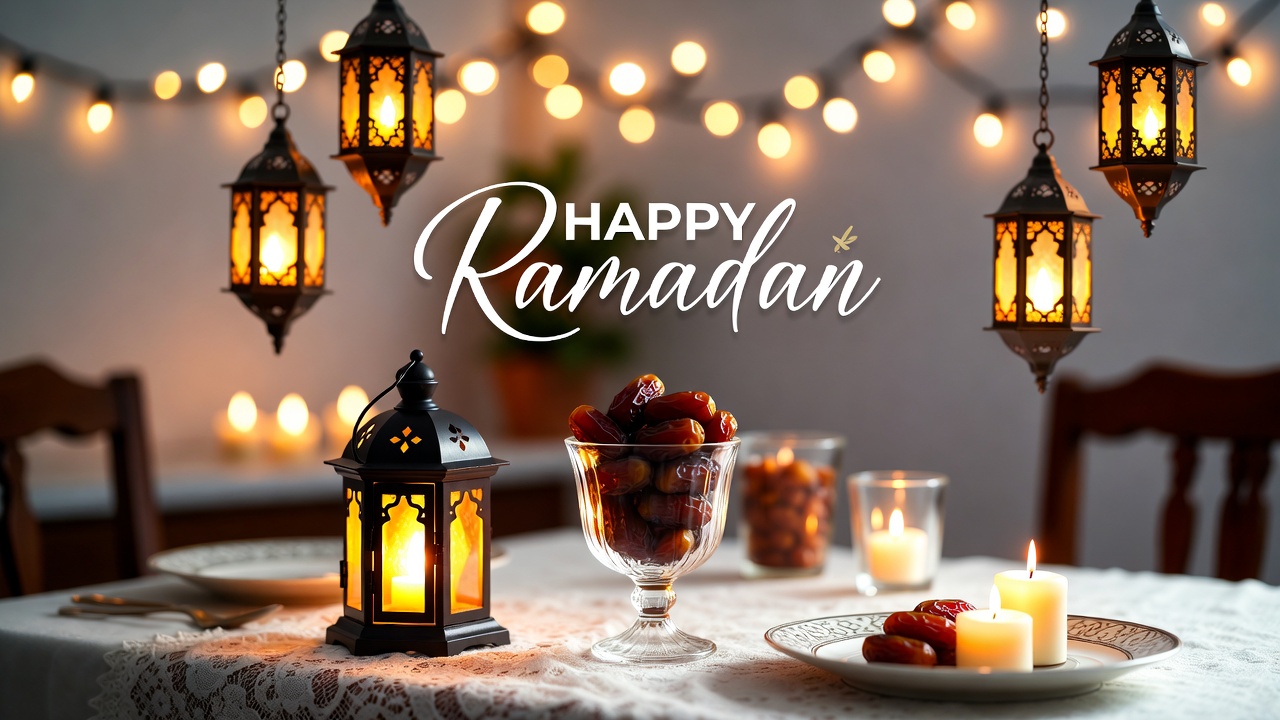
The crescent moon rises, lanterns illuminate the streets, and nearly two billion Muslims worldwide prepare their hearts for the most sacred month of the Islamic calendar. Ramadan, the ninth month of the Hijri calendar, isn’t merely a period of fasting from dawn to dusk—it’s a profound spiritual journey of self-reflection, community, and renewed devotion to Allah. Whether you’re a Muslim wanting to share meaningful blessings with loved ones, a non-Muslim colleague hoping to show respect to your coworkers, or simply someone curious about this beautiful tradition, knowing how to wish someone a happy Ramadan carries more significance than you might imagine.
I’ve spent the better part of two decades traveling through Muslim-majority nations and observing Ramadan celebrations from the bustling streets of Cairo to the tranquil mosques of Istanbul, from the vibrant bazaars of Marrakech to the modern skylines of Dubai. What strikes me every single time is how a simple greeting—spoken with sincerity—can bridge cultural divides and create lasting connections. This guide will walk you through everything you need to know about Ramadan greetings, from the most common Arabic phrases to regional variations, from workplace etiquette to heartfelt messages for family and friends.
What Is Ramadan and Why Is It So Important to Muslims?
Before diving into the specific greetings, it’s essential to understand why Ramadan holds such profound significance. This context will help you appreciate why your words of blessing carry genuine meaning.
Ramadan marks the month when the Quran, the holy book of Islam, was first revealed to the Prophet Muhammad (peace be upon him). Muslims believe this revelation occurred on a night called Laylat al-Qadr, or the “Night of Power,” which falls within the last ten days of the month. This night is considered more blessed than a thousand months of worship.
During Ramadan, observant Muslims practice Sawm (fasting), one of the Five Pillars of Islam. From the pre-dawn meal called Suhoor until sunset, they abstain from:
- Food and drink
- Smoking
- Sinful behavior
- Negative thoughts and speech
The fast is broken each evening with a meal called Iftar, traditionally beginning with dates and water. The physical discipline of fasting serves a deeper purpose: to cultivate gratitude, empathy for the less fortunate, spiritual purification, and a closer relationship with Allah.
Ramadan 2025 began on the evening of Friday, February 28th and concludes with the celebration of Eid al-Fitr around March 30th, depending on moon sighting. Because the Islamic calendar follows lunar cycles, Ramadan shifts approximately 10-11 days earlier each year on the Gregorian calendar.
The Most Common Ramadan Greetings in Arabic and Their Meanings
When greeting Muslims during the holy month, you have several beautiful options. Understanding what each phrase means will help you choose the most appropriate greeting for different situations.
Ramadan Mubarak: The Universal Blessing
رمضان مبارك (Ramadan Mubarak) is perhaps the most widely recognized Ramadan greeting globally. It translates to “Blessed Ramadan” and conveys your wish that the person receives abundant blessings throughout the holy month.
This greeting works in virtually any situation—formal or informal, with close friends or acquaintances, in person or in writing. Its simplicity makes it the safest choice if you’re uncertain which greeting to use.
When to use it:
- At the beginning of Ramadan
- Throughout the entire month
- In written messages, cards, and emails
- In professional settings
How to respond: The most common responses include “Allahu Akbar” (Allah is Greatest), “Khair Mubarak” (May goodness be upon you too), or simply returning the same greeting.
Ramadan Kareem: Generous Ramadan Wishes
رمضان كريم (Ramadan Kareem) means “Generous Ramadan” and carries the hope that the month will be filled with generosity, kindness, and spiritual abundance. The word “Kareem” emphasizes the generous nature of this blessed time—the abundance of mercy from Allah, the generosity shown through charity (Zakat), and the rich rewards for good deeds.
In Arab culture, particularly in the Middle East, you’ll hear “Ramadan Kareem” exchanged as frequently as “Ramadan Mubarak.” Both are equally appropriate.
Traditional response: “Allahu Akram” (Allah is more generous), which acknowledges that all generosity ultimately comes from the Divine.
Kul ‘Am Wa Antum Bi-Khayr: A Year-Round Blessing
كل عام وأنتم بخير (Kul ‘Am Wa Antum Bi-Khayr) is a beautiful expression meaning “May every year find you in good health” or “Wishing you well every year.” While used during Ramadan, this versatile greeting also appears during Eid celebrations and other Islamic occasions.
This phrase carries a particularly warm sentiment because it extends blessings beyond the current moment, expressing hope for continued wellbeing throughout the coming years.
Taqabbal Allahu Minna Wa Minkum: May Allah Accept Our Deeds
تقبل الله منا ومنكم (Taqabbal Allahu Minna Wa Minkum) translates to “May Allah accept from us and from you.” This profound supplication acknowledges that during Ramadan, Muslims engage in increased worship, fasting, prayer, and charitable acts—and they hope these deeds will be accepted by Allah.
This greeting is especially appropriate:
- Toward the end of Ramadan
- After completing daily fasts
- During Eid al-Fitr celebrations
How to Say Happy Ramadan in Different Languages Around the World
Islam is a global religion, and while Arabic holds special significance as the language of the Quran, Muslims worldwide express Ramadan greetings in their own languages. Here’s a comprehensive guide to Ramadan wishes in different languages:
| Language | Greeting | Meaning |
|---|---|---|
| Arabic | رمضان مبارك (Ramadan Mubarak) | Blessed Ramadan |
| Turkish | Hayırlı Ramazanlar / Ramazan mübarek olsun | Auspicious Ramadan / May Ramadan be blessed |
| Urdu/Hindi | رمضان مبارک / रमज़ान मुबारक | Blessed Ramadan |
| Indonesian/Malay | Selamat menunaikan ibadah puasa | We wish you a happy fasting month |
| Persian (Farsi) | رمضان مبارک (Ramazan Mobarak) | Blessed Ramadan |
| Bengali | রমজান মোবারক (Romjan Mubarak) | Blessed Ramadan |
| French | Bon Ramadan | Good Ramadan |
| German | Gesegneter Ramadan | Blessed Ramadan |
| Spanish | Feliz Ramadán | Happy Ramadan |
| Swahili | Ramadhani Njema | Good Ramadan |
Turkish Ramadan Expressions You Should Know
Turkey maintains some of the most charming Ramadan traditions, and their greetings reflect this cultural richness. Beyond the standard “Ramazan mübarek olsun” (May Ramadan be blessed), Turks commonly say:
- “Allah kabul etsin” – May Allah accept your worship (particularly appropriate after someone breaks their fast)
- “Ramazan ayımız mübarek olsun” – May our month of Ramadan be blessed
Indonesian and Malaysian Ramadan Greetings
In Southeast Asia, where Indonesia is home to the world’s largest Muslim population, Ramadan greetings often blend local traditions with Islamic expressions:
- “Selamat menunaikan ibadah puasa” – We wish you a happy fasting month (formal)
- “Selamat berpuasa” – Happy fasting (casual)
- “Mohon maaf lahir dan batin” – I seek forgiveness both physically and spiritually (used before Ramadan begins)
Ramadan Wishes for Family Members: Heartfelt Messages for Loved Ones
Family lies at the heart of Ramadan observance. The pre-dawn Suhoor meals, the joyful Iftar gatherings, the extra prayers—these sacred moments are shared with those we love most. Here are thoughtful Ramadan messages for family that express deep affection and spiritual solidarity.
Beautiful Ramadan Wishes for Parents
Your parents deserve special recognition during this blessed month. Consider these heartfelt messages:
“Dear Mama and Baba, as the crescent moon ushers in Ramadan, I want you to know that my prayers include gratitude for the faith you instilled in me. May Allah bless you with health, happiness, and the strength to observe this holy month. Ramadan Mubarak to the greatest parents anyone could ask for.”
“This Ramadan, I pray that Allah rewards you for every sacrifice you’ve made and every lesson you’ve taught me about our beautiful faith. May your fasts be easy, your prayers answered, and your heart filled with peace. I love you both. Ramadan Kareem.”
Ramadan Messages for Your Spouse or Partner
The holy month strengthens marital bonds through shared worship and mutual support:
“My beloved, as we embark on another Ramadan together, I’m grateful for a partner who makes every fast easier and every prayer more meaningful. May Allah bless our union and guide us closer to Him and to each other. Ramadan Mubarak, my love.”
“To my better half—may this Ramadan bring us spiritual growth, renewed patience, and deeper understanding. I look forward to every Suhoor and Iftar we share. May Allah accept our worship and strengthen our bond. I love you. Ramadan Kareem.”
Ramadan Wishes for Children
Teaching children about Ramadan’s significance creates lifelong spiritual foundations:
“My dear little one, Ramadan is a special time when we grow closer to Allah through kindness, patience, and gratitude. I’m so proud of you for trying to fast and pray. May Allah bless you always. Ramadan Mubarak, my precious child!”
“To our amazing kids—this Ramadan, remember that every kind word, every prayer, and every good deed counts. Allah sees your efforts and your beautiful hearts. We love you more than words can say. Ramadan Mubarak!”
Touching Ramadan Messages for Extended Family
Keep your aunts, uncles, cousins, and grandparents close during this blessed time:
“Ramadan Mubarak to my wonderful family! Though miles may separate us, we’re united in faith during this holy month. May Allah shower His blessings upon each of you and grant us the joy of breaking fast together soon.”
Ramadan Greetings for Friends: Meaningful Messages to Strengthen Bonds
Friendship during Ramadan takes on special significance. Friends support each other through long fasting days, share Iftar meals, and encourage one another in worship. Here are Ramadan wishes for friends that honor these precious relationships.
Ramadan Messages for Close Muslim Friends
“To my dearest friend—Ramadan without your company just isn’t the same. I pray that this blessed month brings you peace, forgiveness, and all the answered prayers your heart desires. May our friendship grow stronger with each passing day. Ramadan Mubarak!”
“As Ramadan begins, I’m reminded of all the Iftars we’ve shared, the late-night conversations about faith, and the support we’ve given each other. You make this journey so much more meaningful. May Allah bless you abundantly. Ramadan Kareem, my friend.”
“Ramadan Mubarak to my spiritual accountability partner! Here’s to another month of growth, gratitude, and getting closer to our Creator together. May your fasts be light, your prayers be answered, and your heart be at peace.”
How Non-Muslims Can Wish Muslim Friends Happy Ramadan
If you’re not Muslim but want to show respect and solidarity with your Muslim friends, your gesture will be deeply appreciated. Here’s guidance on how non-Muslims can say Happy Ramadan:
Keep it simple and sincere: “I know Ramadan is starting, and I just wanted to wish you a blessed month. Let me know if there’s any way I can support you during this time. Ramadan Mubarak!”
Show interest and understanding: “Happy Ramadan to you and your family! I’ve been reading about the significance of this month, and I’m moved by the dedication it requires. Wishing you strength and peace during your fast.”
Acknowledge the commitment: “Ramadan Mubarak! I admire your devotion to your faith. If you ever need someone to bring you coffee after sunset or cover for you when you need a break, I’m here for you.”
Things to Avoid When Wishing Muslim Friends Happy Ramadan
Cultural sensitivity matters. Here are common mistakes to avoid:
- Don’t say “Happy Fasting” – While well-intentioned, fasting is just one aspect of Ramadan. The greeting “Ramadan Mubarak” is more appropriate.
- Don’t assume all Muslims observe Ramadan identically – Practices vary by culture, health conditions, and individual circumstances.
- Don’t ask invasive questions – Questions like “Aren’t you starving?” or “Not even water?” can feel intrusive.
- Don’t eat or drink conspicuously in front of fasting colleagues – While not required, this courtesy is appreciated.
- Don’t apologize excessively – If you forget and eat in front of them, a simple acknowledgment is enough; most Muslims understand.
Professional Ramadan Wishes: Messages for Colleagues, Clients, and Business Partners
In our increasingly diverse workplaces, knowing how to wish colleagues Happy Ramadan demonstrates cultural awareness and respect. Here are appropriate messages for professional settings.
Ramadan Email Templates for Employees
From Manager to Team:
Subject: Ramadan Mubarak to Our Team Members
Dear Team,
As Ramadan begins, I want to extend heartfelt wishes to all our colleagues who will be observing this holy month. Ramadan Mubarak!
We recognize that fasting from dawn to sunset requires dedication and discipline. Please know that we support you and are happy to discuss any schedule adjustments or accommodations you may need.
For those unfamiliar with Ramadan, this is a wonderful opportunity to learn about and appreciate our colleagues’ traditions. Feel free to extend your good wishes by saying “Ramadan Mubarak” (Blessed Ramadan).
Wishing everyone peace and productivity this month.
Best regards, [Your Name]
From HR Department:
Subject: Supporting Our Colleagues During Ramadan
Dear All,
Ramadan, the holy month of fasting and reflection for Muslims worldwide, begins this week. We want to ensure our colleagues observing Ramadan feel supported and valued.
Accommodations available:
- Flexible working hours where possible
- Quiet spaces for prayer
- Understanding regarding energy levels during fasting hours
How you can help:
- Wish your Muslim colleagues “Ramadan Mubarak”
- Be mindful when scheduling lunch meetings
- Show patience and understanding
To our Muslim colleagues: Ramadan Mubarak! May this month bring you peace, spiritual growth, and countless blessings.
Best, [HR Team]
Ramadan Messages for Business Clients and Partners
Maintaining professional relationships while acknowledging cultural occasions requires balance:
“On behalf of everyone at [Company Name], we wish you and your family Ramadan Mubarak. May this blessed month bring prosperity, peace, and spiritual fulfillment. We value our partnership and look forward to continuing our work together.”
“As Ramadan begins, we want to extend our warmest wishes to you and your team. May this holy month be filled with blessings and success. Ramadan Kareem from all of us at [Company Name].”
Social Media Ramadan Greetings for Businesses
Companies increasingly acknowledge Ramadan on social platforms. Here are effective approaches:
Instagram/Facebook:
🌙 Ramadan Mubarak to our Muslim community!
As the blessed month begins, we send our warmest wishes for a peaceful and spiritually fulfilling Ramadan. May your fasts be easy, your prayers answered, and your hearts filled with joy.
#RamadanMubarak #RamadanKareem #Ramadan2025
LinkedIn:
As Ramadan begins, we extend our warmest wishes to our Muslim colleagues, clients, and partners worldwide. This month of reflection, community, and devotion reminds us all of the values that unite us: compassion, gratitude, and service to others.
Ramadan Mubarak! May this blessed month bring peace and prosperity to you and your families.
Unique Ramadan Traditions and Greetings from Around the World
One of the most beautiful aspects of Ramadan is how different cultures have developed their own unique traditions while maintaining the core spiritual practices. Having witnessed Ramadan in dozens of countries, I can attest that these regional variations make the holy month an endlessly fascinating subject of study.
Egyptian Ramadan Traditions: Fanous Lanterns and the Mesaharaty
Egypt transforms during Ramadan. Streets become illuminated with Fanous (فانوس), the iconic Ramadan lanterns that have become symbols of the holy month across the Muslim world. The tradition dates back to the Fatimid Caliphate in 969 CE, when Caliph Al-Muizz li-Din Allah entered Cairo and was greeted by citizens holding lanterns.
The Mesaharaty (مسحراتي), or “night caller,” is another beloved Egyptian tradition. These men walk through neighborhoods before dawn, beating drums and calling out to wake residents for Suhoor. Their melodic chants often include prayers and the names of families in the area.
Egyptian Ramadan greetings often include:
- “Ramadan Kareem aleik” – Generous Ramadan upon you
- “Kul sana wenta tayeb” – May you be well every year
Turkish Ramadan: The Davulcu Drummers of Istanbul
In Turkey, Ramadan (called Ramazan) features the Davulcu, traditional drummers who walk through neighborhoods in Ottoman-style costumes, beating large drums to wake people for Sahur (the Turkish term for Suhoor). This tradition has persisted for centuries, and Turkish officials have even introduced membership cards for drummers to encourage younger generations to continue this beloved practice.
Turkish cities also feature Mahya, illuminated messages strung between mosque minarets displaying religious phrases and greetings. The Blue Mosque in Istanbul is particularly famous for its stunning Mahya displays.
Common Turkish Ramadan expressions:
- “Hayırlı Ramazanlar” – Auspicious Ramadan (most common)
- “Allah kabul etsin” – May Allah accept (your worship)
- “Ramazan bereketli olsun” – May Ramadan be prosperous
Gulf Countries: Haq Al Laila and Gargee’an
In the United Arab Emirates, Bahrain, Kuwait, Qatar, and parts of Saudi Arabia, children celebrate Haq Al Laila or Gargee’an around the middle of Ramadan (or the 15th of Sha’ban, the month before Ramadan). Children dress in traditional clothes and go door-to-door singing songs, collecting nuts and sweets—a tradition sometimes compared to Western Halloween, though it predates it and carries distinct cultural significance.
The children sing: “A’touna Allah Ya’tikum, Bait Makkah Yudikum” – “Give to us and Allah will reward you and bless you with a visit to His holy house in Makkah.”
Interestingly, Vimto, a British cordial drink, has become synonymous with Ramadan in Bahrain and other Gulf countries since it was first imported in 1927. The sugary drink provides an energy boost for those breaking their fast.
Indonesian Ramadan Traditions: Padusan and Nyekar
Indonesia, home to the world’s largest Muslim population, has developed unique pre-Ramadan traditions that blend Islamic practice with local Javanese customs.
Padusan, meaning “to bathe” in Javanese, involves Muslims bathing in natural springs or lakes to physically and spiritually cleanse themselves before the holy month begins. This communal ritual of purification is meant to encourage self-introspection.
Nyekar is another Javanese tradition where Muslims visit the graves of deceased family members before Ramadan begins. According to ancient Javanese beliefs, Ramadan marks the beginning of a new life cycle, making it an appropriate time to pay respects to ancestors.
Indonesian Ramadan greetings:
- “Selamat menunaikan ibadah puasa” – We wish you a happy fasting month
- “Mohon maaf lahir dan batin” – I seek forgiveness outwardly and inwardly (said before Ramadan)
South African Moon Watchers
In South Africa, the end of Ramadan is marked by a beautiful tradition: Moon watchers (or “Maan Kykers” in Afrikaans) gather at Signal Hill in Cape Town, the Sea Point Promenade, or Three Anchor Bay to spot the crescent moon with their naked eyes. Only when these official watchers—appointed by the Muslim Judicial Council—confirm the moon sighting is Eid al-Fitr declared.
Iraqi Mheibes: A Ramadan Game Tradition
During Ramadan nights in Iraq, men gather to play Mheibes, a traditional game believed to have origins in the Abbasid Caliphate (750-1258 CE). One team hides a ring among its members while the opposing team tries to identify who has it by reading facial expressions and body language. Despite years of conflict, Iraqis have worked to preserve this beloved Ramadan tradition.
Cannon Firing: The Iftar Signal
The tradition of firing cannons to signal Iftar time began in Egypt over 200 years ago when Ottoman ruler Khosh Qadam accidentally fired a cannon at sunset. The sound led Cairo residents to believe this was the new way to announce the end of the daily fast. Today, this tradition continues in Egypt, Lebanon, Syria, the UAE, Qatar, Saudi Arabia, and even Bosnia and Herzegovina, where the cannon is fired from Sarajevo’s Yellow Fortress.
Ramadan Quotes and Inspirational Messages to Share
Beyond simple greetings, many people share inspirational Ramadan quotes and messages during the holy month. These can be used in cards, social media posts, or personal reflections.
Quranic Verses About Ramadan
“The month of Ramadan [is that] in which was revealed the Quran, a guidance for the people and clear proofs of guidance and criterion.” – Surah Al-Baqarah (2:185)
“O you who have believed, decreed upon you is fasting as it was decreed upon those before you that you may become righteous.” – Surah Al-Baqarah (2:183)
Hadith (Sayings of Prophet Muhammad) About Ramadan
“When Ramadan begins, the gates of Paradise are opened, and the gates of Hell are closed, and the devils are chained.” – Sahih Bukhari
“Whoever fasts during Ramadan out of sincere faith and hoping to attain Allah’s rewards, all his past sins will be forgiven.” – Sahih Bukhari
Inspirational Ramadan Messages to Share
“Ramadan is not about just abstaining from food and drink. It’s about purifying your soul, your heart, and your intentions. May this month transform you from within. Ramadan Mubarak.”
“In Ramadan, we don’t just close our mouths to food—we open our hearts to mercy, our souls to reflection, and our hands to giving. May you experience all the blessings of this sacred month.”
“The beauty of Ramadan lies not in the length of the fast, but in the depth of the faith. May your devotion be rewarded abundantly. Ramadan Kareem.”
“Let this Ramadan be the one that changes you—that makes you more patient, more grateful, more forgiving, and more connected to Allah than ever before.”
How to Write Ramadan Cards and Personal Messages
Writing a meaningful Ramadan card or personal message requires thoughtfulness and cultural awareness. Here’s a guide to crafting messages that resonate.
Structure of a Perfect Ramadan Message
- Opening greeting: Start with “Ramadan Mubarak” or “Ramadan Kareem”
- Personal connection: Acknowledge your relationship with the recipient
- Spiritual wishes: Include prayers for their worship and wellbeing
- Specific blessings: Mention particular hopes (health, peace, forgiveness, etc.)
- Closing: End with another brief blessing or expression of love
Sample Ramadan Card Messages
For a teacher or mentor:
“Ramadan Mubarak, dear [Name]. Thank you for the wisdom and guidance you’ve shared throughout the year. May this blessed month reward you for all the knowledge you’ve imparted. May Allah accept your fasts and prayers, and may your heart be filled with peace and contentment. Ramadan Kareem!”
For someone going through a difficult time:
“As Ramadan begins, I want you to know that you’re in my prayers. This is a month of mercy, forgiveness, and new beginnings. May Allah ease your burdens, answer your supplications, and fill your heart with hope. You’re stronger than you know, and better days are coming. Ramadan Mubarak, dear friend.”
For someone far away:
“Though we’re separated by distance this Ramadan, we’re united by faith. I miss our Iftar gatherings and late-night conversations, but I find comfort knowing we’re fasting under the same sky. May Allah bring us together soon. Until then, know that you’re loved and remembered in every prayer. Ramadan Mubarak!”
For a new Muslim (revert):
“This is such a special Ramadan for you! Welcome to the most blessed month of the year. Don’t worry about being perfect—what matters is your sincere intention. Take it one day at a time, one prayer at a time. We’re here to support you every step of the way. May Allah make this journey easy and beautiful for you. Ramadan Mubarak!”
Digital Ramadan Greetings: WhatsApp, Instagram, and Social Media Messages
In our connected world, digital greetings have become an important way to reach loved ones near and far. Here are tips for effective Ramadan social media messages and WhatsApp greetings.
WhatsApp Ramadan Messages
Short and sweet:
🌙 Ramadan Mubarak! May this blessed month bring you joy, peace, and answered prayers. 🤲
With Quran verse:
✨ “So verily, with hardship, there is relief.” – Quran 94:5
As Ramadan begins, may Allah ease your struggles and multiply your blessings. Ramadan Kareem! 🌙
For groups:
🌙✨ Ramadan Mubarak to this amazing group! ✨🌙
May we support each other through the fasts, celebrate each Iftar together (even virtually!), and emerge from this month as better versions of ourselves. Let’s make this the best Ramadan yet! 🤲
Instagram Ramadan Caption Ideas
For a personal photo:
“First fast of Ramadan 2025 ✓ May this month transform our hearts, purify our intentions, and bring us closer to our Creator. Ramadan Mubarak to everyone embarking on this beautiful journey. 🌙
#Ramadan2025 #RamadanMubarak #RamadanKareem #BlessedMonth”
For an Iftar photo:
“The best part of every long day 🌅🍽️ Grateful for family, food, and faith. Ramadan Mubarak! ✨
#Iftar #RamadanVibes #FamilyTime #Ramadan2025″
For a reflection post:
“Ramadan isn’t just about abstaining from food—it’s about feeding the soul.
This month, I’m focusing on: 🤲 More patience 📖 More Quran 💝 More kindness 🙏 More gratitude
What are your Ramadan intentions?
#RamadanReflections #SpiritualGrowth #Ramadan2025″
Ramadan Etiquette: Do’s and Don’ts When Wishing Muslims Happy Ramadan
Understanding proper etiquette ensures your good wishes are received as intended.
Do’s:
✅ Do say “Ramadan Mubarak” or “Ramadan Kareem” – Both are universally appropriate
✅ Do be sincere – A heartfelt “I hope you have a meaningful Ramadan” means more than a perfunctory greeting
✅ Do ask questions respectfully – “Would you mind sharing what Ramadan means to you?” shows genuine interest
✅ Do offer practical support – “Let me know if I can bring you dinner after sunset” is incredibly thoughtful
✅ Do acknowledge Eid al-Fitr at the end of Ramadan – “Eid Mubarak” (Blessed Eid) is the appropriate greeting
✅ Do be flexible with fasting colleagues – Understanding schedule adjustments helps greatly
Don’ts:
❌ Don’t say “Happy Fasting” – It’s not wrong, but “Ramadan Mubarak” is more appropriate
❌ Don’t assume everyone fasts – Health conditions, pregnancy, travel, and other factors exempt some Muslims
❌ Don’t comment on someone’s perceived tiredness or hunger – It can feel patronizing
❌ Don’t schedule important meetings around common Iftar times when possible
❌ Don’t feel offended if someone declines food – It’s not personal
❌ Don’t joke about fasting – Remarks like “I couldn’t go without coffee!” can minimize the spiritual significance
Responding to Ramadan Greetings: What to Say When Someone Wishes You Ramadan Mubarak
If someone wishes you “Ramadan Mubarak,” here are appropriate responses:
| Greeting Received | Appropriate Response | Meaning |
|---|---|---|
| Ramadan Mubarak | Wa ‘alaykum / And upon you too | Returns the blessing |
| Ramadan Mubarak | Ramadan Mubarak | Mirror the greeting |
| Ramadan Mubarak | Allahu Akbar | Allah is Greatest |
| Ramadan Kareem | Allahu Akram | Allah is more generous |
| Ramadan Kareem | Khair Mubarak | May goodness be upon you |
| Ramadan Kareem | Jazak Allahu Khayran | May Allah reward you with goodness |
For non-Arabic speakers, simply responding with the same greeting (“Ramadan Mubarak to you too!”) or a sincere “Thank you, and blessings to you as well” is perfectly appropriate.
End of Ramadan: Eid al-Fitr Greetings and Messages
Ramadan concludes with Eid al-Fitr (عيد الفطر), the “Festival of Breaking the Fast.” This joyous celebration marks the end of the month-long fast and is one of the most important holidays in the Islamic calendar.
Common Eid Greetings
“Eid Mubarak” (عيد مبارك) – Blessed Eid – The most universal Eid greeting
“Eid Saeed” (عيد سعيد) – Happy Eid
“Taqabbal Allahu minna wa minkum” – May Allah accept from us and from you
“Kul ‘am wa antum bi-khayr” – May every year find you in good health
Heartfelt Eid Messages
“Eid Mubarak! After a month of devotion, reflection, and spiritual growth, may this joyous day bring you happiness, peace, and the sweet rewards of your sacrifice. Celebrate with gratitude and joy!”
“Congratulations on completing another Ramadan! May Allah accept your fasts, your prayers, and your good deeds. Wishing you and your family an Eid filled with laughter, love, and lasting blessings. Eid Mubarak!”
Creating Inclusive Ramadan Observances in Diverse Communities
In multicultural societies, creating inclusive spaces during Ramadan benefits everyone. Whether you’re an employer, community leader, or simply a thoughtful neighbor, here’s how to foster understanding and support.
For Workplaces
- Educate staff about Ramadan’s significance through voluntary information sessions
- Offer flexible scheduling where possible for those observing
- Provide prayer space – even a quiet room makes a difference
- Be mindful of meeting times – avoid scheduling crucial meetings during likely Iftar times
- Send a company-wide acknowledgment – a simple Ramadan greeting email shows awareness
- Consider hosting an Iftar – this can be a beautiful team-building experience
For Schools
- Educate students about different religious observances
- Accommodate young fasters – some older students may fast
- Include Ramadan in cultural celebrations alongside other religious holidays
- Be sensitive about food-related activities during fasting hours
For Neighborhoods and Communities
- Bring food for Iftar to Muslim neighbors
- Keep noise levels reasonable during late-night prayer times
- Attend community Iftar events if invited – they’re often open to everyone
- Learn the basic greetings – even a simple “Ramadan Mubarak” means so much
Conclusion: The Power of a Simple Ramadan Greeting
After traveling to countless countries and witnessing Ramadan celebrations across diverse cultures, one truth remains constant: a sincere greeting has the power to build bridges. Whether you’re Muslim or not, taking the time to say “Ramadan Mubarak” to a colleague, neighbor, or friend communicates respect, awareness, and human connection.
Ramadan is fundamentally about becoming better—more patient, more grateful, more compassionate, more aware of our blessings and our responsibilities to others. When we extend greetings during this holy month, we participate in that spirit of improvement, even in a small way.
So this Ramadan, don’t hesitate. Say “Ramadan Mubarak” with confidence. Write that card, send that message, offer that support. Your words of blessing—whether spoken in Arabic, English, Turkish, Indonesian, or any other language—carry the universal message of human kindness.
Ramadan Mubarak to all who are reading this. May this blessed month bring peace, spiritual growth, and countless blessings to you and your loved ones. May your fasts be easy, your prayers answered, and your hearts filled with the light of faith. Kul ‘am wa antum bi-khayr—may every year find you in good health and happiness.
Frequently Asked Questions About Ramadan Greetings
What is the most appropriate way to wish someone Happy Ramadan?
The most universally appropriate greetings are “Ramadan Mubarak” (Blessed Ramadan) or “Ramadan Kareem” (Generous Ramadan). Both work in formal and informal settings and are recognized by Muslims worldwide regardless of their cultural background.
Can non-Muslims wish Muslims Happy Ramadan?
Absolutely! Muslims deeply appreciate when non-Muslims acknowledge and respect their religious observances. A simple “Ramadan Mubarak” or “I hope you have a blessed Ramadan” demonstrates cultural awareness and friendship.
What’s the difference between Ramadan Mubarak and Ramadan Kareem?
“Ramadan Mubarak” emphasizes blessings (may your Ramadan be blessed), while “Ramadan Kareem” emphasizes generosity (may your Ramadan be generous). Both are equally appropriate and used interchangeably in most contexts.
How do you respond when someone says Ramadan Mubarak?
Common responses include returning the same greeting (“Ramadan Mubarak!”), saying “Allahu Akbar” (Allah is Greatest), “Khair Mubarak” (May goodness be upon you), or simply “Thank you” with a smile.
Is it okay to send Ramadan wishes via text or social media?
Yes! Digital greetings are perfectly acceptable and widely practiced. Whether via WhatsApp, Instagram, Facebook, or email, your Ramadan wishes will be appreciated regardless of the medium.
When should I wish someone Happy Ramadan?
You can wish someone “Ramadan Mubarak” throughout the entire month. It’s most common at the very beginning of Ramadan, but the greeting remains appropriate until Eid al-Fitr marks the end of the holy month.
What do I say when Ramadan ends?
When Ramadan concludes, the appropriate greeting is “Eid Mubarak” (Blessed Eid) or “Eid Saeed” (Happy Eid), celebrating Eid al-Fitr, the festival that marks the end of fasting.
This guide was written with deep respect for Islamic traditions and the diverse cultures that observe Ramadan around the world. May understanding and peace flourish among all communities.