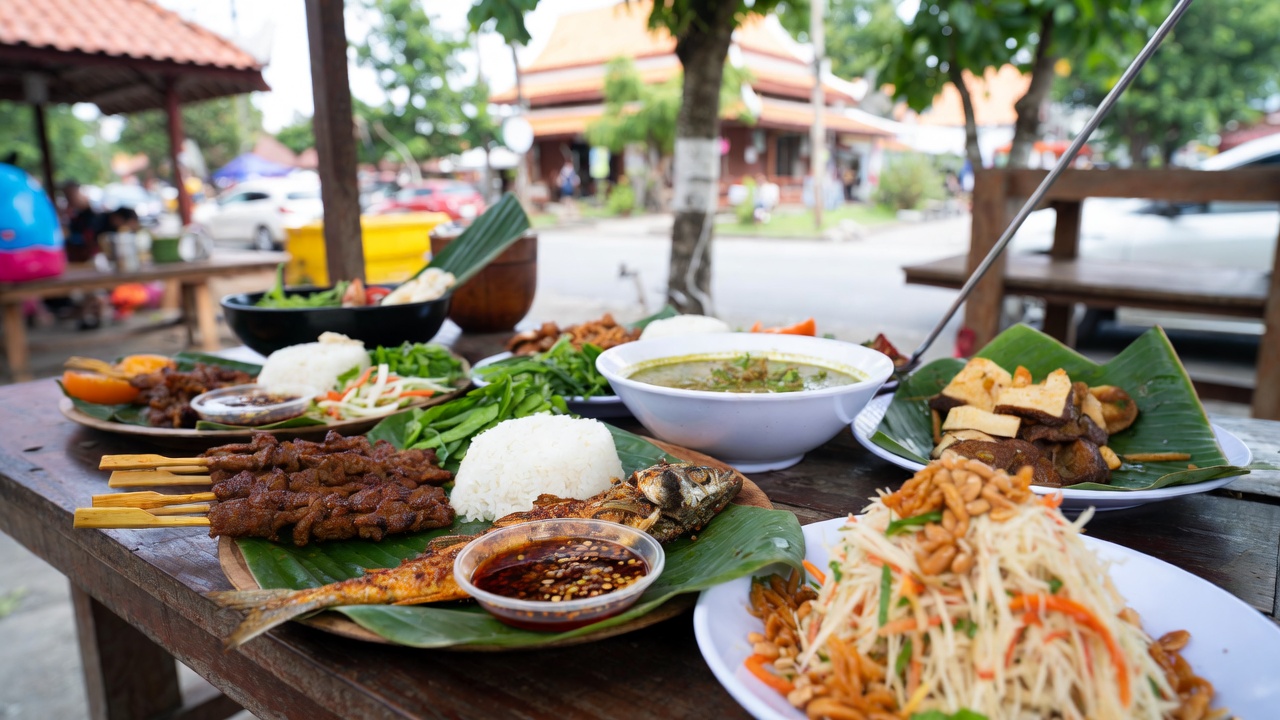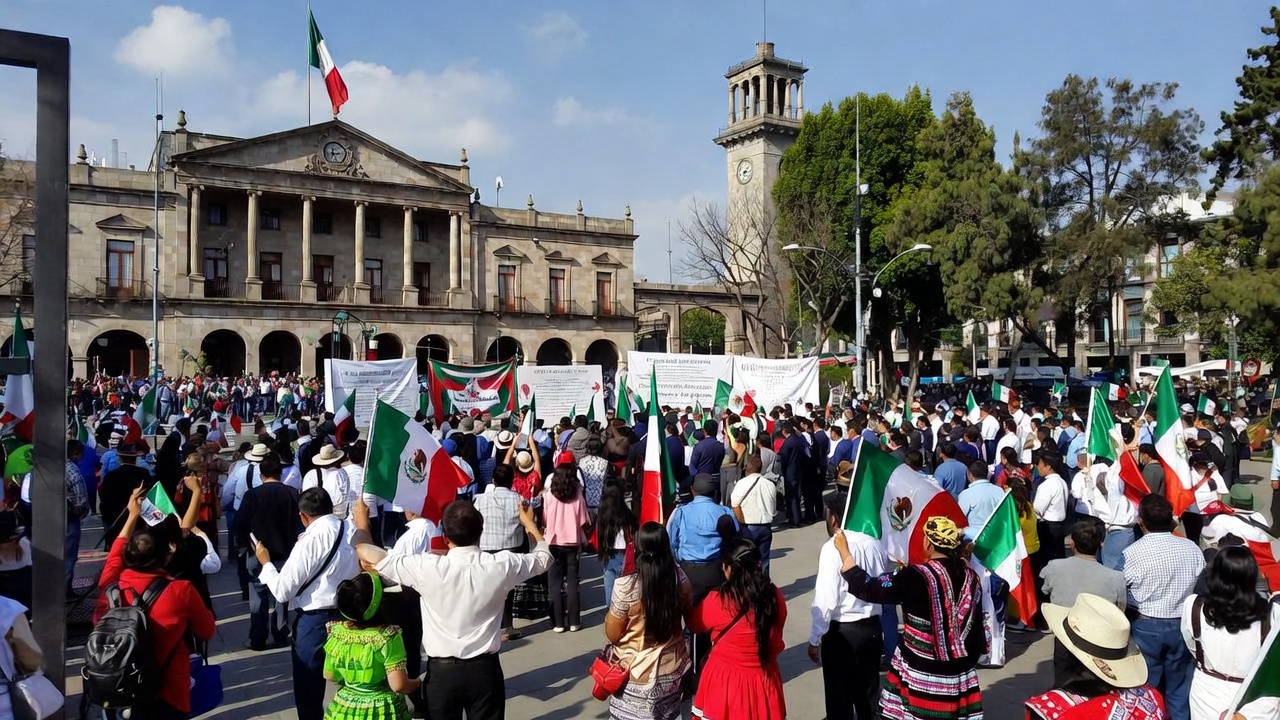

In my years traveling the world documenting festivals and customs, I’ve witnessed something universal: kindness transcends borders. From the Japanese concept of omotenashi (selfless hospitality) to the Danish tradition of hygge (cozy togetherness), cultures worldwide recognize that small gestures create profound connections. Now, this ancient wisdom is revolutionizing modern workplaces.
Random acts of kindness at work aren’t just feel-good moments. They’re strategic investments in organizational health. This comprehensive guide explores how simple gestures transform workplace culture, boost employee morale, and drive measurable productivity gains.
What Are Random Acts of Kindness in the Workplace?
Random acts of kindness in the workplace are spontaneous, thoughtful gestures performed without expectation of reward. They range from small courtesies to meaningful support during difficult times.
These acts differ from formal recognition programs. They’re organic. Unexpected. Genuine.
Examples include:
| Type of Act | Examples | Impact Level |
|---|---|---|
| Verbal Kindness | Compliments, thank-you notes, public recognition | High emotional impact |
| Service-Based | Helping with tasks, covering shifts, mentoring | High practical impact |
| Gift-Giving | Coffee, snacks, small presents | Moderate emotional impact |
| Inclusive Gestures | Inviting newcomers to lunch, remembering birthdays | High social impact |
| Professional Support | Sharing opportunities, giving referrals, offering advice | High career impact |
According to research from the Random Acts of Kindness Foundation, kindness is teachable and contagious. When one person performs a kind act, observers are more likely to repeat the behavior. This creates a ripple effect throughout organizations.
The Science Behind Why Kindness at Work Improves Employee Morale
Understanding why kindness at work improves employee morale requires examining neuroscience and psychology. The effects are biological, not just emotional.
The Neurochemistry of Kindness
When you perform or receive a kind act, your brain releases several chemicals:
- Oxytocin: Often called the “love hormone,” it builds trust and connection
- Serotonin: Regulates mood and creates feelings of well-being
- Dopamine: The “reward” chemical that motivates positive behavior
- Endorphins: Natural painkillers that create the “helper’s high”
Dr. David Hamilton, author of The Five Side Effects of Kindness, explains that these neurochemical responses make kindness self-reinforcing. The giver often benefits more than the receiver.
Psychological Safety and Belonging
Harvard Business School professor Amy Edmondson’s research on psychological safety demonstrates that employees perform better when they feel safe. Random acts of kindness signal safety. They communicate: “You matter here. We support each other.”
Gallup’s State of the Global Workplace Report found that employees with a best friend at work are seven times more likely to be engaged. Kindness builds these friendships.
How Random Acts of Kindness Increase Workplace Productivity
The connection between random acts of kindness and workplace productivity is well-documented. Happy employees work harder, stay longer, and produce better results.
The Productivity Research
A landmark study by the University of Warwick found that happiness increases productivity by approximately 12%. Conversely, unhappy workers were 10% less productive than average.
The mechanism is straightforward:
- Kindness reduces stress → Stress impairs cognitive function
- Kindness builds relationships → Collaboration improves efficiency
- Kindness increases engagement → Engaged employees exert discretionary effort
- Kindness reduces turnover → Continuity preserves institutional knowledge
Real-World Business Results
Companies prioritizing kindness see measurable returns:
| Company | Kindness Initiative | Reported Result |
|---|---|---|
| Peer bonus program | Increased collaboration scores | |
| Southwest Airlines | Culture of recognition | Industry-leading employee retention |
| Zappos | Random acts program | 75% repeat customer rate |
| Salesforce | Volunteer time off | Named #1 Best Place to Work |
According to SHRM (Society for Human Resource Management), replacing an employee costs 50-200% of their annual salary. Kindness-driven retention delivers significant ROI.
50 Random Acts of Kindness Ideas for Coworkers and Teams
Implementing random acts of kindness ideas for coworkers doesn’t require budget approval or management permission. Start small. Be consistent.
Acts That Cost Nothing
- Write a handwritten thank-you note for specific help
- Publicly acknowledge someone’s contribution in a meeting
- Hold the elevator (or video call) for a late colleague
- Offer to take notes during meetings
- Send an encouraging email before someone’s presentation
- Share credit generously on successful projects
- Remember and use preferred names and pronouns
- Ask about someone’s weekend and genuinely listen
- Offer constructive feedback privately, praise publicly
- Mentor a new employee during their first weeks
Acts That Require Minimal Investment
- Bring coffee or tea for your team
- Leave snacks in the break room with a kind note
- Send a book you think a colleague would enjoy
- Order lunch for someone having a difficult day
- Buy a small plant for a coworker’s desk
- Create a Spotify playlist for team productivity
- Print inspirational quotes for the office
- Gift a notebook to someone starting a new project
- Bring treats from your travels or local bakery
- Purchase thank-you cards in bulk for the team
Acts for Remote and Hybrid Workers
- Send a digital gift card for coffee
- Mail a handwritten card to their home
- Create a virtual celebration for milestones
- Schedule optional social video calls without agenda
- Send a care package during difficult times
- Share your screen to help troubleshoot issues
- Record a video message of appreciation
- Create a shared playlist for virtual coworking
- Offer flexible meeting times across time zones
- Send wellness app subscriptions as gifts
Acts for Managers and Leaders
- Give unexpected time off for exceptional work
- Write LinkedIn recommendations for team members
- Share learning opportunities and conferences
- Advocate for promotions and raises proactively
- Protect team time from unnecessary meetings
- Celebrate failures as learning opportunities
- Provide resources for professional development
- Create growth opportunities within projects
- Remember personal details like children’s names
- Check in without agenda regularly
Acts for Cross-Departmental Kindness
- Thank support staff personally (IT, HR, facilities)
- Bring appreciation to other departments you work with
- Offer your expertise to struggling teams
- Invite colleagues from other departments to team events
- Share useful resources across organizational boundaries
- Acknowledge invisible labor (meeting scheduling, note-taking)
- Support employee resource groups with attendance
- Participate in company volunteer events
- Champion diversity and inclusion actively
- Celebrate cultural holidays from all backgrounds
How to Create a Culture of Kindness in the Workplace
Building a culture of kindness in the workplace requires intentionality. It doesn’t happen by accident. Leaders must model, encourage, and systematize kindness.
Step 1: Leadership Must Lead
Culture flows downward. When executives demonstrate kindness, permission cascades throughout the organization.
Leadership actions that matter:
- Handwritten notes to employees at all levels
- Public acknowledgment of mistakes and learning
- Visible participation in volunteer activities
- Personal outreach during employee difficulties
- Protection of work-life boundaries
Research from Harvard Business Review confirms that leaders who project warmth—even before establishing competence—are more effective. Kindness isn’t weakness. It’s strategy.
Step 2: Create Systems and Rituals
Sustainable kindness requires structure. Consider implementing:
- Weekly appreciation rounds in team meetings
- Kindness boards (physical or digital) for recognition
- Peer nomination programs for monthly awards
- Kindness challenges during awareness months
- Gratitude journals for team reflection
Step 3: Remove Barriers to Kindness
Some workplace structures actively discourage kindness:
| Barrier | Solution |
|---|---|
| Competitive evaluation systems | Incorporate collaboration metrics |
| Siloed departments | Create cross-functional projects |
| Overloaded schedules | Protect time for relationship-building |
| Remote isolation | Establish virtual connection rituals |
| Fear of seeming unprofessional | Normalize emotional expression |
Step 4: Measure and Celebrate Progress
What gets measured gets managed. Track kindness culture through:
- Employee engagement surveys with kindness questions
- Peer recognition frequency metrics
- Retention and turnover data
- Exit interview feedback analysis
- Customer satisfaction correlations
Random Acts of Kindness Day at Work: Planning and Celebration Ideas
Random Acts of Kindness Day occurs annually on February 17th. This global celebration offers perfect opportunities for workplace initiatives.
Pre-Event Planning (2-4 Weeks Before)
- Form a planning committee with representatives from multiple departments
- Set a budget for supplies and activities
- Create promotional materials building anticipation
- Order supplies (cards, treats, decorations)
- Coordinate with leadership for participation and messaging
Day-Of Activities
Morning:
- Welcome employees with coffee and pastries
- Distribute kindness challenge cards
- Launch appreciation boards
Midday:
- Host a kindness-themed lunch
- Organize team volunteer activities
- Share kindness stories from around the organization
Afternoon:
- Kindness awards ceremony
- Team reflection sessions
- Launch ongoing kindness initiatives
Virtual Celebration Ideas
- Digital kindness wall using collaborative tools like Miro or Padlet
- Virtual coffee pairings across departments
- Kindness bingo with prizes
- Video compilation of appreciation messages
- Charity voting with company donation matching
Extending Beyond One Day
The real goal is sustained culture change, not a single event. Use Random Acts of Kindness Day to:
- Launch year-round recognition programs
- Establish monthly kindness challenges
- Create peer support networks
- Begin mentorship matching programs
Benefits of Workplace Kindness Programs for Mental Health
The connection between workplace kindness programs and mental health has become increasingly important. Post-pandemic workplaces face unprecedented mental health challenges.
The Mental Health Crisis at Work
World Health Organization data reveals:
- Depression and anxiety cost the global economy $1 trillion annually in lost productivity
- 15% of working-age adults experience mental disorders
- Work-related stress is a leading cause of mental health challenges
Kindness directly addresses these issues.
How Kindness Supports Mental Health
For Recipients:
- Reduces feelings of isolation and loneliness
- Increases sense of belonging and value
- Provides tangible support during difficult periods
- Creates safety to discuss struggles
For Givers:
- Shifts focus outward from personal problems
- Creates sense of purpose and meaning
- Builds confidence through positive interactions
- Reduces symptoms of depression and anxiety
For Organizations:
- Destigmatizes mental health discussions
- Creates early warning systems through relationships
- Reduces burnout through mutual support
- Improves help-seeking behavior
Implementing Mental Health-Focused Kindness
- Train employees in Mental Health First Aid
- Create peer support programs for ongoing connection
- Establish check-in buddies for remote workers
- Develop manager training on supportive conversations
- Provide resources and referrals when kindness isn’t enough
How to Encourage Random Acts of Kindness Among Remote Employees
Encouraging random acts of kindness among remote employees presents unique challenges. Physical distance doesn’t mean emotional distance—but connection requires intentionality.
The Remote Work Kindness Gap
Remote workers report:
- Higher rates of loneliness than office counterparts
- Fewer casual interactions that build relationships
- Difficulty reading social cues without body language
- Blurred boundaries between work and personal life
- Reduced visibility of contributions
Strategies for Remote Kindness
Technology-Enabled Kindness:
| Tool | Kindness Application |
|---|---|
| Slack/Teams | Dedicated appreciation channels, emoji reactions, GIFs |
| Donut/RandomCoffee | Automated virtual coffee pairings |
| Bonusly/Kudos | Peer recognition platforms |
| Zoom | Virtual celebrations and social events |
| Postal/Sendoso | Physical gift sending at scale |
Asynchronous Kindness:
- Voice messages of appreciation
- Video birthday greetings
- Shared playlists for motivation
- Virtual book clubs
- Collaborative gratitude documents
Synchronous Connection:
- Weekly social video calls without agenda
- Virtual team lunches or coffee breaks
- Online game sessions
- Watch parties for company events
- Virtual volunteer activities
Manager Responsibilities for Remote Kindness
Remote managers must:
- Model vulnerability by sharing personal updates
- Create structure for casual interaction
- Celebrate publicly in team channels
- Remember individual circumstances (time zones, family situations)
- Vary communication methods to reach different preferences
Measuring the ROI of Kindness Initiatives in the Workplace
Business leaders often ask about measuring the ROI of kindness initiatives in the workplace. While some benefits are intangible, many are quantifiable.
Quantitative Metrics
| Metric | Measurement Method | Expected Impact |
|---|---|---|
| Employee Retention | Turnover rate tracking | 10-25% improvement |
| Engagement Scores | Annual/pulse surveys | 15-30% improvement |
| Productivity | Output per employee | 10-15% improvement |
| Absenteeism | Days missed tracking | 20-40% reduction |
| Customer Satisfaction | NPS or CSAT scores | 10-20% improvement |
Qualitative Indicators
- Recruitment ease: Are candidates mentioning culture in interviews?
- Glassdoor reviews: What do employees say publicly?
- Internal mobility: Are people seeking to join certain teams?
- Meeting quality: Is collaboration improving?
- Crisis resilience: How does the team handle setbacks?
Calculating Financial Impact
Sample ROI Calculation:
Assumptions:
- 100 employees with average salary of $60,000
- Current turnover rate: 20%
- Replacement cost: 100% of salary
- Kindness program cost: $50 per employee annually
Without Program:
- Annual turnover cost: 20 employees × $60,000 = $1,200,000
With Program (assuming 25% retention improvement):
- New turnover rate: 15%
- Annual turnover cost: 15 employees × $60,000 = $900,000
- Program cost: 100 × $50 = $5,000
- Net savings: $295,000
This doesn’t include productivity gains, reduced absenteeism, or improved customer satisfaction.
Overcoming Barriers to Workplace Kindness Programs
Despite clear benefits, organizations face barriers to workplace kindness programs. Understanding and addressing these obstacles enables successful implementation.
Common Objections and Responses
“We don’t have time for this.”
Response: Kindness doesn’t require additional time—it transforms existing interactions. A thank-you takes seconds. Acknowledgment in a meeting costs nothing. Studies show kind workplaces are more efficient, not less.
“It seems unprofessional.”
Response: The most successful companies prioritize culture. Google, Salesforce, Patagonia, and Southwest Airlines demonstrate that kindness and professionalism coexist. Professionalism without humanity is cold; kindness with competence is powerful.
“Some people will take advantage.”
Response: Research doesn’t support this concern. Adam Grant’s research at Wharton shows that “givers” succeed at the highest levels when they balance generosity with boundaries. Create cultures that reward reciprocity.
“You can’t force kindness.”
Response: You can’t force genuine feeling, but you can create conditions where kindness flourishes. Structure enables spontaneity. Recognition systems, time for connection, and leadership modeling all cultivate organic kindness.
“Our industry is too competitive.”
Response: Competitive industries benefit most from internal collaboration. When teams support each other, they outcompete rivals. Kindness is competitive advantage, not competitive weakness.
Addressing Specific Workplace Challenges
High-Stress Environments:
- Build kindness into existing workflows
- Create quick wins with low effort
- Celebrate stress-relief moments
Hierarchical Cultures:
- Start with peer-to-peer kindness
- Find leadership champions
- Demonstrate business results
Distributed Workforces:
- Leverage technology platforms
- Create virtual rituals
- Invest in periodic in-person gatherings
The Connection Between Workplace Kindness and Customer Experience
Workplace kindness and customer experience are directly linked. How employees treat each other predicts how they’ll treat customers.
The Service-Profit Chain
Harvard Business School research established the Service-Profit Chain:
- Internal service quality (how the company treats employees)
- Leads to employee satisfaction
- Which creates employee retention and productivity
- Resulting in external service value
- Which drives customer satisfaction and loyalty
- Culminating in revenue growth and profitability
Kindness is the foundation of this chain.
Evidence From Customer-Facing Industries
- Southwest Airlines: Legendary employee culture directly produces industry-leading customer satisfaction
- The Ritz-Carlton: “Ladies and gentlemen serving ladies and gentlemen” philosophy begins with internal respect
- Costco: Higher-than-industry wages and treatment correlate with exceptional customer loyalty
- Trader Joe’s: Famously kind employee culture creates distinctive customer experience
Practical Applications
- Mirror customer service training internally between departments
- Celebrate internal service as seriously as external
- Create feedback loops connecting employee and customer satisfaction
- Empower employees to extend kindness to customers without approval
Long-Term Effects of Kindness on Organizational Culture
The long-term effects of kindness on organizational culture compound over time. Initial investments create lasting returns.
The Compounding Effect
Like financial compound interest, kindness accumulates:
Year 1: Individual acts create positive moments Year 2: Patterns emerge; kindness becomes expected Year 3: Norms solidify; new hires are acculturated Year 5: Culture becomes self-reinforcing; unkindness feels foreign Year 10+: Kindness becomes organizational identity and competitive moat
Cultural Transformation Markers
| Stage | Indicators | Timeline |
|---|---|---|
| Awareness | Discussions about kindness begin | Month 1-3 |
| Experimentation | Individual acts increase | Month 3-6 |
| Adoption | Teams develop kindness rituals | Month 6-12 |
| Normalization | Kindness is expected behavior | Year 1-2 |
| Integration | Kindness shapes decisions and policies | Year 2-3 |
| Identity | Organization known for kindness culture | Year 3+ |
Sustaining Momentum
Long-term success requires:
- Ongoing leadership commitment through transitions
- Regular reinforcement through communication and celebration
- Evolution of programs to prevent staleness
- Measurement and accountability for culture metrics
- Integration into hiring and onboarding for cultural continuity
Global Perspectives on Workplace Kindness Traditions
Drawing from my travels documenting world cultures, I’ve observed that workplace kindness traditions vary globally—yet share common threads.
Cultural Approaches to Workplace Kindness
Japan – Omotenashi and Omoiyari: Japanese workplaces emphasize anticipating others’ needs before they’re expressed. The concept of omoiyari (empathy and consideration) extends to colleagues through practices like kohai-senpai mentorship relationships.
Denmark – Hygge at Work: Danish workplaces incorporate hygge—cozy togetherness—through coffee breaks (kaffepause), shared lunches, and deliberate relationship-building time. This contributes to Denmark’s consistent ranking among the world’s happiest countries.
Ubuntu Philosophy – South Africa: The concept “I am because we are” emphasizes collective well-being over individual achievement. Workplaces practicing Ubuntu prioritize mutual support and shared success.
Indigenous Practices – New Zealand: Māori concepts of manaakitanga (hospitality and mutual respect) influence workplace culture through welcoming rituals, relationship prioritization, and community care.
Latin America – Personalismo: Personal relationships take precedence over transactions. Workplaces emphasize getting to know colleagues as whole people, not just workers.
Universal Kindness Principles
Despite cultural differences, common elements emerge:
- Recognition of shared humanity beyond professional roles
- Hospitality toward newcomers and those in need
- Gratitude expression as regular practice
- Mutual support during difficulties
- Celebration of collective success
Implementing Kindness Programs: A Step-by-Step Guide for HR Professionals
HR professionals implementing kindness programs need practical guidance. This section provides a roadmap for successful rollout.
Phase 1: Assessment (Weeks 1-4)
Activities:
- Survey current culture perceptions
- Analyze engagement data for kindness indicators
- Identify existing informal kindness practices
- Benchmark against industry peers
- Interview diverse employees about needs
Deliverables:
- Baseline assessment report
- Gap analysis
- Stakeholder buy-in
Phase 2: Design (Weeks 5-8)
Activities:
- Form cross-functional design team
- Research evidence-based practices
- Select pilot programs aligned with culture
- Develop measurement framework
- Create communication plan
Key Decisions:
- Formal vs. informal programs
- Manager-driven vs. peer-driven
- Technology platforms needed
- Budget allocation
- Success metrics
Phase 3: Pilot (Weeks 9-16)
Activities:
- Select pilot groups (ideally 2-3 different teams)
- Train participants and managers
- Launch programs with clear guidelines
- Gather ongoing feedback
- Iterate based on learning
Success Factors:
- Visible leadership participation
- Regular communication
- Quick response to concerns
- Celebration of early wins
Phase 4: Scale (Weeks 17+)
Activities:
- Analyze pilot results
- Refine programs based on feedback
- Develop training materials
- Roll out organization-wide
- Integrate into existing systems (onboarding, performance, recognition)
Sustainability Measures:
- Leadership accountability
- Regular assessment cadence
- Program evolution process
- Cultural integration checkpoints
Conclusion: Building a Kinder Workplace Starts Today
Throughout my journeys documenting human customs and traditions, one truth remains constant: kindness is humanity’s universal language. It transcends culture, industry, and circumstance.
The research is clear. Kind workplaces outperform. Employees who feel valued contribute more. Organizations that prioritize human connection thrive.
Yet knowledge without action changes nothing.
Your next step is simple: Perform one random act of kindness at work today.
- Send that thank-you email you’ve been postponing
- Acknowledge a colleague publicly
- Offer help without being asked
- Include someone who seems isolated
- Express genuine interest in a coworker’s life
These small gestures compound. One act inspires another. Culture shifts, not through mandates, but through accumulated moments of human connection.
The most successful organizations of the future won’t just have the best technology, strategies, or talent. They’ll have cultures where kindness flows freely—where people genuinely care about each other’s success and well-being.
That culture can start with you. Today. Right now.
Additional Resources
Organizations and Research
- Random Acts of Kindness Foundation – Resources and research
- Greater Good Science Center – UC Berkeley’s kindness research
- Harvard Business Review – Workplace culture research
- Gallup – Employee engagement data
- SHRM – HR professional resources
Recommended Reading
- The Five Side Effects of Kindness by Dr. David Hamilton
- Give and Take by Adam Grant
- The Culture Code by Daniel Coyle
- Dare to Lead by Brené Brown
- Work Rules! by Laszlo Bock
Kindness at Work Calendar
| Month | Opportunity |
|---|---|
| February | Random Acts of Kindness Day (17th) |
| March | Employee Appreciation Day (first Friday) |
| April | Stress Awareness Month |
| May | Mental Health Awareness Month |
| September | World Gratitude Day (21st) |
| November | World Kindness Day (13th) |
| December | Year-end appreciation |
Transform your workplace culture one kind act at a time. The ripples extend further than you’ll ever know.
About the Author: As a global folklore expert and cultural researcher, I’ve spent decades documenting how human communities create connection across every imaginable context. From ancient festivals to modern offices, the principles remain the same: we thrive when we care for each other.
Share this post to spread kindness in workplaces everywhere. And remember—the next act of kindness is always yours to give.