A comprehensive guide to experiencing one of Southeast Asia’s most powerful Hindu festivals with cultural sensitivity and respect
Every year, as the full moon rises in the Tamil month of Thai, millions of devotees gather at sacred sites across Southeast Asia for one of Hinduism’s most visually stunning and spiritually intense celebrations: Thaipusam. This ancient festival, dedicated to Lord Murugan, draws not only faithful pilgrims but also countless tourists eager to witness the extraordinary displays of devotion, the vibrant processions, and the awe-inspiring acts of faith that define this remarkable celebration.
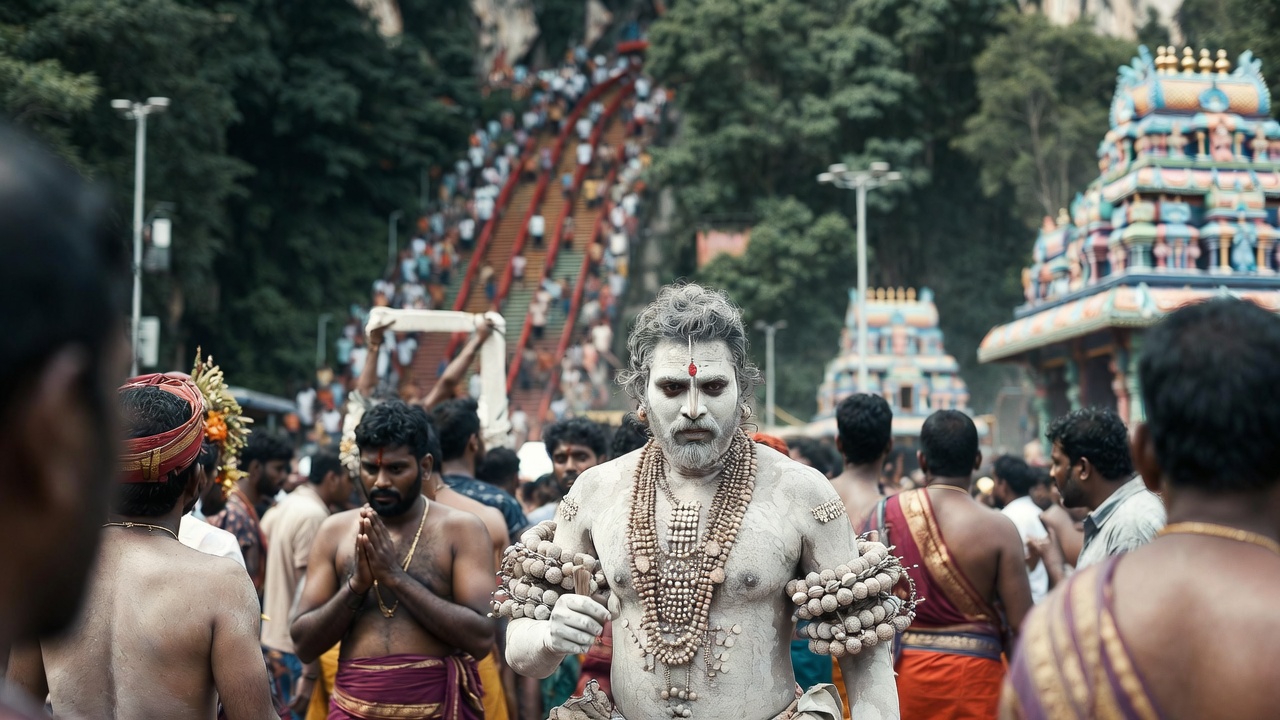
But here’s the thing. Thaipusam is not a tourist attraction. It is a deeply sacred religious observance. Every piercing, every kavadi carried up those famous 272 steps at Batu Caves, every pot of milk offered—these are acts of profound spiritual significance. They represent vows made, prayers answered, and faith expressed in its purest form.
If you’re planning to witness Thaipusam, you have an incredible opportunity. You can experience one of the world’s most powerful demonstrations of religious devotion. But with that opportunity comes responsibility. This guide will help you navigate the festival with the respect and reverence it deserves.
What Is Thaipusam and Why Is It Celebrated in Malaysia?
Before diving into the do’s and don’ts, it’s essential to understand what you’ll be witnessing. Thaipusam is a Tamil Hindu festival that commemorates the occasion when Goddess Parvati bestowed a divine spear—the Vel—upon her son, Lord Murugan. With this sacred weapon, Murugan vanquished the demon Surapadman, representing the eternal victory of good over evil, light over darkness.
The name “Thaipusam” combines two Tamil words: Thai, the Tamil month (January-February), and Pusam, the name of a star that reaches its highest point during the festival. The celebration occurs on the full moon, adding cosmic significance to the proceedings.
Why Malaysia Hosts the World’s Largest Thaipusam Celebration
While Thaipusam is observed in Tamil Nadu (India), Sri Lanka, Singapore, and Tamil diaspora communities worldwide, Malaysia hosts the most spectacular celebrations on Earth. According to the Malaysia Hindu Sangam, this festival attracts over one million devotees to Batu Caves alone each year.
The reason for Malaysia’s prominence lies in its history. A Tamil leader established the Hindu temple at Batu Caves in the 1890s, dedicating it to Lord Murugan. Over time, this site has become the most significant Hindu pilgrimage destination outside of India. The 42.7-meter (140-foot) golden statue of Lord Murugan—the tallest in the world—stands as a beacon of faith at the foot of those iconic rainbow-colored steps.
| Key Thaipusam Locations in Malaysia | Notable Features |
|---|---|
| Batu Caves, Selangor | Largest celebration; 272 steps; 42.7m Murugan statue |
| Arulmigu Balathandayuthapani Temple, Penang | 512 steps; also called Waterfall Hill Temple |
| Sri Subramaniar Swamy Temple, Ipoh | Major pilgrimage site with grand processions |
| Sri Mahamariamman Temple, Kuala Lumpur | Starting point for the Silver Chariot procession |
Understanding Thaipusam Festival Rituals and Their Significance
To behave respectfully at Thaipusam, you must first understand what the devotees are experiencing. This isn’t performance art. It’s living prayer.
The 48-Day Spiritual Preparation Period
Long before Thaipusam day arrives, devotees begin a rigorous 48-day purification period called viratham. During this time, they observe strict austerities:
- Vegetarian diet (often just one simple meal per day)
- Complete abstinence from alcohol, smoking, and intoxicants
- Celibacy and restraint from worldly pleasures
- Daily prayers, chanting mantras, and meditation
- Reading of sacred texts and spiritual books
Twenty-four hours before Thaipusam, many devotees maintain a complete fast. Some observe a vow of silence. This preparation is crucial—it purifies the mind and body for the spiritual journey ahead.
The Kavadi Aattam: Ceremonial Acts of Sacrifice and Devotion
The most visually striking aspect of Thaipusam is the Kavadi Aattam, a ceremonial act of sacrifice. “Kavadi” means “burden” in Tamil, and devotees carry various forms of physical burdens as offerings to Lord Murugan.
Types of Kavadi:
- Paal Kavadi (Milk Pot): Devotees carry pots filled with milk, symbolizing purity and fertility
- Simple Kavadi: A semicircular frame balanced on the shoulders
- Vel Kavadi: Decorated with images of the divine spear
- Alavu Kavadi: Elaborate structures attached to the body with hooks piercing the skin
- Ratha Kavadi: Large, chariot-like structures that can weigh up to 100 kilograms
Body Piercing and Mortification: Acts of Extreme Devotion
Some devotees express their faith through mortification of the flesh—piercing their cheeks, tongues, backs, and other body parts with vel skewers and hooks. This practice, while startling to outsiders, holds deep spiritual meaning.
Important context for tourists:
- The piercings represent the Vel, Lord Murugan’s divine weapon
- Devotees enter a trance-like state during these rituals
- There is typically minimal bleeding due to precise insertion techniques
- This is an act of devotion, not self-harm
- Devotees believe that through this sacrifice, their sins are cleansed and their faith reaffirmed
When Is Thaipusam 2026 and How Long Does the Festival Last?
Thaipusam 2026 falls on Sunday, February 1st. However, the celebrations span multiple days:
| Date | Event |
|---|---|
| January 30, 2026 | Yellow flag with rooster symbol hoisted at Batu Caves |
| January 30-31, 2026 | Silver Chariot procession from Sri Mahamariamman Temple to Batu Caves (15-20 km journey) |
| February 1, 2026 | Main day of Thaipusam |
| February 2, 2026 | Chariot returns to Sri Mahamariamman Temple |
Thaipusam is a public holiday in several Malaysian states, including Kuala Lumpur, Putrajaya, Selangor, Perak, Penang, Johor, and Negeri Sembilan.
Essential Thaipusam Dress Code for Tourists: What to Wear and What to Avoid
Your clothing choices at Thaipusam communicate respect—or disrespect—louder than words ever could. This isn’t about fashion. It’s about honoring a sacred space.
DO: Dress Modestly and Conservatively
The non-negotiable rule is simple: cover your shoulders and knees. This applies to everyone, regardless of gender.
Recommended clothing for Thaipusam:
- Loose-fitting, lightweight fabrics (Malaysia’s tropical climate means temperatures between 25-35°C)
- Long pants or skirts that fall below the knee
- Short-sleeved or long-sleeved shirts that cover shoulders
- Comfortable, closed-toe shoes or sandals you can easily remove
DO: Consider Wearing Auspicious Colors
While not mandatory for tourists, wearing yellow or orange shows cultural awareness and respect. These colors are sacred to Lord Murugan and symbolize purity and devotion. You’ll blend in more naturally and demonstrate that you’ve taken time to understand the festival’s significance.
Acceptable colors:
- Yellow (most auspicious)
- Orange/saffron
- White
- Neutral, muted tones
DON’T: Wear Revealing or Inappropriate Clothing
Absolutely avoid:
- Tank tops, sleeveless shirts, or crop tops
- Short skirts or shorts above the knee
- Tight, form-fitting clothing
- Clothing with offensive images or symbols
- Flashy, attention-grabbing outfits
According to multiple travel guides including WAHDAH, inappropriate dress may result in being denied entry to certain areas.
Special Footwear Considerations
Shoes must be removed when entering temple sanctuaries. Bring a bag to store your footwear, or leave them in designated areas. Many devotees walk the entire pilgrimage barefoot as part of their vow, so be mindful of where you step and avoid obstructing their path.
Thaipusam Photography Etiquette: How to Capture the Festival Respectfully
Thaipusam offers extraordinary photographic opportunities. The colors, the devotion, the dramatic rituals—it’s visually overwhelming. But remember: you’re not at a photo exhibition. You’re a guest at a religious ceremony.
DO: Ask Permission Before Photographing Individuals
This is perhaps the most commonly violated rule at Thaipusam. Many tourists treat devotees like subjects rather than human beings in the midst of sacred acts.
Best practices for photography:
- Always seek permission before taking close-up photos of individuals
- Use eye contact and gestures to communicate if there’s a language barrier
- Accept “no” gracefully without argument or negotiation
- Respect that some devotees may prefer privacy during their most personal moments of devotion
DO: Photograph Public Scenes and the General Atmosphere
Photography is generally allowed in public areas, including:
- The 272 rainbow-colored steps
- The Lord Murugan statue
- General crowd scenes and processions
- Open temple forecourts
- The Silver Chariot procession
DON’T: Take Photos Inside Inner Sanctums or During Active Puja
According to Batu Caves dress code guidelines, photography is prohibited inside the inner sanctums of temples and during active puja (prayer) ceremonies. Look for signage and follow instructions from temple staff.
DON’T: Obstruct the Procession for the Perfect Shot
This behavior is both disrespectful and potentially dangerous. Devotees in trance states may not be fully aware of their surroundings. Getting in their path:
- Disrupts their spiritual journey
- Could cause injury to you or them
- Shows profound disrespect for the sacred nature of their pilgrimage
Photography tips from experienced Thaipusam visitors:
- Work from the sides, not the center of the procession
- Use a zoom lens rather than getting physically close
- Leave tripods at home—they obstruct foot traffic
- Bring extra batteries (the festival lasts all day)
- Arrive before dawn for the most dramatic lighting
How to Behave at Thaipusam: Cultural Sensitivity and Temple Etiquette
Your behavior speaks volumes about your respect for the Tamil Hindu community and their sacred traditions.
DO: Maintain a Quiet and Contemplative Demeanor
Thaipusam is not a party or carnival. While there is music, drumming, and festive energy, the underlying atmosphere is one of reverence and devotion.
Appropriate behavior:
- Keep conversations to a reasonable volume
- Avoid loud laughter or boisterous behavior
- Turn off phone ringtones
- Move calmly and deliberately through crowds
DO: Show Interest, Humility, and Gratitude
Many devotees and local community members appreciate genuine interest in their traditions. If you have questions:
- Ask politely and at appropriate moments
- Express gratitude for any explanations offered
- Show that you’ve made an effort to understand the festival’s significance
DON’T: Engage in Prohibited Activities
The Malaysia Hindu Sangam explicitly prohibits the following at Thaipusam celebrations:
| Strictly Prohibited | Why It’s Banned |
|---|---|
| Alcohol consumption | Interferes with the sacred atmosphere |
| Smoking and vaping | Disrespectful in religious settings |
| Public displays of affection | Inappropriate at religious ceremonies |
| Gambling | Forbidden in temple precincts |
| Fighting or quarreling | Violates the spirit of the festival |
| Touting or aggressive selling | Exploits the religious gathering |
Violators may be removed from temple premises and face appropriate action.
DON’T: Touch Devotees, Kavadis, or Sacred Objects
Unless explicitly invited, never touch:
- Devotees in trance states
- Kavadi structures or attachments
- Sacred statues or shrine objects
- Offerings or pots of milk
Devotees in trance may have the divine energy flowing through them—known as Arul Vakku. Interrupting this state through physical contact is deeply disrespectful and potentially distressing for the devotee.
Practical Tips for Visiting Thaipusam at Batu Caves: Safety and Logistics
Beyond etiquette, practical preparation will make your Thaipusam experience safer and more enjoyable.
DO: Arrive Early and Plan Transportation
With over one million attendees, Batu Caves becomes extraordinarily crowded during Thaipusam. Traffic is congested, parking is nearly impossible, and roads around the temple complex are closed for crowd control.
Best transportation options:
- KTM Komuter Train (Highly Recommended)
- Departs from KL Sentral
- Takes approximately 30 minutes
- Batu Caves station is on the purple line
- Special extended service often available during Thaipusam
- Ride-hailing apps (Grab)
- Book in advance
- Expect surge pricing and longer wait times
- Private car (Not Recommended)
- Extreme traffic congestion
- Limited parking
- Road closures in effect
Optimal arrival times:
- For photographers: 4:00-5:00 AM (arrange transportation in advance; trains don’t run this early)
- For general visitors: 6:00-7:00 AM
- Avoid: Midday (extreme heat and peak crowds)
DO: Stay Hydrated and Protect Yourself from the Sun
Malaysia’s tropical climate combined with massive crowds creates challenging conditions:
- Bring at least 2 liters of water per person
- Wear sunscreen and sunglasses
- Bring an umbrella (useful for sun and potential rain)
- Take breaks in shaded areas
- Know the signs of heat exhaustion
DO: Keep Your Belongings Secure
The crowds at Thaipusam, while generally peaceful, create opportunities for pickpockets:
- Use a cross-body bag worn in front
- Keep phones and cameras secured
- Avoid carrying excessive cash
- Leave valuables at your accommodation
DON’T: Underestimate the Physical Demands
Climbing the 272 steps at Batu Caves is challenging under normal circumstances. During Thaipusam, you’ll be doing it amid a massive crowd, potentially waiting in lines, and dealing with tropical heat.
Prepare accordingly:
- Wear comfortable footwear
- Build in rest breaks
- Know your physical limits
- Don’t hesitate to turn back if overwhelmed
Understanding the Devotees’ Trance State During Thaipusam Rituals
One of the most striking and potentially confusing aspects of Thaipusam is witnessing devotees in trance states. Understanding this phenomenon helps you respond appropriately.
What Is Arul Vakku? The Divine Trance Experience
During Thaipusam, some devotees enter a state called Arul Vakku, where they believe the deity’s energy flows through them. This spiritual experience can manifest as:
- Dancing uncontrollably
- Waving arms wildly
- Unusual vocalizations
- Apparent unawareness of surroundings
- Seeming imperviousness to pain
DO: Remain Calm and Observant
When you encounter devotees in trance:
- Do not panic or react with alarm
- Do not interfere unless someone is in immediate danger
- Maintain respectful distance
- Do not photograph intrusively without permission
- Understand that support teams are usually nearby
DON’T: Attempt to “Wake” or Disturb Entranced Devotees
Interrupting someone’s trance state:
- Is deeply disrespectful
- Can be psychologically distressing for the devotee
- May be physically dangerous
- Interferes with their spiritual experience
Leave any necessary intervention to experienced temple personnel or the devotee’s support team.
Making Offerings at Thaipusam: Can Tourists Participate?
As a visitor, you may wonder if you can participate in any aspects of the celebration beyond observation.
DO: Consider Making Appropriate Offerings
Tourists are welcome to make offerings at Thaipusam. Traditional offerings to Lord Murugan include:
- Coconuts
- Honey
- Milk
- Orange and yellow flowers
- Fruits
These can often be purchased from vendors near the temple. Making an offering shows respect and allows you to participate meaningfully in the celebration.
DO: Approach with Sincerity and Respect
If you choose to make an offering:
- Approach with genuine reverence
- Follow the lead of local devotees
- Ask temple staff for guidance if unsure
- Remove shoes before entering shrine areas
DON’T: Treat Participation as a “Tourist Experience”
This isn’t a checkbox activity. If you’re not comfortable making a sincere religious offering, simply observing with respect is perfectly appropriate. There’s no pressure or expectation for tourists to participate in rituals.
Cultural Taboos at Hindu Temples: Things That Offend Devotees
Beyond the major guidelines, awareness of smaller cultural taboos will help you navigate Thaipusam gracefully.
DO: Use Your Right Hand
In Hindu culture, the left hand is considered unclean. When:
- Giving or receiving items
- Making offerings
- Pointing or gesturing
…always use your right hand.
DO: Remove Shoes Properly
When removing shoes at temple entrances:
- Place them neatly to the side
- Point them away from the temple
- Never step over someone else’s footwear
DON’T: Point Your Feet at Sacred Objects
In Hindu tradition, feet are considered the lowest and most impure part of the body. Never:
- Point your feet toward statues or shrines
- Sit with feet extended toward the altar
- Step over sacred objects or offerings
DON’T: Turn Your Back on Shrines
When leaving a shrine area, try to:
- Back away respectfully
- Avoid turning your back directly on the deity
- Exit gracefully and mindfully
FAQ: Common Questions About Thaipusam Tourist Etiquette
Is Thaipusam Open to Non-Hindus?
Yes, absolutely. Thaipusam welcomes visitors of all faiths. As Holidify notes, tourists are welcome to witness the celebrations as long as they respect religious customs and dress modestly.
Is There an Entry Fee for Batu Caves During Thaipusam?
No. Entry to Batu Caves and temples during Thaipusam is free. However, there may be charges for certain cave tours or additional attractions.
How Long Should I Plan to Stay at Thaipusam?
This depends on your interests:
- Minimum: 2-3 hours (basic observation and climbing the steps)
- Recommended: 4-6 hours (immersive experience)
- For photographers/deep immersion: 8-10+ hours
Is Thaipusam Safe for Solo Female Travelers?
Yes, but exercise normal precautions:
- Stay aware of your surroundings
- Keep belongings secure
- Stick to well-lit, crowded areas
- Don’t accept food or drinks from strangers
- Trust your instincts
Can Children Attend Thaipusam?
Yes, but consider:
- The crowds may be overwhelming for young children
- Some rituals (piercings) may be disturbing to watch
- Heat and duration can be challenging
- Keep children close at all times
The Deeper Meaning: Why Respecting Thaipusam Matters
As you prepare for your Thaipusam experience, consider this: you’re about to witness something extraordinary. People who have prepared for 48 days—fasting, praying, purifying themselves—are about to climb those 272 steps carrying burdens that test the limits of human endurance. They do this not for fame, not for attention, but as an act of pure devotion.
The piercings, the kavadis, the pots of milk—these aren’t performances. They’re conversations with the divine. They’re promises kept. They’re prayers made physical.
When you approach Thaipusam with genuine respect and reverence, you honor not just the devotees in front of you but centuries of Tamil Hindu tradition. You become, for a moment, part of something much larger than yourself.
The Gift of Witness
Being allowed to witness such profound acts of faith is a privilege. Not every religious tradition welcomes outsiders. Not every sacred ceremony is open to observation. The Tamil Hindu community’s willingness to share Thaipusam with the world is an act of generosity and openness.
Return that generosity by being the best guest you can be. Follow the guidelines in this post. Put your camera down occasionally and simply be present. Let the drumbeats and chants wash over you. Feel the energy of collective devotion. Allow yourself to be moved.
Final Checklist: Do’s and Don’ts for Thaipusam at a Glance
✅ The Essential DO’s
| DO | Why It Matters |
|---|---|
| Dress modestly (cover shoulders and knees) | Shows respect for the sacred space |
| Ask permission before photographing individuals | Respects devotees’ dignity and privacy |
| Arrive early (6-7 AM) | Beats crowds and heat |
| Stay hydrated and bring water | Essential in tropical climate |
| Use public transportation | Roads are congested and closed |
| Maintain quiet, respectful demeanor | Honors the spiritual atmosphere |
| Remove shoes in temple areas | Required religious etiquette |
❌ The Critical DON’Ts
| DON’T | Why It’s Prohibited |
|---|---|
| Wear revealing clothing | Disrespectful to sacred space |
| Consume alcohol, smoke, or vape | Explicitly forbidden by temple authorities |
| Obstruct processions for photos | Dangerous and disrespectful |
| Touch devotees in trance | Can be distressing and disruptive |
| Photograph inside inner sanctums | Prohibited in most temples |
| Engage in public displays of affection | Inappropriate at religious ceremonies |
| Leave trash or litter | Disrespects the sacred site |
Conclusion: Becoming a Respectful Witness to Thaipusam
Thaipusam is not just a festival to observe—it’s an experience that can transform you. The devotion you’ll witness, the colors you’ll see, the sounds that will fill your ears—these will stay with you long after you leave Batu Caves.
But that transformation only happens when you approach the festival with the right mindset. Come as a respectful guest, not a tourist checking off a bucket list item. Come with curiosity and humility, ready to learn rather than judge. Come prepared to be uncomfortable at times—the piercings, the crowds, the heat—because growth often happens outside our comfort zones.
And most importantly, come with gratitude. Gratitude for the Tamil Hindu community’s openness in sharing their sacred traditions. Gratitude for the opportunity to witness faith expressed in its most powerful form. Gratitude for the reminder that, in our increasingly secular world, devotion like this still exists.
Vel Murugan!
Planning your visit to Thaipusam? Share your questions and experiences in the comments below. Safe travels, and may your journey be filled with respect, reverence, and wonder.